News Release

Despite Budget Concerns, Three-Quarters of Public Say Congress Should Extend the Enhanced ACA Tax Credits Set to Expire Next Year, Including Most Republicans and MAGA Supporters

7 in 10 Marketplace Enrollees Say They Could Not Afford Coverage if Their Premiums Doubled; 4 in 10 Say They Would Expect to Be Uninsured

Published: Oct 3, 2025

More than three-quarters (78%) of the public say they want Congress to extend the enhanced tax credits available to people with low and moderate incomes to make the health coverage purchased through the Affordable Care Act’s Marketplace more affordable, a new KFF Health Tracking Poll finds. That’s more than three times the share (22%) who say they want Congress to let the tax credits expire.

Most Republicans (59%) and “Make American Great Again” supporters (57%) favor extending the enhanced tax credits, which otherwise would expire at the end of the year and require Marketplace customers to pay much more in premiums to retain coverage. Larger majorities of Democrats (92%) and independents (82%) also support extending the enhanced tax credits, as do most people who buy their own health insurance, most of whom purchase through the Marketplace (84%).

The poll also tests the public’s response to arguments made by those who support and oppose extending the enhanced tax credits.

Among the public overall, more than eight in 10 say they would be concerned about the expirations of the tax credits if they heard that health insurance would become unaffordable for many people who buy their own coverage (86%), that about 4 million people would lose their health insurance coverage (86%), or that millions of people who work at small businesses or are self-employed would be directly impacted because they rely on the ACA Marketplace (85%).

In the other direction, a smaller majority (63%) say they would be concerned about extending the enhanced tax credits if they heard that it would require significant federal spending that would largely be paid by taxpayers. This includes a large majority of Republicans (83%) and most independents (61%).

When people who want to extend the enhanced tax credits were asked who deserves the most blame if they expire, roughly equal shares say President Trump (39%) and Republicans in Congress (37%), while a smaller share (22%) say that Democrats in Congress would deserve most of the blame.

“There is a hot debate in Washington about the looming ACA premium hikes, but our poll shows that most people in the marketplaces don’t know about them yet and are in for a shock when they learn about them in November,” KFF President and CEO Drew Altman said.

The poll was fielded just prior to the Oct. 1 federal government shutdown that was triggered in part by disagreements about whether, how and when to extend the expiring tax credits. A recent KFF analysis finds that losing that extra help would increase what Marketplace enrollees receiving financial assistance pay in premiums by an average of 114% – from $888 in 2025 to $1,904 next year.

The poll suggests that many Marketplace enrollees are going to be surprised by the jump in their premiums if the tax credits aren’t renewed in time for 2026 open enrollment period, which starts Nov. 1.

Among people who buy their own coverage (largely through the Marketplaces), about six in ten (58%) say they have heard just “a little” or “nothing at all” about the expiration of tax credits for eligible people with Marketplace coverage.

Among those who buy their own insurance, about a third (35%) expect their premiums to increase “a lot” next year.  A quarter (25%) expect their premiums to rise “some,” another quarter (24%) expect their premiums to increase “a little,” and the rest (15%) don’t expect any increase.

When asked if they could afford health coverage if their premiums nearly doubled, seven in 10 (70%) of those who purchase their own insurance say they would not be able to afford the premiums without significantly disrupting their household finances, more than twice the share (30%) who say they could afford the higher premiums.

About four in 10 (42%) Marketplace enrollees say they would go without health insurance coverage if the amount they had to pay for health insurance each month nearly doubled. Similar shares (37%) say they would continue to pay for their current health insurance, while two in 10 (22%) say they would get insurance from another source, like an employer or a spouse’s employer.

Other findings include:

  • Nearly two thirds (64%) of the public continue to hold favorable views of the Affordable Care Act overall, and a somewhat larger majority (70%) holds favorable views of the ACA’s Marketplaces. While two thirds (64%) of Republicans view the overall ACA unfavorably, most (59%) view the ACA Marketplaces themselves favorably.
  • Most (61%) of the public holds unfavorable views of the tax and budget law enacted in July, also known as the “big beautiful bill,” while about four in 10 (38%) view it favorably. Large majorities of Democrats (88%) and independents (68%) view the law unfavorably, while similar majorities of Republicans (75%) and MAGA supporters (82%) view it favorably.

Designed and analyzed by public opinion researchers at KFF, this survey was conducted September 23-29, 2025, online and by telephone among a nationally representative sample of 1,334 U.S. adults in English and in Spanish. The margin of sampling error is plus or minus 3 percentage points for the full sample. For results based on other subgroups, the margin of sampling error may be higher.

LGBTQ+ Health Policy

Table of Contents

Introduction

Copy link to Introduction

The share of individuals identifying as LGBTQ+ in the United States has increased over time, rising from just 4% in 2012 to 8% in 2023. In addition, support for same-sex marriage has also grown (27% in 1996 v. 69% as of 2024) and fewer believe there should be less acceptance for LGBTQ+ people (26% in 2001 v. 8% in 2020). Increases in identity and acceptance have been punctuated by several Supreme Court decisions providing new civil rights for LGBTQ+ people. Still, widespread stigma and discrimination persist for many LGBTQ+ people, including in health care as well as across a range of social institutions. These experiences can fuel significant health care disparities among LGBTQ+ people, challenging well-being and affecting health outcomes. Further, LGBTQ+ rights and health care access have become increasingly politicized at the federal and state levels, especially when it comes to young people.

All people’s health and health care experiences are informed by the socioeconomic context in which they live, including the policy environment. Federal and state policy can facilitate or impede access to health care for LGBTQ+ people. At the federal level, there have been both expansions as well as restrictions in protections and access over time and across presidential administrations, including the second Trump administration. Starting on the first day of his second term, President Trump began to issue numerous executive actions, several of which directly address or affect health programs, efforts, or policies designed to meet the health needs of LGBTQ+ people. These include actions that seek to limit data collection, lessen civil rights protections, restrict access to care, and remove acknowledgement of diverse sexual and gender identities. At the state level, there has been a rapid increase in the number of laws and policies impacting LGBTQ+ people’s health, especially, though not exclusively, that of young people. An increasing number of legal challenges to federal and state laws may ultimately decide access to care and the extent to which protections remain. This chapter provides an overview of LGBTQ+ people’s identities, experiences with health and health care, and the related health policy landscape.

A Note on Language

Throughout this chapter, whenever possible, we use the term LGBTQ+ to represent the full spectrum of non-heterosexual, non-cisgender people. Additionally, people who are asexual, questioning, or intersex are sometimes included under the LGBTQ+ umbrella. However, at times, the reader may encounter differences in terminology (e.g., LGBT, LGB, etc.). In these circumstances, we use language to reflect the specific data being cited. It is important to note that the language used to describe LGBTQ+ people has evolved considerably over time and will likely continue to do so.

Sex, Sexual Orientation, and Gender Identity

Copy link to Sex, Sexual Orientation, and Gender Identity

The concepts of sex, gender, and sexual orientation are discreet. However, they are often thought of as interrelated and dependent on one another, though their actual relationship is more diverse and complex:

  • Sex is often described as one’s biological categorization of being male or female based on anatomical, hormonal, and genetic factors. At birth, individuals are typically assigned a sex based on external genitalia. While sex is often thought of as a binary, as many as 1.7% of the population has been estimated to have some intersex trait, with population estimates of people with anatomical variations being lower (less than 0.5% of the population).
  • Gender identity is an individual’s sense or experience of being male, female, transgender (trans), non-binary, gender non-conforming, or something else. Gender identity may or may not align with the sex that was assigned at birth. Gender expression is the public expression of gender identity, which may occur through attire, body characteristics (e.g., hair), voice, etc. Gender expression may or may not align with traditional assumptions related to sex or gender identity.
  • Sexual orientation refers to emotional, romantic or sexual attraction to other people, often in relationship to one’s own sex and/or gender identity.

While many people and institutions historically considered these three concepts to be inseparably linked and linear (e.g., assigned the male sex at birth, identifies as male, and is attracted to women), there is wide variation in how these concepts relate, and they can be dynamic over time.

Who Are LGBTQ+ People?

Copy link to Who Are LGBTQ+ People?

It is estimated that 9.3% of U.S. adults identify as LGBTQ+, as of 2024, nearly triple the share in 2012 (3.5%), and LGBTQ+ identity is expected to continue to increase over time. This increase may reflect changes in behavior and desire, and an increased willingness to self-identify and disclose as societal acceptance has grown. Indeed, these two factors are likely interrelated. LGBTQ+ identity is strongly associated with age; younger generations self-identify at higher rates than older generations (23% of those aged 18-27 identify as LGBTQ+ compared to just 2% among those aged 79 and older). In addition, as of 2023, about 1 in 4 high school students identifies as LGBQ+. As the LGBTQ+ population ages and new generations identify at higher rates, it is expected that the share of adults who identify as LGBTQ+ will increase as well.

As such, the LGBTQ+ population is younger than the U.S. population overall. Almost half (47%) of LGBT adults are under age 30, compared to 18% of non-LGBT adults. Just 6% are 65 or older, compared to nearly one-quarter (24%) of non-LGBT adults (see Figure 1). LGBT adults are also more likely to have lower incomes and be living on less than $40,000 per year than non-LGBT adults (42% v. 33%), which may reflect their lower age. (See Table 1.)

Demographics of LGBT and Non-LGBT Adults

Within the LGBTQ+ community, identity is complex and multifaceted. Among adults who identify as LGBTQ+, the majority identify as bisexual (56%), a finding driven by younger adults, followed by gay (21%), and lesbian (15%). Smaller shares identify as transgender (14%), pansexual (1%), or in some other way (5%).

It is estimated that over 2.8 million adults and youth (over 13 years old) living in the U.S. identify as transgender or trans, which translates to 1% of all those 13 and older. A 2023 KFF/Washington Post Survey of a nationally representative sample of transgender adults in the U.S shows the trans adult population is younger than the larger cisgender adult population, with the majority of trans adults under the age of 35, echoing trends seen in the larger LGBTQ+ population. Additionally, most (70%) trans adults identify as lesbian, gay, or bisexual, compared to one in ten cisgender adults. Trans adults and cisgender adults do not notably differ when it comes to race and ethnicity or income. (See Table 2.)

Demographics of Transgender and Cisgender Adults

Most trans adults, or about 6 in 10, describe themselves as “trans, gender non-conforming” or “trans, nonbinary,” while smaller shares say they would describe themselves as a “trans woman” (22%) or a “trans man” (12%). (See Figure 1.)

Identities Among Trans Adults

In addition to sexual orientation and gender identity, the lives of people who are LGBTQ+ are also shaped and informed by a range of other intersectional sociodemographic factors, including race/ethnicity, income, geography, educational opportunities, language, citizenship status, disability status, and other variables, which, together, affect health access and outcomes in both positive and negative ways.

Data Collection

Having an understanding of who the LGBTQ+ community is, what challenges they face, what their health needs are, and how those differ from non-LGBTQ+ people allows policymakers, providers, and others to better meet the community’s needs. While the share of people who identify as LGBTQ+ has increased over time, the community is still a relatively small share of the overall population (approximately 8%). This makes representative data collection more difficult, particularly for sub-group analysis, since obtaining a representative sample of a small population requires a relatively larger sample size, which can be both challenging to obtain and costly. In addition to methodological challenges, in many cases, researchers, systems, and surveys simply haven’t asked about sexual orientation and gender identity. While the federal government had been moving towards greater data collection on sexual orientation and gender identity, some of that has been reversed in the second Trump administration and it is still not routine in state and local surveys, or in health systems, providers’ offices and employment, among other settings.

How data are collected is also important for reaching and understanding the needs and experiences of LGBTQ+ people. Best practice suggests data should be collected in ways that align with tested standards, conducted in culturally sensitive ways (accompanied by adequate training), secured responsibly, and then used to improve the lives of the people it represents. (See section on policy impact on LGBTQ+ people’s health.)

Stigma & Discrimination

Copy link to Stigma & Discrimination

Many LGBTQ+ people report having experienced stigma and discrimination in health care and other social institutions due to their actual or perceived sexual orientation, gender identity, and/or gender expression.

KFF polling has shown that LGBT adults face higher rates of discrimination and unfair treatment in their daily lives compared to others, with about two-thirds (65%) saying they have experienced at least one type of discrimination at least a few times in the past year, compared to four in ten non-LGBT adults. (See Figure 2.). These experiences are higher among LGBT adults who are younger and lower income.

LGBT Adults Are More Likely Than Non-LGBT Adults to Report Discrimination in Their Daily Lives

The KFF/Washington Post Trans survey found that many trans adults say they feel discriminated against at least “sometimes” due to their gender identity or expression, with trans adults of color even more likely to report multiple types of discrimination, including because of their race or ethnicity, income level or education, or sexual orientation, reflecting how discrimination can cut across intersecting identities. (See Figure 3.)

Two-Thirds Of Trans Adults Feel Discriminated Against Because Of Their Gender Identity Or Expression, With More Trans Adults Of Color Reporting Multiple Forms Of Discrimination

Experiences of stigma and discrimination also occur in health care settings, in part because pathologizing LGBTQ+ identity, behavior, and desire has a long history in medicine. Indeed, much of the early language of LGBTQ+ identity has its origins in 19th-century psychiatry, which defined LGBTQ+ people in opposition to heterosexual people (and health). The early medical literature promotedthe idea that individuals with LGBTQ+ behavior or desire needed treatment, a notion that persisted for more than a century in dominant medical literature and, in 1952, homosexuality was defined as a psychiatric disorder in the Diagnostic and Statistical Manual of Mental Disorders (DSM), the tool for classifying mental health conditions in the United States; it was not removed as such until 1974 (though as a compromise APA added “sexual orientation disturbance” as diagnosis which was then replaced with “ego dystonic homosexuality” which was not removed until 1987.) While mainstream medicine has evolved from the view of needing to treat LGBTQ+ identity as a medical or psychological disorder, stigma and discrimination within medicine persist.

KFF polling shows that 6 in 10 LGBT adults report at least one of several negative experiences with a health care provider in the past three years – about twice the share of non-LGBT adults who report this. (See Figure 4.)

LGBT Adults Are Twice as Likely as Non-LGBT Adults to Report Negative Experiences With a Health Care Provider During Recent Visits

Additionally, about 3 in 10 trans adults say they have had to teach a doctor or other health care provider about trans people to receive appropriate care, had a doctor refuse to acknowledge their preferred gender identity, or been asked unnecessary or invasive questions about their gender identity that were unrelated to their care. (See Figure 5.)

Around Three In Ten Trans Adults Say They've Had To Teach A Doctor About Trans People To Get Appropriate Care, Had A Doctor Refuse To Acknowledge Their Gender Identity

Experiences of stigma, discrimination, and mistreatment based on sexual orientation or gender identity occur in multiple non-health care environments and institutions as well, and these also negatively affect health and well-being.

Hate crimes, defined as “bias against people or groups with specific characteristics that are defined by the law,” have negative effects on health, including both physical and psychological harm, and LGBTQ+ people are more likely to experience hate crimes than non-LGTBQ+ people. According to the FBI, in 2023, more than 1 in 5 hate crimes (23%) were related to being LGBTQ+. In 2022, of crimes related to being LGBTQ+, 17% were based on sexual orientation and 4% on gender identity, accounting together for 2,416 crimes in total. Hate crimes against gay men accounted for nearly half (45%) of these, followed by crimes against a combined group of LGBT people (26%), and then transgender people (14%). A smaller share was reported against lesbians (8%), gender non-conforming people (5%), bisexual people (1%), and heterosexual people (1%). (Notably, whether a hate crime gets reported to the FBI and how it is defined are highly variable, so these statistics are likely an underrepresentation of actual crimes that occur.) (See Figure 6.) LGBT+ people are also nine times more likely to self-report that they have experienced a hate crime than non-LGBT+ people.

LGBTQ Related Hate Crimes Reported to the FBI, 2022

Sexual violence, in particular, is a common experience among LGBTQ+ people relative to non-LGBTQ+ people and is especially high among bisexual women and gay and bisexual men. Bisexual women report higher lifetime experiences with rape, other sexual violence and stalking, and lesbian women report higher rates of sexual violence and unwanted sexual contact across their lifetimes than heterosexual women. Gay and bisexual men report higher rates of sexual violence, unwanted sexual experiences, and sexual coercion than heterosexual men, with gay men also reporting higher rates of stalking across their lifetimes than heterosexual men.

Transgender people also face higher rates of intimate partner violence and are more likely to be the victim of a violent crime, with surveys finding that trans people report high rates of violence across a range of measures. KFF polling shows that a majority of trans adults (64%) say they have been verbally attacked and 1 in 4 say they have been physically attacked because of their gender identity, gender expression, or sexual identity. The share of trans adults who have been physically attacked because of their gender identity increases to 31% among trans people of color.

Young LGBTQ+ people are also impacted by higher rates of bullying and violence, including sexual violence, compared to non-LGBTQ+. LGBTQ+ high school students report higher rates of being bullied than non-LGBTQ+ students, with LGBTQ+ students about twice as likely as non-LGBTQ+ students to report that they have been bullied on school property (29% v. 16%) or to report electronic bullying (25% v. 13%). Additionally, LGBTQ+ high school students are twice as likely to report having been injured or threatened with a weapon at school compared to non-LGBTQ+ students (14% v. 7%). Experiences with sexual violence generally (20% v. 8%) and forced sex in particular (17% v. 6%) were also more common among LGBTQ+ high school students than non-LGBTQ+ high school students. (See Figure 7.)

Experience of Bullying, Violence, and Sexual Violence Among High School Students, by Sexual Orientation, 2024

LGBTQ+ people’s disproportionate experiences of maltreatment, stigma, and discrimination can have a significant and negative impact on present and future mental health. Indeed, LGBT adults who had recent experiences with at least one form of discrimination in the past year are more likely to report feeling always or often lonely (42% v. 15%), depressed (38% v. 21%) or anxious (65% v. 34%) than those who rarely or never experienced discrimination in daily life. Additionally, larger shares of LGBT women, younger LGBT adults, and lower-income LGBT adults report regular feelings of anxiety, loneliness, or depression. While other underlying factors beyond discrimination may contribute to these differences, the relationship between feelings of loneliness, anxiety, and depression and experiences with discrimination among LGBT adults remains significant even after controlling for race/ ethnicity, education, income, gender, and age (see section on mental health below). (See Figure 8.)

LGBT Adults Who Experience Discrimination Are More Likely Than Those Who Do Not to Report Feeling Anxious, Lonely, or Depressed

Health Coverage and Access

Copy link to Health Coverage and Access

Overall, LGBT people report similar rates of being uninsured as non-LGBT people (9% v. 10%). LGBT adults, who are notably both younger and lower income than the general population, have higher rates of Medicaid coverage (25% v. 15%) and lower rates of Medicare coverage (8% v. 22%). They are slightly more likely to be covered by private insurance than non-LGBT adults (57% v. 51%). (See Figure 9.)

Insurance Coverage Among LGB+ and Non-LGB+ Adults, 2023-2024

Research has found that having a usual source of care is associated with increased use of preventive care and better health outcomes, but LGBT people are more likely to report not having a usual source of care than non-LGBT people (19% v. 12%). (From KFF’s Survey of Racism, Discrimination, and Health). One study found that LGBTQ people were more likely to lack access to providers, delay care, face issues taking medications due to cost, and have fewer routine checkups than heterosexual cisgender people.

KFF polling has also found that many LGBT adults say negative health care experiences have affected their willingness to seek care, their health care coverage, and their physical health. For example, LGBT adults are significantly more likely than non-LGBT adults to report that having a negative health care experience in the last three years caused their health to get worse (24% v. 9%), made them less likely to seek health care (39% v. 15%), or caused them to switch health care providers (36% v. 16%).

LGBTQ+ People’s Health Today

Copy link to LGBTQ+ People's Health Today

While in some areas, the health experiences of LGBTQ+ people mirror those of non-LGBTQ+ people, in other areas, LGBTQ+ people face disparities in health outcomes due to their sexual orientation and gender identity, as well as other factors such as race/ethnicity, class, nationality, and age. Disparities related to mental health, substance use, and sexual health are especially apparent, and LGBTQ+ people also experience certain chronic conditions at higher rates than heterosexual and cisgender people. In some cases, these are driven by social factors such as the biosocial impact of experiencing stigma and discrimination, higher rates of alcohol use and smoking, and obesity. They may also stem from fear of engaging with the health system, including from past experiences of discrimination, which may lead to forgoing routine screening or needed care.

There may also be a link between health care access, competency, and affordability (discussed above) and the ability to detect, control and treat disease. For example, research has found that transgender and gender-diverse people are both less likely to receive cancer screenings and also have a higher incidence of HIV- and HPV-associated cancers.

Overall Health Status

Despite being a younger population, a group traditionally reporting higher levels of well-being, LGBT people are more likely to report being in fair or poor physical health than non-LGBT people (26% v. 19%).

LGBT+ people also report that they are managing chronic conditions and living with disabilities that impact daily life at higher rates than non-LGBT+ people. Half (50%) of LGBT+ people reported that they had an ongoing health condition that requires regular monitoring, medical care, or medication, compared with 45% of non-LGBT+ people. Additionally, one-quarter (25%) of LGBT+ people reported having a disability or chronic disease that keeps them from participating fully in work, school, housework, or other activities, compared with 16% of non-LGBT+ people.

Likewise, a larger share of LGBT+ people report taking at least one prescription medication on a regular basis than non-LGBT+ people (62% v. 55%). This includes more than half (54%) of young LGBT+ adults (ages 18 to 24) who reported regularly taking a prescription compared to just over one-third (36%) of non-LGBT+ adults in the same age group.

Chronic Conditions

Studies have found disparities in certain chronic conditions among LGBTQ+ people, including reports of higher rates of diabetes among lesbians and gay and bisexual men and higher rates of cardiovascular diseases and cancers in certain populations. One study found LGBTQ+ survey respondents were more likely to report having asthma, arthritis, diabetes, kidney disease, hypertension, cardiovascular disease, heart attack, stroke, and chronic obstructive pulmonary disease (COPD) than non LGBTQ+ respondents.

HIV and STIs

There are significant HIV and STI-related disparities among gay and bisexual men, other men who have sex with men, and transgender women compared to other groups and the population as a whole. These disparities may arise for a range of reasons, including sexual networks, differences in behavior, and biological or social factors. In addition, increased incidence of HIV and STIs can, in turn, put these groups at higher risk for other comorbid conditions like other STIs and certain cancers. Nearly three-quarters (71%) of people diagnosed with HIV in 2022 were gay and bisexual men or other men who have sex with men, and of those, young Black and Latino men were disproportionately represented. (See Figure 10.)

Nearly Three-Quarters of HIV Diagnoses in 2022 Were Among Gay and Bisexual Men and Other Men Who Have Sex with Men, Most Were Among Black and Hispanic Men

A meta-analysis estimated that 14% of transgender women and 3% of transgender men are HIV positive. Black and Hispanic transgender women are disproportionately impacted, with prevalence estimates of 44% and 26%, respectively.

Among those seeking care at STD clinics, gay and bisexual men are more likely to test positive for gonorrhea and chlamydia than women or heterosexual men. An estimated 58% of cases of primary and secondary syphilis reported among men with known sex of sex partners in 2023 were among gay and bisexual men and other men who have sex with men, and cases have increased significantly over the past decade. Additionally, the 2022 mpox outbreak occurred almost exclusively among gay and bisexual men and other men who have sex with men, with Black and Hispanic men being especially impacted. While data are limited on gender identity and STIs, studies have indicated that incidence and prevalence levels of gonorrhea and chlamydia among transgender women are similar to those among cisgender gay and bisexual men.

Mental Health and Substance Use

LGBTQ+ people face greater mental health challenges and disparities than non-LGBTQ+ people, including in accessing mental health care. The drivers of these disparities are complex and may relate, in part, to widespread experiences of stigma and discrimination (as described above). Current attempts to institute anti-LGBTQ+ policies in many states and communities may contribute to poor mental health outcomes and increase the need for care.

LGBT adults are more likely than non-LGBT adults to describe their mental health and emotional well-being as either “fair” or “poor” (39% v. 16%). LGBT adults with household incomes below $40,000 are about twice as likely as LGBT adults with higher incomes to report fair or poor mental health (55% v. 27%), as are LGBT adults ages 18-29 compared to those ages 50 and older (56% v. 24%). Across racial and ethnic groups, about 4 in 10 Black (40%), Hispanic (35%) and White (41%) LGBT adults describe their mental health as fair or poor. (See Figure 11.)

Four in Ten LGBT Adults  Describe Their Mental Health as Fair or Poor, About Twice The Share of Non-LGBT Adults Who Report the Same

More specifically, about half (54%) of LGBT adults report feeling anxious either “always” or “often” in the past year, while a third report feeling lonely (33%) or depressed (32%) “always” or “often” – more than twice the shares of non-LGBT adults who report the same. As noted earlier, those who experienced recent discrimination were more likely to report these feelings than those who did not. 

LGB adults also report having serious thoughts of suicide, making a suicide plan, or attempting suicide at higher rates than non-LGB adults, with disparities especially pronounced among bisexual adults. LGB adults also report higher rates of substance use and substance use disorder (SUD) than non-LGB adults, with rates especially high among bisexual adults.

KFF’s polling of trans adults shows that many struggle with serious mental health issues, including 4 in 10 (43%) who say they have had suicidal thoughts in the past year. Trans adults are about six times as likely as cisgender adults to say they have engaged in self-harm in the past year, and more than twice as likely to say they have had an eating disorder in the past year or had suicidal thoughts in the past year. (See Figure 12.)

Many Trans Adults Say They Struggle With Serious Mental Health Issues Compared To Smaller Shares Of Cisgender Adults

Mental health disparities are especially significant among young LGBTQ+ people. In 2023, more than half (53%) of LGBTQ+ high school students reported poor mental health in the past 30 days compared to 1 in 5 (21%) non-LGBTQ+ students and more than twice as many reported persistent feelings of sadness or hopelessness over the past year (65% among LGBTQ+ students compared to 31% among non-LGBTQ+ students). In addition, 41% of LGBTQ+ high school students reported having seriously considered suicide during the past year, with 20% having attempted suicide, rates that are substantially higher than for non-LGBTQ+ students (13% and 6%, respectively). (See Figure 13.)

Mental Health Experiences of High School Students, by LGBQ+ Identity, 2023

Substance use rates were also higher among LGBTQ+ high school students than their non-LGBTQ+ peers.LGBTQ+ students and students with any same-sex partners were more likely to engage in a range of substance use behaviors than their peers, including use of alcohol, marijuana, any illicit drug, vaping, and prescription opioids.

In addition to higher reported rates of mental health challenges, LGBT people, particularly those in fair or poor mental health and younger adults, report greater challenges accessing mental health care and are more likely to report forgoing needed mental health care than non-LGBT adults. About half (46%) of LGBT adults say there was a time in the past three years when they thought they might need mental health services but didn’t get them, more than twice the share of non-LGBT adults who say so (20%). Reported challenges to care include affordability and accessibility of providers, including finding a provider who can relate to their background and experiences.

Best Practices for Competent Care

Copy link to Best Practices for Competent Care

Access to competent and inclusive health care that meets the needs of LGBTQ+ people can improve engagement with the health system and, ultimately, health outcomes.

The American Medical Association (AMA) provides recommended standards of practice with LGBTQ patients and resources to help make medical practices LGBTQ-friendly, such as including posters, brochures, and other materials that are LGBTQ-inclusive, revising intake materials to be affirming and inclusive, and participating in further provider education.

Similarly, the American Psychiatric Association also provides guidance, including acknowledgment of the role the association played in perpetuating stigma for LGBTQ+ people in the past and guiding practitioners to not make assumptions about sexual orientation or gender identity in gathering medical information, reminding providers that families can be helped to move towards more acceptance of LGBTQ+ children to improve their mental health, and explicitly coming out against ‘conversion or reparative’ therapy. Indeed, the use of “conversion therapy” is condemned among all major health groups, 28 of which signed a 2023 joint statement against its use, stating that such interventions are both ineffective and harmful, and about half of states have enacted a ban on coverage therapy for minors.

Other resources highlight the importance of language use in caring for LGBTQ+ people, including when it comes to how sexual orientation and gender are discussed and described and how patients are addressed with respect to names and pronoun use. Leadership “buy-in” and the role of LGBTQ+ champions are also highlighted, as are the benefits of inclusive policies. Data collection used to improve health outcomes, staff training, and partnering locally with the LGBTQ+ community are also noted as ways to be a more affirming practice.

Providing health care services or competent referrals for health services that are disproportionately needed by the LGBTQ+ community is another way to offer inclusive care. This might include behavioral health services, STI care and screening, or inclusive family planning services. Another such service is gender affirming care (see below).

Gender Affirming Care

Copy link to Gender Affirming Care

Gender affirming care is a model of care which includes a spectrum of “medical, surgical, mental health, and non-medical services for transgender and nonbinary people” aimed at affirming and supporting an individual’s gender identity.Gender affirmation is highly individualized. Not all trans people seek the same types of gender affirming care or services and some people choose not to use medical services as a part of their transition. Gender affirming care is tailored to an individual’s needs across the lifespan.

Virtually all major U.S. medical associations support youth access to gender affirming care, including the American Medical AssociationAmerican Academy of Pediatrics, and the American Psychological Association, among others. In particular, these groups point to the evidence demonstrating that medically necessary gender affirming care enhances mental health outcomes for transgender youth, including by reducing suicidal ideation. Professional guidance for gender affirming care, including for young people, is provided by the Endocrine Society and the World Professional Association for Transgender Health, bodies that also support access to this care model.

There is no one way to transition. KFF polling finds commonly utilized gender affirming activities are related to a social transition, such as changing the types of clothes worn (77%), changing hairstyles/grooming habits (76%), or going by different pronouns (72%). Slightly fewer, but still a majority, of trans adults use a different name than the one on their birth certificate (57%). Fewer than half of trans adults report attending counseling or therapy as a part of their gender transition (38%) (which is sometimes a requirement for other gender affirming care), legally changing their name on identifying documents (24%), or using hormone treatments or puberty-blocking hormones (31%) Despite common rhetoric, surgical care is a rare component of gender affirming care, with just 16% of trans adults reporting having received gender-affirming surgery. While the number of young trans people using puberty blockers or hormone therapy has increased modestly in recent years, the overall number of those using these prescriptions remains fairly low and multiple studies have shown gender affirming surgery is extremely rare among minors.

Lack of insurance coverage for gender affirming care is a barrier to receiving these services. KFF’s polling finds, for example, that among trans adults with health insurance, about a quarter (27%) say their insurance covers gender affirming treatment or health care, while 14% say their health insurance does not cover this and 6 in 10 (58%) are unsure. One in 5 trans adults say they have had health insurance that would not cover gender affirming treatments or health care (22%). About 1 in 7 trans adults have changed jobs or health insurance in order to get gender affirming treatments or health care. (See Figure 14.)

At Least One In Seven Trans Adults Say Their Health Insurance Would Not Cover Gender-Affirming Treatment Or They've Been Refused Gender-Affirming Care

Despite the evidence around the role gender affirming care can play in promoting well-being for young people and support from the medical community, some have argued against this care claiming that the services are experimental and lack an evidence base or that young trans people commonly change their minds about their gender identity. The Trump administration, in particular, has moved to limit access to gender affirming care, particularly for youth, through executive orders and other actions (see discussion below). The administration has also promoted misinformation about gender affirming care relating to issues like regret rates, how common surgical care is, and conflating it with female genital mutilation. It has stated that it will seek to prohibit providers receiving federal funding from providing certain gender affirming care services to minors. To date, more than half (27) of US states (as of July 2025) have enacted restrictions on gender affirming care for minors (discussed further below). As a result, young people may be unable to get medically necessary care depending on where they live and the resources their families have. Research has demonstrated that young transgender people’s mental health is negatively impacted when this care is denied, including leading to an increased risk of suicidality. Further, claims around lack of evidence and regret are not borne out by the data and, in fact, the very same services are provided to young people in other medical circumstances without controversy. 

Policy Impact

Copy link to Policy Impact

Policymaking, including in health care, can both facilitate and hinder access to care and coverage, and ultimately, health outcomes, for LGBTQ+ people. Recent examples of how policymaking addresses LGBTQ+ people’s health include:

Supreme Court of the United States (SCOTUS) Decisions: Several recent Supreme Court decisions have impacted the health and well-being of LGBTQ+ people. SCOTUS decisions regarding marriage equality have been particularly far reaching with both the Windsor (2013) and Obergefell (2015) decisions providing same-sex married couples with legal access to spousal health insurance benefits for the first time, among other changes. In Bostock (2019), SCOTUS ruled that in the context of employment, discrimination based on sex encompasses sexual orientation and gender identity—a decision that was subsequently used to support extending sex protections in health care to LGBTQ+ people (see discussion of Section 1557 below). In June 2025, in United States v. Skrmetti, SCOTUS ruled that a Tennessee law banning gender affirming care for minors did not violate the 14th Amendment’s Equal Protection clause, allowing it and other similar laws to remain in place, resulting in a continued patchwork of access. On March 10, 2025, SCOTUS granted certiorari in Chiles v. Salazar and will review a challenge to Colorado’s conversion therapy ban for minors, assessing “whether a law that censors certain conversations between counselors and their clients based on the viewpoints expressed regulates conduct or violates the Free Speech Clause.” 

  • Section 1557: One area that has received significant attention over the last decade is Section 1557 of the Affordable Care Act (ACA). Section 1557 prohibits discrimination on the basis of a range of factors, including sex, and applies to health programs and activities receiving federal financial assistance (referred to as covered entities). Specifically, it prevents covered entities from discriminating against certain protected groups in providing health care services, insurance coverage, and program participation. Across different Presidential administrations, lengthy rulemaking and court challenges have affected the application of Section 1557, particularly around whether sexual orientation and gender identity should be encompassed in sex protections. The Obama administration interpreted the statute to include protections on the basis of gender identity and sex-stereotyping, laying out specific protections for trans people, while the Trump administration removed such protections. The Biden administration has since restored and expanded on protections, including by also interpreting sex protections to protect against discrimination on the basis of sexual orientation, following the Bostock decision. As of May 2025, the Trump administration had not yet issued rulemaking on Section 1557, but multiple executive orders suggest that the administration will view sex narrowly, laying the groundwork for removing explicit protections for LGBTQ+ people.
  • Mental Health: Policy can also positively or negatively impact the mental health of the LGBTQ+ community. For example, 988, the federally-mandated suicide and crisis line, supported by the Substance Abuse and Mental Health Services Administration (SAMHSA), historically included specific services to meet the needs of LGBTQ+ young people. While the service represented 10% of all contacts to 988 funded by Congress, the Trump administration ended this service in July 2025. Under the Biden administration, SAMHSA released a “road map” for supporting LGBTQ+ youth, an LGBTQI+ Family Support Grant providing nearly $2 million in funding for programs that address behavioral health for LGBTQ youth, and more than $5 million for “Family Counseling and Support for Lesbian, Gay, Bisexual, Transgender, Queer/Questioning, Intersex+ Youth and their Families,” and also funded the Center of Excellence: LGBTQ+ Behavioral Health Equity aimed at supporting “implementation of change strategies within mental health and substance use disorder treatment systems to address disparities impacting the LGBTQ+ community.” The Biden administration issued a rule to better protect LGBTQ+ youth in foster care. In addition to federal efforts, some states are also electing to highlight and address the behavioral health needs of LGBTQ+ people, sometimes through the use of federal funds. On the other hand, there is evidence that the promulgation of state laws and policies restricting access to LGBTQ+ health and other services negatively affects the mental health of the community. The Trump administration’s approach to LGBTQ people’s health has differed significantly. Following President Trump’s campaign promises, the administration has prioritized actions and policymaking aimed at limiting young people’s access to gender affirming care and, in some cases, denying existence of transgender people and fueling misinformation about transgender and intersex people and trans health care. The administration has reversed Biden-era agendas, roadmaps, and interpretations of civil rights protections regarding LGBTQ people’s well-being. Collectively, these actions can have a negative impact on well-being and access to medically necessary best practice care.
  • Gender affirming care: As noted above, the Trump administration has taken a range of actions and made proposals to limit gender affirming care for minors, differing from the Biden administration which had supported access to this care on principles of equity and well-being. These orders have generally sought to restrict access to services, limit research related to gender diversity, and stated that the federal government will only acknowledge two sexes and will not recognize diverse gender identities, including transgender people. As of July 2025, most of these actions do not formally prohibit entities from providing care, but they have led to a climate of fear and a chilling effect, with many providers walking back gender affirming care services for minors. Actions that led to this include creating an FBI tip line to report clinicians providing surgical care to minors, detailed collection of personal and institutional information offering gender affirming care, issuing subpoenas, and explicitly stating that the administration is seeking to make providing gender affirming care to minors a violation of terms of condition for participation in the Medicare and Medicaid programs, among others. Further actions limiting access are expected, as is litigation challenging these restrictions. The administration also released an evidence review related to information about treatment of gender dysphoria, concluding that the quality of evidence on the effects of intervention is low, and evidence on harms is “sparse.” It also states that there are significant risks and supports the use of psychotherapeutic approaches, including an approach termed “exploratory therapy”, which can include conversion therapy, departing from most U.S. medical associations. While the report has been used to promote restrictions, it has also faced criticism including for its approach to the review and promotion of misinformation, among other factors. Impacting both adults and minors, the administration also adopted a policy that would not require broad financial protections in the individual market and small group health insurance marketplaces from applying to gender affirming care.
  • Data collection: (See also callout box on data collection.)Better understanding who the LGBTQ+ community is and what challenges they face allows policymakers, providers, and other individuals and groups to meet their needs better and provide care and coverage that is culturally competent. Addressing care needs may happen in the provider’s office, at the health system level, or in the policy arena. Research on LGBTQ+ people and health has generally increased over time though that trend is currently reversing at the federal level. Both the Obama and Biden administrations implemented a range of efforts to improve collection and reporting of data on LGBTQ+ people. For example, in 2016, the NIH designated sexual and gender minorities (SGMs) as a health disparity population for research purposes. In doing so, NIH recognized the health disparities faced by this population and that “the extent and causes of health disparities are not fully understood, and research on how to close these gaps is lacking.” Many federal surveys also began to ask sexual orientation and gender identity (SOGI) questions, including the Behavioral Risk Factor Surveillance System Survey, the National Survey on Drug Use, the National Health Interview Survey, and the Youth Risk Behavior Survey, though data collection was not routine and it was sometimes an optional variable for states or a restricted variable for researchers. The Biden administration also issued an executive order calling for agencies to enhance routine collection of SOGI data to improve outcomes and address disparities, and an implementing roadmap in a Federal Evidence Agenda. However, SOGI data collection has become politicized. The first Trump administration sought to roll back some of the activities of the Obama administration, and these efforts have intensified in President Trump’s second term. On his first day in office President Trump rescinded the Biden-era executive order on data collection and issued executive orders taking a narrow view of sex and removing recognition of gender identity and limiting diversity, equity, inclusion, and accessibility (DEIA) activities in government programs, which led to limiting data collection efforts. A range of datasets, questionnaires, codebooks, reports, and other documents were removed from federal websites in the early days of the administration (some of which have been reposted due to a court order)and SOGI data collection in major surveys, including the Census, have been discontinued to comply with executive orders. Beyond survey data, data collection is also limited by efforts to rescind LGBTQ related research funding. Data collection efforts are also variable at state and health system levels and, if not reliant on federal funding, may be able to continue.
  • State and Local Policymaking: While federal policymaking plays an important role in individuals’ lives, so too does state and local policymaking, perhaps, especially so in health care. Over the past few years, there has been a rash of policymaking addressing LGBTQ+ people’s health. Policies have both aimed to expand protections and well-being for LGBTQ+ people and sought to restrict access to care or loosen antidiscrimination standards. For example, as of July 2025, over half of states have enacted policies aimed at limiting or prohibiting youth access to gender affirming care and most of this policymaking took place within an 18-month period . Other states have enacted “refuge laws” (also known as “shield laws”) that generally aim to protect individuals, families, and providers living in states where these bans have been enacted. State policymaking has also focused on LGBTQ+ people and access to services through private and public insurance coverage. For example, while some states expressly prohibit insurers from discriminating against people based on sexual orientation and gender identity, others are silent on the issue. Similarly, some state Medicaid programs explicitly cover gender affirming care, others have exclusions, and some have no clear policy; even those that do cover this care may not cover all the services an individual needs. About half of states have enacted laws banning conversion therapy for minors, but the Supreme Court is set to hear a challenge to Colorado’s ban in the fall of 2025. Finally, some LGBTQ+ related policy is not overtly health-related but has the potential to impact well-being. For example, preventing schools from adopting LGBTQ+ anti-bullying policies or enacting laws that require school staff to out transgender youth to their families stand to negatively impact health outcomes.

Future Outlook

Copy link to Future Outlook

Despite the increase in the share of people identifying as LGBTQ+ and in public support for LGBTQ+ relationships and protections against discrimination, LGBTQ+ people continue to face health disparities and worse health outcomes in several areas. In many cases, these are directly related to ongoing experiences of stigma, discrimination, and violence. Policy efforts to address health disparities among LGBTQ+ people, including those tied to experiences of stigma and discrimination, had increased over time but under the second Trump administration are reversing, with numerous executive branch actions designed to limit access to care and remove protections for LGBTQ+ people.  More generally, there has been growing partisanship in some areas of LGBTQ+ rights and access, particularly for LGBTQ+ youth, and a rise in the number of policies and laws that restrict access to recommended care. Monitoring these policies, the shifting legal landscape, and better understanding the actual experiences of LGBTQ+ people will help inform efforts to address and mitigate health disparities for this population moving forward.

Resources

Copy link to Resources

Citation

Copy link to Citation

Dawson, L., Kates, J., Montero, A., and Kirzinger, A., LGBTQ+ Health Policy. In Altman, Drew (Editor), Health Policy 101, (KFF, October 2025) https://www.kff.org/health-policy-101-lgbtq-health-policy/ (date accessed).

Congress and the Executive Branch and Health Policy

KFF Authors:

Table of Contents

Introduction

Copy link to Introduction

The federal government is not the only place health policy is made in the U.S., but it is by far the most influential. Of the $4.9 trillion the U.S. spent on health in 2023, the federal government was responsible for roughly a third of all health services. The payment and coverage policies set for the Medicare program, in particular, often serve as a model for the private sector. Many health programs at the state and local levels are also impacted by federal health policy, either through direct spending or rules and requirements. Federal health policy is primarily guided by Congress, but carried out by the executive branch, predominantly by the Department of Health and Human Services. 

The Federal Role in Health Policy 

Copy link to The Federal Role in Health Policy 

No one is “in charge” of the fragmented U.S. health system, but the federal government probably has the most influence, a role that has grown over the last 75 years. Today the federal government pays for care, provides it, regulates it, and sponsors biomedical research and medical training.  

The federal government pays for health coverage for well over 100 million Americans through Medicare, Medicaid, the Children’s Health Insurance Program (CHIP), the Veterans’ Health Administration, the Indian Health Service, and the Affordable Care Act (ACA).  It also pays to help provide insurance coverage for tens of millions who are active-duty and retired military and for civilian federal workers.

Federal taxpayers also underwrite billions of dollars in health research, mainly through the National Institutes of Health (NIH) and the Agency for Healthcare Research and Quality (AHRQ).

Federal public health policy is spearheaded by the Centers for Disease Control and Prevention. Its portfolio includes tracking not just infectious disease outbreaks in the U.S. and worldwide, but also conducting and sponsoring public health research and tracking national health statistics. 

The Health Resources and Services Administration (HRSA) funds critical health programs for underserved Americans (including Community Health Centers) and runs workforce education programs to bring more health services to places without enough health care providers. 

Meanwhile, in addition to overseeing the nation’s largest health programs, the Centers for Medicare and Medicaid Services (CMS) also operates the federal insurance Marketplaces created by the ACA and enforces rules made by the law for private insurance policies. 

While the federal government exercises significant authority over medical care and its practice and distribution, state and local governments still have key roles to play.  

States oversee the licensing of health care professionals, distribution of health care resources, and regulation of health insurance plans that are not underwritten by employers themselves. State and local governments share responsibility for most public health activities and often operate safety-net facilities in areas with shortages of medical resources. 

The Three Branches of Government and How They Impact Health Policy 

Copy link to The Three Branches of Government and How They Impact Health Policy 

All three branches of the federal government – Congress, the executive branch, and the judiciary – play important roles in health policy. 

Congress makes laws that create new programs or modify existing ones. It also conducts “oversight” of how the executive branch implements the laws Congress has passed. Congress also sets the budget for “discretionary” and “mandatory” health programs (see below) and provides those dollar amounts. 

The executive branch carries out the laws made by Congress and operates the federal health programs, often filling in details Congress has left out through rules and regulations. Federal workers in the health arena may provide direct patient care, regulate how others provide care, set payment rates and policies, conduct medical or health systems research, regulate products sold by the private sector, and manage the billions of dollars the federal government spends on the health-industrial complex.  

Historically, the judiciary has had the smallest role in health policy, but has played a pivotal role in recent cases. It passes judgment on how or whether certain laws or policies can be carried out and settles disputes between the federal government, individuals, states, and private companies over how health care is regulated and delivered.  Recent significant decisions from the Supreme Court have affected the legality and availability of abortion and other reproductive health services and the constitutionality of major portions of the ACA.

The Executive Branch – The White House

Although most of the executive branch’s health policies are implemented by the Department of Health and Human Services (and to a smaller extent, the Departments of Labor and Justice), over the past several decades the White House itself has taken on a more prominent role in policy formation. The White House Office of Management and Budget not only coordinates the annual funding requests for the entire executive branch, but it also reviews and approves proposed regulations, Congressional testimony, and policy recommendations from the various departments. The White House also has its own policy support agencies – including the National Security Council, the National Economic Council, the Domestic Policy Council, and the Council of Economic Advisors – that augment what the President receives from other portions of the executive branch.

How the Department of Health and Human Services is Structured

Copy link to How the Department of Health and Human Services is Structured

Most federal health policy is made through the Department of Health and Human Services. Exceptions include the Veterans Health Administration, run by the Department of Veterans Affairs; TRICARE, the health insurance program for active-duty military members and dependents, run by the Defense Department; and the Federal Employees Health Benefits Program (FEHB), which provides health insurance for civilian federal workers and families and is run by the independent agency the Office of Personnel Management.  

The health-related agencies within HHS are roughly divided into the resource delivery, research, regulatory, and training agencies that comprise the U.S. Public Health Service and the health insurance programs run by the Centers for Medicare and Medicaid Services (CMS). 

Ten of the 13 operating divisions of HHS are part of the U.S. Public Health Service, which also plays a role in U.S. global health programs. They are: 

  • The Administration for Strategic Preparedness and Response (ASPR) 
  • The Advanced Research Projects Agency for Health (ARPA-H)
    • The Agency for Healthcare Research and Quality (AHRQ) 
    • The Agency for Toxic Substances and Disease Registry (ATSDR) 
    • The Centers for Disease Control and Prevention (CDC) 
    • The Food and Drug Administration (FDA) 
    • The Health Resources and Services Administration (HRSA) 
    • The Indian Health Service (IHS) 
    • The National Institutes of Health (NIH) 
    • The Substance Abuse and Mental Health Services Administration (SAMHSA) 

The Centers for Medicare and Medicaid Services (CMS) is by far the largest operating division of HHS. It oversees not just the Medicare and Medicaid programs, but also the federal Children’s Health Insurance Program (CHIP) and the health insurance portions of the Affordable Care Act. Together, the programs under the auspices of CMS account for nearly a quarter of all federal spending in fiscal 2023, cost an estimated $1.5 trillion in fiscal 2023, and served more than 170 million Americans – more than half the population.

The current Trump administration has proposed a major restructuring of the health agencies under HHS, including creation of a new “Administration for a Healthy America.” As of September 2025, that restructuring has been blocked by court action.  However, a data analysis conducted by the news organization ProPublica found that as of August 2025, more than 20,500 workers – about 18 percent of the department’s workforce – had been laid off or left their jobs.

Who Makes Health Policy in Congress?

Copy link to Who Makes Health Policy in Congress?

How Congress oversees the federal health care-industrial complex is almost as byzantine as the U.S. health system itself. Jurisdiction and responsibility for various health agencies and policies is divided among more than two dozen committees in the House and Senate (Tables 1 and 2). 

In each chamber, however, three major committees deal with most health issues.  

In the House, the Ways and Means Committee, which sets tax policy, oversees Part A of Medicare (because it is funded by the Social Security payroll tax) and shares jurisdiction over other parts of the Medicare program with the Energy and Commerce Committee. Ways and Means also oversees tax subsidies and credits for the Affordable Care Act and tax policy for most employer-provided insurance.  

The Energy and Commerce Committee has sole jurisdiction over the Medicaid program in the House and shares jurisdiction over Medicare Parts B, C, and D with Ways and Means. Energy and Commerce also oversees the U.S. Public Health Service, whose agencies include the Food and Drug Administration, the National Institutes of Health, and the Centers for Disease Control and Prevention.  

While Ways and Means and Energy and Commerce are in charge of the policymaking for most of the federal government’s health programs, the actual amounts allocated for many of those programs are determined by the House Appropriations Committee through the annual Labor-Health and Human Services-Education and Related Agencies spending bill.  

In the Senate, responsibility for health programs is divided somewhat differently. The Senate Finance Committee, which, like House Ways and Means, is in charge of tax policy, oversees all of Medicare and Medicaid and most of the ACA.  

The Senate counterpart to the House Energy and Commerce Committee is the Senate Health, Education, Labor and Pensions Committee, which has jurisdiction over the Public Health Service (but not Medicare or Medicaid).  

The Senate Appropriations Committee, like the one in the House, sets actual spending for discretionary programs as part of its annual Labor-HHS-Education spending bill. 

Senate Committees with Health Jurisdiction
House Committees with Health Jurisdiction

The Federal Budget Process

Copy link to The Federal Budget Process

Under Article 1 of the U.S. Constitution, Congress is granted the exclusive power to “lay and collect Taxes, Duties, Imposts and Excises, and to pay the Debts and provide for the common Defence and General Welfare of the United States.”  

In 1974, lawmakers passed the Congressional Budget and Impoundment Control Act in an effort to standardize the annual process for deciding tax and spending policy for each federal fiscal year and to prevent the executive branch from making spending policy reserved to Congress. Among other things, it created the House and Senate Budget Committees and set timetables for each step of the budget process.  

Perhaps most significantly, the 1974 Budget Act also created the Congressional Budget Office (CBO). This non-partisan agency has come to play a pivotal role in not just the budget process, but in the lawmaking process in general. The CBO issues economic forecasts, policy options, and other analytical reports, but it most significantly produces estimates of how much individual legislation would cost or save the federal government. Those estimates can and do often determine if legislation passes or fails.

The annual budget process is supposed to begin the first Monday in February, when the President is to present his proposed budget for the fiscal year that begins the following Oct. 1. This is one of the few deadlines in the Budget Act that is usually met. 

After that, the action moves to Congress. The House and Senate Budget Committees each write their own “Budget Resolution,” a spending blueprint for the year that includes annual totals for mandatory and discretionary spending. Because mandatory spending (roughly two-thirds of the budget) is automatic unless changed by Congress, the budget resolution may also include “reconciliation instructions” to the committees that oversee those programs (also known as “authorizing” committees) to make changes to bring the cost of the mandatory programs in line with the terms of the budget resolution. The discretionary total will eventually be divided by the House and Senate Appropriations Committees between the 12 subcommittees, each responsible for a single annual spending (appropriations) bill. Most of those bills cover multiple agencies – the appropriations bill for the Department of Health and Human Services, for example, also includes funding for the Departments of Labor and Education.  

After the budget resolution is approved by each chamber’s Budget Committee, it goes to the House and Senate floor, respectively, for debate. Assuming the resolutions are approved, a “conference committee” comprised of members from each chamber is tasked with working out the differences between the respective versions. A final compromise budget resolution is supposed to be approved by both chambers by April 15 of each year. (This rarely happens.) Because the final product is a resolution rather than a bill, the budget does not go to the President to sign or veto.  

The annual appropriations process kicks off May 15, when the House may start considering the 12 annual spending bills for the fiscal year that begins Oct. 1. By tradition, spending bills originate in the House, although sometimes, if the House is delayed in acting, the Senate will take up its own version of an appropriation first. The House is supposed to complete action on all 12 spending bills by June 30, in order to provide enough time to let the Senate act, and for a conference committee to negotiate a final version that each chamber can approve by October 1. 

That October 1 deadline is the only one with consequences if it is not met. Unless an appropriations bill for each federal agency is passed by Congress and signed by the President by the start of the fiscal year, that agency must shut down all “non-essential” activities funded by discretionary spending until funding is approved. Because Congress rarely passes all 12 of the appropriations bills by the start of the fiscal year (the last time was in 1996, for fiscal year 1997), it can buy extra time by passing a “continuing resolution” (CR) that keeps money flowing, usually at the previous fiscal year’s level. CRs can last as little as a day and as much as the full fiscal year and may cover all of the federal government (if none of the regular appropriations are done) or just the departments for the unfinished bills. Congress may, and frequently does, pass multiple CRs while it works to complete the appropriations process. 

While each appropriations bill is supposed to be considered individually, to save time (and sometimes to win needed votes), a few, several, or all the bills may be packaged into a single “omnibus” measure. Bills that package only a handful of appropriations bills are cheekily known as “minibuses.”  

Meanwhile, if the budget resolution includes reconciliation instructions, that process proceeds on a separate track. The committees in charge of the programs requiring alterations each vote on and report their proposals to the respective budget committees, which assemble all of the changes into a single bill. At this point, the budget committees’ role is purely ministerial; it may not change any of the provisions approved by the authorizing committees.  

Reconciliation legislation is frequently the vehicle for significant health policy changes, partly because Medicare and Medicaid are mandatory programs. Reconciliation bills are subject to special rules, notably on the Senate floor, which include debate time limitations (no filibusters) and restrictions on amendments. Reconciliation bills also may not contain provisions that do not pertain directly to taxing or spending. 

Unlike the appropriations bills, nothing happens if Congress does not meet the Budget Act’s deadline to finish the reconciliation process, June 15. In fact, in more than a few cases, Congress has not completed work on reconciliation bills until the calendar year AFTER they were begun.   

A (Very Brief) Explanation of the Regulatory Process

Copy link to A (Very Brief) Explanation of the Regulatory Process

Congress writes the nation’s laws, but it cannot account for every detail in legislation. So, it often leaves key decisions about how to interpret and enforce those laws to the various executive departments. Those departments write (and often rewrite) rules and regulations according to a very stringent process laid out by the 1946 Administrative Procedure Act (APA). The APA is intended to keep the executive branch’s decision-making transparent and to allow public input into how laws are interpreted and enforced.

Most federal regulations use the APA’s “informal rulemaking” process, also known as “notice and comment rulemaking,” which consists of four main parts: 

  • Publication of a “Notice of Proposed Rulemaking (NPRM)” in the Federal Register, a daily publication of executive branch activities. 
  • Solicitation to the public to submit written comments for a specific period of time (usually from 30 to 90 days). 
  • Agency consideration of public reaction to the proposed rule; and, finally 
  • Publication of a final rule, with an explanation including how the agency took the public comments into account and what changes, if any, were made from the proposed rule. Final rules also include an effective date, which can be no less than 30 days but may be more than a year in the future. 

In situations where time is of the essence, federal agencies may truncate that process by issuing “interim final rules,” which can take effect even before the public is given a chance to comment. Such rules may or may not be revised later.  

Not all federal interpretation of laws uses the APA’s specified regulatory process. Federal officials also distribute guidance, agency opinions, or “statements of policy.” 

Future Outlook

Copy link to Future Outlook

Given how fragmented health policy is in both Congress and the executive branch, it should not be a surprise that major changes are difficult and rare.  

Add to that an electorate divided over whether the federal government should be more involved or less involved in the health sector, and huge lobbying clout from various interest groups whose members make a lot of money from the current operation of the system, and you have a prescription for inertia. 

Sometimes change does happen suddenly, however. In 2025, Republicans in control of the House, Senate, and White House narrowly passed a budget reconciliation bill that is projected to make deep cuts to the Medicaid program as well as add new barriers for people to maintain or enroll in health insurance under the ACA.

Another potential wildcard—in June of 2024, the Supreme Court overturned a 40-year-old precedent, known as “Chevron deference,” that gave the benefit of the doubt in interpreting ambiguous laws passed by Congress to federal agencies rather than judges. Overturning Chevron will likely make it easier for outsiders to challenge federal agency actions, but it will be some time before the full ramifications become clear.   

Another problem is that when a new health policy can dodge the minefield of obstacles to become law, it almost by definition represents a compromise that may help it win enough votes for passage, but is more likely to complicate an already byzantine system further. 

Unless the health system completely breaks down, it seems unlikely that federal policymakers will be able to move the needle very far in either a conservative or a liberal direction, although the second Trump administration is attempting to circumvent Congress entirely to remake federal health agencies and how they work. Whether that will withstand review by the courts remains to be seen.

Resources

Copy link to Resources

Citation

Copy link to Citation

Rovner, J., Congress, the Executive Branch, and Health Policy. In Altman, Drew (Editor), Health Policy 101, (KFF, October 2025) https://www.kff.org/health-policy-101-congress-and-the-executive-branch-and-health-policy/ (date accessed).

Health Policy Issues in Women’s Health

Table of Contents

Introduction

Copy link to Introduction

Health care is a central element of women’s lives, shaping their ability to care for themselves and their families, to be productive members of their communities, to contribute to the workforce, and to build a base of economic security. Women’s reproductive health care needs, their central roles managing family health as parents and as family caregivers, and their longer lifespans, albeit with greater rates of chronic health problems and functional limitations than men, all shape their relationships with the health care system. While women are major consumers of health care services and play a central role as health navigators and caregivers for their families, structural factors can challenge their ability to get the health care they need. Factors, including national and state policies that shape the health care delivery system to research priorities and discriminatory economic and societal forces, can deprioritize women’s health concerns. Access challenges are greater for women who are in low-income households, who face structural and societal racism and discrimination, who struggle with complex or understudied medical conditions, or who live in states or communities that have enacted or invested in policies and programs that do not support their health needs.

In the United States, the women’s health movement gained significant traction in the 1960s and 1970s as part of a larger grassroots women’s rights movement that challenged long-standing inequities and discrimination that limited women’s economic and social opportunities. The book, “Our Bodies, Ourselves,” brought a wide range of women’s health concerns, ranging from abortion and sexuality to menopause and cancer, into the mainstream. Over time, federal action also began to address many of the long-standing discriminatory sex and gender-based policies that were baked into our employment, health, and research policies. The 1973 U.S. Supreme Court ruling in Roe v. Wade decriminalized and protected the right to abortion care for nearly 50 years; the Pregnancy Discrimination Act of 1978 offered workplace and insurance protections to pregnant workers; the National Institutes of Health (NIH) Revitalization Act of 1993 mandated the inclusion of women in clinical research and formally established the NIH Office of Women’s Health; and in 2010, the Affordable Care Act (ACA) banned many of the discriminatory practices that had shaped women’s coverage of and access to care. While many of these policy changes have resulted in improvements and advances in women’s health, including access and coverage, the advances have not been linear.  In 2022, the Supreme Court, with a conservative supermajority, struck down the right to abortion in Dobbs v Jackson Women’s Health, resulting in the outright banning of abortion in many states. Despite advances in women’s health research, many gaps remain and the Trump Administration has targeted and blocked federal funding that focuses on gender, a pillar of women’s health research.     

This primer focuses on some of the key areas disproportionately affecting women today that are shaped by national and state health policies. This includes health coverage and costs, reproductive health services, maternal health, mental health, and intimate partner violence. In addition, it highlights some of the structural factors and inequities that still impact women’s health, particularly women of color and gender-expansive individuals such as those who are transgender or non-binary or otherwise gender fluid or non-conforming who are at risk of being marginalized or discriminated against by their health coverage or providers. We note that while we refer to “women” and “women’s health” throughout this chapter, some persons assigned female sex at birth do not identify as women, such as transgender men, non-binary individuals, and otherwise gender-expansive individuals. Still, many of the issues discussed in this chapter also apply to them.

What Is the Demographic Profile of Women?

Copy link to What Is the Demographic Profile of Women?

More than 128 million adult women over the age of 19 live in the U.S. today, with great diversity in many demographic characteristics. A third of adult women are between the ages of 35-54 (33%) and the majority are White (60%) (Figure 1). Nearly 1 in 5 (17%) women are Hispanic, 12% are Black and 6% are Asian.

Almost two-thirds (65%) of women live in a household with at least one full-time worker, while 1 in 10 (9%) live in a household with only part-time workers, and 25% of women live in households with no workers (data not shown). Given the important role of employment in shaping health coverage, workforce participation is a significant determinant of the type of health insurance that working women or women who live in households with full-time workers can obtain.

While most women in the U.S. report having good health, nearly 1 in 5 (18%) women 18 and older rate their health as “fair” or “poor” and 14% report having a disability such as difficulty with vision, hearing, or walking. As women age, they are more likely to experience chronic health problems and declines in health status. These factors are highly predictive of their need for and use of health care services.

Income also plays a major role in health coverage and access to care. Income affects the resources that women have to pay for out-of-pocket health care costs and contribute to premium costs. Income also determines women’s eligibility for programs such as Medicaid or subsidies to secure coverage through the ACA Marketplace. Almost three in 10 (28%) adult women are part of households with low incomes (family income below 200% of the FPL was $49,720 for a family of three in 2023). Almost 4 in 10 (36%) women have completed a bachelor’s degree or higher, almost a third (27%) have a child under the age of 19 living at home, and 92% are U.S. citizens. Nearly 4 in 10 women live in the South (39%), almost a quarter (23%) live in the West, a fifth (20%) live in the Midwest, and 17% live in the Northeast (Figure 2).

What Are the Sources of Health Insurance Coverage for Women?

Copy link to What Are the Sources of Health Insurance Coverage for Women?

While most adult women have some form of either private or public health insurance, the coverage profile for those who are under and over age 65 differs considerably. For those who are under age 65, employer-sponsored coverage, individually purchased policies, and Medicaid—the state-federal program for people with low incomes—comprise the majority of coverage options. However, nearly 1 in 10 women in that age group are currently uninsured. Among women 65 years and older, the Medicare program plays a critical role covering nearly all seniors in the U.S., though often with considerable coverage gaps (such as hearing, vision and long-term services and supports) and cost-sharing burdens.

Employer-Sponsored Insurance

Approximately 58.3 million women aged 19-64 (60%) received their health coverage from employer-sponsored insurance in 2023 (Figure 3). Women in families with at least one full-time worker are more likely to have job-based coverage (70%) than women in families with only part-time workers (33%) or without any workers (17%).

Employer-sponsored insurance can come with substantial out-of-pocket costs based on premiums, deductibles, co-insurance, and co-payment levels. In 2023, annual insurance premiums for employer-sponsored insurance averaged $8,435 for individuals and $23,968 for families. On average, workers paid 17% of premiums for individual coverage and 29% for family coverage with the employers picking up the balance.

Women's Health Insurance Coverage, 2023 (Donut Chart)

Non-Group Insurance

In 2023, about 9% of women ages 19 to 64 (approximately 8.4 million women) and 8% of their male counterparts purchased insurance in the non-group market. This includes individuals who purchased private policies from state-based Marketplaces established under the ACA, as well as those who purchased coverage from private insurers that operate outside of the ACA Marketplaces.

Most individuals who seek insurance policies in their state’s Marketplace qualify for assistance with the coverage costs. Individuals with incomes below $58,320 (400% of the Federal Poverty Level in 2023) can receive federal tax credits which lower premium costs. The American Rescue Act (ARPA) of 2021, and subsequently the Inflation Reduction Act of 2022, have provided a temporary extension of Marketplace subsidies to people with higher income levels and led to record high enrollments in the ACA marketplace. These subsidies are set to expire at the end of 2025 and if they are not renewed, it would lead to a steep increase in insurance premium payments for ACA Marketplace enrollees. 

The ACA set new standards for all individually purchased plans and eliminated many historically discriminatory practices that affected disadvantaged women in particular. Today, plans are prohibited from charging women higher premiums than men for the same level of coverage (gender rating) or from disqualifying women from coverage because they had certain pre-existing medical conditions, including pregnancy. All direct purchase plans must also cover certain “essential health benefits” (EHBs) that fall under 10 different categories, including maternity and newborn care, mental health, and a wide range of preventive health care services. Prior to the ACA, many individual plans excluded maternity care benefits or required policyholders to purchase costly riders to obtain maternity coverage.

Medicaid

Medicaid, the state-federal program for individuals with low incomes, covered 19% of adult women ages 19 to 64 in 2023, compared to 14% of men. Historically, to qualify for Medicaid, women had to have very low incomes and be in one of Medicaid’s eligibility categories: pregnant, mothers of children 18 and younger, a person with a disability, or over 65. Women who didn’t fall into these categories typically were not eligible regardless of how low their incomes were. The ACA allowed states to broaden Medicaid eligibility to most individuals with incomes less than 138% of the FPL regardless of their family or disability status, effective January 2014. As of April 2025, 40 states and Washington, D.C. have expanded their Medicaid programs under the ACA, but 10 states have not and still base eligibility on historical categorical and income standards. For example, in Mississippi, the Medicaid income eligibility for parents is 28% of the FPL, which was approximately $6,900 for a family of three in 2023. Therefore, parents in families of three in Mississippi with incomes above this amount do not qualify for Medicaid because their income exceeds the state’s eligibility level.

Medicaid covers the poorest segment of women in the U.S. Forty-four percent of women with incomes below 200% of the FPL and 52% of women with incomes below 100% of the FPL have Medicaid coverage.By federal law, all states must provide Medicaid coverage to pregnant women with incomes up to 133% of the FPL through 60 days postpartum. However, in recent years, there has been a growing interest in expanding the length of the postpartum coverage period and, as of April 2025, nearly all states have taken steps to extend postpartum Medicaid coverage to one year.

Medicaid covers many health services that are essential for women. Medicaid financed 41% of births in the U.S. in 2022 and accounts for 75% of all publicly-funded family planning services. State Medicaid programs are prohibited from charging any cost-sharing for pregnancy-related care or family planning services. Over half of states have established programs that use Medicaid funds to cover the costs of family planning services for women with low incomes who remain uninsured, and most states have limited scope Medicaid programs to pay for breast and cervical cancer treatment for certain uninsured women with low incomes. Conversely, coverage for abortion is very limited under Medicaid as a result of the Hyde Amendment, a rider to federal appropriations that bans any federal funds from being used to pay for abortions unless the pregnancy is determined to be a result of rape or incest or poses a threat to the pregnant person’s life (more on abortion in the following section).

Uninsured Women

In 2023, approximately 10% of non-elderly women (9.3 million) were uninsured. This rate is slightly lower than that of men (13%) because, on average, women have lower incomes and have been more likely to qualify for Medicaid than men under one of Medicaid’s eligibility categories: pregnant, parent of children under 18, disability, or over 65. The ACA opened the door for states to eliminate the categorical requirements, but the gender gap in the insured rates between men and women persists.

The disadvantage uninsured individuals experience in accessing care and health outcomes is well established. Compared to women with insurance, those who are uninsured have lower use of important preventive services such as mammograms, Pap tests, and timely blood pressure checks. They are also less likely to report having a regular doctor, which is associated with better access to care and higher rates of use of recommended preventive services.

Women with lower incomes, women of color, and non-citizen women are at greater risk of being uninsured (Figure 4). One in 5 Hispanic (20%) and American Indian and Alaska Native (19%) women and 17% of women with incomes under 200% of the FPL are uninsured. A higher share of single mothers are uninsured (10%) than women in two-parent households (7%) (data not shown). Most uninsured women live in a household where someone is working; 69% are in families with at least one adult working full-time; and 82% are in families with at least one part-time or full-time worker (data not shown).

Health Insurance Coverage Among Non-Elderly Women by Selected Characteristics, 2023 (Stacked Bars)

Many women who are uninsured are eligible for financial assistance with the costs of coverage. A fifth of uninsured women (20%) are eligible for Medicaid coverage but are not enrolled in the program (Figure 5). Over a third of uninsured women (36%), about 3.3 million women, qualify for subsidies to cover the premium costs and some of the out-of-pocket costs of Marketplace plans but may not be aware of coverage options or may face barriers to enrollment. However, 7% of uninsured women live in states that have not adopted the ACA Medicaid expansion and fall into a “coverage gap” because their incomes are above the thresholds to qualify for Medicaid but below the levels to qualify for Marketplace tax credits (below 100% of the FPL). Another 1 in 3 (37%) uninsured women are not eligible for any assistance with health coverage due to their immigration status, their income, or because they have an offer of coverage from their employer.

Eligibility for Assistance under the ACA Among Uninsured Women Ages 19-64, 2023

There is considerable state-level variation in uninsured rates across the nation, ranging from 20% of women in Texas to 3% of women in Washington D.C., Hawaii, Massachusetts, and Vermont (Figure 6). Of the 16 states with uninsured rates above the national average (10%), eight have not adopted the ACA Medicaid expansion.

Uninsured Rates Among Women Ages 19 to 64, by State, 2023 (Choropleth map)

Medicare

Medicare is the federal program that provides health coverage to virtually all people ages 65 and older as well as younger people with long-term disabilities. In 2020, Medicare covered 35 million women, including nearly 31 million ages 65 and older, and over 4 million under age 65 with long-term disabilities.

More than half (55%) of all Medicare beneficiaries are women and 45% are men. The population of women covered by Medicare is diverse, with varying social, economic, and health circumstances. Women live longer than men on average (80 years vs. 75 years life expectancy at birth in 2022), and many live with certain chronic illnesses, cognitive and mental impairments, and functional problems at higher rates than men. A higher share of older women than men also experience urinary incontinence, depression, osteoporosis, pulmonary disease, and Alzheimer’s/dementia. Medicare plays a key role in supporting the health and well-being of women, covering a broad range of essential services, including preventive, primary and specialty care, and prescription drugs. However, reflecting Medicare’s original role as a program to serve the medical needs of older adults, coverage of services for enrollees of reproductive age may be more limited. For example, there is no federal requirement for Medicare to cover all contraceptive services and supplies for the purpose of preventing pregnancy for younger Medicare enrollees with permanent disabilities.

Another gap in the Medicare program is the absence of coverage for long-term care services and supports (LTSS), such as nursing home stays and home care services, which many older adults need and seek but are expensive and unaffordable for some. Compared with men, women are more likely to require these services because they have more chronic conditions, have higher rates of physical and cognitive impairments, and are more likely to live alone. Medicare only covers time-limited LTSS after a hospitalization and does not cover ongoing LTSS for those with chronic conditions or functional impairments. Some older women can qualify for Medicaid for LTSS, but only if they have low incomes and, in some cases, must spend down most of their assets. Just a small share of seniors have private long-term care insurance to help cover some of the costs of LTSS. As a result, unless they have incomes low enough to qualify for Medicaid, many older people do not have any coverage for LTSS and rely on unpaid caregiving provided by family, friends, or neighbors. The majority of informal caregivers are women, who are most commonly caring for aging parents and spouses.

Women with Medicare also tend to have more modest incomes than men—a consequence of smaller lifetime savings, lower retirement income, and divorce and widowhood that result in only one income. While Medicare covers many necessary health care services, gaps in benefits, cost-sharing requirements, and spending on premiums for Medicare and supplemental coverage can translate into high out-of-pocket expenses for some people in the program. In 2020, 13% of women and 11% of men with Medicare reported that they had faced cost-related challenges in the past 12 months, such as trouble getting care due to cost or problems paying medical bills. These challenges are more common among female Medicare enrollees who are Black (22%) and Hispanic (18%), do not have a bachelor’s degree (15%), and those with annual incomes below $20,000 (20%).

How Do Health Care Costs and Scope of Benefits Affect Women’s Access to Care?

Copy link to How Do Health Care Costs and Scope of Benefits Affect Women’s Access to Care?

The ACA set national standards for the scope of benefits offered in private plans. As mentioned earlier, many insurance plans had adopted practices that discriminated against women that were addressed in the ACA. In addition to the broad categories of essential health benefits (EHBs) offered by Marketplace plans, all privately purchased plans must cover maternity care, which had been historically excluded from most individually purchased plans requiring the purchase of an expensive rider for that benefit to be covered. In addition, most private plans must cover preventive services without co-payments or other cost sharing. This includes screenings for breast and cervical cancers, well-woman visits (including prenatal visits), prescribed contraceptives, breastfeeding supplies and supports such as breast pumps, and several services for sexually transmitted infections (STI). Higher shares of women with private and Medicaid coverage report having had recommended preventive services such as mammograms, Pap screenings or colonoscopies compared to those who were uninsured (Figure 7).

Share of women who have had a mammogram, cervical cancer screening, or colon cancer screening in the past two years

Affordability of coverage continues to be a significant concern for many women, both for those who are uninsured as well as those with coverage. The leading reason why uninsured adults report that they have not obtained coverage is that it is too expensive. Under employer-sponsored insurance, the major source of coverage for women, 61% of all covered workers with a general annual deductible have deductibles of at least $1,000 for single coverage. Despite having coverage, many insured women (31%) report that their plans did not always cover all of their needed care or paid less than they expected (Figure 8).

Share of Insured Women 18-64 Who Experienced Problems Using their Health Insurance in the Past 12 Months (Grouped column chart)

What Are the Issues Affecting Women’s Care and Access?

Copy link to What Are the Issues Affecting Women's Care and Access?

Reproductive Health

Pregnancy

Maternity Care

In 2023, there were approximately 3.6 million births in the U.S. Childbirth is the leading reason for hospitalization, and most private insurance plans and the Medicaid program are required to cover care associated with childbirth. Medicaid covers about 4 in 10 births nationally and, in some states, more than half. The Medicaid program prohibits plans from charging out-of-pocket charges for pregnancy-related care, and coverage lasts through one year postpartum in most, but not all, states. For people with private insurance, which finances just over half of  births (51%), the federal Pregnancy Discrimination Act requires employer plans to cover maternity care benefits. However, even for those with private insurance, a pregnancy often comes with significant out-of-pocket health expenses that can reach thousands of dollars. A KFF analysis estimated that women enrolled in large group plans pay around $3,000 out-of-pocket for costs associated with pregnancy, childbirth, and post-partum care. On average, Caesarean section births, which account for approximately one-third of births in the U.S., are significantly more expensive than vaginal deliveries. The ACA also requires individual plans to cover maternity care and bans plans from implementing restrictions on coverage of pre-existing health conditions, including pregnancy.

In recent years, there has been growing attention to pregnancy-related quality of care and maternal health. Maternal and infant mortality rates in the U.S. are far higher than those in similarly large and developed countries, and people of color are at a considerably higher risk for poor maternal and infant health outcomes compared to their White peers. Despite continued advancements in medical care, rates of maternal mortality and morbidity and preterm birth have been rising in the U.S., characterized by stark racial disparities. Notably, rates of pregnancy-related death (deaths within one year of pregnancy) among American Indian and Alaska Native (AIAN), Native Hawaiian or Pacific Islander (NHPI) and Black women are over four to two times higher, respectively, compared to the rate for White women (118.7, 111.7, 69.3 and 24.3 per 100,000 live births, respectively) (Figure 9). The Centers for Disease Control (CDC) has determined that many of these pregnancy-related deaths were preventable, caused by cardiac-related conditions, infection, hemorrhage, and mental health conditions, including substance use. Maternal death rates increased during the COVID-19 pandemic and racial disparities widened for Black women. Black, AIAN, and NHPI women also have higher shares of preterm births, low birthweight births, or births for which they received late or no prenatal care compared to White women. Infants born to Black, AIAN, and NHOPI people have markedly higher mortality rates than those born to White women.

Pregnancy-Related Mortality (per 100,000 live births) by Race/Ethnicity, 2021

The disparities in maternal and infant health are symptoms of broader underlying social and economic inequities that are rooted in racism and discrimination. Differences in health insurance coverage and access to care play a role, but notably, disparities in maternal and infant health persist even when controlling for certain underlying social and economic factors, such as education and income, pointing to the roles racism and discrimination play in driving disparities. Moreover, with the overturning of Roe v. Wade and the numerous states that have enacted abortion bans across the nation, increased barriers to abortion for people of color may widen the already existing large disparities in maternal and infant health.

There have been efforts at the policy level and in clinical circles to improve maternal health and address disparities. At the state and local levels, multidisciplinary maternal mortality review committees and perinatal quality collaboratives have focused on data collection and reviewing the causes behind pregnancy-related deaths in their communities to try to prevent deaths in the future.

Fertility Assistance

Many people require fertility assistance to have children. These services include diagnostic services, treatment services, and fertility preservation. People seek fertility assistance for several reasons, such as if they or their partner has infertility, or because they are in a same-sex relationship or are single and desire children. Both female and male factors contribute to infertility, including problems with ovulation (when the ovary releases an egg), structural problems with the uterus or fallopian tubes, problems with sperm quality or motility, and hormonal factors. About 25% of the time, infertility is caused by more than one factor, and in about 10% of cases, infertility is unexplained. Infertility estimates, however, do not account for LGBTQ+ or single individuals who may also need fertility assistance for family building. Thus, there are varied reasons that may prompt individuals to seek fertility care.

Despite a need for fertility services, fertility care in the U.S. is inaccessible to many due to the cost. Fertility treatments are expensive and often are not covered by insurance. While some private insurance plans cover diagnostic services, there is very little coverage for costly treatment services such as intrauterine insemination, in vitro fertilization, and cryopreservation.

Most people who use fertility services must pay out of pocket, with costs often reaching thousands of dollars depending on the services received. This means that in the absence of insurance coverage, fertility care is out of reach for many people. Few states require private insurance plans to cover fertility assistance services, but these only apply to a subset of insurance plans and beneficiaries. Additionally, even fewer states have any fertility coverage requirement under Medicaid, the health coverage program for people with low incomes. The Trump Administration has issued an executive order requesting policy recommendations to protect access and reduce the costs for IVF, but Congressional action is required to meaningfully expand options to cover IVF services for the vast majority of people.

Abortion

Nearly 1 in 4 women in the U.S. have an abortion in their lifetime. Starting with the 1973 landmark Supreme Court ruling in Roe v. Wade, women in the U.S. had the right to abortion up until the point of viability, regardless of where they lived. On June 24, 2022, the Supreme Court issued a ruling in Dobbs v. Jackson Women’s Health Organization that overturned the constitutional right to abortion as well as the federal standards of abortion access, established by prior decisions in the cases Roe v. Wade and Planned Parenthood v. Casey. The Dobbs decision allows states to set policies regarding the legality of abortions and establish gestational limits. Access to and availability of abortions vary widely between states, with large swaths of the country banning or restricting almost all abortions, with few exceptions, and some states enshrining and protecting abortion rights (Figure 10).

Map of the United States showing the status of abortion bans as of May 7, 2025

Abortion banned in 12 states: Alabama, Arkansas, Idaho, Indiana, Kentucky, Louisiana, Mississippi, Oklahoma, South Dakota, Tennessee, Texas, West Virginia

Gestational limit between 6 and 12 weeks LMP in effect in 6 states: Florida (6 weeks), Georgia (6 weeks), Iowa (6 weeks), Nebraska (12 weeks), North Carolina (12 weeks), South Carolina (6 weeks).

Gestational limit between 15 and 22 weeks LMP in effect in 4 states: Iowa, Kansas, Ohio, and Utah

Gestational limit at or between viability (19 states): California, Connecticut, Delaware, Hawaii, Illinois, Maine, Massachusetts, Missouri, Montana, Nevada, New Hampshire, New York, North Dakota, Pennsylvania, Rhode Island, Vermont, Virginia, Washington, Wyoming

No gestational limit (9 states  & DC): Alaska, Colorado, DC, Maryland, Michigan, Minnesota, New Jersey, New Mexico, Oregon, Vermont

There are different types of abortion methods, broadly divided into procedures such as a dilation and evacuation (D&E) or dilation and curettage (D&C) and medication, which typically involves two pills – mifepristone and misoprostol. The Guttmacher Institute estimates that approximately two-thirds (63%) of all abortions are medication abortion, which can be provided by a clinician in person or by telehealth when the pills are mailed or dispensed at a retail pharmacy. Telehealth abortion care has grown in recent years, and now account for one in four abortions in the U.S.

Decades of research have shown that abortion is a very safe medical service. Still, despite its strong safety profile, abortion is the most highly regulated medical service in the country and is now banned or restricted to early gestational stages in many states. In addition to bans on abortion altogether, many states impose other limitations on abortion that are not medically indicated, including waiting periods, ultrasound requirements, and parental notification and consent requirements. These restrictions typically delay receipt of services and can increase costs associated with abortion care. As use of medication abortion has risen, some have tried to cast false doubt about the safety of the medications, despite the extensive body of research on the drug’s safety. There are multiple efforts to restrict use of the drug nationally, and two states have classified mifepristone as a controlled substance to limit its availability.

Obtaining an abortion can be costly, with median costs exceeding $500 in out-of-pocket expenses for patients who self-pay. On average, the costs are higher for abortions in the second trimester than in the first trimester. People may have to travel if abortions are prohibited or not available in their area, adding costs related to travel and lodging. Given abortion bans and Hyde Amendment restrictions on payment for abortions under Medicaid and state restrictions on insurance coverage of abortion services, many people pay for abortion services out of pocket. Some people are able to receive assistance from local abortion funds if they need financial support to obtain abortion services, particularly if they have to travel out of state or have low incomes and cannot afford the costs of the abortion. For some, however, the costs of abortion services and travel will put the service out of reach and force them to have a birth that is not desired or is a risk to their health or life.

Insurance coverage for abortion services is heavily restricted in some state-regulated private insurance plans and public programs, like Medicaid and Medicare. Private insurance covers most women of reproductive age, and states can choose whether abortion coverage is included or excluded in private plans that are not self-insured. Prior to the Dobbs ruling, about half of the states had enacted private plan restrictions and banned abortion coverage from ACA Marketplace plans. Since the Dobbs ruling, some of these states have also banned the provision of abortion services altogether. However, 12 states have enacted laws that require private plans to cover abortion, typically without cost-sharing.

The Hyde Amendment has banned the use of federal funds for abortion unless the pregnancy is a result of rape, incest, or it endangers the woman’s life. States may use non-federal state-only funds to pay for abortions under other circumstances for women covered by Medicaid, which 20 states currently do. However, more than half (56%) of women covered by Medicaid live in states where they have no coverage for abortion, unless they qualify for an exception.

The impact of the Dobbs decision goes far beyond abortion care. It has also affected the provision of related health care services, including management of miscarriages and pregnancy-related emergencies, treatments for cancer and other chronic illnesses, contraceptive options, and much more. Women with low incomes, women of color, sexual/gender minorities, and other pregnant people have been disproportionately affected by the sweeping impacts of this ruling, as they are less likely to have the resources to travel potentially long distances to seek care.

Since the Dobbs ruling, there has been a constant stream of legal challenges, with a plethora of cases that seek to challenge abortion bans as well as block access to abortion medication or services. The Supreme Court has considered two abortion related cases—one case involving the FDA’s approved conditions for using and dispensing mifepristone, one of the drugs used for medication abortion, as well as a case about potential conflict between state-level abortion bans and Emergency Medical Treatment and Labor Act (EMTALA), the federal law that requires hospitals to provide care to stabilize patients experiencing medical emergencies, including emergency abortions that must be performed to save the life or preserve the health of the pregnant patient. Several other cases about abortion access are pending in lower courts.

Paradoxically, the most recent data show that the abortion volume in the U.S. slightly increased overall in the two years following the Dobbs ruling (Figure 11). In 2024, the national abortion volume averaged 95,200 abortions per month, higher than the monthly averages in 2023 and before the Dobbs decision. This overall increase can be largely attributed to broader availability of lower cost medication abortions through telehealth, virtual clinics, brick and mortar clinics, and shield laws, where clinicians in legal states mail pills to individuals residing in states with bans and restrictions. Additionally, in several states without bans, there has been increased interstate travel for abortion access, expanded capacity to see patients, increased measures to protect abortion rights and improve coverage of abortion care.

However, the small upswing nationally obscures the massive declines in abortion access to in-state providers in states with bans and restrictions as well as the hardships that many pregnant people experience in accessing abortion care. Additionally, there are month-to-month variations in all states, and changes in policy can cause larger shifts. For example, in May 2024 Florida implemented a ban on abortions after six weeks of gestation (previously permitted up to 15 weeks), and subsequently there was a noticeable decline in abortions in the state and nationally.

While the Overall Number of Abortions in the U.S. Increased in the Two Years After Dobbs, There is Great Variation Between States That Permit and Ban Abortion (Line chart)

Contraception

Contraceptive care is an important component of overall health care for many women and people capable of becoming pregnant. Federal and state policies shape access to and the availability of contraceptive care, but factors such as provider characteristics, as well as individual preferences and experiences also impact contraceptive choices and use. For most people, private insurance coverage and Medicaid greatly reduce or eliminate financial barriers to contraceptive care. However, access is still limited in many parts of the U.S. with more than 19 million women living in contraceptive deserts where they may not have access to a health center offering the full range of contraceptive methods. There have been more efforts to broaden contraceptive availability outside of traditional clinical settings, including through commercial apps that use telehealth platforms, state efforts to allow pharmacists to prescribe birth control, and, most recently, over-the-counter (OTC) access to contraceptives without a traditional prescription.

The importance and impact of contraceptives in women’s lives are unquestionable. The 2024 KFF Women’s Health Survey highlighted that the majority of women ages 18 to 49 (82%) have used contraception in the past 12 months,  most commonly oral contraceptives and male condoms (Figure 12). The types of contraception women use shift over the course of their reproductive years. Forty-four percent of women ages 18 to 25 report having used oral contraceptives in the past 12 months compared to 19% of women ages 36 to 49. Conversely, higher shares of older women say they have had a sterilization procedure compared to younger women.

Oral Contraceptives and Male Condoms Are the Most Common Contraceptive Methods Used By Women of Reproductive Age (Bar Chart)

The ACA requires that most private plans cover contraceptive services for females without cost-sharing – this includes patient education and counseling and FDA-approved methods of contraception with a prescription. This provision has dramatically reduced cost-sharing for contraception among females with private insurance plans, though some privately insured females who are eligible for no-cost coverage are still paying some of the cost of their contraceptives (Figure 13). Reasons include someone using a brand-name contraceptive that is not in the plan’s formulary or consumers unaware of or not offered a generic alternative.

Decline in Out of Pocket Spending on Contraception Following Passage of ACA's Contraceptive Coverage Requirement (Line chart)

Despite its far-reaching impact, the ACA’s requirement for contraceptive coverage has been challenged in the courts on multiple occasions, with three cases reaching the Supreme Court. The earlier cases, Burwell v. Hobby Lobby (2014) and Zubik v. Burwell (2016), challenged the Obama Administration’s regulations implementing the contraceptive coverage requirement, contending that the requirement violated some employers’ religious rights. The most recent cases, Little Sisters of the Poor v. Pennsylvania (2020) and Trump v. Pennsylvania (2020), involved regulations issued by the Trump Administration, which currently exempt employers with religious objections from providing contraceptive coverage to their employees.

For people with lower incomes, the Medicaid program is the primary funding source for contraceptives. The federal Medicaid statute establishes minimum standards, and, for decades, has classified family planning as a mandatory benefit category that all state programs must cover. States may not charge any out-of-pocket costs for family planning services and must allow beneficiaries to see any Medicaid provider within their state for family planning care. Many states also have programs that provide Medicaid coverage just for family planning services to people who have lower incomes but do not qualify for full Medicaid benefits.

Additionally, the federal Title X family planning program, administered by the HHS Office of Population Affairs (OPA), is the only federal program specifically dedicated to supporting the delivery of family planning care for individuals who are uninsured and have lower incomes. The program provides funding to more than 4,000 health clinics, public health departments, and nonprofit agencies across the country to deliver contraceptives and other family planning services to individuals with low incomes. Title X-funded providers must follow the program’s requirements, which include offering a broad range of family planning methods for low or no cost and ensuring confidentiality for adolescents. Federal rules also require that participating clinics offer their patients non-directive pregnancy option counseling that includes abortion, adoption, and prenatal referral for those who seek those services. Over the last decade, there have been major changes to the Title X program based on shifting administrations’ priorities. During the first Trump Administration, the regulations were revised to disqualify clinics that had co-located abortion services and provided abortion referrals. Over 1,000 clinics were no longer eligible for Title X funds. The Biden Administration reversed the Trump Administration regulations and funding was restored to many of these clinics. The second Trump administration has been withholding funds from some of the program’s grantees, including all 9 Planned Parenthood grantees. Hundreds of Title X Clinics are affected, and some have reported that they are closing as a result . In addition, the President’s proposed budget calls for the elimination of the Title X program.  

While there have been numerous over-the-counter contraceptive methods available (e.g. condoms, spermicides), in July 2023, the Food and Drug Administration (FDA) approved the first over-the-counter daily oral contraceptive pill, known as Opill. FDA’s approval of Opill makes it the most effective form of contraception available OTC intended for regular use. Private insurers and Medicaid generally require a prescription to cover OTC products, so even though Opill and other OTC products are available without needing a prescription from a clinician, coverage without a prescription will be limited without federal or state action.

Mental Health

Mental health has emerged as a rapidly growing concern in recent years, with 90% of Americans saying there is a mental health crisis in a 2023 KFF-CNN poll. Women experience several mental health conditions such as anxiety, depression, and eating disorders more frequently than men, and some also experience mental health disorders that are unique to women, such as perinatal depression (including prenatal and postpartum depression) and premenstrual dysphoric disorders that may occur when hormone levels change.

A KFF survey found that in 2024, a higher share of women (28%) than men (23%) describe their mental health as fair or poor (data not shown). Higher rates of women 18 to 25 (36%), those with incomes below 200% of the FPL (38%), those who identify as LGBT+ (45%), and those who identify as having a mental health-related disability (73%) report fair or poor emotional wellbeing. Roughly three in the ten women (29%) say they received mental health services from a mental health professional, however many experience challenges while trying to find care. Among women who received mental health care in the past 12 months, more than half (55%) say they experienced a barrier during their care seeking journey, including trouble finding a provider that was accepting new patients (25%), trouble finding a provider that accepted their  (21%), and trouble scheduling an appointment in a reasonable amount of time (24%).

Cost is a commonly reported barrier to mental health care. More than one in ten women 18 to 64 (13%) say they did not get mental health care or could not continue to afford the mental health care they were receiving because of cost (Figure 14). Insurance networks can be very narrow for mental health care, and a significant portion of mental health clinicians do not participate in insurance networks. These findings on cost barriers underscore the ongoing challenges with affordable mental health care, especially among women who are uninsured, but even for those with coverage.

Cost Of Mental Health Services Is A Barrier to Care Especially For Uninsured Women, But Also For Those With Insurance (Column Chart)

The ongoing opioid epidemic is a commonly cited stressor that has exacerbated long-standing mental health issues and prompted growing demand for mental health services in the past several years. Women face unique gender and sex-related differences when it comes to substance use, including greater physical, psychological, and social harms associated with drug use. Use of certain substances in women has been linked to increased rates of depression and anxiety disorders. Studies have also shown that women who use substances are at risk for issues related to pregnancy, fertility, breastfeeding, menstrual cycle, and more. All of these factors also shape the availability of treatment and services accessible to women.

Intimate Partner Violence Against Women

Intimate partner violence (IPV), defined as sexual violence, stalking, physical violence, and psychological aggression perpetrated by a current or former intimate partner, affects nearly a third of all Americans at some point in their lives. Although IPV affects men and women of all ages, women experience IPV at higher rates. Rates are higher among some groups of women, particularly those who are young, Black, American Indian or Alaska Native, and LGBTQ. People who experience IPV are more likely to experience a range of health problems such as chronic pain, cardiovascular problems, and neurological problems. Both the CDC and U.S. Preventive Services Task Force (USPSTF) have identified IPV as a significant public health issue in the U.S.

It is difficult to quantify the number of people who experience IPV, as many cases are not reported. Some studies have estimated 6.5 million women in the U.S. experience sexual violence, physical violence, or stalking by an intimate partner in a single year. According to the 2024 KFF Women’s Health Survey, one in five women report experiencing some form of IPV in the past five years (19%), including instances where a current or former partner made them fear for their safety (11%), tried to control most of all of their daily activities (11%), physically hurt them (9%), or forced them into any type of unwanted sexual activity (9%) (Figure 15).

One in Five Women ages 18 to 64 Report Experiencing Some Form of Intimate Partner Violence (IPV) in Past Five Years (Bar Chart)

Several federal programs and laws fund health care services and supports to survivors of IPV. The Violence Against Women Act (VAWA) has a broad scope, covering domestic violence, sexual harassment, stalking, and sexual assault. VAWA provides grants to states, local governments, and other organizations to establish their own violence-related programs and protocols. While some of the focus of VAWA and other public policies is prosecution of those who commit violence, provisions in VAWA also address health care coverage and costs for people who have experienced IPV.

It is well recognized that the health care system can serve as a site of IPV screening and support, and some professional medical organizations recommend that clinicians screen women for IPV. Under the ACA, IPV screening is considered a preventive service as screening is recommended by the USPSTF and Health Resources and Services Administration (HRSA) preventive services for women. When health care providers routinely screen patients for IPV, it helps identify cases and connect survivors to resources and supports. However, this can be challenging as a KFF survey of OBGYNs found that many clinicians say they do not have sufficient resources within their practices to provide follow-up services when cases of IPV are identified. Connections to community-based services are particularly important for clinicians to be able to care for patients who disclose IPV.

Future Outlook

Copy link to Future Outlook

Women’s health has become one of the most politicized issues in society and health care. The overturning of Roe v. Wade in 2022 marked a seismic change in an important aspect of women’s health care that has implications for all pregnancy-related care and women’s economic future and well-being. The high and rising rates of maternal mortality and morbidity in the U.S. and the persistent gaps in mortality rates experienced by women of color highlight the need to address the roles that poverty, racism, and discrimination play in women’s health.

The Trump Administration has proposed major changes that could affect many recent gains in women’s health care. Within the first few months of taking office, the Administration has sought to define sex as “an individual’s immutable biological classification as either male or female,” which is not supported by science, proposed to eliminate the Office of Population Affairs (OPA), and raised doubts about the safety of mifepristone without scientific basis, to name a few. Significant cuts to several HHS agencies, including HRSA, CDC, FDA, and NIH, have reduced support for women’s health programs and research across the country, with more likely to come. The Administration opposes federal programs related to racial equity, which is integrally connected with most women’s health issues such as maternal health. In addition, the federal budget reconciliation law that was enacted in 2025 made major cuts to the Medicaid program and the ACA, which will affect access to affordable coverage and care for women and families with low incomes. Over the next several years, these cuts in federal spending are projected to lead to a steep rise in people who are uninsured and reduced funding for states and health care providers, including those that care for women with lower incomes. At the same time, the Administration is calling for an increase in births while cutting programs that support families, such as food stamps and HeadStart. While much of the focus in the years will be on the effects of these cuts to federal health spending and programs, some of the key challenges that remain to be addressed in women’s health include:

  • How to address and eliminate the persistent inequities in health coverage and outcomes experienced by women of color?
  • How to build a delivery system and develop coverage policies that is responsive to the reproductive and sexual health needs of women and other gender minorities to promote optimal health outcomes?
  • How to maintain a strong safety-net that offers high quality sexual and reproductive health services, with rising health care costs, a potential increase in uninsured rates, and a decrease in public funds?
  • How to shape policies that protect women with low incomes from experiencing financial barriers to care
  • Identifying and implementing policies that improve maternal health outcomes and also eliminate the structural and systemic barriers to care
  • Providing access to comprehensive care to pregnant people who live in areas where abortion is unavailable due to state-level bans and restrictions
  • How to provide care to women dealing with issues that are heavily stigmatized and marginalized, such as intimate partner violence and mental health challenges.

Resources

Copy link to Resources

Citation

Copy link to Citation

Ranji, U., Diep, K., Gomez, I., Sobel, L., & Salganicoff, A., Health Policy Issues in Women’s Health. In Altman, Drew (Editor), Health Policy 101, (KFF, October 2025) https://www.kff.org/health-policy-101-health-policy-issues-in-womens-health/ (date accessed).

Health Care Costs and Affordability

KFF Authors:

Table of Contents

Introduction

Copy link to Introduction

Health care costs in the United States generally grow faster than inflation. The U.S. far exceeds other large and wealthy nations in per capita health spending, and health care represents a much larger share of the economy in the U.S. than in peer nations. Despite substantial spending, the U.S. health system grapples with disparities and gaps in coverage. Elevated health care expenditure in the U.S. does not consistently translate into superior health outcomes. Rising health care costs instead contribute to Americans facing difficulties affording medical care and drugs, even among those with insurance.

How Has U.S. Health Care Spending Changed Over Time?

Copy link to How Has U.S. Health Care Spending Changed Over Time?

Many people are familiar with the high and rising cost of health care in the United States from seeing how much they spend on their own health insurance premiums and out-of-pocket costs. In addition to these very visible health costs, there are also tax dollars that go to fund public programs and the amounts employers spend toward their employees’ health insurance premiums. Total national health expenditures include spending by both public programs and private health plans, as well as out-of-pocket health spending. Total health expenditures represent the amount spent on health care (such as doctor visits, hospital stays, and prescription drugs) and related activities (such as insurer overhead and profits, health research and infrastructure, and public health).

Total Health Spending Reached $4.9 Trillion in 2022

Total National Health Expenditures, US dollars, 1970-2023

Health spending in the U.S. has risen sharply over the last several decades. The official data on national health expenditures from the Centers for Medicare and Medicaid Services (CMS) show health spending totaled $74.1 billion in 1970. By 2000, health expenditures had reached about $1.4 trillion, and in 2023 the amount spent on health had more than tripled to $4.9 trillion. In the first year of the COVID-19 pandemic, health spending accelerated by 10.4% from 2019 to 2020, even as the use of health care dropped, driven largely by public health spending and financial relief provided to health care providers. Most recently, health spending grew 7.5% from 2022 to 2023, faster than the previous year’s 4.6% increase from 2021 to 2022. Health spending is expected to continue to grow at a similar pace for the foreseeable future.

In the chart above, spending is shown in terms of both nominal dollar values (not inflation-adjusted) and constant 2023 dollars (inflation-adjusted based on the personal consumption expenditures, or PCE, index). Inflation in the health sector increased slightly faster than across the general economy in 2023.

Currently, health care represents about 18% of the U.S. economy (measured as a share of gross domestic product, or GDP). In other words, almost 1 out of every 5 dollars spent in the U.S. goes toward health care. Back in 1960, health spending represented just 5% of GDP, meaning 1 in every 20 dollars in the U.S. economy was spent on health care. 

Per Capita Out-of-Pocket Expenditures, 1970-2023

Out-of-pocket costs have also risen over time. Out-of-pocket costs represent the amount of money spent by individuals on health care that is not paid for by a health insurance plan or public program like Medicare or Medicaid. This includes cost-sharing, the most common forms of which are deductibles (an amount that must be paid before most services are covered by the plan), copayments (fixed dollar amounts), and coinsurance (a percentage of the charge for services). (i.e., copays, deductibles, coinsurance), as well as health spending by uninsured people or spending by insured people for care that is not covered at all by health insurance. Out-of-pocket spending does not include the amount spent on a person’s monthly health insurance premium.

Out-of-pocket spending per person was $115 in 1970 (or, adjusted for inflation, $703). By 2023, out-of-pocket spending had reached $1,514 per person. Despite this rise in out-of-pocket spending, health insurance now covers a larger share of total health spending (73%) than it did in 1970 (27%), in part because more people have gained coverage, especially public coverage, but also because health insurance spending per enrollee has grown.

What Factors Contribute to U.S. Health Care Spending?

Copy link to What Factors Contribute to U.S. Health Care Spending?

Over the last several decades, health spending has been driven higher by a number of factors, including but not limited to an aging population, rising rates of chronic conditions, advancements in medicine and new technologies, higher prices, and expansions of health insurance coverage. While there are always differences across countries, many of these factors driving health costs upward in the U.S. are also driving health costs growth in peer nations. For example, while the U.S. population is indeed aging and that is driving health costs up, many large and wealthy nations have even more rapidly aging populations.

Other factors may explain the United States’ relatively high health spending compared to its peers. The U.S. health system is fragmented, with many private and public payers, and with regulation of these payers split between states and the federal government. However, these features are not entirely unique to the U.S., either. Indeed, some other countries with much lower health spending have multiple private payers or differences in public programs across states or provinces.  The U.S. is also not alone in having a mainly fee-for-service payment system.

The U.S. health insurance system is largely voluntary, whereas peer countries’ health systems are almost entirely compulsory. Additionally, the U.S. federal and state governments have generally done less to directly regulate or negotiate prices paid for medical services or prescription drugs than have governments of similarly large and wealthy nations. The U.S. often pays higher prices for the same brand-name prescription drugs, hospital procedures, and physician care than similarly large and wealthy countries do.

There are other factors, largely outside the control of the health system that are also likely at play, such as socioeconomic conditions (like income inequality and other social determinants of health), and differences in so-called lifestyle factors (like diet, drug use, or physical activity) that could contribute both to higher spending and worse outcomes.

Breaking total national health spending into its components can reveal the major drivers of health costs and where cost containment efforts could be most effective. The charts below show various ways of examining the key contributors to health spending. For example, the National Health Expenditure Accounts show trends in how health spending varies by type of service (e.g., hospital care vs. retail prescription drugs) or by source of funds (e.g., private health plans vs. public programs). An alternative and relatively new approach to understanding health spending is to break out total health spending into the share that goes to treat certain diseases (e.g., heart disease, cancer). Finally, health spending can also be better understood by looking at trends in prices (e.g., the dollar amount for a hospital stay) and utilization (e.g., the number of hospital stays). 

Hospital and Physician Services Represent Half of Total Health Spending

Relative Contributions to Total National Health Expenditures, by Service Type, 2023

Most health spending in the U.S. and in peer countries is on hospital and physician care, followed by prescription drugs. In the U.S., hospital spending represented close to a third (31.2%) of overall health spending in 2023, and physicians/clinics represented 20.1% of total spending. In comparison to other large and wealthy countries, the U.S.’s higher spending on inpatient and outpatient care explains the vast majority of higher spending on health care overall.

Spending Has Grown for Hospitals, Physicians, and Drugs

Average Annual Expenditures Growth Rate for Select Service Types, 1970-2023

During the 1970s, growth in hospital expenditures outpaced other services, while prescriptions and physician and clinic services saw faster spending growth during the 1980s and 1990s. From 2020 to 2023, retail prescription drugs experienced the fastest growth in spending at 8.6%, following 3.3% average annual growth from 2010 to 2020. Average spending growth for hospitals and physicians/clinics between 2020 and 2022 was 6.2% and 6.3%, respectively.

On a Per-Enrollee Basis, Private Insurance Spending Has Typically Grown Much Faster Than Medicare and Medicaid Spending

Cumulative Growth in Per-Enrollee Spending by Private Insurance, Medicare, and Medicaid, 2008-2023

Per enrollee spending by private insurance grew by 80.4% from 2008 to 2023 – much faster than both Medicare and Medicaid spending growth per enrollee (50.3% and 30.3%, respectively). Private insurance often pays higher prices for health care compared to prices paid by Medicare and Medicaid.

Per enrollee spending by Medicaid rose by 7.9% in 2023 from the previous year, and also continued to increase in private insurance and Medicare (5.9% and 7.1% respectively). Medicare and private insurance per-enrollee spending continued to grow faster between 2021 and 2023 after slower growth in 2020. Medicaid per-enrollee spending had previously declined in 2021 as total enrollment grew, particularly among children and non-elderly adults, who generally have lower per-enrollee spending.

A Substantial Share of Health Spending Goes Toward the Treatment of Circulatory and Musculoskeletal Conditions

Distribution of total medical services expenditures (US $ billions), by medical condition, 2021

An alternative way of examining the components of health spending is to use the Bureau of Economic Analysis (BEA)’s Health Care Satellite Account, which estimates spending and price growth by disease category (e.g., cancer, infectious disease). This approach differs from the official categorization of health spending by service type (e.g., provider services). Essentially, the new satellite account redefines the “commodity” in healthcare as the treatment for specific diseases, rather than a hospital stay or a physician visit. BEA researchers found that the largest categories of medical services spending include the treatment of circulatory diseases (10.4% of health spending in 2021), musculoskeletal conditions (9.4%) and infectious diseases (9%). Another large share of health spending (15.1%) is for “ill-defined conditions,” which can include routine check-ups and follow-up care that is not easily designated for a particular illness.

Health Spending is a Function of Prices and Use

Annual Percent Change in Price and Quantity Personal Consumption Expenditure Indexes of Health Services, 1970-2024

Health services spending is generally a function of prices (e.g., the dollar amount charged for a hospital stay) and utilization (e.g., the number of hospital stays).

People and health plans in the U.S. often pay higher prices for the same prescription drugs or hospital procedures than people in other large and wealthy nations do. In terms of utilization, there is not much evidence that people in the U.S. use more health care. In fact, Americans generally have shorter average hospital stays and fewer physician visits per capita. Therefore, a large part of the difference in health spending between the U.S. and its peers can be explained by higher prices, more so than higher utilization.

Over time, within the U.S., prices and utilization have driven health cost growth to varying degrees. In the 1980s and early 1990s, growth in health care prices far exceeded growth in use. Faster growth in health prices in the U.S. during this time drove the divergence in per capita health spending between the U.S. and other large, wealthy OECD countries. While health care prices have grown more moderately in recent decades, prices in the U.S. for health services continue to exceed what other countries pay.

More recently, the COVID-19 pandemic led to fluctuations in health care use. Early in the pandemic, many health services, such as elective surgeries, were postponed or cancelled and many elected to not get care to avoid infections at health care sites. In 2021, health services use increased by 9% from the previous year, but subsequent years showed slightly lower growth rates (2024 health services use increased 5.6% from 2023). This increase in health care use in 2021 followed a sharp decrease in health utilization in 2020. Health care prices increased moderately – between 2 and 3% – between 2020 and 2024, but changing market conditions since the pandemic and policies enacted in 2025 are likely to increase health costs at an increasing rate.

How Does Health Care Spending Vary Across the Population?

Copy link to How Does Health Care Spending Vary Across the Population?

A small portion of the population accounts for a large share of health spending in a given year. Although we tend to focus on averages, a small number of people spend around the average since individual health needs vary over the life course. Some portions of the population (older adults and those with serious or chronic illnesses) require more and higher-cost health services than those who are younger, healthier, or otherwise in need of fewer or less costly services.

Older People and People with Significant Health Needs Account for Most Health Expenditures

Share of Total Population and Total Health Spending, by Age Group and Health Status, 2022

While there are people with high spending at all ages, overall, people 55 and over accounted for 54% of total health spending in 2022, despite making up only 31% of the population. In contrast, people under age 35 made up 44% of the population but were responsible for only 23% of spending.

People with significant health needs account for a large portion of total health spending. People reporting fair or poor health status account for 11% of the population and 27% of the total health spending.

A Small Share of the Population Incurs Most of Health Spending

Share of Total and Out-of-Pocket Health Spending, by Percentile, 2022

In 2022, the top 5% of people with the highest health spending accounted for half of total health spending and had an average of $67,300 in health expenditures annually; people with health spending in the top 1% have average spending of over $147,000 per year. At the other end of the spectrum, the 50% of the population with total health spending below or equal to the 50th percentile accounted for only 3% of all health spending; the average spending for this group was $374.

Out-of-pocket spending on health services is concentrated similarly to overall health spending. In this chart, out-of-pocket spending includes direct payments to providers and cost-sharing, including deductibles, copays, and coinsurance, but does not include monthly premium payments or contributions towards health coverage. Out-of-pocket health spending is similarly concentrated among high-health-need individuals. A small portion of the population accounts for a substantial share of total out-of-pocket health spending in a year.

In 2022, people in the top 1% of out-of-pocket spending paid about $23,700 out-of-pocket for health services on average per year, and people in the top 10% spent an average of $6,126 out-of-pocket per year. People who are in the bottom 50% of out-of-pocket spending spent an average of $24 out of pocket.

How Do High Health Costs Affect Affordability of Care?

Copy link to How Do High Health Costs Affect Affordability of Care?

In addition to being expensive for the nation as a whole, health care is often also expensive for individuals. High health costs can particularly pose a hardship for people who are in worse health and those with lower incomes. However, challenges affording health care are not limited to certain groups; these challenges are pervasive across the U.S. Even people with private health insurance through their employers are often exposed to high and rising deductibles, and therefore also face affordability challenges. A substantial share of the population does not have enough savings or other liquid assets to afford a high deductible or out-of-pocket maximum common in private health plans.

When health care is unaffordable, it can lead to cost-related access barriers, like forgoing or delaying needed medical care. For those who still receive unaffordable health care, this care can lead to medical debt and other forms of financial instability. Some people experience both types of affordability challenges, missing some needed care while also incurring medical debt for other care.

Half of Adults Say it is Difficult to Afford Health Care Costs

Nearly Half of Adults Say It Is Difficult To Afford Health Care Costs, Including Large Shares of the Uninsured, Black and Hispanic Adults, and Those With Lower Incomes

Almost half of U.S. adults say it is difficult to afford health care costs, and one in four say they or a family member in their household had problems paying for health care in the past 12 months. Younger adults, those with lower incomes, adults in fair or poor health, and the uninsured are particularly likely to report problems affording health care in the past year.

Among those under age 65, uninsured adults are more likely to say affording health care costs is difficult (82%) compared to those with health insurance coverage (44%).

Those who are covered by health insurance are not immune to the burden of health care costs. About 4 in 10 insured adults worry about affording their monthly health insurance premium, and 62% worry about affording their deductible before health insurance kicks in. Indeed, large shares of adults with employer-sponsored insurance (ESI) and those with Marketplace coverage rate their insurance as “fair” or “poor” when it comes to their monthly premium and out-of-pocket costs to see a doctor.

1 in 3 Adults Report Putting Off Health Care Because of Cost

Three in Four Uninsured Adults Say They Have Skipped or Postponed Getting Health Care They Needed in the Past 12 Months Due to Cost (Table)

Cost-related barriers to accessing health care are more common for some demographic groups than others. For example, people who are Hispanic, lower-income, in worse health, and/or uninsured tend to have higher rates of self-reported cost-related access barriers.

One-quarter of adults say that in the past 12 months they have skipped or postponed getting health care they needed because of the cost, according to KFF polling. Women are more likely than men to say they have skipped or postponed getting health care they needed because of the cost (38% vs. 32%). Adults ages 65 and older, most of whom are eligible for health care coverage through Medicare, are much less likely than younger age groups to say they have not gotten health care they needed because of cost. Three in four uninsured adults (75%) say they have skipped or postponed getting health care they needed due to cost. Insured people are not immune from cost-related barriers to accessing care and more than one in three adults with insurance (37%) report not getting health care they needed due to cost.

What Impact Do Health Care Costs Have on Financial Vulnerability?

Copy link to What Impact Do Health Care Costs Have on Financial Vulnerability?

Despite the vast majority of the United States population having health insurance, medical debt is not uncommon. Different ways of measuring medical debt result in different estimates of prevalence, but regardless of the method, there is consensus that medical debt is a persistent and pervasive problem in the United States, including for people with insurance.

One way to examine medical debt is through credit reporting, but medical debt is often disguised as other forms of debt when people pay for medical bills on their credit cards or choose to pay off their medical bills while falling behind on other payments.

Another way to measure medical debt is with surveys, which can allow respondents to describe their debt with more detail or nuance. Questions about medical debt and other financial matters can be difficult to compare across surveys. For example, it is not always clear whether respondents are answering about their personal experiences or about their broader family or household. Surveys may also differ in the way they define medical debt or describe what forms of debt to include. 

The KFF Health Care Debt Survey asked respondents to think about money that they currently owe for their own health or dental care or someone else’s, such as a family member or dependent. The KFF Health Care Debt Survey finds that 41% of adults currently have some form of debt caused by their own or a family member’s medical or dental bills.

Four In Ten Adults Currently Have Debt Due to Medical or Dental Bills (Table)

The  U.S. Survey of Income and Program Participation (SIPP)  asks whether money was owed for a medical bill and not paid in full during the past year for each person in the sample household. SIPP results, therefore, can be looked at on the individual level or for an overall household. This survey shows that about 1 in 12 adults have medical debt they owe for themselves or their family’s medical care in the past year.

Regardless of the survey used to examine medical debt, common themes emerge when looking at differences across demographic groups: adults who are Black, uninsured, lower-income, and in worse health are more likely to have medical debt. People with incomes under $40,000 are significantly more likely than people with higher incomes to go into debt to cover an unexpected medical bill, and people with disabilities are also much more likely to have significant medical debt, which, in addition to the burden of medical costs, could also reflect inadequate supplemental income for people who are unable to work due to disability or illness.

Nationally, Medical Debt Totals at Least $200 Billion

Share of Aggregate Total Medical Debt in the U.S., by the Amount of Debt Individuals Owe, 2023

The Consumer Financial Protection Bureau (CFPB) estimates that $88 billion in medical debt is reflected on Americans’ credit reports. However, credit reports may not capture all forms of medical debt. For example, medical debt disguised as credit card debt or money owed to family or friends may not be captured. Surveys may capture medical debt that is not visible on credit reports or is otherwise disguised as another form of debt. The 2023 Survey of Income and Program Participation suggests that total medical debt owed was at least $200 billion at the end of 2023.

Medical Debt is Associated with Financial Vulnerability Across a Range of Indicators

Medical Debt is Associated with Other Forms of Financial Vulnerability (Split Bars)

The National Financial Capability Survey (NFCS) is a triennial survey sponsored by the FINRA Foundation that provides information on the financial security, experiences, and vulnerabilities of people and households.

People with medical debt are much more likely to have other forms of financial distress than those without medical debt. Indicators of financial vulnerability — such as spending more money than one’s income, having no “rainy day” fund, or agreeing with the statement “I am just getting by financially” — are more common among adults with medical debt than those without. Additionally, people with medical debt are more likely to overdraw their checking account, have a credit card balance that exposes them to interest payments, take a cash advance on their credit card, or have been contacted by debt collectors. Adults with medical debt are much more likely to use payday loans or other costly loans than those without medical debt.

How Much is Health Care Spending Expected to Grow?

Copy link to How Much is Health Care Spending Expected to Grow?

Each year, actuaries from the Centers for Medicare and Medicaid Services (CMS) project future spending on health. With health care utilization returning to pre-pandemic levels and price inflation in the health sector continuing to outpace general economic inflation, per-person health spending increased 7% in 2023. Annual per capita health spending is projected to grow at an annual rate of 5% per capita on average from 2023 to 2032.

Health Spending as a Percent of Gross Domestic Product (GDP), Actual (2015 - 2023) and Projected (2024 - 2032)

An aging population, labor pressure driving higher prices, and new high-cost prescription drugs coming to market are expected to contribute to a growth in health spending. Health spending was 17.6% of the U.S. economy in 2023 and is expected to reach 19.7% by 2032.

The pandemic has had direct and indirect effects on the health system that can make projections difficult. COVID-19 has led to new costs for vaccination, testing, and treatment and has also caused other shifts in health utilization and spending. Some people avoided medical settings out of concern of contracting COVID and thus missed or delayed routine care or cancer screenings earlier in the pandemic, for example, which could lead to pent-up demand, worsening health conditions, or more complex disease management going forward. Increased use of telemedicine could also shift spending patterns in the future. Further, the recent broad-based inflation trends in the economy and health sector employment trends also add to the uncertainty of these projections.

Federal Government Infusion of Public Health Funding Has Subsided Since Early in the COVID-19 Pandemic

Federal and State/Local Expenditures on Public Health, US$ Billions, 1970-2023

Total national health spending includes spending on direct patient care, as well as spending on public health or prevention. After a sharp increase in federal funding in 2020 driven by the national response to the COVID-19 pandemic, spending on public health has fallen, decreasing by over 58% between 2022 and 2023. Meanwhile, state and local public health spending grew 5%, in line with previous years. Overall public health spending is expected to continue to decline over the next couple of years.

Future Outlook

Copy link to Future Outlook

Signed in July 2025, the tax and budget reconciliation law (formerly known as the “One Big Beautiful Bill Act”) includes provisions for addressing federal spending on Medicaid and Affordable Care Act exchanges. The Congressional Budget Office (CBO) expects the law to decrease spending on Medicaid and the Affordable Care Act (ACA) Marketplaces by over $1 trillion and lead to 10 million more uninsured people through 2034.

Additional policy issues that will shape future health spending and affordability include:

  • Evolution of State Cost Controls: States implementing measures to control health cost growth, including those potentially supported by the Biden Administration’s new AHEAD model, may prompt further experimentation; however, states can only regulate a subset of private health insurance plans.
  • Price Transparency Requirements: Federal price transparency requirements aim to illuminate prices paid to hospitals and providers. There remain challenges with the quality of the data, though CMS continues to request suggestions for improved guidelines. As for a budgetary impact, CBO predicted minimal impact on health sector prices.
  • Prescription Drug Pricing: The Trump administration’s 2025 executive order called on pharmaceutical manufacturers to match most-favored-nation prices (MFN, the lowest price offered in other developed nations). The effects of this order on prescription drug prices in the U.S. remain uncertain. Additionally, the Inflation Reduction Act of 2022, targeting Medicare drug spending through government negotiation of drug prices, is expected to reduce Medicare costs, but potential far-reaching effects are still unclear. While CBO expects minimal effects on the availability of new treatments, there is considerable uncertainty surrounding those estimates.
  • Expansion of Virtual Care: The COVID-19-induced rise in telehealth, with expanded reimbursement and access, has uncertain impacts on care coordination, quality, health outcomes, and costs.
  • Market Dynamics and Anticompetitive Practices: Consolidation among providers, insurers, and drug manufacturers has elevated health care prices, leading to regulatory actions against anticompetitive practices, aiming to protect consumers from rising costs.
  • Provider Payment Reforms: Bipartisan efforts in site-neutral payment reform, addressing concerns about higher payments in outpatient settings, have led to Medicare implementing site-neutral payments in some settings and additional legislative proposals. However, challenges in provider charging practices and facility fees persist.
  • Value-Based Payment Models: The proliferation of value-based care aims to transfer some of the cost risks from payers to providers, but concerns remain about the effectiveness of these approaches, limited quality improvement, administrative burdens, and reduced physician participation incentives. 
  • Changes in Coverage: Despite reduced uninsured rates through continuous Medicaid enrollment and expanded Affordable Care Act Marketplace subsidies during the pandemic, affordability challenges persist among the insured. Renewed disenrollments from Medicaid and the expiration of Marketplace subsidies after 2025 may increase uninsured rates and affordability issues.
  • Addressing Medical Debt: Ongoing efforts to address medical debt involve buying medical debt for forgiveness and regulatory actions. However, the root causes of high health costs and underinsurance remain untouched by most efforts to mitigate the negative effects of medical debt.

Resources

Copy link to Resources

Citation

Copy link to Citation

Amin, K., Cox, C., Ortaliza, J. & Wager, E., Health Care Costs and Affordability. In Altman, Drew (Editor), Health Policy 101, (KFF, October 2025) https://www.kff.org/health-policy-101-health-care-costs-and-affordability/ (date accessed).

Medicaid 101

Table of Contents

Introduction

Copy link to Introduction

Medicaid is the primary program providing comprehensive coverage of health and long-term care to about 80 million low-income people in the United States. Medicaid accounts for nearly one-fifth of health care spending (and over half of spending for long-term care) and a large share of state budgets. Medicaid is jointly financed by states and the federal government but administered by states within broad federal rules. Because states have the flexibility to determine what populations and services to cover, how to deliver care, and how much to reimburse providers, there is significant variation across states in program spending and the share of people covered by the program.  Changes to Medicaid and the Affordable Care Act included in the tax and spending budget reconciliation law enacted in July 2025 are expected to reduce federal Medicaid spending by $911 billion over 10 years and reduce the number of people with health insurance by 10 million (three-quarters of which stems from the cuts to Medicaid).

What Is Medicaid?

Copy link to What Is Medicaid?

Medicaid is the primary program providing comprehensive coverage of health care and long-term care to about 80 million low-income people in the United States. Medicaid accounts for nearly one-fifth of health care spending (and half of spending for long-term care) and a large share of state budgets (Figure 1).

Medicaid Finances Nearly One Fifth of Health Care Spending

Subject to federal standards, states administer Medicaid programs and have flexibility to determine what populations and services to cover, how to deliver care, and how much to reimburse providers. States can obtain Section 1115 waivers to test and implement approaches that differ from what is required by federal statute if the Secretary of Health and Human Services (HHS) determines the waivers would advance program objectives. Because of this flexibility, there is significant variation across state Medicaid programs, and, as a result, the share of state residents covered by the program (Figure 2).

Nationally, One in Five People Have Medicaid, but This Varies Across the States (Choropleth map)

How Has Medicaid Evolved Over Time?

Copy link to How Has Medicaid Evolved Over Time?

Title XIX of the Social Security Act and a large body of federal regulations and sub-regulatory guidance govern the program, defining federal Medicaid requirements and states’ options and authorities. At the federal level, the Centers for Medicare and Medicaid Services (CMS) within the Department of Health and Human Services (HHS) administers Medicaid and oversees states’ programs. States may choose to participate in Medicaid, but if they do, they must comply with core federal requirements. Not all states opted to participate in Medicaid immediately after its enactment in 1965, but by the 1980s, all states had opted in. Medicaid coverage was historically tied to cash assistance—either Aid to Families with Dependent Children (AFDC) or federal Supplemental Security Income (SSI). Over time, Congress expanded federal minimum requirements and provided new coverage requirements and options for states, especially for children, pregnant women, and people with disabilities. In 1996, legislation replaced Aid to Families with Dependent Children with Temporary Assistance to Needy Families (TANF) and severed the link between Medicaid eligibility and cash assistance for children, pregnant women, and low-income parents. The Children’s Health Insurance Program (CHIP) was established in 1997 to cover low-income children above the cut-off for Medicaid with an enhanced federal match rate (Figure 3).

In 2010, the Affordable Care Act (ACA) expanded Medicaid to nearly all nonelderly adults with income up to 138% FPL ($21,597 annually for an individual in 2025) through a new coverage pathway for parents with incomes above states’ mandatory eligibility levels for parents/caretakers and adults without dependent children who had traditionally been excluded from Medicaid coverage. However, the ACA Medicaid expansion coverage is effectively optional for states because of a 2012 Supreme Court ruling. As of July 2025, 41 states, including Washington, D.C., have expanded Medicaid (Figure 4). States receive a higher rate of federal matching funding for people who are enrolled through the expansion coverage pathway. Under the ACA, all states were also required to modernize and streamline Medicaid eligibility and enrollment processes to help individuals obtain and maintain coverage.

41 States Including DC Have Expanded Medicaid (Choropleth map)

The COVID-19 pandemic profoundly affected Medicaid spending and enrollment. At the start of the pandemic, Congress enacted legislation that included a requirement that Medicaid programs keep people continuously enrolled in exchange for enhanced federal funding. As a result, Medicaid/CHIP enrollment grew substantially, and the uninsured rate dropped. The unwinding of these provisions started on April 1, 2023, and millions were disenrolled from Medicaid; however, Medicaid enrollment remains higher than prior to the start of the pandemic in February 2020.

Passage of the tax and spending reconciliation budget bill in July 2025 included significant changes to Medicaid that are expected to reduce federal Medicaid funding and reduce Medicaid enrollment over the next 10 years relative to what would have been expected under current law. For the first time, the law conditions Medicaid eligibility for Medicaid expansion enrollees on meeting work and reporting requirements.  These work requirements, which will go into effect on January 1, 2027, or sooner at state option, represent the largest source of federal Medicaid funding reductions and the largest source of enrollment declines in the law. The law makes other changes. Beyond work requirements, the largest cuts to Medicaid stem from provisions that would: reduce and limit provider taxes, a mechanism that nearly all states use to finance the state share of Medicaid; reduce the payments states require managed care organizations to make to health care providers (“state-directed payments”); delaying enforcement of certain provisions in the Biden administration’s rules simplifying Medicaid eligibility and renewal processes; and increasing frequencies of eligibility redeterminations for expansion enrollees. Combined, those changes and work requirements account for nearly 90% of the expected cuts in federal spending according to the Congressional Budget Office (CBO).

How Is Medicaid Financed?

Copy link to How Is Medicaid Financed?

States are guaranteed federal matching dollars without a cap for qualified services provided to eligible enrollees. The match rate for most Medicaid enrollees is determined by a formula in the law that provides a match of at least 50% and provides a higher federal match rate for states with lower per capita income (Figure 5). States may receive a higher match rate for certain services and populations. The ACA expansion group is financed with a 90% federal match rate, so states pay 10%, and the American Rescue Plan Act included an additional temporary fiscal incentive to states that newly adopt the Medicaid expansion; however, the tax and spending law eliminated the incentive, effective January 1, 2026. In FY 2023, Medicaid spending totaled $880 billion of which 69% was federal spending. Medicaid spending growth typically accelerates during economic downturns as enrollment increases. Spending growth also peaked after the implementation of the ACA and, more recently, due to enrollment growth tied to the pandemic-related continuous enrollment provision.

Overall, Medicaid accounts for a large share of most states’ budgets and is often central to state fiscal decisions; however, state spending on Medicaid is second to state spending on elementary and secondary education, and the program is also the largest source of federal revenue for states. In state fiscal year 2023, Medicaid accounted for 30% of total state expenditures, 15% of expenditures from state funds (general funds and other funds), and 57% of expenditures from federal funds received by the state.

Social Security, Medicare , and Medicaid are the three main entitlement programs, accounting for 41% of all federal outlays in FFY 2024. Of these three programs, Medicaid is the smallest in terms of federal outlays, though it covers more people than Medicare or Social Security. Overall, federal spending on domestic and global health programs and services accounted for 29% of net federal outlays in FFY 2023, including spending on Medicare (13%), Medicaid and CHIP (10%), and other health spending (6%). Dating back to the 1980s, there have been efforts to limit federal financing for Medicaid either through a block grant to states or through a cap on spending per enrollee as a way to help reduce federal spending. Such efforts could shift costs to states, forcing them to make tough choices about whether to pay for the federal cuts, which would require higher taxes or reductions in non-Medicaid state spending, or to reduce Medicaid spending by limiting Medicaid eligibility, covering fewer benefits, or paying less to providers. Although early discussions over the tax and spending law included proposals that would have reduced the federal Medicaid match rate and imposed a cap on per-enrollee spending, these changes to Medicaid financing were not included in the final version of the bill that passed.

Medicaid is Jointly Financed by the Federal Government and States

Who Is Covered by Medicaid?

Copy link to Who Is Covered by Medicaid?

Medicaid is an entitlement, meaning individuals who meet eligibility requirements are guaranteed coverage. The federal government sets minimum eligibility standards, but states may expand coverage beyond these minimum requirements.  Federal minimum eligibility levels for children and pregnant individuals are set at 133% of the federal poverty level (FPL) with a mandatory 5 percentage point income disregard or effectively 138% FPL ($36,777 for a family of 3 in 2025); however, median eligibility levels for these groups were 255% FPL for children and 213% FPL for pregnant individuals as of January 2025. As a result of the ACA, the median coverage level for parents and adults without dependent children is 138% FPL, but for states that have not adopted the ACA expansion, the median eligibility for parents was 33% FPL. In non-expansion states, adults without dependent coverage are not eligible for Medicaid coverage and those with incomes below the FPL fall into the coverage gap.

Medicaid coverage is also available to certain individuals who qualify on the basis of being age 65 and older or having a disability. These coverage categories are referred to as “non-MAGI” pathways because they do not use the Modified Adjusted Gross Income (MAGI) financial methodology that applies to pathways for pregnant people, parents, and children with low incomes. In addition to considering advanced age, disability status, and income, many non-MAGI pathways also have asset limits. Medicaid generally covers individuals who qualify for Supplemental Security Income (SSI), but nearly all other non-MAGI pathways are optional, resulting in substantial state variation.  Each group has different rules about income and assets, making eligibility complex (Figure 6).

Medicaid Income Eligibility Limits Vary by Population, Pathway, and State

Medicaid coverage is limited for immigrants, and except for emergency services, Medicaid coverage is not available for undocumented immigrants. A number of states, however, use state funds to provide coverage to all or some undocumented immigrants.

While Medicaid covers 1 in 5 people living in the United States, Medicaid is a particularly significant source of coverage for certain populations. In 2023, Medicaid covered 4 in 10 children, 8 in 10 children in poverty,  1 in 6 nonelderly adults, and 6 in 10 nonelderly people in poverty. Relative to White children and adults, Medicaid covers a higher share of Black, Hispanic, and American Indian or Alaska Native (AIAN) children and adults. Medicaid covers over 1 in 3 people with disabilities overall (4 in 10 people with disabilities ages 19-64), who are defined as having one or more difficulty related to hearing, vision, cognition, ambulation, self-care, or independent living (Figure 7).

Medicaid provides coverage for a number of special populations.  For example, Medicaid covers 41% of all births in the United States, 42% of children with special health care needs, 5 in 8 nursing home residents, 29% of non-elderly adults with any mental illness, and 40% of non-elderly adults with HIV. Medicaid pays Medicare premiums and often provides wraparound coverage for services not covered by Medicare (like most long-term care) for nearly 1 in 5 Medicare beneficiaries (13 million).  Medicaid is a key source of coverage for individuals experiencing homelessness and those transitioning out of carceral settings, particularly in states that have adopted the Medicaid expansion.

Among the non-elderly covered by Medicaid, nearly half are children under age 19, 6 in 10 are people of color, 57% are female, and three-quarters are in a family with a full- or part-time worker. Even though most adult Medicaid enrollees are working, many do not have an offer of employer-sponsored coverage, or it is not affordable.

Medicaid is a Key Source of Coverage for Certain Populations

What Benefits Are Covered by Medicaid?

Copy link to What Benefits Are Covered by Medicaid?

Medicaid covers a broad range of services to address the diverse needs of the populations it serves. In addition to covering the services required by federal Medicaid law, all states elect to cover at least some services that are not mandatory (Figure 8). All states cover prescription drugs, and most states cover physical therapy, eyeglasses, and dental care. Medicaid provides comprehensive benefits for children, known as Early Periodic Screening Diagnosis and Treatment (EPSDT) services. EPSDT is especially important for children with disabilities because it allows children access to a broader set of benefits to address complex health needs than what is traditionally covered by private insurance. Unlike commercial health insurance and Medicare, Medicaid also covers non-emergency medical transportation, which helps enrollees get to appointments, and long-term care, including nursing home care and many home care services (also known as home and community-based services, or HCBS). Coverage for long-term care is mandatory for nursing facilities, but most coverage of home care is optional. In recent years, states have expanded coverage of behavioral health services and benefits to help enrollees address social determinants of health (SDOH) like nutrition or housing.

Most of Medicaid's Mandatory Benefits are for Acute Care

What Long-term Care (LTC) is Covered by Medicaid?

Copy link to What Long-term Care (LTC) is Covered by Medicaid?

Most people age 65 and older and many people under age 65 with disabilities have Medicare, but Medicare does not cover most LTC; instead, Medicaid is the primary payer for LTC. LTC encompasses the broad range of paid and unpaid medical and personal care services that assist with activities of daily living (such as eating, bathing, and dressing) and instrumental activities of daily living (such as preparing meals, managing medication, and housekeeping). They are provided to people who need such services because of aging, chronic illness, or disability. These services include nursing facility care, adult daycare programs, home health aide services, personal care services, transportation, and supported employment. They may be provided over several weeks, months, or years, depending on an individual’s health care coverage and level of need. There have been longstanding challenges finding enough workers to provide LTC for all people who need such services, and the COVID-19 pandemic exacerbated those issues considerably. As the population ages and advances in medicine and technology enable people with serious disabilities to live longer, the number of people in need of LTC is expected to grow.

In 2024, the median annual costs of care in the U.S. were $127,750 for a private room in a nursing home, $70,800 for an assisted living facility, and $77,792 for a home health aide. Medicare provides home health and skilled nursing facility care under specific circumstances, but the Medicare benefit is considered “post-acute” care and generally not available for people needing services on an ongoing basis. Medicaid plays a key role in access to LTC for people who qualify because LTC costs are difficult for most people to afford when paying out-of-pocket. In some cases, people only qualify for Medicaid after exhausting their savings on the costs of LTC. In 2023, Medicaid paid 61% of the $459 billion spent on LTC in the U.S. (Figure 9).

Medicaid Paid for Over Half of the $459 Billion That the US Spent on LTC in 2023, Most of Which Went to Home Care

LTC may be provided in various settings broadly categorized as institutional or non-institutional. Institutional settings include nursing facilities and intermediate care facilities for people with intellectual disabilities. Services provided in non-institutional settings are known as home care (also known as home and community-based services, or HCBS), and these settings may include a person’s home, adult day care centers, assisted living settings, and group homes. Federal Medicaid statutes require states to cover institutional LTC and home health, but nearly all home care is optional. Even without a mandate to cover home care, Medicaid LTC spending has shifted from institutional to non-institutional settings over time. In 2023, most spending for LTC in the U.S. was for home care (Figure 9). That shift reflects beneficiary preferences for receiving care in non-institutional settings and requirements for states to provide services in the least restrictive setting possible stemming from the Olmstead decision. In 2023, there were 6.3 million people who used Medicaid LTC, of which 4.9 million (77%) used home care and 1.4 million (23%) used institutional care (Figure 10). While overall, over three-quarters of people who used Medicaid LTC exclusively used home care services, the share varied across states (Figure 10).  To qualify for coverage of LTC under Medicaid, people must meet state-specific eligibility requirements regarding their levels of income, wealth, and functional limitations.

The Percentage of People Who Used Medicaid LTC in Home and Community Settings Was 77% Nationally But Varied Across States (Stacked column chart)

How Much Does Medicaid Spend and on What?

Copy link to How Much Does Medicaid Spend and on What?

Managed care is the dominant delivery system for Medicaid enrollees with 75% of Medicaid beneficiaries enrolled in comprehensive managed care organizations (MCOs). Medicaid MCOs provide comprehensive acute care and, in some cases, LTC to Medicaid beneficiaries and are paid a set per member per month payment for these services. In FFY 2023, payments to managed care and health plans accounted for the largest share (55%) of Medicaid spending, with capitated payments to comprehensive MCOs accounting for 52% of Medicaid spending and payments to other Medicaid managed care (e.g., primary care case management (PCCM) arrangements or specialty plans) accounting for another 3% (Figure 11). Smaller shares of total Medicaid spending in FFY 2023 were for fee-for-service acute care (21%), fee-for-service LTC (19%), Medicaid spending for Medicare premiums on behalf of enrollees who also have Medicare (3%), and disproportionate share hospital (DSH) payments (2%).

Payments to Comprehensive MCOs Account for More Than Half of Total National Medicaid Spending

Medicaid spending is driven by multiple factors, including the number and mix of enrollees, their use of health care and long-term care, the prices of Medicaid services, and state policy choices about benefits, provider payment rates, and other program factors. During economic downturns, enrollment in Medicaid grows, increasing state Medicaid costs while state tax revenues are declining. Due to the federal match, as spending increases during economic downturns, so does federal funding. During the pandemic-induced recession and the two economic downturns prior to the pandemic, Congress enacted legislation that temporarily increased the federal share of Medicaid spending to provide increased support for states to help fund Medicaid. High enrollment growth rates, tied first to the Great Recession, then ACA implementation, and later the pandemic, were the primary drivers of total Medicaid spending growth over the last two decades (Figure 12).

Line graph of percent change in Medicaid enrollment and total spending shows Medicaid enrollment is expected to decline by xxx% as total spending growth slows to xxx%.

How Much Does Medicaid Spending Vary Across Enrollee Groups and States?

Copy link to How Much Does Medicaid Spending Vary Across Enrollee Groups and States?

People eligible based on being age 65 or older or based on a disability comprise about 1in 5 enrollees but account for more than half of Medicaid spending, reflecting high health care needs and in many cases, use of LTC (Figure 13).

People Eligible for Medicaid Based on Disability or Age (65+) Accounted for 1 in 5 Enrollees but Over Half of All Spending in 2023 (Stacked column chart)

Across the states, spending per full-benefit enrollee ranged from a low of $4,780 in Alabama to $12,295 in the District of Columbia in 2023. Variation in spending across the states reflects considerable flexibility for states to design and administer their own programs – including what benefits are covered and how much providers are paid — and variation in the health and population characteristics of state residents. Within each state, there is also substantial variation in the average costs for each eligibility group, and within each eligibility group, per-enrollee costs may vary significantly, particularly for individuals eligible based on disability (Figure 14).

Medicaid Spending Per Enrollee Ranged From Under $6,000 to Over $12,000

In 2023, people who used Medicaid LTC comprised 6% of Medicaid enrollment but 36% of federal and state Medicaid spending (Figure 15). High per-person Medicaid spending among enrollees who use LTC likely reflects the generally high cost of LTC and more extensive health needs among such groups that lead to higher use of other health care services and drugs as well.

Medicaid Enrollees Who Used LTC Had Disproportionately High Medicaid Spending in 2023 (Stacked column chart)

How Are Medicaid Services Delivered?

Copy link to How Are Medicaid Services Delivered?

As of July 2024, 42 states (including Washington, D.C.) contract with comprehensive, risk-based managed care plans – often administered by private insurance companies – to provide care to at least some of their Medicaid beneficiaries (Figure 16). Medicaid MCOs provide comprehensive acute care (i.e., most physician and hospital services) and, in some cases, LTC to Medicaid beneficiaries and are paid a set per member per month payment for these services. Medicaid MCOs represent a mix of private for-profit, private non-profit, and government plans. States have increased their reliance on MCOs with the aim of improving access to certain services, enhancing care coordination and management, and making future costs more predictable. While the shift to MCOs has increased budget predictability for states, the evidence about the impact of managed care on access to care, costs, and outcomes is both limited and mixed. Children and adults are more likely to be enrolled in MCOs than adults aged 65 and older and people eligible because of a disability; however, states are increasingly including beneficiaries with complex needs in MCOs. States are also increasingly leveraging Medicaid MCOs to help identify and address social determinants of health and to reduce health disparities.

As of July 2024, 42 States Used Capitated Managed Care Models to Deliver Services in Medicaid

What Is Known About Access in Medicaid?

Copy link to What Is Known About Access in Medicaid?

A large body of research shows that Medicaid enrollees have substantially better access to care than people who are uninsured (who are also primarily low-income) and are less likely to postpone or go without needed care due to cost. Key measures of access to care and satisfaction with care among Medicaid enrollees are generally comparable to rates for people with private insurance (Figure 17). Given Medicaid enrollees have low incomes, federal rules include protections to limit out-of-pocket costs that can help improve access.  A 2023 KFF Survey of Consumer Experiences with Health Insurance found Medicaid enrollees report fewer cost-related problems compared to those with Marketplace or employer coverage. While most Medicaid enrollees will continue to be protected against large out-of-pocket costs, the tax and spending law newly requires states to impose cost sharing of up to $35 on certain services on Medicaid expansion adults who have incomes 100% – 138% FPL.

Longstanding research shows that Medicaid eligibility during childhood is associated with positive effects on health (including reduced avoidable hospitalizations and mortality) and impacts beyond health, such as improved long-run educational attainment. Early and updated research findings show that state Medicaid expansions to low-income adults are associated with increased access to care, increased economic security, improved self-reported health status, and other outcomes including increased early-stage cancer diagnosis rates, lower mortality rates for certain conditions (e.g., cancer, cardiovascular disease, liver disease), decreased maternal mortality, improved treatment management for conditions (e.g., diabetes, HIV), and improved outcomes related to substance use disorders. Gaps in access to certain providers (e.g., psychiatrists and dentists) are an ongoing challenge in Medicaid that may reflect system-wide problems, but may be exacerbated by provider shortages in low-income communities, Medicaid’s lower physician payment rates, and lower Medicaid physician participation compared with private insurance. In 2021, MACPAC found physicians were less likely to accept new Medicaid patients (74%) than those with Medicare (88%) or private insurance (96%), but these rates may vary by state, provider type, and setting. Medicaid acceptance was much higher where physicians practiced in community health centers, mental health centers, non-federal government clinics, and family clinics compared to the average for all settings. Provider participation rates may contribute to findings that Medicaid enrollees may experience more difficulty obtaining health care than those with private insurance.  A 2023 KFF Survey of Consumers found Medicaid enrollees report more problems with prior authorization and provider availability compared to people with other insurance types.

People with Medicaid Report Similar Access to Care as People with Private Insurance and Much Better Access to Care than People who are Uninsured

How Do Medicaid Demonstration Waivers Work?

Copy link to How Do Medicaid Demonstration Waivers Work?

Section 1115 demonstration waivers offer states the ability to test new approaches in Medicaid that differ from what is required by federal statute, if CMS determines that such proposals are “likely to assist in promoting the objectives of the Medicaid program.” Nearly all states have at least one active Section 1115 waiver and some states have multiple 1115 waivers. Section 1115 waivers have been used over time and generally reflect priorities identified by the states as well as changing priorities from one presidential administration to another (Figure 18). Waivers have been used to expand coverage or benefits, change policies for existing Medicaid populations (e.g., testing premiums or other eligibility requirements), modify delivery systems, restructure financing or authorize new payments (e.g., supplemental payments or incentive-based payments), as well as make other program changes. 

Activity from the first Trump administration and the Biden administration tested how 1115 waivers can be used to advance administrative priorities and also tested the balance between states’ flexibility and discretion by the federal government. The first Trump administration’s Section 1115 waiver policy emphasized work requirements and other eligibility restrictions, payment for institutional behavioral health services, and capped financing. The Biden administration withdrew waiver approvals with work requirements, phased out approval of premium requirements, and instead encouraged states to propose waivers that expand coverage, reduce health disparities, advance “whole-person care,” and improve access to behavioral health care. Areas of focus during the Biden administration included leveraging Medicaid to address health-related social needs (including housing instability, homelessness, nutrition insecurity) and to provide health care to individuals transitioning from incarceration back into the community. Several states also received approval to provide multi-year continuous Medicaid coverage for children. Recent actions from the new Trump administration could signal efforts to curtail waivers related to social determinants of health, continuous eligibility and to limit 1115 waiver financing tools and flexibility. In addition, several states are seeking approval for work requirements waivers. Although the tax and spending reconciliation law now includes a national work requirement, some states may continue to pursue waivers to implement work requirements prior to January 1, 2027 when the national requirement goes into effect.

Section 1115 Waivers Reflect Changing Priorities From One Presidential Administration to Another (Table)

Various types of waivers and other emergency authorities can also be used to respond to emergencies. These authorities can help expand Medicaid capacity and focus on specific services, providers, or groups of enrollees that may be particularly impacted. During the COVID-19 pandemic, all 50 states and Washington, D.C. received approval to make changes using emergency authorities to facilitate access to care by expanding telehealth, eligibility, benefits and help address workforce issues for home- and community-based services.

Future Outlook

Copy link to Future Outlook

Looking to the future, Medicaid faces a number of challenges, including: 

  • How will the new work requirements, eligibility and cost sharing changes affect Medicaid enrollment and access to care, particularly for adults covered through the Medicaid expansion?
  • What impact will the Medicaid changes have on the number of people without health insurance?
  • How will states respond to federal Medicaid spending cuts and limits on their ability to use provider taxes to help finance the non-federal share of Medicaid spending?
  • How will the cuts in Medicaid spending and enrollment affect health care providers (including rural providers) and the broader health care system? To what extent will a new temporary rural health fund totaling $50 billion blunt some of the effects of the cuts?
  • Will administrative actions and federal funding cuts for Medicaid as well as broader federal changes in immigration policy affect Medicaid payment rates for long-term care and the long-term care workforce?
  • Will Congress move to reverse some of the Medicaid cuts before they go into effect?

Policy changes to Medicaid have implications for the roughly 80 million people who rely on the program for health coverage, state and federal budgets and spending, and health care providers, including nursing facilities and home care providers. As the source of nearly one fifth of total health care spending, these changes will also have implications for the broader health care system. Changes in Medicaid enrollment will also affect overall coverage trends. Declines in Medicaid enrollment can be expected to increase the number of people who are uninsured, jeopardizing improvements in the affordability of and access to care for potentially millions of people.  

Resources

Copy link to Resources

Citation

Copy link to Citation

Rudowitz, R., Tolbert, J., Burns, A., Hinton, E., Chidambaram, P., & Mudumala, A., Medicaid 101. In Altman, Drew (Editor), Health Policy 101, (KFF, October 2025) https://www.kff.org/health-policy-101-medicaid/ (date accessed)

Medicare 101

Table of Contents

What Is Medicare?

Copy link to What Is Medicare?

Medicare is the federal health insurance program established in 1965 under Title XVIII of the Social Security Act for people age 65 or older, regardless of income or medical history, and later expanded to cover people under age 65 with long-term disabilities. Today, Medicare provides health insurance coverage to 68 million people, including 61 million people age 65 or older and 7 million people under age 65. Medicare covers a comprehensive set of health care services, including hospitalizations, physician visits, and prescription drugs, along with post-acute care, skilled nursing facility care, home health care, hospice, and preventive services. People with Medicare can choose to get coverage under traditional Medicare or Medicare Advantage private plans.

Medicare spending comprised 13.5% of the federal budget in 2024 and 21.2% of national health care spending in 2023. Funding for Medicare comes primarily from government contributions, payroll tax revenues, and premiums paid by beneficiaries. Over the longer term, the Medicare program faces financial pressures associated with higher health care costs, growing enrollment, and an aging population.

Who Is Covered by Medicare?

Copy link to Who Is Covered by Medicare?

Most people become eligible for Medicare when they reach age 65, regardless of income, health status, or medical conditions. Residents of the U.S., including citizens and permanent residents, are eligible for premium-free Medicare Part A if they have worked at least 40 quarters (10 years) in jobs where they or their spouses paid Medicare payroll taxes and are at least 65 years old. People under age 65 who receive Social Security Disability Insurance (SSDI) payments generally become eligible for Medicare after a two-year waiting period. People diagnosed with end-stage renal disease (ESRD) and amyotrophic lateral sclerosis (ALS) become eligible for Medicare with no waiting period.

Medicare covers a diverse population in terms of demographics and health status, and this population is expected to grow larger and more diverse in the future as the U.S. population ages. Currently, most people with Medicare are White, female, and between the ages of 65 and 84 (Figure 1). The share of U.S. adults who are age 65 or older is projected to grow from 17% in 2022 to nearly a quarter of the nation’s total population (24%) in 2060. Among people ages 65 and older, the share of people ages 80 and older will increase from 23% in 2022 to 34% in 2060. As the U.S. population ages, the number of Medicare beneficiaries is projected to grow by more than one-third from 68 million people in 2024 to more than 93 million people in 2060. The Medicare population will also grow more racially and ethnically diverse. By 2060, people of color will comprise 44% of the U.S. population ages 65 and older, up from a quarter in 2022.

Selected Demographic Characteristics of Medicare Beneficiaries, 2022

While many Medicare beneficiaries enjoy good health, others live with health problems that affect their quality of life, including multiple chronic conditions, limitations in their activities of daily living, and cognitive impairments. In 2022, nearly half (45%) of Medicare beneficiaries had four or more chronic conditions, more than a quarter (28%) had a functional impairment, and 17% had a cognitive impairment (Figure 2).

Selected Measures of Health Status of the Medicare Population, 2022

Most Medicare beneficiaries have limited financial resources, including income and assets. In 2024, one in four Medicare beneficiaries – 16.5 million people with Medicare – lived on incomes below $24,600 per person, and half (32.9 million) of all Medicare beneficiaries lived on incomes below $43,200 per person; one in four Medicare beneficiaries had savings below $18,950 per person in 2024, while half had savings below $110,100 per person. Income among Medicare beneficiaries is generally lower for women than men, for people of color than White beneficiaries, and for beneficiaries under age 65 with disabilities than older beneficiaries (Figure 3).

Among Medicare Beneficiaries, Per Capita Income Declines with Age among Older Adults and Is Lower for Women, Black and Hispanic Beneficiaries, and Beneficiaries Under 65 (Split Bars)

What Does Medicare Cover and How Much Do People Pay for Medicare Benefits?

Copy link to What Does Medicare Cover and How Much Do People Pay for Medicare Benefits?

Benefits. Medicare covers a comprehensive set of medical care services, including hospital stays, physician visits, and prescription drugs. Medicare benefits are divided into four parts: 

  • Part A, also known as the Hospital Insurance (HI) program, covers inpatient care provided in hospitals and short-term stays in skilled nursing facilities, hospice care, post-acute home health care, and pints of blood received at a hospital or skilled nursing facility. An estimated 67.5 million people were enrolled in Part A in 2024. In 2023, 13% of beneficiaries in traditional Medicare had an inpatient hospital stay, while 7% used home health care services (which are also covered under Part B), and 3% had a skilled nursing facility stay (Figure 4). (Comparable utilization data for beneficiaries in Medicare Advantage is not available.)
  • Part B,the Supplementary Medical Insurance (SMI) program, covers outpatient services such as physician visits, outpatient hospital care, and preventive services (e.g., mammography and colorectal cancer screening), among other medical benefits. An estimated 62 million people were enrolled in Part B in 2024. A larger share of beneficiaries use Part B services compared to Part A services. For example, in 2023, more than 9 in 10 (92%) traditional Medicare beneficiaries used physician and other services covered under Part B and 59% used outpatient hospital services.
  • Part C, more commonly referred to as the Medicare Advantage program, allows beneficiaries to enroll in a private plan, such as a health maintenance organization (HMO) or preferred provider organization (PPO), as an alternative to traditional Medicare. Medicare Advantage plans cover all benefits under Medicare Part A, Part B, and, in most cases, Part D (Medicare’s outpatient prescription drug benefit), and typically offer extra benefits, such as dental services, eyeglasses, and hearing exams. In 2025, 34.1 million beneficiaries are enrolled in Medicare Advantage, which is 54% of Medicare beneficiaries who are eligible to enroll in Medicare Advantage plans. (See “What Is Medicare Advantage and How Is It Different From Traditional Medicare?” for additional information.) 
  • Part D is a voluntary outpatient prescription drug benefit delivered through private plans that contract with Medicare, either stand-alone prescription drug plans (PDPs) or Medicare Advantage prescription drug (MA-PD) plans. In 2025, 54.8 million beneficiaries are enrolled in Part D, with 58% enrolled in MA-PDs and 42% enrolled in PDPs. In 2023, over 9 in 10 Medicare beneficiaries enrolled in Part D (93%) used prescription drugs. (See “What Is the Medicare Part D Prescription Drug Benefit?” for additional information.)
Use of Selected Medicare-Covered Services by People with Medicare in 2023

Although Medicare covers a comprehensive set of medical benefits, Medicare does not cover long-term care services. Additionally, coverage of vision services, dental care, and hearing aids is not part of the standard benefit, though most Medicare Advantage plans offer some coverage of these services.

Premiums and cost sharing. Medicare has varying premiums, deductibles, and coinsurance amounts that typically change each year to reflect program cost changes.

  • Part A: Most beneficiaries do not pay a monthly premium for Part A services, but are required to pay a deductible for inpatient hospitalizations ($1,676 in 2025). (People who are working contribute payroll taxes to Medicare and qualify for premium-free Part A at age 65 based on having paid 1.45% of their earnings over at least 40 quarters.) Beneficiaries are generally subject to cost sharing for Part A benefits, including extended inpatient stays in a hospital ($419 per day for days 61-90 and $838 per day for days 91-150 in 2025) or skilled nursing facility ($209.50 per day for days 21-100 in 2025). There is no cost sharing for home health visits.
  • Part B: Beneficiaries enrolled in Part B, including those in traditional Medicare and Medicare Advantage plans, are generally required to pay a monthly premium ($185 in 2025). Beneficiaries with annual incomes greater than $106,000 for a single person or $212,000 for a married couple in 2025 pay a higher, income-related monthly Part B premium, ranging from $259 to $628.90. Approximately 8% of Medicare beneficiaries with Part B coverage are expected to pay income-related Part B premiums in 2025. Part B benefits are subject to an annual deductible ($257 in 2025), and most Part B services are subject to coinsurance of 20 percent.
  • Part C: In addition to paying the Part B premium, Medicare Advantage enrollees may be charged a separate monthly premium for their Medicare Advantage plan, although three-quarters (76%) of enrollees are in plans that charge no additional premium in 2025. Medicare Advantage plans are generally prohibited from charging more than traditional Medicare, but vary in the deductibles and cost-sharing amounts they charge. Medicare Advantage plans typically establish provider networks and may require higher cost sharing for services received from non-network providers.
  • Part D: Part D plans vary in terms of premiums, deductibles, and cost sharing. People in traditional Medicare who are enrolled in a separate stand-alone Part D plan generally pay a monthly Part D premium unless they qualify for full benefits through the Part D Low-Income Subsidy (LIS) program and are enrolled in a premium-free (benchmark) plan. In 2025, the average enrollment-weighted premium for stand-alone Part D plans is $39 per month, substantially higher than the enrollment-weighted average monthly portion of the premium for drug coverage in MA-PDs ($7 in 2025).

Sources of coverage. Most people with Medicare have some type of coverage that may protect them from unlimited out-of-pocket costs and may offer additional benefits, whether it’s coverage in addition to traditional Medicare or coverage from Medicare Advantage plans, which are required to have an out-of-pocket cap and typically offer supplemental benefits (Figure 5). However, based on KFF analysis of data from the 2022 Medicare Current Beneficiary Survey, 3.2 million people with Medicare have no additional coverage, which places them at risk of facing high out-of-pocket spending or going without needed medical care due to costs. 

  • Medicare Advantage plans now cover more than half (54%) of all Medicare beneficiaries enrolled in both Part A and Part B, or 34 million people (in 2022, Medicare Advantage enrollment was just under half of beneficiaries, or 29.9 million people). (See “What Is Medicare Advantage and How Is It Different From Traditional Medicare?” for additional information.)
  • Employer and union-sponsored plans provided some form of coverage to 14.5 million Medicare beneficiaries – nearly a quarter (24%) of Medicare beneficiaries overall in 2022. Of the total number of beneficiaries with employer coverage, 9.1 million beneficiaries had this coverage in addition to traditional Medicare (31% of beneficiaries in traditional Medicare), while 5.4 million beneficiaries were enrolled in Medicare Advantage employer group plans. (These estimates exclude 5.6 million Medicare beneficiaries with Part A only in 2022, primarily because they or their spouse were active workers and had primary coverage from an employer plan and Medicare as a secondary payer.) 
  • Medicare supplement insurance, also known as Medigap, covered 2 in 10 (21%) Medicare beneficiaries overall, or 42% of those in traditional Medicare (12.5 million beneficiaries) in 2022. Medigap policies, sold by private insurance companies, fully or partially cover Medicare Part A and Part B cost-sharing requirements, including deductibles, copayments, and coinsurance. 
  • Medicaid, the federal-state program that provides health and long-term services and supports coverage to low-income people, was a source of coverage for 11.6 million Medicare beneficiaries with low incomes and modest assets in 2022 (19% of all Medicare beneficiaries), including 7.0 million enrolled in Medicare Advantage and 4.6 million in traditional Medicare. (This estimate is somewhat lower than KFF estimates published elsewhere due to different data sources and methods used.) For these beneficiaries, referred to as dual-eligible individuals, Medicaid typically pays the Medicare Part B premium and may also pay a portion of Medicare deductibles and other cost-sharing requirements. Most dual-eligible individuals are eligible for full Medicaid benefits, including long-term services and supports.
Nearly all People with Medicare Had Coverage Either Through Medicare Advantage Plans or Traditional Medicare Coupled with Some Other Type of Coverage in 2022

What Is Medicare Advantage and How Is It Different From Traditional Medicare?

Copy link to What Is Medicare Advantage and How Is It Different From Traditional Medicare?

Medicare Advantage, also known as Medicare Part C, allows beneficiaries to receive their Medicare benefits from a private health plan, such as a health maintenance organization (HMO) or preferred provider organization (PPO). Medicare pays private insurers to provide Medicare-covered benefits (Part A and B, and often Part D) to enrollees. Virtually all Medicare Advantage plans include an out-of-pocket limit for benefits covered under Parts A and B, and most offer additional benefits not covered by traditional Medicare, such as vision, hearing, and dental. The average Medicare beneficiary can choose from 34 Medicare Advantage plans with prescription drug coverage offered by eight insurance companies in 2025. These plans vary across many dimensions, including premiums, cost-sharing requirements, out-of-pocket limits, extra benefits, provider networks, prior authorization and referral requirements, denial rates, and prescription drug coverage.

More than half of all eligible Medicare beneficiaries (54%) are currently enrolled in a Medicare Advantage plan, up from 25% in 2010 (Figure 6). The share of eligible Medicare beneficiaries in Medicare Advantage plans varies across states, ranging from 2% in Alaska to 63% in Alabama and Michigan.  Growth in Medicare Advantage enrollment is due to a number of factors. Medicare beneficiaries are attracted to Medicare Advantage due to the multitude of extra benefits, the simplicity of one-stop shopping (in contrast to traditional Medicare where beneficiaries might also purchase a Part D plan and a Medigap plan), and the availability of plans with no premiums beyond the Part B premium, driven in part by the current payment system that generates high gross margins in this market (see “How Does Medicare Pay Private Plans in Medicare  Advantage and Medicare Part D?” for additional information). Insurers market these plans aggressively, airing thousands of TV ads for Medicare Advantage during the Medicare open enrollment period. In some cases, Medicare beneficiaries have no choice but to be enrolled in a Medicare Advantage plan for their retiree health benefits as some employers are shifting their retirees into these plans; if they are dissatisfied with this option, they may have to give up retiree benefits altogether, although they would retain Medicare and have the option to choose traditional Medicare (potentially with a Medigap supplement).

More Than Half (54%) of Eligible Medicare Beneficiaries Are Enrolled in a Medicare Advantage Plan in 2025

There are several differences between Medicare Advantage and traditional Medicare. Medicare Advantage plans can establish provider networks, the size of which can vary considerably for both physicians and hospitals, depending on the plan and the county where it is offered. These provider networks may also change over the course of the year. Medicare Advantage enrollees who seek care from an out-of-network provider might be required to pay higher cost sharing or pay in full out of pocket for their care. In contrast, traditional Medicare beneficiaries can see any provider that accepts Medicare and is accepting new patients. In 2019, 89% of non-pediatric office-based physicians accepted new Medicare patients, with little change over time. Only 1% of all non-pediatric physicians formally opted out of the Medicare program in 2024.

Medicare Advantage plans also often use tools to manage utilization and costs, such as requiring enrollees to receive prior authorization before a service will be covered and requiring enrollees to obtain a referral for specialists or mental health providers. In 2024, virtually all Medicare Advantage enrollees were in plans that required prior authorization for some services, most often higher-cost services. Medicare Advantage insurers made nearly 50 million prior authorization determinations in 2023 (Figure 7). Prior authorization and referrals to specialists are used less frequently in traditional Medicare, with prior authorization generally applying to a limited set of services.

Medicare Advantage Insurers Made Nearly 50 Million Prior Authorization Determinations in 2023

Medicare Advantage plans are required to use payments from the federal government that exceed their costs of covering Part A and B services (known as rebates) to provide supplemental benefits to enrollees, such as lower cost sharing, extra benefits not covered by traditional Medicare, or reducing the amount of Part B and/or Part D premiums. Examples of extra benefits include eyeglasses, hearing exams, preventive dental care, and gym memberships (Figure 8). (See “How Does Medicare Pay Private Plans in Medicare Advantage and Medicare Part D?” for a discussion of how Medicare pays Medicare Advantage plans.) Medicare Advantage plans must also include a cap on out-of-pocket spending, which provides protection from catastrophic medical expenses. Traditional Medicare does not have an out-of-pocket limit, though purchasing a Medigap policy effectively provides protection from catastrophic costs for beneficiaries in traditional Medicare. (See “What Does Medicare Cover and How Much Do People Pay for Medicare Benefits?” for a brief discussion of Medigap.)

Most Medicare Advantage Enrollees in Plans Available for General Enrollment Have Access to Some Benefits Not Covered by Traditional Medicare in 2025

What Is the Medicare Part D Prescription Drug Benefit?

Copy link to What Is the Medicare Part D Prescription Drug Benefit?

Medicare Part D, Medicare’s voluntary outpatient prescription drug benefit, was established by the Medicare Modernization Act of 2003 (MMA) and launched in 2006. Before the addition of the Part D benefit, Medicare did not cover the cost of outpatient prescription drugs. Under Part D, Medicare helps cover prescription drug costs through private plans that contract with Medicare to offer the Part D benefit to enrollees, which is unlike coverage of Part A and Part B benefits under traditional Medicare, and beneficiaries must enroll in a Part D plan if they want this benefit.

A total of 54.8 million people with Medicare are currently enrolled in plans that provide the Medicare Part D drug benefit, including plans open to everyone with Medicare (stand-alone prescription drug plans, or PDPs, and Medicare Advantage drug plans, or MA-PDs) and plans for specific populations (including retirees of a former employer or union and Medicare Advantage Special Needs Plans, or SNPs). Nearly 6 in 10 Part D enrollees are in MA-PDs, as overall enrollment in Medicare Advantage plans has grown in recent years. Just over 13 million low-income beneficiaries receive extra help with their Part D plan premiums and cost sharing through the Part D Low-Income Subsidy Program (LIS).

For 2025, the average Medicare beneficiary has a choice of 14 stand-alone Part D plans and 34 Medicare Advantage drug plans. These plans vary in terms of premiums, deductibles and cost sharing, the drugs that are covered, any utilization management restrictions that apply, and pharmacy networks. People in traditional Medicare who are enrolled in a separate stand-alone Part D plan generally pay a monthly Part D premium unless they qualify for full benefits through the Part D LIS program and are enrolled in a premium-free (benchmark) plan. In 2025, the average enrollment-weighted premium for stand-alone Part D plans is $39 per month. In 2025, most stand-alone Part D plans include a deductible, averaging $491. Plans generally impose a tiered structure to define cost-sharing requirements and cost-sharing amounts charged for covered drugs, typically charging lower cost-sharing amounts for generic drugs and preferred brands and higher amounts for non-preferred and specialty drugs, and a mix of flat dollar copayments and coinsurance (based on a percentage of a drug’s list price) for covered drugs.

The standard design of the Medicare Part D benefit currently has three distinct phases, where the share of drug costs paid by Part D enrollees, Part D plans, drug manufacturers, and Medicare varies. Based on changes in the Inflation Reduction Act, these shares changed in 2024 and 2025 (Figure 9). Most notably, the Part D benefit now includes a $2,000 out-of-pocket spending cap, meaning Part D enrollees face no additional costs once their out-of-pocket costs exceed $2,000 in 2025. Previously, enrollees with high drug costs who did not receive low-income subsidies were responsible for paying 5% of their total drug costs when they reached the catastrophic coverage phase. This new out-of-pocket spending cap is projected to help an estimated 11 million Part D enrollees in 2025, including 6.1 million enrollees not receiving low-income subsidies.

The Share of Medicare Part D Drug Costs Paid by Enrollees, Plans, Drug Manufacturers, and Medicare Changed in 2024 and 2025

The Inflation Reduction Act of 2022, signed into law by President Biden on August 16, 2022, includes several provisions to lower prescription drug costs for people with Medicare and reduce drug spending by the federal government, including several changes related to the Part D benefit. These provisions include (but are not limited to) (Figure 10):

  • Requiring the Secretary of the Department of Health and Human Services to negotiate the price of some Part D and Part B drugs covered under Medicare. The law that established the Part D benefit included a provision known as the “noninterference” clause, which prevented the HHS Secretary from being involved in price negotiations between drug manufacturers and pharmacies and Part D plan sponsors. In addition, the Secretary of HHS does not currently negotiate prices for drugs covered under Medicare Part B (administered by physicians). To date, Medicare has completed one round of price negotiation on 10 Part D drugs, with negotiated prices available in 2026, and selected 15 more Part D drugs for price negotiation in the second round, with negotiated prices available in 2027.
  • Adding a hard cap on out-of-pocket drug spending under Part D, which phased in beginning in 2024, and was limited to $2,000 in 2025 (increasing to $2,100 in 2026). As noted above, under the original design of the Part D benefit, enrollees had catastrophic coverage for high out-of-pocket drug costs, but there was no limit on the total amount that beneficiaries paid out of pocket each year.  
  • Limiting the out-of-pocket cost of insulin products to no more than $35 per month in all Part D plans and in Part B and making adult vaccines covered under Part D available for free as of 2023. Until these provisions took effect, beneficiary costs for insulin and adult vaccines were subject to varying cost-sharing amounts.
  • Expanding eligibility for full benefits under the Part D Low-Income Subsidy program in 2024, eliminating the partial LIS benefit for individuals with incomes between 135% and 150% of poverty. Beneficiaries who receive full LIS benefits pay no Part D premium or deductible and only modest copayments for prescription drugs until they reach the catastrophic threshold, at which point they face no additional cost sharing.
  • Requiring drug manufacturers to pay a rebate to the federal government if prices for drugs covered under Part D and Part B increase faster than the inflation rate, with the initial period for measuring Part D drug price increases running from October 2022-September 2023. Previously, Medicare had no authority to limit annual price increases for drugs covered under Part B or Part D. Year-to-year drug price increases exceeding inflation are not uncommon and affect people with both Medicare and private insurance.
Implementation Timeline of the Prescription Drug Provisions in the Inflation Reduction Act

How Does Medicare Pay Hospitals, Physicians, and Other Providers in Traditional Medicare?

Copy link to How Does Medicare Pay Hospitals, Physicians, and Other Providers in Traditional Medicare?

In 2024, Medicare was estimated to spend $464 billion on benefits covered under Part A and Part B for beneficiaries in traditional Medicare. Medicare pays providers in traditional Medicare using various payment systems depending on the setting of care (Figure 11).

Spending on Part A and Part B Benefits in Traditional Medicare is Estimated to be $464 Billion in 2024

Medicare relies on a number of different approaches when determining payments to providers for Part A and Part B services delivered to beneficiaries in traditional Medicare. These providers include hospitals (for both inpatient and outpatient services), physicians, skilled nursing facilities, home health agencies, and several other types of providers. Of the $464 billion in estimated spending on Medicare benefits covered under Part A and Part B in traditional Medicare in 2024, $149 billion (32%) was for hospital inpatient services and $68 billion (15%) was for hospital outpatient services, $71 billion (15%) was for services covered under the physician fee schedule, and $176 billion (38%) was for all other Part A or Part B services for beneficiaries in traditional Medicare.

Medicare uses prospective payment systems for most providers in traditional Medicare. These systems generally require that Medicare pre-determine a base payment rate for a given unit of service (e.g., a hospital stay, an episode of care, a particular service). Then, based on certain variables, such as the provider’s geographic location and the complexity of the patient receiving the service, Medicare adjusts its payment for each unit of service provided. Medicare updates payment rates annually for most payment systems to account for inflation adjustments. 

The main features of hospital, physician, outpatient, and skilled nursing facility payment systems (altogether accounting for 69% of spending on Part A and Part B benefits in traditional Medicare) are described below:

  • Inpatient hospitals (acute care): Medicare pays hospitals per beneficiary discharge using the Inpatient Prospective Payment System. The rate for each discharge corresponds to one of over 770 different categories of diagnoses – called Medicare Severity Diagnosis Related Groups (MS-DRGs), which reflect the principal diagnosis, secondary diagnoses, procedures performed, and other patient characteristics. DRGs that are likely to incur more intense levels of care and/or longer lengths of stay are assigned higher payments. Medicare’s payments to hospitals also account for a portion of hospitals’ capital and operating expenses.
  • Medicare also makes additional payments to hospitals in particular situations. These include additional payments for rural or isolated hospitals that meet certain criteria. Further, Medicare makes additional payments to help offset costs incurred by hospitals that are not otherwise accounted for in the inpatient prospective payment system. These include add-on payments for treating a disproportionate share (DSH) of low-income patients, as well as for covering costs associated with care provided by medical residents, known as indirect medical education (IME). While not part of the Inpatient Prospective Payment System, Medicare also pays hospitals directly for the costs of operating residency programs, known as Graduate Medical Education (GME) payments.
  • Physicians and other health professionals: Medicare reimburses physicians and other health professionals (e.g., nurse practitioners) based on the Physician Fee Schedule for over 10,000 services. Payment rates for these services are based on three components: (1) clinician work, (2) practice expenses, and (3) professional liability insurance (also known as medical malpractice insurance), which are measured in terms of “relative value units” (RVUs). Each component is adjusted to account for differences across geography and then multiplied by a conversion factor. Payment rates for individual services may be updated each year based in part on the recommendations of the AMA/Specialty Society RVS Update Committee (RUC), a volunteer committee of physicians and other professionals overseen by the American Medical Association (AMA). CMS also makes annual updates to the conversion factor based on statutory factors, as well as adjustments to preserve budget neutrality, which may result in payment cuts for physicians and other clinicians whenever the projected cost of all Physician Fee Schedule spending is expected to increase by more than $20 million for the year.
  • Payment rates specified under the Physician Fee Schedule are subject to further adjustments under the Quality Payment Program, established by the Medicare Access and CHIP Reauthorization Act of 2015 (MACRA). Clinicians can receive payment increases if they participate in qualified advanced alternative payment models (A-APMs), which bear some financial risk for the costs of patient care, while those who participate in the Merit-based Incentive Payment System (MIPS) may receive payment increases or decreases (or no change) depending on their performance on specific quality measures. (See “What Is Medicare Doing to Promote Alternative Payment Models?” for more information about alternative payment models in Medicare.)
  • While not part of the Physician Fee Schedule, Medicare also pays for a limited number of drugs that physicians and other health care providers administer. For drugs administered by physicians, which are covered under Part B, Medicare reimburses providers based on a formula set at 106% of the Average Sales Price (ASP), which is the average price to all non-federal purchasers in the U.S, inclusive of rebates (other than rebates paid under the Medicaid program).
  • Hospital outpatient departments: Medicare pays hospitals for ambulatory services provided in outpatient departments, using the Hospital Outpatient Prospective Payment System, based on the classification of individual services into Ambulatory Payment Classifications (APC) with similar characteristics and expected costs. Final determination of Medicare payments for outpatient department services is complex. It incorporates both individual service payments and payments “packaged” with other services, partial hospitalization payments, as well as numerous exceptions, such as payments for new technologies. Medicare payment rates for services provided in hospital outpatient departments are typically higher than for similar services provided in physicians’ offices, and evidence indicates that providers have shifted the billing of services to higher-cost settings. There is bipartisan interest in proposals to expand so-called “site-neutral” payments, meaning that Medicare would align payment rates for the same service across settings.
  • Skilled Nursing Facilities (SNFs): SNFs are freestanding or hospital-based facilities that provide post-acute inpatient nursing or rehabilitation services. Medicare pays SNFs based on the Skilled Nursing Facility Prospective Payment System, and payments to SNFs are determined using a base payment rate, adjusted for geographic differences in labor costs, case mix, and, in some cases, length of stay. Daily rates consider six care components – nursing, physical therapy, occupational therapy, speech–language pathology services, nontherapy ancillary services and supplies, and non–case mix (room and board services).

How Does Medicare Pay Private Plans in Medicare Advantage and Medicare Part D?

Copy link to How Does Medicare Pay Private Plans in Medicare Advantage and Medicare Part D?

Medicare Advantage. Medicare pays firms offering Medicare Advantage plans a set monthly amount per enrollee. The payment is determined through an annual process in which plans submit “bids” for how much they estimate it will cost to provide benefits covered under Medicare Parts A and B for an average beneficiary. The bid is compared to a county “benchmark”, which is the maximum amount the federal government will pay for a Medicare Advantage enrollee and is a percentage of estimated spending in traditional Medicare in the same county, ranging from 95 percent in high-cost counties to 115 percent in low-cost counties. When the bid is below the benchmark in a given county, plans receive a portion of the difference (the “rebate”), which they must use to lower cost sharing, pay for extra benefits, or reduce enrollees’ Part B or Part D premiums. Payments to plans are risk adjusted, based on the health status and other characteristics of enrollees, including age, sex, and Medicaid enrollment. In addition, Medicare adopted a quality bonus program that increases the benchmark for plans that receive at least four out of five stars under the quality rating system, which increases plan payments.

Generally, Medicare pays more to private Medicare Advantage plans for enrollees than their costs would be in traditional Medicare. The Medicare Payment Advisory Commission (MedPAC) reports that while it costs Medicare Advantage plans 83% of what it costs traditional Medicare to pay for Medicare-covered services, plans receive payments from CMS that are 120% of spending for similar beneficiaries in traditional Medicare, on average. The higher spending stems from features of the formula used to determine payments to Medicare Advantage plans, including setting benchmarks above traditional Medicare spending in half of counties and higher benchmarks due to the quality bonus program, resulting in bonus payments of at least $12.7 billion in 2025. This amount is four times greater than spending on bonus payments in 2015 (Figure 12).

Total Spending on Medicare Advantage Plan Bonuses Quadrupled Between 2015 and 2025 From At Least $3 Billion to $12.7 Billion

The higher spending in Medicare Advantage is also related to the impact of coding intensity, where Medicare Advantage enrollees look sicker than they would if they were in traditional Medicare, resulting in plans receiving higher risk adjustments to their monthly per person payments, translating to an estimated $84 billion in excess payments to plans in 2025.

Higher payments to Medicare Advantage plans allow them to offer extra benefits attractive to enrollees. However, these benefits come at a cost to all beneficiaries through higher Part B premiums – amounting to $13 billion in 2025 alone – and contribute to the strain on the Medicare Part A Hospital Insurance Trust Fund. (See “How Much Does Medicare Spend and How Is the Program Financed?” for additional information .)

Medicare Part D. Medicare pays Part D plans, both stand-alone prescription drug plans and Medicare Advantage plans that offer drug coverage, based on an annual competitive bidding process. Plans submit bids yearly to Medicare for their expected costs of providing the drug benefit plus administrative expenses. Plans receive a direct subsidy per enrollee, which is risk-adjusted based on the health status of their enrollees, plus reinsurance payments from Medicare for the highest-cost enrollees and adjustments for the low-income subsidy (LIS) status of their enrollees. (Unlike Medicare Advantage, there is no quality bonus program that provides higher payments to Part D plans with higher Part D quality ratings.) Risk-sharing arrangements with the federal government (“risk corridors”) limit plans’ potential total losses or gains.

Under reinsurance, Medicare subsidizes 20% of total drug spending incurred by Part D enrollees with relatively high drug spending above the catastrophic coverage threshold, as of 2025, down from 80% in prior years, based on a provision of the Inflation Reduction Act. This provision was designed to shift more of the responsibility for catastrophic drug costs to Part D plans and drug manufacturers. Plans now pay 60% of total drug costs above the catastrophic threshold, up from 15% to 20% in prior years. (See “What Is the Medicare Part D Prescription Drug Benefit?” for more detail on plan liability under various phases of the Part D benefit and more information on changes to Part D included in the Inflation Reduction Act.) In the aggregate, Medicare’s reinsurance payments to Part D plans in 2025 are estimated to account for 18% of total Part D spending, down from close to half of total Part D spending (46%) in 2024 (Figure 13).

Spending for Catastrophic Coverage (“Reinsurance”) Accounted for Close to Half (46%) of Total Medicare Part D Spending in 2024, But Is Estimated to Decrease to 18% in 2025 as Inflation Reduction Act Changes to the Part D Benefit Take Effect

For 2025, Medicare’s actuaries estimate that Part D plans will receive direct subsidy payments averaging $1,855 per enrollee overall, $1,313 for enrollees receiving the LIS, and $517 in reinsurance payments for very high-cost enrollees.

What Is Medicare Doing to Promote Alternative Payment Models?

Copy link to What Is Medicare Doing to Promote Alternative Payment Models?

While Medicare has traditionally paid providers on a fee-for-service basis, the program is implementing various alternative payment models designed to tie payments under traditional Medicare to provider performance on quality and spending. Although the overarching goals of these various models are similar—improving the quality and affordability of patient care, increasing coordination between care teams, and reducing health care costs—the specific aims vary by model.

A notable example of an alternative payment model within Medicare is the Medicare Shared Savings Program (MSSP), a permanent accountable care organization (ACO) program in traditional Medicare established by the Affordable Care Act (ACA) that offers financial incentives to providers for meeting or exceeding savings targets and quality goals. ACOs are groups of doctors, hospitals, and other health care providers who voluntarily form partnerships to collaborate and share accountability for the quality and cost of care delivered to their patients. The MSSP currently offers different participation options to ACOs, allowing these organizations to share in savings only or both savings and losses, depending on their level of experience and other factors.

ACOs have a defined patient population for the purpose of calculating annual savings or losses. Beneficiaries in traditional Medicare may choose to align themselves to an ACO (voluntary alignment) or may be assigned to a particular ACO based on where they received a plurality of their primary care services. In either case, beneficiaries are free to seek treatment from any provider who accepts Medicare and are not limited to ACO-affiliated providers. This contrasts with enrollment in Medicare Advantage, where beneficiaries are generally limited to seeing providers in their plan’s network or face higher out-of-pocket costs for seeing out-of-network providers.

In 2023, the Medicare Shared Savings Program saved Medicare an estimated $2.1 billion relative to annual spending targets. As of 2025, there are 476 MSSP ACOs nationwide, with over 643,000 participating clinicians and 10.8 million beneficiaries aligned to MSSP ACOs (Figure 14).

Medicare Shared Savings Program ACOs Are Operating in Every State and the District of Columbia

The ACA also established the Center for Medicare and Medicaid Innovation (CMMI, also known as the Innovation Center), an operating center within the Centers for Medicare & Medicaid Services tasked with designing and testing alternative payment models to address concerns about rising health care costs, quality of care, and inefficient spending within the Medicare, Medicaid, and CHIP programs. Since its start in 2010, CMMI has launched more than 80 models across six different categories, including accountable care models, disease-specific models, health plan models, and others (Figure 15). CMMI models are designed to be tested over a limited number of years, but Congress gave CMMI the authority to expand models nationwide permanently if they meet certain quality and savings criteria. As of the most recent estimate, six models have shown statistically significant savings, and four have met the requirements for permanent expansion into the wider Medicare program, including the Medicare Diabetes Prevention Program and the Home Health Value-Based Purchasing Model.

While the overall aims of CMMI are set in law, changes of administration have brought about changes in the strategic direction of the Innovation Center and the types of models that have been pursued, along with the reframing or termination of certain models from the previous administration. For example, the Biden administration placed a greater emphasis on health equity in CMMI models, while the second Trump administration is prioritizing evidence-based preventive care, empowering consumers with data and information to make health decisions, and promoting choice and competition in health care markets.

The Center for Medicare and Medicaid Innovation (CMMI) has Implemented Numerous Programs and Pilot Projects to Test New Payment Models

According to the Congressional Budget Office (CBO), the activities of CMMI increased federal spending by $5.4 billion from 2011 to 2020, which CBO attributes in part to the mixed success of many models at generating sufficient savings to offset their high upfront costs. (CBO had initially projected that CMMI would reduce federal spending by $2.8 billion in its first decade of operation.) However, evidence suggests that savings vary by model type, with the greatest savings found among state and community-based models. Further, a review of select CMMI models provides evidence of improvements in care coordination, team-based care, and other care delivery changes, even in the absence of savings. CBO projects that CMMI’s activities will come closer to the breakeven point regarding federal spending over the course of the current decade (2024-2033).

How Much Does Medicare Spend and How Is the Program Financed?

Copy link to How Much Does Medicare Spend and How Is the Program Financed?

Spending. Medicare plays a significant role in the health care system, accounting for 21% of total national health spending in 2023, a quarter of spending on both hospital care and physician and clinical services, and 32% of spending on retail prescription drug sales (Figure 16).

In 20222023, Medicare Accounted for 21% of Total National Health Spending

In 2024, Medicare spending, net of income from premiums and other offsetting receipts, totaled $910 billion and accounted for 13% of the federal budget — a similar share as spending on Medicaid, the ACA, and the Children’s Health Insurance Program combined, and defense spending (Figure 17).

In 2024, Medicare Spending Accounted for 13% of the Federal Budget

In 2025, Medicare benefit payments are estimated to total $1.1 trillion, up from $632 billion in 2015 (including spending for Part A, Part B, and Part D benefits in both traditional Medicare and Medicare Advantage). Medicare spending per person has also grown, increasing from $5,800 to $16,700 between 2000 and 2023 – or 4.7% average annual growth over the 23-year period. In recent years, however, growth in spending per person has been lower in Medicare than in private health insurance .

Spending on Medicare Part A benefits (mainly hospital inpatient services) has decreased as a share of total Medicare spending over time as care has shifted from inpatient to outpatient settings, leading to an increase in spending on Part B benefits (including physician services, outpatient services, and physician-administered drugs). Spending on Part B services now accounts for the largest share of Medicare benefit spending (50% in 2024) (Figure 18). Moving forward, Medicare spending on physician services and other services covered under Part B is expected to grow to more than half of total Medicare spending by 2034, while spending on hospital care and other services covered under Part A is projected to decrease further as a share of the total.

Spending on Physician Services and Other Medicare Part B Services Now Accounts for the Largest Share of Total Medicare Benefits Spending

Payments to Medicare Advantage plans for Part A and Part B benefits tripled as a share of total Medicare spending between 2014 and 2024, from $156 billion to $462 billion, partly due to steady enrollment growth in Medicare Advantage plans. Growth in spending on Medicare Advantage also reflects that Medicare pays more to private Medicare Advantage plans for enrollees than their costs in traditional Medicare, on average. (See “How Does Medicare Pay Private Plans in Medicare Advantage and Medicare Part D?” for additional information.) These higher payments have contributed to growth in spending on Medicare Advantage and overall Medicare spending. In 2024, half of all Medicare program spending for Part A and Part B benefits was for Medicare Advantage plans, up from just under 30% in 2014. Between 2024 and 2034, Medicare Advantage payments are projected to total close to $9 trillion, $2.5 trillion more than spending under traditional Medicare (Figure 19).

Medicare Advantage Payments are Projected to Total Close to $9 Trillion Between 2024 and 2034, $2.5 Trillion More than Spending Under Traditional Medicare

Financing. Medicare funding, which totaled $1.1 trillion in 2024, comes primarily from government contributions (44%), payroll tax revenues (35%), and premiums paid by beneficiaries (15%). Other sources include taxes on Social Security benefits, payments from states, and interest.

The different parts of Medicare are funded in varying ways, and revenue sources dedicated to one part of the program cannot be used to pay for another part (Figure 20).

Medicare Revenues Come from Different Sources, Primarily Government Contributions, Payroll Taxes, and Premiums Paid by Beneficiaries
  • Part A, which covers inpatient hospital stays, skilled nursing facility (SNF) stays, some home health visits, and hospice care, is financed primarily through a 2.9% tax on earnings paid by employers and employees (1.45% each). Higher-income taxpayers (more than $200,000 per individual and $250,000 per couple) pay a higher payroll tax on earnings (2.35%). Payroll taxes accounted for 88% of Part A revenue in 2024.
  • Part B, which covers physician visits, outpatient services, preventive services, and some home health visits, is financed primarily through a combination of government contributions (72% in 2024) and beneficiary premiums (26%) (and 2% from interest and other sources). The standard Part B premium that most Medicare beneficiaries pay is calculated as 25% of annual Part B spending, while beneficiaries with annual incomes over $106,000 per individual or $212,000 per couple pay a higher, income-related Part B premium reflecting a larger share of total Part B spending, ranging from 35% to 85%.
  • Part D, which covers outpatient prescription drugs, is financed primarily by government contributions (75%) and beneficiary premiums (13%), with an additional 12% of revenues coming from state payments for beneficiaries enrolled in both Medicare and Medicaid. Higher-income enrollees pay a larger share of the cost of Part D coverage, as they do for Part B.
  • The Medicare Advantage program (sometimes referred to as Part C) does not have its own separate revenue sources. Funds for Part A benefits provided by Medicare Advantage plans are drawn from the Medicare HI trust fund. Funds for Part B and Part D benefits are drawn from the Supplementary Medical Insurance (SMI) trust fund. Beneficiaries enrolled in Medicare Advantage plans pay the Part B premium and may pay an additional premium if required by their plan. In 2025, 76% of Medicare Advantage enrollees pay no additional premium.

Measuring the level of reserves in the Medicare Hospital Insurance trust fund, out of which Part A benefits are paid, is a common way of measuring Medicare’s financial status. Each year, Medicare’s actuaries provide an estimate of the year when the reserves are projected to be fully depleted. In 2025, the Medicare Trustees projected sufficient funds would be available to pay for Part A benefits in full until 2033, 8 years from now – three years earlier than the 2024 projection. At that point, in the absence of Congressional action, Medicare will be able to pay 89% of costs covered under Part A using payroll tax revenues. At the same time, the Congressional Budget Office has recently updated its projection of the Part A trust fund, extending the year of trust fund depletion to 2052, based on changes in its projections of Part A spending and revenues and a change in CBO’s modeling related to graduate medical education payments. OACT projects both lower income and higher spending under Part A than CBO, as well as faster Part A spending growth, which helps to account for the difference in the projected HI trust fund depletion dates.

Since 2010, the projected year of trust fund reserve depletion, based on projections by Medicare’s actuaries, has ranged from 5 years out (in 2021) to 19 years out (in 2010) (Figure 21).

The Medicare Hospital Insurance Trust Fund Reserves Are Projected to Be Depleted in 2033, Based on a Projection by Medicare's Actuaries

The level of reserves in the Part A Trust Fund is affected by growth in the economy, which affects revenue from payroll tax contributions, health care spending and utilization trends, and demographic trends: an increasing number of beneficiaries as the population ages, especially between 2010 and 2030 when the baby boom generation reaches Medicare eligibility age, and a declining ratio of workers per beneficiary making payroll tax contributions. 

Part B and Part D do not have financing challenges similar to Part A, because both are funded by beneficiary premiums and government contributions that are set annually to match expected outlays. However, future increases in spending under Part B and Part D will require increases in government (and taxpayer) funding and higher premiums paid by beneficiaries.

Future Outlook

Copy link to Future Outlook

Looking to the future, Medicare faces a number of challenges from the perspective of beneficiaries, health care providers and private plans, and the federal budget. These include:

  • How best to address the fiscal challenges arising from an aging population and increasing health care costs through spending reductions and/or revenue increases.
  • Whether and how to improve coverage for Medicare beneficiaries, including an out-of-pocket limit in traditional Medicare, enhanced financial support for lower-income beneficiaries, and additional benefits, such as dental and vision.
  • How to control spending while ensuring fair and adequate payments to hospitals, physicians and other providers, and Medicare Advantage plans, including whether and how to reduce overpayments to Medicare Advantage plans.
  • How to address the implications for traditional Medicare of the predominant role that Medicare Advantage now plays in covering Medicare beneficiaries.

Any potential changes to Medicare to address these challenges could have implications for federal spending and taxpayers, the solvency of the Medicare Hospital Insurance trust fund, total health care spending, the affordability of health care for Medicare’s growing number of beneficiaries, many of whom have limited incomes, and access to high-quality medical care.

Resources

Copy link to Resources

Citation

Copy link to Citation

Cubanski, J., Freed, M., Ochieng, N., Cottrill, A., Fuglesten Biniek, J., & Neuman, T., Medicare 101. In Altman, Drew (Editor), Health Policy 101, (KFF, October 2025) https://www.kff.org/health-policy-101-medicare/ (date accessed).

Race, Inequality, and Health

Table of Contents

Introduction

Copy link to Introduction

Health and health care disparities refer to preventable differences in health and health care among groups that stem from broader social and economic factors. Despite the recognition of disparities for decades and overall improvements in population health over time, many disparities persist, and in some cases, have widened over time. Disparities limit the overall health of the nation and result in unnecessary costs. This chapter provides an overview of what health and health care disparities are, the factors that drive them, the status of racial and ethnic health and health care disparities today, how recent federal actions may impact disparities, and future considerations. The information and data included in this chapter are current as of July 2025.

In the wake of the COVID-19 pandemic and racial reckoning following the murders of George Floyd and others, the federal government as well as many states and private entities increased efforts focused on addressing health disparities. Since taking office, the Trump administration has taken a range of actions to eliminate federal diversity and disparities-related initiatives, restructured and eliminated federal staff and offices that played key roles in identifying and addressing disparities, and implemented policies focused on restricting immigration and increasing interior enforcement to support mass deportation of immigrants. Moreover, the 2025 federal budget reconciliation law makes large cutbacks to federal spending for Medicaid and the Affordable Care Act’s (ACA’s) provisions. These actions will likely lead to widening disparities in health and health care going forward.

What are Health and Health Care Disparities?

Copy link to What are Health and Health Care Disparities?

Health and health care disparities refer to preventable differences in health and health care among groups that stem from broader social and economic factors. There are multiple definitions of health disparities. The Centers for Disease Control and Prevention (CDC) defines health disparities as “preventable differences that populations experience in the burden of disease, injury, violence, or opportunities.” A health care disparity typically refers to differences between groups in health insurance coverage, affordability, access to and use of care, and quality of care. The terms “health inequality” and “inequity” also are used to describe differences that stem from systemic and unjust or inequitable social and economic policies. Racism, which the CDC previously defined as a system that includes structural, institutional, interpersonal, and internalized racism that assigns value and determine opportunities based on the way people look or the color of their skin, results in conditions that unfairly advantage some and disadvantage others. Racism and discrimination at all levels, intentional or not, contribute to differences in experiences across many aspects of everyday life as well as in health care settings, which can negatively impact people’s health and well-being.

Reflecting the intersectional nature of people’s identities, some individuals experience disparities across multiple dimensions beyond race and ethnicity such as citizenship, sexual orientation and gender identity, and disability status Disparities also occur within subgroups of broader racial and ethnic groups, such as gender, ethnic identity, immigration status, and English proficiency. For example, a KFF survey shows that Black women report more pervasive negative experiences in health care settings compared to other groups. These groups are not mutually exclusive and often intersect in meaningful ways.  The Healthcare Research and Quality Act of 1999, which established an Office of Priority Populations within the Agency for Healthcare Research and Quality (AHRQ) identifies designated priority populations, including “low-income populations, racial/ethnic minorities, maternal health, women, children/adolescents, elderly, and individuals with special health care needs.” The National Institute on Minority Health and Health Disparities, established under the Minority Health and Health Disparities Research and Education Act also has designated populations with health disparities, including “racial and/or ethnic minority populations, low socioeconomic status, underserved rural populations, people with disabilities, and sexual minority groups.”

Health equity generally refers to individuals achieving their highest level of health through the elimination of disparities in health and health care. The CDC describes health equity as when everyone has a fair and just opportunity to be as healthy as possible. The World Health Organization (WHO) states that “health equity is achieved when everyone can attain their full potential for health and well-being.” The WHO defines equity as the absence of unfair and avoidable differences among groups, regardless of their identity, where they live, and other social and economic factors. The terms health equity and equality both refer to efforts to achieve better health outcomes and access to health care services for all groups. While health equality refers to providing all people with the same resources and opportunities, it does not account for people’s different underlying needs or circumstances that may affect their ability to achieve optimal health outcomes and health care access.

What Factors Drive Racial and Ethnic Health Disparities?

Copy link to What Factors Drive Racial and Ethnic Health Disparities?

The U.S. has a long history of policies and events that have resulted in stark differences in access to resources, opportunities, and power that contribute to racial and ethnic disparities in health today. Dating back to slavery and colonization of the Americas, people of color have been subject to abuse and mistreatment, including medical exploitation and experimentation, family separation, and efforts to eliminate cultural practices and languages. Historical discriminatory policies, such as redlining, have lasting effects today, leading to residential segregation of Black and Hispanic people into urban neighborhoods with more limited resources and increased health risks, including climate-related risks. Within medicine, disproven beliefs about biological differences by race persist today and have led to race permeating clinical decision making and treatment in multiple ways, including through providers’ attitudes and implicit biases, disease stereotyping and clinical nomenclature, and its use in clinical algorithms, tools, and treatment guidelines. Similarly, historical anti-immigrant policies have excluded and discriminated against certain groups, contributing to “othering” and “perpetual foreigner” stereotypes, particularly among Asian immigrants, with a resurgence in anti-Asian rhetoric amid the COVID-19 pandemic. Policies, such as the 1996 Welfare Reform Law, have restricted access to public assistance programs, including health coverage, contributing to persistent disparities in health coverage and care for immigrants today, who are disproportionately Hispanic or Asian.

Underlying inequities in social and economic factors that reflect historical and contemporary policies drive racial and ethnic disparities in health (Figure 1). Though health care is essential to health, studies suggest that social and economic factors, often referred to as  social determinants of health, are the primary drivers of health outcomes. These include factors such as access to housing, food, and economic and educational opportunities. Hispanic, Black, AIAN, and NHPI people fare worse compared to White people across many social and economic factors. Experiences for Asian people are mixed, although some subgroups of Asian people fare worse compared to White people. Asian immigrants face certain additional challenges.

Experiences with unfair treatment and discrimination negatively impact health and well-being. Despite growing calls to address racism in the wake of the COVID-19 pandemic and the accompanying racial reckoning, many adults continue to experience unfair treatment and discrimination in their daily lives and in health care settings. A 2023 KFF survey finds that at least half of AIAN (58%), Black (54%), Hispanic adults (50%), and about 4 in 10 Asian adults (42%) say they experienced at least one type of discrimination in daily life in the past year. These experiences include receiving poorer service than others at restaurants or stores; people acting as if they are afraid of them or as if they aren’t smart; being threatened or harassed; or being criticized for speaking a language other than English. Consistent with other research, which shows that racism has negative effects on mental health and results in certain negative physical health outcomes, among those with discrimination experiences, 4 in 10 (40%) say they “always” or “often” felt anxious in the past year, compared to 14% of adults who rarely or never experience such discrimination (Figure 2). Similarly, those with experiences of discrimination in their daily life are more than three times as likely as others to say they always or often felt lonely (26% vs. 7%) or depressed (25% vs. 7%) in the past year.

Adults Who Experience Discrimination Are More Likely Than Those Who Do Not To Report Feeling Anxious, Lonely, Or Depressed

Racism and discrimination also negatively affect people’s health care experiences. KFF survey data also show that Black, Hispanic, AIAN, and Asian adults report higher levels of unfair treatment when seeking health care than their White counterparts and are more likely to report having certain negative experiences with a health care provider because of their race and ethnicity (Figure 3). About a quarter of adults who experienced unfair treatment, a negative experience with a provider, or a language access challenge say it led to worse health, being less likely to seek care, and/or switching providers. Similarly, as of 2023, one in four (25%) immigrant adults said that they were treated unfairly by a health care provider in the U.S., including nearly four in ten (38%) Black immigrant adults.

About One In Five Black Adults And One In Ten Hispanic, Asian, And AIAN Adults Report Unfair Treatment By A Health Care Provider Due To Race Or Ethnicity

Why Is It Important to Address Disparities?

Copy link to Why Is It Important to Address Disparities?

Addressing disparities in health and health care is important not only from an equity standpoint but also for improving the nation’s overall health and economic prosperity. Racial and ethnic health and health care disparities result in higher rates of illness and death across a wide range of health conditions, limiting the overall health of the nation. Research further finds that health disparities are costly, resulting in excess medical care costs and lost productivity, as well as additional economic losses due to premature deaths each year.

It is increasingly important to address health disparities as the population becomes more diverse and stark income inequalities persist (Figure 4). The population has become increasingly racially diverse, reflecting shifting immigration patterns, a growing multiracial population, as well as adjustments to how the U.S. Census Bureau measures race and ethnicity. The U.S. Census Bureau projects that people of color will account for over half (52%) of the population in 2050, with the largest growth occurring among people who identify as Asian or Hispanic. Income inequality within the U.S. has also widened over time. As of 2023, the top 10% of households in the U.S. had incomes above $216,000 compared with incomes at or below $17,100 among the lowest 10% of households.

People Of Color Are Projected To Make Up Over Half Of The U.S. Population As Of 2050

What Is the Status of Racial and Ethnic Disparities in Health Today?

Copy link to What Is the Status of Racial and Ethnic Disparities in Health Today?

Major recognition of health disparities began nearly four decades ago. In 1985, the Report of the Secretary’s Task Force on Black and Minority Health (commonly known as the Heckler Report) documented persistent health disparities that accounted for 60,000 excess deaths each year and synthesized ways to advance health equity. The Heckler Report led to the creation of the Office of Minority Health within the Department of Health and Human Services (HHS) (which was reportedly shut down by the Trump administration as part of the HHS staff restructuring and reductions) and influenced federal recognition of and investment in many aspects of health equity. In 2003, the Institute of Medicine’s Unequal Treatment: Confronting Racial and Ethnic Disparities in Health Care report was issued, which identified systemic racism as a major cause of health disparities in the United States.

Despite the recognition and documentation of disparities for decades and overall improvements in population health over time, many disparities persist, and in some cases, have widened over time .Analysis across a broad range of health measures finds that Black and AIAN people fare worse than their White counterparts across half or more of these measures. Data for Hispanic people are more mixed relative to White people, with them faring better on some measures but worse on others. In the aggregate, Asian people fare the same or better than White people on many measures of health, although this finding masks disparities among subgroups of the population. Data gaps limit the ability to examine disparities among NHPI people; where data are available, they point to disparities, particularly for certain subgroups of this population. Overall, Black, Hispanic, and AIAN people fare worse compared to White people across many measures of health outcomes including:

  • AIAN and Black people had a shorter life expectancy at birth compared to White people based on provisional data from 2022. Life expectancy for Black people was about five years shorter than White people (72.8 vs. 77.5), and nearly ten years shorter for AIAN people (67.9).
  • AIAN, Hispanic, and Black people experienced larger declines in life expectancy than White people between 2019 and 2021, largely reflecting an increase in excess deaths due to COVID-19.
  • NHPI people had the highest age adjusted mortality rates for diabetes among all racial and ethnic groups at 49.6 per 100,000 deaths. The age-adjusted mortality rates for diabetes for AIAN (41.5 per 100,000) and Black people (39.1 per 100,000) were about twice as high as the rate for White people (19.8 per 100,000); Hispanic people (26.5 per 100,000) also had a higher diabetes death rate compared to White people in 2023. Although Black people did not have higher cancer incidence rates than White people overall and across most types of cancer, they had the highest overall cancer-related mortality rate as of 2022. Black people (165 per 100,000 deaths) were more likely to die from cancer than White people (148.4 per 100,000), and NHPI people had a slightly lower overall cancer-related mortality rate (141.4) to White people in 2022.
  • Black infants were more than two times as likely to die as White infants (10.9 vs. 4.5 per 1,000 live births) as of 2023. AIAN infants (9.1 per 1,000) were roughly twice as likely to die as White infants (Figure 5). Hispanic infants (4.9 per 1,000) also had a slightly higher mortality rate than White infants in 2023.
  • AIAN (118.7 per 100,000), NHPI (111.7 per 100,000), and Black (69.3 per 100,000) women also had the highest rates of pregnancy-related mortality in 2021
Black, AIAN, and NHPI People Have Higher Infant Mortality Rates Compared To Other Groups  

There are also ongoing racial and ethnic disparities in health coverage and access to care.  Despite large gains in coverage across groups since the ACA coverage expansions were implemented in 2014, as of 2022, nonelderly AIAN, Hispanic, Black, and NHPI people were more likely to be uninsured compared to their White counterparts (Figure 6). There are also large coverage disparities by immigration status, with a 2023 KFF/LA Times Survey of Immigrants showing that about one in five (18%) lawfully present immigrant adults and half (50%) of likely undocumented immigrant adults reported being uninsured as compared to less than one in ten citizens. In addition, Hispanic, Black, Asian, AIAN, and NHPI adults are more likely than White adults to report not having a personal health care provider, and Hispanic, Black, AIAN, and NHPI adults are more likely than White adults to report not seeing a doctor in the past 12 months because of cost.

Despite Large Gains In Coverage, Racial And Ethnic Disparities Remain

How Could Recent Federal Actions Impact Disparities?

Copy link to How Could Recent Federal Actions Impact Disparities?

In the wake of the COVID-19 pandemic and racial reckoning following the murders of George Floyd and others, the federal government as well as many states and private entities increased efforts focused on addressing health disparities. This increased focus led to the development of programs and initiatives focused on mitigating disparities, including efforts to address disparities in maternal and infant healthcancer, and chronic disease, as well as other efforts, such as increasing diversity in clinical trials for development of new drugs and devices. Research efforts also increased to understand disparities, the factors driving them, and effective interventions to mitigate them.

The Biden administration issued a series of executive orders and other efforts to advance health equity.  These included orders that outlined equity as a priority for the federal government, equity as a central part of the pandemic response and recovery efforts, and also directed federal agencies to develop Equity Action Plans. HHS’ equity action plan outlined a series of strategies that included efforts to improve access and address barriers to quality and affordable health care; prioritize behavioral health for underserved populations; and improve maternal health outcomes for rural, Tribal, and underserved racial and ethnic groups. HHS also enacted its climate action plan, including establishing the Office of Climate Change and Health Equity to address the impacts of climate change on health outcomes and health equity.  The administration released a Blueprint for Addressing the Maternal Health Crisis, a whole government approach to combatting maternal mortality and morbidity with a focus on reducing disparities in maternal health outcomes and improving overall pregnancy, birth, and postpartum outcomes. Federal efforts were also made to increase the availability of disaggregated data for smaller population groups, including AIAN and NHPI people, to understand and address the health and heath care disparities they face. During his term, President Biden reversed public charge regulations from the Trump administration’s first term to reduce fears about participating in programs, including Medicaid and the Children’s Health Insurance Program.

As one of his first actions in office, President Trump signed executive orders revoking federal diversity, equity, inclusion, and accessibility (DEIA) related programs and actions in the federal government and among federal contractors and grantees.  In implementing President Trump’s executive orders, the administration has taken significantly broader actions beyond eliminating DEI programs to eliminate priorities, actions, information, data, and funding related to concepts of diversity or disparities among federal agencies as well as federal contractors and grantees.The Office of Personnel Management directed agencies and departments to take down all outward facing media that “inculcate or promote” “gender ideology,” as well as to remove all public facing DEI related websites and content. This resulted in the temporary shutdown of websites and removal of key health datasets. While some web pages and datasets began returning in several days, they included a warning message that they were being modified to comply with President Trump’s executive orders and some materials, such as codebooks and questionnaires, did not immediately return. The administration also directed departments and agencies to pause grants provided to federal contractors to identify and review programs and activities for consistency with the President’s policies. Reports indicate that the administration flagged over 100 words that federal agencies should limit or avoid to comply with the President’s policies, including disparities, diversity, equity, and race; that the CDC ordered the withdrawal of papers pending publication to ensure language compliance; and that research grants were terminated to comply with new restrictions. As part of efforts to eliminate diversity and disparities related initiatives the administration also eliminated environmental justice actions and programs

The administration also eliminated about 10,000 employees from HHS, including many of those focused on addressing disparities as part of a restructuring effort. The HHS Office of Minority Health, CDC’s Office of Health Equity, the Office of Women’s Health, and the Office for Civil Rights are among the offices facing partial or complete cuts. The impact of these cuts is compounded by the loss of population-specific initiatives and offices. The administration’s proposed budget cuts to the Indian Health Services (IHS) and HHS include $900 million in cuts to the IHS budget and eliminating advanced appropriations.  In addition to eliminating staff directly working on disparities, other cuts were made that will have important implications for disparities. The restructuring cut jobs from the CDC’s National Center for Chronic Disease Prevention and Health Promotion, which has resulted in the termination of programs focused on diabetes, obesity, dementia, and kidney disease, which disproportionately affect people of color. The HHS restructuring has also impacted federal maternal and infant health programs, including layoffs of most staff at the CDC’s Division of Reproductive Health, which serves to provide data, research, and assistance to states “on issues related to reproductive health, maternal health, and infant health.” These staff cuts are accompanied by the suspension of the Pregnancy Risk Assessment Monitoring System, which has documented disparities in maternal mortality and morbidity for 38 years.

The actions to eliminate diversity and disparities related initiatives will likely lead to widening disparities, reversing recent efforts to advance health equity. Elimination of focused efforts to address health disparities will potentially further exacerbate disparities, contributing to worsening overall health and unnecessary health care costs. Focused plans and initiatives to mitigate health disparities seek to address the underlying inequities that drive disparities and meet the needs and preferences of diverse populations. In the absence of focused efforts, disparities will likely widen because the underlying inequities that contribute to them persist. Additionally, the elimination of information, data, and research will inhibit the ability to identify disparities and understand the factors driving them. Data are essential for identifying where disparities exist, directing efforts and resources to address disparities as they are identified, measuring progress toward achieving greater equity, and establishing accountability for achieving progress. Without adequate data and research, disparities may remain unseen and unaddressed.

The Trump administration has also made immigration policy changes focused on restricting entry at the border and increasing interior enforcement efforts to support mass deportation, which may contribute to widening disparities among immigrant families. Research suggests that these policies negatively affect the health and well-being of immigrant families, including citizen children living in these families. KFF survey data from 2025 show that immigrants’ worries about detention or deportation have risen sharply since 2023, even among lawfully present immigrants and naturalized citizens, and many say these worries are affecting their health. Moreover, accompanying KFF focus groups  found that immigration policies and actions undertaken by the Trump administration have led to increased fears, uncertainty, and financial hardships among immigrant families across immigration statuses that have had negative effects on their daily lives, health, and well-being, including negative mental health impacts on them and their children. Efforts to restrict immigration not only impact the health and well-being of immigrant families, but can also negatively impact the U.S. economy and workforce, given the role immigrants play, particularly in certain industries such as health care, construction, and agriculture.

Under the recently passed budget reconciliation law there are large cuts to federal spending for Medicaid and the ACA, which will likely lead to widening racial and ethnic disparities in health coverage and, in turn, exacerbate disparities in access to care. Medicaid is a major source of coverage for people of color, helping to fill gaps in employer sponsored coverage, particularly for children (Figure 7). The ACA’s coverage expansions through Medicaid and the Marketplaces contributed to large gains in health coverage across racial and ethnic groups and reduced racial disparities in coverage. The law includes substantial cuts to federal Medicaid spending and changes to the ACA, which the Congressional Budget Office projects will increase the number of uninsured by about 10 million by 2034. The law includes provisions that eliminate eligibility for Medicaid, subsidized ACA Marketplace, and Medicare coverage for many lawfully present immigrants. In addition to reductions in the legislation, the scheduled expiration of tax credits for Marketplace coverage in 2025 and recent Trump administration regulatory changes that make it harder to sign up for ACA coverage are expected to further increase the growth in the uninsured by millions.  Coverage losses, particularly in Medicaid, would widen racial and ethnic disparities in coverage given that larger shares of people of color are covered by the program. In turn, widening disparities in coverage would likely contribute to gaps in access to care and ultimately health outcomes.

Interactive DataWrapper Embed

Future Outlook

Copy link to Future Outlook

Looking to the future, racial and ethnic disparities in health and health care remain a persistent problem, particularly as longstanding efforts to recognize and address them are being dismantled. These disparities are rooted in the ongoing impacts of racism and discrimination, which contribute to structural inequities in access to resources, opportunities, and health care as well as bias within health systems and daily life. As efforts to advance health equity face increasing challenges some key issues include:

How to mitigate bias and disparate treatment in the medical system, amid the growing use of AI and data-driven tools in health care and perpetuation of disproven beliefs about biologic differences by race.

How rollbacks to federal disparities initiatives and DEI programs will impact long term efforts to address disparities in health.

How to close racial and ethnic gaps and prevent further widening of disparities in health coverage and access to care amid efforts to cut Medicaid and other public programs.

What data and research will remain available to identify and understand disparities and develop interventions to address them.

How uneven impacts of climate change and climate-related health risks may impact disparities amid the rollbacks of federal environmental justice efforts.

Resources

Copy link to Resources

Citation

Copy link to Citation

Ndugga, N., Pillai, D., Hill, L., & Artiga, S., Race, Inequality, and Health. In Altman, Drew (Editor), Health Policy 101, (KFF, October 2025) https://www.kff.org/health-policy-101-race-inequality-and-health/ (date accessed).

The U.S. Government and Global Health

Table of Contents

Introduction

Copy link to Introduction

While there is currently no standard, agreed-upon definition of global health, the National Academy of Medicine (formerly Institute of Medicine) defines global health as having “the goal of improving health for all people in all nations by promoting wellness and eliminating avoidable diseases, disabilities, and deaths.” A key dimension of global health is an emphasis on addressing inequities in health status between rich and poor countries and also for those who are most marginalized within countries, as well as a recognition that the health of people around the world is highly interconnected, with domestic and foreign health inextricably linked. 

The U.S. government has long been the largest donor to and implementer of global health programs in the world. These efforts have aimed to help improve the health of people in low- and middle-income countries while also contributing to broader U.S. global development goals, foreign policy priorities, and national security concerns, including helping safeguard the health of Americans. These efforts began decades ago and saw major expansion in the early part of the current century with the creation of the President’s Emergency Plan for AIDS Relief (PEPFAR) and other programs. Since the beginning of the second Trump administration, however, the U.S. global health response has undergone significant change, disruption, and retraction, and the global health landscape has been altered in fundamental ways. This has included, as part of a major review of U.S. foreign aid, the dissolution of the U.S. Agency for International Development (USAID), the main implementing agency for U.S. global health programs, the elimination of numerous programs and projects, and the transition of remaining programs to the State Department.  As part of its review, the administration is seeking to assess whether U.S. foreign aid programs are aligned with U.S. national interests.

What Is the U.S. Role in Global Health?

Copy link to What Is the U.S. Role in Global Health?

Historically, the U.S. role in global health is multifaceted and includes a broad range of activities. Its primary roles are as a supporter of bilateral (i.e., country-to-country) efforts, directly funding implementation of global health efforts in partner countries, and as a donor to multilateral health institutions (i.e., international organizations that pool support from multiple countries for one or more areas of global health). The U.S. also engages in global health diplomacy through its relationships with other governments, multilateral institutions, non-governmental organizations, and the private sector. Specifically, the U.S. government:

  • acts as a donor by providing financial and other health-related development assistance (e.g., commodities, like contraceptives or bed nets for protection from disease-carrying mosquitoes) to low- and middle-income countries;
  • operates programs and delivers health services;
  • provides technical assistance and other capacity-building support;
  • participates in major international health organizations and coordinates health efforts with other stakeholders through global health diplomacy;
  • conducts research;
  • supports international responses to disasters and other emergencies; and
  • partners with governments, non-governmental groups, and the private sector (Figure 1).

U.S. global health activities have targeted a variety of issues and used different intervention approaches such as:

  • Health services and systems strengthening: improving basic and essential health services, systems, and infrastructure;
  • Disease detection and response: supporting surveillance, prevention, and treatment of diseases, including both infectious (e.g., HIV, TB, malaria) and non-communicable diseases (e.g., cardiovascular disease, cancer);
  • Population and maternal/child health: promoting maternal health; reproductive health and family planning; child nutrition, immunization, and other child survival interventions;
  • Nutrition, water, and environmental health: providing non-emergency food aid and supporting dietary supplementation and food security; clean/safe water and sanitation; mitigation of environmental hazards; and
  • Research and development: investigating and developing new technologies, interventions, and strategies, including vaccines, medicines, and diagnostics.

What Are the Major Global Health Program Areas the U.S. Supports?

Copy link to What Are the Major Global Health Program Areas the U.S. Supports?

While the U.S. government’s involvement in global health currently faces an uncertain future – with a more limited scope, the dissolution of USAID, and cancelation of numerous U.S.-supported global health projects, as the Trump administration seeks to reorganize foreign aid more broadly –  the U.S. has historically supported global health through a wide array of bilateral and multilateral global health programs in countries around the world including:

HIV/PEPFAR

While the U.S. first provided funding to address the emerging global HIV epidemic in 1986, U.S. funding and attention for these efforts has grown significantly in the last two decades, particularly following President George W. Bush’s 2003 announcement of the President’s Emergency Plan for AIDS Relief (PEPFAR), the coordinated U.S. government response to global HIV. Now the largest commitment by any nation devoted to a single disease, the launch of PEPFAR led to substantially increased U.S. support for HIV prevention, treatment, and care efforts, as well as U.S. contributions to multilateral entities, including the Global Fund to Fight AIDS, Tuberculosis and Malaria (Global Fund), the Joint United Nations Programme on HIV/AIDS (UNAIDS), and the International AIDS Vaccine Initiative (IAVI).  PEPFAR, which is housed in the Department of State, has been credited with saving 26 million lives and contributing to broader health, educational, and economic gains.  Currently, PEPFAR faces significant change. While U.S. policymakers had been increasingly looking at when and how to transition PEPFAR services and financing to country governments, the current Trump administration has sought to narrow PEPFAR’s scope and significantly accelerate this timeline. See the “Status of PEPFAR” fact sheet for more information.

Tuberculosis (TB)

Since the 1998 launch of USAID’s global TB control program, the U.S. response to global TB has expanded, particularly after 2003 when PEPFAR highlighted the U.S. government’s commitment to addressing TB. Prior to the current Trump administration, these efforts focused on diagnosis, treatment, and control of TB (including multi-drug-resistant and extensively drug-resistant TB, or MDR/XDR TB) as well as on research. The U.S. was also a donor to the Global Drug Facility of the Stop TB Partnership.  With the dissolution of USAID, remaining TB programming has been moved to the State Department and its scope has been reduced. See the “Status of U.S. Global Tuberculosis Efforts” fact sheet for more information.

Malaria/PMI

Engaged in malaria work since the 1950s, the U.S. supported expanded malaria efforts in low- and middle-income countries through the President’s Malaria Initiative (PMI), launched in 2005 and housed at and managed by USAID, as well as through research and other activities. PMI programs centered on expanding coverage of six key high-impact interventions to control or eliminate malaria, which included: diagnosis of malaria and treatment with artemisinin-based combination therapies (ACTs), entomological monitoring, intermittent preventive treatment in pregnancy (IPTp), indoor residual spraying (IRS) with insecticides, insecticide-treated mosquito nets (ITNs), and seasonal malaria chemoprevention (SMC). The U.S. has also supported the RBM Partnership to End Malaria.  Under the current administration, remaining PMI programming has been moved into the State Department. See the “Status of the President’s Malaria Initiative (PMI)” fact sheet for more information.

Maternal and Child Health (MCH)

Involved in efforts to improve MCH since the 1960s,  U.S. global MCH activities, which had been housed at and managed by USAID, aimed to bring to scale a range of high-impact interventions that mitigate maternal, newborn, and under-five deaths; prevent and address the indirect causes of such deaths (such as HIV, TB, and malaria); strengthen integration of maternal health services with family planning; improve equity of access to and use of services by vulnerable populations; and strengthen health systems. The U.S. has also been a donor to global organizations and initiatives addressing MCH, such as Gavi, the Vaccine Alliance, the United Nations Children’s Fund (UNICEF), and the Global Polio Eradication Initiative (GPEI).Under the current administration, remaining MCH programming has been moved into the State Department. See the “Status of U.S. Global Maternal and Child Health Efforts” fact sheet for more information.

Nutrition

For more than 40 years, the U.S. had been involved in nutrition efforts in low- and middle-income countries that aimed to prevent undernutrition through support for effective interventions, such as nutrition education, nutrition during pregnancy, exclusive breastfeeding, and micronutrient supplementation. Housed at and managed by USAID, U.S. global nutrition efforts were coordinated with the U.S. Feed the Future Initiative (FtF, launched in 2009), which aimed to address global hunger and food security. Currently, remaining nutrition programming has been moved to the State Department. See the “Status of U.S. Global Maternal and Child Health Efforts” fact sheet for more information.

Family Planning and Reproductive Health (FP/RH)

Engaged since the 1960s in international research on family planning and population issues as well as other FP/RH efforts (including the purchase and distribution of contraceptives in developing countries),  U.S. global FP/RH activities were designed to decrease the risk of unintended pregnancies and maternal and child mortality through effective interventions, including contraception, counseling, and post-abortion care. The U.S. also provided funding to global organizations addressing FP/RH, such as the United Nations Population Fund (UNFPA), though in some years, funding for UNFPA was withheld. The current administration has moved to end U.S. bilateral and multilateral support for family planning efforts. See the “Status of U.S. Family Planning and Reproductive Health Efforts” fact sheet for more information

Neglected Tropical Diseases (NTDs)

Having historically worked on addressing NTDs through research and surveillance, attention to and funding for U.S. global NTD efforts increased markedly in 2006 with the launch of the USAID NTD Program and the subsequent announcement of expanded efforts across the U.S. government in 2008. These efforts had focused on five NTDs (soil-transmitted helminths,  lymphatic filariasis or elephantiasis, onchocerciasis or river blindness, schistosomiasis or snail fever, and trachoma) that are responsible for the overwhelming majority of the NTD burden but can be controlled and even eliminated with low-cost and effective interventions, such as an integrated control approach targeting multiple NTDs simultaneously through mass drug administration (MDA). The future of NTD efforts is uncertain amid the current Trump administration’s foreign aid freeze and dissolution of USAID.

Global Health Security (GHS)

While the U.S. has supported global health security work for more than two decades, its involvement has expanded over time, with attention to these efforts growing significantly due to the COVID-19 pandemic. These efforts aimed to reduce the threat of emerging and re-emerging diseases by supporting preparedness, detection, and response capabilities worldwide. The U.S. had also played a key role in the development and 2014 launch of the “Global Health Security Agenda (GHSA).” Through this international partnership that now involves more than 70 countries and international organizations, the U.S. worked to help countries make measurable improvements in their GHS capabilities. The U.S. had also been a donor to the new Pandemic Fund, which seeks to provide sustained financing to help countries build their capacity to prevent, prepare for, and respond to epidemics and pandemics.  While the first U.S. global health security strategy had been developed by the first Trump administration, the current Trump administration has withdrawn this strategy, eliminated several global health security positions and some offices, and withdrawn from U.S. engagement in key international efforts. See the “Status of Global Health Security/Pandemic Preparedness” fact sheet for more information.

How Much Funding Does the U.S. Provide for Global Health?

Copy link to How Much Funding Does the U.S. Provide for Global Health?

In FY 2025, U.S. funding appropriated by Congress for global health totaled $12.4 billion. While this funding has been appropriated to federal agencies, the current administration has withheld much of it from programming and sought to formally rescind (cancel) more than $1 billion in funding for global health, including some PEPFAR funding (Congress voted to amend the rescission package, reducing that amount to $500 million, and exempting PEPFAR and some other global health programs from cuts).  As such, funding amounts presented here for the current fiscal year may not reflect actual obligations or outlays of U.S. support. There is ongoing litigation federal court regarding these actions.

As Figure 2shows, U.S. appropriations for global health have grown significantly since the early 2000s, in large part due to funding for initiatives such as PEPFAR and PMI, but with spikes in some years due to emergency or supplemental funding for disease outbreaks such as Ebola, Zika, and COVID-19. Funding reached its highest level to date in FY 2021, largely due to the U.S. global response to the COVID-19 pandemic.

Although a large majority of the American public overestimates the share of the federal budget that is spent on foreign aid (with nearly half believing that the share is greater than 20%), U.S. foreign aid actually accounts for 1% or less of the federal budget, with U.S. funding for global health—which is part of the foreign affairs budget—accounting for an even smaller share.

U.S. Global Health Funding (in billions), FY 2006 - FY 2025

U.S. Global Health Funding by Program Area

Looking across funding for the major global health program areas since FY 2006, most U.S. global health funding over time has been directed to HIV programs, accounting for approximately 50% of U.S. global health funding in most years (Figure 3). The Global Fund accounted for the next largest share over the period, followed by MCH and malaria. More recently, the U.S. has emphasized global health security more, with funding for these efforts increasing considerably during the COVID-19 pandemic and afterward. Consistent with this trend, most funding was provided to HIV efforts ($5.4 billion or 44%), followed by the Global Fund ($1.7 billion or 13%) and maternal and child health and global health security (both $1.3 billion or 10%) in FY 2025 (Figure 4).

Distribution of U.S. Global Health Funding, by Program Area, FY 2006 - FY 2025
U.S. Global Health Funding (in millions), by Program Area , FY 2025

Bilateral vs. Multilateral Aid

Most U.S. global health funding is provided bilaterally – that is, funding provided by the U.S. directly to or on behalf of a recipient country or region. In FY 2025, about 80% of the U.S. global health budget was provided through bilateral programs. The remainder (about 20%) is provided multilaterally through U.S. contributions to international institutions and organizations (see “What Multilateral Health Organizations Are Supported by the U.S.?”).

Which U.S. Agencies Are Involved in Carrying Out Efforts in These Program Areas?

Copy link to Which U.S. Agencies Are Involved in Carrying Out Efforts in These Program Areas?

Historically, the U.S. government’s engagement in global health has been carried out and overseen by multiple executive branch departments and agencies and the legislative branch, including several congressional committees (Figure 5). The current administration has made significant changes to this infrastructure. See the “Proposed Reorganization of U.S. Global Health Programs” fact sheet for more information.

Executive Branch

In general, U.S. global health engagement has developed within two main structures of the Executive Branch of government: the foreign assistance structure, which is predominantly global development-oriented and has close links to foreign policy; and the public health structure, which has its roots in disease prevention, control, and surveillance efforts.

Most funding for and oversight of U.S. global health resides within the foreign assistance structure, including:

  • Department of State (State): Established in 1789, the Department of State is the Cabinet-level foreign affairs agency of the United States. It advances U.S. objectives and interests worldwide through its primary role in developing and implementing the President’s foreign policy. Prior to the current Trump administration, it also provided policy direction to USAID, the lead federal agency for development assistance. The Trump administration has dissolved USAID and moved remaining global health activities into the Department of State. The Department of State’s Bureau for Global Health Security and Diplomacy (GHSD) coordinates the Department’s work on global health security, including HIV, and houses PEPFAR.
  • U.S. Agency for International Development (USAID): Established in 1961, USAID was an independent U.S. federal government agency that received overall foreign policy guidance from the Secretary of State. Its role was to support long-term and broad-based economic growth in countries and advance U.S. foreign policy objectives by supporting activities through each of its programmatic functional bureaus (e.g., Bureau for Global Health) and regional bureaus. Most USAID global health programs had been coordinated through the Bureau for Global Health, including HIV and other infectious diseases, MCH, nutrition, FP/RH, NTDs, and global health security. USAID has now been dissolved by the current administration.  
  • Millennium Challenge Corporation (MCC): Established in 2004, MCC administers the Millennium Challenge Account (MCA), a U.S. government initiative providing development assistance to eligible countries to promote economic growth and reduce poverty in low- and middle-income countries. Although MCC supports several health-related programs, health is not the main focus or purpose of its work; its design is intended to link MCC contributions for development assistance (to reduce poverty through support for economic growth) to greater responsibility by low- and middle-income countries for successfully attaining certain governance and development benchmarks. The current Trump administration had sought to close down the agency but ultimately did not do so.

Agencies within the public health structure operate global health programs directly or in conjunction with foreign assistance agencies. They are represented most prominently by several agencies within the Department of Health and Human Services (HHS), including:

  • Office of Global Affairs (OGA): OGA’s primary function is global health diplomacy – particularly coordinating and maintaining engagement across HHS and the U.S. government with foreign governments and ministries of health, multilateral organizations, civil society groups, and the private sector – exchanging best practices and sharing technical knowledge to advance U.S. global health priorities and research.
  • Centers for Disease Control and Prevention (CDC): With a long history of working on international health issues, prior to the current Trump administration, CDC focused on disease control and prevention and health promotion through operations, development assistance, basic and field research, technical assistance, training/exchanges, and capacity building. The current administration has eliminated many of the staff working on these issues and sought to eliminate the CDC’s global health center.
  • National Institutes of Health (NIH): One of the world’s leading research entities on global health, NIH conducts biomedical and behavioral science research on diseases and disorders to enhance diagnosis, prevention, and treatment and provides technical assistance and training. Prior to the current Trump administration, all 27 of the agency’s institutes and centers engaged in global health activities, but these activities are already being curtailed or eliminated.
  • Food & Drug Administration (FDA): The FDA screens pharmaceutical and biological products for safety and efficacy and helps oversee the safety of the U.S. food supply.
  • Health Resources and Services Administration (HRSA): HRSA builds human and organizational capacity and promotes health systems strengthening to deliver care in PEPFAR countries.

In addition to the foreign assistance and public health service agencies, other departments and agencies involved in global health have included the Department of Defense (DoD), the Department of Agriculture (USDA), the Peace Corps, the Environmental Protection Agency (EPA), the Department of Homeland Security (DHS), the Department of Labor (DoL), the Department of Commerce (Commerce), the Office of the U.S. Trade Representative (USTR), and the National Security Council (NSC). The NSC, which sits within the White House, plays a significant role across the U.S. government, as it is responsible for coordinating and reviewing the U.S. strategy and activities related to global health security, including its international response. However, the administration has eliminated many of the staff working on these issues, and is no longer operating the White House Office of Pandemic Preparedness and Response (OPPR), which had been responsible for domestic policy coordination related to health security.

Legislative Branch

The U.S. Congress introduces, considers, and passes global health-related legislation; oversees global health efforts, specifying how funds for these programs are to be (and not to be) spent; authorizes and appropriates funding; and confirms presidential appointees to key U.S. global health positions. Major committees of the House of Representatives (House) and Senate with jurisdiction over global health efforts include: the House Committee on Foreign Affairs, Senate Committee on Foreign Relations, House Committee on Energy and Commerce, Senate Committee on Health, Education, Labor, and Pensions, and the Senate and House Appropriations Committees.

The U.S. global health response has been defined by numerous governing statutes, authorities, and policy decisions. For instance, the legislation that created PEPFAR in 2003 and its subsequent reauthorizations in 2008, 2013, 2018, and 2024 are key statutes of U.S. global health policy, as they govern its bilateral HIV response, bilateral assistance for TB and malaria, and participation in the Global Fund. Other statutory requirements that shape the implementation and scope of U.S. global health activities are those governing U.S. global FP/RH efforts, such as those directing how U.S. funds may not be spent. For instance, the Helms Amendment (1973) prohibits the use of foreign assistance to pay for the performance of abortion as a method of family planning or to motivate or coerce any person to practice abortion. The Kemp-Kasten Amendment (1985) prohibits funding any organization or program, as determined by the President, that supports or participates in the management of a program of coercive abortion or involuntary sterilization (it has been invoked at times to restrict funding to UNFPA).

While Congress has authority over many aspects of global health, the current administration has taken several actions without its direct consent (such as eliminating USAID and withholding Congressionally-directed appropriations), and has questioned the extent of Congressional authority in these areas. It is unclear if Congress will act on these issues and some of these questions are being litigated in federal court.

Where Do U.S. Bilateral Global Health Programs Operate?

Copy link to Where Do U.S. Bilateral Global Health Programs Operate?

Prior to the current Trump administration, the U.S. provided bilateral support for U.S. global health programs in almost 80 countries, with additional countries reached through U.S. regional global health programs and U.S. contributions to multilateral organizations. Multiple factors determined where the U.S. channeled its global health support. While more U.S. support was generally directed to countries facing a higher burden of disease, it was also influenced by factors such as the presence of willing and able partner governments, a history of positive relations and goodwill with host countries, strategic and national security priorities, and funding and personnel availability. The majority of countries receiving U.S. bilateral support for global health (“partner countries”) were located in sub-Saharan Africa (35 countries), followed by the Western Hemisphere (14 countries), East Asia and Oceania (11 countries), South and Central Asia (9 countries), Europe and Eurasia (4 countries), and Middle East and North Africa (4 countries) (Figure 5). Most U.S. bilateral support for global health programs was provided in sub-Saharan Africa (84%) (Figure 6). Furthermore, the top 10 country recipients of U.S. global health funding, representing 59% of U.S. bilateral support for global health, were all in this region (Figure 7).

Countries Where the U.S. Operates Global Health Programs, by Region, FY 2023
U.S. Global Health Funding, by Region, FY 2023
Top 10 Recipient Countries of U.S. Global Health Funding, FY 2023

The U.S. typically operated more than one health program (HIV, TB, malaria, etc.) in each partner country. While in most countries, the U.S. operated programs in four or fewer global health areas, this number was generally higher in countries in sub-Saharan Africa (five or more).

What Multilateral Health Organizations Are Supported by the U.S.?

Copy link to What Multilateral Health Organizations Are Supported by the U.S.?

In addition to its bilateral programs, the U.S. has a long history of engagement with multilateral health organizations and international institutions, beginning with its role in the development of the first such organizations, including the Pan-American Health Organization (PAHO) in the early 1900s and the World Health Organization (WHO) a few decades later. This involvement continued with, for example, the Global Fund (which the U.S. helped to launch in 2001), Gavi (launched in 2000), the GHSA (which the U.S. played a key role in developing and launching in 2014), and the Pandemic Fund (launched in 2022). Prior to the current Trump administration – which is carrying out a review of its engagement in international organization to determine the future of U.S. multilateral participation and support – U.S. support for multilateral global health efforts has taken various forms, including:

  • Funding. The U.S. has often been the largest or one of the largest donors to multilateral health efforts, funding core (generally used to support essential functions and operations) and voluntary (used for specific projects or initiatives the U.S. seeks to support) contributions. About a fifth (19%) of U.S. global health funding supported U.S. contributions to multilateral health organizations (Figure 8). However, some global health support to multilateral organizations has already been reduced or eliminated by the current Trump administration, such as funding and engagement in the World Health Organization, UNFPA, and the Pandemic Fund.
  • Governance. The U.S. has been active in the governance structures that oversee multilateral global health organizations and initiatives, including holding permanent or rotating seats on many of their boards.
  • Technical assistance. The U.S. has offered technical assistance in support of grants to partner countries, providing additional staff capacity to international organizations (by detailing U.S. government employees to these organizations for periods of time).
  • Standard setting. The U.S. has engaged in standard-setting, weighing in on global plans, treaties, and agreements to respond to a range of health issues as they are developed and considered for approval by the larger body.
U.S. Multilateral Global Health Funding (in millions), FY 2025

The U.S. has engaged with a number of multilateral global health organizations, including health-focused specialty agencies of the United Nations (U.N.) and international financing mechanisms for global health. Key among these are eight to which Congress specifically directs funding (though the U.S. also reaches other multilateral health institutions without direct Congressional appropriations but rather through general support), of which the U.S. has been the top contributor to five (the Global Fund, PAHO, UNAIDS, UNICEF, and WHO):

U.N. Agencies

  • World Health Organization (WHO): WHO, created in 1948, is the directing and coordinating authority for health within the U.N. system. WHO provides international leadership on global health matters, shaping the health research agenda, setting norms and standards, providing technical support to countries, and monitoring and assessing health trends. The U.S. has been involved in WHO since its creation, providing financial and technical support as well as participating in its governance structure. However, President Trump announced on the first day of his second term that the U.S. would withdraw as a member of WHO and halt funding to the organization.
  • Pan American Health Organization (PAHO): PAHO is the oldest international health agency, founded originally as the International Sanitary Bureau in 1902. The U.S. joined PAHO as a member state in 1925. PAHO, the specialized international health agency for the Americas, “works with countries throughout the region to improve and protect people’s health” and serves as the WHO Regional Office for the Americas and as the health organization of the inter-American System.
  • Joint United Nations Programme on HIV/AIDS (UNAIDS): UNAIDS, created in 1996 as the successor organization to the WHO Global Programme on AIDS (GPA), is the leading global organization for addressing HIV/AIDS. Coordinating efforts across the U.N. system, it is made up of 11 U.N. co-sponsors and guided by a Programme Coordinating Board (PCB), which is a subset of its co-sponsors and government representatives. The U.S. currently serves on the PCB.
  • United Nations Children’s Fund (UNICEF): UNICEF, created in 1946, aims to improve the lives of children, particularly the most disadvantaged children and adolescents, and is one of the largest purchasers of vaccines worldwide. The U.S. was a founding member that same year.
  • United Nations Population Fund (UNFPA): UNFPA, created in 1969, is the largest purchaser and distributor of contraceptives worldwide. While the U.S. helped to found UNFPA and was a leading supporter for many years, its support has fluctuated significantly and sometimes been withheld entirely over the years, due to ongoing U.S. political debates about abortion. The Trump administration has announced that it is withholding funding from UNFPA.

Non-U.N. Financing Mechanisms

  • Gavi, the Vaccine Alliance (Gavi): Gavi, created in 2000, is a public-private partnership that aims to increase access to immunization in poor countries. The U.S. has been involved in Gavi since its creation through contributions, participation in Gavi’s governance, and technical assistance. The U.S. is the second largest donor to Gavi’s core programs and the top donor to Gavi’s COVAX Advance Market Commitment (COVAX AMC), a financial mechanism within COVAX that supports low- and middle-income countries through procurement and distribution of COVID-19 vaccines.
  • Global Fund to Fight AIDS, Tuberculosis and Malaria (Global Fund): The Global Fund, created in 2001, is an independent multilateral financing entity that supports HIV, TB, and malaria programs in low- and middle-income countries. The U.S. was involved in creating the Global Fund and maintains a permanent seat on its Board. U.S. contributions and those of other donors are pooled and then provided by the Global Fund to country-driven projects based on technical merit and need.
  • TB Global Drug Facility: The Global Drug Facility, created in 2001, is a financing mechanism of the Stop TB Partnership; it provides grants to countries for TB drugs.

U.S. support for multilateral institutions overall has fluctuated over time, reflecting, in part, changing U.S. leadership views on the relative value of bilateralism versus multilateralism. As a result, U.S. engagement in and contributions to specific multilateral health organizations and institutions may change over time. For example, the U.S. under the first Trump administration did not participate in the partnership to create  COVAX (an international partnership led by the Coalition for Epidemic Preparedness Innovations [CEPI], Gavi, and WHO) to facilitate greater global access to the COVID-19 vaccine, although Congress did provide $4 billion in emergency funding to Gavi in support of COVID-19 vaccine access. Under the Biden administration, the U.S. joined the COVAX partnership.

Multilateral initiatives complement U.S. bilateral global health efforts, helping make progress toward U.S. goals in various program areas. In some cases, U.S. multilateral global health support allows the U.S. to reach a larger number of countries; it also may help to leverage additional funding and provide opportunities for improved coordination and technical consultations. Additionally, U.S. policies related to funding can greatly influence other financial support for multilaterals. For instance, since U.S. law has required that the U.S. contribution to the Global Fund cannot exceed 33% of total contributions from all donors, the U.S. contribution has leveraged other donor contributions; in effect, this requirement encouraged increased support from other donors and prevented the U.S. from becoming the predominant donor to the Global Fund.

How Does the U.S. Compare to Other Donors of International Health Assistance?

Copy link to How Does the U.S. Compare to Other Donors of International Health Assistance?

The U.S. has been the largest donor to global health, providing over 40% of all international health assistance among major donor governments (Figure 9).

U.S. was the Largest Donor Government of International Health Assistance in 2023

In addition, the U.S. has historically devoted more of its foreign assistance to health than any other donor government, contributing over a quarter of its foreign assistance to global health in 2023 (Figure 10). The U.S. has also been the largest government donor to several specific global health areas, including HIV and family planning. Currently, however, the Trump administration is withholding global health funds in several areas and actual spending levels are still unknown.

Donor Governments with the Largest Share of Development Assistance Directed to International Health in 2023

Future Outlook

Copy link to Future Outlook

While the U.S. has been engaged in international health activities for over a century and has historically been the largest funder and implementer of global health programs worldwide, it is currently undergoing a fundamental shift, with a significantly reduced footprint and role.  Given the prominence of the U.S. in global health, these actions have and will influence the larger global health ecosystem and the health of those in low and middle income countries. Among the key issues to watch are:

  • The future direction of U.S. leadership in and degree of commitment to global health as the Trump administration reorganizes foreign assistance more broadly and seeks to permanently alter the U.S. role.
  • The status of U.S. funding for global health, particularly given the interplay between Congress and the administration on whether and how that funding gets spent and ongoing litigation in this area.
  • The ability of global health implementers to continue to deliver services to those who need them, given their loss of funding and future uncertainty.
  • The future role of multilateral institutions in global health, as the U.S. bilateral role is reduced, but also its support for multilateral health efforts remains unclear.
  • Whether other donors (governments, foundations, the private sector) will help to fill some of the gaps left by the U.S.
  • Whether the nations that have been recipients of U.S. global health support will increase their own financing and delivery of health services to their populations.

Resources

Copy link to Resources

Citation

Copy link to Citation

Oum, S., Moss, K., & Kates, J., The U.S. Government and Global Health. In Altman, Drew (Editor), Health Policy 101, (KFF, October 2025) https://www.kff.org/health-policy-101-the-u-s-government-and-global-health/ (date accessed).

The Role of Public Opinion Polls in Health Policy

Table of Contents

Introduction

Copy link to Introduction

Polls and surveys are useful tools for understanding health policy issues. However, it takes time and training to understand how to interpret survey results and to decide which polls are useful and which might be misleading. The aim of this chapter is to help you learn how to be a good consumer of polls so they can be a valuable part of your toolkit for understanding the health policy environment. It begins by discussing why polls are an important tool in policy analysis and the caveats to keep in mind when interpreting them. It then discusses polling methodology and the questions you should ask to assess the quality and usefulness of a poll. The chapter ends with some real-world examples in which polling helped inform policy debates.

People sometimes ask if there is a difference between a “poll” and a “survey.” The quick answer is that every poll is a survey, but not every survey is a poll (for example, large federal surveys like the Census or surveys of hospitals or other institutions would not be called polls). For purposes of this chapter, we use the terms interchangeably.

Why Should You Pay Attention to Polls at all?

Copy link to Why Should You Pay Attention to Polls at all?

Polls have gotten a bad rap over the past few years, particularly around election times when they don’t do a perfect job predicting who the winner of a given election will be. Given this, you may wonder why you should pay attention to polls when trying to understand health policy. There are six basic reasons why it’s important for health policy scholars to understand public opinion:

1. People vote, and elections can have important consequences for health policy at the local, state, and national levels. While polls may not always be perfect predictors of election outcomes, they are one of the best ways to understand the dynamics of how voters are thinking and feeling when weighing their vote choices, not only for high-profile offices like President and Congress, but for state and local races and ballot initiatives as well.

2. Public opinion can influence policy choices, particularly for highly salient issues, like health care, that touch pretty much everyone’s lives in some way. While the average member of the public may not be equipped to understand the details of most health policy legislation, their preferences and views can put constraints on lawmakers by identifying actions that would be deemed unacceptable by large majorities of the public or their constituents.

3. Polls can also provide information about the broader environment in which health policy issues or changes are being debated. They can help you understand the salience of a given issue (i.e., how much do people care about prescription drug prices and how closely are they paying attention to debates over how to lower them?) and identify other factors that might affect the likely success of a given policy (i.e., if the country’s attention is focused on a foreign policy crisis, how will that affect the public’s reaction to a major new proposal to overhaul Medicaid?).

4. Beyond measuring opinion, surveys can also be useful for understanding how health policy is affecting people. Survey questions about people’s experiences can offer context by providing information like the share of people who are struggling to afford their health insurance. Looking at questions like these at multiple points in time can also help you understand how experiences change in the months and years following enactment of major health legislation.

5. Surveys can help amplify the voices of real people in policy debates, particularly those that are often ignored or drowned out by special interests. Polling that includes adequate sample sizes to represent the voices of marginalized and underrepresented populations, such as members of racial and ethnic minority groups, immigrants, LGBTQ individuals, people living in rural areas, and those with lower incomes, may be especially useful for understanding the impact of health policy on people.

6. In this way, methodologically sound, non-partisan, transparent surveys can serve as a counterweight to polls sponsored by special interests that are conducted in private and used to craft public messages, design campaigns, or sell products.

Caveats to Polling

Copy link to Caveats to Polling

Polls do not tell the whole story. Public opinion is just one part of the political and policymaking process. Public support for a given policy may seem clear based on a single survey question, but it can be quite malleable in the course of a public debate, and not all surveys measure this malleability. Small changes in survey question wording can sometimes lead to big changes in public support, so it’s important never to rely on a single question from a single poll to make a conclusion about what the public thinks or knows. When possible, look for multiple questions on the same topics from multiple polls conducted at various times. If the answers are consistent, you can be more confident that the conclusion is correct. Sometimes a poll finding conflicts with your best sense of political reality when all available information is considered. In those instances, there’s a good chance your “gut” is a better guide than what a given poll tells you.

There are limits to polling on complex topics like health care. When the public says they support a specific proposal for lowering health care costs, it doesn’t mean they have fully thought through the details of that proposal and its implications. Rather, it may signal how important they think it is for policymakers to address the high cost of health care. And while some polls test this by asking follow-up questions that probe the public about trade-offs to any given policy approach, some health policy topics are just too complicated to reasonably ask the average American to weigh in on in a short survey.

Public opinion can’t give you the “right” answer. While public opinion can tell you where the public stands on an issue, it cannot tell you what the right policy solution is in any given situation. For example, pollsters often ask people to rank the priority they give to different health issues before Congress. They may ask the public to rank the issues of prescription drug costs, the future of the Affordable Care Act, Medicaid expansion, the financial sustainability of Medicare, and so forth. But it turns out that real people aren’t organized like congressional committees and don’t put the issues neatly into policy buckets like pollsters do. What they are concerned about is the cost and affordability of health care, a concern that cuts across these issues. These ranking questions provide some information about what resonates most with the public, but that doesn’t mean they should be treated as a rank-ordered list for policymakers to address starting from the top down. In addition, beyond telling you what the public thinks, polls can be just as useful for pointing out what the public doesn’t understand about a given policy issue, allowing you to direct outreach and education efforts or figure out messaging that will resonate with the public if you are advocating for a policy change.

Understanding the Methods: Questions to Ask about Polls

Copy link to Understanding the Methods: Questions to Ask about Polls

The science of survey research is complicated, but there are a few simple terms you can learn and questions you can ask when you encounter polls in your schooling and daily life. These include:

Population. Who is the population that the survey is claiming to represent? Polls can be conducted with many different populations, so it is important to know how researchers define the population under study. For example, a survey of voters may be useful for your understanding of a particular health care issue’s importance in the election, but it might not be as useful for estimating how many people have had problems paying medical bills, since lower-income people (who may be the most likely to experience bill problems) are less likely to be voters and may be left out of the study entirely.

Sampling. How did researchers reach the participants for their poll, and was it a probability or non-probability sample? In a probability-based sample, all individuals in the population under study have a known chance of being included in the survey. Such samples allow researchers to provide population estimates (within a margin of sampling error) based on a small sample of responses from that population. Examples of probability-based sampling techniques include random digit dialing (RDD), address-based sampling (ABS), registration-based sampling (RBS), and probability-based online panels. Non-probability sampling, sometimes called convenience or opt-in sampling, has become increasingly common in recent years. While non-probability surveys have some advantages for some types of studies (particularly their much lower cost), research has shown that results obtained from non-probability samples generally have greater error than those obtained from probability-based methods, particularly for certain populations.

Data collection (survey mode). While there are many ways to design a survey sample, there are also many ways to collect the data, known as the survey mode. For many years, telephone surveys were considered the gold standard because they combined a probability-based sampling design with a live interviewer. Survey methodology is more complicated now, but it is still important to know whether the data was collected via telephone, online, on paper, or some other way. If phones were used, were responses collected by human interviewers or by an automatic system, sometimes known as interactive voice response (IVR) or a “robocall”? Or were responses collected via text message? Depending on the population represented, different approaches might make the most sense. For example, about 5% of adults in the U.S. are not online, and many others are less comfortable responding to survey questions on a computer or internet-connected device. While young adults may be comfortable responding to a survey via text message, many older adults still prefer to take surveys over the phone with a live interviewer. Some populations feel a greater sense of privacy when taking surveys on paper, while literacy challenges may make a phone survey more appropriate for other populations. Many researchers now combine multiple data collection modes in a single survey to make sure these different segments of the population can be represented.

Language. Was the survey conducted only in English, or were other languages offered? If the survey is attempting to represent a population with lower levels of English language proficiency, this may affect your confidence in the results.

Survey sponsor. Who conducted the survey and who paid for it? Understanding whether there is a political agenda, special interest, or business behind the poll could help you better determine the poll’s purpose as well as its credibility.

Timing. When was the survey conducted? If key events related to the survey topic occurred while the survey was in the field (e.g., an election or a major Supreme Court decision), that might have implications for your interpretation of the results.

Data quality checks. During and after data collection, what data quality checks were implemented to ensure the quality of the results? Most online surveys include special “attention check” questions designed to identify respondents who may have fabricated responses or rushed through the survey without paying attention to the questions being asked. Inclusion of these questions is a good sign that the researchers were following best practices for data collection.

Weighting. Were the results weighted to known population parameters such as age, race and ethnicity, education, and gender? Despite best efforts to draw a representative sample, all surveys are subject to what is known as “non-response bias” which results from the fact that some types of people are more likely to respond to surveys than others. Even the best sampling approaches usually fall short of reaching a representative sample, so researchers apply weighting adjustments to correct for these types of biases in the sample. When reading a survey methodology statement, it should be clear whether the data was weighted, and what source was used for the weighting targets (usually a survey from the Census or another high-quality, representative survey).

Sample size and margin of sampling error. The sample size of a survey (sometimes referred to as the N) is the number of respondents who were interviewed, and the margin of sampling error (MOSE) is a measure of uncertainty around the survey’s results, usually expressed in terms of percentage points. For example, if the survey finds 25% of respondents give a certain answer and the MOSE is plus or minus 3 percentage points, this means that if the survey was repeated 100 times with different samples, the result could be expected to be between 22%-28% in 95 of those samples. In general, a sample size of 1,000 respondents yields a MOSE of about 3 percentage points, while smaller sample sizes result in larger MOSEs and vice versa. Weighting can also affect the MOSE. When reading poll results, it is helpful to look at the N and MOSE not only for the total population surveyed, but for any key subgroups reported. This can help you better understand the level of uncertainty around a given survey estimate. The non-random nature of non-probability surveys makes it inappropriate to calculate a MOSE for these types of polls. Some researchers publish confidence estimates, sometimes called “credibility intervals,” to mimic MOSE as a measure of uncertainty, but they are not the same as a margin of sampling error. It’s also important to note that sampling error is only one source of error in any poll.

Questionnaire. Responses to survey questions can differ greatly based on how the question was phrased and what answer choices were offered, so paying attention to these details is important when evaluating a survey result. Read the question wording and ask yourself – do the answer options seem balanced? Does the question seem to be leading respondents toward a particular answer choice? If the question is on a topic that is less familiar to people, did the question explicitly offer respondents the chance to say they don’t know or are unsure how to answer? If the full questionnaire is available, it can be helpful to look at the questions that came before the question of interest, as information provided in these questions might “prime” respondents to answer in a certain way.

Transparency. There is no “gold seal” of approval for high-quality survey methods. However, in recent years, there has been an increasing focus on how transparent survey organizations are about their methods. The most transparent researchers will release a detailed methodology statement with each poll that answers the questions above, as well as the full questionnaire showing each question in the survey in the order they were asked. If you see a poll released with a one or two-sentence methodology statement and can’t find any additional information, that may indicate that the survey organization is not being transparent with its methods. The American Association for Public Opinion Research has a Transparency Initiative whose members agree to release a standard set of information about all of their surveys. Some news organizations also “vet” polls for transparency before reporting results, but many do not. This means that just because a poll or survey is reported in the news doesn’t necessarily mean it’s reliable. It’s always a good idea to hunt down the original survey report and see if you can find answers to at least some of the questions above before making judgments about the credibility of a poll.

Election polling vs. issue polling. Election polls – those designed at least in part to help predict the outcome of an election – are covered frequently in the media, and election outcomes are often used by journalists and pundits to comment on the accuracy of polling. Issue polls – those designed to understand the public’s views, experiences, and knowledge on different issues – differ from election polls in several important ways. Perhaps the most important difference is that, in addition to the methodological challenges noted above, election polls face the added challenge of predicting who will turn out to vote on election day. Most election polls include questions designed to help with this prediction, and several questions may be combined to create a “likely voter” model, but events or other factors may affect individual voter turnout in ways pollsters can’t anticipate. Election polls conducted months, weeks, or even days before the election also face the risk that voters will change their mind about how to vote between the time they answer the survey and when they fill out their actual ballot. Issue polls do not generally face these challenges, so it’s important to keep in mind that criticisms about the accuracy of election polls may not always apply to other types of polls.

Examples of the Usefulness of Polls in Understanding Health Policy

Copy link to Examples of the Usefulness of Polls in Understanding Health Policy

Example #1: Tracking the evolution of public opinion and experience through debate, passage, and implementation of the Affordable Care Act

The Affordable Care Act (ACA) is the largest health legislation enacted in the 21st century. From the time the legislation was being debated in Congress through its passage, implementation, and efforts to repeal it, the ACA has been the subject of media coverage, political debate, campaign rhetoric, and advertising. In each of those stages, polls and surveys have provided important information for understanding what was happening with the law.

Prior to passage, polls showed the public’s desire for change in health care, particularly when it came to decreasing the uninsured rate and making health care and insurance more affordable. Despite this apparent consensus on the need for change, polls also helped shed light on some of the barriers to passing legislation. For example, survey trends demonstrated how the share of the public who expected health reform legislation to leave their families worse off increased over the course of an increasingly public debate in which opponents tapped into fears about how the proposed law might change the status quo.

After the law was passed, public opinion on the ACA was sharply divided along partisan lines, with majorities of Democrats viewing the law favorably and majorities of Republicans having an unfavorable view. However, surveys also painted a more nuanced picture beyond the overall partisanship, showing that majorities of U.S. adults across partisan lines favored many of the things the ACA did, including allowing young adults to stay on their parents’ insurance until age 26, preventing health plans from charging sick people more than healthy people, and providing financial subsidies to help lower- and moderate-income adults purchase coverage. At the same time, polls showed that many adults were not aware that these provisions were part of the ACA, and that many others incorrectly believed the law did things it did not, such as creating a government-run insurance plan and allowing undocumented immigrants to receive government financial help to purchase coverage.

This combination of “the parts more popular than the whole” and incomplete public knowledge of the law provided some insight into why efforts to repeal the law were ultimately unsuccessful despite the relative unpopularity and deep partisan divisions on the law overall. When faced with the very real prospect of the popular parts of the law going away – particularly the protections for people with pre-existing health conditions – the public (and particularly Democrats and independents who had previously expressed lukewarm support) rallied to protect it. In fact, following concerted Republican efforts to repeal the law in 2017, the ACA has remained more popular than ever, with more adults expressing a favorable than an unfavorable opinion.
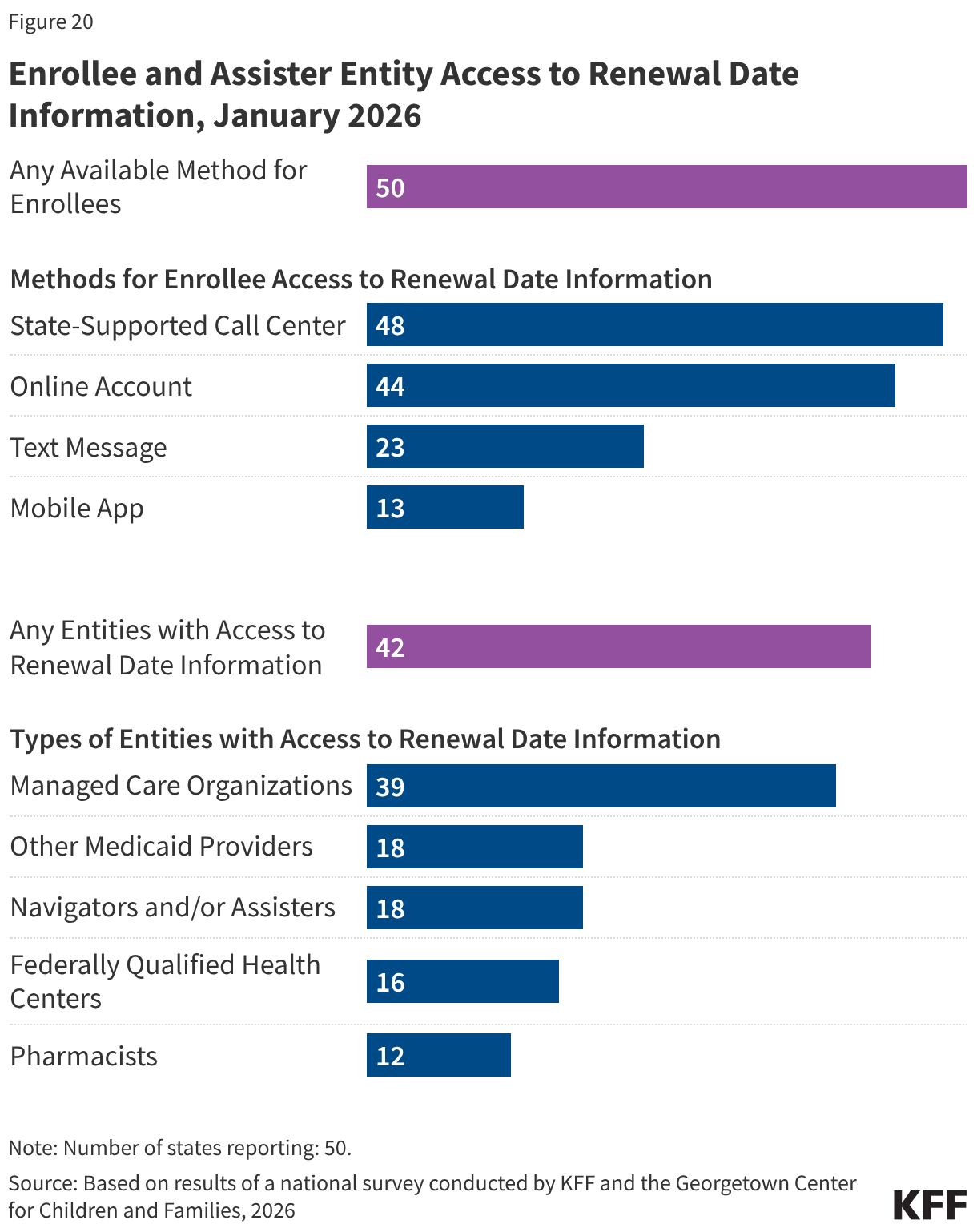
In addition to providing information about the public’s evolving opinion and awareness of the law, surveys also helped provide information about people’s experiences under the law. For example, a 2014 survey of people who purchase their own insurance found that 6 in 10 people enrolled in insurance through the new marketplaces were previously uninsured, and that most of this group said they decided to purchase insurance because of the ACA. Subsequent surveys showed that most marketplace enrollees were satisfied with their plans, but many reported challenges related to the affordability of coverage and care.

These are just a few examples of the ways surveys helped provide insights into the dynamics of a complex health policy at different points in time.

Example #2: Understand the limits of public support of Medicare-for-All proposals

Another health policy issue where polls have provided useful information is the debate over a national, single-payer health plan. While the idea has been discussed for decades, public discussion was prominent most recently during the 2016 and 2020 Democratic presidential primaries, when Senator Bernie Sanders made “Medicare-for-all” a centerpiece of his campaign. Since 2017, a majority of U.S. adults have supported the idea of a national Medicare-for-all plan, but once again, polls also indicated why such a proposal had never become a political reality. For example, the public’s reaction to the idea varies considerably based on the language used to describe it; while majorities view the terms “universal coverage” and “Medicare-for-all” positively, most have a negative reaction to “socialized medicine,” and many are unsure how they feel about the term “single-payer health insurance.” Surveys also demonstrate that while support starts out high, many people say they would oppose a Medicare-for-all plan if they heard common arguments made by opponents, such as that it would lead to delays in treatments, threaten the current Medicare program, or increase taxes. Polls like these and others that test different messages can help shed light on the public’s likely reaction to real-world debates over policies, helping us understand some of the reasons why certain policies that seem to attract majority support in the abstract face an uphill battle once public debate and discussion about them begin.

Example #3: Understanding the impact of the Supreme Court’s overturning of Roe v. Wade

Polls can also help shed light when sudden events create policy changes that immediately affect individuals’ access to health care in different scenarios. A recent example is the Supreme Court 2022 decision in Dobbs v. Jackson that overturned Roe v. Wade and eliminated the nationwide right to abortion that had been in place since 1973. The Dobbs decision opened the door for states to pass their own abortion regulations, and many states had previously established “trigger laws” that made abortion illegal as soon as Roe was overturned.

Polls before and after the 2022 midterm election indicated how the overturn of Roe affected voter motivation, turnout, and vote choice. For example, polling in October 2022 showed abortion increasing as a motivating issue for voters, particularly among Democrats and those living in states where abortion was newly illegal. And election polling of voters showed how the Supreme Court decision played a key role in motivating turnout among key voting blocs that likely contributed to the Democratic party’s stronger-than-expected performance in the midterms. Two years later, amid growing economic concerns, polls leading up to the 2024 election showed that while the economy and inflation were far and away the top issues for voters, some key groups of women voters as well as voters in states with abortion-related ballot initiatives continued to be motivated by the issue of abortion more than two years after the Dobbs decision.

Understanding the impact of Dobbs is an area where polling of specific populations (including grouping individuals by the abortion laws in their state) is more useful than looking at the U.S. population as a whole. For example, in addition to shedding light on the dynamics of abortion as an election issue, polling in 2023 indicated widespread confusion about the legality of medication abortion, particularly among people living in states that had banned or severely limited the procedure. Surveys also shed light on the experiences of people living in different states; for example, a 2024 survey found that 1 in 5 women of reproductive age (18-49) living in states with abortion bans said either they or someone they know had difficulty accessing an abortion since the Supreme Court overturned Roe v. Wade due to restrictions in their state.

Example #4: Amplifying the voices and experiences of marginalized populations

Well-designed surveys of under-represented groups can provide important information about health policy by amplifying the opinions and experiences of those whose voices are often left out of policy debates. Examples include:

  • A survey of 2023 Medicaid enrollees documented the coverage status of people who were disenrolled during the Medicaid “unwinding” process. Beginning in March 2020, states kept people enrolled in Medicaid without the need to renew or re-determine eligibility under a law passed in response to the COVID-19 pandemic. When the law expired in March 2023, it was uncertain how individuals and families would be affected. Surveys like this helped document the impact of the policy change on people’s coverage status and access to care.
  • A survey of U.S. immigrants shed light on the health and health care experiences of a group that makes up one-sixth of the adult population. Among other findings, this survey showed that half of all likely undocumented immigrants in the U.S. lacked health insurance coverage, information not previously available from other data sources. It also illustrated the importance of state policies in determining coverage rates for immigrant adults, documenting the much higher uninsured rate among immigrants living in states with less expansive coverage policies (like Texas) compared to those in states with more expansive policies (like California).
  • A survey of trans adults documented this population’s struggles accessing appropriate health care. Among other findings, this survey found that almost 4 in 10 trans adults said it was difficult to find a health care provider who treats them with dignity and respect, 3 in 10 said they had to teach a provider about trans people in order to get appropriate care, and 1 in 5 had health insurance that would not cover gender-affirming treatment. Importantly, these survey findings help increase understanding of the health care experiences of a group that is often marginalized in U.S. society, and one that also faces other barriers, including economic challenges, higher rates of mental health challenges and unmet needs for mental health care.
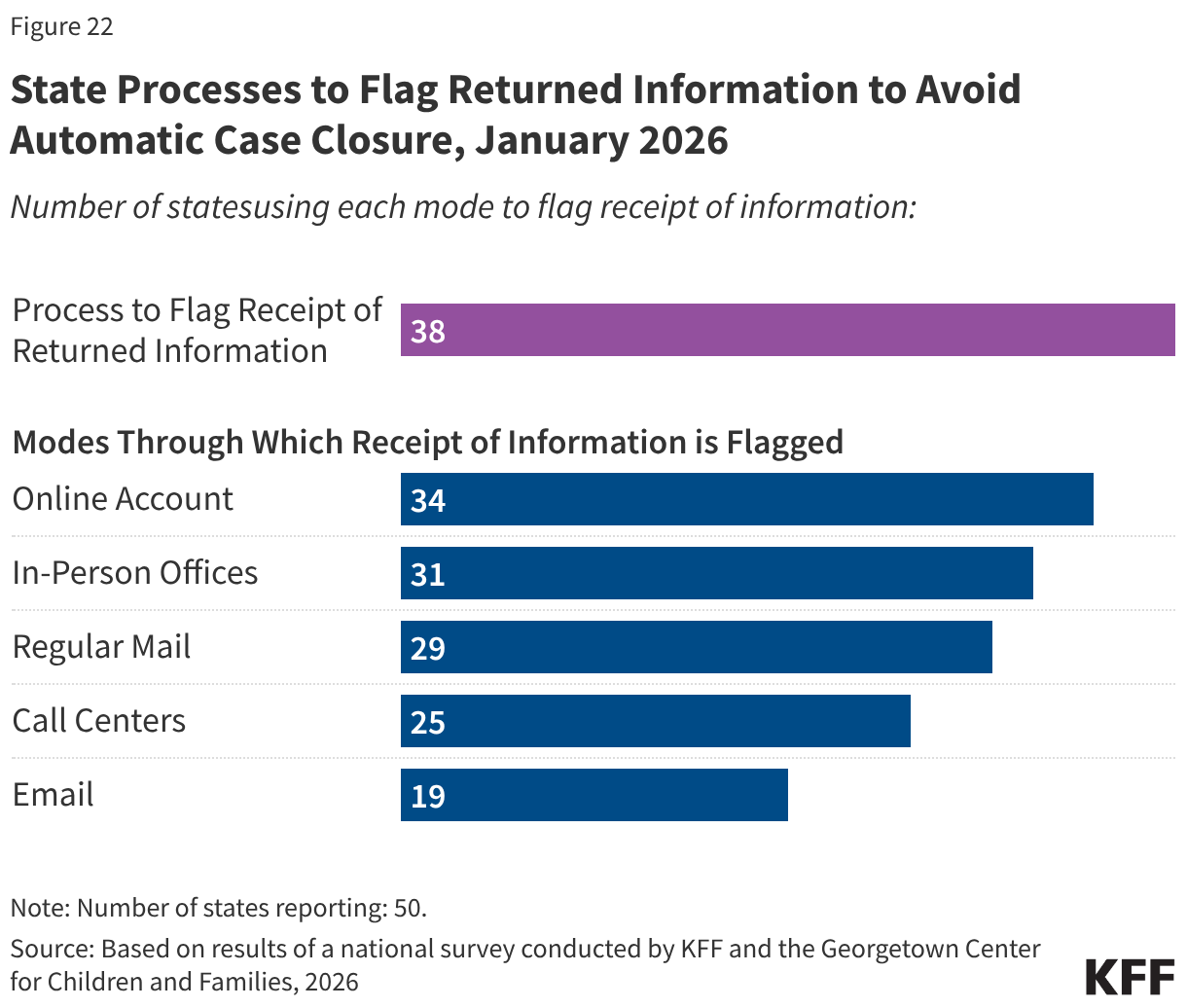
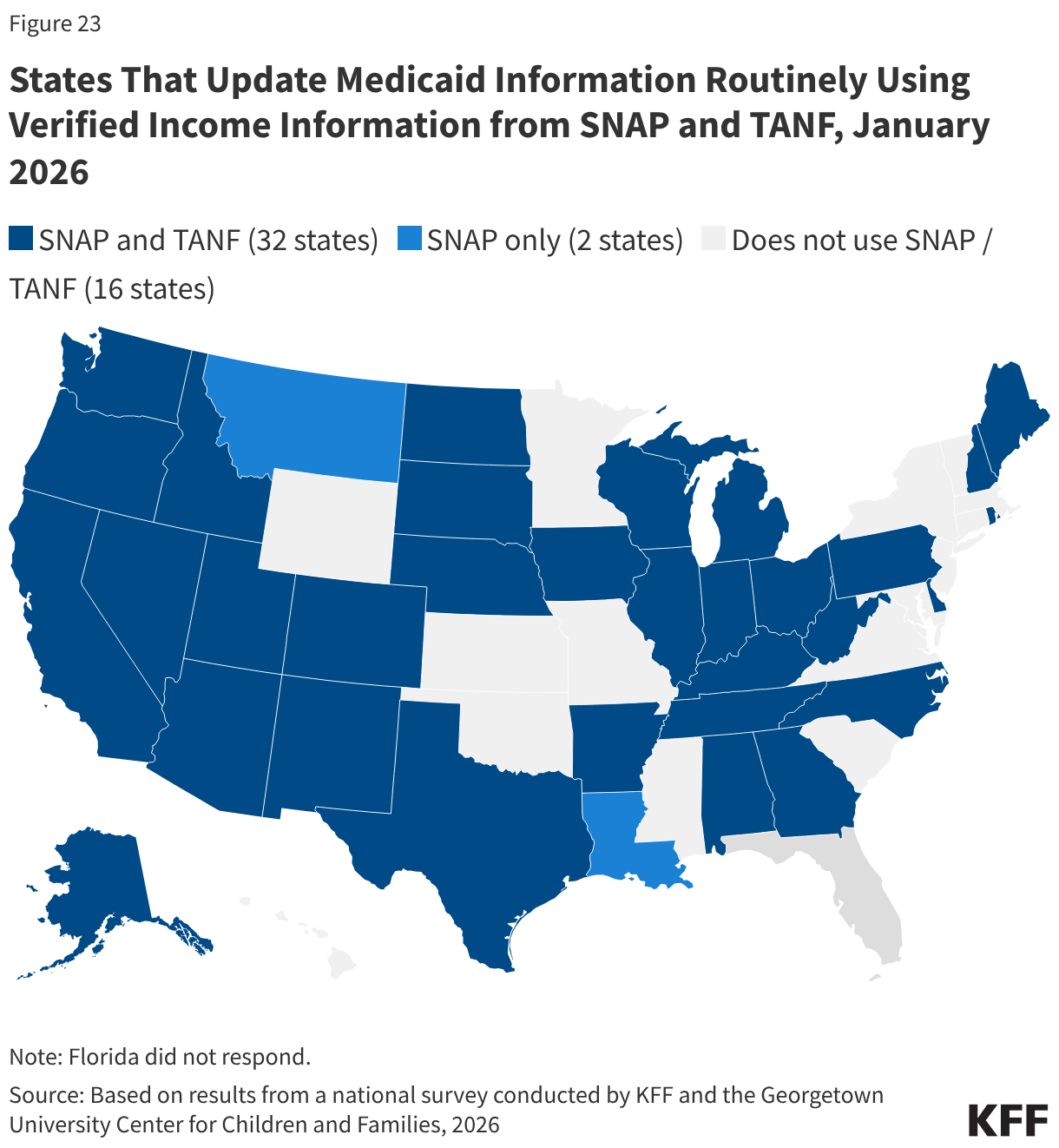
  • A survey focused on racism, discrimination, and health showed the extent of discrimination and unfair treatment in health care settings. This survey found that large shares of Black, Hispanic, Asian, and American Indian and Alaska Native adults reported preparing for possible insults or being very careful about their appearance in order to be treated fairly during health care encounters. It also showed how individuals who have more visits with providers who share their racial and ethnic background report more positive health care experiences. These findings provide insights into possible policy solutions to improve care, highlighting the importance of a diverse health care workforce that is trained in culturally appropriate care.
  • Surveys of areas impacted by natural disasters also help provide information to guide recovery efforts in these areas. For example, a survey of Hurricane Katrina evacuees living in Houston-area shelters documented the physical and emotional toll of the storm and the disproportionate impact on lower-income, African American, and uninsured residents. A series of surveys of New Orleans residents in the years following Katrina showed steady progress in many areas of recovery, but highlighted how the gap between the experiences of the city’s Black and White residents grew over time in many ways. Surveys of Puerto Rico residents following Hurricane Maria and Texas Gulf Coast residents following Hurricane Harvey provided similar insights to shine a lens on disparities and highlight the needs of the local populations in those areas.

Resources

Copy link to Resources

Citation

Copy link to Citation

Brodie, M., Hamel, L., & Kirzinger, A., The Role of Public Opinion Polls in Health Policy. In Altman, Drew (Editor), Health Policy 101, (KFF, October 2025) https://www.kff.org/health-policy-101-the-role-of-public-opinion-polls-in-health-policy (date accessed).