Overview of President Trump’s Executive Actions Impacting LGBTQ+ Health

Published: Feb 25, 2026

Editorial Note: This resource was originally published on February 24, 2025, and will be updated as needed to reflect additional developments.

Starting on the first day of his second term, President Trump began to issue numerous executive actions, several of which directly address or affect health programs, efforts, or policies to meet the health needs of LGBTQ+ people. This guide provides an overview of these actions, in the order in which they were issued. The “date issued” is date the action was first taken; subsequent actions, such as litigation efforts, are listed under “What Happens/Implications.” It is not inclusive of administrative actions that impact LGBTQ+ people that are not directly related to health and health care access, such as efforts related to participation in sport even though those actions might have an impact on well-being. In addition, within the actions examined, only provisions directly related to health and health access are described in table.

Purpose: Initial rescissions of Executive Orders and Actions issued by President Biden.

Among these orders are several that addressed LGBTQ+ equity including “Preventing and Combating Discrimination on the Basis of Gender Identity or Sexual Orientation” (Executive Order 13988) and “Advancing Equality for Lesbian, Gay, Bisexual, Transgender, Queer, and Intersex Individuals” (Executive Order 14075). The order establishing the White House Gender Policy Council (Executive Order 14020) and several Orders related to diversity, equity, and inclusion were also rescinded, as were orders related to nondiscrimination and equity in schools.

Implications: This order could lead to less oversight, reduced health programing, and fewer policies protecting LGBTQ+ people, which could negatively impact access to care and well-being. Of particular note:

• Rescinds orders that had called for LGBTQ+ people’s health equity, the national public health needs of LGBTQ+ people, LGBTQ+ data collection, and nondiscrimination protections, including in health care.

• Rescinds orders that had called for nondiscrimination protections for LGBTQ+ young people in school, which could contribute to stigma and worsened mental health.

Purpose: To define sex as an immutable binary biological classification and remove recognition of the concept of gender identity, including in sex protections and in agency operations. 

The order states that “It is the policy of the United States to recognize two sexes, male and female” and directs the Executive Branch to “enforce all sex-protective laws to promote this reality”. Elements of the order that may affect LGBTQ people’s health are as follows:

• Defines sex as “an individual’s immutable biological classification as either male or female.” States that “’sex’ is not a synonym for and does not include the concept of ‘gender identity’” and that gender identity “does not provide a meaningful basis for identification and cannot be recognized as a replacement for sex.”

• Defines male and female based on reproductive cell production. Introduces the term “gender ideology” which is defined to include  “the idea that there is a vast spectrum of genders that are disconnected from one’s sex” and “maintains that it is possible for a person to be born in the wrong sexed body.”

• Directs the Secretary of Health and Human Services (HHS) to provide the U.S. government, external partners, and the public guidance expanding on the sex-based definitions set forth in the order within 30 days.

• Directs each agency and all federal employees to “enforce laws governing sex-based rights, protections, opportunities, and accommodations to protect men and women as biologically distinct sexes,” including “when interpreting or applying statutes, regulations, or guidance and in all other official agency business, documents, and communications.”

• Directs each agency and all Federal employees, “when administering or enforcing sex-based distinctions,” to “use the term ‘sex’ and not ‘gender’ in all applicable Federal policies and documents.”

• Directs agencies to “remove all statements, policies, regulations, forms, communications, or other internal and external messages that promote or otherwise inculcate gender ideology, and shall cease issuing such statements, policies, regulations, forms, communications or other messages.”

• Directs agency forms to exclude gender identity and directs agencies to “take all necessary steps, as permitted by law, to end the Federal funding of gender ideology.”

• Requires that federal funds “not be used to promote gender ideology” and directs agencies to ensure “grant funds do not promote gender ideology.”

• Directs the Attorney General to ensure the Bureau of Prisons revises policies to prohibit federal funds from being expended “for any medical procedure, treatment, or drug for the purpose of conforming an inmate’s appearance to that of the opposite sex.”

• Rescinds multiple executive orders issued by President Biden, including: “Preventing and Combating Discrimination on the Basis of Gender Identity or Sexual Orientation” (13988), “Establishment of the White House Gender Policy Council” (14020) (which is also dissolved), and “Advancing Equality for Lesbian, Gay, Bisexual, Transgender, Queer, and Intersex Individuals” (14075).

• Also directs agencies to rescind certain guidance documents, including, “The White House Toolkit on Transgender Equality”; “The Attorney General’s Memorandum of March 26, 2021 entitled “Application of Bostock v. Clayton County to Title IX of the Education Amendments of 1972,” and range of orders related to LGBTQ+ students in schools.

Implications: This order is broad, directed to all federal agencies and programs. Because federal health programs reach LGBTQ+ people, and some are specifically designed to be inclusive of the LGBTQ+ community, or account for gender identities in addition to biological sex, this Order could widely affect program funding, guidance, and access. It has several possible implications:

The terms used in the Order include several biological and social inaccuracies which could perpetuate misinformation about LGBTQ+ people and transgender people’s health needs. It also takes steps towards ban gender care in certain area, most explicitly in prisons.

Requiring that federal funds are not used to “promote gender ideology” has caused significant confusion. Since this order was issued, there have been multiple reports of HIV programs and community health centers that have lost funding as a result of supporting programs inclusive of transgender people. In addition, there have been reports that some health care facilities paused providing youth with gender affirming care, fearing that federal funding would be withheld according to this and another Order relating to youth access to gender affirming care (see separate entry). (See court decisions below.) Withholding care could lead to negative health outcomes for those that require it.

Data collection and data presentation/distribution have been impacted. At first some data was removed from federal websites, though due to court order this appears to have been restored. If public health messaging and services related to the health needs of transgender people, or other specific populations, are unavailable, this may result in adverse health outcomes such increased disease prevalence, greater difficulty with care engagement, and poor mental health outcomes. There have been reports that gender identity questions will be removed from federal surveys which makes tracking the experiences and well-being of LGBTQ+ people more difficult.

The order directs the HHS Secretary to take action to end gender affirming care through Section 1557 of the Affordable Care Act (ACA), the law’s major nondiscrimination provision, which includes protections on the basis of sex. While the Biden administration interpreted sex protections to include sexual orientation and gender identity, it is expected that the Trump administration will seek to remove these protections, as was the approach during his first term. Despite the Executive Orders and any future guidance, courts could continue to rule that such protections exist in statute.

On March 17th the VA announced that it would phase out providing gender affirming care to comply with this Executive Order. Exceptions include Veterans already receiving hormone therapy from the VA or Veterans “receiving such care from the military as part of and upon their separation from military service” who are eligible for VA health care. The VA will not provide other gender affirming medical services.

The statement writes that historically the VA had provided a range of gender affirming services and “letters of support encouraging non-VA providers to perform sex-change surgeries on Veterans.” These services had been authorized under the now rescinded Veterans Health Administration Directive 1341(4).

There have been multiple legal challenges to this Order with some judicial actions that have paused aspects of implementation:

• On February 4, 2025 a lawsuit was filed in federal court challenging the Order on the grounds that it usurps Congressional  power, violates Sec. 1557 of the ACA, and is unconstitutional and on February 11 a temporary restraining order  and memorandum opinion was issued requiring restoration of webpages, datasets, and any other  resources needed to provide medical care, identified by the Plaintiffs.

• On February 4, 2025, a separate federal lawsuit was filed challenging this Order and the Executive Order on “Protecting Children from Chemical and Surgical Mutilation” (see separate entry), asserting they are openly discriminatory, unlawful, and unconstitutional. On February 13, a federal judge issued a temporary restraining order preventing the federal government from withholding or conditioning funding on the basis of providing this care.

• An additional suit was filed on February 19, 2025 by the National Urban League, National Fair Housing Alliance, and AIDS Foundation of Chicago challenging three Executive Orders: “Ending Radical and Wasteful DEI Programs and Preferencing”, “Defending Women From Gender Ideology Extremism and Restoring Biological Truth to the Federal Government” and the “Ending Illegal Discrimination and Restoring Merit-Based Opportunity” as usurping the power of Congress, violating the Constitution and the Administrative Procedures Act, and, seeking declaratory and injunctive relief. In their complaint, plaintiffs highlight the potential harm this Order could bring to people with HIV and LGBTQ+ communities and the programs that serve them.

• On February 20, a separate case was filed in federal court by multiple LGBTQ+ health care and service organizations, challenging the “Ending Radical and Wasteful DEI Programs and Preferencing”, “Defending Women From Gender Ideology Extremism and Restoring Biological Truth to the Federal Government” and the “Ending Illegal Discrimination and Restoring Merit-Based Opportunity” Orders claiming they usurp the power of Congress and violate the Constitution. In their complaint, plaintiffs highlight the potential harm this Order could bring to people with HIV and LGBTQ communities and the programs that serve them. On June 9th, 2026, the court issued a preliminary injunction, blocking in part key provisions in this EO and in the DEI EO including those that instruct agencies to remove and cease to issue  materials and “communications…that promote or otherwise inculcate gender ideology” and instructing agencies to “end the Federal funding of gender ideology”; prohibit federal funds from being “used to promote gender ideology,”; and direct agencies and departments to terminate DEI offices and positions, materials, initiatives, performance requirements, and grants or contracts.

• On March 12, 2025 two physician and academic plaintiffs filed a lawsuit challenging the Order and related OPM memo when their articles were removed from HHS’ Agency for Healthcare Research and Quality (AHRQ)’s Patient Safety Network (PSNet), a federal online patient-safety resource. The reason for the removal articles was for their inclusion of passing references to transgender patients. On May 23, a MA district court found the plaintiffs would likely succeed on their constitutional 1st amendment claims and granted a preliminary injunction requiring HHS to republish the censored content.

Purpose: To limit diversity, equity, inclusion, and accessibility (DEIA) activities in government and by government contractors and grantees.  
 
Directs each agency, department, or commission head to take the following actions (among others):  
• terminate, to the maximum extent allowed by law, all DEI, DEIA, and “environmental justice” offices and positions…; all “equity action plans,” “equity” actions, initiatives, or programs, “equity-related” grants or contracts… 
• provide the Director of the OMB with a list of all “federal grantees who received Federal funding to provide or advance DEI, DEIA, or “environmental justice” programs, services, or activities since January 20, 2021,” among other actions.  

Implications: As with the other DEIA related Order (see separate entry), these efforts could make reaching populations with unique health needs in culturally competent ways more challenging, including in programs related to LGBTQ+ health and HIV. It could also jeopardized programs and funding for agencies reaching these communities.
There have been multiple legal challenges to this Order:

• On February 3, a lawsuit was filed by four diverse plaintiffs challenging the constitutionality of this Order and the Order, “Ending Illegal Discrimination and Restoring Merit-Based Opportunity”.

• An additional suit was filed in federal court on February 19, 2025 by the National Urban League, National Fair Housing Alliance, and AIDS Foundation of Chicago challenging this order as well as the “Defending Women From Gender Ideology Extremism and Restoring Biological Truth to the Federal Government” and the “Ending Illegal Discrimination and Restoring Merit-Based Opportunity” ” as usurping the power of Congress, violating the Constitution and the Administrative Procedures Act, and, seeking declaratory and injunctive relief. In their complaint, plaintiffs highlight the potential harm this Order could bring to people with HIV and LGBTQ communities and the programs that serve them.

• On February 20, a separate case was filed in federal court by multiple LGBTQ+ health care and service organizations, challenging the “Ending Radical and Wasteful DEI Programs and Preferencing”, “Defending Women From Gender Ideology Extremism and Restoring Biological Truth to the Federal Government” and the “Ending Illegal Discrimination and Restoring Merit-Based Opportunity” orders claiming they usurp the power of Congress and violate the Constitution.  In their complaint, plaintiffs highlight the potential harm this Order could bring to people with HIV and LGBTQ communities and the programs that serve them. On June 9th, 2026, the court issued a preliminary injunction, blocking in part key provisions in this EO and in the “gender ideology” EO including those that instruct agencies to remove and cease to issue  materials and “communications…that promote or otherwise inculcate gender ideology” and instructing agencies to “end the Federal funding of gender ideology”; prohibit federal funds from being “used to promote gender ideology,”; and direct agencies and departments to terminate DEI offices and positions, materials, initiatives, performance requirements, and grants or contracts.

Ending Illegal Discrimination and Restoring Merit-Based Opportunity, January 21, 2025

Purpose: Order seeks to end federal “preferencing” through DEIA efforts within government and through contracting to the extent that they do not comply with the Administration’s view of civil rights law.

The order is broad and non-specific but includes the following directives:

• Orders all executive departments and agencies “to terminate all discriminatory and illegal preferences, mandates, policies, programs, activities, guidance, regulations, enforcement actions, consent orders, and requirements.  I further order all agencies to enforce our longstanding civil-rights laws and to combat illegal private-sector DEI preferences, mandates, policies, programs, and activities.”

• Orders agency heads to include in every contract or grant award “a term requiring the contractual counterparty or grant recipient to agree that its compliance in all respects with all applicable Federal anti-discrimination laws is material to the government’s payment decisions for purposes of section 3729(b)(4) of title 31, United States Code; and…A term requiring such counterparty or recipient to certify that it does not operate any programs promoting DEI that violate any applicable Federal anti-discrimination laws.”

Implications: As with the other DEIA related Order (see separate entry), these efforts could make reaching populations with unique health needs in culturally competent ways more challenging, including in programs related to LGBTQ+ health and HIV. It could also jeopardized programs and funding for agencies reaching these communities.

There have been multiple legal challenges to this Order:

• On February 3, a lawsuit was filed by four diverse plaintiffs challenging the constitutionality of this Order and the Order, “Ending Illegal Discrimination and Restoring Merit-Based Opportunity”.

• An additional suit was filed in federal court on February 19, 2025 by the National Urban League, National Fair Housing Alliance, and AIDS Foundation of Chicago challenging this order as well as the “Defending Women From Gender Ideology Extremism and Restoring Biological Truth to the Federal Government” and the “Ending Illegal Discrimination and Restoring Merit-Based Opportunity” ” as usurping the power of Congress, violating the Constitution and the Administrative Procedures Act, and, seeking declaratory and injunctive relief. In their complaint, plaintiffs highlight the potential harm this Order could bring to people with HIV and LGBTQ communities and the programs that serve them.

• On February 20, a separate case was filed in federal court by multiple LGBTQ+ health care and service organizations, challenging the “Ending Radical and Wasteful DEI Programs and Preferencing”, “Defending Women From Gender Ideology Extremism and Restoring Biological Truth to the Federal Government” and the “Ending Illegal Discrimination and Restoring Merit-Based Opportunity” orders claiming they usurp the power of Congress and violate the Constitution.  In their complaint, plaintiffs highlight the potential harm this Order could bring to people with HIV and LGBTQ communities and the programs that serve them. On June 9th, 2026, the court issued a preliminary injunction, blocking in part key provisions in this EO and in the “gender ideology” EO including those that instruct agencies to remove and cease to issue  materials and “communications…that promote or otherwise inculcate gender ideology” and instructing agencies to “end the Federal funding of gender ideology”; prohibit federal funds from being “used to promote gender ideology,”; and direct agencies and departments to terminate DEI offices and positions, materials, initiatives, performance requirements, and grants or contracts.

Purpose: Order directs agencies and programs to work towards significantly limiting access to gender affirming care for young people (defined as those under age 19) nationwide.

• Directs agencies to rescind and amend policies that rely on guidance from the World Professional Association for Transgender Health (WPATH).

• Directs the HHS Secretary to conduct and publish a review of existing literature and best practices related to gender affirming care and gender dysphoria and to “increase the quality of data to guide practices“ in this area.

• Directs executive department and agency heads “that provide research or education grants to medical institutions, including medical schools and hospitals”, “in coordination with the Director of the Office of Management and Budget” to “immediately take appropriate steps to ensure that institutions receiving Federal research or education grants end the chemical and surgical mutilation of children” (which is how the Order defines gender affirming care).

• Directs the HHS Secretary to take action to end gender affirming care for children “including [through] regulatory and sub-regulatory actions, which may involve the following laws, programs, issues, or documents:
– Medicare or Medicaid conditions of participation or conditions for coverage
– clinical-abuse or inappropriate-use assessments relevant to State Medicaid programs
– mandatory drug use reviews
– section 1557 of the Patient Protection and Affordable Care Actquality, safety, and oversight memoranda
– essential health benefits requirements; and
– the Eleventh Revision of the International Classification of Diseases and other federally funded manuals, including the Diagnostic and Statistical Manual of Mental Disorders, Fifth Edition.”

• Withdraws Biden Administration “HHS Notice and Guidance on Gender Affirming Care, Civil Rights and Patient Privacy” and directs the Secretary of HHS “in consultation with the Attorney General [to] issue new guidance protecting whistleblowers who take action related to ensuring compliance with this order.”

• Directs the Secretary of the Department of Defense to “commence a rulemaking or sub-regulatory action” restrict access to gender affirming care for children in the TRICARE program.

• Directs the Director of the Office of Personnel Management to limit access to care in coverage for federal employees’ families by requiring “provisions in the Federal Employee Health Benefits (FEHB) and Postal Service Health Benefits (PSHB) programs call letter for the 2026 Plan Year” that would require eligible carriers to exclude “coverage for pediatric transgender surgeries or hormone treatments…”

• Directs the Attorney General to review Department of Justice laws on female genital mutilation and “prioritize enforcement of protections” and “to convene States’ Attorneys General and other law enforcement officers to coordinate the enforcement of laws against female genital mutilation.”

• Directs the Attorney General to “prioritize investigations and take appropriate action to end deception of consumers, fraud, and violations of the Food, Drug, and Cosmetic Act by any entity that may be misleading the public about long-term side effects of chemical and surgical mutilation.”

• Directs the Attorney General “in consultation with the Congress” “to draft, propose, and promote legislation to enact a private right of action for children and the parents” who have received gender affirming care “which should include a lengthy statute of limitations.

• Directs the Attorney General to “prioritize investigations and take appropriate action to end child-abusive practices by so-called sanctuary States that facilitate stripping custody from parents who support the healthy development of their own children, including by considering the application of the Parental Kidnapping Prevention Act and recognized constitutional rights.”

• Directs agency heads included in this executive order to “submit a single, combined report to the Assistant to the President for Domestic Policy, detailing progress in implementing this order and a timeline for future action” within 60 Days of its issuance.

Implications: If fully implemented, the Order would broadly and extensively limit access to gender affirming care for young people, across a range of payers and providers. Access to gender affirming care is associated with improved mental health outcomes for transgender people and limiting this care with negative ones, including poorer mental health outcomes. Additional impact includes:

• The executive order includes details about sex, gender identity, gender affirming care, and transgender people that conflict with science and evidence. These inaccuracies include suggesting that large shares of youth are seeking gender affirming medical care, that regret rates among those seeking care are high, and conflating “female genital mutilation” and gender-affirming care. This has the potential to promote hostility, stigma, and discrimination, and can lead to care denials.

• It seeks to remove Federal reference to one of the standards of evidence-based care for transgender people in the US. Directing the HHS Secretary to develop new guidance without this standard, and in accordance with this and other orders, could limit agency ability to identify standards that adequately meet the needs of transgender people.

• It also seeks to condition federal research and education grants on grantees not providing young people with gender affirming care.

• There has already been some confusion with certain states and providers looking to preemptively comply with the order and another Order relating to “gender ideology” (see separate entry).

• The order lays groundwork for the Administration remove explicit protects for LGBTQ+ people in health care, including with respect to accessing gender affirming care. Specifically, the Order suggests a reinterpretation of sex protections in Section. 1557 of the Affordable Care Act void of explicit protections on the basis of sexual orientation and gender identity.

• The order leans on laws and policies unrelated to gender affirming care in an effort to limit access to those services including by erroneously conflating gender affirming care and female genital mutilation, using the FDA regulatory process to limit access, and suggesting kidnapping protections be applied to parents in certain circumstance.

On February 19, 2025, additional guidance was released relating to this order, providing new and refined definition of terms “ which directs the Department of Health and Human Services (the Department) to promulgate clear guidance to the U.S. Government, external partners, and the public, expanding on the sex-based definitions set forth in the Executive Order.”

On February 20, 2025, pursuant to this Order, HHS issued a “Recession of ‘HHS Notice and Guidance on Gender Affirming Care, Civil Rights, and Patient Privacy’ issued by the Biden Administration” which had stated the Administration “stands with transgender and gender nonconforming youth” and that medically necessary for gender affirming care for minors improves physical and mental health. It also reiterated that administration’s view that Sec. 1557 of the ACA includes protections on the basis of sexual orientation and gender identity.

There have been multiple legal challenges to this Order with some judicial actions that have paused aspects of implementation:

• On February 4, 2025, a federal lawsuit was filed challenging this Order and the Executive Order on “Defending Women From Gender Ideology Extremism and Restoring Biological Truth to The Federal Government,” asserting they are openly discriminatory, unlawful, and unconstitutional. On February 13, a federal judge issued a temporary restraining order preventing the federal government from withholding or conditioning funding on the basis of providing this care. On March 4th, the court issued a preliminary temporary injunction.

• An additional federal lawsuit was filed on February 7th challenging this executive order with a separate temporary restraining order being issued on the 14th preventing the conditioning of federal funds and also applying to a condition linking gender affirming care to female genital mutilation. The restraining order was extended through March 5th on February 26th. 

• In March a class action lawsuit was filed in federal district court challenging the Bureau of Prisons (“BOP”) implemention of the order. In June a preliminary injunction blocking BOP officials from providing hormone therapy and accommodating transgender people was granted.

On June 1, the FBI posted on social media urging the public to “report tips of any hospitals, clinics, or practitioners performing these surgical procedures on children,” despite pediatric gender affirming care being permitted in about half of states and not prohibited by the federal government.

Purpose: Order seeks to end federal “preferencing” through DEIA efforts within government and through contracting to the extent that they do not comply with the Administration’s view of civil rights law.

The order is broad and non-specific but includes the following directives:

• Orders all executive departments and agencies “to terminate all discriminatory and illegal preferences, mandates, policies, programs, activities, guidance, regulations, enforcement actions, consent orders, and requirements.  I further order all agencies to enforce our longstanding civil-rights laws and to combat illegal private-sector DEI preferences, mandates, policies, programs, and activities.”

• Orders agency heads to include in every contract or grant award “a term requiring the contractual counterparty or grant recipient to agree that its compliance in all respects with all applicable Federal anti-discrimination laws is material to the government’s payment decisions for purposes of section 3729(b)(4) of title 31, United States Code; and…A term requiring such counterparty or recipient to certify that it does not operate any programs promoting DEI that violate any applicable Federal anti-discrimination laws.”

Implications: Should the federal government proceed with conditioning federal funding for schools on whether or not they support transgender students, it could exacerbate existing mental health disparities, contribute to stigma and discrimination, and reduce school connectedness. For example, the policies detailed in the Order could prevent schools from recognizing transgender students’ identities (e.g. their names and pronouns), allow schools to withhold mental health services, to out students to (potentially unsupportive) families, and to restrict facility use and activity participation.

Purpose: The memorandum seeks to “stop funding Nongovernmental Organizations that undermine the national interest and administration priorities.”

The memorandum states:

• It is Administration policy “to stop funding [Nongovernmental Organizations] NGOs that undermine the national interest.”

• Direct heads of executive departments and agencies to review all funding that agencies provide to NGOs and “to align future funding decisions with the interests of the United States and with the goals and priorities of my Administration, as expressed in executive actions; as otherwise determined in the judgment of the heads of agencies; and on the basis of applicable authorizing statutes, regulations, and terms.”

Implications: This memo aligns with other administrative efforts to stop current and future funding from being provided to NGOs that do not align with administrative priorities and could impact funding to health organizations or programs aimed at serving transgender people or research funding inclusive of trans and gender diverse people. It could also potentially impact care for LGBTQ+ people more broadly if services aimed directly at this population are considered DEIA efforts.

DOJ Letter to the Supreme Court: United States v. Jonathan Skrmetti, Attorney, February 7, 2025

Purpose: “To notify the Court that the government’s previously stated views” on a case challenging a state’s ban on gender affirming care “no longer represents the United States’ position.”

• Notifies the Court that “following the change in Administration, the Department of Justice has reconsidered the United States’ position in” the case brought by the Biden Administration challenging Tennessee’s ban on gender affirming care for minors. The letter states, that their view is that the Tennessee law being challenged “does not deny equal protection on account of sex or any other characteristic,” which is the question before the Court.

• Despite this change in perspective, the Trump Administration encouraged the Court to resolve the questions presented without granting certiorari to the original plaintiffs.

Implications: There are 26 states with bans on gender affirming care for minors and litigation challenging these bans is ongoing. At the request of the Biden Administration, who brought the plaintiff’s case from the lower courts, the Supreme Court agreed to examine whether the Tennessee ban violates Equal Protection constitutional protections under the 14th Amendment. The case was briefed and argued prior to the administration change. Upon taking office, the Trump Administration wrote this letter to the Court stating that the Biden Administration position no longer represented that of the U.S. government but nevertheless asked the court to decide the case. The court will likely issue a decision in the case and technically, the Trump Administration letter should not have bearing on the court’s decision. The court is expected to issue a decision in the case this summer (2025).

Purpose: To alert providers to the administration’s approach to children’s access to gender affirming care and serve as notice “that CMS may begin taking steps in the future to align policy, including CMS-regulated provider requirements and agreements…” to limit such care.

The memorandum states:

• That “CMS renews its commitment to promoting evidence-based standards through health quality and safety improvement activities, and reminds hospitals and other applicable facilities and providers of the obligation to prioritize the health and safety of their patients, especially children.” It questions evidence around gender affirming care for young people and states “CMS may begin taking steps in the future to adjust its policies to reflect this…”

Implications:

• The CMS memo aligns with policies put forward in the Executive Order, “Protecting Children From Chemical and Surgical Mutilation,” related to limiting young people’s access to gender affirming care, provisions of which are subject to a nationwide preliminary injunction (described in above entry). However, this is not explicitly stated in the memo.

• On March 6th the Health Resources & Services Administration (HRSA) and Substance Abuse and Mental Health Services Administration (SAMHSA) released additional guidance stating that they would review policies, grants, and programs for consistency with the CMS memo (SAMHSA letter unavailable but described in this filing). HRSA also specifically notes the agency will review its Children’s Hospitals Graduate Medical Education (CHGME) Payment Program for consistency with the memo.

• While the memo does not specifically refer to the Executive Order, on March 7th, plaintiffs in a case challenging the order sought enforcement of the preliminary injunction claiming that the CMS memo and HRSA/SAMHSA guidance violate its terms because by “threatening to withhold federal funding, the Executive Orders coerced hospitals into immediately shutting down gender affirming medical care for people under nineteen to avoid potential loss of funds.”

• Depending on how future policy is implemented, CMS could seek to significantly limit access to gender affirming care for young people.

Purpose: Issued to proclaim April as National Child Abuse Prevention Month. Describes “the sinister threat of gender ideology” as “one of the most prevalent forms of child abuse facing our country today.”

  • Erroneously conflates youth access to gender affirming care with child abuse.
  • References other efforts (see above) aimed at “prohibiting public schools from indoctrinating our children with transgender ideology” and “taking action to cut off all taxpayer funding to any institution that engages in the sexual mutilation of our youth.”
  • Promises legal action against those perpetrating child abuse.

Implications: The proclamation includes details about gender affirming care and transgender people that conflict with science and evidence, including that children are being “indoctrinated” “with the devastating lie that they are trapped in the wrong body,” referring to gender affirming surgery (which is very rare among young people) as “sexual mutilation surgery,”  and suggesting that such care inhibits “happiness, health, and freedom,” for young people and creates “heartbreak” for parents and families.

• By erroneously conflating gender affirming care and abuse, potentially threatens those providing or facilitating access by stating, “we affirm that every perpetrator who inflicts violence on our children will be punished to the fullest extent of the law.”

Ryan White Letter to Awardees and Stakeholders Relating to Gender Affirming Care, April 7, 2025.

Purpose: Reverses a Biden Administration policy that had permitted the Ryan White HIV/AIDS Program to cover certain gender affirming care services as a part of whole person care to transgender people with HIV.

• Referring to a policy on gender affirming care from the Biden administration, the letter states that “under the previous administration, certain interpretations of RWHAP’s allowable uses…co-opted the program’s patient centered mission in favor of radical ideological agendas and policies.”

• The letter further states “that RWHAP funds shall be marshaled exclusively toward evidence-based interventions proven to combat HIV, sustain viral suppression, and improve the quality of life for those living with the disease” and reaffirms the prohibition on funding services outside the scope of outpatient care, including “surgeries and inpatient care, irrespective of setting or anesthesia”

Implications:

• Previously, Ryan White funds were permitted to be used to support gender affirming care within core medical and support service categories, including through the provision of hormones via ADAP programs. Additionally, funds could be used to “provide behavioral and mental health services to clients experiencing gender dysphoria and social and emotional stress related to transgender discrimination, stigma, and rejection.” The policy under the prior Administration prohibited surgery, as does the new one, so that does not represent a change.

• Prohibiting use of funds to support certain gender affirming care services may make care engagement more challenging for transgender Ryan White clients. In some cases, gender affirming care may have helped to connect clients with HIV services and thus improve HIV outcomes.

Purpose: HHS issued this notice “to clarify the non-enforceability of certain language that was included in the preamble to—but not the regulatory text of” the final rule on Section 504, “titled ‘Nondiscrimination on the Basis of Disability in Programs or Activities Receiving Federal Financial Assistance.’ The clarification states that language in the preamble concerning gender dysphoria, which is not in the regulatory text, does not have the force or effect of law and cannot be enforced.

Implications:

• Section 504 prohibits recipients of federal funding, including publicly-subsidized health payers and health care providers who accept Medicare or Medicaid, from discriminating against people on the basis of disability. The Biden Administration’s final rule on Sec. 504 included in the preamble that HHS would “approach gender dysphoria as it would any other disorder or condition. If a disorder or condition affects one or more body systems, or is a mental or psychological disorder, it may be considered a physical or mental impairment.”

• This new interpretation could weaken certain protections for transgender and gender non-conforming people.

Purpose: “The purpose of this letter is to ensure that state Medicaid agencies are aware of growing evidence regarding certain procedures offered to children, and to remind states of their responsibility to ensure that Medicaid payments are consistent with quality of care and that covered services are provided in a manner consistent with the best interest of recipients.”

States that “medical interventions for gender dysphoria in children have proliferated” and that “several developed countries have recently diverged from the U.S. in the way they treat gender dysphoria in children.”

CMS reminds states of the following federal Medicaid requirements:

• Program “responsibility to ensure that payments are consistent with ‘efficiency, economy, and quality of care.’”

• Requirement for states to “provide such safeguards as may be necessary to ensure covered care and services are provided in a manner consistent with the best interests of recipients.”

• Prohibition on “federal funding for coverage of services whose purpose is to permanently render an individual incapable of reproducing. Federal financial participation (FFP) is strictly limited for procedures, treatments, or operations for the purpose of rendering an individual permanently incapable of reproducing and…prohibited for such procedures performed on a person under age 21.”

• Drug utilization review (DUR) program requirements “to assure that prescribed drugs are appropriate, medically necessary, and are not likely to result in adverse results.”
– CMS encourages “states to review their DUR programs to ensure alignment with current medical evidence and federal requirements, including the evidence outlined above.
– Notes that “additional guidance on DUR approaches is forthcoming.”

Implications:

• Letter appears to encourage states to take steps to limit gender affirming care for youth within their state Medicaid programs and suggests that not doing so could put them out of compliance with federal law. It does not immediately change policy.

• Letter misrepresents certain information about gender affirming care including its frequency and the approach in international settings.

• Letter leverages a law aimed at addressing discrimination/unwanted sterilizations among people with disabilities to limit gender affirming care.

• The letter could lead to changes in state policy-making or make providers and/or employers less likely to cover services which could ultimately lead to more limited access to GAC. 

• CMS issued a press release along with the letter. The letter stated “Medicaid dollars are not to be used for gender reassignment surgeries or hormone treatments in minors.”

Purpose: An internal Department of Justice (DOJ) memorandum seeks to implement, in part, an executive order aimed at limiting minor’s access to gender affirming care (GAC) (see above).

The memo is an internal document that was leaked. It is not law but provides guidance relating to an earlier executive order aimed at limiting minor access to gender affirming care (see above). The memo reportedly:

• The internal document was leaked and is not law but provides guidance relating to an earlier executive order aimed at limiting minor access to gender affirming care.

• Puts providers “on notice” that “it is a felony to perform, attempt to perform, or conspire to perform female genital mutilation (“FGM”*) on” minors and states that the FBI “alongside federal, state, and local partners, will pursue every legitimate lead on possible FGM cases.”

• States DOJ “will investigate and hold accountable medical providers and pharmaceutical companies that mislead the public about the long-term side effects of chemical and surgical mutilations.”

• Directs “investigations of any violations of the Food, Drug, and Cosmetic Act by manufacturers and distributors engaged in misbranding by making false claims about the…use of puberty blockers, sex hormones, or any other drug” in GAC.

• Directs “investigations under the False Claims Act of false claims submitted to federal health care programs for any non-covered services related to radical gender experimentation.” Gives example of prescribing puberty blockers to a minor for GAC but reporting the service as being for early onset puberty. States Department will work with whistleblowers “with knowledge of any such violations” under The False Claims Act.

• Following prior direction “that Department employees shall not rely on”… the World Professional Association for Transgender Health (WPATH)… “guidelines, and that they should withdraw all court filings” doing so, “expressly extend[s] that direction to all Department employees.” Directs department to “purge all…policies, memoranda, and publications and court filings based on WPATH guidelines.”

• Launches “the Attorney General’s Coalition Against Child Mutilation” to “partner with state attorneys general to identify leads, share intelligence, and build cases against…” providers “…violating federal or state laws banning female genital mutilation and other, related practices…[and] support the state-level prosecution of medical professionals who violate state laws “prohibiting gender affirming care.

• Instructs Office of Legislative Affairs to draft legislation “creating a private right of action for children and the parents of children” who have had gender affirming care with “a long statute of limitations and retroactive liability” and work with Congress “to bring this bill to President Trump.”

Implications:

• The memo directs action but is not law. It seeks to implement an executive order that is, in part, currently enjoined in court.

• The memo includes inaccuracies relating to gender identity, gender affirming care, and transgender people that conflict with science and evidence. These inaccuracies include suggesting that being transgender is a harmful medical condition, that large shares of youth are seeking gender affirming medical care, that regret rates among those seeking care are high, and conflating “female genital mutilation” and gender-affirming care. This has the potential to promote hostility, stigma, and discrimination, and can lead to care denials.

• Seeks to discredit WPATH’s widely relied on standard of care guidelines which providers look to deliver best practices gender affirming care and is regularly referenced by major medical associations including the American Psychological Association.

• While nothing in the memo prohibits provision of gender affirming care, its emphasis on litigation and enforcement of existing law that do not necessarily implicate this care, could have a chilling effect on providers.

Purpose: To develop an evidence review around pediatric gender affirming medical care as commissioned by the executive order on Protecting Children From Chemical and Surgical Mutilation (see above entry).

“This Review of evidence and best practices was commissioned pursuant to Executive Order 14187, signed on January 28, 2025. It is not a clinical practice guideline, and it does not issue legislative or policy recommendations. Rather, it seeks to provide the most accurate and current information available regarding the evidence base for the treatment of gender dysphoria in this population, the state of the relevant medical field in the United States, and the ethical considerations associated with the treatments offered. The Review is intended for policymakers, clinicians, therapists, medical organizations and, importantly, patients and their families.” Among the report’s findings:

• Report concludes that the quality of evidence on the effects of gender affirming intervention is low but also that evidence on harms is “sparse.”

• Cites “significant risks” of medical transition, departing from most medical associations and widely used guidelines in the U.S.

• In addition to a focus on medical intervention (e.g. surgery, puberty blockers, and hormones) report discusses role of psychotherapy in gender affirming care, supporting the use of psychotherapeutic approaches, including an approach termed “exploratory therapy”, which can include conversion therapy. Conversion therapy is a practice that seeks to change an individual’s sexual orientation or gender identity. These practices contrast with recommendations from major medical associations, which criticize conversion efforts for their lack evidence, ineffectiveness, and because they can cause harm. Additionally, many states ban these practices for the same reasons.

Implications:

• Review could be used as support for other actions the administration seeks to take (some described here) aimed at limiting minor access to gender affirming care. Outside experts, including from the American Academy of Pediatrics, have raised concerns that the “report misrepresents the current medical consensus and fails to reflect the realities of pediatric care.”

• With respect to therapeutic practices, it could shift how some practitioners approach gender affirming care or potentially provide support to those using conversion related approaches.

• The report could also fuel misinformation in other areas, particularly around regret rates (which the report states are high when they are actually very low) and the share of young people seeking a medical transition (which the report states is large, when the share is small).

On May 28, 2025, HHS sent a letter to an unspecified group of providers, state medical boards, and health risk managers urging providers to update treatment protocol to align with the review’s findings and avoid relying on the WPATH Standards of Care (which are seen by gender affirming care providers as valuable and trusted source of guidance.) The letter points to risk but not benefits of gender affirming medical care and highlights the report’s promotion of psychotherapy as an alternative to other medical care.

Purpose: The letter from the Center for Medicare and Medicaid Services (CMS) is directed at “select hospitals” providing minors with gender affirming care services including puberty blockers, hormones, and surgeries. The aim of the letter is to collect information on the delivery of these services and their associated costs and revenue. CMS states they are collecting this data to “ensure quality standards at institutions participating in the Medicare and Medicaid programs” and because “CMS has an obligation to be a good steward of taxpayer dollar.” 

In the letter CMS asks for information on the following within 30 days:
• consent protocols for children with gender dysphoria, including when parental consent is required
• changes to clinical practice guidelines and protocols in light of the HHS Review (see above entry)
• adverse events, particularly children who later look to detransition
billing codes utilized for gender affirming care
• facility and provider-level revenue and profit margins data related to these services

Implications: If facilities or providers believe HHS is excessively engaged in oversight of their practice of this area of medicine, it could have a chilling effect on willingness to provide these treatments. Depending on what the Administration does with data collected, this effort could represent a significant step in the administration’s aim to limit GAC for minors.

The effort to collect this level of information is likely burdensome for providers, particularly within a 30-day period.

The letter appears to stoke misinformation in its suggestion that there is a lack of parental involvement or consent in the practice of gender affirming care and that regret is a serious problem in this field.

It also appears to question the validity of using federal dollars to provide this care and possibly that delivering these services to minors is a significant cost-burden to the federal government. Because just a small share of the population is transgender, and not all trans people seek medical intervention, costs are likely very low.

Purpose: To rescind a bulletin from the Biden administration that provided state Medicaid programs with guidance on implementing optional sexual orientation and gender identity (SOGI) questions on their applications for coverage.

The Trump administration bulletin states that “CMS no longer intends to collect this information from state Medicaid and Children’s Health Insurance Program (CHIP) agencies as part of Transformed Medicaid Statistical Information System (T-MSIS) data submissions.”

Implications: Collection of SOGI health data plays a role in documenting the health experiences and status of LGBTQ+ people. Data collection can reveal disparities and gaps in access, which can, in turn, inform policy making to address these challenges. Without this data, addressing these disparities is more challenging. SOGI Data collection expanded under the Biden administration and has retracted under the Trump administration.

Purpose: The rule prohibits gender affirming care services from being covered as an Essential Health Benefit (EHB) in ACA plans.
CMS changes how ACA complaint individual and small group plans cover gender affirming care services, which the rule calls “coverage for sex-trait modification.”  Beginning plan year 2026, insurers are prohibited from covering gender affirming care as an essential health benefit (EHB).

Differing from the proposed rule, which offered no definition, HHS defines “sex-trait modification” services to mean “any pharmaceutical or surgical intervention that is provided for the purpose of attempting to align an individual’s physical appearance or body with an asserted identity that differs from the individual’s sex.”
If a state mandates coverage for gender affirming care, the state would be required to defray the cost.

The preamble to the rule clarifies that CMS finds that as non-EHB services, EHB non-discrimination in the ACA do not apply.

Implications: The aim of the final rule aligns with policies expressed in Executive Orders on gender and limiting access to gender affirming care (discussed above), though the agency states the rule does not rely on these orders or their enjoined sections. The agency writes that the purpose of the rule is to ensure that health plans meet the ACA’s “typicality requirement,” that is that EHBs be “equal to the scope of benefits provided under a typical employer plan.” The preamble to the rule discusses debate among commenters about whether inclusion of these services is typical.

The rule does not mean that plans cannot cover gender affirming care services but excluding certain services from coverage as EHBs means that enrollees would not be assured the same cost-sharing and benefit design protections as for services included in the EHB package. Costs accrued for gender affirming care would not be required to count towards deductibles or out-of-pocket maximums and would not be protected from annual or lifetime limits, increasing out-of-pocket liability. Additionally, the portion of premiums attributable to specified gender affirming services would not be eligible for premium tax credits or cost-sharing reductions for low- and moderate-income enrollees.

While CMS does not believe the impact will be significant, some commenters expressed concern that the policy change, particularly its near implementation date for 2026 plan year, could create challenges for issuers, which have already been engaged in (and some completed) rate setting for 2026. They also stated that change would require plans that cover gender affirming care outside of the EHB to complete the necessary backend activities (e.g. changes to claims and utilization management programs and policies) to implement the change, activities that could be more burdensome for smaller issuers.

While HHS states that this rule does not violate various statues (e.g. ACA’s nondiscrimination provisions at Sec. 1557 or typicality requirements, ADA’s Section 505 protections, constitutional equal protections, etc.) and disagrees with those who commented on the proposed rule that HHS lacks legal authority to make these policy changes, the rule could ultimately face legal challenges on these or other grounds.

Purpose: The Federal Trade Commission (FTC) issued a request for public comment on “how consumers may have been exposed to false or unsupported claims about ‘gender-affirming care’(GAC), especially as it relates to minors, and to gauge the harms consumers may be experiencing.”

Arguing that GAC has been subject to “potential deceptive or unfair practices involved in this type of medical care,” the agency “seeks to evaluate whether consumers (in particular, minors) have been harmed by GAC and whether medical professionals or others may have violated Sections 5 and 12 of the FTC Act by failing to disclose material risks associated with GAC or making false or unsubstantiated claims about the benefits or effectiveness of GAC.”

As discussed in the RFI, this action comes on the heels of a recent workshop the agency held on the same topic and the agency now seeks comment related to:

• Experiences of individuals and families seeking GAC, including on recommendations made by providers, whether providers described risks/benefits/effectiveness, and whether providers discussed the current policy environment and debates related to GAC, among other issues.

• Whether GAC was obtained and whether individuals experienced benefits/side effects/adverse events, among other issues.

• Detail related to whether providers “made false representations regarding the benefits or effectiveness.”

• Information related to providers making “false representations regarding the benefits or effectiveness” related to GAC

Implications: This activity is likely to have a chilling effect on provider willingness to offer GAC. In addition to the workshop and RFI described above, more than 20 providers have received subpoenas from the DOJ for investigations related to GAC that “include healthcare fraud, false statements, and more.”

The RFI (and surrounding actions) also have the potential to promote misinformation around the risks and benefits of GAC and suggests that providers are using deceptive and unethical positions in delivering GAC on a significant scale, something that has not been demonstrated. Additionally, the RFI states that there is “widespread concern about the harms” related to GAC but does not acknowledge the broad clinical support GAC has as medically necessary treatment for gender dysphoria, including from major U.S. medical associations.

Purpose: The Executive Order seeks reform “the process of Federal grantmaking while ending offensive waste of tax dollars.”

The EO aims to overhaul the federal grantmaking and grant review process “to strengthen oversight and coordination of, and to streamline, agency grantmaking to address these problems, prevent them from recurring, and ensure greater accountability for use of public funds more broadly.”  One section of the EO requires agencies to “ensure that…[grants] are consistent with agency priorities and the national interest.” In addition to other actions, agencies are directed to ensure that awards are not “used to fund, promote, encourage, subsidize, or facilitate” certain themes including, “denial by the grant recipient of the sex binary in humans or the notion that sex is a chosen or mutable characteristic” and “racial preferences or other forms of racial discrimination by the grant recipient, including activities where race or intentional proxies for race will be used as a selection criterion for employment or program participation,” among others.

Implications: This approach to grantmaking could further chill research and grantmaking related to and aimed to supporting transgender and gender diverse people, including that related to health and healthcare. This could impact access to and availability of culturally competent services at the individual level and reduce research and data on transgender and gender diverse communities more broadly. Such research in turn could have been used to inform service delivery and policy making and to address health disparities.

CDC Priorities StatementSeptember 17, 2025.

Purpose: CDC updated its priorities statement on the agency’s “about” website to include discussion of gender affirming care, parental rights, and DEI (among a range of other topics) not previously included on the site.

With respect to gender affirming care, the agency refers to its “comprehensive review of the evidence and best practices for promoting the health of children and adolescents with gender dysphoria” (see above entry) and states it is  “a CDC priority to protect children from …” gender affirming care “and, to the extent allowable by applicable federal law and any relevant court orders, CDC programs will deprioritize programs that engage in these practices where permissible. CDC funds will also not support the costs of such practices where not required by the law or court order.” Further, CDC states it is an agency “priority to recognize that a person’s sex as either male or female is unchangeable and determined by objective biology, and to ensure CDC programs accurately reflect science, including the biological reality of sex.”

Another stated priority is that “CDC believes parents are the primary decision-makers in their children’s education and should have full authority over what their children are taught” and that school policies “and curricula should emphasize knowledge…without imposing ideas that may conflict with parents’ political, religious, or social beliefs.”
With respect to DEI the statement reads, “to the extent permitted by law, CDC will deprioritize diversity, equity, and inclusion (DEI) initiatives that prioritize group identity over individual merit” and that “CDC has previously invested substantially in ideologically-laden concepts like health equity—mainly on identifying and documenting worse health outcomes for minority populations.”

Implications: The new priorities statement represents are departure from the previous CDC “about” page which was much broader in its description and referenced the agency strategic plan stating that the plan “advances science and health equity and affirms the agency’s commitment to one unified vision— equitably protecting health, safety, and security.”

The new statement could potentially inform grant making and other agency activities such as reporting, recommendations/guidance, data collection, and data presentation. It may also impact CDC research ability to conduct research related to gender affirming care, transgender people, and health disparities. It also may limit the ability of grantees to use CDC resources to provide LGBTQ students with certain types of support or for the agency to provide resources to support LGBTQ youth. Targeting public health approaches to hard hit populations may be more difficult, including for conditions that disproportionately impact LGBTQ+ people, like HIV.

In its description of the HHS report findings on GAC, the CDC statement appears to go beyond what the review itself stated which was that the quality of evidence to support interventions was low and the evidence on harms was “sparse.” The CDC statement writes the review found that provision of gender affirming care to minors is “unsupported by the evidence and have an unfavorable risk/benefit profile.” Neither the report nor the CDC statement reference the well documented benefits associated with gender affirming care.

Purpose: The proposed rule wouldchange the hospital Conditions of Participation (CoPs) to prohibit most Medicare and Medicaid enrolled hospitals from providing specified gender affirming medical care for youth.

The proposal would prohibit most hospitals (i.e. those covered by section 42 CFR part 482) that accept payments from the Medicare or Medicaid programs (the majority of hospitals in the U.S.) from providing pharmaceutical and surgical services related to gender affirming care to young people under age 18. Prohibited services would include puberty blockers (which delay the onset of puberty), hormone therapy, and surgery (which is very rare among young people). While these services would be prohibited for the purposes of providing gender affirming care, the rule would permit hospitals to provide them to youth when the service is not intended to affirm a person’s gender.

The proposal does not take immediate effect. There is a 60-day comment period from the date of publication in the federal register.

Implications: The aim of the proposed rule aligns with earlier actions (e.g. the Executive Order aimed at limiting access to gender affirming care, letters from HHS to providers/states, etc. (discussed above)).

The  rule applies to facility type (not payer) and therefore, if adopted, would prohibit hospitals from offering gender affirming services to all patients under 18 years old regardless of payer, including youth with private insurance or other coverage and those paying cash, not just those covered by Medicare and Medicaid.

If finalized, the proposed rule would further limit access to gender affirming care nationwide. To the extent that academic research hospitals discontinue provision of care, this could also have implications for research being conducted in these institutions.

See KFF’s overview of this proposed rule: https://www.kff.org/lgbtq/new-trump-administration-proposals-would-further-limit-gender-affirming-care-for-young-people-by-restricting-providers-and-reducing-coverage/

Purpose: The proposed rule would prohibit the use of federal Medicaid of CHIP funds from covering pharmaceutical and surgical gender affirming services for young people (under age 18 for those covered by Medicaid and under age 19 for those covered by CHIP). Prohibited services would include puberty blockers (which delay the onset of puberty), hormone therapy, and surgery (which is very rare among young people). Federal funds would be permitted to cover the same services when the service is not intended to affirm a person’s gender. Under the proposal, states would be permitted to use state-only funds to cover the prohibited services.

The proposal does not take immediate effect. There is a 60-day comment period from the date of publication in the federal register.

Implications: The aim of the proposed rule aligns with earlier actions (e.g. the Executive Order aimed at limiting access to gender affirming care, letters from HHS to providers/states, etc. (discussed above)).
The rule applies to federal Medicaid as a payer and therefore restrict reimbursement for care regardless of provider type (e.g. hospitals, primary care providers, endocrinologists, etc.). However, it does not prohibit providers from offering these services
If finalized, the proposed rule would further limit access to gender affirming care nationwide and impact families with lower incomes the hardest. While young people with Medicaid and CHIP coverage could theoretically seek care outside of hospitals without using their insurance, the cost of doing so would likely be prohibitive.
See KFF’s overview of this proposed rule: https://www.kff.org/lgbtq/new-trump-administration-proposals-would-further-limit-gender-affirming-care-for-young-people-by-restricting-providers-and-reducing-coverage/

Purpose: The proposed rule seeks to amend federal regulations implementing Section 504 of the Rehabilitation Act of 1973, which prohibits discrimination on the basis of disability in federal and federally funded programs, as it applies to recipients of funding from the Department of Health and Human Services (HHS). It would revise a Biden Administration final rule which, in the preamble, stated that HHS would be willing to view gender dysphoria as covered by Sec. 504 “as it would any other disorder or condition. If a disorder or condition affects one or more body systems, or is a mental or psychological disorder, it may be considered a physical or mental impairment.” The proposed rule would do the opposite, and clarified that the current administration interprets statutory exclusions related to ‘‘gender identity disorders not resulting from physical impairments’’ to encompass ‘‘gender dysphoria not resulting from a physical impairment.’’

The proposal does not take immediate effect. There is a 30-day comment period from the date of publication in the federal register.

Implications: This new interpretation could weaken certain protections for transgender and gender non-conforming people.
(See related April 11, 2025 Notice above.)

Purpose: HHS Sec. Kennedy issued a declaration stating certain gender affirming care procedures are “neither safe nor effective as a treatment modality for gender dysphoria, gender incongruence, or other related disorders in minors, and therefore, fail to meet professional recognized standards of health care.” It further stated that “the Secretary ‘may’ exclude individuals or entities from participation in any Federal health care program if the Secretary determines the individual or entity has” delivered services that fail “to meet professionally recognized standards of health care.” However, HHS notes the “declaration does not constitute a determination that any individual or entity should be excluded from participation in any Federal health care program.”

Implications: The declaration was issued on the same day that proposed rules aiming to restrict youth access to gender affirming care in the Medicaid program and by hospitals participating in Medicare and Medicaid were released. (See more on the proposed rules in a separate entry below).

The declaration seeks to discredit widely used U.S. standards of care for gender affirming care (i.e. WPATH and Endocrine Society guidelines) and recommendations by major medical associations, instead relying on HHS’s evidence review relating to gender affirming care for minors (see above entry).  It seeks to develop a Secretary-defined standard that would instead find that certain gender affirming services fail to meet professional recognized standards of care and therefore provide a basis for HHS to restrict federal funding to providers offering this care. This diverges from current recommendations which support access to this care and deem it a medical necessity.
While the declaration states that it does not determine that specific individuals or entities “should be excluded from participation in any Federal health care program” and that “any such determination…[would be]…subject to further administrative and judicial review,” it represents an additional effort aimed at restricting federal funding from reimbursing for gender affirming care for minors. As with other efforts, the declaration excepts the same services used in gender affirming care for other medical purposes.

Should the declaration be further implemented, it could increase the limitations on youth access to gender affirming care. The declaration is not limited to payer (as the Medicaid proposed rule is) or to a specific facility type (as the Conditions of Participation rule is). It could apply to any provider receiving federal funds. Even if the declaration is not implemented, it could stoke additional fear among providers who may choose to continue to or newly stop offering these services out of retaliatory fear.

On December 24, 2025, a lawsuit was filed in which 20 states challenged the administration’s authority to issue the declaration, claiming it violates the Administrative Procedures Act and the Medicare and Medicaid statutes and that “the Secretary has no legal authority to substantively alter the standards of care and effectively ban, by fiat, an entire category of healthcare.” In March 2026, a federal judge ruled that HHS had overstepped its authority, offering temporary relief for the (now 21) plaintiff states.

HHS has since referred mulitple providers to the Office of Inspector General based on the declaration.

Purpose: To “inform healthcare providers, families, and policymakers about evidence-based approaches to caring for children and adolescents experiencing gender dysphoria.”

It reviews findings from the HHS review of gender affirming care for youth (see above entry) and summarizes elements of other reviews before recommending that providers refuse to provide pharmaceutical and surgical gender affirming care for young patients, prioritizing instead psychosocial assessment and care. It also recommends providers share with families the administration’s view that there is “weak evidence for medical interventions” and “substantial documented harms” in medically treating gender dysphoria in young people.

Implications: The recommendations made are not binding but add to administrative efforts to reduce access to gender affirming care for young people. They ignore widely recognized benefits associated with gender affirming care access and recommendations of dominant US medical associations and guidelines.

Purpose: To issue warning letters to retailers and manufacturers of chest binders which include marketing language about their use to help alleviate gender dysphoria. The FDA letters, issued to 12 retailers and manufacturers,  state the binders are “misbranded” and that they are medical devices that must be registered with the FDA. In a press release HHS wrote “Breast binders are Class 1 medical devices used for purposes such as assistance in recovery from cancer-related mastectomy.” 

FDA states that these companies “should take prompt action to address any violations identified in this letter. Failure to adequately address this matter may result in regulatory action being initiated by the FDA without further notice.  These actions include, but are not limited to, seizure and injunction.” FDA states “if you believe that your products are not in violation of the FD&C Act, include your reasoning and any supporting information for our consideration as part of your response.”

Implications: The FDA efforts could create financial and logistical challenges for retailers and manufactures of chest binders used by transgender and nonbinary people. These challenges could result in access challenges for consumers, such as those relating to supply and cost.

Purpose: “To establish professional guidelines for the mental health evaluation and treatment of inmates meeting the diagnostic criteria’ for Gender Dysphoria (GD) to assist their progress toward recovery, while reducing or eliminating the frequency and severity of symptoms and associated negative outcomes.” Restricts the Bureau of Prisons (BOP) from providing surgical and hormonal medical services related to gender affirming care and offering accommodations. Specifically, the guidance:

  • Prioritizes mental health care in the treatment of gender dysphoria, emphasizing assessment of comorbid psychiatric conditions, and collection of past medical records.
  • Connects guidance to the gender ideology Executive Order (described in above entry) which “prohibits the Bureau from expending federal funds for ‘any medical procedure, treatment, or drug for the purpose of conforming an inmate’s appearance to that of the opposite sex’” unless prohibited by court order. While referencing the Executive Order, it also states that the policy is being adopted independent of the Order.
  • States that treatment plans should be individualized and address all identified medical and psychiatric concerns but prohibits BOP from providing gender affirming surgeries and hormone therapy for those not currently receiving hormones.
  • Requires a “rapid discontinuation” tapering plan for those already but recently receiving hormones as a part of gender affirming care and an “appropriately paced” discontinuation plan for those who have received hormones for “extended periods.” States that for those who have had gender affirming surgeries and have been on hormones for an extended period, “it may not be appropriate…for the initial tapering plan to include cessation of hormones. But tapering plans should be reevaluated regularly.”
  • Prohibits BOP from providing (and says BOP may confiscate items related to) “social accommodation,” defined to include clothing, cosmetics, and other items like binders to help an inmate’s appearance align with their gender identity.
Implications:

  • Marks an area where federal restrictions around gender affirming care extend to adults.
  • Suggests that GD may be the result of, and addressed by, treatment of comorbid psychiatric conditions and prioritizes mental health interventions to the exclusion of other medical interventions that are widely considered best practice and not seen as interchangeable. As such, the policy could stand to negatively impact the well-being of transgender and nonbinary inmates in federal prisons seeking medically necessary gender affirming care. In addition, unwanted physical and emotional symptoms can occur because of hormone discontinuation.
  • By restricting and/or confiscating “social accommodation” this policy puts up barriers to social transition and goes beyond medical restrictions.
  • Uses the definitions section to reject the existence of transgender people’s identities stating that gender identity “does not provide a meaningful basis for identification.”
  • The Gender Ideology Executive Order is being challenged in court, parts of which are subject to preliminary injunctions. This includes a case in which a federal judge temporarily enjoined federal prisons from withholding gender affirming care from inmates as a result of the order. It is yet to be seen how the new policy will intersect with the existing injunction but the judge has ordered the administrative record for the BOP policy be filed with the court.  

Filling in the Gap in Federal Medicaid Funding to Planned Parenthood: State Responses

Published: Feb 25, 2026

Editorial Note

This brief was updated on February 25, 2026, to reflect additional state commitments to entities effected by Section 71113. 

In a major victory long sought after by abortion opponents, the federal government now has codified a ban on Medicaid funds that support care provided at Planned Parenthood clinics and other locations. Section 71113 of the 2025 Federal Budget Reconciliation Law, prevents Medicaid payments to certain reproductive health care entities that provide abortion care for one year from the date of enactment. This ban includes all services including contraceptive care, preventive care, and other services, not only abortion. Based on the criteria in the law, three entities, Planned Parenthood affiliates, Maine Family Planning and Health Imperatives—providers in 39 states—have been blocked from receiving federal Medicaid revenue. A handful of states, however, have announced they will fill in current gaps created by losses in federal funding to support access to care for their residents. These funds will enable providers to keep serving enrollees they care for in these states to differing degrees, but in the remaining states, the loss of Medicaid revenues will greatly limit their ability to continue to see Medicaid patients. This brief reviews the status of state commitments to funding reproductive health care providers affected by Section 71113 to date.  

While there is ongoing litigation challenging Section 71113, the provision is currently in effect but a final decision on the merits of these cases might come after July 2026, when the one-year funding ban is no longer in effect. After the enforcement of Section 71113 became effective for Planned Parenthood in September 2025, some Planned Parenthood affiliates offered services to Medicaid beneficiaries on a free or reduced-fee basis, allowing patients to continue receiving care regardless of their ability to pay. However, federal Medicaid funds are not flowing into the clinics, and only a handful of states have stepped in to provide funding to support care. In September 2025, Planned Parenthood said they covered the costs of care provided to most of their patients who use Medicaid — an estimated $45 million in care. However, the organization stated that these efforts are unsustainable over the long run. 

Planned Parenthood’s Role in Providing Family Planning Services to Medicaid Enrollees 

Planned Parenthood is a large provider of family planning services nationwide. Planned Parenthood affiliates maintain health centers in 46 states and the District of Columbia and provide services to over 2 million patients per year. Over half of Planned Parenthood’s patients rely on Medicaid for their health coverage, and a KFF analysis finds that nearly one in five (18%) Medicaid enrollees got their contraceptive care from a Planned Parenthood clinic in 2023 (Figure 1). This share is greater in states like California, and Wisconsin where nearly half and one third of female Medicaid enrollees who got contraceptive care went to a Planned Parenthood health clinic, respectively. Planned Parenthood health clinics are primarily located in rural or medically underserved communities, and sometimes are the only clinic in a community offering sexual and reproductive health care services including contraception. Due to the unique role Planned Parenthood plays in offering sexual and reproductive health care, research shows that Medicaid enrollees would be harmed if they were excluded from Medicaid reimbursement because they would face increased difficulties in accessing contraceptive methods, primary care, and other sexual and reproductive health care.  

Place of Service for Last Contraceptive Care Encounter for Female Medicaid Enrollees Ages 15 to 49, 2023 (Stacked Bars)

State Efforts to Limit Harm to Medicaid Enrollees Who Receive Care at Planned Parenthood Health Centers 

Due to Planned Parenthood’s large role in providing family planning services to Medicaid enrollees, some states have committed to filling in gaps created by losses in federal revenues. In response to proposed budget cuts facing Planned Parenthood, eleven states (CA, CO, CT, IL, MA, ME, NJ, NM, NY, OR, WA) have allocated millions in funding to Planned Parenthoods to maintain access to care for their enrollees. All eleven of these states are also plaintiffs in a lawsuit challenging Section 71113. State responses have ranged from agreeing to cover the full cost of Medicaid services to allocating a specific amount of money for the year.  

California

On October 23, 2025, California Governor Newsom announced a plan to allocate over $140 million in state funds to assist Planned Parenthood health centers due to losses in federal funding caused by Section 71113. California has over 7 Planned Parenthood affiliates who maintain over 100 health centers. At California Planned Parenthoods, over 80% of patients rely on public health insurance such as Medi-Cal and the Family Planning, Access, Care and Treatment Program (FPACT). KFF estimates that in 2023, 47% of California female Medicaid recipients received who received their last contraceptive visit of 2023 went to a Planned Parenthood clinic for that care. On February 11, 2026, Governor Newsom signed legislation that allocates $90 million in the form of an emergency one-time grant to Planned Parenthood and other clinics providing reproductive health care services.   

Colorado 

In August 2025, Colorado Governor Polis signed legislation (Senate Bill 25B-2) which does not appropriate a specified dollar amount to Planned Parenthood but instead asserts that Colorado will reimburse an organization designated as a “prohibited entity” under the 2025 Federal Budget Reconciliation Law using state funds. This guarantees state funding for Planned Parenthood clinics in Colorado providing care to Medicaid enrollees without placing a specific dollar amount on the allocation. 

Connecticut  

On December 18, 2025, Governor Lamont announced an allocation of $8.5 million to Planned Parenthood of Southern New England to make up for lost federal reimbursement for the period that Section 71113 is in effect.  

Illinois

On December 23, 2025, the Illinois Department of Healthcare and Family Services announced a $4 million investment in Medicaid family planning services to offset the loss of federal Medicaid reimbursement for Planned Parenthood due to Section 71113. The Department estimates that Planned Parenthood received $4 million in federal Medicaid reimbursement in 2024 for services like contraception, sexual transmitted infection testing and treatment, cancer screenings, and other family planning services Illinoisans rely on.  

Massachusetts

 On July 24, 2025, Governor Healey announced a plan to provide $2 million in state funds to Planned Parenthood League of Massachusetts to support continued access to sexual and reproductive health including cancer screenings, contraception, and STI testing and treatment. These state funds are not sufficient to completely make up for the loss of federal funds. In 2023, Planned Parenthood League of Massachusetts received approximately $4.7 million in Medicaid payments in 2023, and the federal match in Massachusetts varies between 50% and 90% with a 90% match for family planning services. Massachusetts has not allocated any funds to Health Imperatives, another family planning provider in Massachusetts currently blocked from receiving federal Medicaid reimbursements. 

Maine

The Maine Legislature passed two bills ( LD 143, LD210), shortly before Section 71113 became effective, allocating over $6 million to family planning providers, including Planned Parenthood of Northern New England and Maine Family Planning. This funding was allocated to fill financial gaps these organizations face due to their ongoing provision of free and discounted reproductive health care. On January 27, 2026, Governor Mills proposed providing an additional $2.25 million in state supplemental funding to offset the impact of Section 71113 on Maine Family Planning and Planned Parenthood. The legislature will review the Governor’s proposed biennial budget, which requires approval in both the House and Senate.      

New Jersey 

In fiscal year 2023, the two Planned Parenthood affiliates in New Jersey collectively billed $6.9 million to New Jersey’s Medicaid program. The state paid $1.4 million of these claims and the federal government paid the remaining $5.4 million. On December 24, 2025, Governor Murphy announced an allocation of $8 million to reproductive health care providers who have been blocked from receiving federal Medicaid funds. The allocation will cover both the state and federal Medicaid reimbursements that the Planned Parenthood affiliates would have received if not for Section 71113.  

New Mexico

On October 3, 2035, New Mexico, Governor Grisham, signed emergency legislation that allocates $3 million to contract with Planned Parenthood for health services provided to Medicaid patients. Any unexpended balance remaining at the end of fiscal year 2026 will revert to the general fund.  

New York

On October 24, 2025, New York Governor Hochul announced that the state will cover any funding gap Planned Parenthood experiences due to Section 711113. The state has instructed Medicaid providers who would be considered “Prohibited Entities,” to continue to submit claims, and they will be paid with state only dollars. Planned Parenthood has five affiliates that operate 48 clinics in the state. 

Oregon 

In Oregon, Planned Parenthood of Columbia Willamette received over $15 million of state and federal Medicaid dollars in 2024. In November 2025, their legislature allocated $7.5 million to Planned Parenthood affiliates in an emergency session for this coming fiscal year while Section 71113 is in effect. 

Washington

Washington estimated that they paid over $23.8 million to Planned Parenthood in 2023 for services to Medicaid enrollees with $11.8 million of those funds coming from the federal government. On July 9, 2025, Governor Ferguson announced that the state would cover any gap in Medicaid funds Planned Parenthood experienced because they would no longer be eligible to receive funding from the federal government.  

Understanding Medicaid Home Care Amid CMS Focus on Potential Fraud and Abuse

Published: Feb 24, 2026

Potential fraud in state Medicaid programs is getting renewed attention, with a recent emphasis on home care, also known as personal care or in-home supportive services. Home care helps with self-care activities such as bathing, dressing, and eating for older adults and people with disabilities. KFF estimates that over 5 million people use Medicaid home care, which allows individuals to receive long-term care without moving into an institution. The Trump administration has recently pointed to Medicaid home care as a source of fraud. Medicaid home care is susceptible to fraud because services are provided in people’s homes to vulnerable individuals who may be less able to advocate for themselves, including some with Alzheimer’s and other dementias. However, there are also additional safeguards against fraud in Medicaid home care compared to other types of Medicaid services. This issue brief describes how Medicaid home care operates, including who is eligible, the various systems in place to promote program integrity in its delivery, and challenges using data newly released by the Centers for Medicare and Medicaid Services (CMS). Key takeaways include the following.

  • All states provide optional home care services to people whose needs are sufficient to warrant institutionalization. An institutional level of care is generally beyond what family members are capable of providing.
  • Recognizing the higher risk of fraud in Medicaid home care, federal and state governments have implemented additional tools to identify and detect home care fraud. States, along with the federal government, use provider credentialing and enrollment and data analytics to help prevent fraud. There has been new attention on fraud in Minnesota’s Medicaid program recently, but the fraud, and the state’s work to root it out, date back at least 18 months. 
  • On February 14, 2026, CMS released a dataset with provider-level spending data that the agency suggests could be used to identify unusual billing patterns for specific services, states, or providers, but the limited data could result in mistaken conclusions. Home care is a major emphasis of the new dataset, which stems from the fact that second to hospital spending, long-term care is the second-largest source of Medicaid spending. Although Medicaid long-term care was historically provided primarily in nursing facilities, most enrollees now recieve home care.

Why does Medicaid cover home care and who is eligible for services?

All states provide optional home care services. Under Medicaid, states are required to cover long-term care provided in nursing facilities, but not home care, which has been referred to as the “institutional bias” in Medicaid. States may only provide home care if they can demonstrate that providing the services would cost no more than institutional care would cost for an individual. All states choose to provide optional home care to people who would otherwise require institutionalization. The increased availability of home care reflects people’s preferences to remain in their homes. Expansions of Medicaid home care services also followed the 1999 Supreme Court ruling in Olmstead v. L.C., which declared that unjustified institutionalization of people with disabilities by a public entity (including Medicaid) is a form of discrimination and not permissible under the 1990 Americans with Disabilities Act. Even though nearly all of the benefits are optional for states to provide, the majority of people who use long-term care now do so at home.

Medicaid home care use is limited by eligibility criteria that generally make it only available to people whose needs are sufficient to warrant institutionalization. To be eligible for Medicaid home care, applicants must meet both financial and “functional” eligibility criteria. Functional eligibility for Medicaid home care, which is evaluated by assessment tools developed by states, generally requires individuals to demonstrate that they need an institutional level of care. There are no recent data available about states’ specific definitions for an institutional level of care, but it generally indicates that people would require 24-hour services and assistance with multiple activities of daily living (ADLs), which include bathing, dressing, eating, toileting, continence, and transferring between bed and other settings.

An institutional level of care is generally beyond what family members are capable of providing. People who require an institutional level of care generally have complex needs that require both skilled and unskilled services and often require services to be provided around the clock. In some cases, family caregivers may not have the medical expertise to provide services, but there are also challenges related to the physical demands of the job and having time to provide such intensive services. Helping family members to bathe, dress, and toilet themselves often requires the strength to lift them, which not all family members have. The time required to provide such intensive services also makes it difficult for family caregivers to provide this level of care and maintain employment or take care of their own health needs. KFF’s focus groups with paid and unpaid family caregivers provide detail that caregiving is physically, mentally, and emotionally challenging; and that family caregivers cannot provide an institutional level of care without supports. To help people requiring an institutional level of care remain at home, Medicaid supports family caregivers by providing supplemental paid care and with direct supports, such as respite care, training, and in some cases payments to the family caregivers to reflect the fact that caregiving makes it impossible to maintain outside employment.

What program integrity tools for Medicaid home care exist?

Recognizing the higher risk of fraud in Medicaid home care, federal and state governments have implemented additional tools to identify and detect home care fraud. In 2016, Congress passed the 21st Century Cures Act, which requires states to implement electronic visit verification for all Medicaid personal care and home health services if a visit is made to a person in the home. State’s electronic visit verification must include six data elements: member receiving the services, caregiver providing the service, type of service, location of the service delivery, date of the service, and time the service begins and ends. Electronic visit verification was established to help promote fiscal integrity for Medicaid home care, and states had until 2023 to fully implement the requirements. The Health and Human Services Office of Inspector General (HHS OIG) has an active project underway to evaluate the availability and completeness of the electronic visit verification data and how states are using the data to promote program integrity.
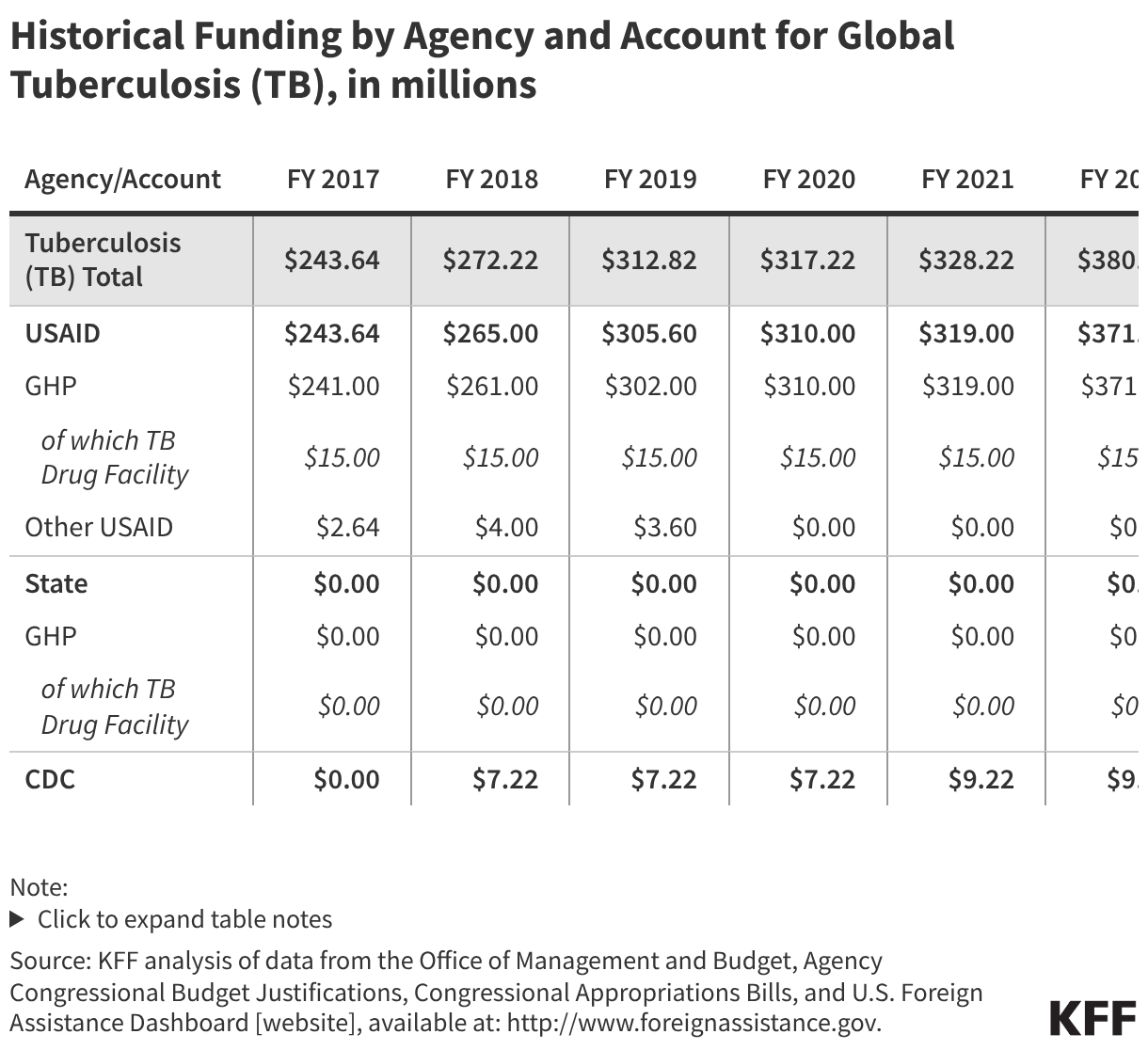
An HHS OIG report finds that in fiscal year 2024, there were 298 fraud convictions “involving personal care service attendants” from the Medicaid fraud control units, which was 36% of all fraud convictions through the Medicaid fraud control unit, more than that of any other provider type. Although significant, the number of fraud convictions (total and as a percentage of all convictions) is notably lower than the average from 2015-2022 before electronic visit verification was fully in place. During the prior years, fraud convictions involving personal care service attendants averaged well over 400 each year and 43% of all convictions. The amount of money recovered from all convictions is small ($961 million in FY 2024 or $536 million on a 5-year average basis) relative to Medicaid spending.

States, along with the federal government, use provider credentialing and enrollment and data analytics to help prevent fraud. Providers must meet certain state and federal requirements to be eligible to participate in the Medicaid program. Additionally, states use data analytics to confirm that providers have not previously been convicted of committing Medicare fraud or fraud in a different state’s Medicaid program, and to identify unusual billing patterns for specific services or by specific providers. When Minnesota uncovered fraud in its Medicaid home care programs in 2024, the state undertook a series of actions to address that fraud, including targeting specific providers and specific types of services (Box 1).

Box 1: Minnesota’s Actions Towards Maintaining Program Integrity for Medicaid Home Care

In January 2026, CMS administrator Dr. Mehmet Oz issued a letter to Minnesota governor Tim Waltz notifying him that the state of Minnesota’s Medicaid program was not in compliance with federal requirements that help to prevent, detect, and address fraud, waste, and abuse. The letter noted that CMS would start withholding a minimum of $515 million each quarter until CMS determined that the state had satisfactorily met federal requirements.

There has been fraud in Minnesota’s home care programs, and the state has taken steps to address it. On December 5, 2026, CMS gave the state 26 days to send a corrective action plan to address fraud. CMS rejected the plan within one week of receiving it. Minnesota is appealing CMS’ decision and submitted a revised corrective action plan on January 30, 2026.

The state outlines taking the following actions in response to combating home care fraud:

  • Terminating the Housing Stabilization Services program entirely (one of the recent sources of fraud),
  • Auditing autism services providers and conducting onsite visits (another source of recent fraud),
  • Adding new licensure requirements for autism centers,
  • Pausing admission of any new providers into 13 high-risk Medicaid services,
  • Conducting unannounced site visits for providers of high-risk services as part of the regular revalidation process,
  • Enhancing review of claims before they are paid including with increased use of data analytics and Artificial Intelligence (AI),
  • Increasing training for Medicaid providers and employees, and
  • Increasing oversight over Medicaid managed care organizations.

CMS’ approach towards fraud in Minnesota is a significant departure from prior practice. Historically, CMS has used disallowances to deny claims for payments that have been deemed impermissible and has worked collaboratively with states to recoup the funds. Under its new process — known as the “compliance process” — CMS can withhold future payments if the Administrator determines that there is a “failure to comply substantially” with one or more Medicaid requirements. In Minnesota’s case, CMS is effectively withholding funds in anticipation of future fraud.

What do newly released data about home care spending mean?

On February 14, 2026, CMS released a dataset with provider-level spending data that the agency suggests could be used to identify unusual billing patterns for specific services, states, or providers, but the limited data could result in mistaken conclusions. The data include seven fields, including the number of beneficiaries seen, counts of services, and the total spending for each procedure that is included in the data, but they omit significant elements important for pursuing meaningful analyses. With the data release, CMS posted figures to illustrate how the data could be used, with one of the figures displaying total spending among the top 20 procedures in the Medicaid data. The data show that personal care (the primary home care benefit) is the top procedure in terms of spending. However, the personal care “procedure” encompasses a wide range of services that may vary in complexity, difficulty, and length of visit (ranging from less than 30 minutes up to an entire day). In comparison, spending on emergency department visits is split among multiple procedure codes based on the complexity of the case and spending on psychotherapy is split based on the length of the visit (e.g., 30-minute visits and 45-minute visits are considered separate procedures). The data exclude all institutional records and all information about prescription drugs, which are significant shares of Medicaid spending, with hospital care accounting for 37% and being the single largest source of Medicaid spending.

Understanding the context for increases in home care spending is important context for interpreting spending data. Increased spending on Medicaid home care reflects state and federal policy choices to increase the availability of home care in lieu of institutional care when feasible. Analyses of federal spending on long-term care show that home care has grown from 1% of all long-term care spending in 1981 to 64% in 2023. Although the shift away from institutional care dates to the 1980s, the COVID-19 pandemic shone a new spotlight on the challenges of institutional care and illuminated the extent of unmet need for home care. In response, states expanded the availability of home care, increased payment rates for workers in home care settings, and made other efforts to help people remain at home rather than institutional settings. Between 2019 and 2023, the number of Medicaid home care users increased by over 750,000 people. In general, expansions of home care have garnered bipartisan support, with both 2024 presidential candidates expressing support for investments in family caregivers and more at-home services for people who need long-term care.

This work was supported in part by Arnold Ventures. KFF maintains full editorial control over all of its policy analysis, polling, and journalism activities.

Opioid Overdose Deaths: National Trends and Variation by Demographics and States

Published: Feb 24, 2026

Since the opioid epidemic was declared a public health emergency in 2017, it has claimed more than half a million lives. While the epidemic was initially driven by prescription opioids and heroin, it has evolved in recent years, to be dominated by illicit synthetic fentanyl—a substance significantly more potent than morphine. By 2023, most counterfeit opioid pills contained a deadly dose. As of 2022, nearly 1 in 3 adults reported in a KFF survey that they or a family member have been addicted to opioids (29%).

Leading up to and during the pandemic, opioid overdose deaths increased sharply. Deaths began to fall in mid-2023 and have continued to decline, though they remain above pre-pandemic levels. While it is not possible to identify a single driver of the decline, multiple policy actions may have contributed. These policies included efforts to expand access to treatment and overdose-reversal drugs and public awareness efforts about counterfeit opioid pills. They also included supply-side actions aimed at improving fentanyl detection at the ports and borders and limiting the flow of precursor chemicals used to manufacture illicit fentanyl abroad. These efforts coincided with indicators of shifting fentanyl supply, including DEA testing that suggested lower fentanyl potency in counterfeit pills.
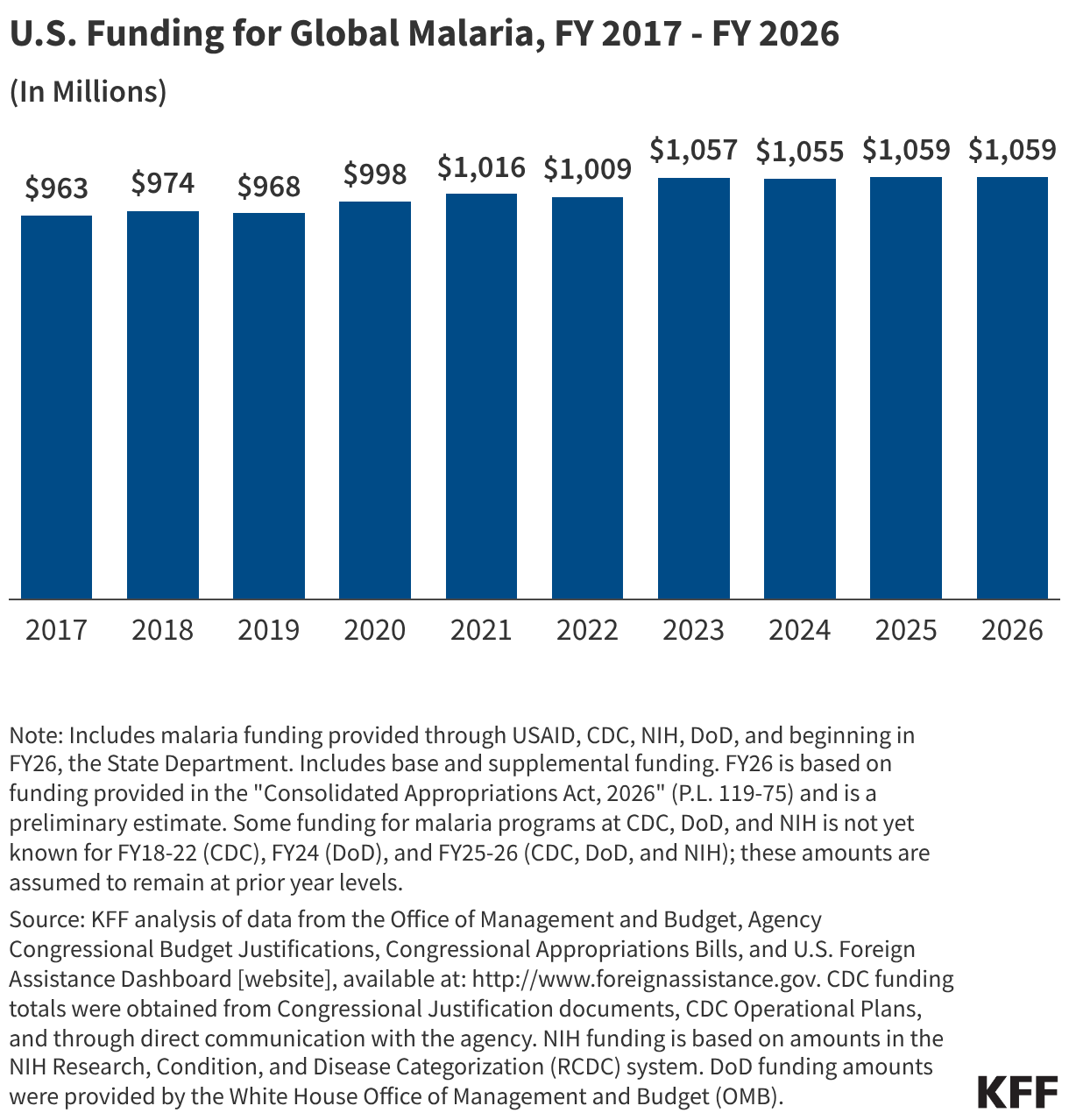
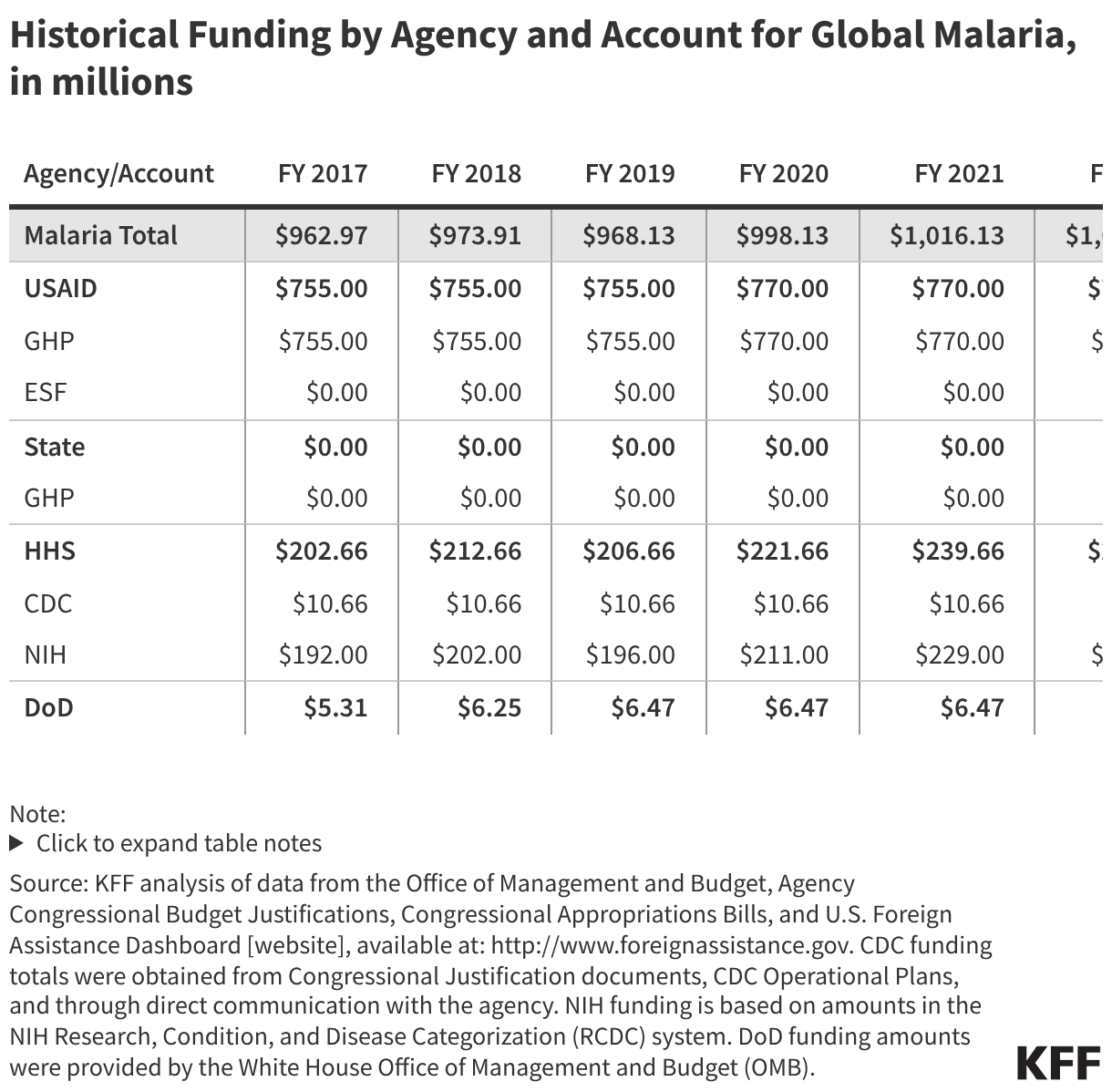
Despite progress, a range of more recent federal policy actions may affect future trends, including federal budget cuts, federal staffing reductions, and cuts to federal grants that support state and local programs; reduced Medicaid and Marketplace coverage; and a shift toward a more enforcement-focused approach, including the designation of illicit fentanyl as a “Weapon of Mass Destruction.” This analysis examines opioid overdose deaths over time – including 2024 (the latest finalized data available through CDC WONDER data) – and trends across demographic groups and states. Additional data can be found on KFF’s State Health Facts.

Key Takeaways:

Overall trends: Opioid overdose deaths fell sharply from 2023 to 2024 (79,358 to 54,045), driven largely by decreases in fentanyl-involved deaths. Even after these declines, deaths remained above 2019, the year before opioid deaths increased sharply during the pandemic.

Demographic variation: In 2024, opioid death rates were the highest among those aged 26-64, AIAN people, Black people, and males. All demographic groups saw declines in opioid death rates from 2023 to 2024. However, most groups still had higher rates in 2024 than in 2019.

State variation: State rates in 2024 ranged from 3.3 per 100,000 in Nebraska to 38.6 per 100,000 in West Virginia. From 2023 to 2024, opioid death rates fell across all states, with the largest drops in Virginia (-44%), Wisconsin (-44%), and West Virginia (-46%). About half of states remained above 2019 levels, which may reflect differences in the timing of fentanyl’s spread and state policy.

Opioid overdose deaths fell sharply in 2024, nearing pre-pandemic levels but remaining above 2019 (Figure 1). Total drug overdose deaths dropped from 105,007 in 2023 to 79,384 in 2024 (-24%), while opioid deaths fell from 79,358 to 54,045. Provisional CDC data suggest opioid deaths have continued to decline through 2025. By 2024, opioid deaths were near but still above pre-pandemic (2019) levels, about 4,200 higher than in 2019, the year before the sharp pandemic-era rise in opioid deaths.

Opioid Overdose Deaths Fell Sharply in 2024, Nearing Pre-Pandemic Levels but Remaining Above 2019 (Line chart)

Fentanyl was involved in most opioid overdose deaths in 2024 (Figure 1). Declines in fentanyl-involved deaths drove the overall drop in opioid deaths. Deaths involving other opioids, including prescription opioids and heroin, also declined but to a lesser extent. Opioid overdose deaths include fatalities of unintentional, intentional (suicide or homicide), and unknown intent. Any drug overdose death involving opioids is counted as an opioid overdose death. Because more than one opioid can be involved in a single death, opioid subcategories do not sum to total opioid deaths.

How do opioid deaths vary across demographics?

In 2024, opioid death rates were highest among adults ages 26 to 64, American Indian/Alaska Native (AIAN) people, Black people, and males (Figure 2). Rates were highest among adults ages 26 to 44 and 45 to 64 (29.1 and 24.9 per 100,000, respectively), well above other age groups. By race and ethnicity, AIAN people had the highest opioid death rate (35.5 per 100,000), and Black people had somewhat higher rates than White people (22.8 vs. 17.5 per 100,000), a reversal from earlier in the opioid epidemic when rates were higher among White people. Because White people make up a much larger share of the population, the number of deaths was highest among White people (33,105), followed by Black people (10,202) and AIAN people (845), even though rates were higher among Black and AIAN people. Opioid death rates among males were more than double those of females.

Opioid Overdose Death Rates are Highest Among Ages 26 to 64, AIAN People, Black People, and Males (Bar Chart)

From 2023 to 2024, opioid overdose death rates declined across all demographic groups (Figure 3). Young adults (ages 18 to 25) saw the largest decline (-42%), while adults ages 65+, saw the smallest (-20%). Declines by race and ethnicity ranged from -28% among AIAN people to -39% among Black people, and rates fell for both males and females. 

Most demographic groups continued to have higher opioid death rates in 2024 than in 2019 (Figure 3). Rates remained especially elevated among AIAN people (+101%) and adults ages 65+ (+63%). Slower declines among older adults may reflect that SUD can be harder to detect and treat and that few treatment programs are tailored to older adults. Two groups had lower rates in 2024 than in 2019: White people (-9%) and young adults ages 18-25 (-30%). Declines among White people relative to other race and ethnicity groups may partly reflect better access to opioid use disorder treatment.

Opioid Overdose Death Rates Fell Across Every Demographic Group from 2023 to 2024, but Most Remained Above Pre-Pandemic (2019) Levels (Bar Chart)

How do opioid deaths vary across states?

Opioid overdose death rates varied across states in 2024, ranging from 3.3 per 100,000 in Nebraska to 38.6 in West Virginia (Figure 4). Nebraska, South Dakota, and Iowa had the lowest opioid death rates, (3.3, 5.4, and 5.8 deaths per 100,000 people, respectively). Rates were the highest in the District of Columbia (34.1 per 100,000), Alaska (37.0), and West Virginia (38.6).

Opioid overdose death rates vary widely across states, 2024 (Choropleth map)

All states had declines in opioid overdose death rates from 2023 to 2024, but the size of the decline varied widely. Rates fell by 5% in South Dakota and 8% in Alaska, compared with larger drops of 44% in Wisconsin and Virginia and 46% in West Virginia (Figure 5). KFF State Health Facts provides opioid overdose rates by state for 1999-2024.

By 2024, about half of states continued to have opioid overdose rates above 2019 levels. Several states were close to pre-pandemic levels, including D.C. and Utah (+1%, +2%, respectively). Over one-third of states (39%) had rates that dipped below 2019 levels, with the largest declines in NJ (-42%), Ohio and Massachusetts (each -36%). Alaska and Oregon had the largest increases relative to 2019 (+239% and +226%) (Figure 5).

Opioid Overdose Death Rates Fell in Every State in 2024, but About Half Remained Above Pre-Pandemic (2019) Levels (Column Chart)

State differences in opioid-related policy and the timing of fentanyl spread may help explain variation in opioid overdose death trends. Differences in how states use state opioid response grants and settlement funds, and how states structure Medicaid coverage for substance use services, including whether they adopt federal opportunities to expand treatment access may affect outcomes. Fentanyl spread unevenly across states over time, generally moving from east to west. As a result, some states experienced earlier increases, often before the pandemic, while others saw their steepest growth later. These policy and timing differences can affect how states’ 2024 rates compare with 2019. 

Suicide Deaths: National Trends and Variation by Demographics and States

Published: Feb 24, 2026

From 2014 to 2024, over half a million lives (516,790) were lost to suicide, with 2022 marking the highest annual total on record. Since then, overall suicides have declined somewhat, but trends diverged by method: firearm suicides continued to rise, reaching a new high in 2024. As a result, firearms accounted for 57% of all suicides in 2024, up from 50% in 2014, while suicides by other methods fell. Some of the shift may also reflect undercounting if some suicides are recorded as unintentional drug overdose deaths. These shifts may have implications for prevention strategies including the capacity and design of crisis and treatment systems.

In July 2022, the 988 Suicide and Crisis Lifeline launched nationwide, replacing the prior 10-digit number with an easier to remember, three-digit option that connects people in distress to counselors at 200+ local crisis call centers and, when needed, other crisis services. Since launch through October 2025, 988 has received more than 19 million calls, texts, or chats nationally, alongside improved answer rates and shorter wait times.

The combination of 988, other benefit expansions and distance from the pandemic may be factors contributing to small declines in overall in suicides since the 2022 peak; however access to mental health and substance use disorder treatment gaps persist. In 2025, the Trump administration discontinued the LGBTQI+ 988 call line and advanced an array of federal policy actions that could limit access to care including projected coverage loss in Medicaid and the Marketplace.

Key takeaways from analysis of CDC WONDER data from 2014 to 2024, which represents the most recent and comprehensive data available include the following:

Overall death rate: The age-adjusted suicide death rate in 2024 was 13.7 per 100,000 people.

Overall trends: Suicide deaths fell slightly from their peak of 49,476 deaths in 2022 to 48,824 deaths in 2024, but trends by suicide method diverged: suicides by other means declined while firearm suicides reached their highest level and accounted for 57% of all suicides (up from 50% in 2014).

Demographic variation: In 2024, suicide death rates were highest among AIAN people and males (22.5 and 22.3 per 100,000, respectively). Over the past decade, rates increased the most for Black people, while rates were stable or declined somewhat for adults ages 45 to 64 and females.

State variation: State suicide death rates in 2024 ranged from 5.7 per 100,000 in Washington D.C. to 29.7 in Alaska. About four in ten states had stable or lower rates than in 2014, while rates increased in the remaining states, ranging from a 27% decrease in Washington D.C. to a 35% increase in Wyoming. Rates tended to be higher in many Western states, while lower rates were more common in parts of the Northeast and a few coastal states.

Firearm suicides reached their highest level in 2024, while suicides of other means decreased (Figure 1). Total suicide deaths peaked in 2022 and fell slightly by 2024 (about 600 fewer deaths). Even as overall suicides decreased, firearm suicides rose to their highest level in 2024, about 6,000 higher than in 2014, and accounted for 57% of all suicides in 2024 (up from 50% a decade ago). The increase has coincided with changes in gun ownership, including a surge in new buyers during the pandemic and greater racial and ethnic diversity among gun owners. Because firearms are highly lethal, greater access can reduce opportunities for intervention. Some state policies, including extreme risk protection orders (ERPOs) and other gun laws, have been linked to declines in firearm suicides.

Firearm Suicides Reached Their Highest Level in 2024, While Suicides of Other Means Decreased (Line chart)

How do suicide deaths vary across demographics?

Overall suicide death rates were highest among AIAN people and males in 2024 (Figure 2). AIAN people had the highest suicide death rate (22.5 per 100,000), higher than the rate among White people (17.2), while rates for other racial and ethnic groups were lower. Because White people make up a much larger share of the population, the total number of suicide deaths was higher among White people than AIAN people (36,560 vs. 545), even though AIAN people had a higher suicide death rate. While females are more likely to report mental illness and to attempt suicide, males had a suicide death rate about four times higher (22.3 versus 5.6 per 100,000). There are similar suicide rates across age groups in 2024 except that adolescent rates are lower (5.7 per 100,000) than other age groups.

Overall Suicide Death Rates Were Highest Among AIAN People and Males (Stacked Bars)

Over the past decade, suicide death rates increased faster for younger than older adults and more for people of color than White people, while declining somewhat for adults ages 45 to 64 and females (Figure 3). From 2014 to 2024, rates increased 17% among adults ages 18 to 25 (from 13.4 to 15.7 per 100,000) and 13% among those ages 26 to 44 (from 15.9 to 18.0), while rates were mostly flat or declined among older age groups. Rates increased more among people of color than among White people, with the largest increase among Black people (up 53%, from 5.7 to 8.7), followed by Hispanic people (up 27%, from 6.3 to 8.0). In contrast, suicide rates among White people were more stable, rising 5% over the same period (from 16.4 to 17.2). Increasing suicide rates among people of color may reflect differences in diagnosis and access to mental health care, as well as stigma and discrimination. Trends may also be influenced by shifts in firearm access and potential racial and ethnic differences in 988 awareness, use, or perceived helpfulness.

Suicide Death Rates Increased Faster for Younger Than Older Adults and More for People of Color Than White People, While Declining Somewhat for Adults Ages 45 to 64 and Females (Bar Chart)

How do suicide deaths vary across states?

Suicide death rates varied widely across states in 2024 (Figure 4). Rates ranged from 5.7 deaths per 100,000 people in the District of Columbia (D.C.) to 29.7 in Alaska, with a median death rate of 15.4 per 100,000. Rates tended to be higher in many Western states, while lower rates were more common in parts of the Northeast and a few coastal states. The suicide rate may vary by state due to factors such as demographics, firearm availability, mental health status, and access to mental health and crisis services.

Suicide death rates range widely across states (Choropleth map)

About four in ten states had stable or lower suicide death rates than a decade ago, while suicide death rates increased in other states (Figure 5). Between 2014 and 2024, suicide death rates decreased or were relatively stable in 22 states. The largest declines were in D.C. (-27%, from 7.8 to 5.7 per 100,000), Vermont (-21%, from 18.7 to 14.7), and New Jersey (-19%, from 8.3 to 6.7). Rates increased by 15% or more in 10 states, with the largest increases in Wyoming (35% increase, from 20.6 to 27.8), Alaska (34% increase, from 22.1 to 29.7), and Iowa (33% increase, from 12.9 to 17.1).

About Four in Ten States Had Stable or Lower Suicide Death Rates Than A Decade Ago, While Other States Increased (Column Chart)

If you or someone you know is considering suicide, contact the 988 Suicide & Crisis Lifeline at 988.

Alcohol Deaths: National Trends and Variation by Demographics and States

Published: Feb 24, 2026

Alcohol use disorder (AUD) is the most prevalent non-tobacco substance use disorder in the United States and over half of US adults (54%) say that someone in their family has struggled with an alcohol use disorder. Federal data show that 1 in 10 Americans (ages 12+) had an AUD in the past year and over 40% of drinkers reported binge drinking in the past month, yet only one-third of adults view alcohol addiction as a “crisis,” compared to over half who see opioids as such.

In early January 2026, the Department of Health and Human Services (HHS) released the updated 2025-2030 Dietary Guidelines for Americans (DGA). The report marks a departure from decades of guidelines that set recommendations to limit intake to specific daily caps (formerly one drink for women and two for men), instead advising people to “drink less for better overall health.” Without clear thresholds, it may be harder for individuals and clinicians to identify when clinical screening or treatment is warranted. This challenge is compounded by low public awareness of alcohol’s health risks. For example, fewer than 40% of US adults are aware that alcohol is a carcinogen, compared to over 90% awareness of tobacco’s link to cancer. In addition, clinical screening for AUD is inconsistent and treatment rates for AUDs are low. For those receiving or seeking treatment, a range of recent federal policy actions may affect future treatment access, including substantial coverage losses in Medicaid and Marketplace coverage.

This analysis largely focuses on the narrowest definition of alcohol deaths known as “alcohol-induced deaths” (referred to as “alcohol deaths” throughout the brief). These alcohol deaths are caused by conditions directly attributable to alcohol consumption, such as alcohol-associated liver diseases. Broader definitions of alcohol deaths extend this definition to also encompass cases where an alcohol-induced condition was a contributing factor, but not the underlying cause of death. Key takeaways from this analysis of CDC WONDER data from 2014 to 2024 include the following:

Key takeaways:

Overall trends: Alcohol deaths increased gradually before the pandemic, jumped in 2020 and 2021, and have fallen somewhat since then. Even after these declines, deaths remained above 2019, the year before the pandemic.

Demographic variation: In 2024, alcohol deaths were highest among adults ages 45 to 64, American Indian and Alaska Native (AIAN) people, and males. By 2024, alcohol death rates remained above 2019 levels for several groups; the groups most above their 2019 rates were adults ages 26 to 44, 65+, White people, and females.

State variation: State rates in 2024 ranged from 6.1 per 100,000 in New Jersey to 35.9 per 100,000 in New Mexico. In 2024, alcohol death rates remained higher than 2019 rates for most states. Changes ranged from declines in New Jersey (-9%) and West Virginia (-6%) to an 80% increase in Mississippi.

Alcohol deaths are down from their peak but still above pre-pandemic levels (Figure 1). Alcohol deaths increased gradually before the pandemic, jumped in early pandemic years, and have declined somewhat since then. From 2014 to 2024, the year-over-year rise in alcohol deaths averaged about 5% per year, with the largest single-year jump from 2019 to 2020 (+26%). Deaths peaked in 2021 (54,258) and have fallen since. Even with declines after 2021, in 2024 alcohol deaths were still about 50% higher than a decade ago and about 20% higher than in 2019, the year before the pandemic.

Alcohol-Induced Deaths Are Down from Their Peak but Still Above Pre-Pandemic Levels (Scatter Plot)

How do alcohol death rates vary across demographics?

Alcohol deaths in 2024 were highest among adults ages 45 to 64, American Indian and Alaska Native (AIAN) people, and males (Figure 2). By age, alcohol death rates peaked among adults ages 45 to 64 (28.9 per 100,000) and were next highest among adults 65 and older (21.5 per 100,000). AIAN people had the highest alcohol death rate across all demographic groups (57.9 per 100,000), more than four times the rate among White people, the racial group with the next highest rate. Because White people make up a much larger share of the population, the total number of deaths was higher among White people (32,849 vs. 1,424), even though AIAN people had the higher death rate. Alcohol death rates among males (17.3 per 100,000) were more than double those among females.

Alcohol Death Rates are the Highest Among Adults Ages 45 to 64, American Indian or Alaska Native People, and Males (Bar Chart)

Alcohol death rates remained above pre-pandemic (2019) levels in 2024, especially for adults ages 26-44, 65+, White people, and females (Figure 3). Rates increased gradually before the pandemic, rose sharply in 2020 and 2021, and then declined from their peak, but not enough to return to 2019 levels. Adults ages 26 to 44 had the largest continued increases, with 2024 rates 38% higher than in 2019. Adults ages 65 and older also remained elevated, with 2024 rates about 22% higher than in 2019. Rates among White people remained about 20% higher than pre-pandemic levels and higher than rates among other race and ethnicity groups. Female alcohol death rates were still about 20% above 2019 levels, while male rates were closer to pre-pandemic levels.

Alcohol Death Rates Remained Above Pre-Pandemic (2019) Levels in 2024, Especially for Ages 26–44, 65+, White People, and Females (Bar Chart)

How do alcohol death rates vary across states?

Alcohol death rates varied widely across states in 2024 (Figure 4). Alcohol-induced death rates ranged from 6.1 per 100,000 in New Jersey to a 35.9 per 100,000 in New Mexico. Higher rates tended to be concentrated in the West, particularly in the Mountain West (and Alaska), while lower rates were more common across parts of the South and the Northeast. Many factors may contribute to the differences in alcohol mortality rates across states, some of which may include differences in alcohol consumption, cultural attitudes, state-specific alcohol policies, and treatment rates.

Alcohol Death Rates Vary Widely Across States, 2024 (Choropleth map)

In 2024, alcohol death rates remained higher than pre-pandemic (2019) levels in most states, though the magnitude varied widely (Figure 5). Changes from 2019 to 2024 ranged from declines in New Jersey (-9%) and West Virginia (-6%) to large increases in Mississippi (+80%) and South Dakota (+63%). Leading up to the pandemic, most states had modest steady increases, though growth was faster in some more rural states, including Wyoming, Montana, Arkansas, and North Dakota. Consistent with national patterns described above, many states experienced their sharpest increases in 2020 and 2021 and then declined somewhat from their peak, but in most states, 2024 rates remained above 2019 levels. South Dakota and Mississippi saw especially large early-pandemic increases and only modest declines afterwards, leaving them with the largest percent increases in alcohol death rates from 2019 to 2024.

In 2024, Alcohol Death Rates Remained Higher Than Pre-Pandemic (2019) Levels in Most States, but to a Varying Extent (Column Chart)

What factors may contribute to alcohol deaths?

Alcohol is linked to far more deaths when broader definitions are used (Figure 6). Many alcohol-related conditions develop over time, and alcohol can also worsen other health problems or contribute to injuries, which complicates how alcohol deaths are counted. This analysis uses a narrow definition, counting only deaths where alcohol is listed as the underlying cause on the death certificate, such as alcohol-related liver disease. When deaths are also counted where alcohol is listed as a contributing cause on the death certificate (“alcohol-related deaths”), the total number of deaths nearly doubles, reaching 93,118 in 2024 (Figure 5). Under this broader definition, alcohol-related deaths exceeded opioid overdose deaths (55,535 opioid deaths when underlying and contributing cause are included), and opioid deaths change little when moving from the narrow to broader definition (54,045 under the narrow definition). Others methods can produce even higher estimates of alcohol deaths by accounting for deaths that alcohol increases the risk of, even when alcohol is unlikely to be recorded on the death certificate, such as certain cancers.

Alcohol Is Listed in Nearly Twice as Many Deaths When Contributing Causes Are Included (Column Chart)

Alcohol treatment rates are low, reflecting a mix of provider, patient, and financial barriers. In 2022, only 7.6% of people ages 12 and older with a past-year alcohol use disorder (AUD) received any treatment, and fewer (2.1%) received evidence-based AUD medication. Providers may lack confidence or knowledge in treating AUD and prescribing AUD medication, which can reduce treatment initiation or referrals. On the patient side, limited understanding of what constitutes problematic drinking and attitudes towards seeking treatment can hinder recognition of need for help. Among adults who meet the criteria for SUD—which may include symptoms like increased tolerance, repeated attempts to quit or control use, or social problems related to use–95% did not seek treatment and didn’t think they needed it. Even when people want care, practical constraints such as coverage limits, treatment availability, paid leave, and out-of-pocket costs can affect decisions about whether they start or stay in treatment.

TrumpRx: What’s the Value for Customers?

Published: Feb 24, 2026

Editorial Note

This brief was updated on February 24, 2026, to clarify the requirements for health savings accounts.

Introduction

The cost of prescription drugs is a top health policy issue for consumers and policymakers. Half of the people in the United States take at least one prescription drug, and KFF polling from 2025 found that more than 1 in 4 adults under age 65 report difficulty affording their medication; these shares are much higher among those with individual insurance and the uninsured. Aimed at addressing high prescription drug costs, on February 6, 2026, the Trump administration launched TrumpRx, a government website that provides prescription drug discounts to consumers. This Issue Brief examines issues that may impact consumers who access drug discounts through TrumpRx, particularly those with private insurance, and sets out key policy questions going forward.

What is TrumpRx?

In an effort to reduce prescription drug costs, a May 2025 Executive Order seeks to facilitate an option for consumers to purchase prescription drugs at the “most-favored-nation” (MFN) price directly from the drug manufacturer (“direct-to-consumer” purchasing). MFN prices refer to the lowest prices paid in comparable countries. The Trump administration announced that it had made deals with drug manufacturers and negotiated MFN pricing for a range of medications. The details of these deals are confidential and not available to the public.

TrumpRx is an online platform that consumers can use to search for discounted, ostensibly MFN, prices on brand-name medications when paying without using insurance (referred to as “self-pay” or sometimes “cash-pay”). TrumpRx does not offer direct-to-consumer (DTC) purchasing, meaning patients cannot purchase these medications from the TrumpRx website. Instead, for the majority of its advertised drugs, it allows consumers to print drug manufacturer coupons that can be used at retail pharmacies at the time of purchase. Many of the self-pay discounted prices shown on TrumpRx are also available via DTC options on the manufacturer’s website, but in most cases, this requires consumers to go to the manufacturer’s website, search for the drug, and find and interpret the written information describing the discount. Just eight of the advertised drugs on TrumpRx direct consumers to the specific pharmacies (often linked via the manufacturer’s website) where they can purchase the drug directly at the discounted price shown on TrumpRx. In all cases, a valid prescription is still needed to buy the medication.

As of February 20, 2026, 43 different prescription medications from five manufacturers were listed on TrumpRx, used in the treatment of a range of conditions, such as asthma, arthritis, infertility, and diabetes. The 43 prescription drugs currently listed on TrumpRx include one “authorized generic” (of a brand-name product from the same manufacturer) and one biosimilar; the rest are brand-name drugs. There are currently more than 24,000 FDA-approved prescription drugs in the U.S. Additionally, the terms and conditions listed on most of the TrumpRx coupons indicate that they cannot be used in California or Massachusetts. State law in California and Massachusetts prohibit the use of prescription drug coupons unless a generic equivalent is unavailable.

What Sources of Discounted Drug Pricing Already Exist?

Drug discounts have been available for a long time, via different mechanisms and for different populations. From drug manufacturers, there are “copay assistance” coupons for people using private health insurance; free trial offers; discounts for self-pay consumers purchasing the drug directly; and “patient assistance programs” specifically for certain uninsured and/or low-income people. Separately, discounts are offered by several online platforms (such as GoodRx) and online pharmacies (such as Cost Plus Drugs).1

TrumpRx presents one of many avenues for finding discounts on certain drugs. Specifically, those who are insured but choose not to bill through insurance, and those who are uninsured but don’t meet existing requirements for patient assistance programs (such as income), may now be eligible to use these coupons to get discounted prices from manufacturers for drugs included on the platform. While most TrumpRx coupons are also displayed on GoodRx, consumers will find discounts for many more prescription drugs from Cost Plus Drugs and GoodRx than are currently available on TrumpRx.

GoodRx has advertised “exclusive” savings for prescription drugs, including drugs listed on TrumpRx, long before TrumpRx launched. It is not clear how these and other self-pay discounts that drug manufacturers, retailers, or other third-party platforms were already offering before TrumpRx compare to what is available on this new platform. Such comparisons with historic prices are not readily available, but most of the savings from TrumpRx appear to be new. Archived GoodRx pages show that, for most of these drugs, prices available in 2025 or earlier were higher than currently advertised on TrumpRx. Manufacturers with drugs on TrumpRx began announcing their anticipated TrumpRx discounts in late 2025.2 Self-pay discounts for certain dosages of Ozempic, Wegovy, and Zepbound were available prior to TrumpRx and before the Trump administration’s second term, but those prices were higher than their comparable prices now on TrumpRx. According to the manufacturer, the price for the 2 mg dosage of the Ozempic pen ”remains” $499, suggesting that the ”discounted” price shown on TrumpRx does not reflect any recent change.

For those paying with private insurance, many of these drugs already had “copay assistance programs” to help offset some out-of-pocket costs for the commercially insured (and still do). In many cases, out-of-pocket costs could be less than the TrumpRx self-pay discount. 

Comparing TrumpRx Self-Pay Discounts to Private Insurance: Issues to Consider


Evaluating the impact of TrumpRx requires a closer look at how most Americans access prescription medication. Sixty-six percent of people under age 65 have private health insurance, including 58% with employer-sponsored coverage and 8% with individual insurance purchased on or off ACA Marketplaces. Nearly all (99%) workers with employer-sponsored coverage are at a firm that provides prescription drug coverage to enrollees in its largest health plan. 

The discounts currently advertised on TrumpRx are only available to those purchasing medications without using insurance. The “Frequently Asked Questions” at the bottom of the TrumpRx landing page explicitly state that the discounted pricing is only available for “cash-paying” patients. The webpage for each TrumpRx drug notes that patients with insurance should check what their copay would be if using insurance, as it may be even lower than the TrumpRx price.

Due to the complexity of prescription drug pricing and the variation in private insurance plan designs, several factors need to be considered to evaluate the usefulness of TrumpRx for individual consumers. Three illustrative scenarios are provided below.

Patient has private insurance for a TrumpRx drug, and a generic equivalent is not available

Medication covered by an individual’s private insurance may be less expensive when purchased through insurance. Because TrumpRx coupons are for self-pay consumers, dollars paid for a TrumpRx medication will not count toward a consumer’s insurance deductible or out-of-pocket maximum. In contrast, individuals using private health insurance to purchase the drug instead of the TrumpRx coupon or other manufacturer discount will have their out-of-pocket payments count toward their plan’s deductible and out-of-pocket maximum. Since many of these drugs are used by individuals with chronic illnesses who need their medication throughout the year, the out-of-pocket expenditure may contribute significantly to the deductible and out-of-pocket maximum amounts for the plan, affecting the out-of-pocket costs for other services billed to insurance.

Individuals purchasing through insurance will also have access to a negotiated price through their insurer or employer plan. The “savings” listed on TrumpRx for each drug are based on the manufacturer’s list price for drugs sold to wholesalers or direct purchasers (“wholesale acquisition cost,” or WAC) and typically do not directly reflect what consumers pay. The negotiated prices vary across private plans but are typically lower than the WAC. In such a case, consumers could pay less over the year with their insurance, even having to meet a deductible. Specific cost-sharing arrangements, copay or coinsurance, for the drug depend on the plan formulary, but may also be cheaper than the TrumpRx price.

But deductibles matter. While many patients with private insurance could come out ahead in terms of their annual out-of-pocket costs by using their insurance instead of a TrumpRx coupon or other manufacturer discount for a specific medication, growing insurance deductibles for those with private insurance factor into patient choices and might steer people who have insurance to discounted self-pay options via direct-to-consumer (DTC) manufacturer websites or TrumpRx. 

According to the annual KFF Employer Health Benefits Survey (EHBS), among workers covered by employer-sponsored insurance, the average deductible for single coverage was $1,663 in 2025 (including those whose plan does not have a general annual deductible), 23% higher than the average general annual deductible in 2020 ($1,350), and 54% higher than in 2015 ($1,078). Average deductibles are higher for Affordable Care Act (ACA) Marketplace plans sold on HealthCare.gov, though growth over the past decade has increased more slowly than for employer-sponsored plans. In 2025, the average annual individual combined deductible (medical services and drugs) for ACA Marketplace coverage was $2,759. While this is lower than the average deductible in 2020 ($2,962), it is an increase from $1,987 in 2015.3

At least one study has found that for employer-sponsored insurance, out-of-pocket prices for branded retail drugs, on average, increased nearly 6% annually between 2007 and 2020, driven by large increases in deductible and coinsurance payments.

TrumpRx may be an economical option for those who face high out-of-pocket costs for prescription drugs before they meet their plan’s deductible, especially those who do not reach their annual deductible at all. If a consumer, for instance, must pay the retail price for an expensive medication prior to meeting their plan’s deductible, they might look to Trump Rx or DTC self-pay options to reduce their monthly payment for a medication. Self-pay expenses won’t count toward their deductible, but some consumers may choose this option if their monthly income and other household expenses will only allow them to afford the medication at a self-pay discounted price.

Example 1

Terry has a prescription for Prempro to help manage symptoms of menopause. The self-pay discounted price on TrumpRx is $98.84 per month, but she has private health insurance. It is the beginning of the year, though, and Terry has not met any of her plan’s $1,500 annual deductible. If her monthly cost for Prempro is $250 and she has a $30 copay after meeting her deductible, she would pay the full price from January through June, at which point she would have met her $1,500 deductible, then she would just pay the $30 copay from July through December. Assuming no other deductible spending during the year, her total annual out-of-pocket cost for this drug would be $1,680 if she uses her insurance. In this example, she would pay less over the year ($1,186) using the self-pay TrumpRx discount instead of her insurance, though the amount she spends using the discount would not count toward her plan’s deductible or out-of-pocket maximum.

However, some employer plan designs effectively mitigate the impact of high deductibles on prescription drugs. According to the 2025 KFF EHBS, 61% of workers enrolled in an employer-sponsored health plan with a general annual deductible do not have to meet the deductible before prescription drugs are covered. Formularies with a tier for “preferred” brand-name drugs may require a relatively small copay even before the deductible is met. Additionally, 45% of covered workers in firms with 50 or more workers are enrolled in a plan that reduces or waives cost sharing for at least some maintenance drugs for chronic conditions, such as insulin for diabetes. 

Example 2

Using the previous example, now assume that Terry’s insurance covers prescription drugs before meeting the deductible, meaning that she is just responsible for the $30 copay for a month of Prempro. Using her insurance to purchase the drug, she would spend $360 over the year, far less than the $1,186 she would spend if she were to pay using the TrumpRx coupon and bypass insurance.

People enrolled in a high-deductible health plan (HDHP) paired with a health savings account (HSA) must pay all medical costs until they meet their high deductible (at least $1,700 for an individual in 2026) to be eligible to establish or contribute funds to an HSA, with some exceptions.4 These pre-deductible coverage exceptions include certain prescription drugs that are ACA-required preventive services, certain insulin products, and other medications deemed preventive for certain chronic conditions. However, beginning this year, people in bronze and catastrophic individual Marketplace plans can establish and contribute to an HSA regardless of whether the plan meets these (and other) requirements. Employer-sponsored plans must still meet these requirements to be paired with an HSA.

For privately insured patients with chronic disease, copay assistance could also be a factor. Manufacturer “copay assistance programs” specifically for consumers using private health insurance are available for over half of the drugs currently available on TrumpRx, which may lower enrollees’ copay and coinsurance payments to as little as $0/month for some drugs, without TrumpRx discounts. Many health plans (group and individual), however, do not count the value of manufacturer copay coupons toward the enrollee’s deductible or out-of-pocket maximum, a feature known as a “copay adjustment program.” As of 2026, at least 25 states and the District of Columbia prohibit or restrict the use of at least some of these types of programs in certain health insurance plans sold in those states.5 These laws do not apply to those in employer self-insured plans regulated only under federal law. Consumers may need to consult their plan documents to find out whether manufacturer copay assistance can be used and, if so, whether their expenses will count toward their plan’s out-of-pocket obligations.

Patient takes a prescription drug that is discounted on TrumpRx, and a generic equivalent is available

According to one analysis, 90% of all prescriptions filled in the U.S. in 2024 were generics. Regardless of the form of payment (private insurance or self-pay), generic equivalents are often cheaper than brand-name drugs, sometimes even after discounts offered through TrumpRx. About half (22) of the drugs on TrumpRx have generic equivalents available in the U.S., at least three-quarters (17) of which are less expensive via GoodRx discounts or direct purchase from Cost Plus Drugs than the TrumpRx coupon price for the brand-name version. Five brand-name drugs on TrumpRx are less expensive on TrumpRx than their generic equivalents on the other two websites. Generic drugs generally have more favorable cost-sharing arrangements than brand-name drugs through insurance, decreasing patient out-of-pocket responsibility for patients using private insurance. Since usual and customary retail prices for these generic drugs are so much lower than their brand-name equivalents, they are cheaper for self-pay patients as well. There is no disclaimer on TrumpRx stating that consumers could pay less than the TrumpRx price by purchasing a generic alternative.

Example 3

Jo has a prescription for Diflucan for an infection. Her insurance has substituted generic fluconazole instead of the brand-name product, with a $10 copay (before deductible) for one bottle. In this case, even with the coupon, it would be cheaper to use her private insurance instead of self-paying with the coupon, which prices Diflucan at $14.06. Additionally, she finds out that the $10 copay will count toward her plan’s out-of-pocket maximum.

If a generic version is available, pharmacists may substitute the generic equivalent for the brand-name drug (and as of 2022, 17 states and the District of Columbia7 required this) unless the prescriber indicates to “dispense as written” on the prescription or the patient specifically requests the brand-name. In these states, a consumer who presents a TrumpRx coupon at the pharmacy for a brand-name drug might automatically end up paying less without using the coupon when the prescription is filled with a generic. Indeed, the “Frequently Asked Questions” at the bottom of the TrumpRx landing page indicates that pharmacies are not required to dispense the TrumpRx discounted drug.

Example 4

Patrick’s physician has written him a prescription for Farxiga for his diabetes. He is uninsured and goes to a pharmacy to fill the prescription. Although the self-pay price is $700, the pharmacist provides a generic equivalent at around half the price. TrumpRx advertises the discounted brand-name drug for a yet lower price of $181.59.

Example 5

Patricia has rheumatoid arthritis and gets a prescription for Azulfidine. She is uninsured and goes to a pharmacy to fill the prescription. Although the self-pay price is $350, the pharmacy only stocks the generic equivalent at $60 a month. This price is lower than the discounted price for the brand-name product advertised on TrumpRx, $99.60.

Patient does not have insurance, or the TrumpRx drug is not covered by their insurance

Those who have already been paying out-of-pocket for certain drugs may see savings from TrumpRx. Some of the drugs on TrumpRx are typically not covered by private health insurance. For example, the KFF Employer Health Benefits Survey found that just one in five (19%) large employers offering health benefits to workers say they cover costly GLP-1 drugs such as Wegovy and Zepbound when used primarily for weight loss in 2025, and fewer than two in five (37%) reported covering fertility medications in 2024. However, some drug discounts on TrumpRx reflect limited-time offers for lower initial doses for new patients. For example, Wegovy pills start at $149/month but increase to $299/month after two monthly fills (for a higher dose).

Example 6

Carol has a prescription for the fertility drug Cetrotide. Her insurance doesn’t cover this drug at all, so she has been buying it from a direct-to-consumer online pharmacy. She pays $49.50 for the generic version, which is more expensive than the brand-name drug with the TrumpRx coupon, at $22.50.

Example 7

Rob receives a prescription to start using Wegovy, which does not have a generic version. He doesn’t have insurance but is able to afford the drug with the one-time introductory offer via TrumpRx of $149 for a month of pills. After that, the monthly price for the drug goes up to $299, making it unaffordable to Rob for continued use even with the discount.

Other patients who could potentially benefit (at least temporarily) from TrumpRx include those who have a gap in insurance coverage, those whose plan formulary has removed coverage for a needed drug, or those whose insurance has utilization management requirements, such as quantity limits or step therapy. As mentioned above, though, since TrumpRx currently only includes 43 drugs, patients will likely find discounts for a much larger selection of drugs using other self-pay discount platforms or from online pharmacies.

Looking Forward

While TrumpRx offers the hope of cheaper medications, whether it will make a significant difference for most people will depend largely on the breadth of prescription drugs available on the website, the cost of the specific medication, state law or pharmacy policy regarding generic drugs, the plan design of the patient’s private insurance plan, if insured, and, particularly for the uninsured, whether there is a less expensive generic version of the drug. This puts a lot more onus on patients, particularly those with private coverage, to understand the many dynamics at play in determining the best option for them. In some cases, TrumpRx advertisement for these discounted brand-name prescription drugs could have the potential to mislead patients into paying more out-of-pocket than they would if they used their insurance and/or purchased a generic alternative.

Future developments that may further impact patient choices include:

  • Possible options to allow patients to count discount coupons toward insurance deductibles and out-of-pocket maximums. As part of a February 2026 settlement with the Federal Trade Commission, ExpressScripts, one of the largest pharmacy benefit managers (PBMs) in the country, and its affiliates, agreed to “Provide covered access to TrumpRx as part of its standard offering upon relevant legal and regulatory changes” following allegations that it had created a system that had artificially increased drug prices. Under the proposed consent agreement, enrollees serviced by ExpressScripts or its affiliates would be able to count payments made through the TrumpRx platform toward patient deductibles and out-of-pocket maximums. How this would work in practice, as well as how this would affect other discount platforms, is not clear. Also, patients with private coverage are still awaiting implementation of changes to federal standards regarding the use of copay adjustment programs that could consistently allow manufacturer coupons to count toward their insurance cost sharing.
  • Changes to federal law that could expand take-up of high-deductible health plans paired with a health savings account (HSA). The 2025 budget reconciliation law and recent proposed changes increase the availability of Marketplace catastrophic plans. For consumers who turn to these plans, out-of-pocket costs for prescription drugs may increase, potentially steering them to TrumpRx and self-pay DTC options instead of using their insurance. Although, in general, TrumpRx coupons cannot be used with insurance, one manufacturer’s drugs listed on TrumpRx link to the manufacturer’s website, which notes that the expense may be eligible for reimbursement by an HSA.
  • Other federal reforms. Broader efforts than a discount website are likely key to addressing system-wide incentives that work to keep prescription drug prices high for all consumers, those with and without insurance. Since most individuals under 65 have employer-sponsored insurance, an important question going forward for this group is whether other current federal efforts, such as recently passed legislation directed at PBM disclosures and pass-through of rebates to employer plans and pending updates to price transparency regulations for prescription drugs, will lower their drug costs.

Endnotes

  1. GoodRx is a website where consumers can compare discounted self-pay drug prices at retail pharmacies like CVS and Walgreens and access GoodRx coupons whose prices have been negotiated between pharmacies and PBMs. Cost Plus Drugs is an online pharmacy that sells discounted generic (and some brand-name) prescription drugs directly to consumers. ↩︎
  2. All three manufacturers’ announcements noted that their products would be excluded from the Trump administration’s new tariffs in exchange for committing to these agreements. ↩︎
  3. Average deductibles vary significantly by metal level and whether the enrollee is eligible for a cost-sharing reduction. ↩︎
  4. An HSA is a tax-advantaged account that allows people enrolled in certain high-deductible health plans to save and pay for unreimbursed, qualified medical expenses. ↩︎
  5. See https://theaidsinstitute.org/media/documents/TAI-2025-Report.pdf (21 states as of February 2025; https://www.bleeding.org/news/government-relations-update-may-2025 (3 more states as of May 2025); and https://www.nationalmssociety.org/news-and-magazine/news/new-jersey-copay-accumulator-legislation (another state in 2026). ↩︎
  6. An 18th state (Indiana) has a similar requirement, but unlike the other state laws, it only applies for Medicare patients. ↩︎

Quiz – How Well Do You Understand Your Health Insurance?

Published: Feb 23, 2026

Health insurance is often complicated, but understanding the basics helps you make better decisions about your coverage and care. This 10-question quiz touches on some terms you may encounter. Test your knowledge and pick up some useful insights along the way.

Question 1 of 10
Which statement best describes a health insurance premium?
Question 2 of 10
Which of the following is the best definition of the term “annual health insurance deductible”?
Question 3 of 10
Which statement describes the difference between a copayment and coinsurance?
Question 4 of 10
Your health insurance plan has a $1,000 deductible for hospital care and a $250 per-day copayment once the deductible is met. You are hospitalized for 4 days, and the hospital charges negotiated with the insurance company (the “allowed amount”) total $6,000. How much would you be responsible for paying?
Question 5 of 10
Which statement describes a Health Savings Account (HSA)?
Question 6 of 10
When you receive care from an out-of-network medical professional or facility, what costs might you be responsible for? (“Out of network” refers to a doctor, hospital, or facility that does not have a contract with your health insurance plan.)
Question 7 of 10
Under federal “surprise billing” protections, patients are generally shielded from higher out-of-network charges when they receive:
Question 8 of 10
What does it mean when a health care professional says that a test, procedure, or medication requires “prior authorization” in order for insurance to cover it?
Question 9 of 10
Which of the following best describes a prescription drug “formulary”?
Question 10 of 10
Which of the following are required to publicly post prices for health care services?

Medicare Advantage Enrollment Grew by About 1 Million People, Mainly Due to Special Needs Plans

Published: Feb 23, 2026

The Centers for Medicare & Medicaid Services (CMS) released the latest Medicare Advantage enrollment data on February 13, 2026. These data provide the first look into Medicare Advantage enrollment for 2026 following a statement published by CMS last fall that Medicare Advantage insurers projected total enrollment would be lower in 2026 than in 2025. The industry projections came at the same time insurers announced a drop in in the total number of Medicare Advantage plans that would be available for general enrollment (individual plans) in 2026, along with an increase the number of special needs plans (SNPs), which limit enrollment to beneficiaries with specialized health needs or who are eligible for both Medicare and Medicaid.

Overall, the data show that total Medicare Advantage enrollment continued to increase, although at a slower rate of growth than in prior years. The increase in 2026 was largely driven by increased enrollment in SNPs. Decisions made by insurers to expand SNP offerings have translated into enrollment growth in that segment. Enrollment in individual plans increased, but more slowly than in any year between 2007 and 2025. Changes in enrollment varied across the private insurers that sponsor Medicare Advantage plans, with some plans experiencing more rapid growth, while others saw a drop in enrollment.

These patterns suggest that the Medicare Advantage market remains an attractive choice for Medicare beneficiaries. In 2026, the average Medicare beneficiary can choose from among 32 Medicare Advantage plans with prescription drug coverage, most of which have no premium (other than the standard Part B premium) and the vast majority of which offer dental, vision, and hearing benefits, in addition to reduced cost sharing compared to traditional Medicare without a supplement.

Medicare Advantage enrollment reaches 35 million, increasing by 1.1 million since February 2025.

Just over 35 million people are enrolled in Medicare Advantage as of February 1, 2026 (Figure 1). That reflects an increase of 1.1 million people since February 2025, which translates into 3% growth year-over-year. Enrollment in Medicare Advantage has increased steadily over the last two decades, rising from 8 million people (19% of eligible beneficiaries) in 2007 to 34 million people (54% of eligible beneficiaries) in 2025, but the pace of enrollment growth has recently slowed. In 2025, enrollment increased 4%, which was a slower rate of growth than any year between 2007 and 2024 when the increase in enrollment averaged 9% a year.

Total Medicare Advantage Enrollment, 2007-2026 (Column Chart)

Medicare Advantage is the private plan alternative to traditional Medicare and provides coverage of Medicare Part A and Part B benefits. In most cases, Medicare Advantage plans also offer reduced cost sharing compared to traditional Medicare without supplemental insurance, coverage of non-Medicare services, such as vision, dental and hearing, and Part D benefits, usually for no additional premium (other than the Part B premium).

Special needs plans comprised 83% of the increase in enrollment over the last year.

In February 2026, more than 8 million people are enrolled in a SNP, an increase of nearly 900,000 enrollees since February 2025 (Figure 2), comprising 83% of total Medicare Advantage enrollment growth over the last year. The increase in enrollment in individual plans was much smaller, rising by 224,000 people compared to a year ago. Enrollment in employer- and union-sponsored group plans declined slightly, falling by about 40,000 enrollees compared to February 2025; the number of beneficiaries enrolled in group MA-PDs declined by about 1.2 million, which was mostly offset by a 1.1 million increase in enrollment in employer MA-only plans.

Year-Over-Year Medicare Advantage Enrollment Changes, By Plan Type (Split Bars)

The share of Medicare Advantage enrollees in SNPs increased from 21% in 2025 to 23% in 2026. Enrollment growth in SNPs has increased steadily since 2018 (13% of Medicare Advantage enrollment), when these plans were made a permanent part of the Medicare program. (See Appendix Table 1 for detailed data on enrollment by prescription drug coverage and plan type.)

Humana and Kaiser Permanente were the only large insurers to increase enrollment.

Across the five largest Medicare Advantage insurers, only Humana Inc. and Kaiser Foundation Health Plan, Inc. saw an increase in total Medicare Advantage enrollment, with Humana boosting its enrollment by 1.2 million enrollees, and Kaiser Permanente adding a smaller number with 64,000 additional enrollees. (Figure 3). Humana and Kaiser Foundation Health Plan saw enrollment increase across all plan types, that is individual plans, employer- and union sponsored group plans, and special needs plans. In contrast, UnitedHealth Group, Inc., the largest Medicare Advantage insurer, lost over 530,000 enrollees compared to February 2025. That change reflects a decline in enrollment in both individual (-582,000) and group (-219,000) plans that were partially offset by an increase in SNP enrollment (+267,000). CVS Health Corporation has 29,000 fewer enrollees this month than a year ago, reflecting a decline in individual plan enrollment (-81,000) that was partially offset by increases in SNP (+40,000) and group plan (+12,000) enrollment. Elevance Health Inc., which has 368,000 fewer enrollees this year than last, was the only one of the five largest insurers to see a decline in SNP enrollment (-18,000).

Enrollment in plans offered by the 150 insurers with a relatively small number of enrollees (fewer than 1 million enrollees) increased by 734,000 people in 2026. That increase reflects growth in SNPs (+388,000), individual plans (+331,000), and group plans (+15,000). Across small insurers who offered plans in both 2025 and 2026, more than three-quarters saw enrollment increase compared to a year ago.

Change in Medicare Advantage Enrollment By Insurer and Plan Type, 2025-2026 (Table)

Methods

This analysis uses data from the Centers for Medicare & Medicaid Services (CMS) Medicare Advantage Enrollment and Landscape files. The analysis aggregates enrollment data from the monthly enrollment by contract/plan/state/county files, which excludes county-plan combinations that have fewer than 11 enrollees, leading to somewhat lower Medicare Advantage enrollment counts than reported elsewhere. Cost plans, PACE plans, and HCPPs are excluded.

This work was supported in part by Arnold Ventures. KFF maintains full editorial control over all of its policy analysis, polling, and journalism activities.

Appendix

Medicare Advantage Enrollment, By Plan Type, 2010-2026 (Table)

Health Insurer Financial Performance in 2024

Published: Feb 23, 2026

Introduction

The largest private health insurance companies often offer plans in multiple markets, including the Medicare Advantage, Medicaid managed care, individual (non-group), and fully-insured group (small and large employer) health insurance markets. Each market has unique features, including eligibility, payment, and coverage rules, which affect insurers’ overhead and potential profit. In recent years, private insurers are playing a growing role in public insurance programs, with more than half of eligible Medicare beneficiaries enrolled in a private Medicare Advantage plan and more than three-quarters of Medicaid enrollees obtaining coverage through a managed care plan (typically a private insurer).

This brief examines two measures of financial performance – gross margins and medical loss ratios – in the Medicare Advantage, Medicaid managed care, individual, and fully insured group health insurance markets using data reported by insurance companies to the National Association of Insurance Commissioners (NAIC) and compiled by Mark Farrah Associates, through the end of 2024 (the most recent year of annual data). The Medicare Advantage market is made up of around 33M people in 2024. In comparison, this is less than half of the population for Medicaid managed care and about 70% of the size of the fully insured group market. However, the Medicare Advantage market is about 1.4 times larger than the individual market.

In 2024, per enrollee gross margins in dollars were highest in the Medicare Advantage market, and medical loss ratios (measured as percentages) were lowest in the individual insurance market. In 2024, the Medicaid managed care market had both the lowest gross margins per enrollee and highest medical loss ratio. While both gross margins and medical loss ratios are indicators of financial performance, higher margins and lower loss ratios (as they are calculated in this analysis) do not necessarily translate into greater profitability since they do not account for administrative expenses or tax liabilities. Additionally, the increasingly complex structure of insurance companies, including the rise in consolidation and vertical integration, and role of subsidiaries, make it difficult to isolate the revenues and expenses associated with a particular insurance market. (A detailed description of each market is included in the Appendix).

Measures of Financial Performance in 2024

Gross margins

The gross margin per enrollee is the amount by which total premium income exceeds total claims costs per person over a specified time period (i.e., per year).

At the end of 2024, gross margins per enrollee ranged from $608 in the Medicaid managed care market to $1,655 in the Medicare Advantage market. Gross margins per enrollee in the group market was $846, roughly half the level observed among Medicare Advantage plans on average. Per enrollee gross margins in the individual market in 2024 amounted to $987. The level of margins reflects, in part, the overall health needs and spending in a market segment. A similar margin in percentage terms will translate to a higher margin in dollars per enrollee when average health expenses are higher.

Gross Margins are Highest in Medicare Advantage in 2024 (Column Chart)

Medical loss ratios

Another way to assess insurer financial performance is to look at medical loss ratios (MLRs), or the percent of premium income that insurers pay out in the form of medical claims. Generally, lower MLRs mean that insurers have a higher share of income remaining after paying medical costs to use for administrative costs or keep as profits. Each health insurance market has different administrative needs and costs, so a lower MLR in one market does not necessarily mean that market is more profitable than another market.

MLRs are used in state and federal insurance regulation in a variety of ways. In the commercial insurance (individual and group) markets, insurers must issue rebates to individuals and businesses if their MLRs fail to reach minimum standards set by the ACA. Medicare Advantage insurers are required to report MLRs at the contract level (which typically combines multiple plans) and are required to issue rebates to the federal government if their MLRs fall short of the required level of 85% and are subject to additional penalties if they fail to meet MLR requirements for multiple consecutive years. For Medicaid managed care organizations (MCOs), CMS requires states to develop capitation rates for Medicaid to achieve an MLR of at least 85%. There is no federal requirement for Medicaid plans to pay remittances if they fail to meet their MLR threshold, but a majority of states that contract with MCOs require remittances in at least some cases. The MLRs shown in this issue brief are simple loss ratios (claims as a share of premium income) and may differ from loss ratios calculated using the definition of MLR in the ACA and in Medicaid managed care.

In 2024, MLRs were similar between the Medicare Advantage, Medicaid managed care, and group markets. However, individual market loss ratios were lower. Simple loss ratios were around 85% in individual market, 88% in the fully insured (group) market, 90% in the Medicare Advantage market, and 91% in the Medicaid managed care market.

Individual Market Loss Ratios Were the Lowest in 2024 (Column Chart)

Trends in Gross Margins

While gross margins are not equivalent to profitability, changes in gross margins can be indicative of changes in profitability (assuming administrative costs and tax liability are stable). Gross margins have declined from increases that occurred in 2020 during the initial phase of the COVID-19 pandemic. In 2024, all markets saw decreases in gross margins compared to 2023.

Medicaid Managed Care: Per enrollee gross margins in the Medicaid managed care market increased during the pandemic as policies prohibited states from disenrolling people from Medicaid in exchange for additional federal dollars. Gross margins decreased by 19% to $608 from 2023 to 2024, which is slightly higher than in 2019, before the pandemic. Starting in April 2023, “continuous enrollment” in Medicaid ended and states began disenrolling individuals who were no longer eligible or who did not complete the renewal process, and Medicaid/CHIP enrollment declined by more than 16% (about 15 million people) from March 2023 to December 2024. As millions were disenrolled, states and plans faced considerable rate setting uncertainty. A shift in member risk, characterized by an increase in acuity (or health risk) of the remaining population, and increasing utilization patterns began to emerge by late 2023, which may have contributed to the decrease in per enrollee gross margins seen from 2023 to 2024. States may use a variety of risk mitigation strategies, including “risk corridors” (where states and plans agree to share profit or losses), to provide financial protection and limits on financial risk for states and plans that may not be accounted for in the data used in this gross margin analysis. States may also make capitation rate adjustments (with CMS approval) when substantial coverage changes occur mid-year or adjustments are necessary to address unforeseen circumstances that increase benefit costs.

Medicare Advantage: Through the end of 2024, gross margins in the Medicare Advantage market averaged $1,655 per enrollee, which is 17% lower than in 2023 ($1,986), consistent with reports by the largest Medicare Advantage insurers of increased utilization beginning in late 2023 that extended through 2024. Additionally, the phase-in of changes to Medicare Advantage payments, stemming from revisions to how the federal government makes adjustments for the health status of enrollees, began in 2024 and reduced the pace at which revenue per enrollee grew. Per enrollee gross margins have consistently been larger than those in the individual, fully insured, and Medicaid managed care markets since 2018.

Group Market: Gross margins per enrollee for fully insured group plans declined by 7% from $914 to $846 from 2023 to 2024. This is the first time per enrollee gross margins in the fully insured group market have declined from the year prior since 2021, when they were the lowest in the past decade (not shown).

Individual Market: Individual market gross margins were about 5% lower in 2024 compared to 2023, going from $1,042 to $987 per enrollee.  In 2018, following efforts to repeal the ACA and defunding of Cost Sharing Reduction subsidies, insurers raised individual market premiums substantially. These premium increases resulted in significantly higher margins than in earlier years. For context, gross margins per enrollee in 2024 were around 35% and 16% lower than in 2018 and 2019, respectively.

Gross Margins Remain Higher in Medicare Advantage than Medicaid Managed Care, Group, or Individual Markets Despite Recent Declines (Table)

Trends in Medical Loss Ratios

Each health insurance market has different administrative needs and costs, so similar MLRs do not imply that the markets are similar to each other in profitability. Additionally, simple MLRs examined in this brief do not incorporate the effects of changes in tax law, such as the health insurer tax, which has been permanently repealed starting in 2021, was in effect in 2018 and 2020, but was not in 2019. While MLRs alone cannot convey whether a market is profitable in a particular year, if administrative costs hold mostly constant from one year to the next, a change in the MLR could imply a change in profitability.

Medical Loss Ratios Increased Slightly Across All Markets In 2024 (Column Chart)

Individual Market: The average individual market MLR in 2024 was similar to 2023, but higher than those seen in the years following the end of cost-sharing reduction payments. As mentioned earlier, 2018 and 2019 were exceptionally lucrative years for the individual market. Many plans fell short of the ACA’s MLR requirements and were therefore required to issue large rebates to consumers based on their 2018 and 2019 experience.

Group Market: The average MLR for group plans was stable between 2022 and 2023 at 86% but rose to its 2021 value of 88% in 2024. These are all higher than in the years prior, when MLRs ranged from 83% in 2018 and 2020 to 85% in 2019.

Medicaid Managed Care: Relative to 2023, the average MLR in 2024 for the Medicaid managed care market increased from 88% to 91% (implying a potential decrease in profitability). This is the highest Medicaid managed care average medical loss ratio observed in the past decade (data not fully shown). As previously discussed, states and plans faced considerable rate setting uncertainty after millions of people were disenrolled during the unwinding of the pandemic-era Medicaid continuous enrollment provision, resulting in acuity and utilization shifts within the remaining population. These factors may have contributed to the change in MLR seen from 2023 to 2024. Looking ahead, implementation of the 2025 federal budget reconciliation law’s Medicaid coverage and financing provisions could affect Medicaid managed care plans.

Medicare Advantage: Average MLRs in the Medicare Advantage market rose to 90% in 2024. That is higher than before and during the onset of the COVID-19 pandemic, from 2018-2020, when MLRs ranged from 83% to 86%. The increase of the MLR in the Medicare Advantage market could imply decreased profitability, consistent with higher utilization and the effects of phasing in a new risk-adjustment model.  At the same time, it may be difficult to interpret changes in MLRs with increasing consolidation, driven in part by insurers purchasing related businesses, such as pharmacy benefit managers, physician groups, and post-acute care providers, because it is not entirely clear how insurers allocate expenses across different lines of business.

Medicare Advantage plans have both higher average costs and higher premiums (largely paid by the federal government), because Medicare covers an older, sicker population. So, even when Medicare Advantage insurers spend a similar share of their premiums on benefits as other insurers in other markets, the gross margins described above—which include profits and administrative costs—tend to be higher in Medicare Advantage plans.

This work was supported in part by Arnold Ventures. KFF maintains full editorial control over all of its policy analysis, polling, and journalism activities.

Methods

We analyzed insurer-reported financial data from Health Coverage PortalTM, a market database maintained by Mark Farrah Associates, which includes information from the National Association of Insurance Commissioners (NAIC). We used the “Exhibit of Premiums, Enrollment, and Utilization” annual report (accessed January 21, 2026) for this analysis. The dataset analyzed in this report does not include California HMOs regulated by California’s Department of Managed Health Care. Additionally, for Medicaid, there are four states (California, Delaware, New York, and Oregon) that have different reporting practices and therefore may only have partial or no NAIC data available for the years displayed.

We excluded plans in each segment of interest that filed negative values or have negative or zero dollars in premiums or claims. We also excluded plans reporting at least 1,000 hospital patient days incurred per 1,000 member months. We only included plans that were categorized as having a “medical” focus in our analysis and exclude “specialty” plans which are categorized as “ancillary or supplemental benefit plans.” We also excluded any plans from the U.S. territories. We corrected for plans that did not file “member months” or filed a zero “member month” value in the annual statement but did file current year membership by imputing these values. If, after imputing, plans still did not have “member months,” they were excluded.

The group market in this analysis only includes fully insured plans (but excludes Federal Employee Health Benefits Program plans and plans regulated by the California Department of Managed Health Care). NAIC defines “Medicaid” as “business where the reporting entity charges a premium and agrees to cover the full medical costs of Medicaid subscribers.” This explicitly excludes Administrative Services Only (ASO) plans. We only use “medical” focused plans to help exclude any specialty plans; however, prepaid ambulatory health plans (PAHPs), prepaid inpatient health plans (PIHPs), or Programs of All-Inclusive Care for the Elderly (PACE) plans may be included in the analysis due to NAIC’s definition of Medicaid.

Gross margins per enrollee were calculated by subtracting the sum of total incurred claims from the sum of unadjusted health premiums earned and dividing by the total number of members.

Premiums for Medicare Advantage plans primarily consist of federal payments made to plans and any additional amounts plans may charge their enrollees. Premiums for Medicare Advantage plans do not include payments for Medicare Part D benefits. Premiums for Medicaid may not reflect contractual adjustments related to risk corridors or other risk-sharing adjustments.

To calculate medical loss ratios, we divided the market-wide sum of total incurred claims by the sum of all unadjusted health premiums earned. MLRs in this analysis are simple loss ratios and therefore, may differ from loss ratios used to calculate rebates.

Appendix

Individual Market: The individual market includes coverage purchased by individuals and families through the Affordable Care Act’s exchanges (Marketplaces) as well as coverage purchased directly off-exchange, which includes both plans complying with the ACA’s rules and non-compliant coverage (e.g., grandfathered policies purchased before the ACA went into effect and some short-term plans). The federal government provided subsidies for low and middle-income people in the Marketplace and includes measures, such as risk adjustment, to help limit the financial liability of insurers. Insurers in the individual market receive premium payments from enrollees, plus any federal subsidies for people in the Marketplaces.

Some plans submitting data on the Exhibit of Premiums Enrollment and Utilization appear to be including some Children’s Health Insurance Program (CHIP) data in their Individual market filings. In a previous version of this analysis, we used the Supplemental Health Care Exhibit to address this. However, in this analysis, we opted to use the EPEU to ensure comparability.

Group Market: The fully insured group market serves employers, their employees and dependents who are enrolled in fully insured health plans. This market includes both small and large group plans but excludes employer-sponsored insurance plans that are self-funded, which account for 63% of workers with employer-sponsored insurance in 2024. This analysis does not capture metrics for the Federal Employee Health Benefit Program or California Managed Health Care plans.  Roughly 25 million people from the fully insured group market in 2024 are accounted for in this analysis. Plans typically receive premium payments from both employers and their employees.

Medicaid Managed Care: The Medicaid managed care market includes managed care organizations (MCOs) that contract with state Medicaid programs to deliver comprehensive acute care (i.e., most physician and hospital services) to enrollees. As of July 2024, more than three-fourths (over 66 million people) of all Medicaid beneficiaries nationally received most or all of their care from comprehensive risk-based MCOs. There is significant variation across states with respect to services that are covered by MCOs.

In this analysis, the NAIC data we use defines “Medicaid” as “business where the reporting entity charges a premium and agrees to cover the full medical costs of Medicaid subscribers” and only explicitly excludes Administrative Services Only (ASO) plans from their reporting. While we only use “medically” focused plans to help exclude any specialty plans, PAHPs, PIHPs and PACE plans may not be excluded due to NAIC’s definition of Medicaid. Additionally, for Medicaid, there are four states (California, Delaware, New York, and Oregon) that have different reporting practices and therefore may only have partial or no NAIC data available for the years displayed. In other work, KFF defines comprehensive MCOs as managed care plans that provide comprehensive Medicaid acute care services and, in some cases, long-term services and supports as well. This excludes “limited benefit plans” including prepaid ambulatory health plans (PAHPs), prepaid inpatient health plans (PIHPs), and Programs of All-Inclusive Care for the Elderly (PACE) that may be included in this analysis.

Medicare Advantage: The Medicare Advantage market provides Medicare-covered benefits through private plans to around 33 million Medicare beneficiaries in 2024, which is over half of all Medicare beneficiaries in 2024. The federal government makes risk-adjusted payments (higher payments for sicker enrollees and lower payments for healthier enrollees) to plans (averaging nearly $14,823 per enrollee in 2024) to cover the cost of benefits covered under Medicare Parts A and B and supplemental benefits, such as dental, vision, hearing, and others, with additional payments for costs associated with prescription drug coverage. Some plans charge enrollees an additional premium.