A Look at the Potential Impact of the High Unemployment Hardship Exception to Medicaid Work Requirements

Published: Sep 29, 2025

The Republican budget reconciliation package, signed into law on July 4th, will—for the first time—require some individuals enrolled in Medicaid to meet work requirements as a condition of eligibility. When implemented by January 2027 (or sooner at state option), adults enrolled through the Medicaid expansion and certain adults enrolled in Medicaid waiver programs in Wisconsin and Georgia, will be required to work or participate in work-related activity for 80 hours or more a month or attend school half time. The law exempts certain individuals from the requirements, including parents of children ages 13 and younger, people who are medically frail, and people who meet similar work requirements in the Supplemental Nutrition Assistance Program (SNAP). The law also permits states to allow for short-term hardship exceptions for individuals who live in areas of high unemployment, where it may be more difficult to find a job.

This issue brief describes the hardship exception for individuals living in counties with high unemployment, and using the most recent available county-level unemployment data from the Bureau of Labor Statistics (BLS) and county-level Medicaid expansion enrollment data, estimates the number of counties that could meet the criteria for this exception and the number of expansion enrollees living in those counties who could be exempt from the work requirements. Because county-level enrollment data for enrollees who would be subject to work requirements in Georgia and Wisconsin are not available, this analysis only includes expansion states.

Based on this analysis, the scope of this hardship exception may be limited; just 7% of counties meet the high unemployment criteria using a 12-month average unemployment rate and 7% of enrollees live in these counties and could be exempt if their state requests the hardship exception. However, how CMS operationalizes the criteria will affect the number of counties and enrollees that qualify. Allowing states to identify counties that meet the criteria using 6-month or 3-month average unemployment rates in addition to the 12-month average rate would increase the number of counties that qualify. Also, while the current national unemployment rate is low, changes in the economy and a tightening job market could cause unemployment rates to rise. If unemployment rates increase, the number of enrollees who would qualify for this hardship exception would also increase.

What is the High Unemployment Rate Hardship Exception?

The law allows states to request a hardship exception for individuals who live in counties with high unemployment rates. Specifically, the law permits states to request exemptions for individuals who reside in counties that have unemployment rates at or above 8% or below 8% but 1.5 or more times the national average unemployment rate. This exception is optional, but for states that request the exception and receive approval, all individuals who reside in counties that meet the criteria would be exempt from the work requirements for a specified period of time. The language in the reconciliation package is similar to the statutory language that defines a waiver exemption to the work requirements in SNAP, which permits states to request exemptions for areas that have unemployment rates over 10% or that lack a sufficient number of jobs.

The law grants the Secretary of Health and Human Services (HHS) discretion in how to implement this hardship exception, including what information states must submit. While the law lays out the broad criteria needed to meet the exception, the Secretary will have the discretion to set the parameters for how the criteria will be operationalized, including what information states must provide, the length of the exception period, and the process for applying for the exception. These decisions by the Secretary will affect how easy it is for states to apply for the exception and ultimately how many counties meet the criteria and how many enrollees will be exempt from the work requirements. The law requires the Secretary of HHS to issue an interim final rule implementing the Medicaid work requirements by June 1, 2026.

CMS may look to existing SNAP regulations to help guide the criteria for qualifying for an exception. CMS officials have indicated that they plan to follow sub-regulatory guidance that already exists in other programs with similar provisions, where possible. Existing SNAP regulations provide options for the data states can use to support a waiver request, including a readily approvable waiver using 12-month average unemployment rates. The regulation also specifies that the data states submit must rely on standard BLS data or methods. Waivers are generally approved for one year; however, waivers may be approved for a shorter or longer period, if deemed appropriate. CMS may choose to follow the SNAP regulations or allow for more or less flexibility in the data that states can use to identify counties with high unemployment. These decisions will affect the number of enrollees who could qualify for the exception. States can choose whether to apply for the exception, and some may decide not to for ideological reasons or because few counties and enrollees would meet the criteria. Notably, 18 states do not have SNAP work requirement waivers.

How Many Counties and Enrollees Could Meet the High Unemployment Exception?

KFF analysis uses 12-month average county unemployment rates from June 2024 through May 2025 to estimate the number of counties that meet the criteria for the high unemployment hardship exception. The 12-month average unemployment rate is the metric used in the readily-approvable SNAP exemption waivers. The analysis then uses enrollment data for the expansion population from the 2023 T-MSIS Research Identifiable Files to estimate the number of enrollees who live in qualifying counties and who could be exempt from the work requirements if all states applied for and were granted the exceptions.

Nationally, 158 counties in expansion states meet the high unemployment criteria, and 1.4 million enrollees in these states could qualify for the hardship exception, accounting for 7% of counties and enrollees. Alternative methods could have different effects. For example, using a method where counties could qualify for the exception by meeting the unemployment criteria in any month from June 2024 to May 2025, 386 counties in 34 expansion states had unemployment rates that met the criteria. These counties represented 17% of all counties in expansion states, and 4.6 million expansion enrollees, or 23% of all expansion enrollees, reside in these counties and could be exempt from the work requirements.

1.4 million Medicaid expansion enrollees live in counties with high unemployment rates and could qualify for a hardship exception to work requirements. (Choropleth map)

Overall, while 80% of counties that meet the criteria are rural, over 80% of expansion enrollees who could be exempt from work requirements live in urban counties (Figure 2). Of the 158 counties with unemployment rates that meet the statutory criteria, 126 are located in rural areas. Because of the higher unemployment rates in rural areas, a slightly larger share of all rural counties in expansion states meet the criteria (8.5% of rural counties vs. 7% of all counties). However, because the population in rural areas is smaller, over 80% of expansion enrollees who could qualify for the hardship exception live in urban counties. Of the 1.4 million expansion enrollees who could qualify for the exception, just 273,350 (19%) are in rural counties, accounting for 10% of all expansion enrollees who live in rural counties.

While 80% of counties that meet the high unemployment criteria are rural, 80% of enrollees who could be exempt from the work requirements live in urban counties. (Stacked column chart)

Nine in ten expansion enrollees who are in counties that meet the high unemployment criteria and could be exempt from the work requirements live in five states (Figure 3). Expansion enrollees who live in counties with high unemployment rates are concentrated in just five states—California, New York, Michigan, Kentucky, and Ohio. Expansion enrollees in California account for over 50% of all enrollees living in counties that meet the criteria. In New York, over 260,000 expansion enrollees, representing 18% of all enrollees who could be exempt, live in Bronx County, the only county in the state to meet the high unemployment criteria. Overall, 93% of enrollees who could be exempt live in states with Democratic governors, who would be expected to request the exception. Across the majority of expansion states, however, the impact of the high unemployment hardship exception is small. In nine states, 2,000 or fewer expansion enrollees live in counties that meet the criteria, and in 17 states no counties meet the criteria.

Nine in ten expansion enrollees who are in counties that meet the high unemployment criteria and could be exempt from the work requirements live in five states. (Donut Chart)

Rural expansion enrollees who could qualify for the hardship exception are similarly concentrated in seven states. Half of the 273,350 expansion enrollees who live in rural counties with unemployment rates that meet the criteria and who could be exempt from the work requirements live in Kentucky and Michigan (Figure 3). Another 14% live in California, 6% live in Oregon, and 5% each live in Arizona, Louisiana, and Ohio. As with counties overall, the impact of this hardship exception in rural counties is limited. Just 10% of rural expansion enrollees live in qualifying counties, and in 20 expansion states, no rural counties meet the high unemployment criteria.

Appendix

1.4 Million People May Be Exempt from the Medicaid Work Requirements through the High Unemployment Exception (Table)

Deja Vu: the Future of Abortion Coverage in ACA Marketplace Plans

Published: Sep 26, 2025

Abortion coverage was a key issue in the debate leading up to the passage of the Affordable Care Act.  Again, it could be an issue if Congress considers extending the enhanced premium tax credits that will expire by the end of the year absent Congressional action. Without the extension of these enhanced premium tax credits, out-of-pocket premiums would rise by over 75%  on average for the vast majority of individuals and families buying coverage through the ACA Marketplaces leading to an estimated  3.8 million more people becoming uninsured as they drop their coverage over the next 10 years. Anti-abortion advocates are currently urging Congress to prohibit any premium tax credits to be used towards any plans that include abortion coverage. This policy watch explains how abortion coverage works in ACA Marketplace plans, state actions to include or exclude abortion coverage in these plans, and the potential impact if Congress bans abortion coverage in all Marketplace plans.

The ACA Explicitly Says that Federal Funds May Not Be Used to Pay for Marketplace Abortion Coverage Beyond the Hyde Limitations

The ACA statute has specific language that applies Hyde Amendment restrictions to the use of premium tax credits, limiting them to using federal funds to pay for abortions only in cases that endanger the life of the woman or that are a result of rape or incest. The ACA also explicitly allows states to bar all plans participating in the state Marketplace from covering abortions, which 25 states have done since the ACA was signed into law in 2010. On the other hand, twelve states now have laws that require all fully-insured group plans and individual plans (including Marketplace plans) to include abortion coverage. Thirteen states and DC neither require nor prohibit abortion coverage in Marketplace plans (Figure 1). Federal law prohibits Marketplace plans from offering any riders, a supplemental benefit policy that covers certain services which are not included in a standard health insurance plan. So, if a plan does not include abortion coverage, an enrollee cannot buy a rider for abortion coverage.   

Twelve States Currently Require ACA Marketplace Plans to Cover Abortion Services (Choropleth map)

ACA Rules for Premiums for Abortion Coverage 

In states that do not bar coverage of abortions on plans available through the Marketplace, insurers may offer a plan that covers abortions beyond the permissible Hyde amendment situations when the pregnancy is a result of rape, or incest or the pregnant person’s life is endangered. , but this coverage cannot be paid with federal dollars. Plans must notify consumers of the abortion coverage as part of the summary of benefits and coverage explanation at the time of enrollment. The ACA outlines a methodology for states to follow to ensure that no federal funds are used towards coverage for abortions beyond the Hyde limitations. Any plan that covers abortions beyond Hyde limitations must estimate the actuarial value, the amount the plan expects to pay on behalf of its members on average, of such coverage by taking into account the cost of the abortion benefit (valued at least $1 per enrollee per month). The law says that this estimate cannot take into account any savings that might be achieved as a result of the abortions (such as prenatal care or delivery). 

The Anti-Abortion Advocates’ Claim That Federal Funds Are Subsidizing Abortion Coverage 

Abortion opponents are claiming that federal funds are being used to subsidize abortion because they believe these subsidies enable individuals to have coverage through the ACA Marketplace that includes abortion coverage, even though plans must charge each enrollee a $1 per month to pay for the costs of covered abortions and segregate these funds from other premium funds. While the anti-abortion advocates claim that the requirement for plans to segregate premiums for abortion coverage is an “accounting gimmick,” the required minimum of $1 per member per month that is specified in the ACA is higher than issuers estimate to be the actuarial value of the premium attributable to the cost of abortion coverage. In other words, the $1 month charge per enrollee (regardless of age or gender) exceeds the cost of abortions that plans are paying for with those funds.  For example, a recent review showed that Maryland plans were holding $25 million in unspent funds from policyholder payments for segregated premiums for abortion coverage and it is very likely that plans in other states have surplus funds that have been collected for abortion coverage.  

What Would Be the Impact if Congress Bans Premium Tax Credits for Plans that Include Abortion Coverage?  

Twelve states require plans that are not self-insured to cover abortion. If Congress were to ban the use of premium tax credits for Marketplace plans that include abortion coverage beyond the Hyde restrictions, individuals in these 12 states would not be able to use federal tax credits to obtain coverage in a Marketplace plan. In 2023, approximately 3.7 million people were enrolled in ACA marketplace plans in the 12 states that require abortion coverage.  In addition, it will also affect people in the 13 states and DC that allow abortion coverage but don’t mandate it. While Democrats  may not agree to a ban on the availability of ACA premium taxes for plans that cover abortion,  the lack of a ban could make it harder to attract Republican support for an extension of the enhanced tax credits.  

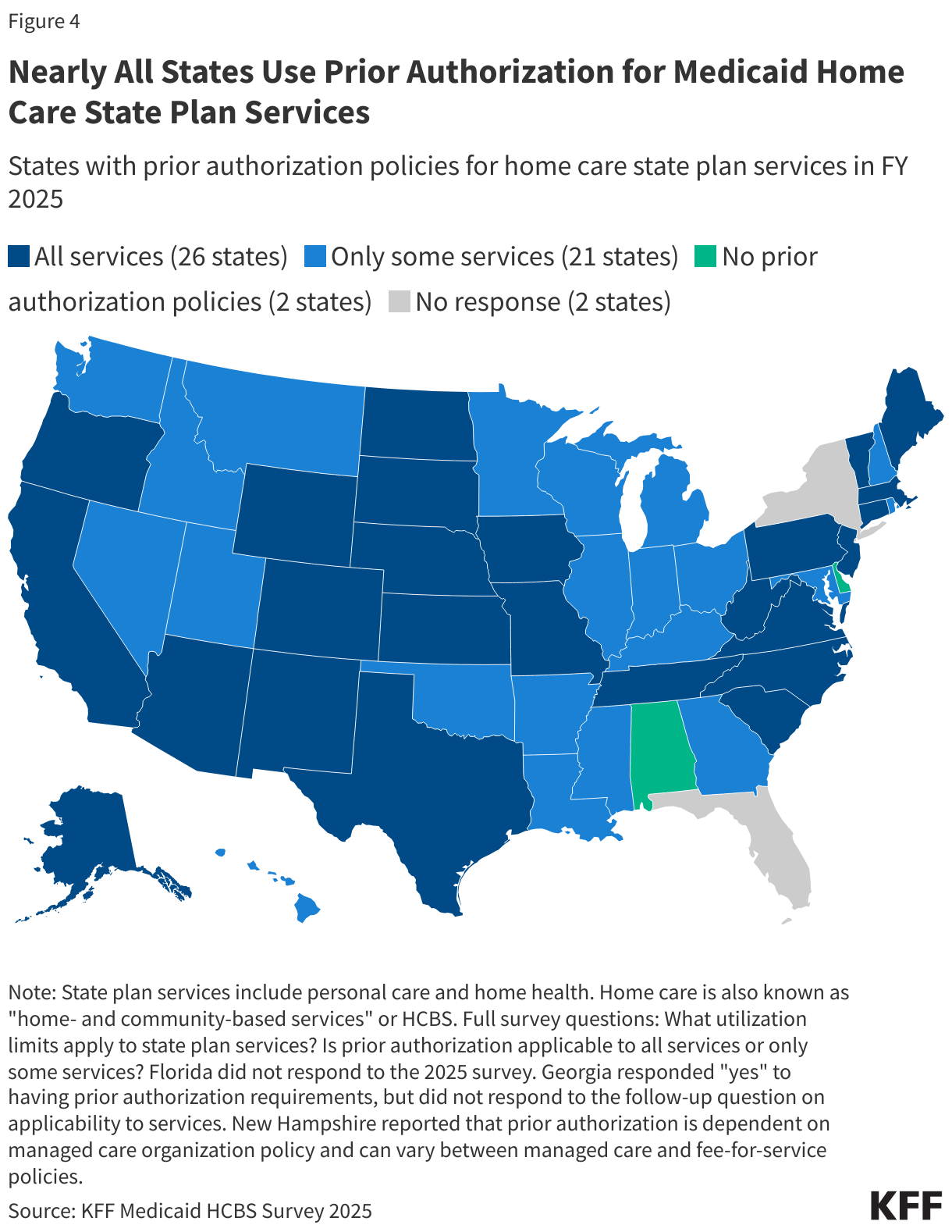
A Closer Look at the Growing Role of Special Needs Plans in Medicare Advantage

Authors: Abby Sachar, Jeannie Fuglesten Biniek, Maiss Mohamed, and Alice Burns
Published: Sep 25, 2025

Enrollment in Medicare Advantage, the private plan alternative to traditional Medicare, has increased steadily over the past two decades, and since 2023, more than half of eligible beneficiaries have enrolled in Medicare Advantage. Amidst this growth, an increasing number of beneficiaries are enrolling in special needs plans (SNPs), especially since 2018, when SNPs became a permanent part of the Medicare Advantage program. SNPs now account for 21% of all Medicare Advantage enrollees, compared with just 13% in 2018. The increase in the share of Medicare Advantage enrollees in SNPs also means that SNPs contribute disproportionately to the growth in Medicare Advantage enrollment. For example, between 2024 and 2025, growth in SNPs comprised nearly half (48%) of the total increase in Medicare Advantage enrollment.

There are three types of SNPs, and enrollment in each is restricted to specific groups of beneficiaries, all of which comprise some of the highest-need beneficiaries in the Medicare population. Over 4 in 5 (82%) SNP enrollees are enrolled in dual eligible SNPs (D-SNPs), which are limited to people with both Medicare and Medicaid (“dual-eligible individuals”). Dual-eligible individuals tend to have lower incomes, more chronic conditions, and more functional and cognitive impairments than Medicare beneficiaries without Medicaid coverage. The two other types of SNPs are chronic condition SNPs (C-SNPs, 16% of enrollees), which are limited to people with certain chronic conditions, and institutional SNPs (I-SNPs, 2% of enrollees), which are limited to people who require an institutional level of care. All SNPs are required to have a model of care, or framework detailing how the plan will identify the needs of each enrollee and address those needs through the plan’s care management practices. Other requirements vary across the three types of SNPs. D-SNPs may have additional requirements depending on the state in which they operate. (See Box 1 for additional information.)

In recent years, the Centers for Medicare and Medicaid Services (CMS) has made several changes to requirements for D-SNPs and other Medicare Advantage plans, which may affect insurer decisions about the types of plans they offer and promote. To better understand the growing role of SNPs in Medicare Advantage and the potential implications for beneficiaries of changes to SNP and Medicare Advantage plan requirements, this brief examines SNP enrollment patterns and trends using recent Medicare Advantage enrollment data published by CMS.

Key Takeaways

  • Since 2018 when SNPs became a permanent part of the Medicare program, SNP enrollment has tripled, rising from 2.6 million to 7.3 million, an increase of nearly 4.7 million enrollees.
  • Through 2024, growth in SNPs was driven by an increase in enrollment in D-SNPs, which grew from 2.2 million enrollees in 2018 to 5.8 million enrollees in 2024, comprising more than 90% of SNP enrollment growth over that time.
  • C-SNPs comprised 75% of total SNP enrollment growth between 2024 and 2025, in contrast to prior years, where enrollment growth was mainly in D-SNPs. In 2025, C-SNP enrollment increased by 476,300 new enrollees, triple the increase in D-SNP enrollment (159,400 new enrollees).
  • A small share of SNP enrollees, just 14%, are in plans administered by non-profit insurers. SNP enrollment is highly concentrated among a small number of large national carriers, with UnitedHealth Group and Humana plans comprising over half (54%) of total SNP enrollment. UnitedHealth Group accounts for half of all C-SNP enrollees.
  • The acceleration of C-SNP enrollment growth and slowing of D-SNP enrollment growth coincided with implementation of new rules for D-SNPs requiring greater integration between Medicare and Medicaid. C-SNPs are not required to have a similar level of integration.

From 2018-2024, growth in SNP enrollment was driven by increases in D-SNP enrollment, plans for dual-eligible individuals.

From 2018, when SNPs became a permanent part of the Medicare Advantage program, through 2024, growth in SNP enrollment was predominantly due to growth in enrollment in D-SNPs. In 2018, 2.2 million people were enrolled in a D-SNP, and in 2024, 5.8 million people were enrolled in a D-SNP. That increase comprises more than 90% of the total increase in SNP enrollment between 2018 and 2024.

C-SNP enrollment and I-SNP enrollment also increased during this period, though on a smaller scale relative to D-SNP enrollment growth. C-SNP enrollment grew from 346,000 enrollees in 2018 to 674,500 enrollees in 2024, and I-SNP enrollment grew from 71,500 enrollees in 2018 to 115,100 enrollees in 2024.

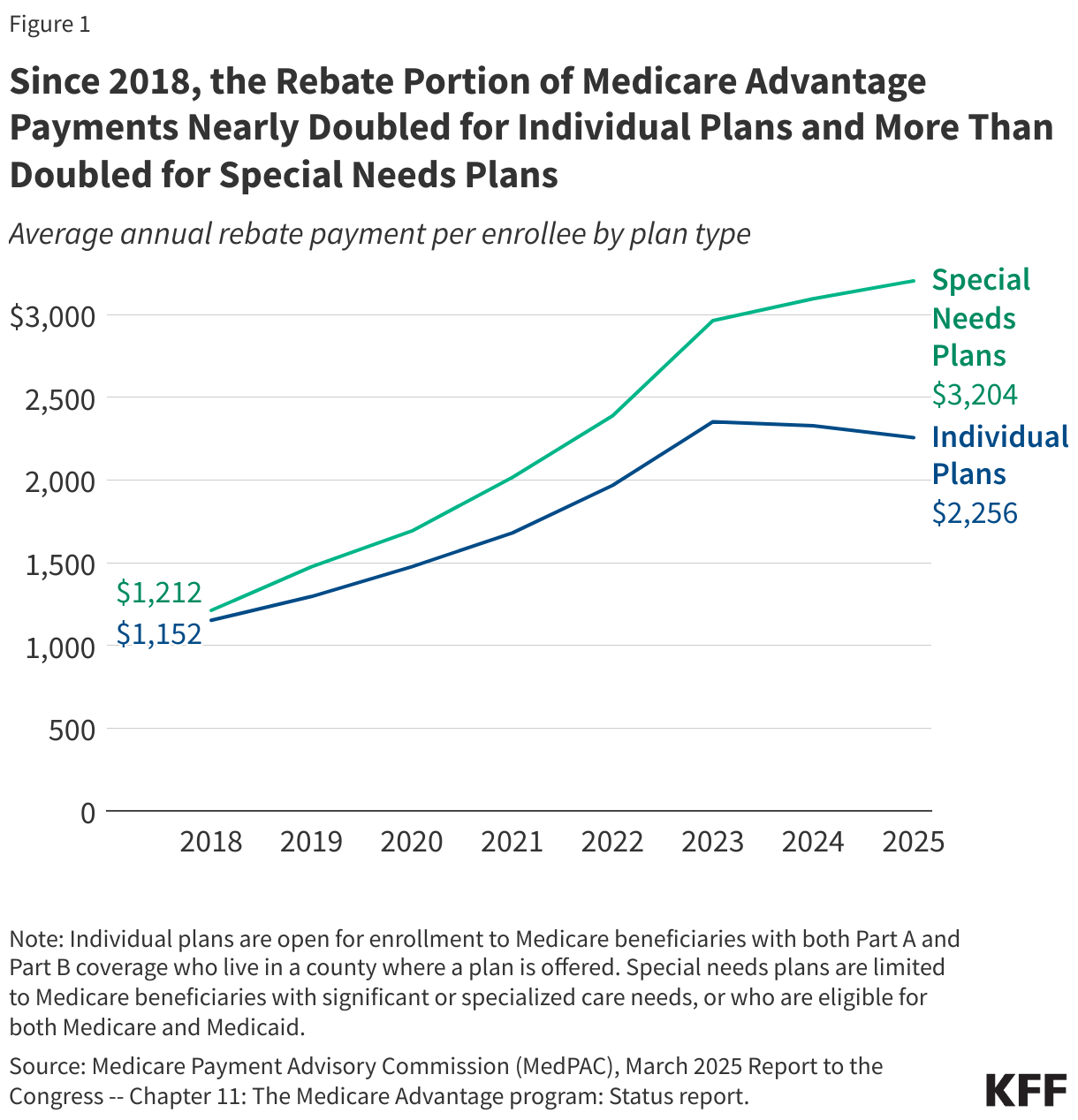
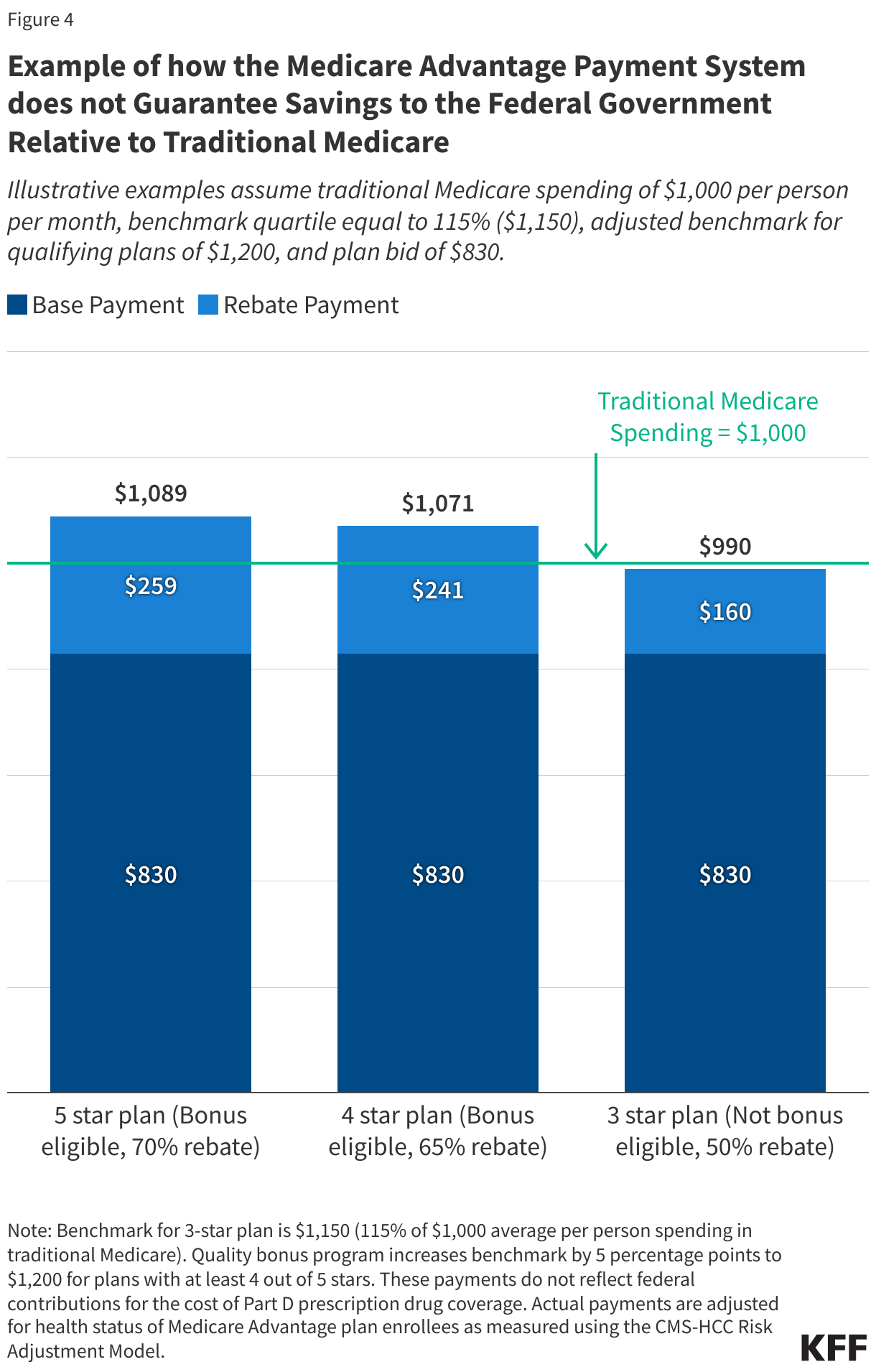
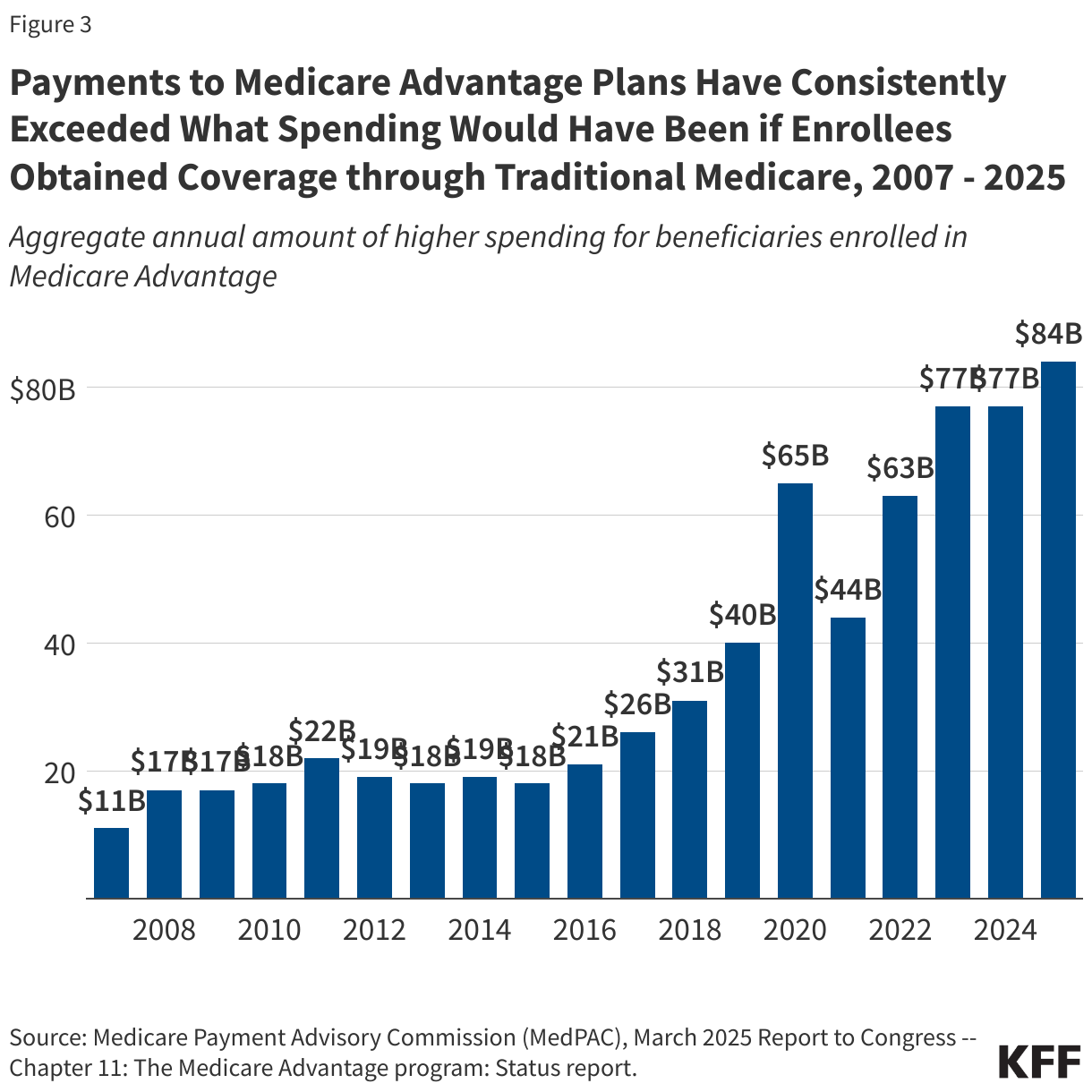
SNPs receive higher per capita payments under the Medicare Advantage payment system, on average, because enrollees have higher expected spending due to their higher health care needs. It is well-documented, however, that Medicare Advantage pays more for Medicare Advantage enrollees than spending would be for the same people if they were covered under traditional Medicare, and in 2025, MedPAC estimates that payments were 20% higher, on average. The higher payments are largely driven by the risk adjustment system, which pays more for people who are sicker, and less for those who are healthier, relying heavily on diagnosed heath conditions to determine adjustments to payment based on health status. SNPs are potentially better positioned to leverage this system to increase their payments relative to enrollee’s costs, contributing to higher margins for SNPs, on average, than other Medicare Advantage plans. MedPAC found that in 2022, the average margins for D-SNPs (7.5%) and C-SNPs (7.4%) were double the average margins of Medicare Advantage plans overall (3.6%). In turn, those higher payments leave more resources for plans to offer supplemental benefits that appeal to a population with complex health care needs.

Between 2018-2024, D-SNP Enrollment Grew from 2.2 Million to 5.8 Million Enrollees, Comprising Over 90% of the Total Increase in SNP Enrollment (Stacked column chart)

Enrollment growth in SNPs from 2024-2025 was driven by an increase in enrollment in C-SNPs, plans for people with chronic conditions.

In recent years, CMS has made several changes to requirements for Medicare Advantage plans generally available to the public and D-SNPs, but not C-SNPs, which may affect insurer decisions about what types of plans to offer. Starting in 2022, CMS no longer contracts with conventional Medicare Advantage plans that enroll at least 80% dual-eligible individuals (“D-SNP look-alikes”). In 2025, this threshold was lowered to 70% and is scheduled to be lowered to 60% starting in 2026. Additionally, beginning in 2025, fully integrated dual eligible (FIDE) SNPs and highly integrated dual eligible (HIDE) SNPs have new enrollment, benefit, and coordination requirements (see Box 1 for additional details). The additional requirements are intended to promote better integration between Medicare and Medicaid for enrollees but could make D-SNPs less attractive to private insurers. These requirement changes could incentivize efforts to enroll more dual-eligible individuals in C-SNPs, which are not subject to the look-alike thresholds like conventional Medicare Advantage plans or Medicaid integration and coordination requirements like D-SNPs, particularly since many dual-eligible individuals have chronic conditions that may qualify them for C-SNP enrollment.

In contrast to previous years when enrollment growth in SNPs was driven by increased enrollment in D-SNPs, the largest increase in enrollment in SNPs from 2024 to 2025 was in C-SNPs, comprising more than three-quarters of the change in overall SNP enrollment. C-SNP enrollment increased sharply, rising by 476,300 enrollees from 2024 to 2025. That translates into a 71% jump over a one-year period. D-SNP enrollment and I-SNP enrollment remained relatively stable over the same period, with D-SNP enrollment growing by only 3% (159,400 enrollees) and I-SNP enrollment staying essentially unchanged.

While C-SNP enrollment has increased more quickly since the D-SNP look-alike rules first went into effect in 2022, the change accelerated over the last year, as the rules tightened further and other Medicaid integration and coordination requirements for FIDE and HIDE SNPs went into effect. This is the first time that the number of additional C-SNP enrollees has surpassed the number of additional D-SNP enrollees. A recent analysis of 2025 enrollment data (not yet available to KFF) shows that through January of 2025, just under 20% of the increase in C-SNP enrollment was comprised of dual-eligible individuals.

Dual-eligible individuals comprised a larger share of enrollment in SNPs than in non-SNP Medicare Advantage plans. For example, in 2023, 93% of SNP enrollees were dual-eligible individuals, which aligns with the dominance of D-SNPs in the SNP market. Over 90% of I-SNP enrollees were also dual-eligible individuals in 2023, reflecting the fact that Medicaid is the primary payer of long-term care, so people relying on an institutional level of care are more likely to be enrolled in both Medicare and Medicaid. In 2023, a quarter of enrollees in C-SNPs were dual-eligible individuals, while 9% of enrollees in individual Medicare Advantage plans were dual-eligible individuals.

In 2025, C-SNP Enrollment Grew by Nearly Half a Million Enrollees (Split Bars)

For all SNP types, enrollment is highly concentrated among a small number of large national carriers.

Across all three SNP types, which enroll some of the most vulnerable beneficiaries in the Medicare population, a few large national carriers account for larger shares of enrollment in the SNP market as compared with the overall Medicare Advantage market. The distribution of D-SNP enrollment by insurer is more heavily concentrated in UnitedHealth Group Inc. (38% vs 29%) and Elevance Health Inc. (10% vs 7%) than for the overall Medicare Advantage market. UnitedHealth Group Inc. accounts for half (51%) of all C-SNP enrollment. Additional firms comprising larger shares of enrollment in C-SNPs than in the overall Medicare Advantage market include Humana Inc. (20% vs 17%) and Elevance Health Inc. (12% vs 7%). Although UnitedHealth Group Inc. accounts for a majority (51%) of I-SNP enrollment in 2025, smaller insurers play a larger role in the I-SNP market than in the overall Medicare Advantage market (42% vs 33%). Overall, 14% of SNP enrollees are in a plan offered by a non-profit organization (16% of D-SNP enrollees, 3% of C-SNP enrollees, and 5% of I-SNP enrollees).

UnitedHealth Group Inc. and Humana Inc. Account for Over Half (54%) of SNP Enrollment in 2025 (Stacked Bars)

For dual-eligible individuals, D-SNPs offer more integration with Medicaid than C-SNPs.

To facilitate integration of Medicare and Medicaid coverage, D-SNPs are required to contract with state Medicaid agencies, while C-SNPs are not subject to additional integration requirements. The minimum D-SNP requirements, which are set at the federal level, differ across the three categories of D-SNPs and can change year-to-year during annual rule making. D-SNPs with higher levels of integration, HIDE and FIDE SNPs, have additional requirements (see Box 1 for more details). Additionally, D-SNPs can be designated as applicable integrated plans if they meet federal requirements, including exclusively aligned enrollment, covering at least some Medicaid services through the D-SNP or an affiliated Medicaid managed care plan, and a unified grievance and appeals system. Given the lack of C-SNP integration requirements, to the extent the acceleration in C-SNP enrollment was driven by dual-eligible individuals, efforts to encourage greater integration between Medicare and Medicaid may face challenges.

States may establish additional requirements for D-SNPs through their contracts. Responses from KFF’s 24th annual budget survey of Medicaid officials in all 50 states and the District of Columbia in July 2024 show that these requirements vary across the different types of D-SNPs. For example, just over half (19) of the 35 states with coordination-only D-SNPs required these plans to include any of the additional optional requirements, the most common of which was offering certain supplemental benefits (7 states) and providing integrated member materials, such as one summary of benefits document that provides information on benefits covered by both Medicare and Medicaid (5 states). HIDE and FIDE SNPs operated in less than half of states in 2024, though most states had additional requirements for these types of plans beyond the federal requirements (14 of 15 for HIDE SNPs and all 12 states for FIDE SNPs) (Figure 4). New federal requirements for HIDE and FIDE SNPs went into effect in 2025. For FIDE SNPs, these include exclusively aligned enrollment, which limits enrollment to full-benefit dual-eligible individuals who were enrolled in the affiliated Medicaid managed care plan, and the requirement that the affiliated plan cover behavioral health, and certain other Medicaid benefits. To the extent these were not previously required by states, the new requirements may represent an additional burden for Medicare Advantage insurers and could influence their decisions on which plans to offer. In 2024, most states with FIDE SNPs did have these requirements. Specifically, of the 12 states with FIDE SNPs, 9 required exclusively aligned enrollment and 10 required the affiliated Medicaid managed care plan to cover behavioral health. (New requirements for HIDE SNPs were not among the items asked in the budget survey.) While these requirements are intended to facilitate integration and coordination between the programs, the relatively low availability of HIDE and FIDE SNPs may limit how effective they are at achieving that goal.

States Have Various Requirements in State Medicaid Agency Contracts to Improve Medicare and Medicaid Integration in D-SNPs (Split Bars)

Box 1. Types of Special Needs Plans

Dual Eligible Special Needs Plans

Dual eligible special needs plans (D-SNPs) are limited to people who are enrolled in both Medicare and Medicaid. There are three types of D-SNPs:

Coordination-only Dual Eligible Special Needs Plans: This type of D-SNP provides Medicare-covered services and is required to coordinate the delivery of benefits with the Medicaid program, contract with state Medicaid programs, and notify states when enrollees are admitted to an inpatient hospital or skilled nursing facility.

Highly Integrated Dual Eligible Special Needs Plans: This type of D-SNP must meet the requirements of coordination-only D-SNPs (except the notification requirements) and must also include coverage of long-term care, behavioral health, or both.

New for 2025: HIDE SNPs must have aligned service areas, meaning they must also have a Medicaid plan operating in the same counties as the D-SNP.

Fully Integrated Dual Eligible Special Needs Plans: This type of D-SNP must meet the requirements of coordination-only D-SNPs (except the notification requirements) and provide Medicare and included Medicaid covered services through a single managed care organization. The same organization that offers the FIDE SNP must also offer a Medicaid managed care plan for any Medicaid benefits not included in the FIDE SNP. In some cases, certain Medicaid benefits may be provided by the state or by a different health plan. FIDE SNPs are paid by Medicare for Medicare-covered services and supplemental benefits included in the plan, and by Medicaid for Medicaid-covered services.

New for 2025: FIDE SNPs must have exclusively aligned enrollment, meaning they may only enroll full-benefit dual-eligible individuals who are enrolled in both the FIDE SNP and the Medicaid plan sponsored by the same organization, and either the D-SNP or Medicaid plan must cover long-term care and all Medicaid benefits via a separate capitated payment arrangement.

Chronic Condition Special Needs Plans

Chronic condition special needs plans enroll individuals who have specific severe or chronic disabling conditions. Nearly all (97%) C-SNPs plans are for people with diabetes or cardiovascular conditions.

Institutional Special Needs Plans

Institutional special needs plans enroll individuals who need services to be provided in a long-term care facility for at least 90 days.

Methods

Data: SNP enrollment data are from the Special Needs Plan (SNP) data published by Centers for Medicare & Medicaid Services (CMS) in the Medicare Advantage (MA)/Part D Contract and Enrollment Data section in March of the respective year. Enrollment data are only provided for plan-county combinations that have at least 11 beneficiaries; thus, we exclude any plans that do not meet this enrollment threshold.

This analysis uses data from the CMS Medicare Advantage Benefit and Landscape files for the respective year. Medicare Advantage enrollment and dual-eligible beneficiary enrollment are based on analysis of the Centers for Medicare & Medicaid Services (CMS) Chronic Conditions Data Warehouse (CCW) research-identifiable Master Beneficiary Summary File (MBSF) Base in 2023.

Identifying dual-eligible enrollees as a share of SNP enrollees: Beneficiaries with a valid contract ID and plan ID in March 2023 were identified as enrolled in Medicare Advantage. To determine the type of plan in which the beneficiary was enrolled, the contract ID and plan ID were matched to the March 2023 Monthly Enrollment by Plan, or the Special Needs Plan Report data published by CMS. This includes enrollment in all private plans which are predominately Medicare Advantage plans.

Counts of dual-eligible individuals include both full-benefit and partial-benefit dual-eligible individuals. Dual status in March (03) 2023 was identified using the Medicare monthly dual status code DUAL_STUS_CD_03 with values of 01,02,03,04,05,06, or 08. Enrollees also had to have both Part A and B in March 2023 to be included in this analysis. We excluded enrollees from Puerto Rico and the Virgin Islands from this analysis.

This work was supported in part by Arnold Ventures. KFF maintains full editorial control over all of its policy analysis, polling, and journalism activities.


1.4 Million Lawfully Present Immigrants are Expected to Lose Health Coverage due to the 2025 Tax and Budget Law 

Published: Sep 25, 2025

Congressional Republicans and President Trump passed the tax and budget reconciliation bill in July 2025. The new law includes significant cuts to the Medicaid program as well as eligibility restrictions for many lawfully present immigrants, including refugees and asylees, to access Medicaid and the Children’s Health Insurance Program (CHIP), subsidized Affordable Care Act (ACA) Marketplace, and Medicare coverage. Under longstanding federal policy, undocumented immigrants already are ineligible for federally funded health coverage. This policy watch outlines the groups of lawfully present immigrants that will lose access to federally funded health coverage due to the 2025 tax and budget law and the Congressional Budget Office’s (CBO’s) estimates of the increases in the number of uninsured and federal savings and revenue changes due to these provisions.

CBO estimates that the law’s restrictions on eligibility for federally funded health coverage for lawfully present immigrants will result in about 1.4 million lawfully present immigrants becoming uninsured, reduce federal spending by about $131 billion, and increase federal revenues by $4.8 billion as of 2034. Additional lawfully present immigrants are likely to lose Marketplace coverage and become uninsured due to the anticipated expiration of the enhanced subsidies for this coverage. Moreover, under Trump administration regulatory changes, the more than 530,000 Deferred Action for Childhood Arrivals (DACA) recipients are ineligible for federally funded coverage options.  

Changes in Eligibility for Lawfully Present Immigrants Under the 2025 Tax and Budget Law

Medicaid and CHIP

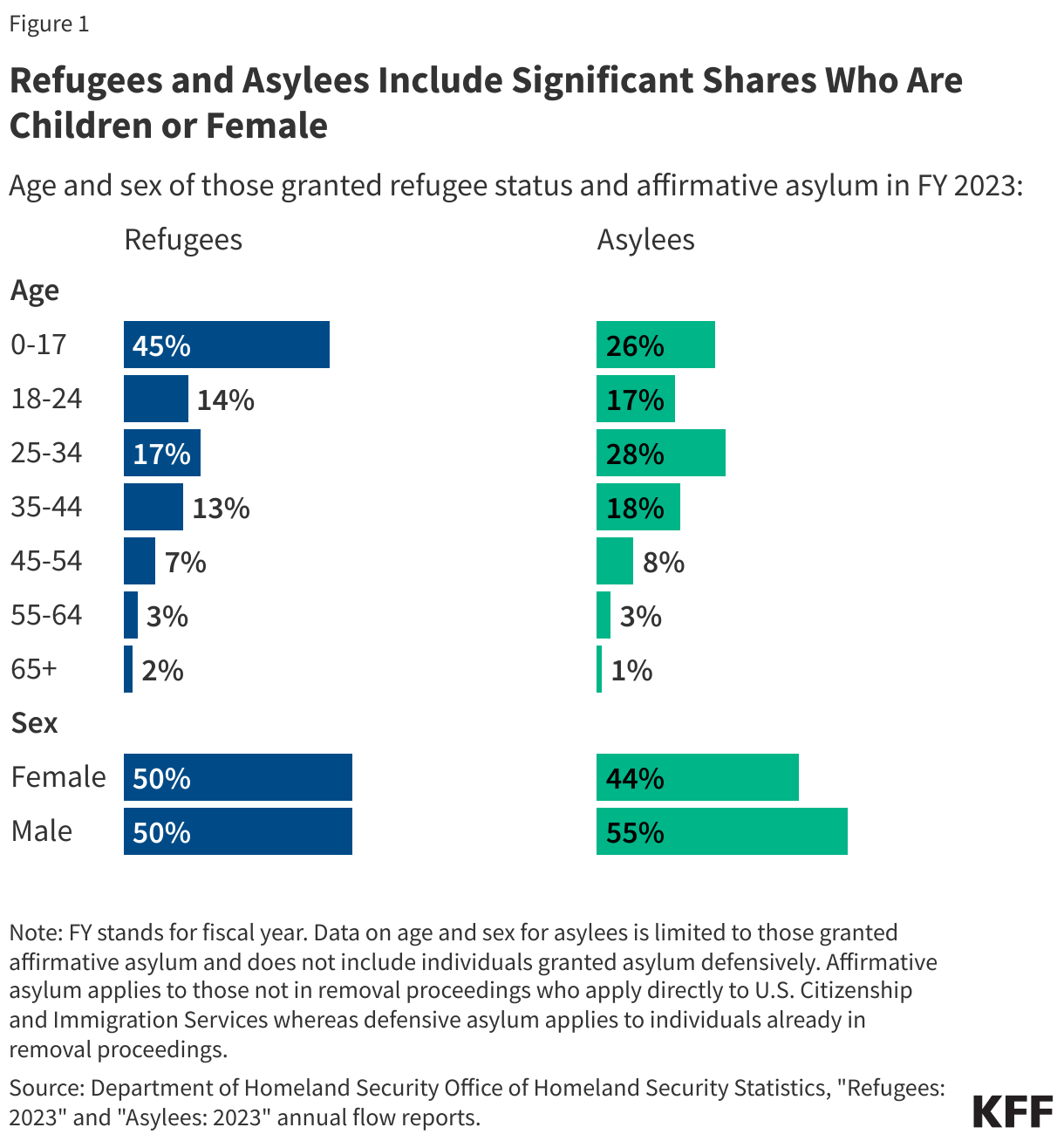
Under prior law, to be eligible for Medicaid and CHIP, immigrants were required to have a “qualified” immigration status in addition to meeting other eligibility requirements such as income. Qualified immigrants, as defined by the 1996 Personal Responsibility and Work Opportunity Act and subsequent additions, include lawful permanent residents (LPRs or “green card” holders); refugees; individuals granted parole for at least one year; individuals granted asylum or related relief and certain abused spouses and their children or parents; certain victims of trafficking; Cuban and Haitian entrants; and citizens of the Freely Associated (COFA) nations of the Marshall Islands, Micronesia and Palau residing in U.S. states and territories. In addition, many had to wait five years after obtaining qualified status before they could enroll in Medicaid even if they met other eligibility requirements. States have an option to extend Medicaid and/or CHIP coverage to all children and/or pregnant individuals who are lawfully residing and waive the five-year wait for these groups, which 39 states plus D.C. had taken up as of January 2025. States also have the option in CHIP to provide prenatal care and pregnancy related benefits to targeted low-income children beginning from conception to end of pregnancy (FCEP) regardless of their parent’s immigration status, which 24 states plus D.C. had taken as of April 2025.

The 2025 tax and budget law will restrict Medicaid or CHIP eligibility to LPRs, Cuban and Haitian entrants, people residing in the U.S. under COFA, and lawfully residing children and pregnant immigrants in states that cover them under the Medicaid and/or CHIP option (Table 1). States also will still have the option to extend prenatal and pregnancy-related benefits to targeted low-income children from conception through the end of pregnancy through the FCEP option. These restrictions will eliminate eligibility for many other groups of lawfully present immigrants, including refugees and asylees without a green card, among others (Table 1). This provision will become effective October 1, 2026, and CBO estimates that it will reduce federal spending by $6.2 billion and lead to an additional 100,000 individuals becoming uninsured by 2034.

ACA Marketplaces

Under prior law, lawfully present immigrants have been eligible to enroll in ACA Marketplace coverage and receive premium subsidies and cost-sharing reductions, including individuals with Temporary Protected Status (TPS), those with Deferred Enforced Departure, and people on work visas. In general, Marketplace coverage is limited to individuals with incomes at or above 100% of the federal poverty level (FPL), since most of those with lower incomes would be eligible for Medicaid. However, some lawfully present immigrants with lower incomes remain ineligible for Medicaid (e.g., due to the five-year waiting period and eligibility limits to qualified immigrants). To address this gap, Marketplace eligibility was also extended to lawfully present immigrants with incomes under 100% FPL who do not qualify for Medicaid due to their immigration status, including those in the five-year waiting period for Medicaid coverage. In the years after the ACA was passed, DACA recipients were excluded from eligibility for the Marketplaces despite being lawfully present. Under regulations issued by the Biden Administration in May 2024, DACA recipients were made newly eligible for the Marketplaces and to receive subsidies to offset costs starting November 2024. However, this coverage was blocked in some states due to legal challenges, and on June 25, 2025, the Trump administration finalized a rule that once again made DACA recipients ineligible to purchase ACA Marketplace coverage as of August 25, 2025. Most states will terminate coverage for enrolled DACA recipients on September 30, 2025.

The law will also limit eligibility for subsidized ACA Marketplace coverage to lawfully present immigrants who are LPRs, Cuban and Haitian entrants, and people residing in the U.S. under COFA. (Table 1). A broader group of lawfully present immigrants will lose access to subsidized Marketplace coverage under this change, including refugees and asylees without green cards, people with TPS, and individuals on work visas, among others, beginning January 1, 2027. The CBO estimates that this provision will lead to an additional one million individuals becoming uninsured and reduce federal spending by $91.4 billion over the 2026 to 2035 time period. In addition, the provision is expected to increase federal revenue by $4.8 billion as of 2034. The law also eliminates access to subsidized Marketplace coverage for lawfully present immigrants earning less than 100% FPL who are not eligible for Medicaid due to immigration status, including those in the five-year waiting period for coverage, beginning January 1, 2026. During the 2025 open enrollment period, nearly 550,000 people with incomes under 100% FPL were enrolled in a Marketplace plan, who are likely primarily lawfully present immigrants who are ineligible for Medicaid due to immigration status. The CBO estimates that this provision will lead to an additional 200,000 individuals becoming uninsured and reduce federal spending by $27.3 billion over the 2026 to 2035 time period. In addition, the provision is expected to increase federal revenue by $176 million as of 2034.

Medicare

Lawfully present immigrants have been eligible for Medicare if they have the required work quarters and meet the disability or age requirements. Those without required work history could also purchase Medicare Part A after residing legally in the U.S. for five years continuously.

Under the new law, Medicare eligibility also will be limited to lawfully present immigrants who are LPRs, Cuban and Haitian entrants, and people residing in the U.S. under COFA, eliminating eligibility for refugees and asylees without a green card, people with TPS, and people with work visas, among others (Table 1). Current beneficiaries subject to the new restrictions will lose coverage no later than 18 months from the enactment of the legislation (January 4, 2027). The CBO estimates that this provision will lead to an additional 100,000 individuals losing coverage, with a federal spending reduction of $5.1 billion and a federal revenue decrease of $123 million as of 2034.

Occupations with Large Shares of Workers Who Rely on Individual Market Coverage

Authors: Cynthia Cox and Gary Claxton
Published: Sep 25, 2025

While most working age people get their health insurance through an employer-sponsored plan, the individual market – which is largely made up by the Affordable Care Act (ACA) Marketplaces – is also an important source of health insurance coverage for many workers. This is particularly true for people who have jobs that do not offer health benefits (such as small companies or gig jobs). In fact, nearly half of adult individual market insurance enrollees are small business owners, employees, or are self-employed.

On average, 8% of adults under age 65 who usually worked more than 20 hours per week in 2023 got their coverage in the individual market. However, the Individual market is a particularly important source of health insurance for workers in certain occupations, such as chiropractors and dentists, real estate brokers, and farmers, ranchers, and agricultural managers, where more than a quarter of adult workers were covered in the individual market.

Occupations Where at least 25% of Adult Workers Rely on Individual Market Coverage, 2023 (Table)

Based on KFF analysis of administrative data, over 90% of individual market health insurance enrollees get their coverage through the ACA Marketplaces, and of them, 93% receive a tax credit to lower the monthly cost of their premiums.

For nearly 5 years, enhanced premium tax credits have further lowered monthly premiums for these enrollees, including people with middle and higher incomes who previously received no financial assistance and were sometimes priced out of insurance coverage. However, these enhanced premium tax credits are set to expire at the end of 2025. If this additional financial help expires, people currently receiving a tax credit will see their out-of-pocket premium payments increase sharply, by over 75% on average. The Congressional Budget Office estimates that nearly 4 million more people will eventually be uninsured if the enhanced tax credits expire, and the cost to extend them would be an average of $35 billion per year.

Methods

Estimates based on KFF analysis of the 2023 American Community Survey. People are considered to have individual market coverage if they report direct purchase coverage and do not report any other coverage options; people with more than one coverage type (e.g., employer-group coverage) are considered to be covered by that other type. Percentages are of adults ages 19 through 64 who usually had worked more than 20 hours per week over the previous 12 months.

VOLUME 31

New KFF-Washington Post Poll Explores Parents’ Vaccine Attitudes, and Confusion Follows ACIP Meeting on Vaccine Recommendations


Summary

This volume highlights findings from the KFF-Washington Post Survey of Parents, which explores parents’ views on childhood vaccines and their choices when it comes to vaccinating their own children. It also examines how questions from the Advisory Committee on Immunization Practices (ACIP) about the safety and necessity of some vaccines, including for COVID-19 and hepatitis B, may be impacting trust and public confusion. Additionally, it discusses recent HHS warnings about alleged links between Tylenol use during pregnancy and autism, and the rise in AI-generated deepfake videos impersonating doctors to sell unproven health products.


Featured: New KFF-Washington Post Survey Finds Many Parents Express Doubt and Confusion Over Childhood Vaccine Recommendations

The new KFF-Washington Post Survey of Parents takes a deep dive into parents’ views and decisions related to childhood vaccines. The survey finds that while a large majority of parents report following current vaccine guidance and are confident in the safety of MMR and polio vaccines, some, including larger shares of Republican parents and younger parents, express doubts about the current childhood vaccine schedule. One-third (35%) of parents say that vaccines don’t go through enough safety testing before being recommended for children, and one in four (26%) say the CDC recommends too many childhood vaccines. Republican and independent parents are more likely to express these views compared to Democratic parents. There are further divisions among Republican parents, with those who support the Make America Great Again (MAGA) movement more likely than non-MAGA Republican parents to say that childhood vaccines don’t go through enough safety testing (57% v. 32%) and that the CDC recommends too many childhood vaccines (49% v. 28%). Parents under age 35 are also more likely than parents ages 50 and over to say vaccines do not get enough safety testing (39% vs. 26%) and that the CDC recommends too many vaccines (29% vs. 23%).

When it comes to confidence in the safety of specific vaccines, majorities of parents across partisanship express confidence in the safety of polio (85%) and MMR (84%) vaccines for children, while the flu and COVID-19 vaccines are much more divisive. Two-thirds (65%) of parents say they are confident that flu vaccines are safe for children, while fewer than half (43%) express confidence in the safety of the COVID-19 vaccine for children. Partisans are sharply divided on the COVID-19 vaccine’s safety, with Democratic parents more than three times as likely as Republican parents to say they are confident COVID-19 vaccines are safe for children (70% v. 22%).

Many Parents Express Doubt Over Childhood Vaccine Recommendations and Safety, Including Larger Shares of Younger Parents and Republican Parents (Split Bars)

The KFF-Post survey finds that large shares of parents express uncertainty about false or misleading claims about vaccines and measles – many of which have been amplified by HHS Secretary Robert F. Kennedy Jr. Overall, few parents say they think it is true that chronic diseases are rising because of an increase in the number of vaccines children get (13%), that MMR vaccines can cause autism in children (9%), that the measles vaccine causes the same illness it is supposed to prevent (8%), or that vitamin A is an effective treatment for measles (6%). For each of these false or misleading claims, however, at least four in ten parents say they don’t know enough to say whether they are true or false, suggesting many parents may be confused about some of the science behind childhood vaccines.

Stacked bar chart showing percent who say specific false claims about vaccines and diseases are true, they don't know enough to say, or are false.

When it comes to parents’ choice to vaccinate their children, a large majority (83%) report keeping their children up to date on childhood vaccines, however, about one in six (16%) say they have skipped or delayed at least one vaccine for any of their children (excluding vaccines for the flu or COVID-19). Parents’ reasons for skipping or delaying vaccines for their own children mirror many of the general concerns and uncertainty expressed by parents overall. About two-thirds (67%) of parents who skipped or delayed vaccines for their child say concerns about side effects were a “major reason” for their decision, while half cited not thinking vaccines are safe (53%) or necessary (51%) as major reasons they skipped or delayed their child’s vaccines.


Recent Developments

Health Committee Delays Vote on Changing Hepatitis B Vaccine Recommendation

THOM LEACH / SCIENCE PHOTO LIBRARY / Getty Images

Last week, the CDC’s Advisory Committee on Immunization Practices (ACIP) considered changing its recommendation that all newborns receive a hepatitis B vaccine at birth to waiting until newborns are at least one month old, but postponed the vote to allow more time to discuss safety and timing. The discussion and delayed vote came after HHS Secretary Robert F. Kennedy Jr. and members of the ACIP questioned the agency’s recommendation that all newborns be vaccinated against hepatitis B, saying that the virus is primarily spread through sexual activity and drug use in adults. However, hepatitis B can also be transmitted from mother to child during birth and potentially cause chronic infection and death. While most adults recover completely from hepatitis B infection, newborns infected at birth have a 90% chance of developing a chronic form of the disease, and 15-25% of people with chronic infection die from cirrhosis or liver cancer.

Although ACIP ultimately postponed the vote, the debates about timing and necessity that led up to last week’s meeting could contribute to public confusion. Administering the vaccine and immune globulin to newborns is 94% effective at preventing transmission of the disease, but the narrative that hepatitis B vaccines are unnecessary for babies spread on social media throughout September. Senator Rand Paul, who has more than 6 million followers on X, posted that universal newborn vaccination is unnecessary because mothers are routinely tested for hepatitis B infection and that the recommendation represented pharmaceutical industry influence. Senator Bill Cassidy, a physician who chairs the Senate’s health committee, shared one of Paul’s posts on X and disputed its claims, correctly saying that not all mothers receive prenatal care or testing. Paul’s posts were among the most-engaged-with posts about hepatitis B vaccines identified in KFF’s monitoring of social media in September thus far, and were reposted by influential accounts with large followings that regularly post about health, including one with nearly two million followers. Reactions to the posts reflected confusion about why the hepatitis B vaccine is given within the first hours of life, while most other vaccines are scheduled for later months. Kennedy has also alleged that the CDC concealed findings from a study that he claimed showed the hepatitis B vaccine increased the risk of autism, but he did not provide evidence to support these claims and research has shown there is no such association. 

The timing of the hepatitis B vaccine has become a focal point for public debate, and these discussions may influence trust in health officials. Some parents who would otherwise vaccinate their children may feel uneasy about giving the vaccine in the first hours of life, particularly if the mother tests negative and there appear to be few immediate risk factors. Framing the decision as a personal choice rather than a scientific recommendation can create opportunities for confusion and vaccine hesitancy. At the same time, the vaccine’s history underscores the rationale for early administration, with universal newborn vaccination helping to reduce cases of perinatal transmission from thousands to only seven in 2023.

The KFF/Washington Post Survey of Parents found that about one in ten (9%) parents report skipping or delaying the hepatitis B vaccine for at least one of their children, including 5% who report skipping the vaccine and 4% who report delaying it. These are similar to the shares that report skipping or delaying other recommended childhood vaccines like MMR or chickenpox.

ACIP Changes COVID-19 Vaccine Guidance After Safety Debate

thianchai sitthikongsak / Getty Images

Federal health authorities presented misleading data about the safety of COVID-19 vaccines during last week’s meeting of ACIP, potentially undermining public confidence in vaccine guidance. The committee voted to eliminate universal COVID-19 recommendations, instead recommending that people consult healthcare providers before getting vaccinated. It also requested that the CDC consider adding language about what it said were risks or uncertainties related to COVID-19 vaccines to the Vaccine Information Sheet, a document that explains vaccine risks and benefits to recipients. 

The votes came after presentations to the committee that included a number of false or misleading claims about COVID-19 vaccines. One presentation included a reference to a recent study that purported to show the vaccines were “contaminated” with DNA at rates beyond what is allowed by federal regulators, but that study is now under investigation by the publisher. Another study referenced at the meeting, which claimed that COVID-19 vaccines caused autism-like behaviors in rats, was retracted after it was found to contain inconsistencies in methods and data. 

The use of unsubstantiated claims in a high-profile ACIP meeting to question vaccine safety has the potential to undermine public trust in COVID-19 vaccines. Despite the links made at the ACIP meeting, COVID-19 vaccines have been extensively studied and the dangers of COVID-19 itself outweigh the risks of the vaccine for most. False claims about the vaccines’ safety spread on social media following the committee meeting, with one account with more than 100,000 followers sharing news about the new guidance and claiming that COVID-19 vaccines were dangerous. The claims reflect broader concerns about COVID-19 vaccine safety. The KFF-Washington Post Survey of Parents found that about four in ten (43%) parents are confident in the safety of COVID-19 vaccines for children, including one in five who are “very confident.” 

The debates within ACIP reflect a larger struggle over who is seen as credible in setting vaccine policy. Monitoring these reactions is part of understanding how public trust in the CDC and federal health officials shifts as disputes over childhood vaccines become more visible. The day before ACIP’s meeting, former CDC director Susan Monarez testified before the Senate on September 17 that she was dismissed for refusing Kennedy’s request to pre-approve vaccine recommendations by ACIP and to remove career scientists from their positions. Kennedy previously disputed Monarez’s accounts of their conversations, testifying before an earlier Senate committee that she was fired after telling him she was not trustworthy, though Monarez refuted this claim. KFF will continue to track reactions to these developments to provide insight into how public perception of vaccine safety and federal guidance evolves over time.

HHS Links Autism to Tylenol Use During Pregnancy Without Conclusive Evidence

Oscar Wong / Getty Images

On September 22, the Trump administration announced that FDA will now begin warning against Tylenol (acetaminophen) use during pregnancy, except in cases of high fever, citing a possible link to autism despite inconclusive evidence and opposition from major medical groups. The press release acknowledged the lack of established causation linking acetaminophen to neurodevelopmental disorders, but it advises providers to use their best judgment when prescribing acetaminophen during pregnancy.

Large, well-designed studies have found no increased risk and scientific consensus pointing to a strong genetic basis for autism. Although some smaller observational studies reported associations, they may have relied on self-reporting of acetaminophen use and failed to adequately control for other risk factors. For example, one recent review of 46 studies was shared by news outlets to warn of a link between maternal acetaminophen use and neurodevelopmental disorders. However, the conclusion from the review authors was in line with the current standard of care and the authors cautioned that their findings did not prove a causal link and called for further research. Of the 46 studies, only eight investigated autism, and most either relied on self-reported acetaminophen use or failed to adequately control for genetic factors, family history, or other confounders.

The anticipation of HHS’s announcement contributed to a large increase in people discussing the alleged link between acetaminophen and autism on X. In August, before news of the anticipated HHS report was shared, KFF’s monitoring of social media found just under 4,000 posts, reposts, or comments mentioning terms related to both autism and acetaminophen prior to reporting about the upcoming HHS announcement. The narrative received a small bump in the number of posts about it on August 19, when Kennedy’s former organization posted about the connection on X. Over the next few days, several news stations ran segments claiming that taking acetaminophen while pregnant could increase a child’s risk of developing autism. In September, after reports indicated the HHS guidance was forthcoming, the number of posts, reposts, and comments mentioning these terms on X increased to almost 150,000, as of the morning of September 22. In fact, more than 90% of such posts in 2025 thus far occurred in the month of September. Many of the most-engaged-with posts challenged the supposed link, with some sharing personal anecdotes about their experiences raising children with autism.

Acetaminophen is one of the few recommended treatments for pain and fever during pregnancy, as ibuprofen and other nonsteroidal anti-inflammatory drugs (NSAIDs) are known to increase risk of miscarriage and birth defects. Major medical organizations, including the American College of Obstetricians and Gynecologists (ACOG) and the Society for Maternal-Fetal Medicine (SMFM), continue to state acetaminophen is safe in pregnancy but advise consultation with a doctor. Unsupported claims about its safety could discourage pregnant people from treating fevers and pain when medically necessary, putting them at increased risk of severe adverse outcomes. Misleading narratives linking common medications to autism may also contribute to stigma against people with autism and their families by reinforcing the idea that autism is a condition that could have been prevented, echoing historical patterns which have often sought to assign blame to mothers of children with autism.


AI & Emerging Technology

Deepfakes of Doctors Used to Sell Unproven Health Products

Darya Komarova / Getty Images

Artificial intelligence (AI) tools are being used to create convincing fake videos impersonating doctors to sell unproven health products, with technology now sophisticated enough to generate realistic impersonators from only a few images or videos. Reporting from The New York Times and CBS News has documented a rise in deepfake videos across social media platforms featuring fabricated medical professionals, some using the identities of real physicians to give health advice or sell products primarily related to beauty, wellness, and weight loss. One physician who is known for debunking false health claims online discovered deepfake videos using his likeness to promote products he had never endorsed, appearing across TikTok, Instagram, Facebook, and YouTube.

Many of the videos promoted products as supposed “miracle cures,” with one featuring a deepfake of a doctor promoting a non-FDA approved product that the video said was “96% more effective than Ozempic.” Some were viewed millions of times before being removed, and the doctors who were impersonated reported difficulty getting the content removed through standard reporting channels.

Celebrities and popular entertainment figures have been the subject of health-related deepfakes before, often promoting similar “miracle cure” or weight-loss products. Research has shown that most people struggle to identify deepfake videos, with one meta-analysis showing that on average, humans did not accurately detect deepfake videos at levels significantly above chance. Videos impersonating doctors may exploit trust in physicians, which KFF polling has shown remains high even as trust in federal health agencies declines. So why does this matter? People are generally poor at detecting deepfakes and could be persuaded to purchase harmful or ineffective products. Traditional health literacy advice, which emphasizes verifying credentials or institutional affiliations, is largely undercut by these new techniques. The spread of deepfake videos of healthcare providers may erode trust in legitimate healthcare communications and make it difficult for patients to recognize authentic medical guidance, potentially putting them at risk of following dangerous health advice or purchasing ineffective treatments.

About The Health Information and Trust Initiative: the Health Information and Trust Initiative is a KFF program aimed at tracking health misinformation in the U.S., analyzing its impact on the American people, and mobilizing media to address the problem. Our goal is to be of service to everyone working on health misinformation, strengthen efforts to counter misinformation, and build trust. 


View all KFF Monitors

The Monitor is a report from KFF’s Health Information and Trust initiative that focuses on recent developments in health information. It’s free and published twice a month.

Sign up to receive KFF Monitor
email updates


Support for the Health Information and Trust initiative is provided by the Robert Wood Johnson Foundation (RWJF). The views expressed do not necessarily reflect the views of RWJF and KFF maintains full editorial control over all of its policy analysis, polling, and journalism activities. The data shared in the Monitor is sourced through media monitoring research conducted by KFF.

Tracking State Actions on Vaccine Policy and Access

Published: Sep 24, 2025

There is a complex interplay between the federal government and states regarding vaccine regulations, policy, and access. While states have the primary responsibility for enacting and enforcing laws to promote the health, safety, and general welfare of people in their jurisdictions, including, for example, instituting vaccine mandates, the federal government has significant authority to influence and alter vaccine policy through approvals and licensure, recommendations to the public and clinicians, funding, and legislative requirements that most insurers cover vaccines recommended by the Centers for Disease Control and Prevention (CDC) and its Advisory Committee on Immunization Practices (ACIP) at no-cost. Moreover, states have generally relied on and linked their own vaccine policies to CDC/ACIP recommendations. However, with recent actions taken by Secretary of Health and Human Services, Robert F Kennedy, Jr., to curtail vaccine access – including narrowing both FDA-approval of COVID-19 vaccines and CDC’s COVID-19 vaccine recommendations for the public, as well as changes to the pediatric vaccine schedule (see boxes 1-2) — many states have moved to maintain broader access (some states pre-emptively did so before the start of the Trump administration).

This policy brief provides a snapshot of this rapidly changing landscape, tracking which states have instituted changes in response to or in anticipation of administration policy changes, as of September 22, 2025. It finds that, as of this date, 26 states had implemented or announced updates to their COVID-19 vaccine and other vaccine policies, providing broader access than current federal limits. There is a significant red-blue divide in these actions–Democratic governors lead 23 of the 26 states– suggesting that access to vaccines could increasingly vary and diverge by state along partisan lines, much like the divide in public opinion

Findings

We examined state actions in the following three areas (note that school vaccine policy requirements and changes are tracked separately, here):

  • 1) Pharmacy Access: State actions to allow pharmacists to administer COVID-19 vaccines, and in some cases other vaccines, without a prescription. Most adults get vaccinated at pharmacies, including for COVID-19, and pharmacies in general have become an important access point for vaccination across the United States. Pharmacists’ scope of practice, including the authority to prescribe and administer vaccines, is regulated at the state level and is typically tied in law or regulation to CDC/ACIP recommendations. Because of changes at the federal level, some states have taken action to explicitly authorize pharmacists to administer COVID-19 vaccines, and in some cases other vaccines, without a prescription.
  • 2) Insurance Coverage. State actions to require state-regulated health insurers to cover COVID-19 vaccines, and in some cases other vaccines, at no-cost. The Affordable Care Act and other federal laws and regulations require almost all insurers to cover CDC/ACIP recommended vaccines at no cost. States also have the authority to regulate certain plans in their state (employer plans that are fully insured, and individual and small-group marketplace plans). States can use this authority to require that these plans provide coverage of services beyond those covered under federal law. States cannot regulate the benefits of self-insured employer plans, which cover 57% of people with employer-sponsored health coverage.
  • 3) Sources of Guidance/Expertise. State reliance on non-federal entities for vaccine recommendations and guidance instead of or in addition to CDC/ACIP. States have generally relied on CDC/ACIP recommendations for determining state vaccine policies, including for school entry, pharmacist scope of practice, and insurance coverage, but they can choose to rely on other criteria or guidance in addition to or instead of CDC/ACIP.

To obtain state-level data, we reviewed state websites and official documentation. We only included actions that were taken in anticipation of or in response to changes in federal vaccine policy under the Trump administration. We counted a state as having taken an action if a new policy, law, or regulation was already put in place as well as if an executive order or other executive instruction had been issued requiring such an action be taken (even if it had not yet taken effect).

As of September 22, 2025 (also see Table 1):

  • Twenty-six states have moved to allow pharmacists to administer COVID-19 vaccines without a prescription in an effort to maintain access as federal guidelines narrow. Four states and DC have moved to do so beyond COVID-19 and include other vaccines, which could include those that may no longer be recommended by CDC/ACIP. Most of these states indicate that they are taking these actions to ensure COVID-19 vaccines remain widely available to all amid concerns about the narrowing of federal guidelines. Two states – North Carolina and Virginia – clarify that COVID-19 vaccines are available at pharmacies without a prescription (and allow individuals under the age of 65 to self-attest that they have an underlying condition in order to get vaccinated at a pharmacy without a prescription). Hawaii has joined a coalition of western states that has issued its own COVID-19 guidelines recommending universal vaccination for all those 6 months and older; it already authorizes pharmacists to administer vaccines to those ages 3 and older but has not issued an updated standing order for the COVID-19 vaccine.  Among the remaining twenty-five states, while some may have general policies allowing pharmacists to administer recommended vaccines without a prescription, they have not made clear if this would permit them to do so for COVID-19 vaccines beyond federal limits.
  • Thirteen states have moved to require state-regulated health insurers to cover COVID-19 vaccines at no cost, including four that have done so for all vaccines recommended by the state. In these states, regardless of changes to CDC/ACIP recommendations, which govern insurance coverage requirements for most insurers, state-regulated insurers will still need to cover these vaccines for free. In states that have not taken steps to require continued coverage of COVID-19 and other vaccines at no cost, if CDC adopts recent ACIP recommendations, individuals will no longer be guaranteed access to vaccines previously recommended by ACIP (though AHIP, the trade association for commercial insurers and other plans, has announced that member insurers will continue to cover the vaccines with no cost sharing voluntarily, at least through 2026).
  • Twenty-two states specifically identify non-federal entities as sources for their vaccine recommendations, either in addition to or instead of CDC/ACIP. In over half (13) of these states, the recommendations only apply to COVID-19 vaccines, while in nine states, the recommendations apply to all vaccines. Several states indicate that they will follow the recommendations of independent medical associations and professional groups (most commonly, AAP, AAFP, and ACOG) while others have established or are setting up their own state-led advisory bodies to develop vaccine recommendations. In addition, two inter-state alliances have formed to develop shared recommendations and other resources, including the Northeast Public Health Collaborative and the West Coast Health Alliance, which together represent fourteen states (see Box 3). The West Coast Health Alliance recently issued its own vaccine recommendations for COVID-19, influenza and RSV for the 2025–26 respiratory virus season, which do not rely on ACIP.
  • There is a significant red-blue divide, with almost all states that have moved to maintain vaccine access despite federal changes having Democratic governors. Twenty-three of the twenty-six states that allow pharmacy access for COVID-19 vaccines without a prescription have Democratic governors. Of these, North Carolina is the only one that hasn’t explicitly recommended COVID-19 vaccines beyond federal guidelines but allows those ages 65 and older and those under the age of 65 who have an underlying health condition to get vaccinated in a pharmacy (and those under the age of 65 can self-attest that they meet the criteria). Among the three states with Republican governors – Nevada, Vermont, and Virginia – Nevada and Vermont allow individuals to access COVID-19 vaccines at pharmacies without a prescription and not necessarily linked to CDC/ACIP guidelines, while Virigina allows for self-attestation at pharmacies without a prescription.  All of the thirteen states that have moved to require ongoing insurance coverage of COVID-19 vaccines have Democratic governors.

The recent moves by many states to de-couple their vaccine policy determinations from federal recommendations to ensure continued access as the federal government takes steps that narrow access is unprecedented, and will likely continue as the federal government pursues further changes to vaccine recommendations. This divergence between federal policy and the states and among states ultimately means that vaccine coverage and access could increasingly vary according to where one lives. More limited access in some states could, in turn, lead to decreased vaccine coverage, increased incidence of vaccine preventable diseases, as already has been seen with the recent measles outbreak, and declining vaccine coverage among school-aged children. Confusion and mistrust on the part of the public overall, and parents specifically, could exacerbate these trends.

Box 1. Trump Administration Changes to COVID-19 Vaccine Guidance

Until recently, CDC recommended that everyone in the United States ages 6 months or older be routinely vaccinated against COVID-19 and COVID-19 vaccines were authorized or approved by FDA for this purpose. Recent changes by the Trump administration have narrowed this scope. The changes are not completely consistent with one another, but each has implications for access and affordability. Key changes include the following:

  • On May 27, 2025, Secretary Kennedy announced that COVID-19 vaccines would no longer be recommended for healthy children and healthy pregnant women, and the CDC’s vaccine schedules were updated accordingly. The CDC update for the pediatric vaccine schedule indicated that COVID-19 vaccines for those ages 6 months to 17 years would be based on “shared clinical decision-making” (which requires an individual assessment and interaction with a health care provider to determine whether the vaccine should be recommended). Vaccination during pregnancy, which had been listed as a condition that increased risk for severe outcomes from COVID-19, is no longer recommended. This created some uncertainty for these populations regarding pharmacy access and insurance coverage, although updated COVID-19 vaccines were not yet available at this time, and no new data or evidence had been presented in support of these changes.
  • On August 27, 2025, the FDA, in approving updated COVID-19 vaccines for the 2025-2026 respiratory season, narrowed their approvals to individuals who were (1) 65 years of age and older or (2) those ages 6 months to 64 years (Moderna) or 5 years to 64 years (Pfizer) with at least one underlying condition that puts them at high risk for severe outcomes from COVID-19. This means that a health care provider prescribing or administering a COVID-19 vaccine outside of these parameters would technically be doing so off-label.
  • On September 19, 2025, the CDC’s Advisory Committee on Immunization Practices (ACIP) voted to change what had been a universal COVID-19 vaccine recommendation (except for HHS’ recent change for those under age 18) to “shared clinical decision-making”, including for those 65 and older. For those under 65, ACIP added that the assessment should include “an emphasis that the risk-benefit of vaccination is most favorable for individuals who are at an increased risk for severe COVID-19 disease and lowest for individuals who are not at an increased risk, according to the CDC list of COVID-19 risk factors.” These recommendations, should they be adopted by the CDC Director, mean that all individuals are recommended to have an individual assessment and interaction with a health care provider to determine whether getting a COVID-19 vaccination is recommended for them. If that determination is made, insurers should cover the vaccine at no-cost, although it is possible that some consumers may face challenges.   

Box 2. Trump Administration Changes to Pediatric Vaccine Guidance

Secretary Kennedy has stated his intention to revise the pediatric vaccine schedule to reduce the number of vaccines and remove some vaccines from the schedule altogether. HHS and CDC have already taken some steps to do so:

On June 26, 2025, ACIP voted to remove thimerosal, a preservative used in multi-dose flu vaccines, from all flu vaccines distributed in the U.S., although data continue to demonstrate the safety of this vaccine formulation (while multi-dose flu vaccines have accounted for only a small percentage of flu vaccines used in the U.S., they offered an additional option in certain cases). Specifically, ACIP voted that all children 18 years and younger, pregnant women, and adults receive only single-dose influenza vaccines (without thimerosal). HHS adopted this recommendation on July 23.

On September 18-19, 2025, ACIP voted to no longer recommend the combination MMRV (measles, mumps, rubella, and varicella) vaccine for children under the age of 4 and instead to recommend that children in this age group receive separate measles, mumps, and rubella (MMR) vaccine and varicella vaccine (V). They also voted to no longer recommend it as part of the federal Vaccines for Children program which provides free, recommended vaccines to low-income, uninsured and other eligible children. While the separate MMR+V vaccines had been recommended as preferred by the CDC for many years, the combination MMRV provided an option for parents to reduce the number of injections their children receive. If adopted by the CDC Director, insurers will no longer be required to cover this vaccine at no-cost.

On September 18, 2025, ACIP considered voting on a change to the Hepatitis B vaccine recommendation. ACIP had been considering changing the current universal recommendation of a birth dose of Hepatitis B vaccine to delay it until at least one month of age (with an earlier dose possible based on shared clinical decision-making). The vote was postponed and ACIP may consider this recommendation or another version at a future meeting.

Box 3. Inter-State Vaccine Alliances (as of September 22, 2025)

Northeast Public Health Collaborative: Connecticut, Delaware, Maine, Maryland, Massachusetts, New York State, New York City, New Jersey, Pennsylvania, Rhode Island, Vermont

West Coast Health Alliance: California, Hawaii, Oregon, Washington

Recent State Actions on Vaccine Access and Policies (Table)

How Much and Why Premiums are Going up for Small Businesses in 2026

Published: Sep 24, 2025

Small businesses with Affordable Care Act (ACA)-compliant plans could face a median premium increase of 11% for 2026, according to an analysis of preliminary rate filings from 318 insurers across all 50 states and DC. A deep dive into filings from 16 states and D.C. (with a 12% median proposed rate increase) shows that these small group market insurers cite rising health care costs (commonly estimated at about 9%) as the primary driver of the 2026 rate hike, including higher prices for hospital care, physician services, and prescription drugs.

Some insurers also cite broader inflation, labor shortages, uncertainty about tariff-driven cost increases, specialty drugs like GLP-1s, and decreased enrollment and worsening risk pools in small group plans as sources of the cost increases. A subset of insurers have responded to mounting prescription drug costs by excluding coverage of GLP-1s for weight-loss in 2026. Final premium changes are expected to be published in early fall.

The analysis is part of the Peterson-KFF Health System Tracker, an online information hub dedicated to monitoring and assessing the performance of the U.S. health system.

The Role of SHIPs in Helping People with Medicare Navigate Their Coverage

Published: Sep 24, 2025

One-fifth of the U.S. population (close to 70 million people) receive health insurance coverage through the Medicare program, a share which is expected to grow larger in the coming years as the population ages. While satisfaction with Medicare is high, Medicare beneficiaries often report feeling overwhelmed by their coverage options. In 2025, the average beneficiary has a choice of 42 Medicare Advantage plans, with or without prescription drug coverage, and 14 stand-alone Part D plans. Often these decisions are made in conjunction with beneficiaries’ access to supplemental coverage, such as Medicaid, employer coverage, and Medigap. Recent years have also seen a steep rise in advertising for private Medicare plans, as well as aggressive marketing tactics by insurance brokers and other third-party marketing groups, which may make it increasingly difficult for beneficiaries to seek clear guidance and select the coverage that best meets their needs.

The State Health Insurance Assistance Program (SHIP) provides funding to a national network of state-based SHIPs that offer free, local, in-depth counseling and education to Medicare beneficiaries and their families to help them make informed decisions about their health coverage and benefits. Established by Congress in 1990, the program funds SHIPs in every state and assists up to 4 million beneficiaries each year, relying on both paid staff and trained volunteers to counsel beneficiaries. In comparison to 1-800-MEDICARE, the federal helpline for information and assistance with Medicare health coverage issues, SHIPs cover counseling topics in greater depth and offer more personalized assistance. For this reason, SHIPs often take referrals from 1-800-MEDICARE and other federal aging and disability resources to address more complex beneficiary concerns.

While SHIPs serve as an important source of unbiased information about the Medicare program and coverage choices, federal funding has been relatively modest over the last decade, despite an increasingly complex landscape of Medicare coverage options. At $70 million in 2025, up from $60 million in 2015, SHIP spending has amounted to roughly $1 per beneficiary each year from 2015 to 2025, and has been relatively flat for the past several years (Figure 1). Federal administration of the program also appears to be in transition. The Trump administration has announced plans to make significant organizational changes to the Department of Health and Human Services (HHS), including a proposal to eliminate the Administration for Community Living (ACL), which has administered the SHIP program since 2012, and consolidate its functions within a new Administration for Children, Families, and Communities (ACFC). Congress has yet to approve funding for the ACFC, leaving the future outlook for the ACL and the administration of the SHIP program somewhat uncertain.

Federal Funding for SHIP Has Been Fairly Modest Over the Past Decade, Despite Growing Medicare Complexity (Column Chart)

To give context to the changing demands facing the SHIP program and the population it serves, this brief provides an overview of the services offered by SHIP, describes the level and sources of program funding and trends in service utilization, and discusses potential effects of policy proposals under consideration.

SHIPs are state-based programs currently administered by the Office of Healthcare Information and Counseling within the Department of Health and Human Services (HHS) Administration for Community Living (ACL). HHS provides federal funding to states and U.S. territories to offer outreach, counseling, and education to Medicare beneficiaries and their families. There are a total of 54 SHIPs nationwide, operating in every state and the District of Columbia, as well as Guam, Puerto Rico, and the U.S. Virgin Islands. State SHIPs in turn contract with a network of approximately 2,000 local affiliates, including health systems, senior centers, and Area Agencies on Aging, to oversee the daily operations of the program. This structure enables SHIPs to offer locally focused counseling that reflects the Medicare coverage options, hospitals, and physician groups available in a given area, as well as any regional- or county-level aging and disability resources.

One of the primary services offered by SHIPs is one-on-one counseling. Medicare beneficiaries and their families or caregivers can connect with SHIP staff and trained volunteers for personalized assistance with questions related to Medicare benefits and coverage decisions, Medicare Advantage network restrictions and denials, Medicaid eligibility and coverage issues, Part D prescription drug coverage, long-term care insurance, and a variety of other topics. Counseling is available in person at SHIP counseling sites, as well as over the phone, online, or by email. SHIPs also conduct outreach and educational activities through community presentations, senior fairs, and Medicare enrollment events, and share Medicare news and information through the SHIP Technical Assistance Center online resource. All SHIP services are free to the public and not limited by level of income or any other beneficiary demographic criteria.

Medicare Coverage and Enrollment Decisions are Becoming More Complex, Increasing the Need for Unbiased One-On-One Counseling

The Medicare coverage landscape has undergone significant shifts in recent years, due in large part to the expanding role of private Medicare plans. In 2025, more than half of eligible Medicare beneficiaries are enrolled in a Medicare Advantage plan, with an average of 42 plans to choose from—more than twice the number available in 2015. This growth in the Medicare Advantage market has come with an increase in television advertising, as well as reports of aggressive marketing by insurance brokers and other third-party marketing groups. Beneficiaries in traditional Medicare must also navigate numerous choices about their coverage, including an average of 14 options for stand-alone prescription drug coverage, as well as potential sources of supplemental coverage, such as Medicaid, Medigap, and retiree health benefits.

At the same time, a growing share of adults are now working past the age of 65, in part due to the rising age of eligibility for Social Security benefits. Working adults and their spouses may retain their employer-sponsored health insurance for some time after they become eligible for Medicare, necessitating several choices about when and how to enroll in the Medicare program. These include whether to waive Part B coverage until retirement, whether to enroll in Part A alongside an employer-sponsored health plan, and whether to extend employer-sponsored health benefits after retirement under the Continuation of Health Coverage Act (COBRA). Active or retired federal employees who receive health insurance through the Federal Employee Health Benefits (FEHB) Program face a choice of whether to receive their FEHB benefits alongside Medicare Part B or opt out of Part B entirely, which may impact their total premium costs, ability to enroll in Medicare Advantage, and numerous other considerations.

A KFF analysis of focus groups held with Medicare beneficiaries during the 2022 open enrollment period found that many participants felt overwhelmed by their coverage options, and often sought the advice of insurance brokers to assist them in choosing a plan. In contrast, most participants had not heard of or used SHIP services, consistent with other research suggesting that SHIPs are relatively underutilized. SHIPs have fairly modest resources to dedicate to outreach campaigns, and often rely on smaller community events, referrals, and word of mouth to boost awareness of their services, which may make it challenging to compete with the large volume of open enrollment advertising by brokers and other third-party marketing groups.

Nonetheless, while many beneficiaries find brokers to be a helpful resource, they generally do not offer the same level of unbiased counseling as financially disinterested resources such as SHIPs or 1-800-MEDICARE, as they may not represent all coverage options available in a given county or region, and often have a financial incentive to steer beneficiaries towards Medicare Advantage over other forms of coverage. Following a rise in beneficiary complaints about misleading marketing practices by brokers and other third-party marketing groups, the Centers for Medicare & Medicaid Services (CMS) began requiring third-party marketing materials to mention SHIPs as an additional resource in 2024, highlighting the unique service that SHIPs provide in Medicare’s increasingly complex coverage environment.

More than 4 Million Medicare Beneficiaries Received SHIP Services in 2022, Including Lengthy One-On-One Counseling

Roughly 4.3 million Medicare beneficiaries, family members, and caregivers received SHIP services in 2022. Of these, more than one-third (1.7 million) received direct one-on-one counseling, most often in person or over the phone. Counseling sessions may be lengthy and often involve more in-depth issues than those handled by other beneficiary resources, such as 1-800-MEDICARE. In 2021, the most recent year for which these data are available, SHIP counselors spent an average of 33 minutes on each one-on-one counseling contact, more than three times the 9.5 minutes spent on the average call to 1-800-MEDICARE. Moreover, some evidence suggests that the counseling needs of SHIP clients have become more complex in the past decade. The average length of one-on-one counseling sessions increased by nearly 20% from 2014 to 2021.

Given the more extensive one-on-one support provided by SHIP counselors, CMS often coordinates with local SHIP offices to refer beneficiaries whose cases are too complex to be addressed during calls to 1-800-MEDICARE alone. Demand for SHIP services is highest during the annual Medicare open enrollment period, when SHIPs are primarily focused on helping beneficiaries compare plan options for the coming year. In 2021, the six-week open enrollment period accounted for one-third of all one-on-one counseling sessions for the year. Other common topics that may require substantial in-depth counseling include coordinating Medicare benefits with employer or retiree health coverage, completing applications for financial assistance programs such as the Medicare Savings Programs and the Part D Low-Income Subsidy, navigating claims denials and appeals, and shopping for long-term care insurance to cover extended nursing home stays and other services not generally covered by Medicare.

To gain the knowledge and expertise required to offer these counseling services, all SHIP team members (nearly half of whom are volunteers) are required to undergo a thorough training and certification process before interacting with the public. The SHIP Technical Assistance Center provides an Online Counselor Certification Tool to assist with this process, which includes 21 courses and special topics on various aspects of the Medicare program. Reliance on volunteers enables SHIPs to make more efficient use of the funding available to them, and is a common strategy used by similar insurance and benefit navigation programs, such as the Affordable Care Act (ACA) Navigator program. On the other hand, SHIP program coordinators cite availability of volunteers as one of the primary barriers to expanding access to SHIP services, and note that the breadth of learning required often leads to volunteer attrition during training.

Federal Funding for SHIPs Has Been Fairly Modest in the Past Decade, Despite the Growing Complexity of the Medicare Program

The majority of SHIP funding (roughly 80%) comes from discretionary appropriations, provided to the ACL under the annual Departments of Labor, Health and Human Services, Education, and Related Agencies (LHHS) Appropriations Bill. The bulk of this funding is used to supply federal grants to each of the 54 states and territories within the SHIP network, based on regulatory formulas that account for the size of the state’s Medicare population and other factors, such as the share of the state’s Medicare beneficiaries that live in rural areas or have incomes below a certain threshold. In 2025, the ACL received just over $55 million in discretionary funding for SHIP, of which $51 million was distributed in grants with an average award size of roughly $950,000 (Appendix Table 1). The remaining $4 million was reserved for program administration and national program resources, such as the SHIP Technical Assistance Center (see above).

Additional SHIP funding comes from the Medicare Improvements for Patients and Providers Act (MIPPA) program. MIPPA provides targeted grants to states and territories in select programs administered by the ACL to assist low-income beneficiaries with applying for cost assistance through Medicare. SHIP grants under MIPPA are distributed based on a statutory funding formula that considers the number of Medicare beneficiaries in the state who meet certain criteria, such as those who are eligible for the Part D low-income subsidy but have not yet enrolled to receive it. In 2025, the ACL received $15 million in MIPPA funding for SHIP, of which $13.5 million was distributed in grants with an average award size of roughly $260,000 (Appendix Table 1). Finally, some states may supplement federal funding for SHIP with additional state funds.

Federal funding for SHIP has increased modestly over the past decade, but has remained below $1 per beneficiary each year, despite evidence that the cases fielded by SHIPs are becoming more complex. While certain aspects of the SHIP program, such as the use of volunteer counselors and staff, have allowed SHIPs to make efficient use of these funds, greater resources could enable them to reach a larger number of beneficiaries and accommodate the growing complexity of one-on-one counseling services being provided.

HHS Has Proposed Significant Changes to SHIP Program Administration for Fiscal Year 2026

In March 2025, the Trump administration announced a restructuring throughout the Department of Health and Human Services (HHS), including plans to eliminate the ACL, which administers the SHIP program through its Office of Healthcare Information and Counseling. The ACL was formed in 2012 to consolidate the functions of several agencies aimed at supporting the health and wellbeing of older adults and people with disabilities, enabling them to live more independently within their communities. Since that time, the ACL has also been responsible for administering grants to Senior Medicare Patrol offices, which often coordinate with SHIPs to resolve beneficiary complaints of suspected health care fraud, and State Units on Aging, which in turn supply funding to Area Agencies on Aging where many local SHIP offices are housed, along with numerous other programs that serve the aging and disabled populations.

The President’s HHS FY 2026 budget proposal proposes to integrate the programs administered by the ACL into a new Administration for Children, Families, and Communities (ACFC). The proposal maintains discretionary funding for SHIP, as well as mandatory funding through MIPPA, at FY 2025 levels, which may allow SHIPs to continue operating with minimal disruption. On the other hand, HHS has not confirmed whether the ACL staff that administer SHIP funding at the federal level will be subject to staffing cuts during the restructuring, which has included layoffs of roughly 10,000 full-time employees. Media reports from earlier in 2025 suggested that as many as four in 10 (40%) ACL staff were laid off or offered early retirement during prior waves of staffing cuts, such as the “Fork in the Road” deferred resignation program.

Adding to this uncertainty, funding for the ACFC and other new agencies included in the President’s HHS budget proposal has not yet been approved by Congress. The Appropriations Committees in the Senate and the House have recently passed their respective versions of the FY 2026 Labor, Health and Human Services, Education, and Related Agencies (LHHS) Appropriations Bill. While there are numerous differences between the two bills, both maintain funding for the ACL as an independent agency, and do not generally reflect many of the administration’s proposed changes to HHS’s departmental structure. Congress has until September 30 to reconcile the two bills, or else enact a Continuing Resolution (CR) to preserve federal funding at current levels. While these developments do not impact SHIP funding in the short term, they create some uncertainty about the future outlook for the SHIP program and refocus attention on longstanding questions about whether SHIPs will have the resources to meet the demand among Medicare beneficiaries for one-on-one counseling to make informed health coverage decisions in the coming years.

This work was supported in part by The John A. Hartford Foundation and Arnold Ventures. KFF maintains full editorial control over all of its policy analysis, polling, and journalism activities.
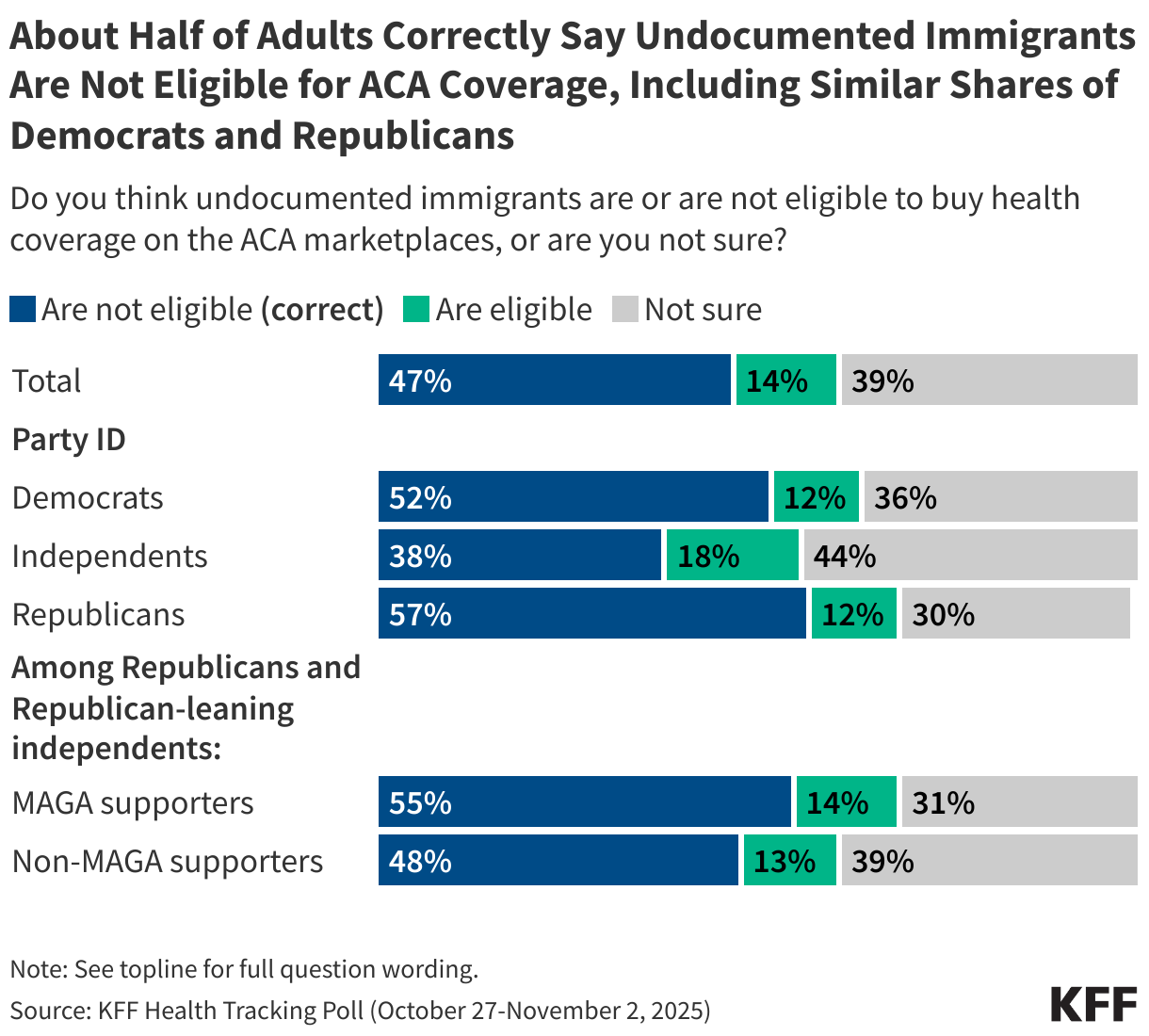
Appendix

Discretionary and MIPPA Grant Awards to SHIPs by State and US Territory, 2025 (Table)

Key Takeaways from CMS’s Rural Health Funding Announcement

Published: Sep 23, 2025

On September 15, 2025, the Centers for Medicare and Medicaid Services (CMS) released a Notice of Funding Opportunity (NOFO) for the $50 billion Rural Health Transformation Program (referred to here as the “rural health fund”). The Notice describes what states need to do to apply for funds, the deadline for state applications, and the criteria that CMS will use to determine how funds will be allocated. The rural health fund was established by the tax and spending reconciliation law of 2025.  It was created to help offset the impact on rural areas of the law—which includes an estimated $911 billion in federal Medicaid spending reductions over the next ten years, including an estimated $137 billion in rural areas based on KFF estimates—particularly given ongoing concerns about the financial vulnerability of many rural hospitals and reports of hospital closures. Distribution of the funds will begin before many of the Medicaid cuts under the reconciliation law take effect.

To receive any funds, states must submit complete applications that align with program requirements by November 5, 2025. CMS will decide which applications to approve by December 31, 2025. Half of the fund, $25 billion, will be allocated equally among states with approved applications, without regard to the state’s rural population or the needs of rural hospitals and other providers in the state. The other half, $25 billion, will be distributed among approved states based on a variety of factors specified in law and in the NOFO, such as the number of rural residents and health facilities, the relative amount of uncompensated care in the state, the quality of workforce and other state initiatives supported by the  rural health fund, and the extent to which states adopt Make America Healthy Again (MAHA) policies. CMS will recalculate the allocation of this second tranche annually over the five-year period of funding primarily based on the progress of state initiatives and policy changes.By law, DC and the U.S. territories are ineligible for the rural health fund. 

Although the Notice provides additional information, there are several outstanding questions, such as whether all states will receive funds, what share of the $50 billion will go to the about 1,800 hospitals in rural areas versus other providers and various state initiatives, and  the extent to which the direct and indirect benefits for rural hospitals will offset their losses under the reconciliation law. The NOFO details the factors affecting how funds will be allocated across approved states, but CMS will continue to influence the distribution through ongoing evaluation of state initiatives and policy changes and decisions over whether to reduce, withhold, or recover funds from states for noncompliance and other reasons. Further, while federal law requires CMS to disclose state award amounts, neither the reconciliation law nor the NOFO explicitly directs CMS or states to publish timely information about administration and oversight, such as state applications or progress reports, which could make it difficult to track the distribution of dollars from the fund.   

This brief describes five key takeaways from the rural health fund NOFO, including information about how CMS intends to review state applications and distribute funds and ongoing questions about the impact on rural hospitals, the distribution of funds across rural hospitals and states, and issues related to oversight and transparency.

CMS will distribute $25 billion equally across states with approved applications and the remaining $25 billion based on numerous factors, some more data driven than others

Of the $50 billion in the fund, half ($25 billion) will be distributed equally among states with approved applications (called “baseline funding”) and half ($25 billion) will be distributed among approved states based on a number of factors (called “workload funding”).  A merit review panel of experts will review all applications that pass initial checks to determine whether an application is eligible for funding and to score the factors that determine how the second half will be allocated across eligible states. It is unclear from the NOFO who will sit on the merit review panel or what role agency appointees will play in reviewing state applications.  The Trump administration issued an executive order in August 2025 requiring, among other things, that all discretionary grants be reviewed annually by senior appointees, which would presumably apply to the rural health fund, though the NOFO is silent as to what role such appointees will have.

The Rural Health Fund Includes  Billion, With Half to Be Distributed Equally Among States With Approved Applications and Half to Be Distributed Based on Numerous Factors (Donut Chart)

CMS will distribute the workload funding (the second $25 billion) across states based on 23 factors, weighted to varying degrees, as detailed in the NOFO (see Appendix Table 1 for more details). Of these 23 factors, three are based on measures specified in the reconciliation law, while the remaining 20 were added by CMS. The 23 factors include data-driven measures of the rural population, rural health facilities, and other state characteristics, such as the relative amount of hospital uncompensated care; state proposed initiatives; and state policies:

  • Rural population, rural health facilities and other state characteristics. About half (53%) of the workload funding will be distributed across states based on published, historical data about the number of rural residents and health facilities in a state and other state characteristics (see Figure 1).  Multiple indicators have a rural focus, such as the size of the state’s rural population (used to distribute 10% of workload funding) and the number of rural health facilities (a blend of hospitals and other facilities) in the state (used to distribute 10%). Other measures are not explicitly focused on rural areas, such as hospitals’ uncompensated care as a percent of operating expenses (used to distribute 10%) and the share of hospitals in the state that receive Medicaid DSH payments (used to distribute 3%). Most of these data factors will be calculated once and used during all subsequent allocation decisions and will not reflect changes over time (such as in uncompensated care).
  • State proposed initiatives. About a third (32%) of the workload funding will be distributed based on CMS’s review of the initiatives the state is proposing to fund. This is a qualitative review based on the state’s plan and, in later years, the state’s progress in implementing the plan. Not all of the initiatives allowed under the rural health fund will be considered for the allocation, but the NOFO lays out those that will be taken into account, such as initiatives related to population health clinical infrastructure (used to distribute 3.75% of the workload funding), health and lifestyle (used to distribute about 2.8%), rural provider strategic partnerships (used to distribute 3.75%), and talent recruitment (used to distribute 3.75%).
  • State policies. Less than one fifth (15%) of the workload funding will be distributed based on whether a state has adopted, made progress towards adopting, or committed to adopting certain policies. Some of these policies aim to promote competition among health care providers, such as by not having certificate of need (CON) laws (used to distribute 1.75% of the workload funding), making it easier for providers to practice in multiple states (used to distribute 1.75%), and providing an expansive scope of practice for nurse practitioners and other non-physicians (used to distribute 1.75%). Among other factors, three measure states’ progress in implementing certain MAHA policies (used to distribute about 6.4%) (see next section). All of the scored policies reflect state-wide changes that are not specific to rural areas. 
About Half of the Second  Billion Will Be Distributed Across States Based on Measures of Rural Population, Rural Health Facilities, and Other State Characteristics (Pie Chart)

Almost all factors will be used in allocating funding in each program year, but CMS will reevaluate state initiatives under the rural health fund and state policies over time before calculating the distribution of funds each year.

CMS may also choose to withhold, reduce, or recover baseline and workload funding from a given state if, for example, it determines that there is a violation of the state’s agreement. Funding after the first budget year may be contingent on a state’s progress and whether CMS decides that continued funding “is in the government’s best interest.” The law indicates that there will be no administrative or judicial review of these and other funding decisions made by CMS.

States will receive more funds if they adopt Make America Health Again (MAHA) policies.

States that have adopted certain MAHA policies will receive a larger share of the $25 billion workload funding (see above). States can also receive a partial increase if they have taken steps to implement these policies or have committed to doing so. These policies are not limited to rural areas and include requiring schools to reestablish the Presidential Fitness Test; prohibiting SNAP spending on non-nutritious items, like soda or candy; and requiring that nutrition be included in continuing medical education for physicians.

CMS also indicated the importance of the MAHA agenda for the rural health fund by including “make rural America healthy again” as one of its five strategic goals, which correspond to permitted uses of the funds. CMS describes this goal as supporting “rural health innovations and new access points to promote preventative health and address root causes of diseases.” CMS will also consider the quality of certain state MAHA initiatives under the rural health fund when deciding how to distribute funds across states, such as through a factor focusing on “health and lifestyle.”

While the $50 billion fund could help rural communities in a number of ways, the extent to which it will benefit rural hospitals and offset their losses under the reconciliation law is unclear

The rural health fund will “support…rural communities to improve healthcare access, quality, and outcomes through system transformation” according to the Notice, rather than providing general financial support exclusively to hospitals and other providers to use as they see fit. Further, CMS states that the “intent of this funding is not to be used for perpetual operating expenses, but rather for investments that can be made within the duration of the program that will have sustainable impact beyond the end of the program.”

States will be allowed to use the funds for a number of purposes (see Appendix Table 2), most of which are intended to improve the rural health care delivery system and how care is delivered. For example, states could use the funds to promote prevention and chronic disease management interventions, support collaboration among rural health care facilities (such as by sharing administrative services) and between rural providers and regional health systems, recruit clinical workers to rural areas, promote technological advancements (such as by expanding telehealth or promoting AI diagnostic tools), invest in existing hospital buildings and infrastructure, help hospitals determine which services should and should not be maintained, and support the adoption of value-based care and alternative payment models. It is also possible that some of the funds could flow to nonrural areas within a state.

In addition to specifying permitted uses of the funding, CMS has also detailed ways in which the funds cannot be used, many of which are particularly salient for hospitals and other providers. For example, rural health funds cannot be used for:

  • Payments to providers for care that exceed 15% of total funds. Payments to providers also cannot be used to supplement existing fees, such as for Medicaid, or pay for care that is reimbursable by insurance, but they could be used to pay for, say, uncompensated care.
  • Construction, building expansion, or purchasing buildings, but can be used for certain investments in existing rural health care facility buildings and infrastructure, not to exceed 20% of total funds.
  • Replacements for previous HITECH-certified electronic medical record (EMR) systems that exceed 5% of total funds.
  • Funds for gender-affirming care (a limitation that is not restricted to care for minors, as are many other federal measures) and reimbursement for most abortion services. There are also limitations related to “citizenship documentation requirements for payments made with respect to an individual.” Many hospitals do not currently collect patient immigration status but may need to do so to be reimbursed for patient care with rural health funds.

While the fund was established in part to address concerns about rural hospitals and closures, the extent to which it will benefit these facilities and offset losses under the reconciliation law is unclear. Although approval of state applications is ultimately up to CMS, states can choose how much of the funds will go to hospitals versus other rural providers and various other entities, such as contractors providing technical assistance for projects, universities participating in workforce initiatives, regional health systems in urban areas collaborating with rural providers, and vendors developing new health technologies.

Funds that flow to rural hospitals will need to be used for at least one of the approved purposes, rather than providing general financial support. Further, CMS has capped the amounts of funds that can be sent to hospitals and other providers for certain approved purposes, such as paying for patient care or investing in existing buildings and infrastructure (see above). The structure of the rural health fund contrasts with the federal government’s response to COVID-19, when it provided large amounts of support to providers to alleviate the financial impact of the pandemic.

Some initiatives intended to transform the rural health care delivery system could benefit hospitals to varying degrees. For example, among other initiatives with more direct implications for hospitals, funds could be used to strengthen collaboration among rural facilities and other rural providers, which could help rural hospitals operate more efficiently. Other initiatives, such as programs to promote health literacy and healthy behaviors, would have less direct implications for hospitals. The benefit to rural hospitals—and to other providers, patients, and rural communities—will also depend on how effective these initiatives are, which is difficult to predict.

Rural areas and hospitals will likely see many of the benefits from the rural health fund before the cuts under the reconciliation law take full effect. The law provides $10 billion through the rural health fund per year from fiscal years 2026 through 2030—and all funds must be spent before October 1, 2032—while nearly two thirds (64%) of the ten-year reductions in federal Medicaid spending would occur after fiscal year 2030 based on KFF’s analysis of CBO estimates. Additionally, the rural health fund will be temporary, while many of the cuts in health spending are not time limited, meaning that the longer-term impact on rural areas and hospitals could be less favorable. CMS requires states to include a sustainability plan in their applications and intends for these initiatives to promote lasting change, but the extent to which that will occur after the funds dry up is unclear.

It remains unclear which states and rural hospitals will benefit the most

While the NOFO includes many new details about how the funds will be distributed across states, questions remain about which states will receive funding, the final distribution across approved states, and how well this distribution will align with various definitions of need. The first $25 billion will be distributed equally among approved states, meaning that smaller states will benefit more relative to their size. For the second $25 billion in funding, most, if not all, of the allocation factors will benefit some states more than others. For example:

  • 10% of the distribution is based on uncompensated care as a percent of hospital operating expenses, which tends to be higher in states that that have not expanded Medicaid under the Affordable Care Act.
  • 5% of the distribution is based on the geographic size of a state, which will benefit the five largest states (Alaska, Texas, California, Montana, and New Mexico) by definition (the remaining 45 states will receive zero points for this factor).
  • 3.75% of the distribution is based on a state’s progress in obtaining a waiver to prohibit the purchase of non-nutritious foods using Supplemental Nutrition Assistance Program (SNAP) benefits. Nearly all of the 12 states with approved waivers to date are states that President Trump carried in the 2024 election.

At the same time, CMS’s approach for evaluating rurality and other data-driven metrics moderates differences across states by focusing on rankings rather than raw differences. For instance, Alaska is more than twice the size of Texas, but Alaska’s score for the geographic factor will not be much higher than Texas’s score because Alaska and Texas are ranked next to each other.

It is also unclear how the benefits will be distributed across rural hospitals. This will depend in part on how CMS distributes funds across states (see above); how states in turn distribute these funds across hospitals, other providers, and various initiatives; and which hospitals states target. For example, states could distribute funds to rural hospitals broadly or target specific groups of rural hospitals, such as those in financial distress, in high-need areas, or that state policymakers prioritize for other reasons. Relatedly, there are also questions of how narrowly or broadly states will define “rural”, which CMS leaves to their discretion and could potentially encompass few or many hospitals, including hospitals that might not be viewed as rural by some (such as urban hospitals that receive a rural designation for certain payments). States could also use the funds for a variety of initiatives that could benefit some hospitals more than others, such as by attracting clinicians to certain, specific rural areas of the state.

It is unclear how transparent CMS and states will be about the distribution and oversight of the fund, such as by disclosing the flow of dollars to specific hospitals and other entities.

The reconciliation law and NOFO are silent on how transparent CMS and states will need to be about the distribution and oversight of funds. For example, it is unclear whether states will disclose to the public which specific hospitals and other entities are receiving how much money and for what purpose, both ahead of time and as funds go out the door. That information would be useful for understanding the effectiveness of the fund, such as whether funds are going to hospitals in need that serve as a critical access point for patients versus wealthy facilities. Some of this information may be available in state applications and progress reports, though it is unclear whether the agency will post these materials online or require states to do so. Those materials will include numerous other details that could be useful for monitoring the rural health fund, such as a description of rural health needs in a given state, an overall rural health transformation plan, details about each state initiative, key stakeholders, outcomes that will be evaluated, and state progress.

It is also unclear how much transparency there will be regarding other aspects of the program, such as the members of the merit review committee responsible for evaluating applications; modifications to state plans over time; CMS’s rationale for reducing or recovering rural health funds or reallocating funds over time;  and state remediation plans for noncompliance. CMS retains broad discretion over whether to continue to fund states by considering criteria such as whether “continued funding is in the government’s best interest” and whether states are “improperly managing or using award funds, including fraud, waste, abuse, and criminal activity.”

Some of this information may be disclosed through existing regulation (e.g., CMS will be required to publicly disclose the amount it awards to each state) and Freedom of Information Act (FOIA) requests submitted by journalists and other groups.

This work was supported in part by Arnold Ventures. KFF maintains full editorial control over all of its policy analysis, polling, and journalism activities.
Factors for Determining the Allocation of the Second Half ( Billion) of the Rural Health Fund (Table)
Permitted Uses of the Rural Health Funds (Table)