Access Uncertain for New Injectable PrEP as the Affordable Care Act’s (ACA) Open Enrollment Begins

Author: Lindsey Dawson
Published: Nov 18, 2025

Background

In June 2025, the Food and Drug Administration (FDA) approved lenacapavir (Yeztugo) as the latest pre-exposure prophylaxis (PrEP) drug to prevent HIV in adults and adolescents. Lenacapavir differs from other available PrEP products. It is the second long-acting injectable PrEP drug on the market but offers less frequent (twice annual) dosing. Its relatively infrequent dosing and its high efficacy (100% for some populations) make it a promising option at a time when PrEP uptake has continued to stall in many regions and disparities persist. 

This ACA open enrollment period is the first since lenacapavir’s approval, and some consumers may be looking for marketplace plans that cover it. However, despite lenacapavir widely being considered a major advance, early evidence suggests that insurance coverage and benefit design decisions may create barriers to access.

This brief examines challenges in assessing access to PrEP in ACA marketplace plans but it is likely that individuals would face similar challenges in other contexts, such assessing coverage in employer, Medicare Part D, or Medicare Advantage plans.

Coverage

Pharmacy Benefit Manager (PBM) Decisions

Pharmacy benefit managers (PBMs) play a central role in determining which drugs health plans cover. PBMs are independent companies that contract with plans to manage their pharmacy benefits. In addition to other possible roles, PBMs act as an intermediary between drug manufacturers and pharmacies, negotiating prices and ultimately determining enrollee prescription medication coverage. 

Notably, PBM services are concentrated with three companies —CVS Caremark, Express Scripts, and OptumRx— which together represented 73% of all commercial drug claims in 2023. Therefore, decisions by any one of these entities stand to affect millions of enrollees.

CVS Caremark, the largest of the big three (capturing 29% of the commercial market), does not cover lenacapavir. According to media reports the company initially cited needing to investigate “clinical, financial, and regulatory considerations” and in a recent email stated that price, and continued negotiations with its manufacturer, Gilead, was the main consideration. Choosing not to cover the drug has access implications to all those enrolled in plans using CVS Caremark as its PBM, including for marketplace plan enrollees. By contrast, during a Q3 2025 earnings call Gilead announced that Express Scripts (capturing 28% of the commercial market) is covering the drug.

Preventive Services Coverage Under the ACA & the U.S. Preventive Services Task Force (USPSTF) – Coverage and Cost Implications

The Affordable Care Act (ACA) requires most private health insurance plans and Medicaid expansion programs to cover preventive services recommended by the U.S. Preventive Services Task Force (USPSTF) – those receiving an “A” or “B” grade – without cost-sharing. In addition, the federal government later clarified that along with covering the drug, the coverage requirements encompass physician visits and associated lab tests ancillary to PrEP.

The USPSTF gave PrEP an “A” recommendation, first in 2019 and then in an updated recommendation in 2023, but even the later grade predated the approval of lenacapavir, and therefore the recommendation does not explicitly include it. As a result, insurers or PBMs may make different determinations about whether lenacapavir must be covered without cost-sharing. If it is not classified as an ACA-required preventive service, the drug could be subject to copayments, coinsurance, deductibles, or even exclusion. Enrollees could also face costs for related provider visits and laboratory services.

While uncertainty remains, in its Q3 2025 earnings call Gilead stated that the company had achieved 75% coverage (including among private and public payers) and that most payers are covering the drug without prior authorization or cost-sharing. Indeed, at least some issuers offering marketplace products in multiple states are offering the drug with zero cost-sharing as preventive medication, listing it in their formularies as a preventive drug (e.g. Oscar NY and IL and Molina in IL).

Whether or when the USPSTF will update its PrEP recommendation remains unclear.

Medical vs. Pharmacy Benefits

Most prescription medications are covered under the pharmacy benefit and typically picked up at a brick-and-mortar pharmacy or mailed to the enrollee. However, certain drugs, particularly those that are administered by a health care provider, are billed as a medical benefit.

Lenacapavir is provider administered and it appears at least some health plans might be covering lenacapavir as medical benefit rather than as a pharmacy benefit. When this happens, the drug may not appear in drug-search tools or on a plan’s formulary, making coverage more difficult to determine.

For example, in at least two UnitedHealthcare markets (New York and Texas), where plans use Optum as a PBM, the formulary states that lenacapavir “is not covered under your Pharmacy Benefit and may be covered under your Medical Policy. Please refer to your health plan ID card to determine next steps or contact customer service.” As such for a potential new enrollee, it would not be clear if lenacapavir is covered under the medical benefit, though on the earnings call Gilead stated the issuer is covering the drug. 

Further, even if a plan states lenacapavir is covered as a medical benefit, consumers may not easily be able to see how and if cost-sharing applies.

Marketplace Drug Search Tools

Marketplace plan search tools vary in how and if they display prescription drug coverage. Some – including the federal marketplace- allow users to check whether specific medications are covered by plans through search tools or filters, while others, like New York’s marketplace, do not. Even when available, the accuracy of these tools may be limited.

For instance, on the federal marketplace, search results for Harris County, Texas indicate Oscar plans do not cover lenacapavir, though the drug appears on the issuer formulary as a covered preventive drug.

In another scenario, in Illinois, the state-based marketplace tool does not retrieve lenacapavir by either its brand or generic name, despite some plan formularies indicating coverage.

It is possible that if lenacapavir is covered as a medical benefit and not on the traditional formulary, coverage information will not be pulled in by the marketplace plan drug search tools which are likely to rely on formulary data.  

Traditional Barriers to PrEP

Even when coverage is available, longstanding barriers to PrEP uptake persist and may be magnified with lenacapavir. Long-acting PrEP drugs, in particular, have presented unique access challenges. Providers often must purchase the drug upfront, store it, and then bill for it after it is administered—a practice known as “white bagging”—which can create financial and logistical hurdles, especially for smaller clinics. Indeed, on the Q3 2025 earnings call, Gilead reported that most lenacapavir prescribing is occurring among experienced PrEP prescribers using white bagging.

Other persistent barriers include limited awareness among providers and patients, stigma and discrimination related to people with HIV and LGBTQ+ populations, perceptions of HIV risk, variable provider comfort level prescribing PrEP, provider’s viewing PrEP as outside of their wheelhouse, and actual and perceived cost concerns. Together, these factors contribute to wide disparities in PrEP uptake.

Implications for HIV Prevention

Lack of coverage of long-acting PrEP, or even lack of clarity about coverage, could discourage its use. Out-of-pocket costs could be a barrier as well. Research has shown that increasing the out-of-pocket costs for PrEP from $0 to $10 doubled the rate at which prescriptions went unfilled.

Access to PrEP has implications for both individual and public health. Preventing HIV transmission protects individual health—HIV is a lifelong condition when treated and potentially fatal when untreated—and has an impact on public health, reducing transmission at the population level. A recent study demonstrated this, finding that states with higher levels of PrEP coverage had larger decreases in HIV diagnoses compared to states with lower levels of PrEP coverage.

The approval of twice-yearly lenacapavir represents a novel development in HIV prevention efforts, but the extent of domestic uptake remains uncertain.

Note: The description of marketplace searches took place on 11/6/2025.

2025 California Health Benefits Survey

Average Family Premiums Exceed $28,000 in California

Published: Nov 18, 2025

Introduction

Over 17 million non-elderly Californians (55%) received health benefits through an employer in 2023. The California Health Benefits Survey (CHBS) tracks trends in their coverage, including premiums, employee premium contributions, cost sharing, offer rates, and employer benefit strategies. In 2025, the survey also included questions about provider networks, coverage for GLP-1 agonists, premium cost drivers, and employee concerns about utilization management. The CHBS is jointly sponsored by the California Healthcare Foundation (CHCF) and KFF.

The 2025 survey includes responses from 464 non-federal public and private firms either located in California or employing workers in the state. The results are representative of California workers. Fielded from January through July 2025, it is the first California Health Benefits Survey since 2022. CHBS is as an oversample of the national KFF Employer Health Benefits Survey, allowing comparisons between the coverage available to workers in California and the nation overall. Unless otherwise noted, this report defines small firms as those with 10–199 workers and large firms as those with 200 or more workers.

Key Findings

  • Premiums for covered workers in California are higher than premiums nationally. The average annual single coverage premium in California is $10,033, higher than the national average of $9,325. The average annual family premium in California is $28,397, higher than the national average of $26,993.
  • In total, the average family premium has increased annually by 7% in California, and 6% nationally. The average single premium has increased 8% annually in California and 6% nationally. Since 2022, the average premium for family coverage has risen 24% in California, higher than national measures of inflation (12.2%) and wage growth (14.4%).
  • Workers are typically required to contribute directly to the cost of coverage, usually through a payroll deduction. On average, covered workers in California contribute 14% of the premium for single coverage and 27% for family coverage in 2025. These shares vary considerably, and some workers face much higher premium contributions, especially for family coverage.
  • Overall, a higher share of covered workers in California are enrolled in an HMO than the national average. Over a third (34%) of covered workers in California are enrolled in an HMO, compared to 12% nationally.
  • A lower share of covered workers in California face a general annual deductible for single coverage than covered workers nationally (75% vs. 88%), and the average deductible is lower ($1,620 vs. $1,886). The share of California covered workers with a deductible has increased from 68% in 2022 to 75% in 2025.
  • Employers in California are significantly less likely than employers across the nation to say there were a sufficient number of mental health providers in their plans’ networks to provide timely access to services.
  • Many employers report concerns about out-of-pocket costs: 47% of firms offering health benefits indicate that their employees have a “high” or “moderate” level of concern about the affordability of cost sharing of their plans. One in 10 covered workers in California face a general annual deductible of $3,000 or more for single coverage.
  • Large California employers view drug prices as a major driver of rising premiums. Thirty-six percent of large firms report that prescription drug prices contributed “a great deal” to premium increases.
  • Over one-quarter (28%) of large firms offering health benefits in California say they cover GLP-1 agonists when prescribed primarily for weight loss. Nearly one-third of these firms report higher-than-expected utilization.

Distributions of Workers and Employers

While 93% of all firms in California are small (10-199 employees), 72% of workers covered by health benefits are employed by large firms (200 or more employees). More than half of covered workers in California and nationally are employed by a firm with 1,000 or more workers (58% and 61%, respectively).

Figure 1: Employers, Workers, and Covered Workers, by Firm Size, California vs. United States, 2025

Premiums and Contributions

This survey asks employers about the cost of single coverage and coverage for a family of four for up to two of their largest plans.

Health Insurance Premiums

In 2025, the average premiums for covered workers in California are $10,033 for single coverage and $28,397 for family coverage. Premiums for covered workers in California are higher than for covered workers nationally for both single coverage ($10,033 vs. $9,325) and family coverage ($28,397 vs. $26,993).

Plan Type: Premiums vary by plan type. The average annual family premium for covered workers in HMOs is lower than the overall average ($26,562 vs. $28,397). Average premiums for covered workers in HDHP/SOs, including HSA-qualified plans, are similar to the overall average for both single and family coverage.

Firm Size: The average annual premium for family coverage is lower for covered workers at firms with 10 to 199 workers than for covered workers at larger firms ($24,990 vs. $29,595).

These premium amounts can be compared to the income of people with job-based coverage. In California, non-elderly individuals with employer-sponsored insurance who live alone have a median income of $86,000. Among families of four with employer-sponsored insurance, the median income is $183,560. Among all families of four, including those not enrolled in an employer plan, the median family income is $134,000.

Figure 2: Average Single Premiums for Covered Workers, by Plan Type, California vs. United States, 2025
Figure 3: Average Family Premiums for Covered Workers, by Plan Type, California vs. United States, 2025
Figure 4: Average Annual Premiums for Covered Workers, Single and Family Coverage, 2025
Figure 5: Median Family Income Of People Under 65 in California, By Family Size, 2025

Firm Characteristics: Premiums vary by the age of the firm’s workforce.

  • In California, the average premiums for covered workers at firms with large shares of younger workers (firms where at least 35% of the workers are age 26 or younger) are lower than the average premiums for covered workers at firms with smaller shares of younger workers for family coverage ($24,906 vs. $28,614).
  • In California, the average premiums for covered workers at firms with large shares of older workers (firms where at least 35% of the workers are age 50 or older) are higher than the average premiums for covered workers at firms with smaller shares of older workers for both single coverage ($10,543 vs. $9,413) and family coverage ($30,099 vs. $26,289).
Figure 6: Average Annual Premiums for Covered Workers with Single Coverage, by Firm Characteristics, 2025
Figure 7: Average Annual Premiums for Covered Workers with Family Coverage, by Firm Characteristics, 2025

Premium Growth: Since 2022, family premiums have increased 7% annually in California, similar to the national overall increase of 6%. Premiums for single coverage increased 8% annually in California and 6% nationally. For comparison, the annual inflation rate over the period was 4% on average, and workers’ wages increased 5%. In the last year, there was an increase of 4% in workers’ wages, and inflation was 2.7%.

Since 2022, the average premium for family coverage has risen from $22,891 to $28,397, an increase of 24%, compared to inflation (12.2%) and wage growth (14.4%). In the years before the 2022 CHBS was fielded, the economy had experienced high general inflation. Since 2020, inflation has risen by 24%, much faster than the 10% increase between 2015 and 2020, or the 8% increase between 2010 and 2015.

Figure 8: Cumulative Premium Increases, Inflation, and Earnings for Covered Workers with Family Coverage, 2022-2025

Distribution of Premiums: Premiums for family coverage in California vary considerably. Premiums are set based on a variety of factors, including the cost of providers in the network, the extent of covered benefits, the cost sharing structure, and the number of health services used by enrollees. Among California workers with single coverage, 15% are employed at a firm with an average annual premium of at least $12,500. Fifteen percent of covered workers are in a plan with a family premium of less than $21,000, while 27% are in a plan with a family premium of $33,000 or more.

Figure 9: Distribution of Annual Premiums for Covered Workers with Single Coverage, 2025
Figure 10: Distribution of Annual Premiums for Covered Workers with Family Coverage, 2025

Worker Contributions to the Premium

For many workers, health insurance is an important component of their total compensation. At the same time, most workers are required to contribute directly to the cost of their health insurance premiums, usually through payroll deductions. The average worker contribution for covered workers in California in 2025 is $1,303 for single coverage and $7,312 for family coverage. On average, covered workers in California contribute a similar amount to the national average to enroll in single or family coverage.

Employers contribute more to the cost of single coverage for covered workers in California than employers do nationally ($8,730 vs. $7,884).

Change Over Time: Compared to 2022, California covered workers contribute a similar amount to enroll in single coverage ($1,192 vs. $1,303) and family coverage ($6,735 vs. $7,312). Since 2022, the average contribution for family coverage in California has increased by about 9%, or roughly 3% per year, but this does not represent a statistically significant change.

Firm Size: In California, the average family coverage premium contribution for covered workers in smaller firms (10 to 199 workers) is much higher than the average for covered workers in larger firms ($9,980 vs. $6,374).

Firm Characteristics: In California, while the average premiums and worker contributions are similar between firms with a large share of lower-wage workers and those with fewer lower-wage workers, the average employer contribution differs. Firms with many lower-wage workers contribute less toward the cost of family coverage ($21,409 vs. $18,001).

Figure 11: Annual Worker and Employer Premium Contributions, California vs. United States, 2025
Figure 12: Average Annual Worker and Employer Premium Contributions for Single Coverage, 2022 and 2025
Figure 13: Average Annual Worker and Employer Premium Contributions for Family Coverage, 2022 and 2025
Figure 14: Average Annual Worker and Employer Contributions to Premiums and Total Premiums for Single and Family Coverage, By Firm Wage Level, 2025

Share of the Premium Paid for by Workers: On average, covered workers in California contribute 14% of the premium for single coverage and 27% of the premium for family coverage, similar to the national averages.

Firm Size: Covered workers in California in small firms contribute a higher percentage of the family premium than those in larger firms, 40% vs. 22%.

Share of the Premium Paid for by Workers by Firm Characteristics: The average share of the premium paid directly by covered workers differs across types of firms in California.

  • Covered workers in private, for-profit firms have relatively high average contribution rates for single coverage (18%) and for family coverage (31%) coverage. Covered workers in public firms have relatively low average premium contribution rates for family coverage (20%). Covered workers in private not-for-profit firms have relatively low average premium contribution rates for single coverage (5%).
  • Covered workers in firms with many higher-wage workers (where at least 35% earn $80,000 or more annually) have a lower average contribution rate for family coverage than those in firms with a smaller share of higher-wage workers (23% vs. 31%).
  • Covered workers in firms that have at least some union workers have a lower average contribution rate for family coverage than those in firms without any union workers (20% vs. 32%).
Figure 15: Workers' Share of Single Premium, by Firm Size, California vs. United States, 2025
Figure 16: Workers' Share of Family Premium, by Firm Size, California vs. United States, 2025
Figure 17: Average Percentage of Single Premium Paid by Covered Workers, by Firm Characteristics, 2025
Figure 18: Average Percentage of Family Premium Paid by Covered Workers, by Firm Characteristics, 2025

Distribution of Worker Contributions: In California, for single coverage, 47% of covered workers at small firms are enrolled in plans with no premium contribution, compared to only 13% of covered workers at large firms. For family coverage, 35% of covered workers at small firms are enrolled in plans with a worker contribution of more than half the premium, compared to only 5% of covered workers at large firms.

A larger share of covered workers in California are enrolled in a single coverage plan without a premium contribution than covered workers nationally (23% vs. 12%). This pattern also holds among covered workers at small firms (13% vs. 7%).

Another way to illustrate the high cost of family coverage for some workers is to examine the share of workers facing large annual premium contributions. Many workers at small firms encounter substantial costs if they choose to enroll dependents. Among firms offering family coverage, 38% of covered workers in small firms are enrolled in a plan with a premium contribution exceeding $10,000, compared to 12% of covered workers in large firms.

Figure 19: Distribution of Percentage of Premium Paid by Covered Workers for Single and Family Coverage, by Firm Size, 2025
Figure 20: Distribution of Percentage of Premium Paid by Covered Workers for Single and Family Coverage, California vs. United States, 2025

Coverage and Offering

Firms Offering Health Benefits

In 2025, 73% of employers with ten or more workers in California offered health benefits to at least some of their employees, higher than the national average (61%). Virtually all large firms offer health benefits to at least some of their workers, but fewer firms with 10–49 employees (67%) or 50-199 employees (93%) offer coverage. The share of employers offering health benefits to at least some workers in California is similar to 2022 (78%)

Because most workers are employed by larger firms, most workers work at a firm that offers health benefits to at least some of its employees. In 2025, 94% of California workers are employed by a firm that offers health benefits to at least some of its workers, more than the share nationally (91%).

Figure 21: Employers Offering Health Benefits, by Firm Size, California vs. United States, 2025

Workers Covered by Firm Benefits

Not all workers at a firm offering health benefits are covered by those benefits. Some workers may be ineligible because they are temporary or part-time, they have to satisfy a waiting period, or they work in a job class that is not offered coverage. Other workers may decline coverage because they are covered under another plan, or believe the coverage is unaffordable.

Among firms that offer health benefits, 61% of workers are enrolled, both in California and nationally. The percentage of workers at California firms offering health benefits who are covered by their firm’s health plan is similar to 2022 (60%). The coverage rate at firms offering health benefits is similar for smaller firms and larger firms in 2025.

In 2025, 56% of California covered workers are at firms that offer health benefits to part-time employees.

Sixty-two percent of covered workers in California work at firms that impose a waiting period before coverage is available. Waiting periods are the time after being hired before a worker becomes eligible to enroll in health benefits.

Firm Characteristics:

  • Among workers in California firms offering health benefits, those in firms with many higher-wage workers are more likely to be covered than those in firms with few higher-wage workers (70% vs. 53%).
  • Among workers in California firms offering health benefits, those in firms with a small share of younger workers are more likely to be covered by their own firm than those in firms with a larger share of younger workers (63% vs. 40%).
  • Similarly, workers in California firms offering health benefits with a large share of older workers are more likely to be covered by their own firm than those in firms with a smaller share of older workers (70% vs. 53%).
Figure 22: Percentage of Workers Covered by Their Firm's Health Benefits, California vs. United States, 2025
Figure 23: Percentage of Workers Covered by their Firm's Health Benefits Offered by Their Firm, by Firm Characteristics, 2025

Enrollment by Plan Type

Health plans are often categorized into plan types based on coverage for out-of-network services and use of primary care gatekeeping. This survey defines four distinct plan types:

  • HMO (Health Maintenance Organization): A plan that does not cover non-emergency services provided out of network.
  • PPO (Preferred Provider Organization): A plan that allows use of both in-network and out-of-network providers, with lower cost sharing for in-network services and no requirement for a primary care referral.
  • POS (Point-of-Service Plan): A plan with lower cost sharing for in-network services, but that requires a primary care gatekeeper for specialist or hospital visits.
  • HDHP/SO (High-Deductible Health Plan with a Savings Option): A plan with a deductible of at least $1,000 for single coverage or $2,000 for family coverage, paired with a health reimbursement arrangement (HRA) or a plan which is health savings account (HSA)-qualified.

Among covered workers in California, about a third are enrolled in PPOs (33%) and in HMOs (34%). About a quarter are enrolled in an HDHP/SO (23%) and the remainder are enrolled in POS plans (9%). Covered workers in small firms are more likely to be enrolled in a POS plan than those at larger firms (19% vs. 5%).

HMOs have long played a prominent role in California. Since 2022, the share of covered workers enrolled in HMOs has been relatively stable (32% in 2022 and 34% in 2025). In 2025, 41% of covered workers in small firms and 32% of covered workers in large firms are enrolled in HMOs.

The distribution of workers across plan types differs considerably from the national distribution, particularly for smaller firms. Covered workers in California are more likely to be enrolled in HMO plans and less likely to be enrolled in a PPO plan or an HDHP/SO than their counterparts nationally.

Figure 24: Enrollment of Covered Workers, by Plan Type, California vs. United States, 2025
Figure 25: Enrollment of Covered Workers, by Plan Type, 2022 and 2025

Availability of Plan Types

Many employers may consider offering a variety of plans, with different balances of cost sharing and premium contributions, to make offerings attractive and affordable to a range of employees. In some cases, workers may be able to choose between different plan type options. In other cases, some workers might be offered one type of plan at one location, while workers at another location are offered a different type of plan.

Covered workers in California are more likely to work at a firm that offers an HMO plan, and less likely to work at a firm that offers an HDHP/SO or PPO plan, compared to covered workers nationally. Plans offered by a given firm may not be available to all workers at that firm.

Availability of HSA-Qualified Plans: Health Savings Accounts (HSAs) are individual savings accounts used to pay for health care expenses. Individuals can open an HSA if they are enrolled in a qualified high-deductible health plan, one with a deductible of at least $1,600 for single coverage and $3,200 for family coverage in 2025. HSA-qualified plans have higher deductibles on average, and sometimes lower premiums, than other plan types. In some cases, employers make a contribution to the savings account, which the enrollee can use to offset cost sharing or other health spending. Over half of large firms in California offer an HSA-qualified plan to some workers, compared to just one in 10 smaller firms.

Figure 26: Availability of Plan Types, California vs. United States, 2025
Figure 27: Among Firms Offering Health Benefits, Percentage That Offer an HDHP/HRA and/or an HSA-Qualified HDHP, by Firm Size, 2025

Cost Sharing

Employer-based health coverage typically requires a portion of costs to be paid out of pocket when health services are used. Most health plans have a deductible that enrollees must meet before the plan pays for the majority of care. After the deductible is met, plans typically require enrollees to pay a copayment (a specified dollar amount) or coinsurance (a percentage of the cost of services) for each service they use. The reported cost sharing figures are for covered workers using in-network services. Plan enrollees receiving services from providers that do not participate in plan networks often face higher cost sharing and may be responsible for charges that exceed the plan’s allowable amounts. Many plans may have complex plan designs, with different tiers of cost sharing for different providers.

General Annual Deductibles

Prevalence of Deductibles: One feature of employer-sponsored plans that has gained prominence in recent years is deductibles. Seventy-five percent of covered workers in California are enrolled in a plan with a general annual deductible for single coverage, up from 68% in 2022. Similar shares of covered workers at small (76%) and large firms (75%) must meet a general annual deductible before the plan covers most services.

Covered workers in California are still less likely to be enrolled in a plan with a deductible than covered workers nationally (88% vs. 75%).

The likelihood of a plan having a general annual deductible varies by plan type. Thirty-six percent of California covered workers in HMOs have a general annual deductible for single coverage, compared to 79% of workers in POS plans and 92% of workers in PPO plans. A relatively small share of California covered workers enrolled in HMO plans sponsored by large firms are required to meet a deductible (25%).

Across plan types, the share of covered workers with a deductible is similar in California and nationally. However, lower enrollment in HDHP/SOs and higher enrollment in HMOs in California contributes to the overall lower prevalence of deductibles in the state compared to the national average.

Figure 28: Percentage of Covered Workers with an Annual Deductible, Single Coverage, by Plan Type, California vs. United States, 2025
Figure 29: Percentage of Covered Workers with a General Annual Deductible for Single Coverage, by Plan Type and Firm Size, 2025

Average General Annual Deductible Amounts: For workers in California with single coverage in a plan with a general annual deductible, the average annual deductible is $1,620, similar to the average deductible in 2022 ($1,466).

Covered workers in HDHP/SO plans typically face higher deductibles than covered workers in other plan types, both in California and across the country. For covered workers in California at large firms, the average deductibles for single coverage are $1,156 in HMOs, $1,123 in PPOs, and $2,121 in HDHP/SOs.

Though covered workers at small and large firms are similarly likely to face a deductible, average deductibles are significantly higher at small firms. Across all plan types, for California covered workers in plans with a general annual deductible, the average deductible for single coverage at firms with 10 to 199 workers is $2,063, higher than the average deductible at larger firms ($1,478).

California covered workers are both less likely to face a deductible and more likely to pay a lower average deductible (when they have one) for single coverage, compared to workers nationally ($1,620 vs. $1,886). Covered workers at small California firms who face a deductible also have lower average deductibles than workers at small firms nationally ($2,063 vs. $2,631).

The lower prevalence of deductibles and the lower average deductible amount in California can be assessed by assigning a value of zero to covered workers enrolled in plans without a deductible and calculating the resulting average. This measure reflects both the share of workers facing deductibles and the size of those deductibles. Using this approach, the average general annual deductible for single coverage among all covered workers (including those without a deductible) in California is $1,276, compared to $1,663 nationally. In California, this average increased 10% annually, rising from $959 to $1,276 since 2022. This change represents a 33% increase in the average deductible among all covered workers.

Figure 30: Among Covered Workers with a General Annual Deductible for Single Coverage at Large Firms, Average Deductible, by Plan Type, California vs. United States, 2025
Figure 31: Among Covered Workers with a General Annual Deductible for Single Coverage, Average Deductible, by Firm Size, 2022 and 2025
Figure 32: Average General Annual Deductible For Single Coverage, Including Workers in Plans With No Deductible, California vs. United States, 2022 and 2025

Distribution of Deductibles: Some covered workers face much higher deductibles. Among covered workers in California with a general annual deductible, 14% in an HMO, 8% in a PPO, and 21% in an HDHP/so have a deductible of $3,000 or more for single coverage.

Deductibles may present an affordability challenge for those enrolled in family plans, where multiple family members have to meet individual deductibles, or where an entire family’s spending is counted against a typically higher aggregate deductible. Among those with an aggregate family deductible, many covered workers face a deductible of $5,000 or more, including 22% of those enrolled in HMOs, 7% enrolled in PPO plans, 24% enrolled in POS plans, and 24% enrolled in HDHP/SOs.

Figure 33: Among Covered Workers with a General Annual Deductible, Distribution of General Annual Deductibles for Single Coverage, by Plan Type, 2025
Figure 34: Among Covered Workers with a General Annual Deductible, Distribution of Aggregate Family Deductibles for Family Coverage, by Plan Type, 2025

Share of Covered Workers Enrolled in High-Deductible Plans: In California, 20% of covered workers are in plans with a general annual deductible of $2,000 or more for single coverage, similar to the share in 2022 (19%).

In total, 11% of covered workers in California face a deductible of $3,000 or more for single coverage. Covered workers in the state have a deductible of $3,000 or more at a rate higher than workers nationally (11% vs. 19%).

Firm Size: California workers at firms with 10 to 199 workers are considerably more likely to have a general annual deductible of $2,000 or more for single coverage than workers at larger firms (31% vs. 16%). Many covered workers at small firms face even higher deductible thresholds for single coverage. Almost one in five covered workers (18%) in small firms in California have a general annual deductible of $3,000 or more.

Figure 35: Percentage of Covered Workers Enrolled in a Plan with Any General Annual Deductible or a High Deductible for Single Coverage, California vs. United States, 2025
Figure 36: Percentage of Covered Workers Enrolled in a Plan with a High General Annual Deductible for Single Coverage, by Firm Size, 2025

Copays and Coinsurance for Office Visits

The majority of covered workers in California are enrolled in health plans that require cost sharing for an in-network physician office visit, in addition to any general annual deductible.

Primary Care Visits: Seventy-nine percent of workers in California had a copay for primary care office visits. Among covered workers with a copayment for an in-network office visit, the average copayment is $28.

Specialist Office Visits: For specialist office visits 73% of covered workers in California had a copay, averaging $42.

The distribution of copays is similar for covered workers in California and nationally, with about one in ten facing a copay of more than $60 a for specialist office visit.

California covered workers in HDHP/SO plans are much more likely to face a coinsurance amount for both primary care visits (80%) and specialist visits (80%) than covered workers in other plan types.

Figure 36: Percentage of Covered Workers Enrolled in a Plan with a High General Annual Deductible for Single Coverage, by Firm Size, 2025
Figure 38: Among Covered Workers with a Copayment for a Primary Care Office Visit, Distribution of Copayments, by Plan Type, 2025

Out-of-Pocket Maximum

Out-of-pocket limits are the maximum amount an enrollee is required to spend on cost sharing for in-network services in a year. After the enrollee reaches this limit, the plan pays for all covered expenses for the remainder of the plan year. Virtually all California covered workers are in a plan with an out-of-pocket limit, but the actual limits vary considerably: 20% of covered workers with an out-of-pocket maximum have an out-of-pocket maximum of $2,000 or less for single coverage, while 24% have an out-of-pocket maximum above $6,000. Workers with family coverage may face higher out-of-pocket limits, or individual limits for each plan enrollee.

Figure 39: Distribution of Out-of-Pocket (OOP) Limits by Plan Type for Single Coverage, 2025

Plan Funding

Many firms, particularly larger firms, choose to pay the cost of the health services for covered workers directly from their own funds, rather than purchasing health insurance. These self-funded plans are often administered by an insurer or other entity, which processes claims and pays providers on behalf of the firm. Self-funded plans established by private employers are exempt from most state insurance laws, including reserve requirements, mandated benefits, premium taxes, and certain consumer protection regulations.

Forty-nine percent of covered workers in California are in a plan that is self-funded, the same percentage as 2022. Covered workers in California are less likely to be in a self-funded plan than covered workers nationally (49% vs. 67%). This can be partially attributed to HMOs being more common in California than they are nationally. Both in California and nationally, covered workers enrolled in HMOs are less likely to be in self-insured plans than workers in other plan types (22% in California vs. 42% nationally).

California covered workers in firms with 200 or more workers are much more likely to be in a self-funded plan. About three-quarters of covered workers in firms with 5,000 or more workers (78%) are in self-funded plans, compared to 11% of covered workers in firms with 10-199 workers.

Stop Loss: Many firms with self-funded plans purchase insurance, often referred to as “stop loss” insurance, to protect themselves from unexpected losses. At firms with 200 or more workers, 70% of California covered workers in self-funded health plans are in plans that have stop loss insurance.

Figure 40: Percentage of Covered Workers Enrolled in a Self-Insured Plan, by Firm Size, California vs. United States, 2025
Figure 41: Percentage of Covered Workers Enrolled in a Self-Insured Plan, by Plan Type, California vs. United States, 2025

Wellness and Health Screening

Health Screening

Many large firms offer health screening programs to help identify health risks and health problems among enrollees. Health risk assessments are questionnaires asking about physical health, lifestyle, stress, or other activities. Biometeric screenings are in-person health examinations conducted by a medical professional to measure certain health metrics, such as weight, blood pressure, or cholesterol. Firms and insurers use the health information collected during screenings to target wellness offerings, manage cases, or offer health services or supports to enrollees before their health conditions worsen.

Health Risk Assessments: Fifty-two percent of California firms with 200 or more workers provide workers the opportunity to complete a health risk assessment in 2025. Among these large firms with a health risk assessment program, 49% use incentives or penalties to encourage workers to complete the assessment.

Biometeric Screening: Forty-four percent of California firms with 200 or more workers provide workers the opportunity to complete a biometric screening in 2025. Among these large firms with a biometric screening program, 59% use incentives or penalties to encourage workers to complete the screening. Among these large firms with a biometric screening program, 12% have incentives or penalties tied to whether enrollees meet or achieve specified biometric outcomes, such as maintaining a certain cholesterol level or body weight.

Taken together, 63% of California firms with 200 or more workers offering health benefits offer at least one of these health screening programs, including 81% of firms with 5,000 or more workers.

Wellness and Health Promotion

Many California firms with 200 or more workers offering health benefits also offer programs to encourage workers and their dependents to improve their health, including programs to help them to stop smoking or using tobacco (47%), or lose weight (47%), or other lifestyle or behavioral coaching (52%).

Overall, 84% of California firms with 200 or more workers offering health benefits also offer at least one of these three types of programs to their workers, including 96% of firms with 5,000 or more workers. Employers may offer incentives to encourage employees to participate in these programs.

Figure 42: Among Large Firms Offering Health Benefits, Percentage of Firms Offering Various Wellness and Health Promotion Activities and Incentives, by Firm Size, 2025

Policy, Employer Perspectives and Strategies

Employers offering health benefits were asked about several aspects of their plan designs, network and coverage.

Provider Networks and Access to Primary Care

The design and structure of an employer’s provider network plays a significant role in the access to health services granted by their health plans. In their role as health care purchasers, employers may design networks to reduce costs by steering enrollees toward more efficient providers. Employers also may develop programs intended to supplement enrollee access to care.

Narrow Networks: Some employers offer their employees a health plan with a narrow, or relatively small, network of providers. Narrow network plans limit the number of providers that can participate in order to lower premiums and reduce costs. These networks are generally more restrictive than standard HMO networks.

  • Twenty-four percent of California firms offering health benefits offered at least one narrow network plan to their workers in 2025.
  • Firms with 10-199 workers in California are more likely to offer at least one plan with a narrow network than small firms nationally (26% vs. 9%).

Sufficiency of Networks: Provider shortages or restricted provider networks may mean there may not be enough available providers in plan networks to ensure enrollees have timely access to care. Firms offering health benefits were asked whether they believed that the provider network for their health plan with the largest enrollment had a sufficient number of providers to provide timely access to primary care, specialty care, and mental health services.

Among firms offering health benefits, 88% say that there is a sufficient number of providers in their health plan with the largest enrollment to provide timely access to primary care services and 83% say there is a sufficient number of specialist providers.

Conversely, only 52% of California firms that offer health benefits say that there is a sufficient number of providers in their health plan with the largest enrollment to provide timely access to mental health services for plan enrollees.

California employers are less likely than employers nationally to report having a sufficient number of mental health providers in their networks in their plan with the largest enrollment. Among firms with 10 to 199 workers offering health benefits in California, 52% indicate there are enough mental health providers, compared to 70% nationally. Among larger employers in California, 60% report having a sufficient number of mental health providers, compared to 68% nationally.

Other Network Strategies: Employers may work with health plans or vendors to modify or supplement plan networks to reduce costs or improve access. Employers were asked about a range of provider network strategies they had implemented.

  • A small percentage of large employers contract directly with providers, such as hospitals or health systems, to provide for their employees outside of their health plan’s network. Among large California firms that offer health benefits 6% directly contract with a provider, including 15% of firms with 5,000 or more workers.
  • Some firms offer plans with high-performance networks or tiered networks. These plans use cost sharing or other incentives to encourage enrollees to use in-network providers that have better performance or lower costs. Among California firms with 200 or more workers that offer health benefits, 11% offer a health plan with a high-performance or tiered network, including 16% of firms with 5,000 or more workers.
  • Some employers may contract with a vendor to offer specialized care or a virtual care benefit for enrollees during menopause. These services may include education, access to specialty care and mental health support. Among California employers with 200 or more workers that offer health benefits, 9% have vendor contracts to provide support for workers or their dependents during menopause, including 19% of firms with 5,000 or more workers.
Figure 43: Among Firms Offering Health Benefits, Percentage of Firms That Offer a Narrow Network Plan, by Firm Size, California vs. United States, 2025
Figure 44: Among Firms Offering Health Benefits, Percentage of Firms Which Believe That There Are a Sufficient Number of Providers in Their Plan's Networks to Provide Timely Access, by Firm Size, 2025
Figure 45: Percentage of Large Firms With Various Network Strategies, 2025

Primary Care

Alternative approaches to provide primary care, such as virtual care and direct primary care contracts, are sometimes offered by employers.

Among California firms with 50 or more workers that offer health benefits, 38% have a contract to provide virtual primary care services, including telehealth, that go beyond the services provided in their health plan networks. Firms with 1,000 or more workers are more likely than smaller firms to have a contract for virtual primary care services (46% vs. 37% respectively).

A direct primary care contract entails a fixed periodic fee that grants eligible members access to primary care and preventive services, supplementing the coverage provided by the plan’s network. Among firms in California with 50 or more employees that offer health benefits, 8% have a direct primary care contract in addition to the providers in the health plan networks.

Figure 46: Percentage of Firms Offering Enrollees Additional Primary Care Options by Firm Size, 2025

Factors Contributing to Rising Premiums

Firms that offer health benefits report on the factors that they believe have contributed to higher health plan premiums in recent years. Employers were asked about the impact of prescription drug prices, coverage for new prescription drugs, higher prices for hospital services, higher utilization of health services, and the prevalence of chronic disease.

Among California firms with 200 or more workers offering health benefits:

  • Thirty-six percent say that prescription drug prices contributed “a great deal” to higher premiums; this includes 63% of firms with 5,000 or more workers.
  • Thirty-one percent say that the prevalence of chronic disease contributed “a great deal” to higher premiums; this includes 46% of firms with 5,000 or more workers.
  • Twenty-eight percent say that higher utilization of health services contributed “a great deal” to higher premiums; this includes 18% of firms with 5,000 or more workers.
  • Twenty-seven percent say that the use of new prescriptions contributed “a great deal” to higher premiums; this includes 40% of firms with 5,000 or more workers.
Figure 47: Large Firms' Perspectives on the Factors Contributing to Rising Premiums in Recent Years,  2025

California’s Cost Growth Targets

California’s Office of Health Care Affordability has established a statewide health care spending growth target. Going forward, plans, purchasers, and regulators may use this target to encourage health care spending growth that is more in line with income growth for California families.

Familiarity With Targets: Among California employers with 200 or more workers offering health benefits, about seven in ten (70%) have not heard of the cost growth targets, and another 17% have “heard of it” but did not know any details. Only 2% say that they knew a “a fair amount” about the targets. Even among firms with 5,000 or more workers, only 6% say that they knew a “a fair amount” about them.

Impact of Targets: Given the low level of familiarity with the cost growth targets, relatively few employers think that they would have a big impact on health care spending. Seven percent of large California firms offering health benefits think that the targets would have “a great deal” of impact. Many employers do not know what the impact would be (40%).

Figure 48: Firms' Familiarity With the State's Annual Cost Growth Targets, by Firm Size, 2025

Coverage For GLP-1s For Weight Loss

Health plans generally cover GLP-1 agonists for people with diabetes. However, these medications can also be effective for weight loss. The relatively high price of these drugs, combined with potential for long-term usage, has raised concerns about the costs for plans that cover them.

In 2025, among California firms that provide health benefits, 22% of those with 200 to 999 workers, 31% of those with 1,000 to 4,999 workers, and 50% of those with 5,000 or more workers cover GLP-1 agonists when used primarily for weight loss in their largest plan.

A larger share of large firms in California cover GLP-1 agonists when used primarily for weight loss in their largest plan than large firms nationally (28% vs. 19% ). Among firms with 5,000 or more workers, 50% of firms in California covered GLP-1 agonists, compared to 43% nationally.

Many firms that cover these medications for weight loss require enrollees to take additional steps to address their weight. Among large firms in California that cover GLP-1 agonists for weight loss, 45% require enrollees to meet with a dietitian, case manager or therapist, or participate in a lifestyle program, in order to receive coverage.

Utilization and Spending on GLP-1s: Large firms in California that cover GLP-1 agonists for weight loss were asked about how their use compares with expectations. Forty percent of these firms with 1,000 to 4,999 workers and 50% of firms with 5,000 or more workers say that use was higher than they expected.

A similar share of large employers covering GLP-1 agonists for weight loss say that use was higher than expected in California, as it was nationally (31% and 24%).

Large California firms covering GLP-1 agonists for weight loss report how their coverage affects their plan’s spending on prescription drugs. Among firms with 200 or more workers covering these medications for weight loss, 44% of large firms say that GLP-1s for weight loss had a “significant” impact on their prescription drug spending.

Importance of GLP-1s on Enrollee Satisfaction: Almost three-quarters (71%) of California firms with 200 or more workers that cover GLP-1 agonists for weight loss say that it is “very important” or “somewhat important” to their employees’ satisfaction with their health plan. Even among large firms that do not cover GLP-1s for weight loss, 45% say that doing so is “very important” or “somewhat important” for employees` satisfaction. Many employers may continue to feel pressure to add this coverage.

Figure 49: Among California Employers Offering Health Benefits, Firms' View On How Much Impact State's Annual Cost Growth Targets Will Have, by Firm Size, 2025
Figure 50: Percentage of Large Firms Whose Largest Plan Includes Coverage For GLP-1 Agonists When Used Primarily For Weight Loss, by Firm Size, 2025
Figure 51: Firms' Views on How GLP-1 Utilization for Weight Loss Compares to Expectations, by Firm Size, California vs. USA, 2025
Figure 52: Firms' Views on the Impact of GLP-1 Coverage for Weight Loss on Prescription Drug Spending, by Firm Size, 2025

Employee Concerns with Plan Management

Employers assess the level of concern they believe their employees have about various aspects of health plan management. Among California firms offering health benefits:

  • Forty-seven percent say that their employees’ level of concern over the affordability of cost sharing is “high” or “moderate”; this includes 71% of firms with 5,000 or more workers.
  • Forty-nine percent say that their employees level of concern over their ability to schedule timely appointments is “high” or “moderate”; this includes 43% of firms with 5,000 or more workers.
  • Thirty-one percent say that their employees level of concern over the complexity of prior authorization requirements is “high” or “moderate”; this includes 59% of firms with 5,000 or more workers.
Figure 53: Among Firms Offering Health Benefits, How Much Concern Do Employers Have With Various Elements of the Firm's Plans, 2025

Methods

The California Health Benefits Survey (CHBS) is a joint project of the California Health Care Foundation (CHCF) and KFF. The survey was designed and analyzed by researchers at KFF, and administered by Davis Research LLC (Davis). Findings are based on a random sample of 464 interviews with employee benefit managers in firms located in or employing workers in California. An additional 676 firms answered only whether they offered health benefits. Interviews were completed between January 28, 2025 and July 23, 2025. Responses reflect employers’ plans at the time of interview. The response rate for the full survey was 13 percent. Collectively, 201,000 of the 8,061,000 workers covered by their own firm’s health benefits in California were employed by firms that responded (2.5%).

Consistent with the approach in 2022, the 2025 survey was conducted as an oversample of California-based employers participating in the KFF Employer Health Benefit Survey (EHBS). Estimates are therefore comparable to those in the 2023 CHBS. All firms were asked about the characteristics of their workforce in California and nationwide and contribute to both surveys. To ensure reliability at both the national and state levels, weights for the California sample were calibrated to state-specific targets from the U.S. Census Bureau’s Statistics of U.S. Businesses (SUSB) and the Census of Governments by size and industry. Weights are constructed for employers, workers, covered workers, and workers by plan type in California and trimmed to reduce the influence of outliers. Overall, 91% of employers and 14% of covered workers are in firms where all covered workers reside in California.

Previous iterations of the CHBS are available but as explained in the 2023 methods section, we have implemented several methodological changes over time.

The sample includes private firms and non-federal government employers with ten or more employees. The sampling universe is defined by the U.S. Census’ 2021 Statistics of U.S. Businesses for private firms and the 2022 Census of Governments (COG) for public employers.

Beginning in 2025, neither EHBS nor CHBS includes firms with 3-9 employees, reflecting longstanding challenges in surveying the smallest firms and their limited effect on national estimates. Although there are 1.95 million such firms in the U.S., they employ a small share of workers. As a result their exclusion does not meaningfully affect worker-weighted estimates (e.g., premiums, contributions, cost sharing, or plan enrollment). For comparability, estimates from prior years shown here have been recalculated to exclude 3-9 worker firms; as a result, they differ from previously published values.

The 2025 sample of non-panel firms was drawn from Dynata (based on a Dun & Bradstreet census of private employers with ≥10 workers) and Forbes America’s Largest Private Companies. Employers who participated in the 2024 or 2023 EHBS were invited to participate. Firms were sampled by size and industry. In 2025, 464 firms responded, including 64% that had previously completed one of the listed surveys. Respondents could complete the survey online or by computer-assisted telephone interview. In total, 51% percent of responses (representing 31% of covered workers in California) were completed via telephone; the remainder were online.

Benefit managers reported on the premiums and deductibles of up to two plans, plus additional information on their plan type with the most enrollment. Plan types were defined as: health maintenance organizations (HMOs), preferred provider organizations (PPOs), point-of-service (POS) plans, and high-deductible health plans with a savings option (HDHP/SOs). HDHP/SOs were defined as plans with deductibles of at least $1,000 for single coverage and $2,000 for family coverage that also offered a health reimbursement arrangement (HRA) or health savings account (HSA). Overall, 78 percent of covered workers are enrolled in their firm’s largest plan type, and 96 percent are in one of the two largest plan types. Small firms are defined as those with 10-199 workers and large firms as those with 200 or more workers. Firms with “many lower-wage workers” were defined as those with at least 35 percent of employees earning $37,000 or less annually.

Because of the complex survey design, even large differences between estimates may not be statistically significant. In 2025, 44% of covered worker weights—but only 1% of employer weights—were represented by firms with 5,000 or more workers. Conversely, firms with 10-24 workers comprised 59% of employer weights but only 7% of covered worker weights.

To account for design effects, standard errors were calculated using the R version 4.5.1 (2025-06-13 ucrt) version of R and the “survey” package (version 4.4-8). Some exhibits do not sum to 100% due to rounding.

As noted, methods in the 2025 CHBS match those used in the 2025 EHBS. For more details on weighting, imputation, and sampling, see: KFF EHBS Survey Design and Methods.

Poll Finding

KFF/New York Times 2025 Survey of Immigrants: Health and Health Care Experiences During the Second Trump Administration

Published: Nov 18, 2025

Editorial Note

This brief was updated on February 11, 2026 to clarify what the data on reported usual source of care for immigrant adults represent.

Findings

Actions taken by the Trump administration and Congress will likely have major impacts on health and health care for immigrant families. As of June 2025, there were 51.9 million immigrants residing in the U.S. representing diverse backgrounds and experiences. In addition, about one in four children in the U.S. has at least one immigrant parent, and the vast majority of these children are U.S. citizens. President Trump’s increased immigration enforcement activity has contributed to resounding levels of fear and uncertainty among the immigrant community, which can negatively affect the health and well-being of immigrant families and make them more reluctant to access health coverage as well as health care. Moreover, the 2025 tax and spending law and other recent policy changes will further limit access to health coverage and services for many lawfully present immigrants who already face eligibility restrictions for federally funded coverage options, amid broader projected coverage reductions and anticipated increases in health care costs.

This report provides new data on health and health care experiences of immigrant adults ages 18 and over in the U.S. amid the current policy environment. It is based on a KFF survey conducted in partnership with The New York Times in Fall 2025. It builds on the 2023 KFF/LA Times Survey of Immigrants and two additional surveys conducted by KFF in 2024 and  2025. Separate reports examine immigrants’ experiences amid increased immigration enforcement and the political implications of immigrant voters’ views on immigration enforcement.

Key Takeaways

  • Since President Trump took office in January 2025, four in ten (40%) immigrant adults overall and nearly eight in ten (77%) likely undocumented immigrants say they have experienced negative health impacts due to immigration-related worries. These negative impacts include increased stress, anxiety, or sadness; problems sleeping or eating; and/or worsening health conditions like diabetes or high blood pressure. Notably, nearly half (47%) of lawfully present immigrants and about three in ten (29%) of naturalized citizens report at least one of these impacts. Among immigrant parents, about one in five (18%) say that their child’s well-being has been impacted since January 2025, including problems sleeping or eating, changes in school performance or attendance, or behavior problems.
  • Overall, 15% of immigrant adults report being uninsured as of 2025, with higher uninsured rates among immigrant adults who are likely undocumented (46%) and lawfully present (21%) compared to naturalized citizens (7%). This pattern reflects that undocumented immigrants are prohibited from accessing federally funded health coverage options and many lawfully present immigrants face eligibility restrictions for federally funded coverage. Among immigrant parents, 15% report at least one uninsured child, rising to over a quarter (27%) among immigrant parents who are likely undocumented. Most children of immigrants are U.S.-born citizens and therefore not subject to eligibility restrictions for immigrants
  • The share of immigrant adults who said they avoided applying for a government program that helps pay for food, housing, or health care in the past 12 months because they did not want to draw attention to their or a family member’s immigration status rose from 8% to 12% between 2023 and 2025. Increases were larger among those who are likely undocumented (27% to 46%) or parents (11% to 18%). Further, 11% of immigrant adults say they have stopped participating in such a program since January 2025 because of immigration-related worries, including about four in ten (42%) of those who are likely undocumented and about one in six (17%) parents.
  • The share of immigrant adults who reported skipping or postponing health care in the past 12 months increased from 22% to 29% between 2023 and 2025. Among those who went without care, about one in five (19%) immigrant adults say it was due to immigration-related concerns. However, across immigrant adults, larger shares cite cost or lack of coverage (63%) as a reason why they skipped or postponed health care. Additionally, three in ten (30%) immigrant parents say that any of their children delayed or skipped health care in the past 12 months due to immigration-related fears, cost or lack of insurance, and/or not being able to find services at a convenient time or location. The overall share rises to about six in ten (58%) of parents who are likely undocumented, with 43% of likely undocumented parents citing immigration concerns. 
  • Reluctance to access care may in part reflect concerns about health care providers sharing information with immigration enforcement officials. About half (51%) of immigrant adults overall and about eight in ten (78%) of those who are likely undocumented say they are “somewhat” or “very” concerned about health care providers sharing information about immigration status with immigration enforcement officials. These fears have likely been exacerbated by the Trump administration sharing noncitizen Medicaid enrollee information with the Department of Homeland Security (DHS), although this action has since been limited by court action in some states.

Immigrant adults across immigration statuses are experiencing negative impacts on their health and facing increased barriers to accessing health coverage and care for themselves and their children. These impacts are particularly pronounced for immigrants who are likely undocumented, parents, lower income, or who have limited English proficiency (LEP). These experiences will likely contribute to worse health outcomes for immigrant adults and their children, who are primarily U.S.-born citizens. Negative impacts also may have spillover effects on the U.S. economy and workforce given that immigrants play an outsized role in many occupations including health care, construction, and agriculture. Going forward, immigrant families will likely continue to experience negative impacts on their health and health care given ongoing enforcement activity and policies that will further limit access to health coverage for lawfully present immigrants.

Box 1: Key Terms and Groups

Immigrants: In this report, immigrants are defined as adults residing in the U.S. who were born outside the U.S. and its territories. This includes naturalized citizens, lawfully present immigrants, and immigrants who are likely undocumented.

Naturalized citizen: Immigrants who said they are a U.S. citizen.

Lawfully present immigrant: Immigrants who said they are not a U.S. citizen, but currently have a green card (lawful permanent status) or a valid work or student visa.

Likely undocumented immigrant: Immigrants who said they are not a U.S. citizen and do not currently have a green card (lawful permanent status) or a valid work or student visa. These immigrants are classified as “likely undocumented” since they have not affirmatively identified themselves as undocumented.

Four in ten (40%) immigrant adults overall and nearly eight in ten (77%) likely undocumented immigrants say they have experienced negative health impacts due to immigration-related worries since January 2025 (Figure 1). These negative health impacts include increased stress, anxiety, or sadness; problems sleeping or eating; or worsening health conditions like diabetes or high blood pressure due to immigration-related worries. Notably, nearly half (47%) of lawfully present immigrants and about three in ten (29%) of naturalized citizens report at least one of these impacts. About half of Hispanic (51%) and Black (46%) immigrant adults, those with lower incomes (annual household income of less than $40,000) (49%), and immigrant parents (47%) report these health impacts.

When asked to describe impacts of the Trump administration’s immigration enforcement activities on themselves or their family in their own words, a number of immigrants say they and their families have experienced increased anxiety and stress due to fears, uncertainty about the future, and increased racial discrimination (Box 2). Some also mention feeling increased sadness or depression about how they and others are being treated. These responses echo experiences shared by likely undocumented Hispanic immigrants in focus groups conducted during March 2025, who described feeling anxious, stressed, depressed, isolated, and lonely due to changes in their daily lives and constantly being on high alert as well as increased feelings of sadness and fears among their children. Participants also described suffering from insomnia, loss of appetite, and symptoms such as stomach problems and migraine headaches due to fears and stress.

Four in Ten Immigrant Adults Say They Have Experienced Negative Health Impacts Due to Immigration-Related Worries Since January 2025 (Split Bars)

Box 2: In Their Own Words: How Immigrants Have Been Affected by the Trump Administration’s Immigration Enforcement Activities

“Under Trump’s administration, it has felt insecure and full of discrimination…. Many are looking at us as if we do not belong, and we receive racial slurs causing fear and anxiety.” — 39-year-old Brazilian immigrant woman in California

“Mentally we are more stressed every day even though we are legal.” — 39-year-old Chinese immigrant man in New Jersey

“We’re getting depressed and are scared of going out, we’re scared that they’ll separate us, they’ll mistreat us.” — 34-year-old Colombian immigrant woman in New York

“It created fear and stress in my family, making us feel less secure and uncertain about the future.” — 23-year-old Guinean immigrant woman in New York  

“It has caused us a lot of stress. We have constant fear.” — 24-year-old Cuban immigrant man in Florida

“There’s racism and I feel a lot of sadness about how they treat people when there are raids. There’s a lot of fear and sadness.” — 52-year-old Mexican immigrant woman in California

Note: Responses are lightly edited for length and spelling, but reflect respondents’ own language and do not represent the views of KFF.

Among immigrant parents of a child under 18 years old, about one in five (18%) say their child’s well-being has been negatively impacted by immigration-related worries since January 2025. These impacts include problems sleeping or eating (14%); changes in school performance or attendance (12%); or behavior problems (12%) (Figure 2). Reports of impacts on children are particularly high among likely undocumented immigrant parents (46%), parents with lower incomes (30%), and immigrant parents with LEP (24%).

About One in Five Immigrant Parents Report Negative Impacts on the Well-Being of Their Child Due to Immigration-Related Worries Since January 2025 (Split Bars)

Health Coverage and Other Assistance Programs

Fifteen percent of immigrant adults age 18 and older and 19% of immigrant adults between ages 18 and 64 report being uninsured as of 2025. In comparison, 6% of U.S.-born adults ages 18 and older and 8% of U.S.-born adults ages 18-64 say they lack coverage.1 Most immigrant adults are working, but many are employed in lower income jobs and industries that are less likely to offer employer sponsored insurance, contributing to lower rates of private coverage than their U.S.-born counterparts. Medicaid coverage helps fill some of the gap in private coverage, but many lawfully present immigrants are subject to eligibility restrictions for federally funded health coverage and undocumented immigrants are not eligible for any federally-funded health coverage. As such, more than four in ten (46%) likely undocumented immigrants and about one in five (21%) lawfully present immigrant adults report being uninsured compared to 7% of naturalized citizens (Figure 3). Uninsured rates for immigrant adults remained relatively stable between 2023 and 2025 but will likely increase in future years because the 2025 tax and budget law will further restrict access to federally funded coverage for lawfully present immigrants, including Medicaid or the Affordable Care Act (ACA) Marketplaces.

About One in Five Lawfully Present Immigrant Adults and Nearly Half of Likely Undocumented Immigrant Adults Report Being Uninsured (Bar Chart)

Uninsured rates among immigrant adults also vary by other factors including race or ethnicity, parental status, income, and English proficiency. Hispanic immigrant adults (27%), those with lower incomes (23%), those who have LEP (23%), and those who are parents (22%) are more likely to be uninsured compared to their White (5%), higher income (4%), English proficient (10%), and non-parent (11%) counterparts (Figure 4).

Immigrant Adults Who Are Hispanic, Lower Income, Have LEP, or Are Parents Are More Likely To Be Uninsured (Bar Chart)

Uninsured rates among immigrant adults also vary based on where they live, in part, reflecting different coverage expansion choices by states. States vary in the coverage they provide for their low-income populations overall as well as immigrants specifically. States that have adopted the ACA Medicaid expansion have broader eligibility for low-income adults overall, but noncitizen immigrants still face eligibility restrictions for this coverage. Some states have expanded coverage for immigrants by eliminating the five-year waiting period in Medicaid and/or the Children’s Health Insurance Program (CHIP) for lawfully present children and/or pregnant people and/or extending coverage to some immigrants regardless of immigration status through fully state-funded programs, although states recently have been reducing or eliminating this coverage. Immigrant adults who live in states that provide more expansive coverage, including the ACA Medicaid expansion and immigrant coverage expansions, are about half as likely to be uninsured compared with those living in states with less expansive policies (11% vs. 23%), reflecting higher rates of Medicaid or state-funded coverage in these states (Figure 5) (see Box 3 for definition of state health coverage expansiveness).

Uninsured Rates for Immigrant Adults Are Lower in States With More Expansive Coverage (Stacked Bars)

Box 3: Classifying States by Coverage Policies

Health coverage was analyzed by expansiveness of state coverage based on state of residence reported by survey respondents. Expansiveness of coverage was classified as follows: 

More expansive coverage: States were classified as having more expansive coverage if they have implemented the ACA Medicaid expansion to low-income adults, have taken up options in Medicaid and CHIP to cover lawfully present immigrants, and provide state-funded coverage to at least some groups (such as children) regardless of immigration status. Even when state-funded coverage is limited to children, the availability of this coverage may reduce fears among immigrant adults about applying for coverage for themselves if they are eligible for other options. 

Moderately expansive coverage: States were classified as having moderately expansive coverage if they implemented the ACA Medicaid expansion to low-income adults and have taken up at least two options available in Medicaid and CHIP to expand coverage for immigrants, including covering  lawfully-residing immigrant children or pregnant people without a five year wait or adopting the CHIP From-Conception-to-the-End-of-Pregnancy option to provide coverage to low-income citizen children regardless of their parent’s immigration status.

Less expansive coverage: States were identified as having less expansive coverage if they have not implemented the ACA Medicaid expansion to low-income adults and/or taken up fewer than two options in Medicaid or CHIP to expand coverage for immigrants and do not offer state-funded health coverage to immigrants.  

See Appendix Table 1 for states groupings by these categories. 

Among immigrant parents, 15% reported at least one uninsured child as of 2025 (Figure 6). This share rises to about a quarter (27%) among immigrant parents who are likely undocumented and about one in five of those with lower incomes (22%) or LEP (21%). 

About One in Seven of Immigrant Parents Say That Their Child Is Uninsured (Bar Chart)

The share of immigrant adults who say that, in the past 12 months, they avoided applying for a government program that helps pay for food, housing, or health care because they did not want to draw attention to their or a family member’s immigration status increased from 8% to 12% between 2023 and 2025 (Figure 7). Increases were larger among those who are likely undocumented (27% to 46%) or parents (11% to 18%). Further, 11% of immigrant adults say that they stopped participating in a government program that helps pay for food, housing, or health care because they did not want to draw attention to their or a family member’s immigration status since January 2025, including about four in ten (42%) likely undocumented immigrants and about one in six immigrant parents (17%) (Figure 8).

The Share of Immigrant Adults Who Say They Avoided Applying for Assistance Programs Due to Immigration Related-Fears Increased Between 2023 and 2025 (Range Plot)
About One in Ten Immigrant Adults Say They Stopped Participating in an Assistance Program Since January 2025 Due to Immigration-Related Fears (Bar Chart)

Access to Health Care

The share of immigrant adults who reported skipping or postponing health care in the past 12 months increased from 22% to 29% between 2023 and 2025. Among uninsured immigrant adults, the share reporting skipping or postponing care rose to half (50%) as of 2025, up from 36% in 2023 (Figure 9). Delaying or going without needed care can contribute to health problems becoming worse and taking more time and resources to treat. Among immigrant adults who skipped or postponed health care, 36% said their health got worse as a result (11% of all immigrant adults).

About Three in Ten Immigrant Adults Say They Skipped or Postponed Health Care in the Past 12 Months, Including Half of Uninsured Immigrant Adults (Range Plot)

Cost and lack of coverage, limited access to care, and fears are factors contributing to immigrant adults skipping or postponing health care. About six in ten (63%) immigrant adults who skipped or postponed health care in the past year (18% of all immigrant adults) say they did so because of cost or lack of insurance,  about for in ten (42%) (12% of all immigrant adults) say they did so because they were not able to find services at a time or location that worked for them, and 19% (5% of all immigrant adults) say it was because of concerns about their or a family member’s immigration status (Figure 10). Among those who completed the survey in a non-English language and also skipped or postponed care, 24% cited language access challenges. Cost or lack of coverage and immigration concerns are higher among uninsured adults who skipped or postponed care compared to those with coverage.

About Six in Ten Immigrant Adults Who Skipped or Postponed Health Care in the Past 12 Months Say They Did So Because of Cost or Lack of Insurance (Split Bars)

Further, three in ten (30%) immigrant parents say any of their children delayed or skipped health care in the past 12 months due to immigration-related fears (14%), not being able to find services at a convenient time or location (13%), or cost or lack of insurance (12%). Rates of delayed or skipped health care are higher among immigrant parents who are likely undocumented (58%), with 43% citing immigration concerns. They also are higher among parents who are uninsured (44%), have no regular source of care other than an emergency room (42%), or have LEP (42%) (Figure 11). 

Three in Ten Immigrant Parents Say That Their Child Missed, Skipped, or Delayed Health Care in the Past 12 Months (Split Bars)

Nearly half (48%) of likely undocumented immigrants and 14% of immigrant adults overall say they or a family member have avoided seeking medical care since January 2025 due to immigration-related concerns. Uninsured immigrant adults and those who are parents are more likely to say they or a family member avoided seeking medical care due to immigration-related fears than their insured and non-parent counterparts (Figure 12). Substantial shares of immigrant adults, particularly those who are likely undocumented, also report avoiding other activities such as going to church or other community activities, going to work, or taking their child to school or school events.

Nearly Half of Likely Undocumented Immigrant Adults Say They Have Avoided Seeking Medical Care Since January 2025 Due to Immigration-Related Concerns (Stacked Bars)

Reluctance to access health care may, in part, reflect concerns about health providers sharing information with immigration enforcement officials. About half (51%) of immigrant adults, including about eight in ten (78%) who are likely undocumented, say that they are “somewhat concerned” or “very concerned” about health officials, hospitals, or health care providers sharing patients’ information with Immigration and Customs Enforcement (ICE) or Customs and Border Protection (CBP) (Figure 13). These fears may have been exacerbated by the Trump administration’s action in June 2025 to share the personal and health data of noncitizen Medicaid enrollees with the Department of Homeland Security (DHS) for purposes of immigration enforcement despite concerns related to the violations of federal and state privacy data protections. While a federal court temporarily blocked the Trump administration from sharing enrollee data for immigration enforcement in the 20 states that filed a lawsuit, the move still likely contributes to fears.

About Half of Immigrant Adults Say That They Are "Very" or "Somewhat" Concerned About Health Care Providers Sharing Patient Information With ICE or Customs and Border Patrol (Stacked Bars)

Beyond fears, health care costs remain a significant and growing concern for immigrant families as do challenges paying for other basic needs like food and housing. As of 2025, about one in three immigrant adults (36%) say that they or someone living with them had problems paying for health care in the past 12 months, up from one in five (20%) in 2023. Cost concerns are particularly high among immigrant adults who are uninsured, with about six in ten (62%) of uninsured immigrant adults reporting problems paying for health care compared to 31% of their insured counterparts and up from 38% of those who said the same in 2023 (Figure 14).

One in Three Immigrant Adults Report They or Someone They Live With Had Problems Paying for Health Care in the Past 12 Months (Range Plot)

Community health centers are a primary source of care for immigrant adults but may face increased challenges serving them due to recent policy changes. Consistent with the overall adult population, most immigrant adults say they have a usual source of care other than a hospital emergency room (78%), but the share is lower among likely undocumented (64%) and uninsured immigrant adults (50%).Overall, three in ten (30%) immigrant adults report using a neighborhood clinic or community health clinic (CHC) when they are sick or need health advice (Figure 15). CHCs are a national network of over 1,300 safety-net primary care providers located in medically underserved communities and serve all patients regardless of their ability to pay. Reflecting this role, CHCs serve as a usual source of care for large shares of immigrant adults who are likely undocumented (45%), covered by Medicaid (42%), Hispanic (42%), have lower incomes (38%), or have LEP (37%). These data reflect shares of immigrant adults who report they use a CHC when they are sick or need health advice but do not reflect use of care over any specified time period and cannot be used to estimate the share of CHC patients who are immigrants in a given year. CHCs will likely face increased challenges serving patients due to Medicaid cutbacks in the 2025 tax and budget law. A Trump administration policy change also restricts access to CHCs for undocumented and some lawfully present immigrants, although implementation of this change is halted in 20 states and D.C. under a court ruling.

Most Immigrant Adults Say They Have a Usual Source of Care, With Three in Ten Saying They Use a Community Health Center (Stacked Bars)

Methodology

The KFF/New York Times 2025 Survey of Immigrants was designed and analyzed by public opinion researchers at KFF. The survey was conducted August 28 – October 20, 2025, online, by telephone, and by mail among a nationally representative sample of 1,805 immigrants, defined as adults living in the U.S. who were born outside the U.S. Respondents had the option to complete the survey in one of six languages: English (n=1,310), Spanish (n=431), Chinese (n=38), Korean (n=21), and Vietnamese (n=5), and Haitian-Creole.

Teams from KFF and The New York Times worked together to develop the questionnaire and both organizations contributed financing for the survey. Each organization bears the sole responsibility for the work that appears under its name. Sampling, data collection, weighting, and tabulation were managed by SSRS of Glenn Mills, Pennsylvania in collaboration with public opinion researchers at KFF.

Sampling strategy

Respondents were reached through one of five sampling modes: an address-based sample, a random digit dial telephone (RDD) sample of prepaid (pay-as-you-go) cell phone numbers, a callback sample of telephone numbers that were previously selected for an RDD survey, the SSRS Opinion Panel, and the SSRS/KFF Immigrants Panel. Marketing Systems Group (MSG) provided the random samples of addresses and phone numbers utilized by each of the five sampling modes. Telephone interviewing of all sample types was managed by SSRS of Glen Mills, PA.

The address-based sample (n=646) was divided into areas (strata), defined by Census tract, based on the incidence of immigrants among the population overall and by countries of origin. Within each stratum, the sample was further divided into addresses that were flagged as possibly occupied by immigrant adults, and unflagged addresses. To increase the likelihood of reaching households with immigrant adults, strata with higher incidence of immigrants overall, and of certain countries of origin in particular, were oversampled.

The RDD prepaid sample (n=233) was disproportionately stratified to effectively reach immigrants from particular countries, based on county-level information. Among this prepaid cell phone component, 117 interviews were completed by phone and 116 were completed via web survey after being invited by short message service (SMS).

71 respondents were reached by calling back telephone numbers that were previously randomly selected for RDD surveys and had either self-reported being born outside the use (n=66), or an interviewer had noted that the respondent spoke a language other than English or Spanish (n=5). 377 respondents were reached through the SSRS Opinion Panel, a nationally representative probability-based panel, and 478 respondents were reached through the SSRS/KFF Immigrants Panel, a nationally representative probability-based panel of immigrants.

To qualify for the survey, respondents needed to specify their country of birth, and were included if they were born outside the U.S. Those born in U.S. territories including Puerto Rico did not qualify. Households in the ABS frame were invited to participate in the survey through multiple mailed, multilingual invitations, requesting that the adult in the household who had the most recent birthday complete the survey by going online, dialing a toll-free number, or returning a paper questionnaire. Interviewers also attempted calls to some telephone numbers that were matched to sampled addresses. Cases sampled through either the SSRS Opinion Panel or the SSRS/KFF Immigrants Panel additionally were asked to confirm they are the named panelist.

For the online panel components, invitations were sent to panel members by email followed by up to three reminder emails. Overall, 1,496 individuals completed the survey online, 263 completed the survey via telephone interview, and 46 completed paper questionnaires.

Incentives and data quality checks

All respondents were offered post-incentives varying in amounts of $10 to $20. The RDD live interviewer respondents received incentive via a check by mail. Those who participated online received an electronic gift card incentive by email. ABS paper respondents received a Visa gift card by mail. The online questionnaire included two questions designed to establish that respondents were paying attention. Cases that failed both attention check questions, skipped over 50% of survey questions, or participated in less than one-quarter of the mean length by mode were flagged and reviewed. Based on this criterion, 11 cases were removed.

Translation

The survey was translated by linguists at Cetra Language Solutions. To ensure accuracy of the survey program in each language, Cetra Language Solutions linguists and independent telephone interviewers reviewed each question as it appears in the program and provided feedback. The survey was revised and finalized based on this feedback.

Weighting

The combined sample was weighted to match the characteristics of the U.S. adult immigrant population, based on data from the Census Bureau’s 2023 American Community Survey (ACS). Weighting was done separately for each of the region of origin groups by sex, age, education, census region, number of adults in household, presence of children, home ownership, length of time in the U.S., and citizenship status. Some groups included other weighting parameters such as English proficiency, race/ethnicity, or relevant sub-geographies. The overall sample was also weighted to match the share of U.S. adult immigrants from each country/region of origin group The final weights take into account differences in the probability of selection for each of the five sample types. This includes adjustment for the sample design and geographic stratification, and within household probability of selection.

The margin of sampling error including the design effect for the full sample is plus or minus 3 percentage points. Numbers of respondents and margins of sampling error for key subgroups are shown in the table below. For results based on other subgroups, the margin of sampling error may be higher. Sample sizes and margins of sampling error for other subgroups are available by request. Sampling error is only one of many potential sources of error and there may be other unmeasured error in this or any other public opinion poll. KFF Public Opinion and Survey Research is a charter member of the Transparency Initiative of the American Association for Public Opinion Research.

GroupN (unweighted)M.O.S.E.
Total (2025)1,805± 3 percentage points
Black immigrants174± 11 percentage points
Hispanic immigrants742± 5 percentage points
Asian immigrants545± 6 percentage points
White immigrants297± 7 percentage points
Naturalized Citizen1,171± 4 percentage points
Lawfully Present (Green card or valid visa holder)481± 6 percentage points
Likely undocumented151± 10 percentage points
English Proficient (speaks English only or “very well”)1,108± 4 percentage points
Limited English Proficient (speaks English “less than very well”)693± 5 percentage points
Immigrant registered voters1055± 4 percentage points
Republican voters229± 8 percentage points
Democratic voters408± 7 percentage points
Independent voters360± 7 percentage points

Acknowledgements

During the initial development of this poll, KFF consulted the following about considerations in polling immigrants: the National Immigration Law Center, UnidosUS and Dr. May Sudhinaraset. These organizations or individuals provided valuable insights in the planning and dissemination of the survey. They did not have access to any materials before the survey was released or input into the analysis of the findings.

Appendix

Expansiveness of State Health Coverage Policies for Immigrants as of September 2025 (Table)

Endnotes

  1. KFF analysis of 2025 Current Population Survey Annual Social and Economic Supplement (CPS-ASEC). ↩︎

News Release

Immigrants Report Rising Fear, Negative Economic and Health Impacts, and Changing Political Views During the First Year of President Trump’s Second Term

KFF/New York Times Poll Highlights Views and Experiences of Immigrants Amid Intensified Immigration Enforcement Efforts

Published: Nov 18, 2025

A new KFF/New York Times Survey of Immigrants reveals deepening anxiety and fear among immigrants of all statuses amid the Trump administration’s intensified immigration enforcement and restrictive policies. The survey paints a portrait of families under strain—where fear of detention and economic instability are negatively impacting immigrants’ health and reshaping immigrant families’ daily lives and views of U.S. political parties.

The partnership survey builds on KFF’s groundbreaking work surveying immigrants over the past few years, including a 2023 survey in partnership with the Los Angeles Times,  a 2024 survey  during the presidential election cycle, and a survey earlier this year that was paired with a focus group report on the experiences of undocumented immigrant families. As of June 2025, there were 51.9 million immigrants living in the U.S.

Findings from the new survey are detailed in three KFF reports and help inform the reporting in a package of news stories released by the New York Times. One KFF report focuses on the worries and experiences of immigrants amid increased immigration enforcement, a second examines the political views of immigrant voters, and a third probes the health and health care experiences of immigrants.

The survey finds that more than one in five (22%) immigrants personally know someone arrested, detained, or deported for immigration-related reasons since the president’s return to office—nearly triple the share from April 2025. Forty-one percent of immigrants now fear they or a family member could be detained or deported, up sharply from 26% in 2023. Fear has increased the most among lawfully present immigrants and naturalized citizens, indicating that growing unease is not confined to those who are undocumented.

About half of immigrants – across all statuses – report feeling less safe since the president’s second term began. Three in ten immigrants say they or a family member avoid traveling, working, going to other public spaces, or seeking medical care because of fear of enforcement since January. Among likely undocumented immigrants, this avoidance rises to three in four. More than half of immigrants (53%) lack confidence they would be treated fairly if detained.

About one in ten eligible U.S. voters today are naturalized citizens. In the current climate, nearly six in ten immigrant voters say their views on the Trump administration’s immigration policies have had an impact on which political party they support — including over four in ten who say they have had a “major impact.”

When immigrant voters are asked to describe how the administration’s immigration policies have impacted which party they support, a larger share express views that reflect negative views of these policies or a shift away from Republicans (36%) than express views in support of these policies or the Republican party (19%).

Among other key findings:

  • Most immigrants still say their own lives are better for coming to the U.S., and most would come again. But while about one-third say the U.S. is a great place for immigrants, nearly twice as many (60%) say the country used to be a great place for immigrants, but that’s no longer true.
  • About half of immigrants report struggling to pay for housing, food, or health care—up from 31% in 2023. Many say it’s become harder to earn a living since January.
  • Four in ten (40%) immigrant adults overall and nearly eight in ten (77%) likely undocumented immigrants say they have experienced negative health impacts since January 2025 due to immigration-related worries. These include increased stress, anxiety, or sadness; problems sleeping or eating; and/or worsening health conditions like diabetes or high blood pressure. About one in five (18%) immigrant parents say that their child’s well-being has been impacted due to immigration-related worries since January 2025.
  • The share of immigrant adults who reported skipping or postponing health care in the past 12 months increased from 22% to 29% between 2023 and 2025. Among those who went without care, about one in five (19%) say it was due to immigration-related concerns. About three in ten (30%) immigrant parents say that any of their children delayed or skipped health care in the past 12 months due to immigration-related  fears, cost or lack of insurance, and/or not being able to find services at a convenient time or location, rising to about six in ten (58%) of parents who are likely undocumented.

The KFF/New York Times 2025 Survey of Immigrants is a probability-based, nationally representative survey of 1,805 immigrant adults (U.S. adults born outside the U.S) conducted between August 28 – October 20, 2025. Respondents were contacted online, by mail, and by telephone, and had the choice to complete the survey in English, Spanish, Chinese, Korean, Vietnamese, and Haitian Creole. The margin of sampling error is plus or minus 3 percentage points for results based on the full sample.

Poll Finding

KFF/New York Times 2025 Survey of Immigrants: Worries and Experiences Amid Increased Immigration Enforcement

Published: Nov 18, 2025

Findings

Immigrants are a diverse group who play a significant role in our nation’s workforce and communities.  As of June 2025, there were 51.9 million immigrants living in the U.S., and roughly one in four children in the U.S. live with at least one immigrant parent. During his second term, President Trump has implemented an array of immigration policy changes focused on restricting immigration and increasing interior immigration enforcement efforts. KFF conducted this survey in partnership with The New York Times to increase understanding of immigrant experiences amid this policy environment. It builds on the 2023 KFF/LA Times Survey of Immigrants and two additional surveys conducted by KFF in 2024 and  2025. This is one of three reports from this survey. Other reports focus on the health and health care experiences of immigrants and the political views of immigrant voters.

Key Takeaways

  • As the Trump administration’s crackdown on immigration continues, an increasing share of immigrants know someone who has been detained or deported. More than one in five (22%) immigrants say they personally know someone who has been arrested, detained, or deported on immigration-related charges since President Trump took office in January, nearly three times the share who said so in April (8%). A large majority of those who know someone who was arrested, detained, or deported say that person had never committed a serious crime.
  • Amid this environment, worries have increased among immigrants across immigration statuses, leading many to avoid activities outside the home, including seeking health care or going to work. Four in ten (41%) immigrants say they personally worry they or a family member could be detained or deported, much more than the 26% who said so in 2023. While worries are most pronounced among likely undocumented immigrants (75%), they have increased the most among lawfully present immigrants (from 33% to 50%) and naturalized citizens (from 12% to 31%). More than half of immigrants (53%), including majorities of naturalized citizens and lawfully present immigrants, are not confident they or a family member would receive fair treatment by the U.S. legal system if detained on immigration-related charges. Living with these fears, three in ten immigrants, including about three in four likely undocumented immigrants and about one-third of lawfully present immigrants, report avoiding traveling, seeking medical care, or going to work or other public spaces.
  • An increasing share of immigrants hold a negative view of U.S. immigration enforcement, and many say they feel less safe since President Trump took office. Four in ten (41%) immigrants now say the U.S. is too tough in enforcing immigration laws, double the share who said so in 2023 (19%). About half of immigrants say they feel “less safe” since President Trump took office, including roughly half of naturalized citizens and lawfully present immigrants. In addition, about a third (35%) of immigrants say the administration’s immigration enforcement activities have had a direct negative impact on their families, citing things like avoiding everyday activities, increased racism, and worries about immigration enforcement. 
  • Immigrants’ financial struggles have increased substantially since 2023. About half of immigrants say they have had problems paying for essentials like housing, food, and health care in the past 12 months, up from three in ten who said the same in 2023. In addition, about half of all immigrants, including naturalized citizens and those who are lawfully present, say it has been harder for them to earn a living since January.
  • While most still feel positively about their own decision to immigrate, many no longer view the U.S. as a good destination for immigrants. Reflecting the resilience and optimism of immigrant communities, most immigrants continue to say their lives are better as a result of moving to the U.S., and most would choose to come again. But while one-third say the U.S. is a great place for immigrants, nearly twice as many (60%) say the U.S. used to be a great place for immigrants, but that is no longer true.

Key Terms and Groups

Immigrants: In this report, immigrants are defined as adults residing in the U.S. who were born outside the U.S. and its territories. This includes naturalized citizens, lawfully present immigrants, and immigrants who are likely undocumented.

Naturalized citizen: Immigrants who said they are a U.S. citizen.

Lawfully present immigrant: Immigrants who said they are not a U.S. citizen, but currently have a green card (lawful permanent status) or a valid work or student visa.

Likely undocumented immigrant: Immigrants who said they are not a U.S. citizen and do not currently have a green card (lawful permanent status) or a valid work or student visa. These immigrants are classified as “likely undocumented” since they have not affirmatively identified themselves as undocumented.

More than one in five (22%) immigrants say they personally know someone who has been arrested, detained, or deported since President Trump took office, rising to half (52%) of likely undocumented immigrants and about a third of (36%) Hispanic immigrants. The share of immigrants who know someone who has been arrested, detained, or deported since President Trump took office has nearly tripled (22% vs. 8%) since the question was last asked in April. About one in four (24%) lawfully present immigrants say they personally know someone who has been arrested, detained, or deported since January, as do about one in six (16%) naturalized citizens.

Bar chart showing percent of immigrants who say they know someone personally since January who has been arrested, detained, or deported due to their immigration status. Results shown by total immigrants, immigration status, race, and ethnicity.

 Among those who know someone who has been arrested, detained, or deported since January, most (71%) say that person had never committed a serious crime. About one in ten (8%) say that person had committed a serious crime, and one in five (20%) said they were not sure. Sixteen percent of immigrants overall say they know someone who was arrested, detained, or deported without committing a serious crime, rising to one-quarter of Hispanic immigrants and one-third of those who are likely undocumented.

Stacked bar chart showing percent of immigrants who say they personally know someone who has been arrested, detained, or deported due to their immigration status since January, and if so, whether they have committed a serious crime. Results shown by immigrants who know someone arrested, detained, or deported, among total immigrants, among Hispanic immigrants, and among likely undocumented immigrants.

Amid the Trump administration’s immigration crackdown, four in ten (41%) immigrants say they worry that they or a family member could be detained or deported, up from 26% in 2023, including substantial increases among naturalized citizens and lawfully present immigrants. Worries about detention or deportation among likely undocumented immigrants remain high reaching 75% as of 2025, while worries have increased the most among naturalized citizens and lawfully present immigrants. More than twice as many naturalized citizens now say they worry that they or a family member could be detained or deported compared to 2023 (31% vs. 12%). Similarly, half (50%) of lawfully present immigrants now say they worry about this, much higher than the share (33%) who said this in 2023.

Hispanic immigrants are more likely to express worries about detention and deportation than immigrants of other backgrounds, but worries have increased substantially among immigrants of all racial and ethnic backgrounds. About half (53%) of Hispanic immigrants say they worry they or a family member could be detained or deported, up from 41% in 2023. Worry has also increased among Black immigrants (39% vs. 19%), Asian immigrants (29% vs. 14%) and White immigrants (29% vs. 13%). Compared to other groups, the relatively larger shares of Hispanic immigrants who say they worry about detention or deportation likely reflects the fact that a larger share of Hispanic immigrants are noncitizens as well as racial-profiling of Hispanic adults by federal immigration agents.

Range plot showing percent of immigrants who say they ever worry that they or a family member could be detained or deported, from 2023 and 2025. Reported by total, immigration status, and race and ethnicity.

If they were to be arrested or detained on immigration-related charges, more than half (53%) of immigrants say they are not confident they or a family member would receive fair treatment by the U.S. legal system. At least half of immigrants feel this way across immigration statuses, including 51% of naturalized citizens and 54% of lawfully present immigrants. About six in ten Black (61%) and Hispanic (57%) immigrants say they are not confident they would receive fair treatment.

Stacked bar chart showing percent of immigrants who say, if they or a family member were arrested or detained on immigration-related charges, they are very confident, somewhat confidence, not very confident, or not at all confident they would receive fair treatment by the U.S. legal system. Results shown by total immigrants, immigration status, and race and ethnicity.

About four in ten immigrants express other immigration-related worries, such as that they or a family member might have their legal immigration status revoked (43%), be separated from children or family members (43%), or be deported to a country they are not from (39%). Overall, about half (53%) of immigrants say they worry about at least one of these things, rising to about six in ten (63%) lawfully present immigrants and more than eight in ten (87%) likely undocumented immigrants. About six in ten or more Hispanic immigrants (66%), Black immigrants (60%), and immigrant parents (60%) also say they worry about at least one of these things happening to them and their families.

Split bar chart showing percent who say they worry they or a family member could experience specific immigration-related issues. Results shown by total immigrants, immigration status, race, ethnicity, and parent status.

Immigration-related fears extend to children in immigrant families, with about a quarter (27%) of immigrant parents saying their children have expressed worries or concerns about something bad happening to someone in their family because they are an immigrant. The share who say this rises to six in ten (60%) likely undocumented immigrant parents and about four in ten (39%) Hispanic immigrant parents.

Mirrored bar chart showing percent of immigrant parents who say, since January of this year, their children have or have not expressed worries about the possibility of something bad happening to someone in their family because they are an immigrant. Results shown by total immigrant parents and by immigration status.

Across immigration statuses, larger shares of immigrants now than in 2023 say they have avoided things like talking to the police, applying for a job, or traveling due to their or a family member’s immigration status. One in five (20%) immigrants overall say they have ever avoided these things, rising to about six in ten (59%) likely undocumented immigrants, up from 14% and 42% respectively in 2023. Notably, one-quarter (26%) of lawfully present immigrants and one in ten (11%) naturalized citizens report avoiding these activities, both roughly double the shares who said so in 2023. Immigrants who personally know someone who has been arrested, detained or deported since January are especially likely to say they have ever avoided one of these activities compared to those who don’t know someone (44% vs. 14%).

Range plot showing percent of immigrants who say they have ever avoided things like talking to the police, applying for a job, or traveling because they didn't want to draw attention to their immigration status. Results shown from 2023 and 2025. Results shown by total immigrants and immigration status.

Three in ten (30%) immigrants overall, rising to three-quarters (74%) of likely undocumented immigrants, say they or a family member have limited their participation in activities outside the home since January due to concerns about drawing attention to someone’s immigration status. This includes about three in ten immigrants who say they or a family member have avoided traveling (27%), one in seven who have avoided seeking health care (14%), going to church or community events (14%), or going to work (13%), and one in ten (10%) who report not taking their children to school or attending school events. Among likely undocumented immigrants, six in ten (63%) say they or a family member have avoided traveling since January, about half (48%) say they have avoided seeking medical care, and four in ten (40%) report not going to work because of immigration-related concerns. In addition, about one in five (21%) naturalized citizens and one-third (35%) of lawfully present immigrants say they or a family member have avoided activities outside the home due to concerns about immigration status.

Hispanic immigrants are more likely than immigrants of other backgrounds to report avoiding these activities, with about four in ten (41%) saying they have avoided at least one. Immigrants’ avoidance of activities outside the home are likely driven in part by heightened immigration enforcement activities, such as ICE (Immigration and Customs Enforcement) raids in workplaces, as well as policy changes that have allowed immigration enforcement activity in previously protected areas including places of worship, schools, and health care facilities and to allow ICE to pursue arrests without a warrant

Split bar chart showing percent of immigrants who say, since January of this year, they or a family member have avoided specific outdoor activities because of concerns about drawing attention to someone's immigration status. Results shown by total immigrants, immigration status, race, and ethnicity.

Some immigrants also report taking precautionary measures such as carrying proof of status (43%) or making family plans in case of detention or deportation (21%). Notably, six in ten (62%) lawfully present immigrants and three in ten (31%) naturalized citizens say they have started carrying proof of immigration status since January and about one in four (27%) lawfully present immigrants say they have made a plan in case someone in the family was detained or deported.

Split bar chart showing percent of immigrants who say, since January of this year, they or a family member have started carrying proof of immigration status and made a plan in case someone in the family was detained or deported. Results shown by total immigrants and by immigration status.

Views of the Trump Administration’s Immigration Policies and Enforcement

Large majorities of immigrants disapprove of the Trump administration deporting immigrants to countries they are not from (83%), efforts to end birthright citizenship (73%) and federal immigration agents wearing masks or plainclothes during immigration enforcement activities (71%). Fewer, though still a majority (57%), disapprove of the administration increasing efforts to deport more people living in the U.S. illegally. Views of the Trump administration’s policies diverge sharply by partisanship; for more, see the companion report focused on immigrant voters.

Stacked bar chart showing percent of immigrants who say they strongly approve, somewhat approve, somewhat disapprove, or strongly disapprove of specific actions by the Trump administration.

About four in ten (41%) immigrants now say the U.S. is too tough in enforcing immigration laws, more than double the share who said so in 2023 (19%). In 2025, one in five (20%) say enforcement is “about right” and one in six (15%) say it is “not tough enough.” A further one in four (24%) say they are “not sure.” About half of likely undocumented immigrants (47%) say the U.S. is too tough in enforcing immigration laws, as do at least four in ten naturalized citizens (41%) and lawfully present immigrants (41%).

Stacked bar chart showing percent of immigrants who say they think the U.S. is too tough in enforcing immigration laws, not tough enough, enforcement is about right, or they are not sure. Results shown by total immigrants, immigration status, and party identification.

About half of immigrants, including about half of naturalized citizens and lawfully present immigrants, say they and their families feel “less safe” since President Trump took office. Overall, about three in ten (32%) immigrants say they and their family feel “about the same in terms of safety,” while 19% report feeling “safer” since President Trump took office. Likely undocumented immigrants report the highest concerns, with two-thirds saying they feel “less safe” since President Trump took office.

Stacked bar chart showing percent of immigrants who say, since President Trump took office, they and their family feel safer, less safe, or feel about the same in terms of safety. Results shown by total immigrants and by immigration status.

About one-third (35%) of immigrants say the Trump administration’s activities have had a negative impact on them and their family, including six in ten (60%) likely undocumented immigrants and about four in ten (38%) of those who are lawfully present. About half (53%) immigrants overall say immigration enforcement has not affected their family while about one in ten (11%) report a “positive impact.” Four in ten (40%) immigrant parents also say their family has been negatively affected.

Stacked bar chart showing percent of immigrants who say they feel the Trump administration's immigration enforcement activities have had a positive impact, a negative impact, or no real impact on them and their family. Results shown by total immigrants, immigration status, and parental status.

In Their Own Words: How Immigrants Have Been Impacted by the Trump Administration’s Immigration Enforcement Activities

Among those who said negative impact:

“Friends and family around us who are legally in the US. are getting deported without due process.” —20-year-old Japanese immigrant in New Jersey

“Trump’s immigration enforcement activities have made it difficult to afford basic necessities such as food and water. Due to his tariff placements, the cost of living has risen significantly within the last 5 years which is impacts my family since we cross the border to Mexico to afford basic necessities that are unaffordable in the United States. My family fears the possibilities of not being able to return home in the United States because of racial prejudice rather than the local Mexican cartel getting into a firefight.” —50-year-old Mexican immigrant man in Texas

“Even being a lawful permanent resident who has never been arrested, I fear traveling out of the country” —35-year-old Jamaican immigrant woman in New Jersey

“My family, friends, and colleagues are worried, stressed, and scared every single time we step out of our homes as we don’t want to be the next family to be deported. Although we are naturalized citizens and have been for years, we have seen and read that innocent immigrants with no history of delinquency are also being deported just because of where they were born. Whether that is true or not, we are all frightened and stressed because of all this.” —40-year-old Nicaraguan immigrant woman in Illinois

“Mr. Trump have made things difficult for immigrants. USCIS has even made it tougher to be able to obtain a citizenship by introducing more rules and regulation to in fact, the ones who have been legally living in United States on permanent status for long time.” —46-year-old Pakistani immigrant man in Illinois

“Now, we must carry our passports on our bodies when we step out of the house. Never did that before.” —50-year-old Korean immigrant woman in California

“…For years, we have held on to the hope that gaining U.S. citizenship would open the doors to stability, opportunity, and a sense of belonging. However, the reality has been far more difficult than we imagined. Even after achieving citizenship, many of us continue to face systemic barriers — from limited access to good jobs and affordable housing to complex social and economic challenges that make it hard to truly feel at home. Instead of the brighter future we hoped for, many of us live in uncertainty and fear. … While we are grateful to be here, we also struggle with the feeling that America has yet to become the home we dreamed it would be.”  —27-year-old Tanzanian immigrant man in Iowa

Among those who said positive impact:

“They are making our country safer by sending away illegals, especially ones with the criminal background.”  —44-year-old Estonian immigrant woman in Virgina

“We feel better and safer knowing that illegal immigrants, especially those with criminal background, have been drastically reduced.”  —87-year-old Filipino immigrant man in Texas

“Every country wants people to come to their country legally. We came here fairly and legally. Everyone should come here legally as well.” —61-year-old Indian immigrant woman in California

“Paying less taxes to help illegals with housing, medical needs, and food services, is crucial to my survival so that I can take better care of myself and afford to live. Paying less for insurance because so many illegals don’t bother to, will also be good for my finances.” —67-year-old Portuguese immigrant woman in Arizona

Note: Responses are lightly edited for length and spelling, but reflect respondents’ own language and do not represent the views of KFF.

Economic Concerns Under the Second Trump Administration

Beyond their concerns about immigration enforcement, about half (48%) of immigrants across immigration status say it has been harder for them and their families to earn a living since January. A further four in ten (40%) say there has been “no change,” while about one in ten (12%) say it has been easier to earn a living since January. While substantial shares across immigration status and race and ethnicity say it has been harder to earn a living since January, likely undocumented immigrants (62%), immigrants who live in low-income households (those earning less than $40,000 annually, 58%), Hispanic immigrants (55%), and immigrant parents (52%) are most likely to say this.

Stacked bar chart showing percent of immigrants who say, since January of this year, they think it has been easier or harder for them and their family to earn a living, or it has not changed. Results shown by total immigrants, immigration status, race, ethnicity, household income, and parental status.

 About half (47%) of immigrants report difficulty paying for basic needs like food, housing, or health care in the past 12 months, up from about three in ten (31%) who said the same in 2023. Large shares of immigrants say their household has had problems paying for at least one of the following necessities in the past 12 months:  health care (36%), their rent or mortgage (30%), or food (27%). Seven in ten (68%) likely undocumented immigrants and six in ten (62%) of those living in households earning less than $40,000 annually and more than half (55%) of immigrant parents report problems paying for at least one of these necessities since January.

Split bar chart showing percent of immigrants who say that in the last 12 months, they or someone living with them had problems paying for specific basic expenses. Results shown by total immigrants, immigration status, household income, and parental status.

Views on the U.S. as a Good Place for Immigrants and Their Families

Most immigrants say the U.S. is no longer a good place for immigrants. Six in ten (60%) immigrants say “the U.S. used to be a great place for immigrants, but that is no longer true,” about one-third (36%) say “the U.S. is a great place for immigrants,” and just 4% say “the U.S. was never a great place for immigrants.” This varies greatly by partisanship; most immigrants who are Democrats (80%) and independents (61%) say the U.S. used to be a great place for immigrants, but that is no longer true, while most Republican immigrants (66%) say the U.S. is a great place for immigrants. For more information on the political views of immigrant voters see a companion report focused on immigrants’ political views. While naturalized citizens are more likely than noncitizen immigrants to view the U.S. as a great place for immigrants, a majority (56%) of naturalized citizens say the U.S. is no longer such a place.

Split bar chart showing percent of immigrants who say either of three options come closer to their view. Results shown by total immigrants, immigration status, and party identification.

Despite these mixed views on whether the U.S. is a great place for immigrants, a majority of immigrants believe they have either already achieved the “American Dream” (36%) or that they are on their way to achieving it (42%). Half (49%) of naturalized citizens say they have already achieved the American Dream, compared to just one in five (19%) lawfully present immigrants and one in ten (9%) likely undocumented immigrants. Notably, about one-third (36%) of likely undocumented immigrants say the American Dream is completely out of reach for them. Immigrants’ views on the American Dream also vary by age. About half of immigrants ages 50 and older (53%) say they have already achieved the American Dream, compared to about one in five (20%) of immigrants between ages 18 and 49.

Split bar chart showing percent of immigrants who say they believe one of three statements about the American Dream. Results shown by total immigrants, immigration status, and age.

While most immigrants say many aspects of their lives are “better” as a result of moving to the U.S., fewer immigrants now say they feel safer in the U.S. than said so in 2023. About two-thirds or more immigrants say the educational opportunities for themselves or their children (74%), their financial situation (70%), and their employment situation (65%) are better as a result of moving to the U.S. About half (52%) of immigrants overall now say their safety is better as a result of moving to the U.S. compared to about two-thirds who said the same in 2023. This drop in perception of safety has occurred among immigrants across immigration statuses.

Range plot from 2023 and 2025 showing percent of immigrants who say specific aspects of their lives are better as a result of moving to the U.S.

Most immigrants say they would choose to move to the U.S. again if they could go back in time, though fewer noncitizen immigrants say this now than in 2023. When asked what they would do if they could go back in time, knowing what they know now, seven in ten (70%) immigrants say they would still choose to move to the U.S., including majorities across race, ethnicity, and immigration status. One in ten (9%) say they would not choose to move to the U.S. if they could go back in time, and one in five (21%) say they are not sure. While a majority of immigrants say they would still move to the U.S., this share dropped 16 percentage points among likely undocumented immigrants (from 72% to 56%) and 10 percentage points since 2023 among lawfully present immigrants (from 78% to 68%).

Range plot from 2023 and 2025 showing percent of immigrants who say, if they could go back in time knowing what they know now, they would choose to move to the U.S. Results shown by total immigrants and by immigration status.

Methodology

The KFF/New York Times 2025 Survey of Immigrants was designed and analyzed by public opinion researchers at KFF. The survey was conducted August 28 – October 20, 2025, online, by telephone, and by mail among a nationally representative sample of 1,805 immigrants, defined as adults living in the U.S. who were born outside the U.S. Respondents had the option to complete the survey in one of six languages: English (n=1,310), Spanish (n=431), Chinese (n=38), Korean (n=21), and Vietnamese (n=5), and Haitian-Creole.

Teams from KFF and The New York Times worked together to develop the questionnaire and both organizations contributed financing for the survey. Each organization bears the sole responsibility for the work that appears under its name. Sampling, data collection, weighting, and tabulation were managed by SSRS of Glenn Mills, Pennsylvania in collaboration with public opinion researchers at KFF.

Sampling strategy

Respondents were reached through one of five sampling modes: an address-based sample, a random digit dial telephone (RDD) sample of prepaid (pay-as-you-go) cell phone numbers, a callback sample of telephone numbers that were previously selected for an RDD survey, the SSRS Opinion Panel, and the SSRS/KFF Immigrants Panel. Marketing Systems Group (MSG) provided the random samples of addresses and phone numbers utilized by each of the five sampling modes. Telephone interviewing of all sample types was managed by SSRS of Glen Mills, PA.

The address-based sample (n=646) was divided into areas (strata), defined by Census tract, based on the incidence of immigrants among the population overall and by countries of origin. Within each stratum, the sample was further divided into addresses that were flagged as possibly occupied by immigrant adults, and unflagged addresses. To increase the likelihood of reaching households with immigrant adults, strata with higher incidence of immigrants overall, and of certain countries of origin in particular, were oversampled.

The RDD prepaid sample (n=233) was disproportionately stratified to effectively reach immigrants from particular countries, based on county-level information. Among this prepaid cell phone component, 117 interviews were completed by phone and 116 were completed via web survey after being invited by short message service (SMS).

71 respondents were reached by calling back telephone numbers that were previously randomly selected for RDD surveys and had either self-reported being born outside the use (n=66), or an interviewer had noted that the respondent spoke a language other than English or Spanish (n=5). 377 respondents were reached through the SSRS Opinion Panel, a nationally representative probability-based panel, and 478 respondents were reached through the SSRS/KFF Immigrants Panel, a nationally representative probability-based panel of immigrants.

To qualify for the survey, respondents needed to specify their country of birth, and were included if they were born outside the U.S. Those born in U.S. territories including Puerto Rico did not qualify. Households in the ABS frame were invited to participate in the survey through multiple mailed, multilingual invitations, requesting that the adult in the household who had the most recent birthday complete the survey by going online, dialing a toll-free number, or returning a paper questionnaire. Interviewers also attempted calls to some telephone numbers that were matched to sampled addresses. Cases sampled through either the SSRS Opinion Panel or the SSRS/KFF Immigrants Panel additionally were asked to confirm they are the named panelist.

For the online panel components, invitations were sent to panel members by email followed by up to three reminder emails. Overall, 1,496 individuals completed the survey online, 263 completed the survey via telephone interview, and 46 completed paper questionnaires.

Incentives and data quality checks

All respondents were offered post-incentives varying in amounts of $10 to $20. The RDD live interviewer respondents received incentive via a check by mail. Those who participated online received an electronic gift card incentive by email. ABS paper respondents received a Visa gift card by mail. The online questionnaire included two questions designed to establish that respondents were paying attention. Cases that failed both attention check questions, skipped over 50% of survey questions, or participated in less than one-quarter of the mean length by mode were flagged and reviewed. Based on this criterion, 11 cases were removed.

Translation

The survey was translated by linguists at Cetra Language Solutions. To ensure accuracy of the survey program in each language, Cetra Language Solutions linguists and independent telephone interviewers reviewed each question as it appears in the program and provided feedback. The survey was revised and finalized based on this feedback.

Weighting

The combined sample was weighted to match the characteristics of the U.S. adult immigrant population, based on data from the Census Bureau’s 2023 American Community Survey (ACS). Weighting was done separately for each of the region of origin groups by sex, age, education, census region, number of adults in household, presence of children, home ownership, length of time in the U.S., and citizenship status. Some groups included other weighting parameters such as English proficiency, race/ethnicity, or relevant sub-geographies. The overall sample was also weighted to match the share of U.S. adult immigrants from each country/region of origin group The final weights take into account differences in the probability of selection for each of the five sample types. This includes adjustment for the sample design and geographic stratification, and within household probability of selection.

The margin of sampling error including the design effect for the full sample is plus or minus 3 percentage points. Numbers of respondents and margins of sampling error for key subgroups are shown in the table below. For results based on other subgroups, the margin of sampling error may be higher. Sample sizes and margins of sampling error for other subgroups are available by request. Sampling error is only one of many potential sources of error and there may be other unmeasured error in this or any other public opinion poll. KFF Public Opinion and Survey Research is a charter member of the Transparency Initiative of the American Association for Public Opinion Research.

GroupN (unweighted)M.O.S.E.
Total (2025)1,805± 3 percentage points
Black immigrants174± 11 percentage points
Hispanic immigrants742± 5 percentage points
Asian immigrants545± 6 percentage points
White immigrants297± 7 percentage points
Naturalized Citizen1,171± 4 percentage points
Lawfully Present (Green card or valid visa holder)481± 6 percentage points
Likely undocumented151± 10 percentage points
English Proficient (speaks English only or “very well”)1,108± 4 percentage points
Limited English Proficient (speaks English “less than very well”)693± 5 percentage points
Immigrant registered voters1055± 4 percentage points
Republican voters229± 8 percentage points
Democratic voters408± 7 percentage points
Independent voters360± 7 percentage points

Acknowledgements

During the initial development of this poll, KFF consulted the following about considerations in polling immigrants: the National Immigration Law Center, UnidosUS and Dr. May Sudhinaraset. These organizations or individuals provided valuable insights in the planning and dissemination of the survey. They did not have access to any materials before the survey was released or input into the analysis of the findings.

Poll Finding

KFF/New York Times 2025 Survey of Immigrants: Political Implications of Immigrant Voters’ Views on Immigration Enforcement

Published: Nov 18, 2025

Findings

Over half of all U.S. immigrants are naturalized citizens who are eligible to vote, representing nearly 24 million Americans and one in ten eligible U.S. voters overall. While many polls look at how U.S. voters overall view issues of immigration policy and enforcement, few look at the views of foreign-born voters themselves. Drawing on the KFF/New York Times 2025 Survey of Immigrants, this report examines how immigrant voters view President Trump and his immigration policies, including how those views are affected by – and have affected – their partisan alignment. Separate reports examine immigrants’ worries and experiences amid increased immigration enforcement and their health and health care experiences during the second Trump administration.

Key Takeaways

  • The partisan identity of immigrant voters is mixed, with one quarter (25%) identifying as Republicans, just over a third (36%) identifying as Democrats, and four in ten saying they are either independent (34%) or don’t identify with either major U.S. political party (5%).
  • Like the broader public, most immigrant voters disapprove of President Trump’s job performance, particularly when it comes to economic issues. While a majority of immigrant voters approve of the president’s efforts to secure the southern border, most disapprove of his handling of immigration policy more broadly. In fact, large majorities disapprove of specific policies such as “third country” deportations (80%), efforts to end birthright citizenship (69%), and the use of masked and plainclothes agents in immigration enforcement activities (67%). These views reflect immigrant voters’ own partisan alignment, but even large shares of Republican immigrant voters disapprove of deporting immigrants to countries they are not from (52%) and ending birthright citizenship (44%). While views of Trump’s immigration policies are not vastly different between immigrant voters and the broader public, immigrant voters are somewhat more likely to disapprove of efforts to end birthright citizenship.
  • Four in ten immigrant voters say the U.S. is too tough in enforcing immigration laws, and most disapprove of how Immigration and Customs Enforcement (ICE) is handling its job. While close to half (46%) feel that current immigration enforcement “is necessary,” large shares also say they feel “angry” (49%) and “afraid” (39%) about what is happening, while fewer feel “satisfied” (28%) or “proud” (19%).
  • These views may have implications for future elections, as nearly six in ten immigrant voters say the Trump administration’s immigration enforcement actions have had an impact on which political party they support, including over four in ten who say they’ve had a “major” impact. A larger share of this group says these policies have made them feel less supportive rather than more supportive of the Republican Party, though many express generally negative sentiments or frustration with both parties.
  • Immigrants’ feelings of safety and their confidence in the U.S. justice system are also shaped by partisanship. At least half of Republican immigrants (including those who are registered to vote) say they feel safer since President Trump took office and are confident they or a family member would be treated fairly by the justice system if detained for immigration-related reasons. At the same time, majorities of immigrants and immigrant voters who align with the Democratic Party say they feel less safe under President Trump and are not confident they would get fair treatment if detained.

Who Are Immigrant Voters?

Six in ten immigrant adults are U.S. citizens, and 89% of this group (53% of all immigrant adults) report that they are registered to vote. While precise estimates of how naturalized citizens voted in the 2024 presidential election are not readily available, several analyses suggest that Hispanic and Asian voters overall have been shifting away from the Democratic Party and towards Republicans in recent elections.

When it comes to partisan identity, a larger share of immigrants say they consider themselves Democrats than Republicans, but about half of all immigrants, including about four in ten registered immigrant voters, say they are either independent or that they don’t identify with either major U.S. political party.

Stacked bar chart illustrating the distribution of political identification among immigrants. The percentage who identify as Republican, Democrat, Independent, or neither/other.

Views of President Trump’s Job Performance Among Immigrant Voters

Six in ten immigrant voters disapprove of President Trump’s handling of his job as president, including four in ten (42%) who strongly disapprove. Views of the president’s performance vary by partisan identification among immigrant voters, with eight in ten (81%) Republicans approving and nine in ten Democrats disapproving. Disapproval is stronger than approval among partisans; seven in ten (71%) Democratic immigrant voters strongly disapprove of Trump’s performance while fewer than half (45%) of Republicans strongly approve.

These results are similar to views of the broader public, with recent polling averages finding over half the public disapproves of the president’s performance while about four in ten approve.

Stacked bar chart showing levels of Trump's approval among immigrants, immigrant voters, and immigrant voters by party, from "strongly approve" to "strongly disapprove"

President Trump’s worst ratings are for his handling of economic issues, while views of his handling of immigration and border security are more mixed among immigrant voters. Seven in ten immigrant voters disapprove of the way President Trump is handling inflation (72%) and tariffs (69%), including about half who “strongly disapprove” of his handling of each of these areas. On the other hand, most immigrant voters (62%) approve of the president’s handling of security at the southern border, while nearly four in ten (37%) disapprove.

A majority (56%) of immigrant voters disapprove of the president’s handling of immigration policy more broadly, though a substantial 44% approve. Views of the president’s handling of immigration are similar among immigrant voters as they are among registered voters overall in a recent New York Times/Sienna Poll (52% disapprove, 46% approve). However, a smaller share of immigrant voters strongly approve of Trump’s handling of immigration compared to voters overall (22% vs. 35%).

Stacked bar chart showing levels of Trump's approval on a number of issues from "strongly approve" to "strongly disapprove". Results shown among immigrants, and immigrant voters.

Republican immigrant voters largely approve of President Trump’s handling of immigration, while a large share of Democrats disapprove and independents are split. President Trump’s lowest ratings across partisan groups are on handling of the economy. For example, large shares of Republican immigrant voters approve of how President Trump is handling border security (93%) and immigration (81%), but smaller majorities approve of how he is handling tariffs (63%) and inflation (61%). Large majorities of Democratic immigrant voters disapprove of the president’s performance in each of these areas, though nearly four in ten (37%) approve of how Trump is handling border security.

Split bar chart showing levels of Trump's approval on a number of issues including border security and immigration. Results among immigrant's party identification.

Despite being mixed on President Trump’s handling of immigration and border security generally, most immigrant voters disapprove of many of the administration’s immigration enforcement actions. This includes large majorities who disapprove of the Trump administration deporting immigrants to countries they are not from (80%), efforts to end birthright citizenship (69%), and having federal immigration agents wearing masks or plainclothes during immigration enforcement activities (67%). Fewer, though still about half (53%), disapprove of the administration increasing efforts to deport more people living in the U.S. illegally.

Stacked bar chart showing levels of approval from strongly approve” to “strongly disapprove” toward Trump administration approaches. Results shown by immigrants and immigrant voters.

Immigrant voters’ views of the Trump administration’s immigration enforcement actions diverge by partisanship, though approval among Republican immigrant voters is not universal. While majorities of Republican immigrant voters support many of the administration’s actions, half (52%) disapprove of deporting immigrants to countries they are not from, and more than four in ten (44%) disapprove of efforts to end birthright citizenship. Republican immigrant voters are about four times as likely as Democrats to say they approve of efforts deport more people living in the U.S. illegally (80% vs. 17%) and eight times as likely to approve of federal immigration agents wearing plainclothes or masks during enforcement activities (69% vs. 8%). Majorities of independent and Democratic immigrant voters disapprove of each of these actions by the administration (with the exception of increasing deportations of undocumented immigrants, on which independents are narrowly divided).

For the most part, immigrant voters’ views of President Trump’s immigration policies are not vastly different from those of the general population. For example, a June 2025 Pew Research Center survey found two-thirds of the public said it was “unacceptable” to “deport immigrants in the U.S. illegally to a different country if they cannot return to their home country,” with most Democrats finding this unacceptable and Republicans more evenly divided.

Immigrant voters’ views diverge somewhat from the broader public on the question of birthright citizenship. Seven in ten (69%) immigrant voters disapprove of efforts to end birthright citizenship, compared to 56% of U.S. adults overall in a February 2025 Pew Research Center survey. Notably, while 72% of Republicans overall approve of efforts to end birthright citizenship, this is lower (55%) among Republican immigrant voters.

Split bar chart showing levels of approval from strongly toward Trump administration approaches. Results shown immigrant's party identification.

Views of Immigration Enforcement

Four in ten (41%) immigrant voters say the U.S. is “too tough” in enforcing immigration laws, though these views are largely divided by partisanship.  Most immigrant voters who identify as Democrats say U.S. immigration enforcement is “too tough” (63%), while most Republicans say it is “not tough enough” (37%) or “about right” (35%). Among independent immigrant voters, one-third (34%) view U.S. immigration enforcement as too tough, but four in ten see it as either about right (21%) or not tough enough (21%). Notably, about one in five (19%) immigrant voters say they are not sure how to answer this question.

Stacked bar chart showing how tough immigrants believe the U.S. is in enforcing immigration laws, from "too tough" to "not tough enough". Results shown by immigrants, immigrant voters, and immigrant voters by party.

While most immigrant voters across partisanship feel positively toward their local police, approval of Immigration and Customs Enforcement (ICE) and Customs and Border Protection (CBP) divide sharply by partisanship. Overall, six in ten (59%) immigrant voters disapprove of how ICE is handling their job, while a similar share (58%) approve of the performance of Customs and Border Protection (CBP). These views diverge by partisanship, with majorities of Democratic immigrant voters disapproving of both agencies and majorities of Republicans approving. Across party identification, majorities of immigrants say they approve of how their local police are handling their job. 

Split bar chart showing approval for law enforcement agencies. Results shown among immigrants, immigrant voters, and immigrant voters by party.

About half (49%) of immigrant voters say they are “angry” about what is happening with immigration enforcement in the U.S. and about four in ten (39%) say they are “afraid,” but nearly half (46%) say they feel the current immigration enforcement “is necessary,” including eight in ten Republican immigrant voters.  Despite the large share saying they feel enforcement is necessary, far fewer immigrant voters say they feel “satisfied” (28% overall, 59% among Republicans) or “proud” (19% overall, 42% of Republicans) when it comes to what is happening with immigration enforcement in the U.S. today.

Split bar chart showing feelings toward current immigration enforcement efforts. Results shown among immigrants, immigrant voters, and immigrant voters by party.

Immigrant voters’ views on the Trump administration’s immigration enforcement policies may be related to their broader views on undocumented immigrants, including whether they view such immigrants as a strength or a burden. Two-thirds (64%) of immigrant voters say immigrants who are in the U.S. illegally “strengthen our country because of their hard work and talents,” while about a third (35%) say “they are a burden on our country because they take our jobs, housing, and health care.” While nine in ten (89%) immigrant voters who are Democrats and six in ten who are independents say immigrants living in the U.S. illegally are a strength, most Republican immigrant voters (62%) view them as a burden.

Split bar chart showing whether immigrants view immigrants living in the U.S. illegally as strengthening or burdening the country. Results shown among immigrants, immigrant voters, and immigrant voters by party.

Political Implications

Nearly six in ten (57%) immigrant voters say their views on the Trump administration’s immigration policies have had an impact on which political party they support, including over four in ten (44%) who say they have had a “major impact.” Similar shares of those who identify as Democrats (65%) and Republicans (62%) say the Trump administration’s immigration policies have had either a “major” or “minor” impact on the political party they support, while fewer (45%) independents say so.

Stacked bar chart showing how impactful the Trump immigration's policies have been on which party they support. Results shown among immigrant voters, and immigrant voters by party.

When immigrant voters are asked to describe how the Trump administration’s immigration policies have impacted which political party they support, a larger share express views that reflect negative views of these policies or a shift away from Republicans (36%) than express views in support of these policies or the Republican party (19%). Others who say immigration policies have affected which party they support offer generally negative (6%) or generally positive comments (3%) or express negative views of both the Republican and Democratic parties (3%).

In Their Own Words: Please describe how the Trump administration’s immigration policies impacted which political party you support.

Shift away from Trump/Republicans or towards Democrats:

“I used to consider candidates from both parties, especially for local elections, and focused on the individual candidate’s merits. Now I would never vote GOP for any reason, that party is gone.” — 58-year-old Costa Rican immigrant man in New York

“I used to think Republican and Democratic parties were not too dissimilar but now, there is a clear divide because Republican party is one now catering to an autocrat and want to punish free speech, constitutional rights.” — 50-year-old Korean immigrant woman in California

“I, myself, am a registered Republican. However, that does not mean that I agree with Trump’s stance and actions on immigration. Because of his actions, I find myself leaning more towards the Democratic side.”  — 67-year-old Filipino immigrant man in California

“I was born in a country that was taken over by a violent revolution by an authoritarian party.  I now see the Trump administration doing things equally revolutionary and evil.  I was once proud to vote for Republicans.  Now I will never vote for another Republican ever again.”  — 66-year-old Nicaraguan immigrant woman in Texas

“I used to be a registered Republican before Trump first term. I’m an independent now because of his immigration talk and policies.”  — 59-year-old Mexican immigrant man in California

“The policies seem unnecessarily dehumanizing and heavy handed and have led me to question whether the Republican Party cares about people, American or otherwise.”  — 45-year-old German immigrant man in Washington D.C.

“I used to align more with conservative views but it seems they are more concerned with cruelty than security.”  — 21-year-old Iranian immigrant in Washington

“They made me support Democrats more.” — 32-year-old Indian immigrant woman in New York

“I consider myself a democrat however prior to the immigration stuff I was leaning toward the Republican Party but since I have withdrawn completely.”  — 36-year-old Canadian immigrant man in California

Shift away from Democrats or toward Trump/Republicans:

“I supported Democrats until they left the border wide open. I worked very hard to get my citizenship and it’s sad to see people cut the line and get more support as illegal immigrants over me as a tax paying citizen.”  — 43-year-old Mexican immigrant man in California

“I am strongly against illegal immigration, thus I support the Republican party in their efforts to fight it.”  — 60-year-old Vietnamese immigrant woman in California

“Having a safer environment and more job opportunities due to Trump administration’s immigration policies made me stand more with the Republican Party.”  — 87-year-old Filipino immigrant man in Texas

“Protecting our nation is very important, so I support Republican Party. Prior administration let in a lot of undocumented immigrants so I do not support Democratic party.”  — 49-year-old Indian immigrant man in New Jersey

“I was independent but when I saw Trump’s policies, I went to the Republican party.”  — 77-year-old Cuban immigrant woman in Florida

“The Democratic open borders changed my mind on who they were.  I became a Republican, what they did was a crime against this country.”  — 71-year-old German immigrant woman in Oregon

Increased frustration with both parties:

“Increased my anger [at] both parties. Republicans for supporting clear illegal decisions. Democrats for being wet noodles.”  — 42-year-old Chinese immigrant man in Maryland

“His [Trump’s] complete disregard for the Constitution and the rule of law and the “yes men” of the Republican Party have not made me any more fond of the Democratic Party but have simply made me stop voting for the Republicans as well.  We need a new party.”  — 55-year-old Thai immigrant man in Texas

“I have been traditionally conservative, but the current polices are too far to the right whereas the Democrats are too far to the left.  It seems there is no room left for moderates.”  — 46-year-old Vietnamese immigrant woman in California

“I’ve become unaffiliated as his nuisances have led me to be more cautious of political options. I can’t strongly favor any party with the current political situation we’re in.”  — 45-year-old Peruvian immigrant woman in New Jersey

Note: Responses are lightly edited for length and spelling, but reflect respondents’ own language and do not represent the views of KFF.

Feelings of Safety and Future Outlook

Immigrants who identify as Republican are much more likely to report feeling safe in the U.S. and to be confident they would receive fair treatment by the U.S. justice system. As reported in another report examining immigrants’ worries and experiences amid increased immigration enforcement, about half of immigrants overall say they feel less safe since President Trump took office, and most are not confident they or a family member would receive fair treatment by the U.S. legal system if arrested or detained on immigration-related charges. Looking by partisanship, immigrants who identify as Democrats are much more likely to report feeling less safe and to lack confidence they would be treated fairly by the justice system compared to those who identify as Republicans. This pattern holds among immigrants overall as well as among those who are registered to vote.

For example, over half (55%) of Republican immigrant voters say they feel safer since President Trump took office and three-quarters are “very” or “somewhat confident” they would get fair treatment by the U.S. justice system. In contrast, nearly three-quarters (73%) of Democratic immigrant voters report feeling less safe under the Trump administration and seven in ten (72%) are “not very” or “not at all confident they would be treated fairly by the justice system. Among immigrant voters who identify as independents, about four in ten (39%) report feeling less safe since Trump took office while a similar share (41%) say they feel “about the same” in terms of safety. Independent immigrant voters are also split on whether they would receive fair treatment, with about half (54%) very or somewhat confident and the other half (46%) not confident.

Stacked bar chart showing how safe immigrants feel since Trump took office. Results shown among immigrants by party and immigrant voters by party.
Stacked bar chart showing how confident immigrants are that they would receive fair treatment by the U.S. legal system, from "very confident" to "not at all confident". Results shown among immigrants by party and immigrant voters by party.

Amid negative views of current immigration policies, a larger share now than in 2023 say immigrants were better off under President Biden than President Trump. Half (49%) of immigrants overall now say immigrants in the U.S. were better off under President Biden than President Trump, up from a third who said the same in 2023. While the share saying immigrants are better off under President Trump hasn’t changed (16%), the share who say it makes no difference for immigrants who is president declined from about half (47%) in 2023 to one third (34%) in 2025.

These views diverge predictably by partisanship among immigrant voters, but a notable 22% of Republican immigrant voters in 2025 say immigrants were better off under President Biden and another quarter say it makes no difference.

Stacked bar chart showing whether immigrants feel they were better off under Biden, Trump, or that it made no difference. Results shown among immigrants in 2023, immigrants in 2025, immigrant voters in 2025, and immigrant voters by party in 2025.

The question of whether the U.S. is still a great place for immigrants is viewed largely through a partisan lens. While seven in ten Republican immigrant voters say the U.S. is a great place for immigrants, eight in ten (78%) immigrant voters who are Democrats say the U.S. used to be a great place for immigrants but that is no longer the case. Independent immigrant voters are more divided, with close to half (45%) viewing the U.S. as a great place for immigrants and slightly more than half (54%) saying that used to be true but is no longer the case.

Split bar chart showing whether immigrants think the U.S. is a great place for immigrants. Results shown among voters and immigrant voters by party.

Methodology

The KFF/New York Times 2025 Survey of Immigrants was designed and analyzed by public opinion researchers at KFF. The survey was conducted August 28 – October 20, 2025, online, by telephone, and by mail among a nationally representative sample of 1,805 immigrants, defined as adults living in the U.S. who were born outside the U.S. Respondents had the option to complete the survey in one of six languages: English (n=1,310), Spanish (n=431), Chinese (n=38), Korean (n=21), and Vietnamese (n=5), and Haitian-Creole.

Teams from KFF and The New York Times worked together to develop the questionnaire and both organizations contributed financing for the survey. Each organization bears the sole responsibility for the work that appears under its name. Sampling, data collection, weighting, and tabulation were managed by SSRS of Glenn Mills, Pennsylvania in collaboration with public opinion researchers at KFF.

Sampling strategy

Respondents were reached through one of five sampling modes: an address-based sample, a random digit dial telephone (RDD) sample of prepaid (pay-as-you-go) cell phone numbers, a callback sample of telephone numbers that were previously selected for an RDD survey, the SSRS Opinion Panel, and the SSRS/KFF Immigrants Panel. Marketing Systems Group (MSG) provided the random samples of addresses and phone numbers utilized by each of the five sampling modes. Telephone interviewing of all sample types was managed by SSRS of Glen Mills, PA.

The address-based sample (n=646) was divided into areas (strata), defined by Census tract, based on the incidence of immigrants among the population overall and by countries of origin. Within each stratum, the sample was further divided into addresses that were flagged as possibly occupied by immigrant adults, and unflagged addresses. To increase the likelihood of reaching households with immigrant adults, strata with higher incidence of immigrants overall, and of certain countries of origin in particular, were oversampled.

The RDD prepaid sample (n=233) was disproportionately stratified to effectively reach immigrants from particular countries, based on county-level information. Among this prepaid cell phone component, 117 interviews were completed by phone and 116 were completed via web survey after being invited by short message service (SMS).

71 respondents were reached by calling back telephone numbers that were previously randomly selected for RDD surveys and had either self-reported being born outside the use (n=66), or an interviewer had noted that the respondent spoke a language other than English or Spanish (n=5). 377 respondents were reached through the SSRS Opinion Panel, a nationally representative probability-based panel, and 478 respondents were reached through the SSRS/KFF Immigrants Panel, a nationally representative probability-based panel of immigrants.

To qualify for the survey, respondents needed to specify their country of birth, and were included if they were born outside the U.S. Those born in U.S. territories including Puerto Rico did not qualify. Households in the ABS frame were invited to participate in the survey through multiple mailed, multilingual invitations, requesting that the adult in the household who had the most recent birthday complete the survey by going online, dialing a toll-free number, or returning a paper questionnaire. Interviewers also attempted calls to some telephone numbers that were matched to sampled addresses. Cases sampled through either the SSRS Opinion Panel or the SSRS/KFF Immigrants Panel additionally were asked to confirm they are the named panelist.

For the online panel components, invitations were sent to panel members by email followed by up to three reminder emails. Overall, 1,496 individuals completed the survey online, 263 completed the survey via telephone interview, and 46 completed paper questionnaires.

Incentives and data quality checks

All respondents were offered post-incentives varying in amounts of $10 to $20. The RDD live interviewer respondents received incentive via a check by mail. Those who participated online received an electronic gift card incentive by email. ABS paper respondents received a Visa gift card by mail. The online questionnaire included two questions designed to establish that respondents were paying attention. Cases that failed both attention check questions, skipped over 50% of survey questions, or participated in less than one-quarter of the mean length by mode were flagged and reviewed. Based on this criterion, 11 cases were removed.

Translation

The survey was translated by linguists at Cetra Language Solutions. To ensure accuracy of the survey program in each language, Cetra Language Solutions linguists and independent telephone interviewers reviewed each question as it appears in the program and provided feedback. The survey was revised and finalized based on this feedback.

Weighting

The combined sample was weighted to match the characteristics of the U.S. adult immigrant population, based on data from the Census Bureau’s 2023 American Community Survey (ACS). Weighting was done separately for each of the region of origin groups by sex, age, education, census region, number of adults in household, presence of children, home ownership, length of time in the U.S., and citizenship status. Some groups included other weighting parameters such as English proficiency, race/ethnicity, or relevant sub-geographies. The overall sample was also weighted to match the share of U.S. adult immigrants from each country/region of origin group The final weights take into account differences in the probability of selection for each of the five sample types. This includes adjustment for the sample design and geographic stratification, and within household probability of selection.

The margin of sampling error including the design effect for the full sample is plus or minus 3 percentage points. Numbers of respondents and margins of sampling error for key subgroups are shown in the table below. For results based on other subgroups, the margin of sampling error may be higher. Sample sizes and margins of sampling error for other subgroups are available by request. Sampling error is only one of many potential sources of error and there may be other unmeasured error in this or any other public opinion poll. KFF Public Opinion and Survey Research is a charter member of the Transparency Initiative of the American Association for Public Opinion Research.

GroupN (unweighted)M.O.S.E.
Total (2025)1,805± 3 percentage points
Black immigrants174± 11 percentage points
Hispanic immigrants742± 5 percentage points
Asian immigrants545± 6 percentage points
White immigrants297± 7 percentage points
Naturalized Citizen1,171± 4 percentage points
Lawfully Present (Green card or valid visa holder)481± 6 percentage points
Likely undocumented151± 10 percentage points
English Proficient (speaks English only or “very well”)1,108± 4 percentage points
Limited English Proficient (speaks English “less than very well”)693± 5 percentage points
Immigrant registered voters1055± 4 percentage points
Republican voters229± 8 percentage points
Democratic voters408± 7 percentage points
Independent voters360± 7 percentage points

Acknowledgements

During the initial development of this poll, KFF consulted the following about considerations in polling immigrants: the National Immigration Law Center, UnidosUS and Dr. May Sudhinaraset. These organizations or individuals provided valuable insights in the planning and dissemination of the survey. They did not have access to any materials before the survey was released or input into the analysis of the findings.

News Release

Poll: 1 in 8 Adults Say They Are Currently Taking a GLP-1 Drug for Weight Loss, Diabetes or Another Condition, Even as Half Say the Drugs Are Difficult to Afford

Most Doubt the Trump Administration Will Lower Drug Costs for People Like Them, Though Three-Fourths of Republicans Expect It Will

Published: Nov 14, 2025

About one in eight adults (12%) say that they are currently taking a GLP-1 drug such as Ozempic or Wegovy either to lose weight or treat a chronic condition, an increase from 18 months ago, though the high costs of the medications remain a concern, a new KFF Health Tracking Poll finds.

Overall nearly one in five adults (18%) say at some point they have taken a GLP-1 drug, a class of medications used for weight loss and to treat diabetes, heart disease, and other chronic conditions.

Women are more likely than men to say they are currently taking GLP-1 drugs (15% vs. 9%). Across age groups, current GLP-1 use is highest among adults ages 50-64 (22%). Lower use among those ages 65 and older (9%) likely reflects Medicare’s lack of coverage for drugs prescribed specifically for weight loss.

GLP-1 drugs have been used by large shares of adults who say they have been diagnosed with diabetes (57% have ever used the drug, including 45% who are currently using), heart disease (40% ever, 29% currently), or as obese or overweight in the past five years (34% ever, 23% currently).

While most adults who have taken GLP-1 drugs say their insurance covered at least a part of the cost of these drugs, about a quarter (27%) of users with health insurance say they paid the full cost of the drugs themselves.

The poll – fielded prior to President Trump’s announcement last week related to the cost and coverage of GLP-1 drugs – finds that about half of GLP-1 users (56%), including a similar share among those with insurance (55%), say that it was difficult to afford these drugs.

In addition, among adults who have ever taken GLP-1 drugs, cost is one of the most commonly cited reasons for stopping. Overall, 14% of GLP-1 users say they are now no longer using the medications due to the cost of the drugs. A similar share cite the drugs’ side effects (13%), while fewer say they stopped because their condition improved (5%).

Most Do Not Expect Trump Administration to Lower Drug Prices for People Like Them

Most of the public has heard little or nothing about recent Trump administration announcement aimed at addressing drug prices, including deals to lower what drug makers charge state Medicaid programs, a deal to lower the cost of in vitro fertilization (IVF) drugs, and plans for a website called TrumpRx that would allow people to buy drugs directly from manufacturers without using their health insurance.

When asked about whether they expected the Trump administration’s policies to lower the cost of prescription drugs for people like them, most (62%) say it is either “not too likely” or “not at all likely,” while nearly four in 10 (38%) say it is “very” or “somewhat likely.”

Those expectations are largely driven by partisanship. Large majorities of Republicans (73%) and MAGA supporters (83%) say it is likely that the Trump administration will lower drug prices for people like them, while far fewer independents (33%) and just one in 10 Democrats (9%) say that it is likely.

Medicare enrollees are more likely to think the Trump administration policies will help people like them. About half (49%) of adults ages 65 and older with Medicare say they think it is likely that the Trump administration will lower their prescription drug costs, compared to smaller shares of adults under age 65 with employer-sponsored insurance (34%) or Medicaid (32%).

Other findings include:

  • Overall, about one in four (26%) adults say they or someone in their household had problems paying for prescription drugs in the past year. The shares are higher among uninsured adults (41%), Hispanic adults (33%), Black adults (32%), and those with annual household incomes below $40,000 (33%).
  • Most people who have taken GLP-1 drugs say they got them from one of their doctors (76%), while about one in six (17%) say they got them from an online provider or website, and one in ten (9%) report getting them from a medical spa or aesthetic medical center.
  • Among people who have not taken a GLP-1 drug, about one in five (22%) say they would be interested in taking a GLP-1 drug to lose weight, including 7% who say they would be “very interested.” Women are more likely than men to say they would be at least somewhat interested in taking these drugs to lose weight (27% v. 18%). Interest rises to four in ten (43%) among adults who have been diagnosed as obese or overweight but are not currently taking these drugs.

Designed and analyzed by public opinion researchers at KFF, this survey was conducted October 27-November 2, 2025, online and by telephone among a nationally representative sample of 1,350 U.S. adults in English and in Spanish. The margin of sampling error is plus or minus 3 percentage points for the full sample. For results based on other subgroups, the margin of sampling error may be higher.

Poll Finding

KFF Health Tracking Poll: Prescription Drug Costs, Views on Trump Administration Actions, and GLP-1 Use

Published: Nov 14, 2025

Findings

Key Takeaways

  • With the Trump administration recently announcing several high-profile prescription drug pricing deals, the latest polling from KFF suggests that few think it is likely the Trump administration’s actions will lower their prescription drug costs, but his base remains more positive. Large majorities of Republicans (73%) and MAGA-supporting Republicans (83%) say they think it is either very or somewhat likely that the administration will lower prescription drug costs for people like them, while far fewer independents (33%) or Democrats (9%) say the same.
  • One area where the Trump administration is aiming to reduce costs is for GLP-1 agonists – a class of drugs that includes brand names like Ozempic and Wegovy often used for weight loss and the treatment of diabetes and other chronic conditions. One in five (18%) adults now report having ever taken a GLP-1 agonist, including 12% who say they are currently taking this type of medication (a 6 percentage point increase from 18 months ago). Even though most GLP-1 users say their insurance covered at least some of the cost, over half (56%) of users say these drugs were difficult to afford, including one in four who say they were “very difficult” to afford. About a quarter (27%) of GLP-1 users report having insurance but paying the whole cost of the medication themselves.
  • Nearly half of people who say they have been diagnosed with diabetes (45%) report currently using a GLP-1 medication, as do three in ten (29%) adults who say they’ve been diagnosed with heart disease and about a quarter (23%) of those who report being diagnosed as overweight or obese in the past five years. Across age groups, current GLP-1 use is highest among those ages 50-64 (22%) when compared to younger and older adults. Among adults 65 and older, 9% say they’re currently using these drugs – likely a reflection of Medicare’s lack of coverage for drugs specifically used for weight loss.
  • With GLP-1 drugs widely available via direct-to-consumer websites and, increasingly, directly from drug manufacturers, most adults who have taken these medications say they got them from their primary health care provider or a specialist (76%), while about one in six (17%) report getting them from an online provider or website. Fewer say they got a GLP-1 from a medical spa or aesthetic medical center (9%).

Affordability of Prescription Drugs and Views on Trump Administration Actions

President Trump has recently announced several administrative actions aimed at tackling the issue of prescription drug costs. The latest KFF Health Tracking Poll – fielded prior to Trump’s most recent announcement related to cost and coverage of GLP-1 drugs – finds prescription drug costs remain a problem for many Americans, but few think it is likely that the Trump administration will lower their drug costs.

Overall, about one in four (26%) adults say they or someone living with them had problems paying for prescription drugs in the past 12 months, rising to four in ten (41%) among uninsured adults and about one-third among Hispanic adults (33%), Black adults (32%), and those with annual household incomes below $40,000 (33%).

Bar chart showing share of adults across age, race/ethnicity, income, and insurance status who say they or someone living with them had problems paying for prescription drug costs.

In the past month, President Trump has announced several prescription drug pricing deals between his administration and different drugmakers, including deals with Pfizer and AstraZeneca related to what they charge state Medicaid programs for some of their drugs, and a subsequent deal with a maker of in vitro fertilization (IVF) drugs aimed at lowering the cost of these treatments. Alongside these deals, the administration announced the upcoming launch of TrumpRx, a website where the public could go to buy prescription drugs directly from manufacturers without using their health insurance. After this survey was fielded, the Trump administration announced additional deals with makers of GLP-1 weight loss drugs to lower their cost and expand coverage in some instances.

Most of the public is unaware of the Trump administration’s recent prescription drug announcements, with less than a third saying they’ve read or heard “a lot” or “some” about President Trump’s deals to lower the cost of certain drugs for state Medicaid programs (30%), efforts to reduce the cost of some IVF drugs (24%), or the planned TrumpRx website (20%). Public awareness of the launch of TrumpRx is particularly low, with most adults (59%) saying they’ve heard “nothing at all” about this.

Republicans are more likely than Democrats to say they’ve heard at least some about the administration’s recent deals with pharmaceutical companies to lower the cost of some prescription drugs for Medicaid (44% v. 22%) and efforts to reduce the cost of some drugs for IVF treatment (30% v. 19%), but similar shares across partisans say they’ve heard about TrumpRx.

Stacked bar chart showing percent of adults who have read or heard recent announcements from the Trump administration concerning prescription drug costs.

Overall, a majority (62%) of adults say it is either “not too” or “not at all likely” that the Trump administration’s policies will lower prescription drug costs for people like them, while about four in ten (38%) say they think it is “very” or “somewhat likely.”

These expectations are largely driven by partisanship, with large majorities of Republicans (73%) and MAGA-supporting Republican and Republican leaning independents (83%) saying it is likely the administration will lower drug costs for people like them. Comparably, much smaller shares of independents (33%) or Democrats (9%) say they think the administration will lower their prescription drug costs.

Stacked bar chart showing how likely shares of adults across party identification think it is that the Trump administration's policies will lower prescription drug costs for people like them.

About half (49%) of adults ages 65 and older with Medicare say they think it is likely that the Trump administration will lower their prescription drug costs, compared to smaller shares of adults under age 65 with employer-sponsored insurance (34%) or Medicaid (32%). About four in ten (38%) adults under age 65 who purchase their own insurance say they think it is likely the administration will lower their drug costs.

Use, Access and Affordability of GLP-1 Drugs

KFF’s latest Health Tracking Poll provides an update to last year’s poll measuring public use of GLP-1 agonists, a group of prescription drugs including name brands like Ozempic, Wegovy, Zepbound and others commonly prescribed for weight loss, the treatment of diabetes, reduction of cardiovascular disease risk, and some other chronic conditions1.

Overall, nearly one in five (18%) adults now say they have ever used GLP-1 agonist drugs either to lose weight or treat a chronic condition, including 12% who say they are currently using them (an increase of 6 percentage points from May 2024).

Use of GLP-1 drugs is highest among adults who report being diagnosed with conditions these drugs are prescribed to treat, including those who have ever been told by a doctor that they have diabetes (57% ever used, including 45% currently using), heart disease (40% ever, 29% currently), and those that have been told by a doctor that they are overweight or obese in the past five years (34% ever, 23% currently).

Across age groups, current GLP-1 use is highest among those who are between the ages of 50 and 64 (22%), with smaller shares of those ages 18-29 (4%), 30-49 (11%), or over age 65 (9%) saying they are currently using these drugs. Women are more likely than men to report using GLP-1 drugs while there are not significant differences in use across race and ethnicity. Use of these drugs is much higher among adults who are currently covered by health insurance compared to those who are uninsured (12% v. 4%).

Split bar chart showing current GLP-1 drug usage among adults across gender, age, race/ethnicity, insurance status, and those diagnosed with chronic conditions.

Who are GLP-1 Users?

Among the 18% of adults who report having ever used GLP-1 drugs, the vast majority (84%) say they have been diagnosed with at least one of the predominant conditions these drugs are prescribed to treat, including obesity or being overweight in the past five years (77%), or ever being diagnosed with diabetes (49%) or heart disease (21%). Conversely, 15% of GLP-1 users say they have not been diagnosed with any of these conditions by a medical provider.

Among adults who have ever used GLP-1 drugs, the 15% who say they have not been diagnosed with diabetes, heart disease or as overweight or obese may nonetheless have taken these drugs for treatment of other chronic conditions that these drugs are approved for, such as certain types of liver disease or sleep apnea.

Bar chart showing among adults who have ever used GLP1 medications, share who have been diagnosed with chronic conditions.

Looking at the 18% of adults who have ever used GLP-1 agonist drugs, most report using them to treat a chronic condition, while a smaller share say they used them solely to lose weight. Among adults who have used these drugs, seven in ten say they used them primarily to treat a chronic condition like diabetes or heart disease (38%) or to both treat a chronic condition and lose weight (32%), while three in ten GLP-1 users (30%) report using these drugs primarily to lose weight.

Stacked bar chart showing percent of adults who use GLP-1 drugs to lose weight, to treat a chronic condition, or both.

When looking at the public overall, 12% of all adults report ever taking these drugs at least in part to treat a chronic condition, including 7% of the public who say they took them primarily to treat a chronic condition and 6% who say they took these drugs to both treat a chronic condition and to lose weight. Overall, 5% of U.S. adults say they have taken these drugs primarily to lose weight.

Adults ages 30 to 49 and 50 to 64 are more likely than those under age 30 and older than 64 to report ever using these drugs primarily to lose weight. Lower GLP-1 use among adults ages 65 and older, including for weight loss, may reflect Medicare’s lack of coverage for prescription drugs used specifically for weight loss. In the past week, however, the Trump administration announced that some adults with Medicare will now be eligible for GLP-1 drugs as part of a pilot program, following a deal with drugmakers.

Stacked bar chart showing share of adults who use GLP-1 drugs to lose weight, to treat a chronic condition, or both across age groups.

GLP-1 drugs have become widely available via online telehealth platforms, and in some cases, can be purchased directly from pharmaceutical companies’ websites where the public can buy these drugs without using their insurance. Compounded versions of these drugs that have not been vetted by the FDA are also available to consumers, even as the FDA recently called for an end to their sale and production.

Most adults who have taken GLP-1 drugs say they got them from their primary care doctor or specialist (76%), while about one in six (17%) say they got them from an online provider or website, and one in ten (9%) report getting them from a medical spa or aesthetic medical center.

Bar chart showing among adults who have ever used GLP-1 drugs, share who say they got these drugs from their primary care doctor or a specialist, an online provider or website, or a medical spa or aesthetic medical center

Most adults (70%) who have taken GLP-1 drugs say their insurance covered at least a part of the cost of these drugs, including about half (48%) who say their insurance covered part of the cost of these drugs and about one in five (22%) who say their insurance covered all of the cost.

About one in four (27%) GLP-1 users report having health insurance but say they paid the full cost themselves. The list prices for these drugs average about $1,000 per month in U.S; however, in the past week, President Trump announced deals with makers of GLP-1 drugs to offer their drugs at cheaper prices directly to consumers. In addition, the administration announced expanded coverage of these drugs for some people with Medicare and Medicaid as part of a pilot program. Health insurance coverage of GLP-1 drugs varies widely and may be more limited for those looking to take the drugs solely for weight loss2.

Stacked bar chart showing how adults using GLP-1 drugs paid for their prescription.

Even with health insurance covering at least part of the cost of GLP-1 medication for most users, many report difficulty affording them. Just over half (56%) of GLP-1 users – including 55% of those with health insurance – say it was difficult to afford these drugs, including one in four who say it was “very difficult.”

Stacked bar chart showing how easy or difficult paying for GLP-1 drugs is for adults who have ever used GLP-1 drugs.

The cost of the medications as well as side effects are the most common reason given for discontinuing GLP-1 use. About one in seven adults who have ever used GLP-1 medications say they are no longer using these drugs because of the cost (14%), similar to the share who report no longer taking the medications because of side effects (13%). A smaller share of adults who have ever used these drugs say they stopped taking them because their condition improved (5%).

Bar chart showing among adults who have ever used GLP-1 drugs but currently do not use them, reasons for stopping using these drugs.

Public Interest in Using GLP-1 Drugs for Weight Loss

Beyond the share who have used these drugs, much of the public has encountered GLP-1 drugs, with about four in ten (37%) adults saying they have a close friend or family member who is using one to either lose weight or treat a chronic condition.

Overall, about one in five (22%) adults who are not currently taking GLP-1 drugs (88% of the public) say they would be interested in taking a GLP-1 drug to lose weight, including just 7% who say they would be “very interested.” This rises to four in ten (43%) among adults who are not currently taking a GLP-1 but report being diagnosed as overweight or obese in the past five years, and about one in four (27%) among those who say they have been diagnosed with diabetes or heart disease. Among adults who are not currently taking a GLP-1 medication, women are more likely than men to say they would be at least somewhat interested in taking these drugs to lose weight (27% v. 18%).

Stacked bar chart showing percent of adults who say they would be "very interested," "somewhat interested," "not too interested," or "not at all interested," by total, gender, and if a doctor told them they were overweight or obese, in using one of these drugs to lose weight.

Methodology

This KFF Health Tracking Poll was designed and analyzed by public opinion researchers at KFF. The survey was conducted October 27-November 2, 2025, online and by telephone among a nationally representative sample of 1,350 U.S. adults in English (n=1,274) and in Spanish (n=76). The sample includes 1,031 adults (n=63 in Spanish) reached through the SSRS Opinion Panel either online (n=1,007) or over the phone (n=24). The SSRS Opinion Panel is a nationally representative probability-based panel where panel members are recruited randomly in one of two ways: (a) Through invitations mailed to respondents randomly sampled from an Address-Based Sample (ABS) provided by Marketing Systems Groups (MSG) through the U.S. Postal Service’s Computerized Delivery Sequence (CDS); (b) from a dual-frame random digit dial (RDD) sample provided by MSG. For the online panel component, invitations were sent to panel members by email followed by up to three reminder emails. 

Another 319 (n=13 in Spanish) adults were reached through random digit dial telephone sample of prepaid cell phone numbers obtained through MSG. Phone numbers used for the prepaid cell phone component were randomly generated from a cell phone sampling frame with disproportionate stratification aimed at reaching Hispanic and non-Hispanic Black respondents. Stratification was based on incidence of the race/ethnicity groups within each frame. Among this prepaid cell phone component, 143 were interviewed by phone and 176 were invited to the web survey via short message service (SMS). 

Respondents in the prepaid cell phone sample who were interviewed by phone received a $15 incentive via a check received by mail. Respondents in the prepaid cell phone sample reached via SMS received a $10 electronic gift card incentive. SSRS Opinion Panel respondents received a $5 electronic gift card incentive (some harder-to-reach groups received a $10 electronic gift card). In order to ensure data quality, cases were removed if they failed two or more quality checks: (1) attention check questions in the online version of the questionnaire, (2) had over 30% item non-response, or (3) had a length less than one quarter of the mean length by mode. Based on this criterion, one case was removed.

The combined cell phone and panel samples were weighted to match the sample’s demographics to the national U.S. adult population using data from the Census Bureau’s 2024 Current Population Survey (CPS), September 2023 Volunteering and Civic Life Supplement data from the CPS, and the 2025 KFF Benchmarking Survey with ABS and prepaid cell phone samples. The demographic variables included in weighting for the general population sample are gender, age, education, race/ethnicity, region, civic engagement, frequency of internet use and political party identification. The weights account for differences in the probability of selection for each sample type (prepaid cell phone and panel). This includes adjustment for the sample design and geographic stratification of the cell phone sample, within household probability of selection, and the design of the panel-recruitment procedure.

The margin of sampling error including the design effect for the full sample is plus or minus 3 percentage points. Numbers of respondents and margins of sampling error for key subgroups are shown in the table below. For results based on other subgroups, the margin of sampling error may be higher. Sample sizes and margins of sampling error for other subgroups are available on request. Sampling error is only one of many potential sources of error and there may be other unmeasured error in this or any other public opinion poll. KFF public opinion and survey research is a charter member of the Transparency Initiative of the American Association for Public Opinion Research

GroupN (unweighted)M.O.S.E.
Total1,350± 3 percentage points
 
Party ID 
Democrats424± 6 percentage points
Independents422± 6 percentage points
Republicans412± 6 percentage points
   
MAGA Republicans377± 6 percentage points


Endnotes

  1. These drugs are commonly prescribed for weight management, to treat type 2 diabetes, or to reduce the risk of heart attacks and stroke in people with cardiovascular disease. In August 2025, the U.S. Food and Drug Administration (FDA) approved the GLP-1 agonist Wegovy to treat MASH, a type of liver disease. ↩︎
  2. Medicare has long-been prohibited by law from covering medications used specifically for weight loss but covers GLP-1 drugs for other approved conditions like type 2 diabetes. However, the Trump administration recently announced plans to expand Medicare coverage for GLP-1s under a pilot program. Medicaid coverage of GLP-1s varies, with several states planning to restrict coverage amid the drugs’ high costs and recent cuts in federal health care spending. KFF’s 2025 Employer Health Benefits Survey found a notable increase in the share of the largest employers that cover GLP-1 medications for weight loss in the past year. Most of these employers reported that this led to increased spending, leading some to indicate they will not cover these drugs in the future. Affordable Care Act Marketplace plans often cover GLP-1 drugs, such as Ozempic, that have been approved for treatment of type 2 diabetes, but seldom cover those approved for obesity, like Wegovy and Zepbound. Marketplace plans often require prior authorization for coverage of these drugs. ↩︎

VOLUME 34

Social Media Content Moderation Policies and False Claims that COVID-19 Vaccines Cause Cancer


Summary

This volume examines recent policy changes and proposals related to social media platforms and artificial intelligence (AI) that may affect online health information and explores contradictory studies on COVID-19 vaccines and cancer. Additionally, it shares other updates relevant to health communicators, including ACOG guidance on contraceptive misinformation, an alternative to the CDC’s MMWR, and the Texas AG’s lawsuit against Kenvue and Johnson & Johnson over Tylenol use during pregnancy. Lastly, it highlights a release from a recent KFF Tracking Poll, which finds that use of health care apps or websites to manage health care is widespread, but most adults do not trust apps that use AI chatbots to access their medical records and provide health information.


Recent Developments

Social Media and AI Policy Roundup

KFF periodically investigates regulatory actions and platform changes that may influence how health information is shared online. Across September and October, social media platforms, states, and federal regulators have implemented or proposed policies that could affect how social media content and AI are regulated, impacting what people see online.

YouTube changes its moderation approach and reinstates access to formerly banned users

  • YouTube announced in September that users previously banned under the platform’s older COVID-19 or election misinformation policies may create new accounts and potentially re-upload content that contributed to their termination if it doesn’t violate current rules, provided they completed an appeals process by November 9. The change reflects recent shifts in YouTube’s moderation policies toward what it characterizes as “free expression,” although the platform will continue to prohibit content that “contradicts local health authority guidance about specific health conditions and substances.”
  • The move follows Republican investigations into whether the Biden administration pressured tech companies to remove content, potentially infringing on First Amendment rights. In 2024, the Supreme Court reviewed these allegations in Murthy v. Missouri, but ruled that the plaintiffs lacked standing without determining whether the content removals in question violated free speech. Many social media platforms have since rolled back their moderation policies, but KFF polling has found that 68% of adults say health misinformation is a bigger problem than “people being prevented from sharing alternative “viewpoints”  on social media (31%). 
  • The Stop Hiding Hate Act went into effect in New York in October, requiring social media companies operating in the state with more than $100 million in revenue to publicly report their content moderation policies and provide users with a way to report violations. These companies must also submit biannual reports to the state Attorney General detailing the number of posts flagged, posts acted upon, and actions taken.

Proposed federal AI legislation aims to prevent future regulation

  • Two bills introduced in Congress aim to set national rules for how artificial intelligence (AI) is regulated, replacing the mix of state and local laws that currently exist. Sen. Ted Cruz’s “SANDBOX Act” would give AI companies two-year exemptions from existing federal rules, allowing them to experiment while policymakers assess what new rules are needed. A second bill, from Rep. Michael Baumgartner, would prevent most states and cities from creating their own AI rules for five years in order to keep regulations consistent across the country while Congress develops a unified federal approach.  The proposals follow a failed attempt earlier this year to establish a ten-year moratorium that the Senate struck from the One Big Beautiful Bill Act.
  • These bills could provide regulatory clarity, but they could also leave gaps in consumer protections by shielding these companies from liability if their products share harmful health information. States including Tennessee and California have already passed some AI regulations protecting against unauthorized use of voice, image, and likeness, and requiring safety frameworks and transparency reports. These state laws could be curbed or eliminated under the proposed federal legislation, leaving people vulnerable to false AI-generated health information online.

New Research Finds COVID-19 Vaccines May Have Anti-Cancer Effects, But Some Circulate Contradictory Study

What’s the recent research?

  • A study published in Nature in late October found that mRNA COVID-19 vaccines may prolong the lives of people with cancer receiving immunotherapy. The research builds on decades of work exploring mRNA’s potential cancer-fighting properties. Based on their findings, the researchers theorized that the mRNA in the vaccine helped activate immune cells throughout the body, making them more likely to recognize and attack tumors. The study has been covered widely in mainstream media, and researchers plan to launch a Phase 3 clinical trial to confirm the results.
  • While mainstream news coverage has focused on these potential protective effects, a separate study examining health insurance records for more than 8 million people reported associations between COVID-19 vaccination and increased cancer risks.  Epidemiologists say the study contains methodological flaws, including failing to account for differences in healthcare-seeking behaviors between vaccinated and unvaccinated people. The journal has since added a notice acknowledging concerns.

What’s happening in online conversation?

  • Most discussion about COVID-19 vaccines and cancer centers on research suggesting the vaccines may extend cancer patients’ lives. A smaller group, however, cites the study that reported a positive association to claim the vaccines cause cancer. While these claims come from fewer sources, several of those promoting them hold positions that could influence vaccine policy. For example, Children’s Health Defense, founded by HHS Secretary Robert F. Kennedy Jr., posted an article claiming the study showed that “All COVID Vaccines Increase Cancer Risk.” Multiple members of the CDC’s Advisory Committee on Immunization Practices (ACIP) also shared the study on their social media accounts. Other prominent accounts, including one X account with nearly 2 million followers, shared results of the study and said that it showed a statistically significant higher risk of cancer among those who were vaccinated.
  • Multiple news and fact-checking organizations published detailed analyses identifying concerns with the research methods. However, the study also received uncritical media attention, some of which was later corrected. The Daily Mail initially published an article about the study that claimed researchers said they had found “proof” that COVID-19 vaccines caused cancer, but later clarified that they had only found an association. One political commentator with nearly 5 million YouTube subscribers also featured a guest who discussed the study on his show.

What does the evidence say?

There is no credible evidence that COVID-19 vaccines cause cancer. Most cancers typically take several years to develop, but the study that reported a correlation between vaccination and cancer only followed people for one year after vaccination, making it highly unlikely that any cancers observed were caused by the vaccines. The Global Vaccine Data Network has said there is no credible mechanism through which COVID-19 vaccines could cause cancer. As noted above, the Nature study, which builds on decades of research, shows that mRNA vaccines may help immune cells recognize tumors.

Why This Matters

False claims that COVID-19 vaccines cause cancer persist beyond social media. During ACIP’s September meeting, the committee invited speakers to present on potential correlations between COVID-19 vaccines and cancer, giving these concerns an official platform despite the lack of scientific support. The Nature study suggested potential protective benefits of COVID-19 vaccines against cancer, but contradictory claims supported by flawed peer-reviewed research and amplified by federal health officials may continue to spread and gain unwarranted credibility.

What We Are Watching

Several recent developments may influence how people access and engage with health information, without necessarily advancing a specific health narrative. Health communicators and researchers may find it useful to monitor how these changes affect public discourse and trust in health information. KFF will continue to track these developments.

ACOG Releases Guidance on Addressing Contraception Misinformation

The American College of Obstetricians and Gynecologists (ACOG) released updated clinical guidance recommending that clinicians combat birth control misinformation and advocate for contraceptive access. The guidance emphasizes renewed importance following the Dobbs decision and cites online misinformation, Medicaid cuts, and defunding of reproductive health clinics as threats to access. ACOG recommends that physicians oppose actions imposing contraception barriers and address misinformation through shared clinical decision-making and community education.

NEJM and Public Health Group Launch Alternative to CDC’s MMWR

The New England Journal of Medicine (NEJM) and the Center for Infectious Disease Research and Policy (CIDRAP) will begin publishing “Public Health Alerts” on an as-needed basis as an alternative to the CDC’s weekly epidemiology publication, Morbidity and Mortality Weekly Report (MMWR). The MMWR has served as a primary source for public health data and outbreak information, but trust in the CDC continues to decline, staffing changes have resulted in the MMWR’s staff being laid off and later reinstated, and communications pauses and the government shutdown have interrupted the journal’s regular schedule for the first time in its 73-year history.

Texas Attorney General Sues Tylenol Makers, Echoing Trump Administration Claims

Texas Attorney General Ken Paxton filed a lawsuit against Kenvue and Johnson & Johnson, alleging that the drugmakers hid the supposed risks of prenatal use of Tylenol causing autism. The lawsuit, filed one month after President Trump warned pregnant people not to take Tylenol despite a lack of conclusive evidence, could contribute to ongoing confusion about safety by claiming that the government “confirmed” prenatal use “likely causes” autism. In late October, HHS Secretary Kennedy softened his warnings, saying there is not sufficient evidence that Tylenol definitively causes autism, though he continued to recommend limiting its use during pregnancy.


AI & Emerging Technology

KFF Poll Shows Most Adults Do Not Trust Health Care Apps That Use AI To Access Medical Records and Provide Health Information

A recent KFF poll explored how adults use health care apps and websites to manage their health care. The poll found that while use of health care apps and websites is widespread, the public is largely uncomfortable with the idea of health care apps or websites using AI to provide personalized health information. A majority of the public (56%) say they would have not much trust or no trust at all in an online health tool that uses AI to access their medical records to provide personalized health information and advice. Overall, about one in ten adults (8%) say they would have “a great deal” of trust in a health care app that uses AI chatbots to access their medical records and provide personalized information, while about one in four (24%) say they would have a “fair amount” of trust in an app that used AI for this purpose. The full poll report shares more findings.

Stacked bar chart showing the levels of trust people would have towards a health care app that uses artificial intelligence.

About The Health Information and Trust Initiative: the Health Information and Trust Initiative is a KFF program aimed at tracking health misinformation in the U.S., analyzing its impact on the American people, and mobilizing media to address the problem. Our goal is to be of service to everyone working on health misinformation, strengthen efforts to counter misinformation, and build trust. 


View all KFF Monitors

The Monitor is a report from KFF’s Health Information and Trust initiative that focuses on recent developments in health information. It’s free and published twice a month.

Sign up to receive KFF Monitor
email updates


Support for the Health Information and Trust initiative is provided by the Robert Wood Johnson Foundation (RWJF). The views expressed do not necessarily reflect the views of RWJF and KFF maintains full editorial control over all of its policy analysis, polling, and journalism activities. The data shared in the Monitor is sourced through media monitoring research conducted by KFF.
A View of Medicaid Today and a Look Ahead: Balancing Access, Budgets and Upcoming Changes

Results from an Annual Medicaid Budget Survey for State Fiscal Years 2025 and 2026

Authors: Elizabeth Hinton, Elizabeth Williams, Jada Raphael, Anna Mudumala, Robin Rudowitz, Kathleen Gifford, Aimee Lashbrook, and Carrie Rosenzweig
Published: Nov 13, 2025

Overview

This annual Medicaid budget survey report highlights certain policies in place in state Medicaid programs in state fiscal year (FY) 2025 and policy changes implemented or planned for FY 2026. The findings are drawn from the 25th annual budget survey of Medicaid officials conducted by KFF and Health Management Associates (HMA), in collaboration with the National Association of Medicaid Directors (NAMD).

Reports published since 2016 are available here. Older reports have been archived here.

NEWS RELEASE

  • A news release announcing the publication of the 2025 Medicaid Budget Survey is available.

EXECUTIVE SUMMARY

  • The Executive Summary provides an overview of the 2025 survey results and is available under the Executive Summary section.

FULL REPORT

  • The complete 2025 Medicaid Budget Survey Report contains 6 separate sections. Users can view each section separately or download a full Report PDF from the right side of the page.

ENROLLMENT & SPENDING BRIEF

  • This companion issue brief provides an overview of Medicaid enrollment and spending growth with a focus on FY 2025 and FY 2026.

ADDITIONAL BRIEFS

Executive Summary

Following years of significant changes in Medicaid spending, enrollment, and policy during the COVID-19 pandemic and the subsequent Medicaid unwinding period, state Medicaid programs returned to more routine operations in state fiscal year (FY) 2025 and were focused on an array of other priorities, including improving access to care or addressing social determinants of health. However, heading into FY 2026, states were facing a more tenuous fiscal climate and beginning to prepare for another major set of changes to the Medicaid program. The 2025 federal budget reconciliation law (H.R.1) includes substantial Medicaid policy changes and reductions in federal funding, though the impacts vary by state. While many of the provisions do not take effect until FY 2027 or later, states are anticipating the upcoming changes, assessing budgetary and programmatic impacts, and preparing for the implementation of multiple and complex policy changes. Serving over one in five people living in the United States and accounting for nearly one-fifth of health care spending (and over half of long-term care spending), Medicaid represents a large share of state budgets and is a key part of the overall health care system.

This report highlights certain policies in place in state Medicaid programs in FY 2025 and policy changes implemented or planned for FY 2026, which began on July 1, 2025 for most states.1 The findings are drawn from the 25th annual budget survey of Medicaid officials in all 50 states and the District of Columbia conducted by KFF and Health Management Associates (HMA), in collaboration with the National Association of Medicaid Directors (NAMD). The survey was sent to states in June 2025 and 48 states responded by October 2025, although response rates for specific questions varied.2 The District of Columbia is counted as a state for the purposes of this report, and due to differences in the financing structure of their programs, the U.S. territories were not included in this analysis.

Key Take-Aways

  • Provider Rates and Taxes. At the time of the survey, responding states had implemented or were planning more fee-for-service (FFS) rate increases than rate restrictions in both FY 2025 and FY 2026; however, across many individual provider types, notably fewer states reported rate increases in FY 2025, or planned for FY 2026, compared with recent years. States continue to target rate increases for nursing facilities and home and community-based services (HCBS) providers more often than for other provider types. There was a notable uptick in states reporting provider rate restrictions in FY 2025 (6 states) and FY 2026 (6 states), compared with the number of states reporting provider rate decreases for FY 2024 (1 state) and FY 2023 (2 states). Trends in provider reimbursement rates typically reflect state fiscal conditions. All states except Alaska continue to rely on provider taxes to fund a portion of the non-federal share of Medicaid, and taxes on hospitals (47 states) and nursing facilities (45 states) are most common. States report that provider tax revenue is most often used to increase FFS or managed care organization (MCO) payment rates or fund supplemental payments to providers. H.R.1 imposes significant new restrictions on states’ ability to generate Medicaid provider tax revenue, including prohibiting all states from establishing new provider taxes or from increasing existing taxes and reducing existing provider taxes for states that have adopted the Affordable Care Act (ACA) Medicaid expansion.
  • Benefits. The number of states reporting new benefits and benefit enhancements continues to greatly outpace the number of states reporting benefit cuts and limitations; however, state Medicaid agencies could face increasing pressure to cut or limit optional benefits to reduce Medicaid costs as states face a more tenuous fiscal climate and start to prepare for the impact of H.R.1. Consistent with trends in recent years, many states reported expanding services across the behavioral health care continuum, particularly community-based behavioral health services.
  • Managed Care. States and plans faced heightened rate setting uncertainty when the Medicaid continuous enrollment provision expired on March 31, 2023, resulting in acuity and utilization shifts within the remaining population that were difficult to predict. While states have continued to use a range of risk mitigation strategies to address this uncertainty, half of responding MCO states reported seeking Centers for Medicare and Medicaid Services (CMS) approval for a capitation rate amendment to address unanticipated shifts in acuity and/or utilization for a rating period beginning in FY 2025. Most states reported that the changes were applied retrospectively. Beyond rate setting, this year’s survey also asked states about requirements related to MCO use of artificial intelligence (AI) to automate parts of the prior authorization process. As of July 1, 2025, less than one-quarter of responding MCO states reported requiring MCOs to disclose the use of AI in prior authorization processes. Several states reported implementing new or expanded oversight activities or adopting other safeguards in FY 2025 or 2026 to support appropriate use of AI in MCO prior authorization processes.
  • Prescription Drugs. Sixteen state Medicaid programs reported covering GLP-1s (glucagon-like peptide-1s) for obesity treatment as of October 1, 2025, and some states reported plans to restrict coverage in the future. While states must cover nearly all Food and Drug Administration (FDA) approved drugs for medically accepted indications, a long-standing statutory exception allows states to choose whether to cover weight-loss drugs under Medicaid. As a result, Medicaid coverage of GLP-1 drugs for the treatment of obesity remains optional for states, while coverage is required for other indications (diabetes, cardiovascular disease, and sleep apnea). High costs continue to be the key consideration in state Medicaid program obesity drug coverage decisions, and given recent state budget challenges, state interest in expanding Medicaid coverage of obesity drugs is waning, though the landscape continues to evolve. Rising prescription drug costs (and the costs of new specialty drugs in particular) are an ongoing concern for states. Most responding states reported at least one new or expanded initiative to contain prescription drug costs in FY 2025 or FY 2026, with many states reporting initiatives that specifically target high-cost specialty drugs such as cell and gene therapies or other physician-administered drugs.
  • Future Outlook. Now that the pandemic-era unwinding process has ended, many states are confronting more difficult fiscal conditions and facing fiscal uncertainty driven, in part, by H.R.1. States reported managing Medicaid cost growth, especially growth driven by higher acuity, increased long-term care demand, and high-cost drugs and treatments, as significant challenges facing the program. Although many Medicaid provisions in the reconciliation law do not take effect until FY 2027 or later, states are assessing budgetary and programmatic impacts and preparing to implement policy changes required by the law. States expressed concern about the scope and complexity of the required changes, the compressed implementation timeframes for certain provisions, and the need for timely federal implementation guidance. States highlighted process and systems challenges that they must address to operationalize the new requirements, including work requirements. In addition to navigating state budget challenges and implementing H.R.1 provisions, states cited a continued focus on other varied Medicaid program priorities including expanding access, implementing initiatives that target specific populations (e.g., pregnant individuals, justice-involved), continuing delivery system efforts, and improving administrative systems and functions.

Acknowledgements

Pulling together this report is a substantial effort, and the final product represents contributions from many people. The combined analytic team from KFF and Health Management Associates (HMA) would like to thank the state Medicaid directors and staff who participated in this effort. In a time of limited resources and challenging workloads, we truly appreciate the time and effort provided by these dedicated public servants to complete the survey and respond to our follow-up questions. Their work made this report possible. We also thank the leadership and staff at the National Association of Medicaid Directors (NAMD) for their collaboration on this survey. 

Introduction

Medicaid is the primary program providing comprehensive health and long-term care to one in five people living in the United States and accounts for nearly $1 out of every $5 spent on health care (and over half of all spending on long-term care). In FY 2025, state Medicaid programs returned to more routine operations following the unwinding of the pandemic-related continuous enrollment provision and were focused on an array of priorities, including improving access to care (particularly behavioral health and long-term care) and launching key initiatives related to social determinants of health or reentry services for justice-involved populations. Heading into FY 2026, state Medicaid programs were facing fiscal and policy pressures, stemming from state budget challenges that predate passage of the 2025 federal budget reconciliation law (H.R.1) as well as from the passage of H.R.1.  

In response to the COVID-19 pandemic, Congress enacted legislation that required states to keep people continuously enrolled in Medicaid in exchange for enhanced federal funding. As a result, enrollment in Medicaid reached record highs, and Medicaid enrollment growth along with enhanced subsidies in the Affordable Care Act (ACA) Marketplaces contributed to significant declines in the uninsured rate. Following the end of the continuous enrollment provision on March 31, 2023, states began the process of “unwinding” (i.e., resuming historically typical eligibility redeterminations and disenrolling individuals found to be no longer eligible for Medicaid), resulting in millions being disenrolled from Medicaid. The enhanced federal funding also phased down through end of 2023. Total Medicaid and Children’s Health Insurance Program (CHIP) enrollment as of June 2025 was 77.7 million, an 18% decline from total enrollment in March 2023 but still 9% higher than enrollment levels in February 2020, prior to the pandemic.

States are navigating the new “normal” for their programs following the expiration of pandemic-era policies and focusing on an array of other priorities. At the same time, states are facing a more tenuous fiscal climate and starting to prepare for the impact of the recently passed reconciliation law. While state fiscal conditions and the expected impact of federal changes vary across states, these changes may make it more challenging for states to sustain recent efforts to improve enrollee access and reduce health disparities. The Medicaid provisions in H.R.1, which are numerous and complicated, are estimated to reduce federal Medicaid spending by $911 billion (or by 14%) over a decade and increase the number of uninsured people by 7.5 million, though the impacts vary by state with spending cuts ranging from 4% to almost one-fifth of all federal Medicaid spending in some states. While many provisions in the new law, including some of the largest sources of federal Medicaid savings such as work requirements and financing changes, do not take effect until FY 2027 or later, state Medicaid programs are anticipating the new law’s implementation and impact.
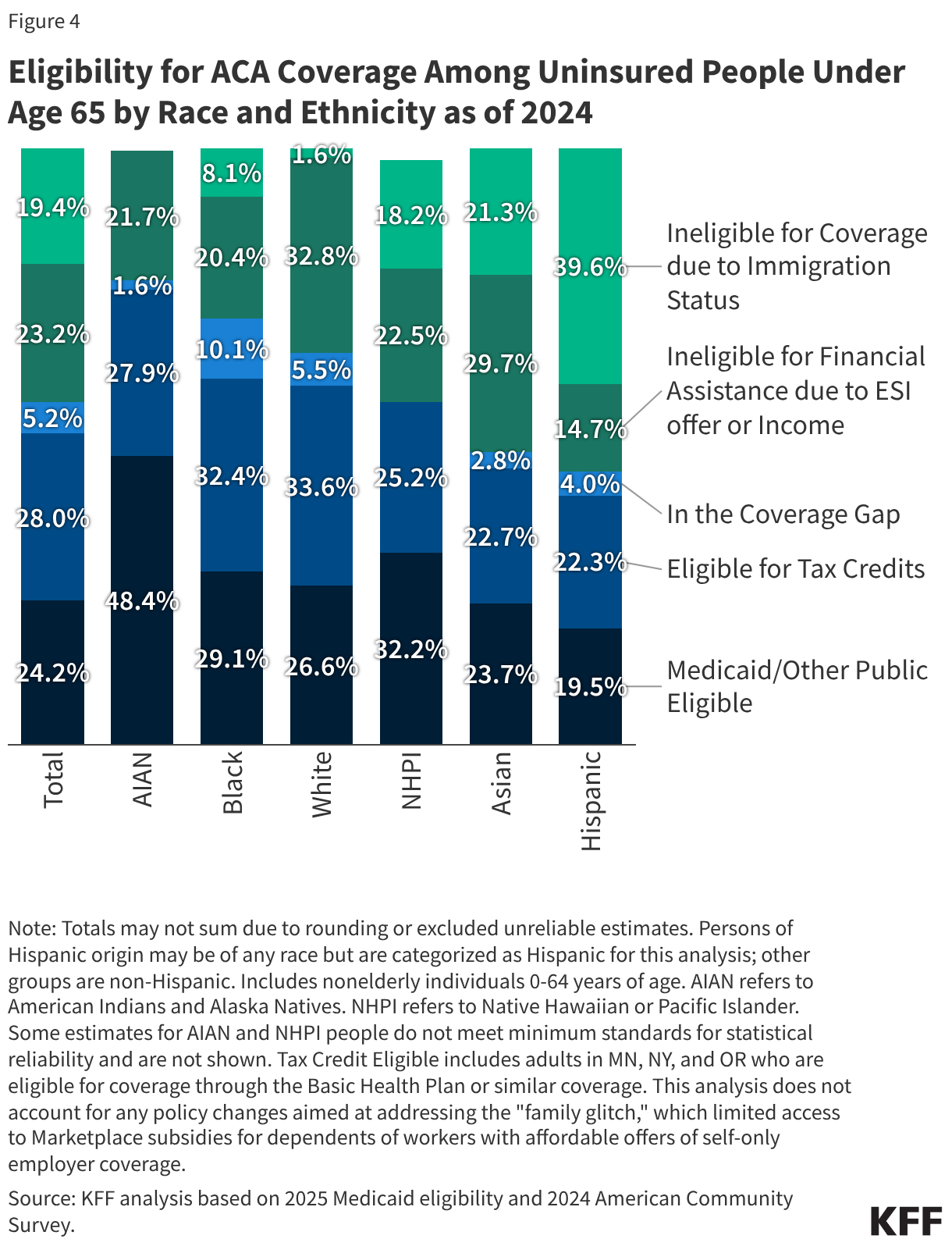
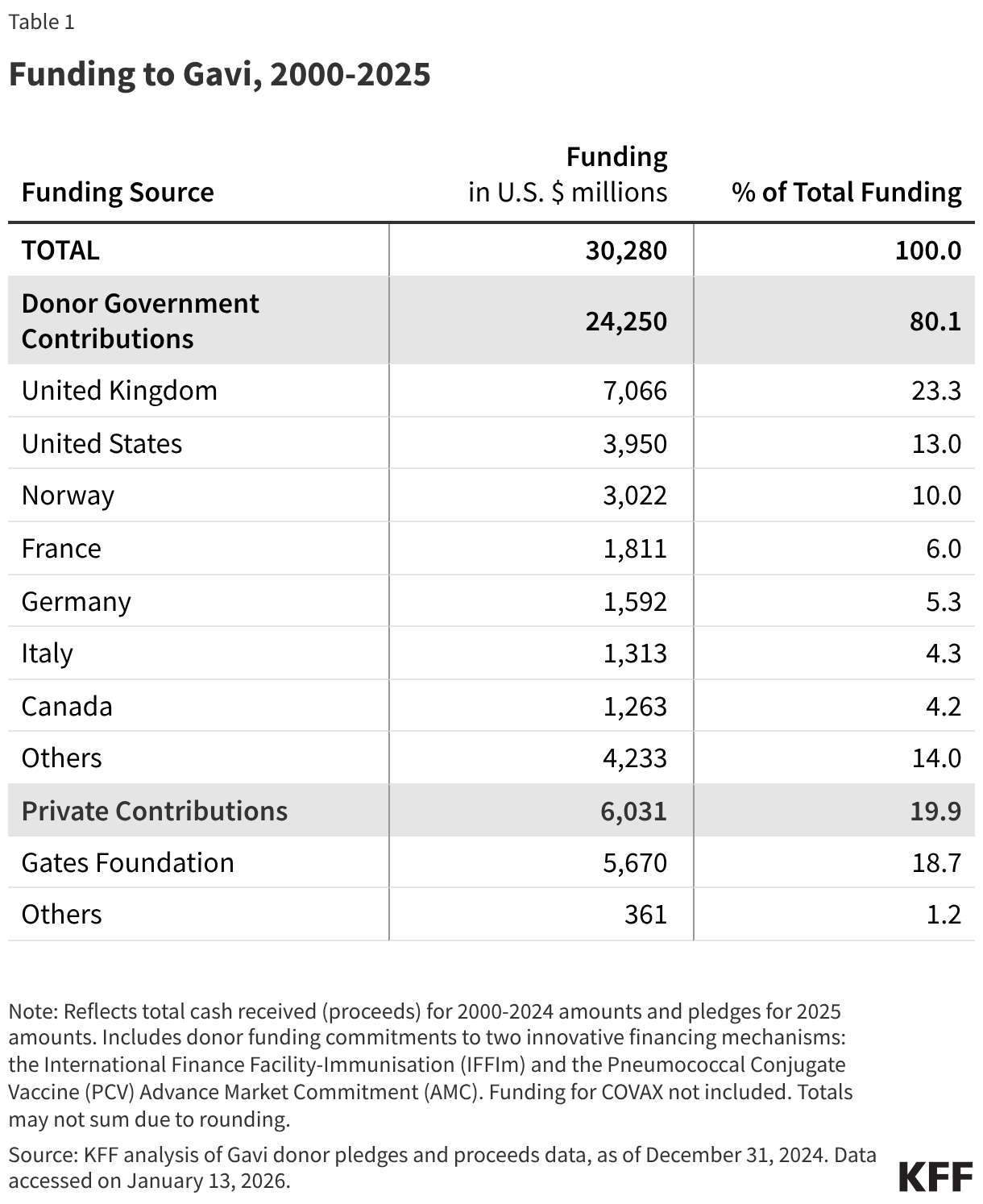
This report draws upon findings from the 25th annual budget survey of Medicaid officials in all 50 states and the District of Columbia conducted by KFF and Health Management Associates (HMA), in collaboration with the National Association of Medicaid Directors (NAMD). (Previous reports can be found here.) This year’s KFF/HMA Medicaid budget survey was conducted from June through October 2025 via a survey sent to each state Medicaid director in June 2025 followed by a set of focus groups with Medicaid officials in different roles (state Medicaid directors and chief financial officers) from various states. Overall, 48 states responded by October 2025,3 although response rates for specific questions varied. The District of Columbia is counted as a state for the purposes of this report. Given differences in the financing structure of their programs, the U.S. territories were not included in this analysis. The survey instrument is included as an appendix to this report.

This report examines Medicaid policies in place or implemented in FY 2025, policy changes implemented at the beginning of FY 2026, and policy changes for which a definite decision has been made to implement in FY 2026 (which began for most states on July 1, 20254). Policies adopted for the upcoming year are occasionally delayed or not implemented for reasons related to legal, fiscal, administrative, systems, or political considerations, or due to CMS approval delays. Key findings, along with state-by-state tables, are included in the following sections:

Delivery Systems

Context

Managed Care Models. For more than three decades, states have increased their reliance on managed care delivery systems with the aim of improving access to certain services, enhancing care coordination and management, and making future costs more predictable. Across the states, there is wide variation in the populations required to enroll in managed care, the services covered (or “carved in”), and the quality and performance incentives and penalties employed. Most states contract with risk-based managed care organizations (MCOs) that cover a comprehensive set of benefits (acute care services and sometimes long-term care), but many also contract with limited benefit prepaid health plans that offer a narrow set of services such as dental care, non-emergency medical transportation, or behavioral health services. A minority of states operate primary care case management (PCCM) programs which retain fee-for-service (FFS) reimbursements to providers but link enrollees with a primary care provider who is paid a small monthly fee to provide case management services in addition to primary care. While the shift to MCOs has increased budget predictability for states, the evidence about the impact of managed care on access to care and costs is both limited and mixed.5,6,7 In 2024, the Biden administration finalized major Medicaid managed care regulations designed to advance access and promote quality of care for enrollees. These rules are complex and set to be implemented over several years unless overturned or delayed by Congress or the Trump administration.

Capitation Rates and Risk Mitigation. MCOs are at financial risk for services covered under their contracts, receiving a per member per month “capitation” payment for these services. Capitation rates must be actuarially sound8 and are applied prospectively, typically for a 12-month rating period, regardless of changes in health care costs or utilization.9 States may use a variety of risk mitigation tools to ensure payments are not too high or too low, including risk sharing arrangements, risk and acuity adjustments, medical loss ratios (MLR), or incentive and withhold arrangements. When, however, significant enrollment, utilization, cost, and acuity changes began to emerge early in the COVID-19 public health emergency, CMS allowed states to modify managed care contracts, and many states implemented COVID-19 related “risk corridors” (where states and health plans agree to share profit or losses), allowing for the recoupment of funds. States and plans faced another period of heightened rate setting uncertainty when the continuous enrollment provision expired on March 31, 2023, resulting in acuity and utilization shifts within the remaining population that were difficult to predict.

Looking ahead, the 2024 Medicaid managed care rule requires states to incorporate all state directed payments (SDPs) through capitation rate setting adjustments instead of using “separate payment terms” (which provide payments outside of base capitation rates) beginning in July 2027.10 The 2025 federal budget reconciliation law (H.R.1) will also create rate setting challenges for states as the Medicaid provisions impacting enrollment and spending (e.g., work requirements, more frequent eligibility redeterminations, and provider tax and SDP caps and reductions) roll out over the next several years.

Prior Authorization and Artificial Intelligence (AI). MCOs often require patients to obtain approval of certain health care services or medications before the care is provided, an insurance practice commonly referred to as “prior authorization”. Subjecting a service or drug to prior authorization allows the MCO to evaluate whether the care is covered, medically necessary, and being delivered in the appropriate setting, but can also increase the administrative burden on providers and sometimes delay or limit access to care. To reduce administrative costs and processing times and increase consistency of decisions, health insurers are increasingly turning to AI to automate the processing of prior authorization requests. Using AI for this purpose, however, is drawing scrutiny due to concerns that poorly implemented AI can harm patients.  In June 2025, the Department of Health and Human Services (HHS ) announced a voluntary initiative where dozens of health insurers pledged to reduce the burden of prior authorizations across insurance markets, including a commitment to expand “real time” responses to electronic prior authorization requests, which may involve increasing the use of AI.  In July 2025, the Trump administration released an AI action plan, emphasizing the removal of regulatory “red tape” and enabling faster adoption of AI tools, and in 2026, the Administration plans to launch a new innovation model to test the use of technologies, including AI and machine learning, in the prior authorization review process for select Medicare services. In September 2025, the launch of the Safe AI in Medicaid Alliance was announced, bringing together 32 states and industry leaders to develop frameworks for AI adoption and use in state Medicaid programs.

This section provides information about:

  • Managed care models
  • MCO medical loss ratio (MLR) and remittance requirements
  • Risk corridors
  • MCO capitation rate amendments and rate setting challenges
  • State oversight of MCO use of AI in prior authorization processes

Findings

Managed Care Models

Capitated managed care remains the predominant delivery system for Medicaid in most states. As of July 1, 2025, all states except five – Alaska, Connecticut,11 Maine, Vermont,12 and Wyoming – had some form of managed care (MCOs and/or PCCM) in place (Figure 2). As of July 1, 2025, 42 states13 were contracting with MCOs (unchanged from 2024); only two of these states (Colorado and Nevada) did not offer MCOs statewide (although Nevada plans to expand MCOs statewide in 2026). Thirteen states reported operating a PCCM program (with the addition of Missouri).14 Although not counted in this year’s report, following the passage of HB 345, Idaho expects to end its PCCM program by December 2025 and implement comprehensive MCOs by January 2029.

Of the 46 states that operate some form of comprehensive managed care (MCOs and/or PCCM), 33 states operate MCOs only, four states operate PCCM programs only, and nine states operate both MCOs and a PCCM program. In total, 28 states15 were contracting with one or more limited benefit prepaid health plans (PHPs) to provide Medicaid benefits including behavioral health care, dental care, vision care, non-emergency medical transportation (NEMT), or long-term care (LTC).

Comprehensive Medicaid Managed Care Models in States as of July 1, 2025 (Choropleth map)

Capitation Rates and Risk Mitigation

Minimum Medical Loss Ratios (MLRs) and Remittance Requirements

The MLR reflects the proportion of total capitation payments received by an MCO spent on clinical services and quality improvement, where the remainder goes to administrative costs and profits. To limit the amount that plans can spend on administration and keep as profit, CMS published a final rule in 2016 that requires states to develop capitation rates for Medicaid to achieve an MLR of at least 85% in the rate year.16 There is no federal requirement for Medicaid plans to pay remittances to the state if they fail to meet the MLR standard, but states have discretion to require remittances. The 2024 Consolidated Appropriations Act included a financial incentive to encourage certain states to collect remittances from Medicaid MCOs that do not meet minimum MLR requirements. As state Medicaid programs faced heightened uncertainty due to the COVID-19 pandemic (2020) and the unwinding of the pandemic-era continuous enrollment provision (starting in 2023), analysis of Medicaid managed care market data (reported to the National Association of Insurance Commissioners) showed a decrease in the average Medicaid MLR in 2020 – 2022 compared with prior years, followed by an increase in 2023. More recent analysis suggests the average Medicaid MLR continued to increase in 2024. This year’s survey asked states whether they have a state required minimum MLR and whether they require MCOs that do not meet the minimum MLR requirement to pay remittances.

Nearly all MCO responding states (38 of 41) reported a minimum MLR requirement is always in place for MCOs as of July 1, 2025 (Figure 3). Among responding states, responses were unchanged/consistent with last year’s survey. While states must use plan-reported MLR data to set future payment rates so that plans will “reasonably achieve” an MLR of at least 85%, states are not required to set a minimum MLR for their managed care plans. If states set a minimum MLR requirement, it must be at least 85%.17 While most states that described their requirements reported a minimum MLR requirement of 85%, several states reported higher requirements that ranged from 86% to 93%. A few states noted that minimum MLRs may vary by program or population. For example, in Pennsylvania, the minimum MLR requirement is set at 85% for MCOs covering acute care only (hospital and physician services) and at 90% for MCOs that cover acute care and LTC. Similarly, New Jersey reported the minimum MLR requirement is set at 85% for non-LTC populations and 90% for LTC populations covered under MCO contracts. In Indiana, the minimum MLR requirement is set at 85% for MCOs that cover children and pregnant individuals, 87% for MCOs that cover ACA expansion adults, and 90% or higher for MCOs that cover more complex populations such as older adults (that may be receiving LTC) and people with disabilities.
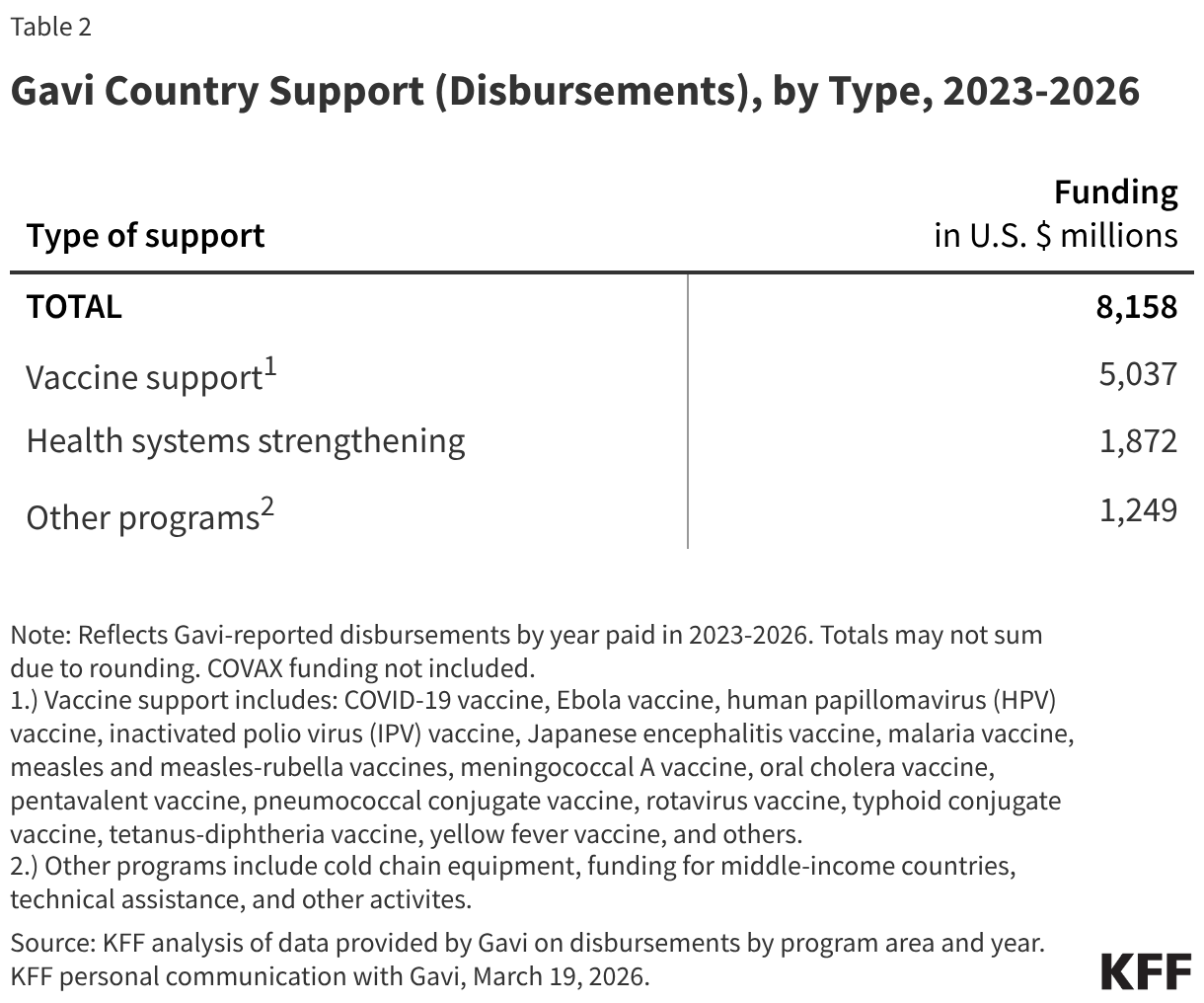
State Medicaid MCO Minimum Medical Loss Ratio (MLR) Requirements in Place as of July 1, 2025 (Choropleth map)

More than three-quarters of responding MCO states (33 of 41) report they always require remittance payments when an MCO does not meet minimum MLR requirements (Figure 4). Thirty-three states reported that they always require MCOs to pay remittances, while three states indicated they sometimes require MCOs to pay remittances (among responding states, responses were generally consistent with last year’s survey18). States reporting that they sometimes require remittances may limit this requirement to certain MCO contracts. For example, Rhode Island reported that the remittance requirement did not apply to all populations.

Additionally, some states (e.g., North Carolina, Oregon, and Tennessee) give MCOs that fail to meet the state required minimum MLR the option to either remit funds to the state and/or use funds towards community reinvestments. California reported CMS requires its plans to pass MLR reporting and remittance requirements down to risk-bearing subcontractors.19 Five states do not require remittances (including two states that do not set a minimum MLR requirement). States that do not have minimum MLR and remittance requirements in place may have other risk mitigation strategies such as profit caps or experience rebates and/or risk corridors.

State Medicaid MCO Minimum Medical Loss Ratio (MLR) Remittance Requirements in Place as of July 1, 2025 (Choropleth map)

Risk Corridors

Risk corridors allow states and health plans to share profit or losses (at percentages specified in plan contracts) if aggregate spending falls above or below specified thresholds. Under two-sided risk corridors, states and plans may share in plan profits and losses. Although less common, some states may use “one-sided” risk corridors that apply only to profits or losses. Risk corridor thresholds may be tied to a target MLR. Risk corridors may cover all/most medical services (and enrollees) under a contract or may be more narrowly defined, covering a subset of services or enrollees. States may introduce risk corridors on a time-limited basis—for example, following the expansion of coverage to new groups (e.g., ACA Medicaid expansion adults). CMS encouraged states to implement two-sided risk mitigation strategies, including risk corridors, for rating periods impacted by the COVID-19 public health emergency. In 2023, nearly two-thirds of responding MCO states reported implementing a pandemic-related MCO risk corridor (in 2020, 2021, and/or 2022), leading to the recoupment of payments for many states. In this year’s survey, states were asked whether they were using risk corridors as a tool to protect the state and/or MCOs against risk of capitation rates significantly differing from actual experience for MCO contracts in place as of July 1, 2025.
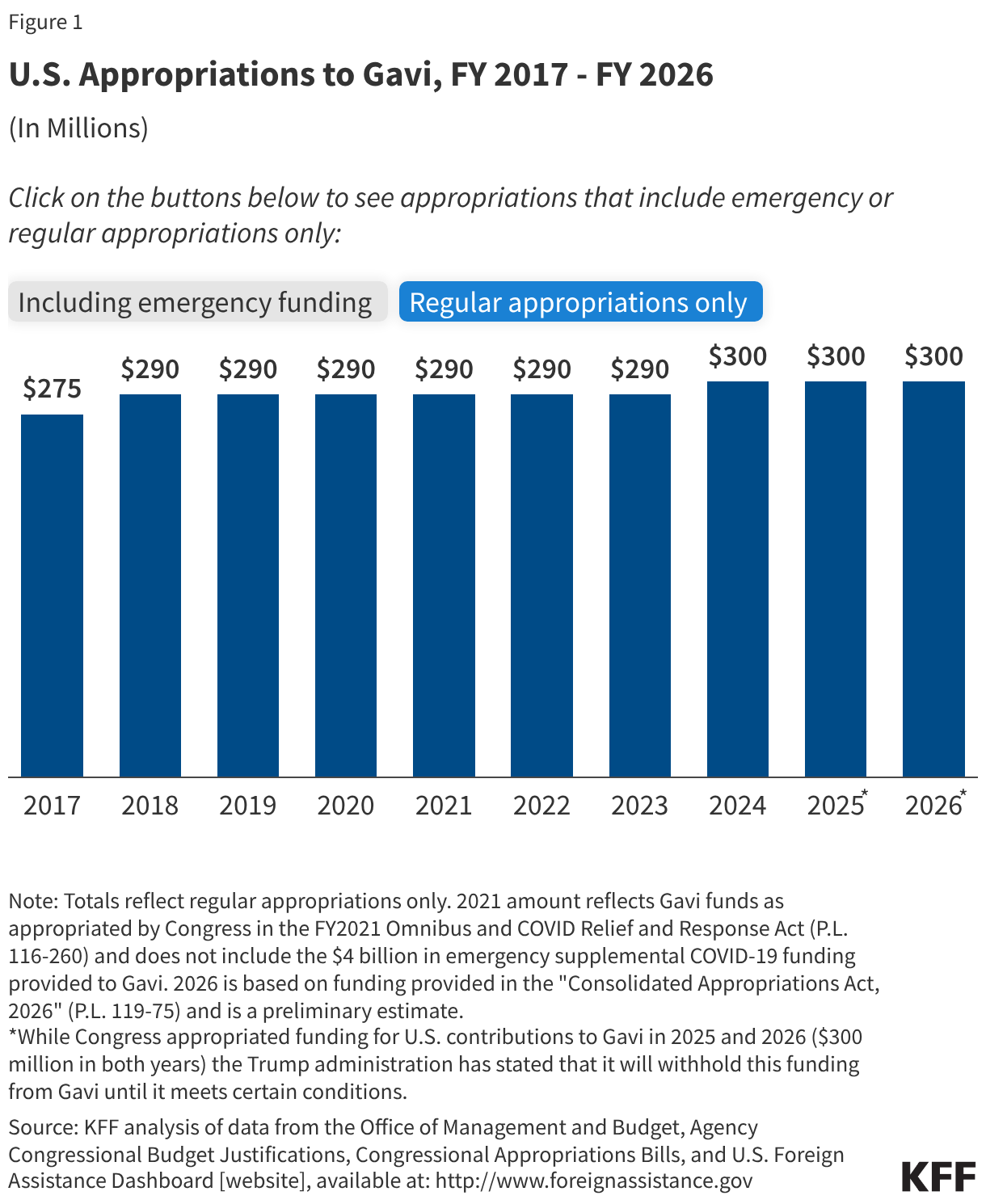
Over two-thirds of responding MCO states (26 of 38) reported using risk corridors for MCO contracts in place as of July 1, 2025 (Figure 5).20 Some of the risk corridors that states described broadly apply to all/most populations and/or costs while other risk corridors apply to specific populations and/or a subset of costs. States frequently reported the use of multiple risk corridors. For example, Arizona reported using a two-sided medical risk corridor (for all programs) which includes benefit costs but excludes administrative costs and a two-sided risk corridor for fixed administrative costs for its largest program with the most population fluctuation (to ensure fixed costs are covered regardless of population fluctuations). California reported several risk corridors including a two-sided risk corridor for its new Enhanced Case Management (ECM) benefit, noting the potential variability (e.g., by plan and region) associated with the implementation and ramp up of ECM supports; a two-sided risk corridor for state directed supplemental payments for family planning services; and a two-sided risk corridor for a new federally qualified health center alternative payment model (APM) program. While the majority of risk corridors described by states are two-sided, at least three states (Nebraska, Washington, and West Virginia) reported using one-sided risk corridors for at least certain populations or MCO programs.

State Use of Risk Corridors in MCO Contracts as of July 1, 2025 (Choropleth map)

Rate Amendments and Rate Setting Challenges

State Medicaid programs use the most recent and accurate enrollment, cost, and utilization data available to ensure that MCO capitation rates are actuarially sound and that MCOs are not over-paid or under-paid for the services they deliver. Even if risk mitigation strategies are in place (e.g., MLR with remittance and/or risk corridors), states may determine rate amendments are necessary, for example, if their actual experience differs significantly from the assumptions used for the initial certified rates. During a contract rating period, states may increase or decrease rates by 1.5% per rate cell (which apply to population subgroups with one or more common characteristics such as age, gender, eligibility category, and geographic region) without seeking CMS approval for the change (different rules apply for states with approved rate ranges per cell).21 To make a larger change, states must submit a rate amendment for federal approval that addresses and accounts for all differences from the most recently certified rates.

During the unwinding of the pandemic-era Medicaid continuous enrollment provision, millions of people were disenrolled and states and plans faced considerable rate setting uncertainty. Higher member risk and utilization patterns began to emerge by late 2023, and many states sought federal approval to adjust rates to address these shifts in FY 2024. This year’s survey asked states whether they have or will seek CMS approval for a capitation rate amendment to certified rates to address unanticipated shifts in acuity and/or utilization in the rating period that began in FY 2025.

Half of responding MCO states (19 of 38) reported seeking CMS approval for a capitation rate amendment to address unanticipated shifts in acuity and/or utilization for a rating period beginning in FY 2025 (Figure 6). Of the 19 states that reported seeking rate amendments, nearly all reported that the amendment(s) resulted in an increase to capitation rates and about two-thirds reported that the changes applied retrospectively (i.e., adjusted capitation rates for a period that already passed).

State Use of Capitation Rate Amendments to Address Unanticipated Shifts in Acuity and/or Utilization for a Rating Period Beginning in FY 2025 (Table)

During the unwinding period, state actuaries used a variety of approaches to account for changes in cost, utilization, and member acuity.22 This year’s survey included questions to better understand capitation rate setting challenges in the post-unwinding environment. Some states noted making significant changes to the process for developing actuarially sound capitation rates post-unwinding, including the incorporation of acuity adjustments and mid-year reviews of rates to determine if changes are appropriate.

Most responding MCO states reported experiencing or expecting to experience new or notable challenges setting capitation rates for rating period(s) that begin in FY 2026. Many of these states reported challenges due to higher acuity and utilization trends. Some states reported challenges with projecting future pharmacy trends and costs. A few states also mentioned rising medical costs (e.g., inpatient hospital costs) as well as state budgetary pressures and uncertainty. Many states anticipate challenges with projecting potential impacts of federal policy changes effective after FY 2026. This includes work requirements and more frequent eligibility redeterminations for expansion adults under the recently passed reconciliation law, which has implications for member enrollment and acuity (on average). Several states also mentioned challenges with calculating SDPs stemming from regulatory changes (e.g., the 2024 managed care rule’s prohibition on separate terms), and a few states mentioned uncertainty regarding the reconciliation law’s limits on SDPs.

Prior Authorization and Artificial Intelligence (AI)

While health insurers are increasingly using AI to automate parts of the prior authorization process, there is limited information available about its use and impact within Medicaid managed care. The Medicaid and CHIP Payment And Access Commission (MACPAC) found that while there are potential benefits of automation in prior authorization such as administrative efficiencies and faster processing times, it may also pose potential risks or challenges depending on how it is administered and monitored. In the absence of comprehensive federal policy governing AI use and oversight in prior authorization, some states have taken steps to regulate or monitor use of AI by health plans. A November 2024 report from the National Association of Insurance Commissioners highlighted that transparency to consumers, providers, and regulators is an important component of AI oversight. This year’s survey asked states whether the MCOs with which they contract use AI in their prior authorization processes as of July 1, 2025.23

Nearly half of responding MCO states (17 of 38) reported knowledge of at least some of the MCOs with which they contract using AI in their prior authorization processes as of July 1, 2025 (Figure 7). At least two states (Oklahoma and South Carolina) reported that AI is used only for prior authorization approvals (vs. use for denials/adverse determinations). Some states that did not report MCO usage of AI may not know or currently track this information.

States Reporting MCO Use of AI in their Prior Authorization Processes as of July 1, 2025 (Choropleth map)

Less than one-quarter of responding MCO states (7 of 38) reported requiring MCOs to disclose the use of AI in prior authorization processes. States were asked if they require MCOs to disclose the use of AI in prior authorization processes (to the state Medicaid agency, enrollees, and/or providers) as of July 1, 2025. Seven states (California, District of Columbia, Georgia, Indiana, Nebraska, Tennessee, and Virginia) reported requiring disclosure to the state Medicaid agency. Five of those states (District of Columbia, Indiana, Nebraska, Tennessee, and Virginia) indicated MCOs must submit a request to use AI to the state technology officer or Medicaid agency for review before implementation. Three states (California, Georgia, and Indiana) reported requiring disclosure to enrollees and providers.

State examples of AI disclosure requirements include:                                  

  • In California, MCOs are required to disclose the use and oversight of AI tools in their written utilization management policies and procedures. These documents must be made available to providers, enrollees, and the public upon request.
  • Indiana has adopted an AI policy governing the use of AI technologies across all state agencies. In alignment with this policy, the state Medicaid agency requires plans to submit any AI tools or systems for formal review. Indiana’s State Agency AI Systems Standard requires MCOs to conduct a readiness assessment prior to implementation or use of any AI tool or system as well as annual follow-up or ad hoc assessments when significant changes are made to the AI tool.
  • In Tennessee, MCOs are required to contact the state Medicaid agency’s AI Governance Committee when the use of AI is contemplated in any capacity. MCOs must share what vendor is being considered, what purpose the AI is serving, how outputs are being verified, what system risks and vulnerabilities exist, and how data is being safeguarded.

Many states reported concerns and challenges with the use of AI in MCO prior authorization processes. When asked to describe their top concerns or challenges (if any) with the use of AI in MCO prior authorization processes, states frequently cited potential for bias, improper denials, privacy and security risks, and inadequate human/clinician oversight. Some states also reported concerns with ensuring compliance with federal and state requirements, complexities related to oversight, and transparency of AI decision-making processes.

Several states reported implementing new or expanded oversight activities or adopting other safeguards in FY 2025 or 2026 to support appropriate use of AI in MCO prior authorization processes. For example, five states (California, Maryland, Nevada, New Hampshire, and Ohio) reported introducing or plans to introduce language in MCO contracts regarding the use of AI. Texas reported working to develop a standard process to review MCO AI tools prior to implementation.

Provider Rates and Taxes

Context

States have substantial flexibility to establish Medicaid provider reimbursement methodologies and amounts, especially within a fee-for-service (FFS) delivery system where a state Medicaid agency pays providers or groups of providers directly. While states with capitated managed care arrangements are generally not permitted to direct how their contracted managed care organizations (MCOs) pay providers, state determined FFS rates remain important benchmarks for MCO payments in most states.

Fee-for-Service Rates. Federal law and regulations grant states broad latitude to determine FFS provider payments but also requires that payments be sufficient to ensure that Medicaid enrollees have access to care that is equal to the level of access enjoyed by the general population in the same geographic area.24 CMS reviews and approves state changes to FFS payment methodologies through the Medicaid state plan amendment process.25 In addition to FFS provider payments, states are permitted to make multiple types of “supplemental” payments. States make these payments for a variety of purposes including to supplement Medicaid “base” FFS payment rates that often do not fully cover provider costs as well as to help support the costs of care for uninsured patients. States may also develop special payment policies or tailor supplemental payments to specific provider types, including rural hospitals or other rural providers, to ensure access.

Provider Rate Implications of Economic and Fiscal Conditions. Historically, FFS provider rate changes have generally reflected broader economic conditions. During economic or fiscal downturns that weaken state revenue collections, states have typically turned to provider rate restrictions to contain costs. Conversely, states are more likely to increase provider rates during periods of recovery and revenue growth. During the COVID-19 public health emergency, however, states were able to generally avoid rate cuts due to temporary federal support from the pandemic-related enhanced Medicaid matching funds as well as enhanced funding for home and community-based services (HCBS). With pandemic-era relief largely expired and growing fiscal uncertainty driven, in part, by slowing state revenue growth and federal funding cuts, states are again facing budget pressures, leading some to turn to provider rate restrictions to close budget gaps.

Managed Care Provider Rates. States pay Medicaid MCOs a set per member per month (“capitation”) payment for the Medicaid services specified in their contracts. Under federal law, payments to Medicaid MCOs must be actuarially sound. Actuarial soundness means that “the capitation rates are projected to provide for all reasonable, appropriate, and attainable costs that are required under the terms of the contract and for the operation of the managed care plan for the time period and the population covered under the terms of the contract.” Plan rates are usually set for a 12-month rating period and must be reviewed and approved by CMS each year.

State Directed Payments. States are generally prohibited from contractually directing how an MCO pays its providers.26 Subject to CMS approval, however, states may implement certain “state directed payments” (SDPs)27 that require MCOs to adopt minimum or maximum provider payment fee schedules, provide uniform dollar or percentage increases to network providers (above base payment rates), or implement value-based provider payment arrangements. The 2024 Managed Care rule codified an SDP upper limit for hospitals, nursing facilities, and professional services at an academic medical center equal to the “average commercial rate” (ACR), which is generally higher than the Medicare payment ceiling used for other Medicaid fee-for-service supplemental payments. The 2025 federal budget reconciliation law (H.R.1) directs HHS to revise SDP regulations to cap the total payment rate for inpatient hospital and nursing facility services at 100% of the total published Medicare payment rate for states that have adopted the Medicaid expansion and at 110%28 of the total published Medicare payment rate for states that have not adopted the expansion. Previously approved and submitted SDPs are initially grandfathered29 but will be reduced by ten percentage points each year (starting January 1, 2028) until they reach the allowable Medicare-related payment limit. States may continue funding for approved and submitted SDPs at their current expenditure levels until January 1, 2028, at which point they will be reduced. The Congressional Budget Office (CBO) estimated revising the payment limit for state directed payments will result in $149 billion in federal savings over ten years.

Provider Taxes. States have considerable flexibility in determining how to finance the non-federal share of state Medicaid payments, within certain limits. In addition to state general funds appropriated directly to the Medicaid program, most states also rely on funding from health care providers and local governments generated through provider taxes, user fees, intergovernmental transfers (IGTs), and certified public expenditures (CPEs). Over time, states have increased their reliance on provider taxes, with expansions often driven by economic downturns or a desire to fund eligibility expansions or provider reimbursement increases. Federal regulations30 require provider taxes to be broad-based (imposed on all non-governmental entities, items, and services within a class), and uniform (consistent in amount and scope across the entities, items, or services to which it applies), and must not hold taxpayers harmless (i.e., directly or indirectly guarantee that the provider will be repaid for all or a portion of the tax). Also, a provider tax will meet the hold harmless “safe harbor threshold” if it generates revenue that does not exceed 6% of net patient revenue.

H.R.1 imposes significant new restrictions on states’ ability to generate Medicaid provider tax revenue. Effective upon passage, the law prohibits states from establishing any new provider taxes or from increasing the rates of existing taxes. It also revises the conditions under which states may receive a waiver of the requirement that taxes be broad-based and uniform making some taxes currently in place impermissible in future years.31 These provisions overlap with a proposed rule released May 12, 2025. Beginning in federal fiscal year (FFY) 2028, H.R.1 also gradually reduces the safe harbor limit for states that have adopted the ACA expansion by 0.5% annually until the safe harbor limit reaches 3.5% in FFY 2032. The new limit also applies to local government taxes in expansion states. However, this revised threshold does not apply to provider taxes on nursing facilities and intermediate care facilities. CBO estimated these provider tax policy changes will reduce federal Medicaid spending by $191 billion over ten years (or more than $200 billion after also accounting for the uniformity changes).

This section provides information about:

  • Hospital reimbursement
  • Nursing facility reimbursement
  • FFS reimbursement rates for other provider types
  • Rural payment adjustments
  • Provider taxes

Findings

FFS Reimbursement Rates

At the time of the survey, responding states had implemented or were planning more FFS rate increases than rate restrictions in both FY 2025 and FY 2026 (Tables 1 and 2). More than three-quarters of responding states in FY 2025 (47 of 48) and three-quarters of responding states in FY 2026 (41 of 48) reported implementing rate increases for at least one category of provider, comparable to prior survey results for 2024 (49 of 50 responding states). However, across many individual provider types, notably fewer states reported rate increases in FY 2025, or planned for FY 2026, compared with FY 2024 (Figure 8) (or the previous four fiscal years FY 2021-FY 2024), likely reflecting the expiration of pandemic-era fiscal relief and growing fiscal uncertainty driven by softening state revenue growth and federal funding reductions.

FFS Provider Rate Increases Implemented in FY 2024 & FY 2025 and Adopted for FY 2026 (Grouped Bars)

States continue to report rate increases for nursing facilities and HCBS providers more often than for other provider categories (Figure 8). Many states employ cost-based reimbursement methodologies for nursing facility services that automatically adjust for inflation and other cost factors during the rate setting process. Several states also commented that HCBS increases reflected inflationary adjustments, were implemented following rate or cost studies, or were tied to minimum wage changes. Likely reflecting the ongoing staffing-related challenges impacting nursing facility services, several states reported more significant nursing facility rate increases:

  • Maine reported increasing rates in January 2025 as part of broader reform of its nursing facility reimbursement methodology which includes a quality bonus pool that will reward improvements in staff stability and resident and family satisfaction as well as reductions in the inappropriate use of antipsychotic medications. Maine also reported making one-time supplemental payments to nursing facilities in FY 2025 to address continued post-pandemic cost challenges and to assist facilities with the transition to the new reimbursement methodology.
  • Oklahoma increased rates by 8.96% in FY 2025, and Pennsylvania increased rates by 7.04% effective January 1, 2025.
  • Rhode Island increased rates by 14.5%, effective October 1, 2024, following the completion of a Medicaid rate review, and reported plans to transition from a Resource Utilization Groups (RUGs)-based reimbursement methodology to a Patient-Driven Payment Model (PDPM) methodology on October 1, 2025.
  • Washington reported increasing overall rates by 10% in FY 2025 to ensure a stable transition from a RUGs-based reimbursement methodology to a PDPM methodology.

However, only a few states reported notable HCBS increases:

  • Michigan increased personal care services rates by 37.4% for agency providers and 16.5% for individual providers 16.5% in FY 2025.
  • Washington reported a 7.5% increase for home health and private duty nursing providers in FY 2025.
  • Wisconsin does not make adult HCBS FFS payments but did implement a minimum fee schedule for adult home and community-based services as of October 1, 2024, that MCOs must pay certain HCBS providers. The change, funded from the state’s American Rescue Plan Act (ARPA) allocation, was estimated to result in an average 15% rate increase for most supportive home care services.

About half of states (23) implemented FFS rate increases for one or more outpatient behavioral health providers in FY 2025; fewer states (14) are planning to implement behavioral health rate increases in FY 2026 (Figure 8). Several states commented that increases reflected inflationary adjustments or were driven by rate studies. A few states mentioned more notable increases:

  • In addition to inflationary adjustments for other behavioral health services, Alaska increased rates for autism services by 12.1% effective July 1, 2024.
  • Iowa reported FY 2025 rate increases of approximately 10.6%.
  • Michigan reported increasing psychiatric procedure codes by 4% and non-physician behavioral health rates (e.g., for psychologists, professional counselors, family and marriage therapists, and social workers) from 75% of physician rates to 90% for FY 2025.
  • Minnesota added an annual inflation adjustment (using the CMS Medicare Economic Index) to certain behavioral health services rates in FY 2025 and is increasing behavioral health rates to 83% of Medicare rates in FY 2026.

Box 1: Rural Payment Adjustments. 

Rural hospitals often face financial pressures related to lower occupancy rates, high levels of uncompensated care, and other challenges. Many have recently closed or are at risk of closure as a result of these pressures. States were asked if they have any Medicaid payment adjustments or enhancements in place in FY 2026 designed to promote access to hospitals or other providers in rural areas — about half of states reported at least one policy to support rural providers.

Many states have adopted special payment policies for rural hospitals, including cost-based reimbursement for Critical Access Hospitals (CAHs) and targeted supplemental payments. In addition to these mechanisms, states reported enhanced base rates, add on payments, and wage index adjustments for rural hospitals and other providers. A handful of states reported that they target rural payment adjustments or enhancements to specific services, including maternity, psychiatry, and dental. For example, at least three states (Georgia, Texas, Wyoming) support maternity services in rural areas with add-on payments or other payment policies, Ohio offers an enhanced fee schedule for dental services in rural counties, and Maine makes add-on payments for ambulance providers and pharmacies located in rural areas. Michigan reported an Inpatient and Outpatient Rural Hospital Pool, partially supported by Medicaid funds, to incentivize improvements by rural hospitals in quality and efficiency metrics.

Several states also noted plans to leverage the Rural Health Transformation Program included in H.R.1. This program provides $50 billion in funding for state grants that can be used to support rural areas in a variety of ways including to pay for health care services, expand the rural health workforce, promote care interventions, and provide technical assistance with system transformation.


Six states in FY 2025 and six states in FY 2026 restricted rates for at least one provider type,
a notable uptick compared with the number of states reporting provider rate decreases for FY 2024 (1 state) and FY 2023 (2 states).

Most of the reductions reported were limited or targeted:

  • Three of the four states reporting primary care and/or OB/GYN rate reductions in FY 2025 (Idaho, Indiana, and Maine) commented that the state’s rates were benchmarked to Medicare rates resulting in a net decrease, overall, as of January 1, 2025.
  • California reported that, for FY 2025, Designated Public Hospitals (DPHs)32 saw an average rate decrease of 13.4% while its non-DPH hospitals that follow a DRG methodology saw base rate increases of 4.8%. Maryland and Massachusetts also reported decreases to inpatient and outpatient hospital FFS base rates for FY 2025.
  • Nebraska reported reductions to Applied Behavioral Analysis (ABA) rates in FY 2026.
  • Wyoming reported decreases to some HCBS rates in FY 2026 due to the expiration of ARPA enhanced HCBS funding.

A few states, however, reported broader reductions in FY 2026 driven by the need to reduce overall Medicaid expenditures:

  • Idaho officials announced 4% across the board reductions, starting September 1, 2025, for all provider types and services, citing unsustainable health care cost growth. The state Department of Health and Welfare noted the cuts will save $36.8 million in FY 2026.
  • Washington reported FY 2026 rate reductions to selected programs and codes, including certain primary care (excluding E&M) and certain mental health codes, dental rate cuts for both adults and children, and a modest (less than 1%) rate reduction for nursing facilities.
  • Also, at the time of this report, the North Carolina legislature was considering legislation to increase FY 2026 Medicaid appropriations for the purpose of reversing 3% across the board rate reductions that went into effect on October 1, 2025, but ended its October 2025 session without taking action on the Medicaid reductions or passing a full state budget.

While not counted as rate reductions, two states reported a pause or reversal of previously planned increases: California reported pausing provider tax-funded FY 2026 rate increases for primary care providers, OB/GYNs, and behavioral health clinicians, due to provisions in H.R.1 affecting those taxes, and in August 2025, Colorado Governor Polis announced the state’s plans to reverse the 1.6% across the board increases in FY 2026 Medicaid provider rates (as of October 1, 2025).

Provider Taxes

Almost all states rely on provider taxes and fees to fund a portion of the non-federal share of Medicaid costs. Since 2013, all states, except Alaska, have had at least one provider tax or fee in place, and these provider taxes and fees comprised a significant share (a median across states of 18%) of the non-federal share of total Medicaid payments in FY 2026 according to KFF analysis, though there was considerable variation across states. In FY 2025, most states had multiple provider taxes in place (Tables 3 and 4).33 The most common Medicaid provider taxes in place in FY 2025 were taxes on hospitals (47 states) and nursing facilities (45 states), intermediate care facilities for individuals with intellectual disabilities (33 states), MCOs34 (22 states), and ambulance providers (21 states) (Figure 9 and Tables 3 and 4). Provider tax revenues are most likely to be near the 6% safe harbor limit for nursing facilities followed by hospitals and intermediate care facilities for people with intellectual or developmental disabilities (Figure 9 and Table 3).

Most responding states indicated provider tax revenue is used to increase FFS or MCO payment rates or supplemental payments to providers. Some states reported using revenue from provider taxes to finance eligibility expansions, including the ACA Medicaid expansion. In contrast, some states indicated provider tax revenues are used generally to support the Medicaid program/state share while other states indicated provider tax revenues end up in the state general fund and are not earmarked for Medicaid specifically.

State Reported Size of Tax by Provider Tax Type, FY 2025 (Stacked column chart)

Effective upon passage (July 4, 2025) the reconciliation law prohibits states from establishing any new provider taxes or from increasing the rates of existing taxes. H.R.1 also revises the conditions under which states may receive a waiver of the requirement that taxes be broad-based and uniform – i.e., generally redistributive. This provision, which is likely to result in some current taxes becoming impermissible (especially certain MCO taxes), is effective upon passage, but the HHS secretary has discretion to apply a transition period of up to three fiscal years.35

Beginning in FFY 2028, H.R.1 reduces the safe harbor limit for states that have adopted the ACA expansion by 0.5% annually until the safe harbor limit reaches 3.5% in FFY 2032. The new limit applies to taxes on all providers except nursing facilities and intermediate care facilities. As of July 1, 2025, 31 Medicaid expansion states reported having a non-exempt provider tax exceeding 3.5% (Table 4).36

At the time of the survey, four states reported plans to add new taxes in FY 2026 and 18 states37 reported plans to increase one or more taxes in FY 2026, but these plans may be affected by the passage of H.R.1. The four states reporting plans to add new taxes in FY 2026 include Montana and Nevada (adding new ambulance taxes) and Indiana and Nebraska (adding new MCO taxes). Increases reported in FY 2026 were most commonly for taxes on hospitals. No states reported plans to eliminate taxes in FY 2026 but six states reported plans to decrease one or more provider taxes in FY 2026: Arkansas and Washington are planning to decrease their ambulance taxes; Idaho is planning to decrease its tax on intermediate care facilities for individuals with intellectual disabilities; Iowa and Massachusetts are planning to decrease their MCO taxes; and Pennsylvania is planning to decrease its nursing facility tax.

Several states commented on the implications of the 2025 reconciliation law safe harbor changes for their states in the future. Some noted the potential for significant state budget impacts while others noted that provider payment reductions would result. A few states commented that state directed payments funded with provider tax revenues would need to be reduced if states were unable to offset lost provider tax revenues from other state revenue sources.

FFS Provider Rate Changes, FY 2025 (Table)
FFS Provider Rate Changes, FY 2026 (Table)
States With Institutional Provider Taxes in Place in FY 2025, Size of Tax as a Percentage of Net Patient Revenue on 7/1/25,  and Changes for FY 2026 (Table)
States With Non-Institutional Provider Taxes in Place in FY 2025, Size of Tax as a Percentage of Net Patient Revenue on 7/1/25, and Changes for FY 2026 (Table)

Benefits

Context

Scope of Medicaid Benefits. State Medicaid programs must cover a comprehensive set of “mandatory” benefits, including items and services typically excluded from traditional insurance such as non-emergency medical transportation and long-term care. States may additionally cover a broad range of optional benefits defined in statute or permissible under other authorities such as Section 1115 waivers. All states cover prescription drugs as an optional benefit, and most states cover other optional services such as physical therapy, eyeglasses, and adult dental care. While most home and community-based services (HCBS) are optional and all states offer some HCBS through Medicaid, changes to HCBS services are tracked in a separate KFF survey.

States may apply reasonable service limits based on medical necessity or to control utilization, but once covered, services must be “sufficient in amount, duration and scope to reasonably achieve their purpose.”38,39 There are additional protections and flexibilities for children and youth up to age 2140 under the Early and Periodic Screening, Diagnostic, and Treatment (EPSDT). This benefit ensures access to any medically necessary service identified in federal Medicaid statute without limitation, including services the state does not otherwise cover. EPSDT is especially important for children with disabilities because it allows children access to a broader set of benefits to address complex health needs.

The ability to cover optional benefits and place limits on items and services results in wide variation across states. State Medicaid benefit design is also impacted by prevailing economic and fiscal conditions: states are more likely to adopt restrictions or limit benefits in response to state budgetary pressures and expand or restore benefits as conditions improve. In the last few years, many states expanded coverage of behavioral healthmaternity, and dental services. States also invested in new Medicaid benefits to address social determinants of health (SDOH) and associated health-related social needs (HRSN) (e.g., housing, nutrition). In March 2025, however, the Trump administration rescinded the Biden administration HRSN Section 1115 waiver guidance. CMS has indicated that, while existing HRSN approvals remain in place, going forward CMS will consider SDOH waiver requests on a case-by-case basis.

In FY 2025 and FY 2026, benefit expansions far outweigh benefit restrictions and limitations (consistent with prior years), but as states face a more tenuous fiscal climate  and start to prepare for the impact of the 2025 federal budget reconciliation law (H.R.1), state Medicaid agencies are likely to face increasing pressure to cut or limit optional benefits to reduce Medicaid costs. This section provides information about benefit changes made in FY 2025 or planned for FY 2026.

Findings

Benefit Changes

States were asked about benefit changes implemented during FY 2025 or planned for FY 2026, excluding eligibility expansions, telehealth policy changes, HCBS, and changes made to comply with federal requirements.

Benefit Changes Reported by States, FYs 2011 - 2026 (Grouped column chart)

The number of states reporting new benefits and benefit enhancements continues to greatly outpace the number of states reporting benefit cuts and limitations (Figure 10 and Table 5). Thirty-seven states reported new or enhanced benefits in FY 2025, and 36 states reported plans to add or enhance benefits in FY 2026.41 Three states reported benefit cuts or limitations in FY 2025, and four states reported cuts or limitations in FY 2026. There are additional details about benefit enhancements or additions in select benefit categories below (Figure 11).

Selected Categories of Benefit Enhancements or Additions, FYs 2025 - 2026 (Grouped Bars)

Behavioral Health Services. Behavioral health services are not a specifically defined category of Medicaid benefits. Some fall under mandatory Medicaid benefit categories (e.g., physician services) while others fall under optional benefit categories (e.g., rehabilitative services). Compared with adults, behavioral health services for children are more comprehensive due to Medicaid’s EPSDT benefit for children. Mental health and substance use disorder (SUD) services continue to be one of the most frequently reported categories of benefit expansions. Consistent with trends in recent years, states reported expanding services across the behavioral health care continuum, particularly community-based behavioral health services. One of the most frequently reported benefit enhancements is the addition or expansion of peer supports. Peer support services are provided by individuals with lived experience and can help enrollees by providing emotional support or navigation of health care or other social services. 

  • Services for Children and Youth. At least ten states reported expanding behavioral health services for children, youth, and/or families,42 including those involved in the child welfare system. These include therapeutic foster care and parenting support services. For example, Texas implemented certified family partner services for parents, legally authorized representatives, or primary caregivers of Medicaid-eligible children or youth diagnosed with a serious emotional disturbance or MH/SUD condition. Services include introducing the family to the mental health treatment process, modeling advocacy skills, providing information, making referrals, providing skills training, and helping to identify supports for the child and family.
  • Crisis Services. At least four states43 reported benefit actions related to the addition or expansion of crisis services, including two states (Maine and Nebraska) enhancing their mobile crisis response.
  • Physical and Behavioral Health Integration. Nine states44 reported benefit actions related to promoting more coordinated and integrated physical and behavioral health care, including adding coverage for services provided under the Collaborative Care Model (CoCM) and implementing or expanding Certified Community Behavioral Health Clinics (CCBHCs).45
  • Comprehensive Behavioral Health Reforms. A few states reported comprehensive initiatives to expand access to community-based behavioral health services and services to keep individuals living with significant behavioral health needs in the community. For example, California’s BH-CONNECT initiative uses Section 1115 waiver authority to add coverage of evidence-based practices such as assertive community treatment (ACT), coordinated specialty care (CSC) for first episode psychosis, and clubhouse services. BH-Connect will also implement a new incentive program for behavioral health plans and make significant investments in strengthening the behavioral health workforce. Kentucky’s 1915(i) RISE initiative for adults with serious mental illness provides a package of ten wraparound services to promote recovery, including but not limited to assistive technology, case management, housing and tenancy supports, supported education and employment, non-medical transportation, and caregiver respite.

Pregnancy and Postpartum Services. Medicaid covers more than four in ten births nationally and the majority of births in many states. To help reduce maternal morbidity and mortality, as well as address disparities in maternal and infant health outcomes, states continue to expand and enhance covered prenatal, delivery, and postpartum services. Alongside these benefit enhancements, the vast majority of states have implemented a Medicaid 12-month postpartum coverage extension. Fifteen states reported adding or expanding coverage of doula services in FY 2025 or FY 2026.46 Seven states reported new benefits to help parents initiate or maintain breastfeeding, including breast pumps, human donor milk, and lactation consultation.47 Other examples of expanded pregnancy and postpartum services include:

  • Illinois added coverage for professional midwife services in FY 2025. In FY 2026, Colorado plans to allow professional midwives as an allowed provider type for home birth services, and Oklahoma plans to add coverage for professional midwives.
  • Arkansas and Texas reported adding coverage of community health workers for pregnant individuals.
  • In FY 2025, Tennessee began covering 100 diapers per month for children under age two under its TennCare 1115 waiver. In FY 2026, New Mexico and New Jersey will cover home-delivered, medically tailored meals for pregnant and postpartum individuals with diabetes under approved Section 1115 waivers.
  • In FY 2025, Illinois and New Jersey reported expansions of home visiting services during and after pregnancy.
  • Nebraska reported implementing the Prenatal Plus Program, which provides services for pregnant individuals at risk of having a negative maternal or infant health outcome. Services include nutrition counseling, psychosocial counseling and support, education and health promotion, breastfeeding support, and targeted case management.
  • Massachusetts reported coverage of perinatal peer recovery coach and recovery support navigator services for perinatal enrollees navigating substance use disorder in FY 2026.

Services Targeting Social Determinants of Health (SDOH). Outside of Medicaid home and community-based services programs, state Medicaid programs have more limited flexibility to address enrollee social needs (e.g., housing, food, transportation, etc.). Certain options exist under Medicaid state plan authority as well as Section 1115 waiver authority to add non-clinical benefits. The Biden administration expanded flexibility under Section 1115 for states to address enrollee social needs (see Box 2 for more information). In FY 2025 and FY 2026, states reported adding or expanding coverage for services targeting SDOH (Figure 11), including housing services and supports, nutrition services, and medical respite (also known as recuperative care or pre-procedure/post-hospitalization housing), approved under several different authorities.

Box 2: Section 1115 “HRSN” Waivers

In 2022, CMS (under the Biden administration) announced a demonstration waiver opportunity to expand the tools available to states to address enrollee “health-related social needs” (or “HRSN”) including housing instability, homelessness, and nutrition insecurity, building on CMS’s 2021 guidance. In 2023, CMS issued a detailed Medicaid and CHIP HRSN Framework accompanied by an Informational Bulletin, which were updated in 2024.

In March 2025, however, the Trump administration rescinded the Biden administration HRSN guidance. CMS has indicated that, while existing HRSN approvals remain in place, going forward CMS will consider SDOH requests (including renewals) on a case-by-case basis.


Dental Services
. While EPSDT requires states to provide comprehensive dental services for children, dental benefits are optional for adults. In recent surveys, several states reported expanding adult dental coverage from limited benefits (e.g., extractions or emergency services) to more comprehensive coverage (e.g., diagnostic, preventive, and restorative services). In this year’s survey, Utah reported adding comprehensive dental benefits for adults, and Georgia reported expanding its adult dental benefit to include diagnostic, preventive, restorative, periodontal, prosthodontic, orthodontic, endodontic, emergency dental services, and oral surgery.48 Other dental benefit expansions include:

  • Nebraska and Illinois expanded coverage of dental anesthesia in FY 2026. Colorado reported removing prior authorization requirements for dozens of adult and child dental services and procedures in FY 2025. Texas expanded its children’s dental benefit in FY 2025, adding oral health literacy education.

Other State Benefit Expansions. In this year’s survey, several states reported expanding other optional benefits covered by their Medicaid programs. Two states (Illinois and New Jersey) reported adding palliative care benefits, and one state (Arizona) reported adding traditional healing services.

  • School-based services. Schools can be a key setting for providing services to Medicaid-covered children. Eight states (Alaska, Maryland, Nebraska, New Jersey, Ohio, Oklahoma, Utah, and Vermont) report expanding their school-based services programs. Examples include adding services (e.g., screening services, psychological testing and evaluations, and individual and group therapy) and provider types (e.g., school psychologists). As reported in last year’s survey, states are also continuing to extend services to children who do not have an Individualized Education Program (IEP) or Individualized Family Service Plan (IFSP).
  • Pre-Release Services. In April 2023, the Biden administration released guidance encouraging states to apply for a new Section 1115 demonstration opportunity to test transition-related strategies to support community reentry for people who are incarcerated. This demonstration allows states a partial waiver of the inmate exclusion policy, which prohibits Medicaid from paying for services provided during incarceration (except for inpatient services). States with governors in both political parties have pursued these waivers. In this year’s survey, several states reported adding pre-release services (e.g., case management and medication assisted treatment (MAT)) under approved 1115 waivers in FY 2025 or FY 2026. Due to state funding uncertainty or capacity challenges (in part from the passage of H.R.1), a few states (Maine, Michigan, and New Mexico) reported that implementation or expansion of pre-release services is on hold or may be delayed, and Oregon has cancelled implementation of its pre-release waiver initiative.

Most benefit restrictions in FY 2025 or FY 2026 reflect the application of new utilization controls. Benefit restrictions include the elimination of a covered benefit, benefit caps, or the application of utilization controls for existing benefits. Five states (California, Colorado, Indiana, Minnesota, and Rhode Island) reported plans to implement utilization controls and/or benefit caps for one or more specific services. For example, Rhode Island implemented service limits for community health worker services without prior authorization, and Indiana plans to implement weekly and lifetime limitations for applied behavioral health analysis (ABA) services (subject to CMS approval).

Three states reported eliminating certain benefits altogether. Notably, North Carolina ceasedHealthy Opportunities Pilots” program services as of July 1, 2025, due to a lack of appropriations. The pilots covered certain non-medical services that target social needs, including housing, nutrition, transportation, and interpersonal relationship supports to specific and limited enrollees. Evaluations of the “Healthy Opportunity Pilots” 1115 waiver (approved by the first Trump administration) showed lower costs over time and largely positive outcomes. California removed COVID-19 vaccine coverage in its family planning program in FY 2025, and Minnesota plans to remove coverage of chiropractic services for adults in FY 2026.

Benefit Changes, FY 2025 and FY 2026 (Table)

Pharmacy

Context

Drug Expenditures. Management of rising pharmacy costs continues to be a focus area at both the state and federal levels. Between federal fiscal year (FFY) 2017 and FFY 2023, net Medicaid spending on prescription drugs (after rebates) grew by 72% and in FFY 2023, prescription drugs accounted for approximately 6% of total Medicaid spending. In this year’s survey, several states also reported rising pharmacy costs as an upward pressure on total Medicaid expenditures for FY 2025 and FY 2026, and some states noted challenges with projecting future pharmacy trends and costs in setting managed care organization (MCO) capitation rates. Much of the spending growth in recent years has been attributed to high cost specialty drugs, including obesity drugs and emerging cell and gene therapies that treat, and sometimes cure, rare diseases but at a high cost to Medicaid and other payers.

State Level Controls. The federal Medicaid Drug Rebate Program (MDRP) requires states to cover nearly all Food and Drug Administration (FDA) approved drugs from rebating manufacturers, limiting states’ ability to control drug costs through restrictive formularies. Instead, states use an array of payment strategies and utilization controls to manage pharmacy expenditures, including preferred drug lists (PDLs), prior authorization, managed care pharmacy carve-outs, and value-based arrangements (VBAs) negotiated with individual pharmaceutical manufacturers that increase supplemental rebates or refund payments to the state if the drug does not perform as expected.

States and MCOs often contract with external vendors like pharmacy benefit managers (PBMs) to manage or administer the pharmacy benefit. PBMs may perform a variety of administrative and clinical services for Medicaid programs (e.g., developing a provider network, negotiating rebates with drug manufacturers, adjudicating claims, monitoring utilization, overseeing PDLs, etc.) and are used in both fee-for-service (FFS) and managed care settings. PBMs, however, have faced increased scrutiny in recent years as more states adopt reforms to increase transparency and improve oversight.

Most Medicaid prescription drugs are covered through the pharmacy benefit. Some, however, are covered through the medical benefit and, depending on how they are dispensed and administered, may be covered under both the pharmacy benefit and medical benefit. Physician-administered drugs are drugs dispensed by a provider in a clinical setting, such as cell and gene therapies, and are typically covered under the medical benefit. Physician-administered drugs can be eligible for rebates under the MDRP if they meet the definition of a “covered outpatient drug,” generally meaning a prescription drug that is FDA approved from a rebating manufacturer and identified separately on a claim for payment (not paid for as a bundled service). State coverage criteria and utilization controls for drugs covered under the medical benefit can be the same or differ from those under the pharmacy benefit, and states have identified a number of challenges managing utilization and spending of drugs under the medical benefit.

Recent Federal Initiatives. In addition to implementing the Cell and Gene Therapy (CGT) Access Model created under the Biden administration (see Box 3), the Trump administration has launched a new initiative to deliver most-favored nation (MFN) prescription drug pricing. The administration recently announced reaching agreements with some manufacturers, including Pfizer and AstraZeneca, to provide MFN pricing in Medicaid and announced a new drug payment model through which MFN prices will be available to participating state Medicaid programs, though it remains unclear how these changes will impact overall Medicaid drug spending or how many manufacturers or states will participate. Enrollees are not likely to be impacted, as they already pay little or no copays for prescription drugs. In addition, provisions to prohibit PBM spread pricing and increase price transparency in Medicaid were included in the House version of the 2025 federal budget reconciliation bill but ultimately were not included in the final law (H.R.1) enacted on July 4, 2025. These provisions, along with other Medicaid prescription drug proposals, could be included in future federal legislation. Lastly, a manufacturer (Bausch Health) recently pulled out of the MDRP, meaning their drugs will likely no longer be covered by state Medicaid programs (as states will no longer receive rebates), which raises concerns for enrollee access to prescription drugs, especially if more manufacturers follow suit.

Obesity Drugs. GLP-1 (glucagon-like peptide-1) drugs have been used as a treatment for type 2 diabetes for over a decade, but newer, more expensive forms of these drugs have gained widespread attention for their effectiveness as a treatment for obesity. Due to their cost, however, coverage of GLP-1s for obesity treatment in Medicaid, ACA Marketplace plans, and most large employer firms remains relatively limited, and coverage in Medicare for treatment of obesity is prohibited. While state Medicaid programs must cover nearly all FDA-approved drugs for medically accepted indications, a long-standing statutory exception allows states to choose whether to cover weight-loss drugs under Medicaid for adults. As a result, coverage of GLP-1 drugs for the treatment of obesity remains optional for states, while coverage is required for the treatment of diabetes and, since March 2024 and December 2024, for the treatment of cardiovascular disease (Wegovy) and moderate to severe obstructive sleep apnea in adults with obesity (Zepbound), respectively. Coverage is also required if deemed medically necessary for children under Medicaid’s Early and Periodic Screening, Diagnostic and Treatment (EPSDT) benefit.

Almost four in ten adults and a quarter of children with Medicaid have obesity, and expanding Medicaid coverage of these drugs could address some disparities in access to these medications. However, expanded coverage could also increase Medicaid drug spending and put pressure on overall state budgets. A KFF analysis found that utilization and gross spending on GLP-1s nearly doubled each year from 2019 to 2023. In the longer term, however, reduced obesity rates among Medicaid enrollees could also result in reduced Medicaid spending on chronic diseases associated with obesity, such as heart disease, type 2 diabetes, and types of cancer.

The Trump administration has sent mixed signals about its support of coverage for obesity drugs. The administration did not move forward with a Biden administration proposal to allow Medicare and require Medicaid to cover drugs used to treat obesity by recognizing obesity as a chronic disease. However, the Trump administration recently announced reaching a deal with Eli Lilly and Novo Nordisk to lower the cost of their obesity drugs for Medicare, Medicaid, and those purchasing the drugs directly. While lower costs for state Medicaid programs could result in more states expanding coverage of obesity drugs, the implementation details as well as how the new costs compare to the net prices state Medicaid programs currently pay for obesity drugs remain unclear.

This section provides information about:

  • Managed care’s role in administering pharmacy benefits
  • Pharmacy cost containment
  • Coverage of obesity drugs

Box 3: CMS’s Cell and Gene Therapy (CGT) Access Model

In 2023, CMS established the Cell and Gene Therapy (CGT) Access Model, which is a voluntary, multi-year model designed to develop outcomes-based agreements between states and manufacturers to improve access and reduce costs of new innovative therapies. States can face a number of barriers to implementing outcomes-based agreements or value-based arrangements (VBAs) including manufacturer willingness as well as the administrative burden and complexity of the agreements. The new model is designed to address some of these barriers, as CMS negotiates the agreement and helps with data tracking.

The model began in 2025 with an initial focus on two sickle cell gene therapies, Casgevy and Lyfgenia, and 33 states, along with the District of Columbia and Puerto Rico, have opted to participate. Over half of people with sickle cell disease are covered by Medicaid and CHIP, and enrollees with the disease typically incur high medical and pharmacy costs. The new therapies could potentially cure individuals of the disease but come at a steep cost, making them particularly promising as well as challenging for state Medicaid programs.

Findings

Managed Care’s Role in Administering Pharmacy Benefits

Most states that contract with MCOs include Medicaid pharmacy benefits in their MCO contracts, but eight states “carve out” prescription drug coverage from managed care. While the majority of states that contract with MCOs report that the outpatient prescription drug benefit is carved into managed care (31 of 42 states that contract with MCOs), eight states (California, Missouri, New York, North Dakota, Ohio, Tennessee, Wisconsin, and West Virginia) report that pharmacy benefits are carved out of MCO contracts as of July 1, 2025 (Figure 12). This count is unchanged from last year’s survey. Three states (Kentucky, Louisiana, and Mississippi) currently contract with a single PBM for the managed care population instead of implementing a traditional carve-out of pharmacy from managed care. Under this “hybrid” model, MCOs remain at risk for the pharmacy benefit but must contract with the state’s PBM to process pharmacy claims and pharmacy prior authorizations according to a single formulary and PDL. This count is also unchanged from last year’s survey. However, Louisiana will be discontinuing their hybrid model, allowing each MCO to use their own PBM beginning October 1, 2025 (moving Louisiana back to pharmacy benefits that are “generally carved in” to MCO contracts), and Virginia plans to move to a hybrid model beginning July 1, 2026.

State Coverage of Pharmacy Benefits in MCO Contracts as of July 1, 2025 (Choropleth map)

Over half of states that contract with MCOs report targeted carve-outs of one or more drugs or drug classes. As of July 1, 2025, 22 of 38 responding states that contract with MCOs reported carving out one or more drug classes from MCO capitation payments. These targeted drug carve-outs can include drugs covered under the pharmacy benefit or the medical benefit and may be used as a MCO risk mitigation strategy or for other reasons, including as an enrollee protection or to support participation in a value-based arrangement. Some of the most reported drug carve-outs include hemophilia products, gene therapies for spinal muscular atrophy, muscular dystrophy, and sickle cell disease as well as CAR T-cell therapies and other cell and gene therapies (Figure 13). The number of states carving out gene therapies for spinal muscular atrophy, muscular dystrophy, or sickle cell disease as well as CAR T-cell therapies increased from the last year’s survey, signaling that states are increasingly carving out high-cost treatments for rare diseases or cancer treatment. While the survey did not specifically ask about other managed care pharmacy risk mitigation strategies, two states reported using risk pools for highcost treatments: Illinois reported implementing a risk pool in FY 2025, and West Virginia plans to add one in FY 2026. (Pharmacy risk pools are typically used to mitigate the financial risk of high-cost drugs or treatments by pooling funds across plans and reimbursing plans based on utilization, providing coverage to plans with higher utilization of expensive treatments.)

Notably, six states reported carving out the recently approved gene therapies for sickle cell disease (Figure 13), up from three states last year. CMS’s CGT Access Model (Box 3) is designed to help improve access to new sickle cell gene therapies for Medicaid enrollees and reduce costs for state Medicaid programs. While states participating in the model are not required to carve out sickle cell therapies, the three states (Arizona, Delaware, and Massachusetts) with new carve outs for sickle cell therapies are model participants. Arkansas also noted they would begin carving out these drugs when the model begins during FY 2026.

Common Drug Classes Carved Out of MCO Contracts as of July 1, 2025 (Table)

Cost Containment Initiatives

Most responding states reported at least one new or expanded initiative to contain prescription drug costs, including participation in CMS’s CGT Access Model in FY 2025 or FY 2026 (Box 3). States were asked to describe any new or expanded cost containment strategies implemented in FY 2025 or planned for FY 2026 under the pharmacy or medical benefit, such as initiatives to address PBM spread pricing and value-based arrangements, but were asked to exclude routine updates, such as to PDLs or state maximum allowable cost programs. Among all cost containment initiatives reported by states, almost half applied to the pharmacy benefit only, while the other half applied to the medical benefit or both the medical and pharmacy benefit. Most states reported one or more cost containment initiative that specifically targets high-cost specialty drugs, such as cell and gene therapies or other physician-administered drugs. Participation in CMS’s CGT Access Model or other initiatives related to VBAs with pharmaceutical manufacturers were the most commonly reported cost containment policy changes. Thirty-three states and DC are participating in the model, but several states also noted efforts to explore other VBA opportunities or expand the number of VBAs they already have in place. Prior to the implementation of the CGT Access Model, at least nine states had VBAs in place with the most frequently targeted drugs for VBAs including hepatitis C treatment and gene therapies for spinal muscular atrophy.

While participation in the CGT Access Model and VBAs more broadly were the most common cost containment initiative for FY 2025 and FY 2026, states also reported a variety of other policy changes related to maximizing rebates, expanding utilization controls or oversight activities, and updating reimbursement methodologies. Specific cost containment policy changes reported include:

  • Significant preferred drug list (PDL) or rebate changes. At least twelve states reported new or expanded PDL or rebate changes, including changes in states with uniform PDLs that apply to both FFS and managed care. Six of those states (Arkansas, Alaska, Connecticut, Iowa, Washington, and Wyoming) reported plans to significantly update or expand their PDLs in FY 2026. North Carolina (in FY 2025) developed a select drug list that identifies drugs that should be claimed separately (or unbundled) from hospital claims, and Arkansas (in FY 2026) reported their pharmacy vendor will take over physician-administered drugs. Both actions will likely allow the state to capture additional rebates. For FY 2026, Virginia reported plans to examine brand name drugs with outlier price points to potentially shift to preferring lower-cost generics. The District of Columbia and Nevada also reported plans to move to a uniform PDL; New Mexico issued a request for proposal to vendors to create a uniform PDL and supplemental rebate program; and Utah reported moving to a hybrid uniform PDL where the MCOs will follow the FFS PDL for select drug classes.
  • Utilization management controls or program integrity changes. At least eleven states reported reviewing or expanding prescription drug utilization controls such as prior authorization or quantity limits or mentioned initiatives focused on limiting pharmacy fraud, waste, and abuse. Four of those states (Connecticut, Ohio, Massachusetts, and Virginia) noted efforts to expand or update utilization controls in FY 2025 or FY 2026. Delaware reported plans to conduct reviews of their quantity limits program, including setting quality limits for new drugs and working with MCOs in the state to review maximum daily limits, in FY 2026. Five states noted initiatives related to GLP-1 utilization. Kentucky updated GLP-1 clinical criteria in FY 2025 and is working with their PBM and MCOs to monitor appropriate utilization or prescribing of products like GLP-1s and COVID-19 test kits. Three other states (Michigan, Pennsylvania and Wisconsin) are considering implementing additional utilization controls for GLP-1s covered for obesity treatment (see Coverage of Obesity Drugs below). California also reported working with their PBM to update clinical criteria and refine other processes to ensure medically appropriate use of GLP-1s and limit the potential for fraudulent practices in FY 2025; the state will also be implementing additional medical necessity requirements for certain pharmacy benefits and other cost saving measures as required in their latest budget law in FY 2026. Lastly, Oklahoma reported adding an MCO audit pharmacist to staff beginning in FY 2025.
  • Reimbursement changes. At least five states reported notable changes to how drugs are reimbursed in the state for FY 2025 or FY 2026. Reimbursement for Medicaid prescription drugs is complex, and states have some flexibility within federal guidelines to set payment amounts. Colorado increased their Maximum Allowable Cost (MAC) discount in FY 2025 in an effort to decrease spending in cases where neither the Average Acquisition Cost (AAC) or National Average Drug Acquisition Cost (NADAC) applies; Massachusetts will be introducing tiered dispensing fees in FY 2026 to better reflect different costs across pharmacy types; and Delaware is working with a third party to identify opportunities to create efficiencies in how physician-administered drugs are reimbursed in FY 2026. West Virginia (in FY 2025) and Utah (in FY 2026) reported changes related to 340B eligible drugs. For example, Utah is instituting a new policy to ensure 340B eligible drugs are not reimbursed in an amount that exceeds the ceiling price (or maximum price a manufacturer is able to charge for a drug) regardless of what was billed by the provider.
  • In addition, a small number of states also mentioned changes related to PBMs or medication therapy management services. Rhode Island reported plans to prohibit PBM spread pricing (joining at least 16 other states that prevent or prohibit spread pricing). Maryland will implement a medication therapy management (MTM) program in FY 2026 (at least 13 other states provide MTM services under FFS), and Utah plans to expand their MTM program for hepatitis C medications, antidepressants, and medications for opioid use disorder for justice-involved populations. MTM is often provided by pharmacists and is intended to ensure the best therapeutic outcomes for patients by addressing issues of polypharmacy, preventable adverse drug events, medication adherence, and medication misuse.

Coverage of Obesity Drugs

Sixteen state Medicaid programs reported covering GLP-1s when prescribed for the treatment of obesity under FFS as of October 1, 2025, up from 13 states the year prior (Figure 14). Missouri, South Carolina, Tennessee, and Utah all added coverage in the last year, though Utah noted that funding for coverage is limited to FY 2026 at this time. North Carolina added coverage of GLP-1s on August 1, 2024 but rolled back coverage as of October 1, 2025. Most of the states that cover GLP-1s for obesity treatment reported covering Saxenda (or generic liraglutide), Wegovy, and Zepbound, except for Missouri (only covers Zepbound), Mississippi49 and South Carolina (cover Saxenda and Wegovy). GLP-1s for obesity treatment are typically subject to utilization controls; last year’s survey found that utilization control(s) such as prior authorization or BMI requirements applied in every state that covered GLP-1s for obesity treatment. Six additional states reported covering weight-loss medications but do not cover any of the GLP-1s approved for obesity treatment, resulting in a total of 22 states covering at least one weight-loss medication for the treatment of obesity. While the survey only asked about FFS coverage, MCO drug coverage must be consistent with the amount, duration, and scope of FFS coverage. MCOs, however, may apply differing utilization controls and medical necessity criteria unless the state’s MCO contract specifies otherwise. For example, many MCO states have adopted uniform PDLs requiring MCOs to cover the same drugs, and most MCO states also require uniform clinical protocols for some or all drugs with clinical criteria.

State Coverage of Obesity Drugs Under FFS as of October 1, 2025 (Choropleth map)

State interest in expanding Medicaid coverage of obesity drugs appears to be waning, and some states are removing or restricting coverage, likely reflecting recent state budget challenges and the significant costs associated with coverage. When asked about notable changes to FFS coverage of obesity drugs for FY 2026, most states reported they had no changes planned. Very few noted that they were considering expanding coverage, which is in sharp contrast to last year’s survey that found half of the states that did not cover obesity drugs at the time were considering adding coverage. In addition, in response to increasing cost pressures from obesity drugs, both California and New Hampshire reported that they will eliminate GLP-1 coverage January 1, 2026. A number of other states (Michigan, Pennsylvania, Rhode Island, South Carolina, and Wisconsin) are planning or considering removing or restricting GLP-1 coverage for obesity treatment in FY 2026 or FY 2027. Heading into FY 2026, states were facing tighter budget conditions and fiscal uncertainty, likely contributing to recent state changes to obesity drug coverage. The state obesity drug coverage landscape will likely continue to evolve as more details on recent Trump administration deals emerge and as states respond to budget challenges and prepare for the federal Medicaid spending cuts in H.R.1.

States continue to be concerned about the cost of covering GLP-1s for obesity treatment. All states were asked to comment on the key factors contributing to their decision to cover, not cover, or change coverage of weight-loss medications in FY 2025 or FY 2026. Similar to last year’s survey, almost two-thirds of responding states reported that cost was a key factor contributing to their obesity drug coverage decision, and the Medicaid cuts in the new law could further exacerbate existing cost concerns. Notably, KFF’s recently released annual survey of employer health benefits found that the high cost of these drugs also worry employers, with some considering limiting coverage in the future. A few states mentioned they had conducted or are in the process of conducting studies to assess the cost implications of coverage in their state. A fifth of states also noted the need for legislative action such as changes to the Medicaid state plan or additional budget appropriations before they could implement coverage of these drugs. In addition, a few states mentioned concerns regarding adherence as well as challenges developing clinical criteria, including wanting to provide lifestyle change programs or nutrition services in tandem with coverage, in their state’s decision not to cover obesity drugs at this time. Conversely, over a quarter of states noted that positive health outcomes and longer-term savings on chronic diseases associated with obesity were key factors in their decision to cover or consider covering in the future.

Future Outlook

Now that the pandemic-era unwinding process has ended, many states are confronting more difficult fiscal conditions and preparing for ongoing fiscal uncertainty driven, in part, by the 2025 federal budget reconciliation law (H.R.1). Although many Medicaid provisions in the new law do not take effect until FY 2027 or later, states are assessing budgetary and programmatic impacts and preparing for the implementation of multiple complex policy changes, including Medicaid work requirements. In this year’s survey, Medicaid directors identified many challenges they currently face as well as opportunities and priorities in FY 2026 and beyond.

Nearly all states identified implementation of H.R.1’s new requirements as a significant challenge. States expressed concern about the scope and complexity of the changes required by the law, the compressed implementation timeframes for certain provisions, and the need for timely federal implementation guidance. States commented on process and systems challenges that they must address to operationalize the new eligibility requirements, including work requirements and the requirement to redetermine eligibility every six months. Some states commented that these changes will strain current staff capacity and require additional state staff and state-level spending.

A number of states indicated they will seek to mitigate coverage losses from H.R.1 and raised broader concerns about the compounding effects of the law on health care providers (particularly rural providers) and local economies. States cited fiscal challenges tied to H.R.1’s provider tax and state directed payment restrictions which will reduce federal Medicaid funding to many states and negatively affect providers, particularly hospitals. Referring to the provider tax and SDP reductions, one state commented “[The State] simply cannot make up for the budget shortfall this creates.” Several states reported plans to leverage the Rural Health Transformation Fund included in H.R.1 to help improve access and infrastructure in rural communities.

Many states say state budget limitations and rising health care costs are key challenges. States pointed to pre-existing state budget constraints and uncertainty in addition to new budget pressures anticipated because of the reconciliation law. One state Medicaid director noted, “State budget pressure is expected to grow and changes in federal funding will make that more challenging.” A number of states reported managing Medicaid cost growth, especially growth driven by higher acuity, increased long term care demand, and high-cost drugs and therapeutics, as significant challenges facing the program. Several states also noted that federal cuts to state and local public health funding and revocations of behavioral health grants are adding to uncertainty and affecting local public health departments and state behavioral health partners.

A few states indicated they planned to cancel or postpone one or more projects or initiatives due to uncertainty at the federal level, including federal waiver policy changes. While most states indicated no concrete plans to delay or cancel Medicaid initiatives or projects at the time of the survey, other states mentioned delays in federal approvals due to policy changes or federal staffing shortages, noted concerns about existing program renewals or absence of additional federal waiver guidance, or indicated they are actively evaluating impact on policies in the early development stage. A handful of states reported canceling or postponing specific initiatives due to federal policy changes and uncertainty, and in some cases, also due to state budget pressures (that predate passage of H.R.1). For example, a few states noted they may not move forward with reentry or continuous enrollment for children waiver initiatives (including Colorado, New Mexico, Michigan, Oregon, and Pennsylvania). New York and Arizona noted that new financing mechanisms would be needed to replace waivers funded with Designated State Health Program (DSHP).

States mentioned other varied Medicaid program priorities, in addition to navigating state budget challenges and implementing H.R.1 provisions, including:

  • expanding access, especially behavioral health and long-term care, often through payment rate reviews and reimbursement reform
  • implementing initiatives that target specific populations, including pregnant individuals, justice-involved, and people experiencing or at risk of homelessness
  • continuing delivery systems efforts, including strengthening managed care performance and oversight and implementing value-based payment models
  • improving administrative systems / functions, including large-scale efforts to modernize IT infrastructure and expanding program integrity efforts

Methods

KFF commissioned Health Management Associates (HMA) to survey Medicaid directors in all 50 states and the District of Columbia to identify and track trends in Medicaid spending, enrollment, and policy making. This is the 25th annual survey conducted at the beginning of the state fiscal year (FY) from FY 2002 through FY 2026. Additionally, ten mid-fiscal year surveys were conducted during FYs 2002-2004, 2009-2013, 2021, and 2022 when a large share of states were considering mid-year Medicaid policy changes due to state budget and revenue shortfalls and/or the COVID-19 pandemic. Findings from previous surveys are referenced in this report when they help to highlight current trends. Reports published since 2016 can be found here. Older reports have been archived here.

The KFF/HMA Medicaid survey on which this report is based was sent to state Medicaid directors in June 2025. The survey instrument (in the Appendix section) was designed to document policy actions in place in FY 2025 and implemented or planned for FY 2026 (which began for most states on July 1, 2025). The survey captures information consistent with previous surveys, particularly for provider payment rates, benefits and managed care, to provide some trend information. Each year, questions are added or revised to address current issues.

Medicaid directors and staff provided data for this report in response to a written survey followed by a set of focus groups with Medicaid officials in different roles (state Medicaid directors and chief financial officers) from various states. Overall, 48 states responded by October 2025, although response rates for specific questions varied. The focus group discussions were an important part of the survey to record additional detail and context for state actions, priorities, and challenges noted in state survey responses. The District of Columbia is counted as a state for the purposes of this report, and the U.S. territories were not included in this analysis, given differences in the financing structure of their programs.

The survey does not attempt to catalog all Medicaid policies in place for each state. This report highlights certain policies in place in state Medicaid programs in FY 2025 and policy changes implemented or planned for FY 2026. Experience has shown that adopted policies are sometimes delayed or not implemented for reasons related to legal, fiscal, administrative, systems, or political considerations, or due to delays in approval from CMS. In FY 2025, state Medicaid programs returned to more routine operations following the unwinding of the pandemic-related continuous enrollment provision and were focused on an array of priorities. Heading into FY 2026, state Medicaid programs were facing fiscal and policy pressures, stemming from state budget challenges that predate passage of the 2025 federal budget reconciliation law (H.R.1) as well as from the passage of H.R.1.

Appendix

Survey Instrument 

Download the Survey Instrument (.pdf)

Endnotes

  1. State fiscal years begin on July 1 except for these states: New York on April 1; Texas on September 1; Alabama, the District of Columbia, and Michigan on October 1. ↩︎
  2. Florida, Kansas, and Mississippi did not respond to the 2025 survey. In some instances, publicly available data or prior years’ survey responses were used obtain information on Medicaid programs in these states. However, unless otherwise noted, these states are not included in counts throughout the survey. ↩︎
  3. Florida, Kansas, and Mississippi did not respond to the 2025 survey. In some instances, publicly available data or prior years’ survey responses were used obtain information on Medicaid programs in these states. However, unless otherwise noted, these states are not included in counts throughout the survey. ↩︎
  4. State fiscal years begin on July 1 except for these states: New York on April 1; Texas on September 1; Alabama, the District of Columbia, and Michigan on October 1. ↩︎
  5. Sparer, Michael. “Medicaid managed care: costs, access, and quality of care.” Research Synthesis Report No. 23, Robert Wood Johnson Foundation (2012). ↩︎
  6. Franco Montoya, Daniela, Puneet Kaur Chehal, and E. Kathleen Adams. “Medicaid managed care’s effects on costs, access, and quality: an update.” Annual Review of Public Health 41.1 (2020): 537-549. https://doi.org/10.1146/annurev-publhealth-040119-094345 ↩︎
  7. Medicaid and CHIP Payment and Access Commission, “Managed care’s effect on outcomes,” September 2023, https://www.macpac.gov/subtopic/managed-cares-effect-on-outcomes/ ↩︎
  8. Federal regulations require actuarially sound capitation rates that are “projected to provide for all reasonable, appropriate, and attainable costs that are required under the terms of the contract and for the operation of the MCO, PIHP, or PAHP for the time period and the population covered under the terms of the contract . . .” 42 CFR §438.4(a). ↩︎
  9. Medicaid and CHIP Payment And Access Commission, “Medicaid Managed Care Capitation Rate Setting,” March 2022, https://www.macpac.gov/wp-content/uploads/2022/03/Managed-care-capitation-issue-brief.pdf. ↩︎
  10. “Separate payment terms are a type of payment method that provides a fixed amount of directed payment funding outside of the base capitation rate. . . Under the 2024 managed care rule, separate payment terms will be eliminated effective for the first rating period beginning on or after July 9, 2027, and all directed payment arrangements will henceforth be required to be incorporated through capitation rate adjustments. CMS eliminated separate payment terms due to concerns that payment streams separate from capitation rates undermine the risk-based nature of managed care and are often driven by the underlying financing of the non-federal share.” Medicaid and CHIP Payment And Access Commission, “Directed Payments in Medicaid Managed Care,” October 2024 Issue Brief, p.6, https://www.macpac.gov/wp-content/uploads/2024/10/Directed-Payments-in-Medicaid-Managed-Care.pdf. ↩︎
  11. Connecticut does not have capitated managed care arrangements but does carry out many managed care functions through ASO arrangements that include payment incentives based on performance, intensive care management, community workers, educators, and linkages with primary care practices. ↩︎
  12. Vermont runs a public, non-risk bearing prepaid health plan delivery model under its Section 1115 Global Commitment to Health waiver. ↩︎
  13. Idaho’s Medicaid-Medicare Coordinated Plan and Medicaid Plus programs have been recategorized by CMS as MCO programs but are not counted here as such since they are secondary to Medicare. Publicly available data used to verify status of Florida, Kansas, Minnesota, and Mississippi (these states did not respond to the 2025 survey or this survey question). ↩︎
  14. For purposes of this report, states contracting with “PCCM entities” are also counted as offering a PCCM program. In addition to furnishing basic PCCM services, PCCM entities also provide other services such as intensive case management, provider contracting or oversight, enrollee outreach, and/or performance measurement and quality improvement. 42 CFR §438.2. ↩︎
  15. Florida did not respond to the 2025 survey. Therefore, the status of its dental services PHP was confirmed via publicly available data. ↩︎
  16. The 85% minimum MLR is the same standard that applies to Medicare Advantage and private large group plans. ↩︎
  17. 42 CFR § 438.8(c) ↩︎
  18. Iowa was counted in the 2024 survey as a state that “always” requires MCOs that do not meet a minimum MLR to pay remittances but reported a correction in 2025 that the state does not have a minimum MLR remittance requirement. Additionally, Utah has a risk corridor in certain MCO contracts that requires remittances for MCOs with an MLR less than 85% that was not counted in 2024 the survey. At least one other state (Washington) noted that they require remittances as part of an MLR-based risk corridor. ↩︎
  19. The requirement to pass down MLR reporting and remittance requirements was included in CMS’s approval of California’s CalAIM 1915(b) waiver. Similar requirements to pass down MLR reporting and remittance requirements to MCO subcontractors that assume delegated risk has been included in (1915(b) and 1115) waiver approvals in other states, following a 2019 CMCS Informational Bulletin prohibiting administrative costs of subcontractors to be included as an incurred claim cost in the MLR calculation. ↩︎
  20. Tennessee reported a 2-sided risk corridor for its dental PAHP, which is not included in this count. ↩︎
  21. During the rating period, states may increase or decrease rates by a “de minimis amount” per rate cell. Federal regulations define the de minimis amount as 1.5% per rate cell (§438.7(c)(3)). If, however, the state initially elects to certify a rate range for a rate cell, the state is not permitted to use this de minimis change authority but may increase or decrease a capitation rate within a rate range by up to 1% during the rating period without submission of a new rate certification as long as the resulting rate does not fall outside of the 5 percent range limit allow by federal regulations (42 CFR §438.4(c)(2)(iii)). ↩︎
  22. An October 2024 survey of contracted actuaries serving association and health plan clients in 27 Medicaid managed care states found that 24 of these states segmented the Medicaid population into cohorts expected to have different costs – often called the “stayer/leaver/joiner” model. These states then applied a membership mix adjustment to reflect how members moved between these cohorts from the base year to the rating year. Other approaches cited included comparing claims costs, utilization, and/or risk scores between member cohorts or rating periods and adjusting for “churn” – the proportion of members who leave and rejoin coverage after a period of ineligibility. ↩︎
  23. Artificial intelligence (AI) is defined in federal statute (15 U.S.C. 9401(3)) as a machine-based system that can, for a given set of human-defined objectives, make predictions, recommendations, or decisions influencing real or virtual environments. ↩︎
  24. Social Security Act Section 1902(a)(30)(A) and 42 CFR Section 447.204. ↩︎
  25. CMS “Medicaid SPA Processing Tools for States” webpage; https://www.medicaid.gov/resources-for-states/spa-and-1915-waiver-processing/medicaid-spa-processing-tools-for-states/index.html#:~:text=As%20part%20of%20a%20strategy,as%20more%20tools%20are%20developed. ↩︎
  26. 42 CFR Sections 438.6 and 438.60. ↩︎
  27. Permissible under 42 CFR Section 438.6(c). ↩︎
  28. For states that newly adopt the ACA Medicaid expansion after enactment, the cap at 100% of the Medicare payment rate applies at the time coverage is implemented even for SDPs that had prior approval. ↩︎
  29. Specifies that the grandfathering clause only applies to SDPs approved or submitted in a “good faith effort” to receive approval, prior to enactment of the bill for rural hospitals and prior to May 1, 2025, for all other providers. ↩︎
  30. 42 CFR Section 433.68. ↩︎
  31. States may have up to three fiscal years to transition existing arrangements that are no longer permissible. ↩︎
  32. Designated Public Hospitals are defined in California Welfare and Institutions Code Section 14184.101(f) and include hospitals operated by a county, a city and county, the University of California, or a special hospital authority. ↩︎
  33. Florida, Kansas, and Mississippi did not respond to the 2025 survey; publicly available data used to verify taxes in place but not tax sizes. ↩︎
  34. The Deficit Reduction Act amended the federal Medicaid provider tax law to restrict the use of MCO taxes effective July 1, 2009. Prior to that date, states could apply a provider tax to Medicaid MCOs that did not apply to MCOs more broadly and could use that revenue to match Medicaid federal funds. Since 2009, several states have implemented new MCO taxes that tax member months rather than premiums and that meet the federal statistical requirements for broad-based and uniform taxes. In addition to the 22 states reporting implemented MCO taxes, some states have implemented taxes on health insurers more broadly that generate revenue for their Medicaid programs. ↩︎
  35. Section 71117(c). ↩︎
  36. Thirty-one states reported having a non-exempt provider tax exceeding 3.5%: Arizona – hospital tax; Arkansas – ambulance tax; California – hospital, managed care, and ambulance taxes; Colorado – hospital tax; Connecticut – hospital tax; Illinois – hospital and managed care taxes; Indiana – hospital tax; Iowa – hospital tax; Kentucky – hospital, ambulance, and other (Supports for Community Living Waiver) taxes; Louisiana – hospital, managed care, and ambulance taxes; Massachusetts – hospital and ambulance taxes; Michigan – hospital tax; Minnesota – hospital tax; Missouri – hospital tax; Nebraska – hospital tax; Nevada – hospital tax; New Hampshire – hospital tax; New Jersey – hospital and managed care taxes; New Mexico – hospital tax; New York – hospital tax; North Carolina – hospital tax; Ohio – hospital tax; Oklahoma – hospital and ambulance taxes; Oregon – hospital and ambulance taxes; Pennsylvania – hospital and managed care taxes; Rhode Island – hospital and managed care taxes; Utah – hospital and ambulance taxes; Vermont – hospital tax; Virginia – hospital tax; Washington – ambulance tax; West Virginia – ambulance and other (labs/X-ray) tax. ↩︎
  37. Eighteen states reported planned increases to one or more provider taxes in FY 2026: Colorado, District of Columbia, Illinois, Kentucky, Louisiana, Massachusetts, Minnesota, Missouri, Montana, Nevada, New Jersey, North Carolina, Ohio, Oklahoma, Rhode Island, Utah, Vermont, and Wisconsin. These increases were most commonly for taxes on hospitals. ↩︎
  38. 42 CFR. Section 440.230(b).  ↩︎
  39. Medicaid managed care organizations, which deliver care to three-quarters of all Medicaid enrollees, may also limit services based on medical necessity or utilization management tools (e.g., prior authorization) but services must be no less (in amount, duration, and scope) than offered under fee-for-service. ↩︎
  40. 1902(a)(43) and 1905(a)(4)(B) of the Social Security Act. ↩︎
  41. In a few instances throughout this section, publicly available data (e.g., Section 1115 waiver documents or Medicaid State Plan Amendment documents) was used to supplement reported state benefit changes. ↩︎
  42. The 10 states that reported expanding behavioral health and related services for children, youth, and/or families are: California, Idaho, Illinois, Maine, Maryland, Missouri, Nevada, New Jersey, Oklahoma, and Texas. ↩︎
  43. The 4 states that reported adding or expanding crisis services are: Maine, Nebraska, Wisconsin, and Wyoming. ↩︎
  44. The 9 states that reported benefit actions related to promoting more coordinated and integrated physical and behavioral health care are: Colorado, Indiana, Maine, Nevada, New Hampshire, Rhode Island, South Carolina, Texas, and West Virginia. ↩︎
  45. The Medicaid Certified Community Behavioral Health Center (CCBHC) Medicaid demonstration program aims to improve the availability and quality of ambulatory behavioral health services and to provide coordinated care across behavioral and physical health. CCBHCs provide a comprehensive range of nine types of services. The CCBHC demonstration program was first established by the Protecting Access to Medicare Act of 2014; more recently, the 2022 Bipartisan Safer Communities Act allocated funds for additional planning grants to states to participate in the demonstration. ↩︎
  46. The 15 states that reported expanding coverage of doula services are: Alabama, Arizona, Arkansas, Colorado, Louisiana, Massachusetts, Missouri, Nevada, New Mexico, New Hampshire, Ohio, Pennsylvania, South Dakota, Texas, and Virginia. ↩︎
  47. The 7 states that reported expanding coverage of lactation consultation or breastfeeding supports are: Arkansas, Colorado, Massachusetts, Nebraska, New Hampshire, New Mexico, and Ohio. ↩︎
  48. Georgia State Plan Amendment (#24-0005), August 2024, GA-24-0005.pdf (medicaid.gov). ↩︎
  49. Publicly available data used to verify the specific GLP-1s covered by Mississippi. ↩︎