
Women’s Health Policy
Abortion Back at SCOTUS: Can States Ban Emergency Abortion Care for Pregnant Patients?
On April 24, 2024, the Supreme Court heard the second case this term involving access to abortion: Idaho and Moyle v. United States. At stake is whether the Emergency Medical Treatment and Active Labor Act, a federal law requiring hospitals to provide stabilizing treatment to patients who present to their emergency rooms, preempts state abortion laws.
-
The Hyde Amendment and Coverage for Abortion Services Under Medicaid in the Post-Roe Era
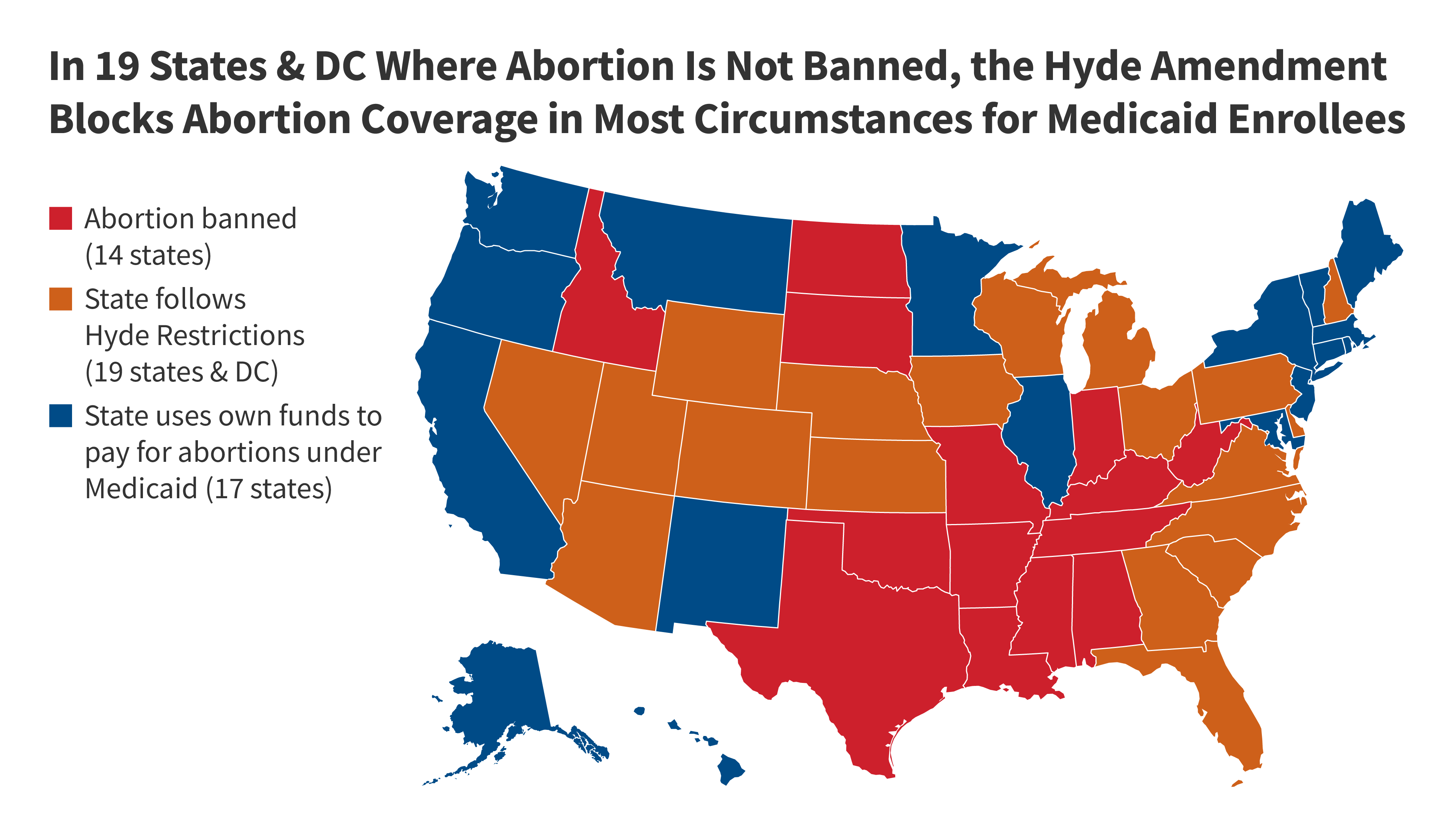
This brief details the federal programs that are affected by the Hyde Amendment and laws and regulations that have a similar goal, provides estimates on the share of women insured by Medicaid affected by the law, reviews the impact of the law on their access to abortion services, and discusses the potential effect if the law were to be repealed.
-
3 Charts: The Cost and Coverage of Opill—the First FDA-approved Over-the-Counter Daily Oral Contraceptive Pill in the United States
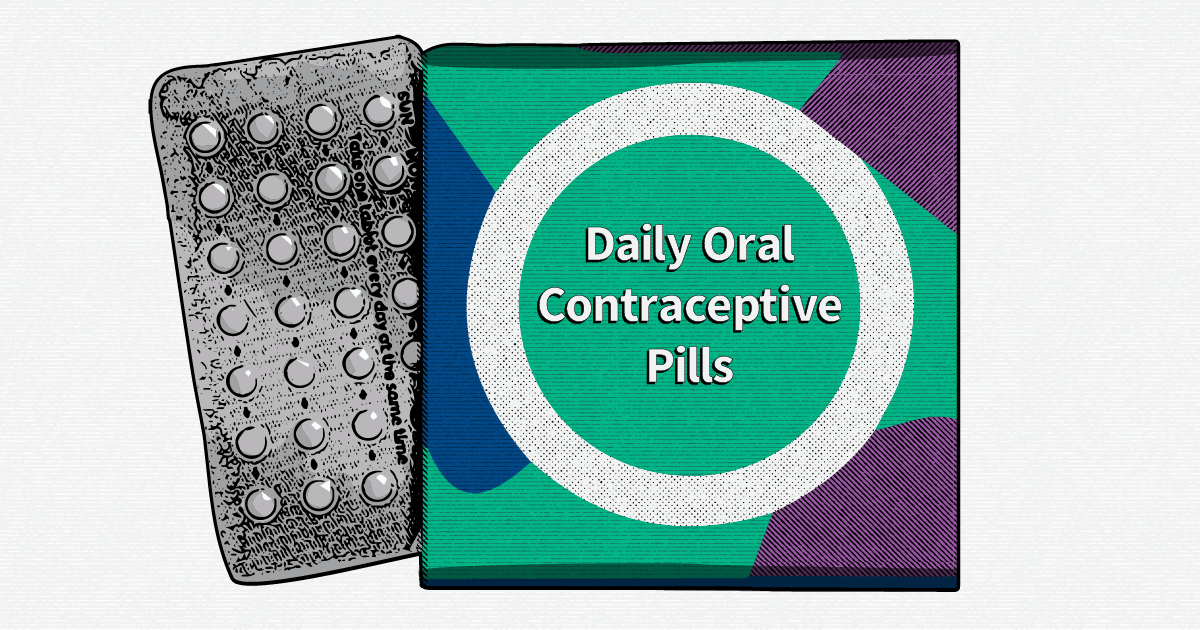
The first FDA-approved over-the-counter daily oral contraceptive pill in the United States— Perrigo’s Opill— is now available for pre-order at major online retailers and will soon be available in stores. Although the new over-the-counter pill could broaden access to contraceptive options in the United States, KFF research suggests consumers are likely to face some hurdles.…More
-
Insurance Coverage of OTC Oral Contraceptives: Lessons from the Field
This report discusses challenges and successes in coverage under private health insurance and Medicaid and reviews policy options for operationalizing insurance coverage of non-prescribed over-the-counter contraception such as Opill.
-
Medicaid Postpartum Coverage Extension Tracker
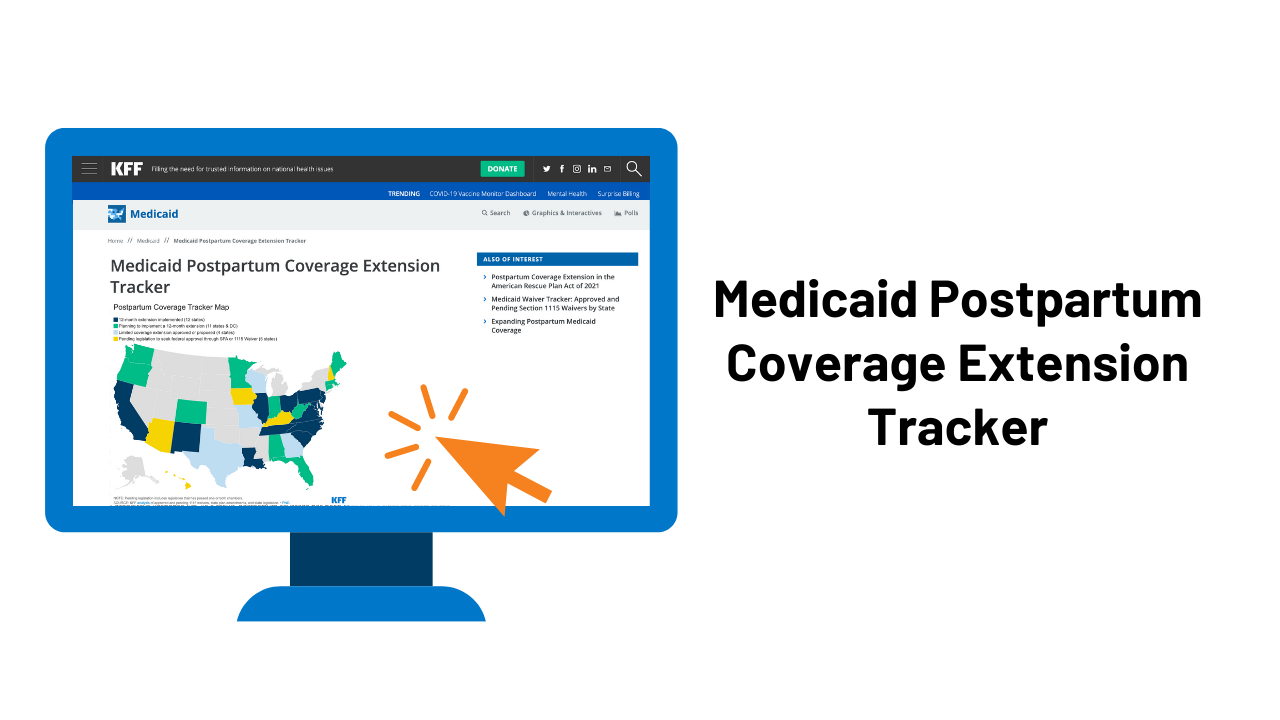
This page tracks recent state actions to extend Medicaid postpartum coverage, including approved and pending 1115 waivers, legislation that will require the state to seek federal approval through a SPA or 1115 waiver, submitted and approved SPAs, and coverage financed solely with state funds.
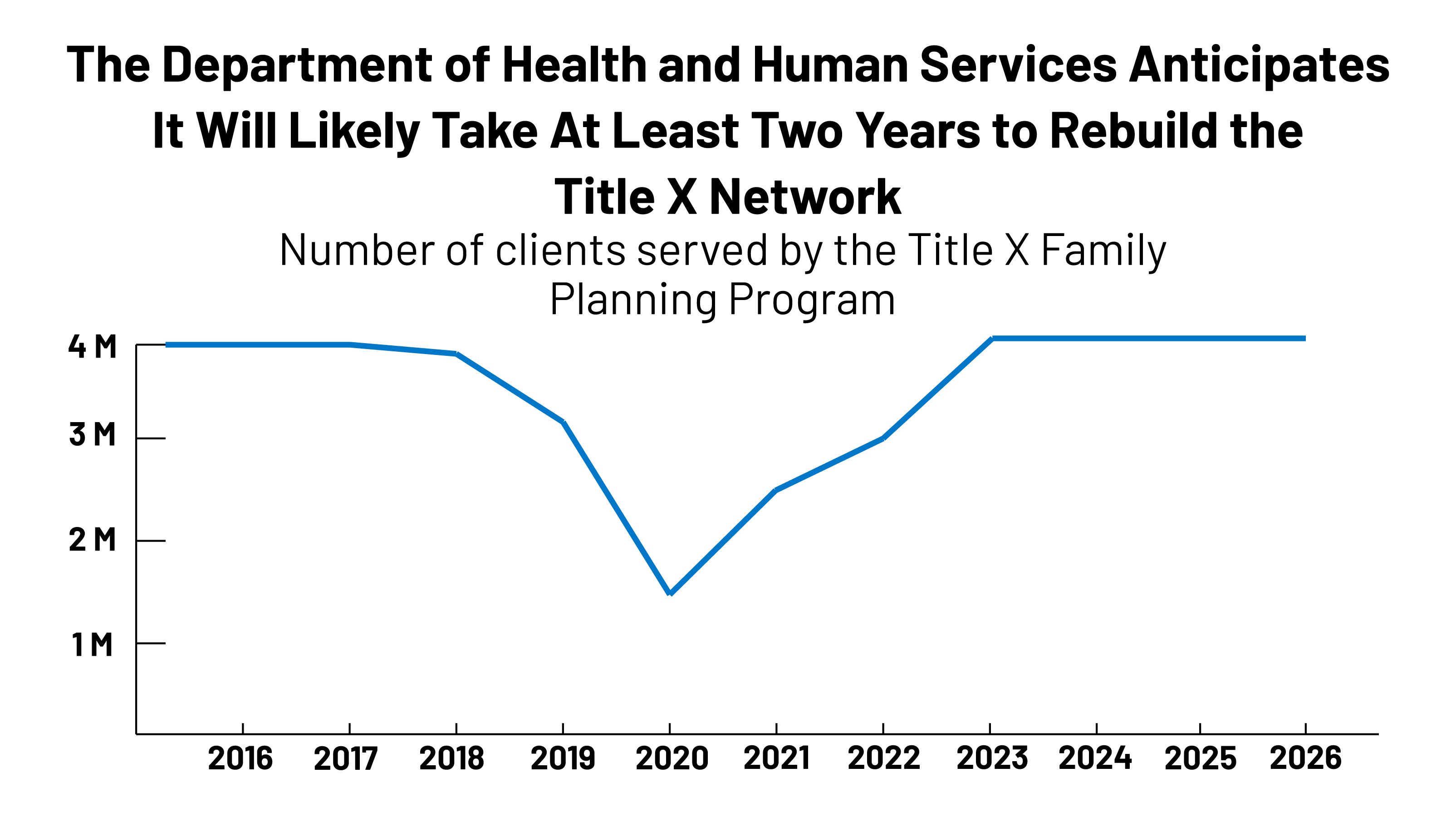
Resources about the Title X National Family Planning Program
The Biden administration recently allocated an additional $6 million to clinics that provide free and subsidized family planning services under the Title X National Family Planning Program. Explore our resources about the Title X program, including an analysis highlighting state-level data on the status of Title X and a brief that explains key elements of the Biden Administration’s regulations.
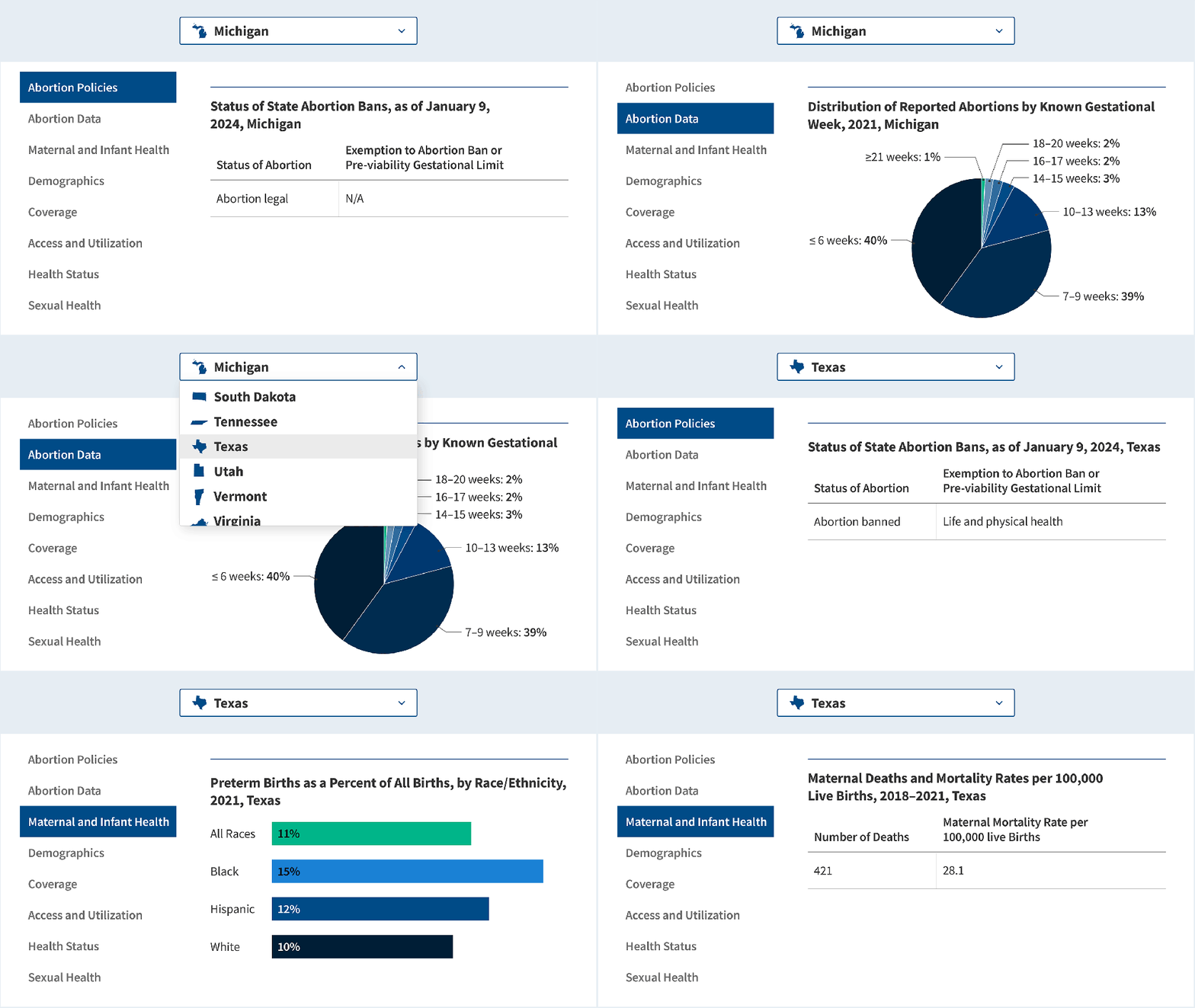
State Profiles of Women’s Health
Explore the latest national and state-specific data and policies on women’s health. Topics include health status, insurance and Medicaid coverage, sexual health, maternal and infant health, and abortion policies. Many indicators provide state-level information for women of different racial and ethnic groups.
- insurance coverage
Women’s Health Insurance Coverage
This factsheet reviews major sources of coverage for women residing in the U.S., discusses the impact of the ACA on women’s coverage, and the coverage challenges that many women continue to face. - Racial Equity and Health Policy
What are the Implications of the Dobbs Ruling for Racial Disparities?
This analysis examines the implications of the Dobbs decision and state restrictions on abortion coverage for racial disparities in access to care and health outcomes.
- Women’s Health Policy
Medicaid Coverage for Women
This data note presents key data points describing the current state of the Medicaid program as it affects women.
- State health facts
Women’s Health Indicators
Information on women’s health status, utilization of services, health insurance coverage, family planning and childbirth, and abortion statistics and policies. - Women’s Health Policy
Key Facts on Abortion in the United States
This report answers some key questions about abortion in the United States and presents data collected before the overturn of Roe v. Wade.