
Health Costs
Ten Things to Know About Consolidation in Health Care Provider Markets
As policymakers and regulators pay more attention to consolidation in health care provider markets, this brief examines and summarizes the evidence about consolidation, including recent trends, the impact on prices and quality, and proposals to address consolidation and increase competition.

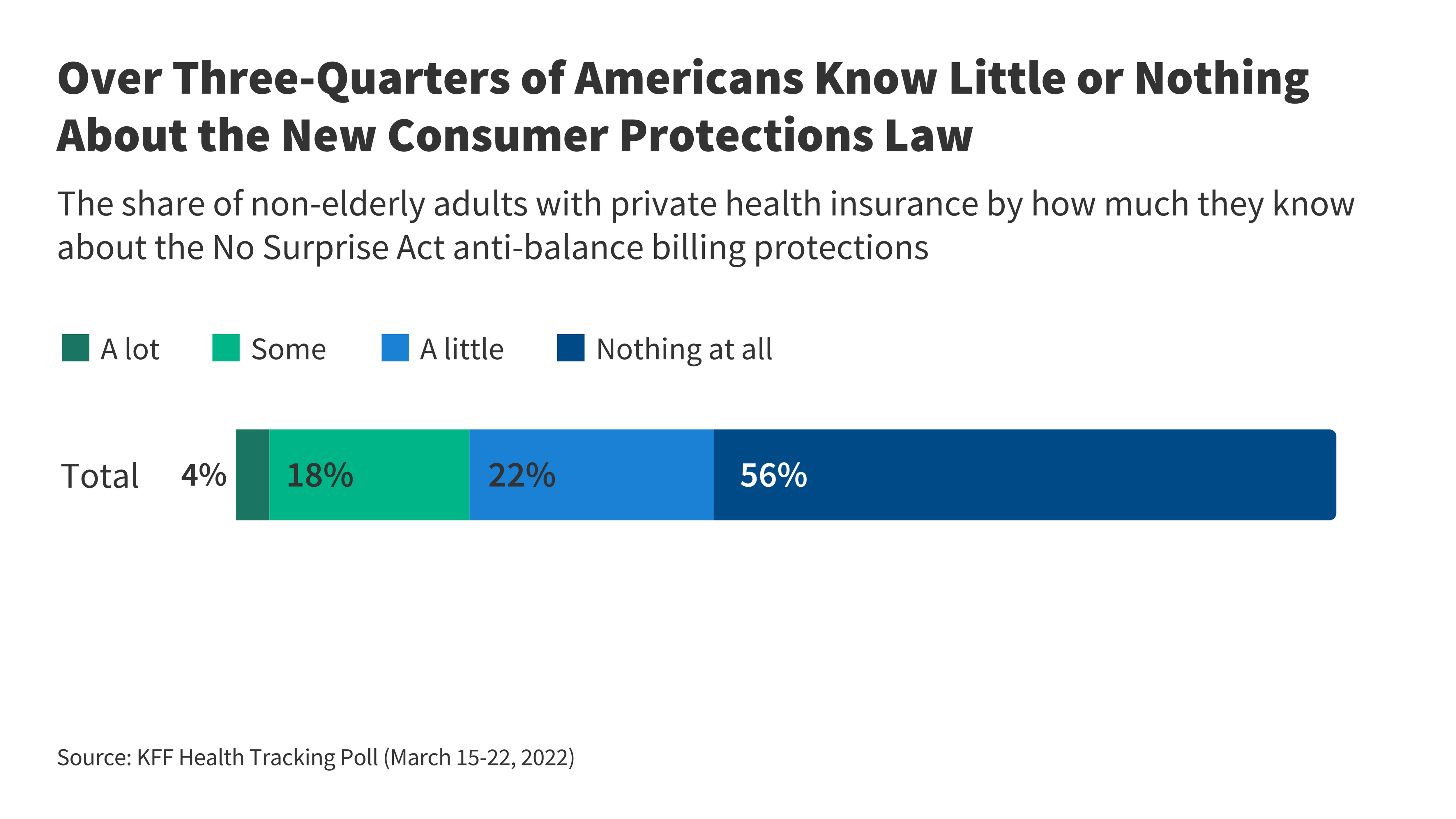
What resources are available for privately insured patients who get surprise balance bills?
Most patients do not know about new surprise billing protections and likely also do not know of resources available to seek recourse for incorrect medical bills. This brief provides resources to privately insured patients who receive surprise balance bills and also summarizes relevant policies and how they apply.
How to deal with surprise bills.
- Access & Affordability
How does cost affect access to healthcare?
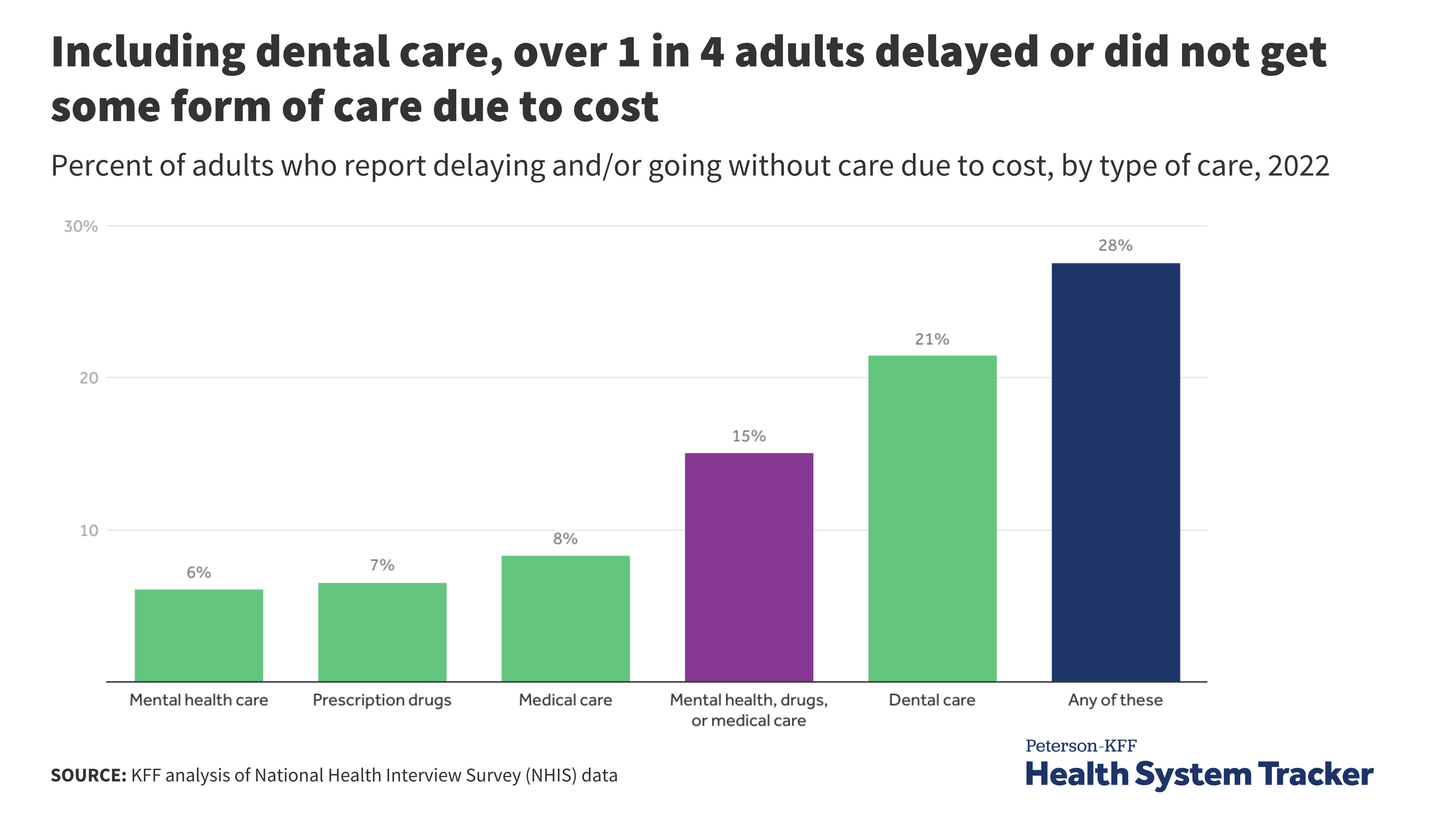
In 2022 , more than 1 in 4 adults (28%) reported delaying or not getting healthcare due to cost. Uninsured adults, adults in worse health, and Hispanic adults are much more likely than others to delay or forego healthcare due to cost.
- Health Spending
Charges for Emails with Doctors
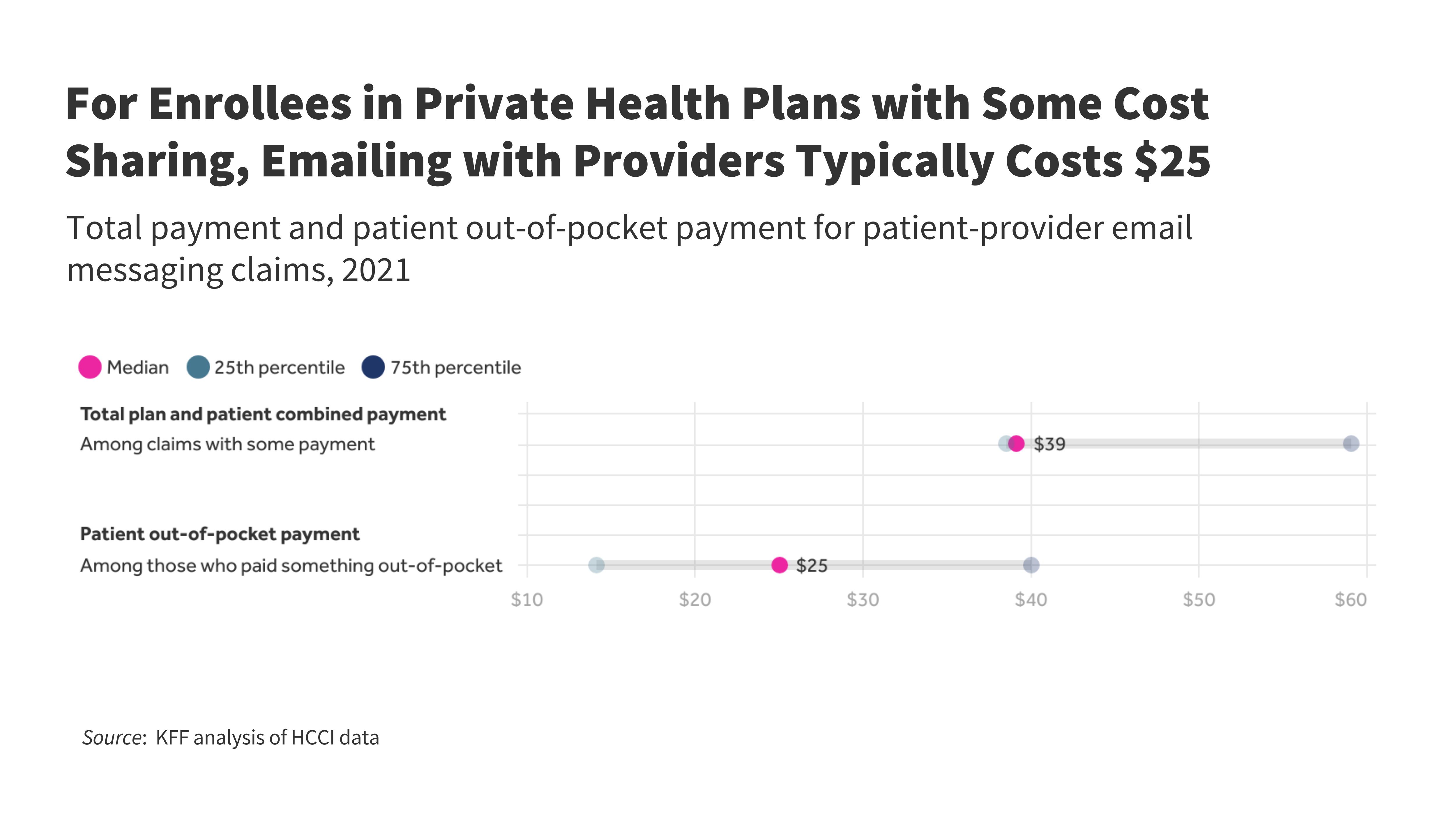 The addition of billing codes for digital health services have enabled providers to bill insurers and patients for email messaging. This analysis examines the typical cost of patient-provider emailing in 2020 and 2021 using private health insurance claims data.
 - health spending
How Much Do We Spend on Health Care?
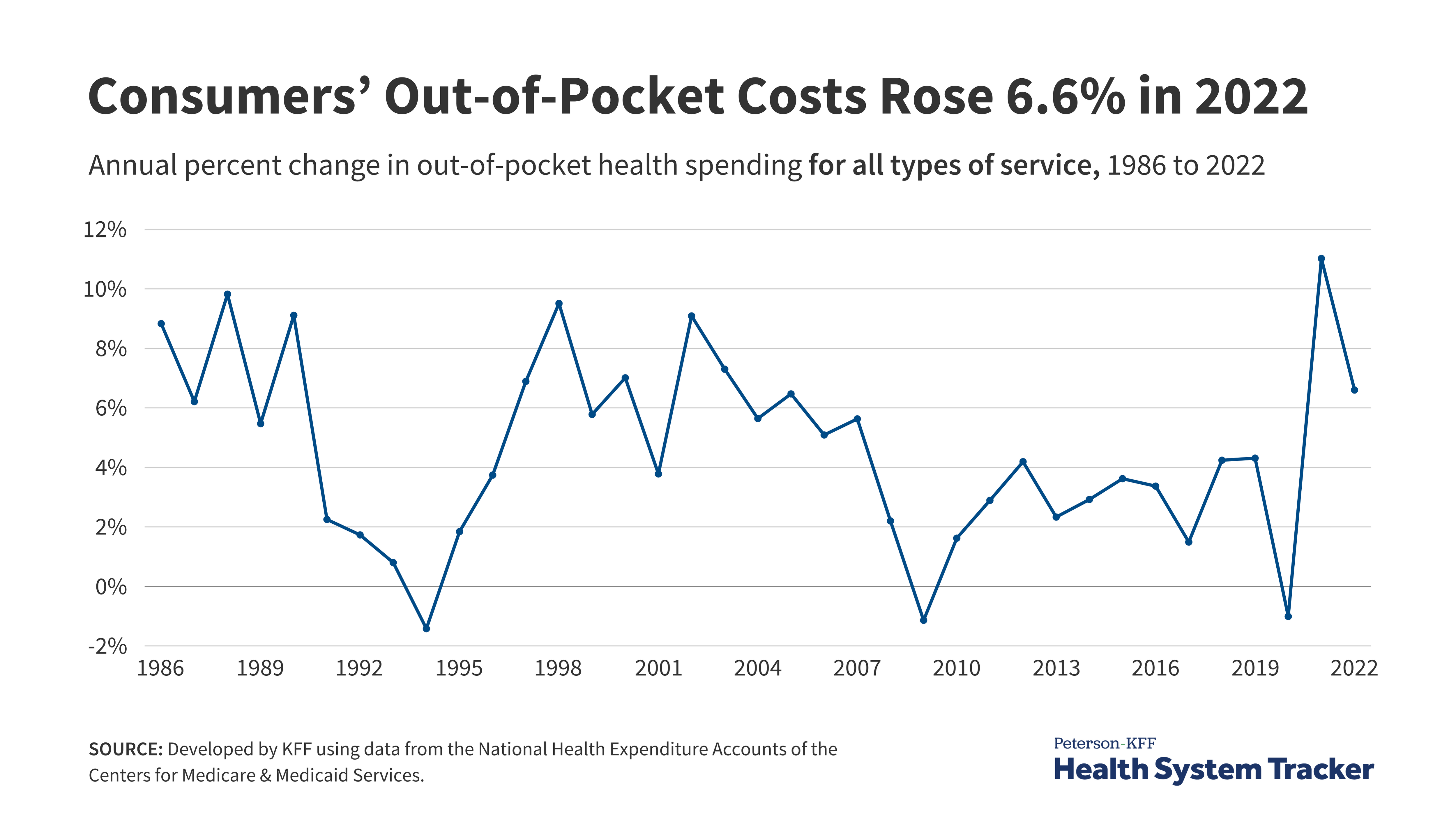 Data on U.S. health spending are available on the Health Spending Explorer, an interactive tool that allows users to explore trends in health spending by federal and local governments, insurers, nursing care, hospitals, and other service providers.
 - Health Spending
How do health expenditures vary across the population?
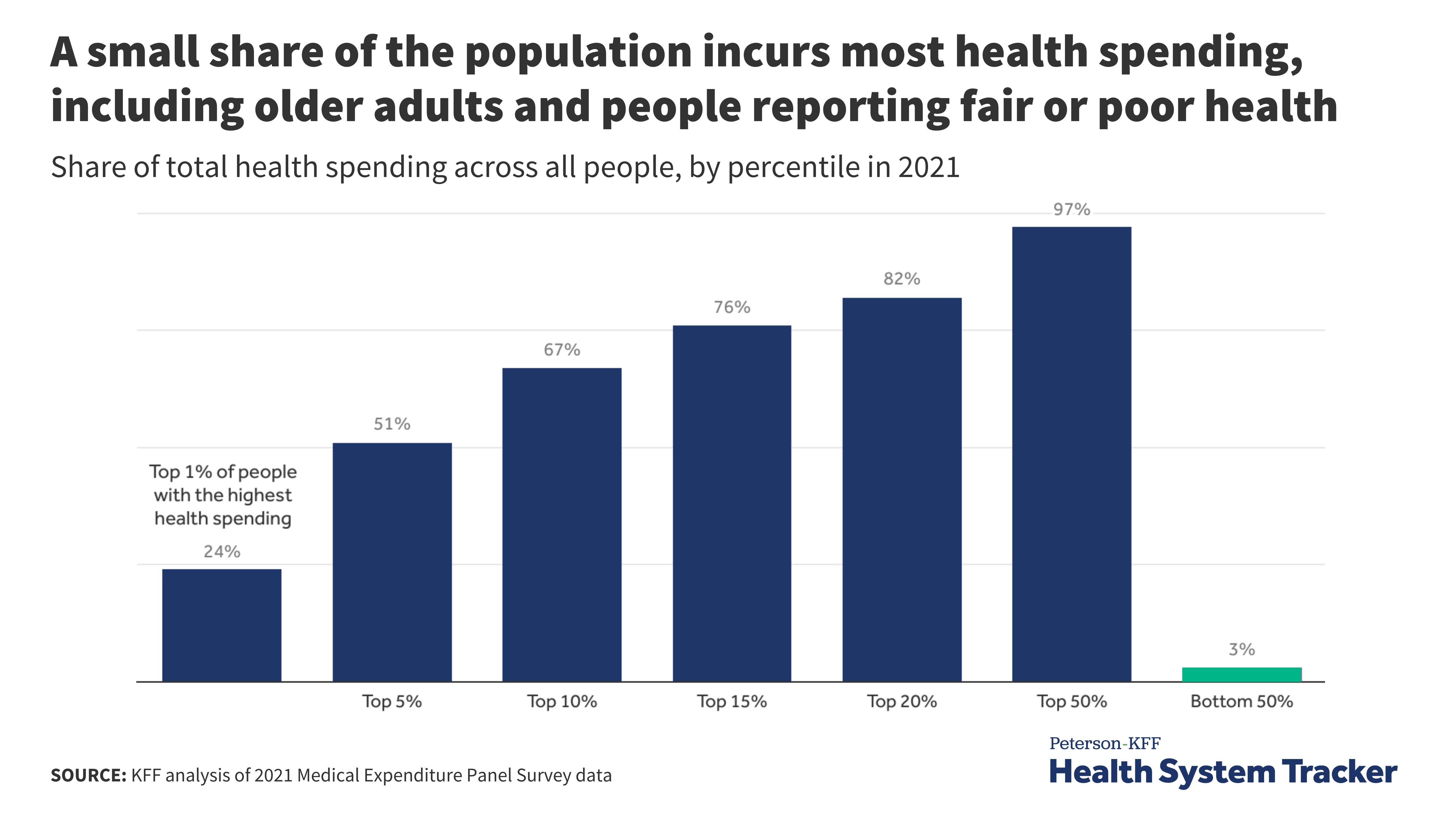
in 2021, 5% of the population accounted for nearly half of all health spending. At the other end of the spectrum, the 50% of the population with lowest total health spending accounted for only 3%.
How much and why 2024 premiums are expected to grow in ACA Marketplaces
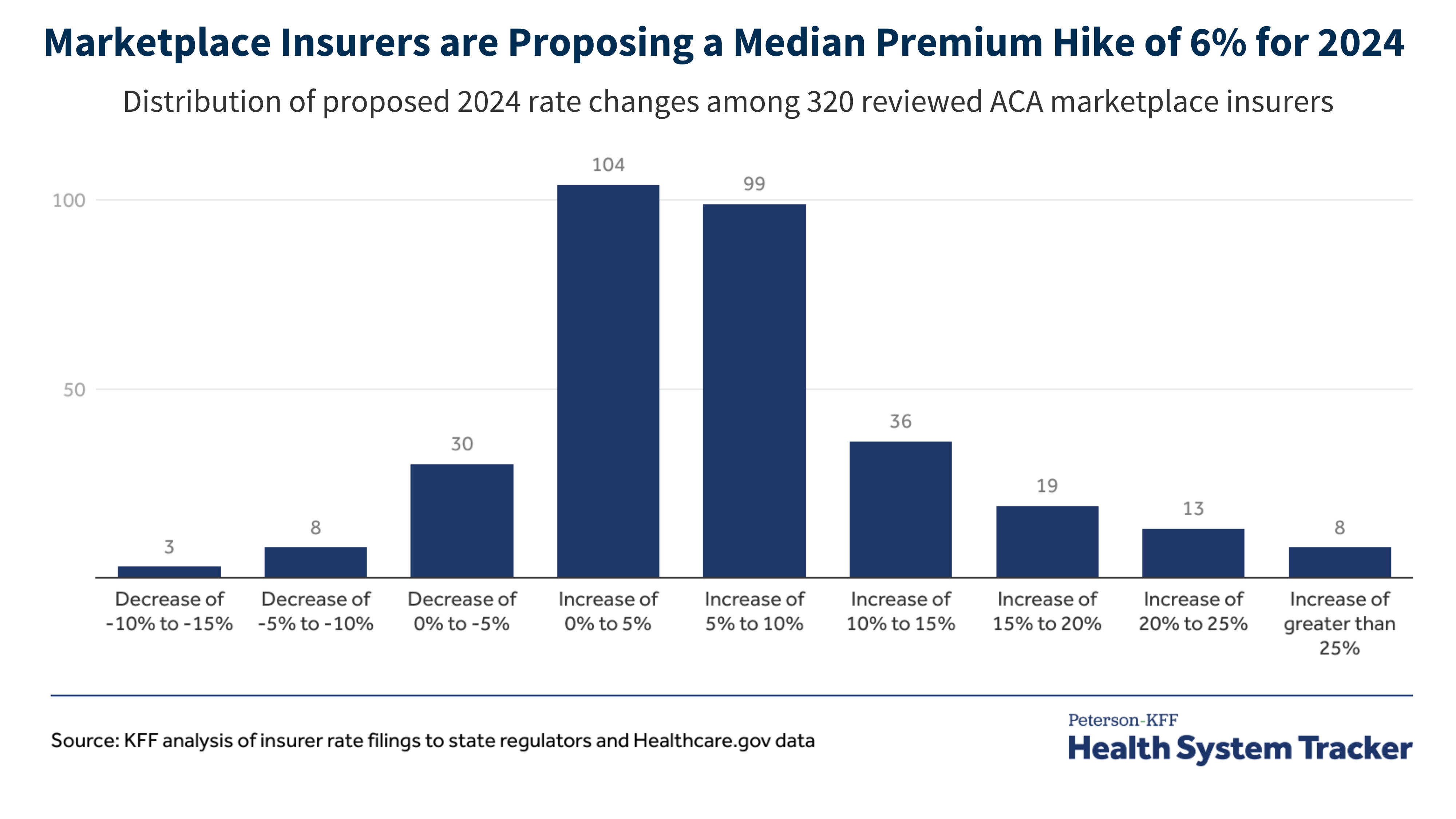
This analysis of insurers’ preliminary rate filings shows that ACA Marketplace insurers are requesting a median premium increase of 6% for 2024. Insurers cite price increases for medical care and prescription drugs as a key driver of premium growth in 2024,
Americans’ Challenges with Health Care Costs
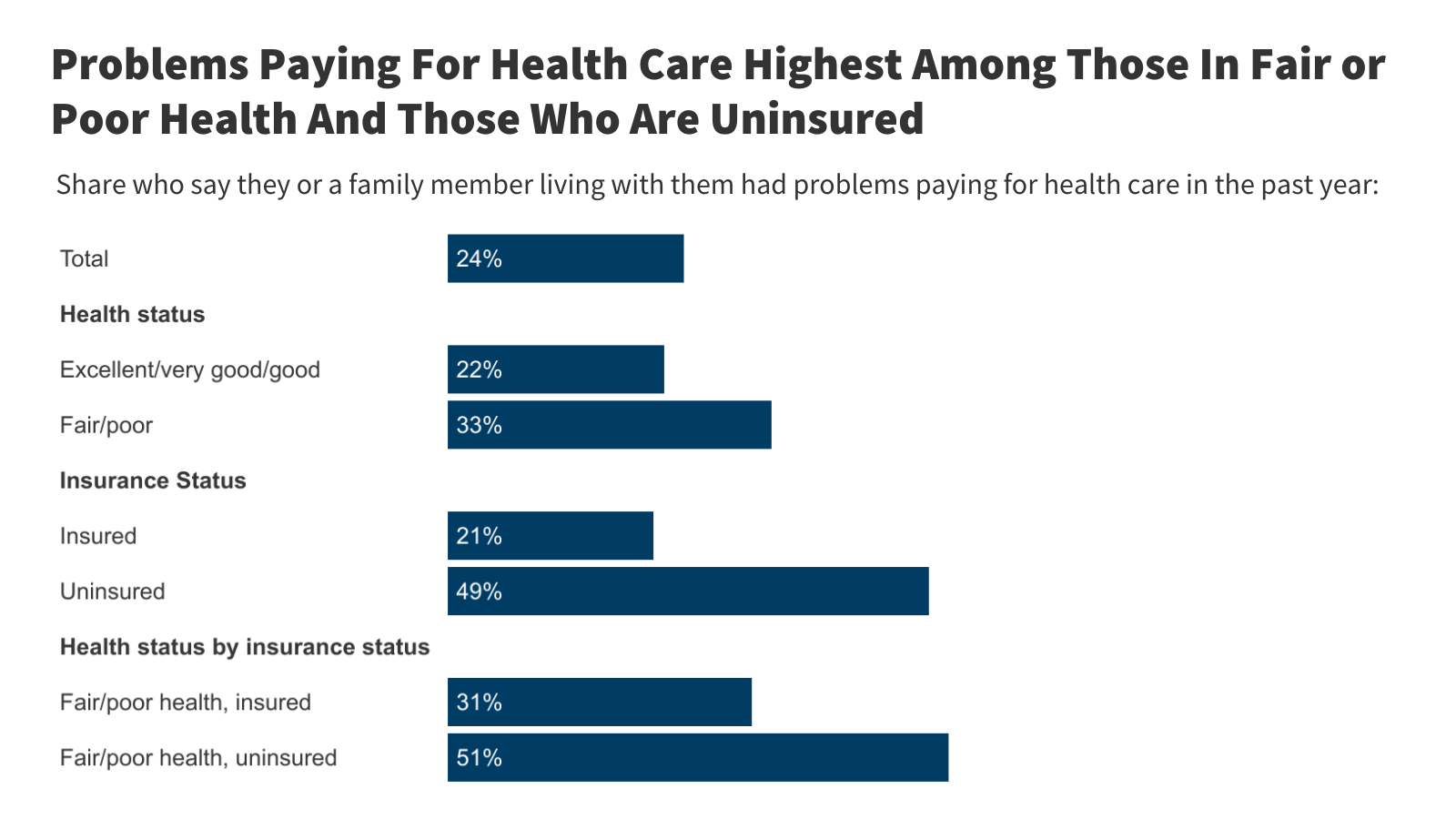
This data note reviews our recent polling data that finds that Americans struggle to afford many aspects of health care, including disproportionate shares of uninsured adults, Black and Hispanic adults and those with lower incomes.
National Health Spending Explorer
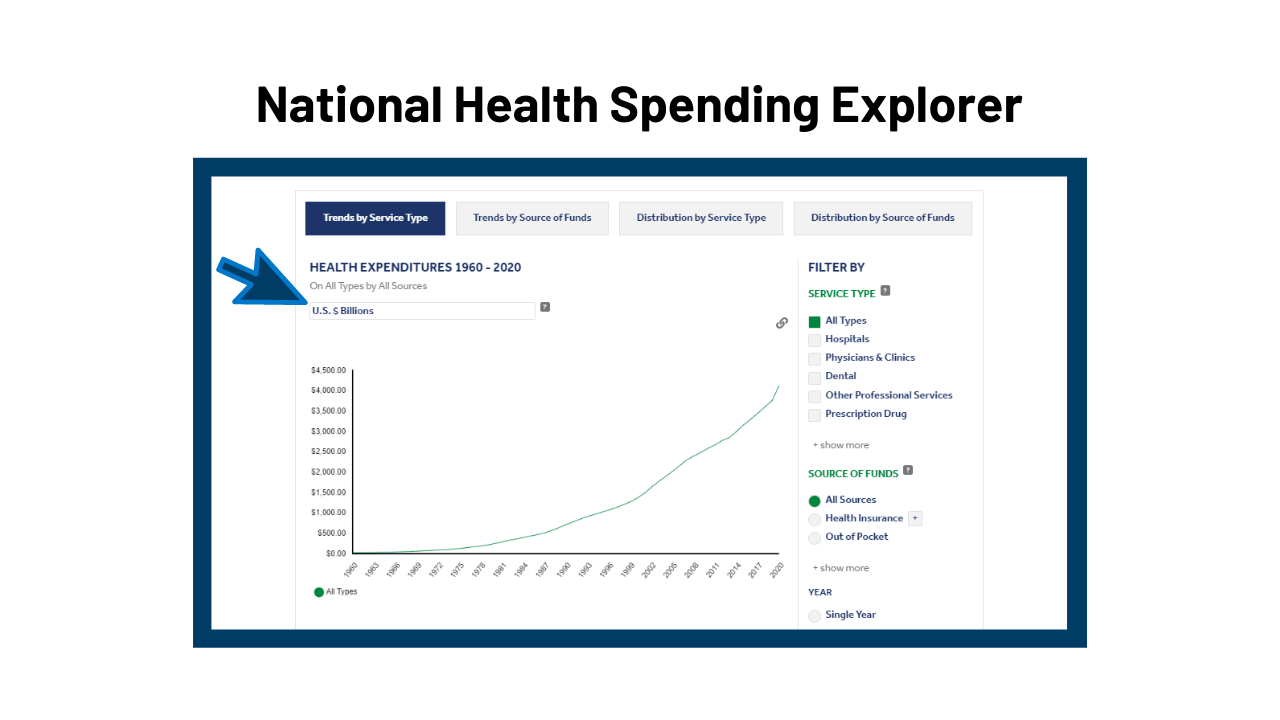
This interactive Peterson-KFF Health System Tracker tool allows users to examine five decades worth of data on health expenditures by federal and local governments, private insurers, and individuals.
Public Opinion on Prescription Drugs and Their Prices
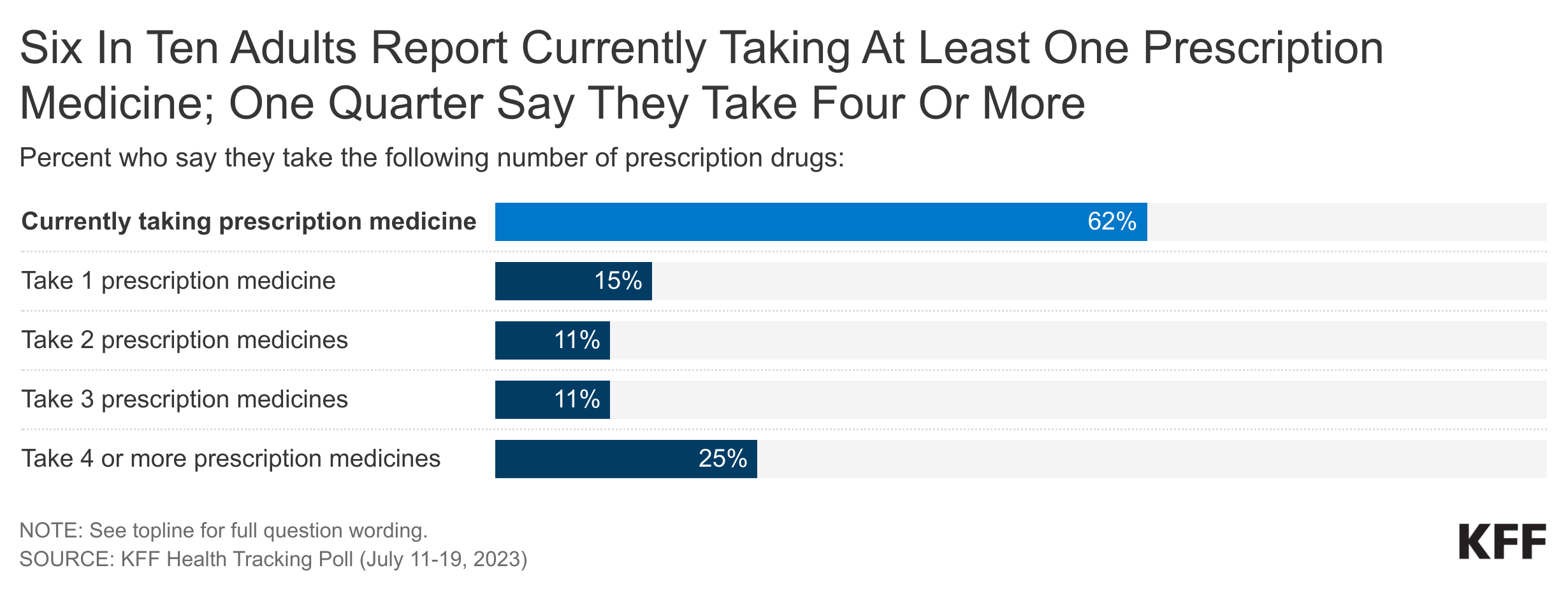
This chart collection draws on recent KFF poll findings to provide an in-depth look at the public’s attitudes toward prescription drugs and their prices. Results include Americans’ opinions on drug affordability, pharmaceutical companies, and various potential measures that could lower prices.