Designating English as the Official Language of the United States Could Impact Millions with Limited English Proficiency

Published: Oct 10, 2025

Introduction

On March 1, 2025, President Trump signed Executive Order (EO) 14224 designating English as the official language of the United States. This marks the first time in the country’s history that the U.S. has declared an official language at the federal level. Although the Order does not by itself trigger changes in services provided by agencies or organizations receiving federal funding, the policy represents a departure from previous administrations’ policies around language access for individuals with limited English proficiency (LEP). The federal government defines people with LEP as those who do not speak English as their primary language and who have a limited ability to read, write, speak, or understand English (also described as speaking English “less than very well”).

An accompanying official fact sheet released by the Trump administration outlines how EO 14224 will affect agencies and their services, including review of all services currently offered in languages other than English and phasing out of non-essential services. Prior guidance for agencies serving people with LEP has been suspended.

The Order will likely result in more limited availability of language access services for people with LEP.  Language and interpretation services are important for ensuring access to health coverage, care, and for improving health outcomes. Loss of services may further exacerbate disparities in health and health care, as people with LEP are disproportionately more likely to be Hispanic, Asian, immigrants, and to have lower incomes. Further, the new EO could also create challenges and confusion for health care and other service providers, who remain subject to other laws and regulations that still require provision of language access services.

This issue brief provides an overview of EO 14224 and its potential implications for multilingual resources, including data on the shares of individuals with LEP across different socioeconomic characteristics based on KFF analysis of 2023 American Community Survey (ACS) data.

Prior Language Access Policies

Prior laws and guidance have established requirements for language access and protection for people with LEP. Title VI of the Civil Rights Act of 1964 and Section 1557 of the Affordable Care Act (ACA) prohibit discrimination based on national origin, including discrimination based on the ability to speak English. Previously, the Department of Justice (DOJ) took the stance that Title VI of the Civil Rights Act prohibited discrimination against people with LEP, recognizing that a lack of language access represented discrimination based on national origin. In 2000, President Clinton issued EO 13166, which required all federal agencies to ensure meaningful access to services for people with LEP and established that failing to provide adequate services would be considered discrimination based on national origin. EO 14224, signed by President Trump, revokes EO 13166 and any policy guidance documents issued under it, and requires the Attorney General to provide updated guidance.

Section 1557 of the Affordable Care Act strengthened language access protections by prohibiting discrimination in health programs and other services that receive federal financial assistance. Section 1557 requires covered entities, including hospitals, clinics, insurers, and state Medicaid programs, to provide meaningful access for individuals with LEP. While Section 1557’s protections took effect when the ACA was enacted in 2010, much of its reach has been determined by implementation guidance issued across different presidential administrations. Under the Biden administration regulations issued in 2024, entities that operate health programs or activities and receive federal financial assistance must take reasonable steps to provide meaningful access to individuals with LEP who are eligible to be served or likely to be directly affected by the program or activity. The regulation specifies requirements regarding how the services must be provided, including that they be free of charge, accurate, and timely; outlines standards for interpretation and translation services; and identifies requirements for entities to provide notice of the availability of services. Section 1557 remains in effect despite the Executive Order, meaning that health care entities will continue to be required to provide language access services, even as federal agencies may scale back their language access resources.

Changes in Language Access Under the Trump Administration

EO 14224, issued by President Trump in March 2025, declares English as the official language of the U.S. and revokes prior orders requiring federal agencies to provide meaningful access to services for individuals with LEP. The Order also instructs the Attorney General to rescind all policy guidance stemming from EO 13166. As a result, in April 2025, the DOJ rescinded its 2022 LEP guidance, which directed agencies to assess and enhance their language access policies, and published a new memorandum providing implementation guidance related to the EO. The DOJ also removed LEP.gov, a website that provided resources to federal agencies and other entities receiving federal funding for developing language access plans.

Patients are still entitled to interpreter services under Title VI through qualified bilingual staff or interpreter services at no additional cost. Historically, providers have often aligned their services with the Department of Health and Human Services (HSS) outlined National Standards for Culturally Linguistically Appropriate Services (CLAS), a set of 15 voluntary guidelines designed to advance language access and cultural competence in healthcare. These standards include informing individuals of language assistance availability, ensuring the competence of individuals providing translation services, and providing written translation of key documents such as health consent and education documents. While the CLAS standards are not a binding federal regulation and therefore cannot be revoked by EO 14224, their adoption and implementation may decline as changes to federal language access policies reduce oversight, investment, and incentives for compliance.

The new memorandum recommends that federal agencies scale back the provision of language services, minimizing non-essential multilingual services, and recommends that agencies consider offering services exclusively in English. However, it does not require agency heads to amend, remove, or otherwise stop the production of documents, products, or other services prepared or offered in languages other than English. Despite these ongoing requirements, the new guidance signals that the DOJ will no longer treat a lack of multilingual services as discrimination, and that agencies are no longer required to implement wide-scale language access plans.

The EO and accompanying DOJ guidance apply only to federal government agencies and do not change existing language access requirements under laws like Title VI of the Civil Rights Act or Section 1557 of the ACA. Executive Orders cannot overturn existing statutes and regulations that go through formal revisions and public notice and comment processes. Title VI and Section 1557, which were issued by HHS, outline compliance measures that cannot unilaterally be changed by Executive Order. Entities that receive federal funding including state and local health departments, hospitals, insurance companies, clinics, and other health care providers remain legally obligated to provide meaningful language access under these laws. Under Section 1557 regulations, forms such as informed consent documents, intake forms, and discharge instructions are still required to be translated for individuals with LEP. Moreover, several states, including, New York, California, Hawaii, Maryland, and the District of Columbia, have state-level language access laws that remain in effect. However, the reduction in federal oversight, and granting agencies the ability to decide how and when to offer services in languages other than English, including at HHS and the DOJ, may create uncertainty about implementation and compliance practices, and reduce the availability of federal resources for providing language access services. Enforcement is also likely to shift since the DOJ has narrowed its interpretation of Title VI, indicating that it will no longer pursue enforcement based on disparate impact claims related to language access, instead, it will now focus on cases involving intentional discrimination. This change in enforcement could impact accountability measures and ultimately weaken protections for individuals with LEP.

Who is Likely to Be Affected by Reductions in Language Access Services?

Over 27 million people in the U.S. have LEP and may be affected by decreased access to language access services, with disproportionate impacts on Asian and Hispanic people, immigrants, and people with lower incomes. Data from the 2023 ACS show that 9% of the population ages 5 and older, or 27.3 million individuals, have LEP (defined as speaking a language other than English at home and speaking English less than very well). Asian (30%) and Hispanic people (29%), immigrants (47%), and those with incomes under $40,000 per year (13%) are disproportionately more likely to have LEP than the overall population (Figure 1). Decreased access to language assistance services comes at a time when immigrants are facing other barriers to accessing health care and other services, including increased immigration-related fears and more limited eligibility for health care coverage and other services.

Hispanic and Asian People, Immigrants, and Those With Lower Incomes are More Likely to Have Limited English Proficiency (Bar Chart)

Decreased access to language assistance services would have greater effects in some states, since there are wide variations in the shares of people with LEP across states (Figure 2). The share of people ages 5 and older with LEP ranges from less than 1% in West Virginia to 18% in California. New York (14%), New Jersey (14%), Texas (13%), and Florida (13%) also have relatively high shares of individuals with LEP, likely reflecting larger numbers of immigrants residing in those states.

The Shares of People with Limited English Proficiency Vary Across States (Choropleth map)

Language access services have important implications for health and health care. People with LEP face challenges and barriers to accessing high-quality health care. Language barriers between providers and patients can reduce the quality of care and increase the risk of adverse outcomes or medical errors. Studies have found that a lack of language assistance often delays patients’ access to timely care, leading to poor chronic disease management and resulting in worse health outcomes. Despite existing language access requirements, KFF survey data find that around half (48%) of adults with LEP have encountered at least one language barrier in a health care setting within the past three years, such as difficulty filling out forms for a health care provider (34%), communicating with office staff at a doctor’s office or clinic (33%), understanding instructions given by a doctor or health care provider (30%), filling a prescription or understanding how to use it (27%), or scheduling a medical appointment (25%) (Figure 3). Among adults with LEP, one in five reported experiencing at least one of several negative experiences with a health care provider in the past three years, including a provider ignoring a direct request or question (11%), assuming something about them without asking (8%), suggesting they were personally to blame for a health problem (8%), or refusing to prescribe needed pain medication they thought they needed (8%).

About a Half of Adults With Limited English Proficiency Say They Have Faced Language Barriers When Seeking Health Care (Bar Chart)

Reductions in requirements for federal agencies to provide language access services may create new challenges for health care and other service providers. If federal agencies reduce language access guidance and requirements, providers will have fewer translated materials to rely on, such as consent documents and health education materials. This can also create inconsistencies in the quality and accuracy of materials across the health care landscape. Community health centers (CHCs) and other safety net providers may be disproportionately impacted by the reduced availability of federal language access resources as they are disproportionately likely to serve individuals with LEP and those with lower incomes. Federal cuts have already eliminated funding for community workers who help people who speak other languages navigate and sign up for health insurance coverage. Moreover, given differences between the new guidance and other laws that remain in place, providers may have questions or confusion about when translation services are required, compliance risks, and how comprehensive services must be.

Poll Finding

KFF/The Washington Post Survey of Parents

Published: Oct 10, 2025

Overview

The Survey of Parents is the 37th in a collaborative reporting series between KFF and The Washington Post, dating back to 1995, that combines survey research with in-depth journalism. Based on interviews with more than 2,700 parents, including more than 1,000 parents with children under age 6 who have had to make decisions about vaccines in the post-COVID era, this survey explores parents’ experiences with and views about vaccines for their children.

As HHS Secretary Robert F. Kennedy Jr. questions the federal childhood vaccine schedule, debates over safety, access, and trust in public health guidance are front and center, leaving many parents confused about some of the most important decisions they’ll make for their children’s health. This poll offers a snapshot of how parents view childhood and routine vaccines, and the decisions they’re making for their children. These findings highlight where parents agree on the importance of long-standing vaccines, and where some attitudes have started to diverge in the wake of the COVID-19 pandemic.

Other KFF reports from the survey:

Polling Insights on the MAHA Movement

Exposure to and Trust in Children’s Health-Related Information Online

Explore The Washington Post’s journalism:

Poll shows who supports RFK Jr.’s ‘Make America Healthy Again’ movement, Oct. 15, 2025

In an age of vaccine skepticism, parents trust pediatricians most, Oct. 10, 2025

Why 1 in 6 U.S. parents say they skipped or delayed their kids’ vaccines, Sept. 15, 2025

RFK Jr. drives a wedge between red and blue states on vaccines, Sept. 4, 2025

Key Findings

  • Large majorities of parents have positive views of long-standing childhood vaccinations for measles, mumps, and rubella (MMR) and polio, saying these vaccines are important for children in their community to get (90% and 88%, respectively) and that they are confident they are safe for children (84% and 85%). About eight in ten parents support current state laws, saying students should be required to be vaccinated against measles and polio to attend public schools with some exceptions (81%). These views are consistent across partisan lines, with large majorities of parents who identify as Democrats, independents, and Republicans viewing MMR and polio vaccines as safe and important for children to get and supporting policies that require these vaccines in public schools.
  • Views on seasonal vaccines for flu and especially COVID-19 are more divided, with much smaller shares of parents expressing confidence that these vaccines are safe for children (65% for flu and 43% for COVID-19) and saying they are important for children in their community to get (56% and 43%, respectively). Parents’ views on COVID-19 and flu vaccines divide along partisan lines, with Democratic parents much more likely than Republican parents to hold positive views of both. Republican parents who support the Make America Great Again (MAGA) movement express the most skeptical attitudes towards vaccines for children, particularly when it comes to confidence in the safety of COVID-19 (14%) and flu (48%) vaccines.
  • In addition to partisan divisions, parents under age 35 express greater concern about vaccine safety compared with parents ages 35 and over, perhaps an indication of shifting attitudes with younger generations of parents. For example, four in ten (39%) younger parents say vaccines do not go through enough safety testing before being recommended for children compared with about one-third (35%) of parents ages 35 to 49 and one quarter (26%) of parents ages 50 and older.
  • While a large majority of parents report keeping their children up to date on vaccinations, one in six (16%) parents say they have ever skipped or delayed at least one childhood vaccine other than flu or COVID-19 immunizations. About one in five Republican parents (22%), rising to one in four MAGA Republicans (25%), report skipping or delaying any childhood vaccines, higher than the share of Democratic (8%) parents who report this. Younger parents are also somewhat more likely to report skipping or delaying vaccines than older parents, regardless of the age of their children; 19% of parents under age 35 say they have skipped or delayed at least one childhood vaccine compared with 12% of those age 50 and over. Most parents who skip or delay vaccines cite side effects and safety as their top reasons, while few cite reasons related to a child’s health condition or access to health care.
  • Before his confirmation and in his role as HHS Secretary, Robert F. Kennedy Jr. has amplified claims about vaccines that have been rejected by scientists and public health officials. He has suggested, without evidence, that the number of recommended childhood vaccines has led to a rise in chronic disease in the U.S., that MMR vaccines can cause autism, and that the measles vaccine causes the illness it prevents. More recently, Kennedy has promoted Vitamin A as an effective treatment for measles. Asked about each of these claims, many parents are uncertain what to believe. While about one in ten or fewer parents say each claim is true and between a quarter and half say each is false, substantial shares – between four in ten and two-thirds – say they don’t know enough to say. On the widely circulated claim that MMR vaccines can cause autism in children, 9% of parents believe this to be true, rising to 16% among parents who have a child with autism spectrum disorder.
  • Six in ten parents have heard little to nothing about HHS Secretary Kennedy’s recent changes that could impact vaccine policies in the U.S., while just one in ten (11%) have heard “a lot” and one-quarter (27%) have heard “some” about these changes. Awareness is higher among older parents, Democratic parents, and parents with a college degree. When asked how they expect these changes to impact vaccine policy in the U.S., parents are divided, and many are not sure whether they will have an impact on access to vaccines, safety, or the influence of pharmaceutical companies. Democratic parents are considerably more likely than Republican parents to say these changes will make access more difficult (52% vs. 7%) and will make childhood vaccines less safe (40% vs. 5%). Republican parents are more likely than Democrats to say Kennedy’s changes will decrease pharmaceutical companies’ influence on vaccine policy (32% vs. 11%) but most parents across groups expect no changes or say they’re not sure.
  • Pediatricians remain the most trusted source of vaccine information for parents. Though, as past KFF polls have found of the public as a whole, parents are divided along partisan lines in their trust of vaccine information from government agencies like their local public health department, the U.S. Centers for Disease Control and Prevention (CDC), and the U.S. Food and Drug Administration (FDA), with Democratic parents much more likely than Republican parents to trust these sources. Parents who have skipped or delayed childhood vaccines also list pediatricians as their most trusted source of vaccine information, with their friends and family, and HHS Secretary Kennedy ranking second and third. One-third or fewer of these parents report trusting their local health department, CDC, or FDA “a lot” or “a little.”

Parents’ Views of Vaccine Safety and Importance

Parents overwhelmingly value long-standing childhood vaccines but are more divided when it comes to the COVID-19 and flu vaccines for children. Across parties, large majorities of parents see the measles, mumps, and rubella (MMR) and polio vaccines as important for children in their communities and are confident in their safety, but opinions on flu vaccines and especially COVID-19 vaccines are more mixed and sharply divided along partisan lines.

About nine in ten parents say it is important for children in their community to receive vaccines for MMR (90%) and polio (88%), including about seven in ten who say each is “very important” (70% and 68% respectively). A smaller share, but still a majority (56%) of parents say it is important for children in their community to be vaccinated against the flu, while fewer than half (43%) say the same about COVID-19, including one in five who say it is “very important.”

Stacked bar chart showing percent who say it is very important, somewhat important, not too important, or not at all important for children in their community to be vaccinated against specific diseases.

 While large majorities of parents regardless of partisanship agree that the MMR and polio vaccines are important for children to get, parents are divided along partisan lines when assessing the importance of COVID-19 and flu shots for children in their community. Democratic parents are more than three times as likely as Republican parents to say it is “very” or “somewhat” important for children in their community to be vaccinated for COVID-19 (68% vs. 21%) and twice as likely to say it is important for children to be vaccinated for the flu (78% vs. 38%). About four in ten independent parents (43%) say the COVID-19 vaccine is important for children, and just over half (55%) say the same of the flu vaccine.

Republican parents are not a monolith, as those who support the Make America Great Again (MAGA) movement are between 9 and 16 percentage points less likely than non-MAGA Republican parents to say each of these vaccines are important for children to receive. Even still, a majority of MAGA Republican parents and non-MAGA Republican parents alike say it is important for children in their community to receive MMR and polio vaccines.

Split bar chart showing percent who say it is very or somewhat important for children in their community to be vaccinated against specific diseases. Results shown by total parents, party identification, and MAGA and non-MAGA Republicans.

Mirroring parents’ opinions on the importance of childhood and annual vaccines, large majorities of parents express confidence in the safety of childhood vaccines for polio and MMR, while views on the safety of flu and COVID-19 vaccines are more divided.

Just over eight in ten parents say they are either “very” or “somewhat confident” that polio vaccines (85%) and MMR vaccines (84%) are safe for children, including about half who say they are “very confident” (53% and 54% respectively). A smaller majority of parents express confidence in the safety of flu vaccines (65%), including about one-third who are “very confident” (34%). About four in ten (43%) parents are confident in the safety of COVID-19 vaccines for children, including one in five who are “very confident.”

Stacked bar chart showing percent who say they are very confident, somewhat confident, not too confident, or not at all confident that vaccines for specific diseases are safe for children.

While majorities of parents across partisanship say they are confident in the safety of polio and MMR vaccines for children, confidence in the safety of annual flu and COVID-19 vaccines for children differs.

At least eight in ten parents across partisanship say they are least “somewhat” confident in the safety of MMR and polio vaccines for children. About eight in ten (82%) Democratic parents say they are confident in the safety of flu vaccines for children, larger than the share of Republican (55%) or independent (64%) parents who say the same. Partisans are more deeply divided on confidence in the COVID-19 vaccine. Seven in ten Democratic parents say they are confident in the safety of COVID-19 vaccines for children, more than three times the share of Republicans who say the same (70% vs. 22%). About four in ten (43%) independent parents say they are confident in the safety of the COVID-19 vaccine for children.

The public overall and parents in the U.S. have been divided along partisan lines when it comes to the COVID-19 vaccine since it became available in 2021, when Republican adults were particularly hesitant to get themselves or their children vaccinated, past KFF polling finds.

The division when it comes to the flu vaccine, however, is more prominent now since the pandemic, and may be linked to concerns about vaccines generally. While the newly reformed Advisory Committee on Immunization Practices (ACIP) under HHS Secretary Kennedy has reaffirmed the existing recommendation that anyone ages 6 months and older should receive an annual flu vaccine, the panel recommended against vaccines containing a preservative called thimerosal, which has been falsely linked to autism. This recommendation comes despite scientific evidence that these vaccines are safe. Vaccines containing thimerosal comprised less than 6% of the U.S. influenza vaccine supply in 2024.

Split bar chart showing percent who say they are very or somewhat confident that vaccines for specific diseases are safe for children. Results shown by total parents, party identification, and MAGA and non-MAGA Republicans.

Black parents and parents under age 35 are less likely than other groups to say they are confident in the safety of some vaccines. For example, just over half (55%) of Black parents say they are confident the flu vaccines are safe for children compared to about two-thirds of White parents (64%) and seven in ten (69%) Hispanic parents. While majorities across racial and ethnic groups express confidence in the safety of MMR and polio vaccines, Black parents are at least 10 percentage points less likely than White parents and Hispanic parents to express confidence in the safety of each of these vaccines.

Parents under age 35 are also less likely than older parents – particularly those ages 50 and older – to say they are either “very” or “somewhat confident” that routine vaccines are safe for children. The widest gap between younger and older parents is on confidence in the safety of COVID-19 vaccines for children, with just under four in ten (38%) parents under age 35 expressing confidence compared to about half (51%) of parents ages 50 and older.

Split bar chart showing percent who say they are very or somewhat confident that vaccines for specific diseases are safe for children. Results shown by total parents, age, and race and ethnicity.

Parents’ Views of Vaccine Safety Testing, Schedule, and Spacing

In his role as HHS Secretary, Robert F. Kennedy Jr. has called into question the safety of vaccines, arguing that they do not go through enough safety testing, including placebo testing. The American Academy of Pediatrics (AAP) released a statement ensuring that childhood vaccines are “carefully studied, including with placebos” to ensure safety and effectiveness before they are available to the public. This poll shows that parents are divided over the question of whether vaccines go through enough safety testing before being recommended for children, with many being unsure what to believe.

About four in ten (41%) parents say vaccines go through “the right amount” of safety testing in the U.S. before being recommended for children by federal health agencies, while about one-third (35%) say vaccines do not go through enough safety testing. An additional one in five parents express uncertainty, saying they are not sure whether vaccines are adequately safety tested. Very few parents overall (3%) say vaccines go through “too much” safety testing before being recommended for children.

Just as they differ on their confidence in safety, partisans differ on whether they think there is enough safety testing of vaccines, with about half (48%) of Republican parents saying there is not enough safety testing of vaccines before they are recommended for children, more than twice the share of Democratic (20%) parents who say the same. Republican parents are not a monolith, as those who say they support the Make America Great Again (MAGA) movement are more likely than Republicans who do not to say there is not enough testing (57% vs. 32%).

Views on the adequacy of safety testing for childhood vaccines also differ by age, with about four in ten (39%) parents under age 35 and about one-third (35%) of those ages 35 to 49 saying there is not enough safety testing compared to fewer parents ages 50 and older (26%).

Split bar chart showing percent who say vaccines go through not enough, the right amount, or too much safety testing, or who say they are not sure. Results shown by total parents, age, party identification, and MAGA and non-MAGA Republicans.

Earlier this summer, Secretary Kennedy took a step towards changing vaccine policy in the U.S. by firing the President Biden-appointed ACIP and rebuilding it with the goal to review the current vaccine schedule for children. Secretary Kennedy himself and some of the members of the new committee have raised doubts about the current number of vaccines in the schedule, questioning whether the interactions between vaccines are safe for children. However, clinical studies have shown the current vaccine schedule and getting multiple doses when age appropriate to be safe.

About half (52%) of parents say the CDC currently recommends “about the right amount” of childhood vaccines, while a quarter say the CDC recommends “too many” childhood vaccines (26%). One in six parents say they are not sure (16%), and 5% say the CDC does not recommend enough vaccines for children. A larger share of Republican parents (41%) than Democratic (9%) or independent (26%) parents say the CDC recommends “too many” vaccines, rising to about half (49%) of MAGA Republicans.

Split bar chart showing percent who say the CDC recommends too many, about the right amount, or not enough vaccines, or who say they are not sure. Results shown by total parents, age, party identification, and MAGA and non-MAGA Republicans.

The CDC’s current childhood immunization schedule is based on how children’s immune systems respond to vaccines at particular ages as well as their likelihood of exposure to different diseases. The CDC advises that parents follow the timing of the immunization schedule, and there is no evidence that delaying or spacing out shots for children offers better protection or reduces serious effects. Parents, however, are divided on the question of whether childhood vaccines should be spaced out, with most (57%) correctly saying there is no strong evidence that spacing out vaccines or avoiding multiple shots in one visit is healthier for children, while four in ten (41%) incorrectly say that children are healthier when their vaccines are spaced out and they don’t get multiple shots in one visit.

Half of Republican parents and four in ten (42%) independent parents incorrectly say children are healthier when their vaccines are spaced out compared to about three in ten (28%) Democrats. About half (47%) of Black parents and about four in ten Hispanic (42%) and White (39%) parents hold this misconception.

Mirrored bar chart showing percent who say either of the two statements come closer to their view. Results shown by total parents, party identification, MAGA support, and race and ethnicity.

How Parents Identify Themselves When It Comes to Vaccine Views

While many parents express at least some level of concern or uncertainty about vaccine safety, very few (6%) say they consider themselves “anti-vaccine.” Similar shares of parents identify as either “pro-vaccine” (48%) or “somewhere in the middle” (45%). Six in ten Republican parents (57%), including six in ten MAGA Republicans and about half (52%) non-MAGA Republicans, say they are “somewhere in the middle” when it comes to vaccine attitudes. Most (70%) Democratic parents say they are “pro-vaccine.” White parents are more likely to be “pro-vaccine” than Black or Hispanic parents (51% v. 34% v. 43% respectively), while larger shares of Black parents (51%) and Hispanic parents (50%) say they are “somewhere in the middle.”

While anti-vaccine parents express vaccine skeptic views on other questions, and pro-vaccine parents are generally accepting and confident in vaccines, parents who identify as “somewhere in the middle” hold mixed views. For example, few “pro-vaccine” parents (17%) say childhood vaccines do not go through enough safety testing compared to much larger shares of parents who consider themselves anti-vaccine (64%) or somewhere in the middle (51%).

Split bar chart showing percent who say they consider themselves pro-vaccine, somewhere in the middle, or anti-vaccine. Results shown by total parents, age, party identification, MAGA support, and race and ethnicity.

Skipping and Delaying Childhood Vaccines: Which Parents Do It and Why?

As large shares of parents express positive attitudes towards childhood vaccines, most parents also report keeping their children up to date on childhood vaccines (83%). However, about one in six (16%) parents say they have ever skipped or delayed at least one childhood vaccine for any of their children (excluding seasonal vaccines like flu and COVID-19). Like vaccine attitudes, parents’ decisions about vaccination also differ along partisan lines. Republican parents are nearly three times as likely to report skipping vaccinations for their children compared to parents who are Democrats (22% vs. 8%). This partisan gap in parents’ reports of keeping children’s vaccinations up to date is  consistent with trends KFF polls have found since the COVID-19 pandemic led to deepening partisan divides in vaccine attitudes among all adults.

Similar to differences seen in some vaccine attitudes, younger parents are more likely than older parents to report skipping or delaying childhood vaccines. About one in five (19%) parents under age 35 report skipping or delaying vaccines for their children, regardless of the age of their child. This is larger than the shares of parents ages 35 to 49 (16%) or parents ages 50 and older (12%) who say the same.

Among White parents, religious beliefs play a role in childhood vaccine decisions. About one in five (19%) White parents overall report skipping or delaying vaccines for their children, rising to about one-third (36%) of White parents who describe themselves as “very religious.” Parents who homeschool their children are nearly four times as likely to report skipping or delaying vaccines compared to parents who have never homeschooled (46% vs. 12%).

Stacked bar chart showing percent who say they have delayed or skipped some vaccines for their children or that they have kept their children up to date. Results shown by total parents, party identification, MAGA support, age, race and ethnicity, among very religious White parents, and among parents who currently homeschool a child.

About three quarters (73%) of the 6% of parents who describe themselves as “anti-vaccine” say they have skipped or delayed vaccines for their children. The vast majority (95%) of “pro-vaccine” parents have kept their children up to date with recommended vaccines. While most parents who describe themselves as “somewhere in the middle” on vaccines have kept their children up to date (78%), about one in five (22%) of these parents say they have ever skipped or delayed a childhood vaccine for their kids.

Stacked bar chart showing percent who say they have delayed or skipped some vaccines for their children or that they have kept children up to date. Results shown by total parents and by self-identified vaccine attitudes.

When asked which specific childhood vaccines they have skipped or delayed, similar shares of parents report skipping or delaying the MMR vaccine (4% skipped, 5% delayed), DTaP (4% skipped and 5% delayed), hepatitis B (5% skipped and 4% delayed), chickenpox (4% skipped and 4% delayed), and polio (3% skipped and 4% delayed) vaccines. While just 6% of parents say they have skipped or delayed all the vaccines asked about in this poll, one in ten (10%) say they have skipped or delayed at least 2 childhood vaccines for their children, and 8% have skipped or delayed at least three. Overall, 8% of parents report delaying at least one of these vaccines, while 7% report forgoing at least one vaccine entirely.

Split bar chart showing percent who have skipped or delayed specific vaccines for their children.

Parents’ reasons for skipping or delaying vaccines for their own children mirror many of the general concerns and uncertainty expressed by parents overall. About two-thirds (67%) of parents who skipped or delayed vaccines for their child say concerns about side effects were a “major reason” for their decision. About half of these parents say not trusting that vaccines are safe (53%) or not thinking all the recommended vaccines are necessary (51%) are major reasons they skipped or delayed their child’s vaccines.

About four in ten (42%) parents who skipped or delayed vaccines for their child say not wanting their child to get multiple shots at once was the major reason, followed by about one-third (34%) who say they skipped or delayed vaccines because they can keep their child healthy in other ways without vaccines. About one in ten parents who skipped or delayed vaccines say the major reason was that their child is afraid of needles (10%) or their doctor did not recommend vaccination (9%).

Few vaccine-skipping parents cite access reasons, such as not having time or not being able to get an appointment (9%) or that the cost was too high (5%). One in eight (13%) parents say a major reason they skipped or delayed vaccines for their child was that their child has a health condition, while one in eight (13%) say this was a minor reason and nearly three in four (72%) parents who skipped vaccines say a medical condition was not a reason for skipping vaccines for their child.

Stacked bar chart showing percent who say specific reasons were a major reason, minor reason, or not a reason for skipping or delaying vaccines for their children.

Half of parents who delayed or skipped vaccines for their children say their child’s health care provider was supportive of their decision (49%), while one in five say their doctor was not supportive (23%) and about one in four (27%) say they did not discuss the decision with a health care provider. Similar shares of parents across age groups and with children in different age cohorts say their doctor was supportive of their decision to delay or skip vaccines.

Stacked bar chart showing percent who say their child's health care provider was supportive or not supportive of their decision, or that they did not discuss it with a provider.

Some parents may be self-selecting pediatricians who align with their vaccine views. One in four parents who have skipped or delayed vaccines for their children say they have ever changed or tried to change their child’s provider due to the provider’s views on vaccines. Few (3%) parents who keep their children up to date on vaccines say the same.

Bar chart showing percent who say they have ever tried to change their child's health care provider or sought alternative medical care. Results shown by total parents and parents by vaccine choice.

Few parents report feeling pressured by peers or doctors to vaccinate their children, though those who have skipped or delayed vaccines are more likely to report feeling pressure. About one in four (23%) parents overall say they have felt unfairly pressured by government health agencies to vaccinate their children, rising to about half (49%) among parents who have skipped or delayed vaccines. Smaller shares say they have felt pressure from a health care provider (16% overall, 44% among parents who skipped or delayed vaccines), their child’s school or daycare (14% overall, 32% among parents who skipped or delayed vaccines), friends or family (10% overall, 24% among parents who skipped or delayed vaccines), or other parents (10% overall, 26% among parents who skipped or delayed vaccines). Few parents who report keeping their children up to date on vaccines report feeling pressure from these sources.

Split bar chart showing percent who say they have ever felt unfairly pressured by specific agencies and people. Results shown by total parents and parents by vaccine choice.

The Role of Schools

At this time, all 50 states and D.C. have state laws that require children starting school to be vaccinated against MMR and polio at the federally recommended ages, though Florida has announced that the state will end all vaccine mandates, including for school children. While there is no federal law regarding childhood vaccinations, recommendations about school requirements are issued by the CDC’s Advisory Committee on Immunization Practices (ACIP). Each state has its own laws determining school vaccination requirements, including policies for exemptions. While all states allow for medical exemptions from school vaccine requirements, some states additionally allow for religious or other personal-belief exemptions.

Overall, parents largely support these policies, with about eight in ten (81%) parents saying public schools should require vaccines for measles and polio with some exceptions, while about one in five (18%) say public schools should not require measles and polio vaccines for any students. While Republican parents and independents are each more likely than Democrats to say public schools should not require these vaccines, majorities across these groups nonetheless support such requirements.

Mirrored bar chart showing percent who say either of the two claims comes closest to their view. Results shown by total parents, party identification, and support for MAGA.

Eight percent of parents overall, including about one in four (27%) of those who have skipped or delayed vaccines, say they have applied for an exemption so their child could attend school or daycare without receiving required vaccines. The most common type of exemption is for personal reasons, reported by 4% of parents overall and one in five parents who have skipped or delayed any vaccinations for their children. Religious reasons for exemption are cited by 4% of parents overall, and one in six (16%) parents who have skipped or delayed vaccinations for their children. Medical exemptions are least common, reported by 3% of parents overall and one in ten (11%) parents who have skipped vaccines for their children.

About two-thirds (64%) of parents who applied say their exemption was approved, while 36% say it was denied. Among all parents, 5% say they applied for an exemption, and it was granted and 3% say they applied and were denied. In a policy statement, the American Academy of Pediatrics (AAP) “advocates for the elimination of nonmedical exemption from immunizations” citing their role in increasing the risk of measles and other vaccine preventable disease outbreaks.

Split bar chart showing percent who say they have applied for a vaccine exemption for their child, and whether that was for medical, religious, or other personal reasons. Results shown by total parents and parents who skipped or delayed vaccines.

One in five parents of children ages 6-17, including four in ten (42%) of those who have skipped or delayed vaccinations, say they have homeschooled their child for reasons other than the COVID-19 school shutdowns. Consistent with previous polling on homeschooling by The Washington Post, vaccine requirements do not appear to be the main motivation for homeschooling for most parents. Three in ten homeschool parents say school vaccine requirements were a major (14%) or minor (16%) reason for homeschooling their child, while seven in ten (69%) say school vaccine policies were not a reason. One in five parents who currently or previously homeschooled their children say they applied for a school vaccine exemption at some point.

Parents’ Views of the HPV Vaccine

Introduced in 2006, vaccines for human papillomavirus (HPV) prevention have been the source of some controversy. HPV is a sexually transmitted infection (STI) that can cause cervical cancer and other cancers. The HPV vaccines available in the U.S. have been clinically proven to be safe and effective at preventing HPV-related infections and cancers. Children can be vaccinated for HPV as young as 9 in some states, though the CDC recommends routine vaccination against HPV between ages 11 and 15. While health experts broadly recommend the vaccine for adolescents and children before an exposure to HPV, its connection to STIs has fueled debate over whether it should be given to children. About two-thirds of parents (64%) say they have heard “a lot” (22%) or “some” (41%) of the vaccine that prevents HPV, including similar shares of parents of girls and boys.

About six in ten (62%) parents of children ages 9 and older say their child has already received the HPV vaccine, or they probably or definitely will get it. This rises to about seven in ten (69%) among parents who have kept all their children up to date on other childhood vaccines. As with vaccine uptake for other childhood vaccines, Democratic parents (76%) are more likely to say their child will get or has gotten vaccinated against HPV, though half (51%) of Republican parents of eligible children say the same. About six in ten (62%) independent parents say they have gotten their child vaccinated against HPV or plan to do so. Similar shares of parents of boys and girls say they have gotten or will get their older children vaccinated.

Stacked bar chart showing percent who say their child has already gotten the HPV vaccine, or that they definitely will, probably will, probably will not, or definitely will not get them vaccinated, or are not sure. Results shown by total parents, party identification, and parents by vaccine choice.

Among parents of children under age 9 who are not yet eligible for HPV vaccination, about six in ten say they will definitely (29%) or probably (29%) get their child vaccinated against HPV, while one in five say they probably (9%) or definitely (10%) will not vaccinate their child. One in five (22%) are not sure. Larger shares of Democratic parents (79%) and parents who have not skipped any childhood vaccines for their children (66%) say they will probably or definitely get their children vaccinated against HPV when they are eligible, compared with about four in ten (42%) Republican parents and one in five (19%) of those who have skipped or delayed childhood vaccines.

Stacked bar chart showing percent who say they will definitely, probably, probably not, or definitely not get their child vaccinated against HPV, or are not sure. Results shown by total parents, age, party identification, and parents by vaccine choice.

In Their Own Words: Why do you think you will not get your child vaccinated against HPV?

In a follow up question, parents who said they “probably” or “definitely” would not get their child vaccinated against HPV told us why that is. Many offered responses related to concerns about the HPV vaccine being associated with unsafe sexual behavior and did not see a need to give that to their children, as well as anecdotes of side effects.

“Risks outweigh the benefits. This is a disease caused by a virus you get due to unwise behavior.” – Republican parent of a teenage boy and girl, age 51, Wisconsin

“They should not be engaging in sexual activity until marriage, and they explicitly understand the risks without the vaccine, and of course, the sinful nature.” – Independent parent of a pre-teen girl, age 34, Pennsylvania

“[I] know someone who had a vaccine injury from the vaccine and because it is a newer vaccine unsure of effectiveness and risk of long-term complications.” – Republican parent of a teenage girl, age 38, Louisiana

“Children should not be having a sexual relationship and being exposed to disease.” – Republican parent of a teenage boy, age 54, Pennsylvania

“I have personally known multiple people with severely adverse health effects directly caused by that vaccine. It also sends a message to our children that we expect them to be sexually immoral. It appears to have been more of a money grab than an actually useful vaccine.” – Independent parent of a teenage boy, age 43, Florida

“I’ve seen mixed information about the vaccine not just from parents. I would like to do further research about the potential adverse effects and benefits before making a decision.” – Democratic parent of pre-teen girls, age 41, Texas

Belief in False and Misleading Claims About Measles and Vaccines

Before his confirmation and in his role as HHS Secretary, Robert F. Kennedy Jr. has amplified claims about vaccines that have been rejected by scientists and public health officials. Along with firing and reassembling the ACIP, Kennedy has said he will investigate the childhood vaccination schedule, suggesting without evidence that the number of recommended childhood vaccines has led to a rise in chronic disease in the U.S. Kennedy has also repeated false claims that vaccines, including MMR, can cause autism and that the measles vaccine causes the illness it prevents. More recently, Kennedy has promoted Vitamin A as an effective treatment for measles, despite public health experts’ warning that supplements cannot substitute for vaccination.

Relatively few parents think false or misleading claims about vaccines and measles are true, but many are uncertain, with at least four in ten saying they do not know enough to say. At the same time, the share who say these false claims are true is higher among Republican parents, particularly those who identify as supporters of the Make America Great Again (MAGA) movement.

Overall, few parents say they think it is true that chronic diseases are rising because of an increase in the number of vaccines children get (13%), that MMR vaccines can cause autism in children (9%), that the measles vaccine causes the same illness it is supposed to prevent (8%), or that vitamin A is an effective treatment for measles (6%). For each claim related to vaccines,  between four in ten and half say they are false, including that the measles vaccines cause the same illness they are supposed to prevent (49%), that chronic diseases are likely rising due to an increase in the number of childhood vaccines (45%), or that MMR vaccines can cause autism in children (42%).  Assessing the false claim that Vitamin A is an effective treatment for measles, about one in four correctly say it is false (27%), while two-thirds (66%) say they do not know enough to say.

Stacked bar chart showing percent who say specific false claims about vaccines and diseases are true, they don't know enough to say, or are false.

Republican parents are about twice as likely as Democratic parents to believe that chronic diseases are rising because of an increase in the number of vaccines children get (18% v. 7%) and that the MMR vaccines can cause autism in children (13% v. 5%). Belief in each of the three claims related to vaccines and measles is higher among parents who are MAGA Republicans compared to non-MAGA Republicans; nonetheless, most MAGA supporters either express uncertainty or say these claims are false.

Parents who say they skipped or delayed recommended vaccines for their children are far more likely than those who have kept their children up to date to believe these myths.

Split bar chart showing percent who say specific false claims about vaccines and diseases are true. Results shown by total parents, parents by vaccine choice, party identification, and support for MAGA.

The claim linking MMR vaccines to autism is one that has a long history, and previous KFF polling has found many parents are uncertain about the facts around autism and vaccines. The poll finds that parents who say their child has been diagnosed with autism spectrum disorder are more likely than those whose children have not to say it is true that MMR vaccines can cause autism in children (16% v. 9%). About one-third (37%) of parents of children diagnosed with autism say they do not know enough to answer.  

Stacked bar chart showing percent who say the false claim that MMR vaccines can cause autism in children is true, they don't know enough to say, or it's false. Results shown by parents of children who have and have not been diagnosed with autism spectrum disorder.

Confidence in Federal Health Agencies and Changes to Vaccine Policy

Amid criticism of federal health agencies, Robert F. Kennedy Jr. was appointed HHS Secretary, and said his priority was to strengthen the agencies’ independence and base decisions on scientific evidence. Six months into his term as Secretary, parents’ confidence in federal health agencies to carry out some of their core functions is mixed.

About half (49%) of parents say they have “a lot” or “some confidence” in government health agencies like the CDC and FDA to ensure the safety and effectiveness of vaccines. Fewer than half express confidence in these agencies to make decisions based on science rather than the views of agency officials (40%) or to act independently without interference from outside interests (35%).

Stacked bar chart showing percent who say they have a lot, some, a little, or no confidence at all in federal government health agencies to act in specific ways.

Republican parents are less likely than Democratic parents to express confidence in government health agencies to ensure the safety and effectiveness of vaccines (41% v. 60%), make decisions based on science rather than the views of agency officials (35% v. 48%), or to act independently without outside interference (30% v. 40%).

Even among parents who are ostensibly among the current administration’s most ardent supporters (Republicans who say they support the MAGA movement), fewer than half express at least some confidence in federal government health agencies to ensure the safety and effectiveness of vaccines, make decisions based on science, or act independently.

Parents under age 50, who are more likely to express vaccine-skeptical attitudes and to report skipping or delaying vaccines for their children, are less likely than older parents to express confidence in government health agencies to ensure vaccine safety and effectiveness and to act independently without outside interests.

Split bar chart showing percent who say they have a lot or some confidence in federal government health agencies to act in specific ways. Results shown by total parents, age, party identification, and MAGA support.

Since his appointment as Secretary of Health and Human Services, Robert F. Kennedy Jr. has made several changes to U.S. vaccine policy, including replacing the ACIP, removing COVID-19 vaccine recommendations for healthy children, and cancelling funding for mRNA vaccine research. This survey, fielded late July to early August 2025, finds that fewer than half of parents have heard about these changes.

About four in ten (38%) parents have heard “a lot” (11%) or “some” (27%) about recent changes Kennedy has made that could affect vaccine policies in the U.S., while about one in four (27%) have heard “a little” and one-third (34%) have heard “nothing at all.” Parents with a college degree (49%) and Democrats (49%) are more likely than their counterparts to say they have heard at least “some” about these recent changes.

Stacked bar chart showing percent who say they have heard a lot, some, a little, or nothing at all about recent changes made by the Secretary of Health and Human Services. Results shown by total parents, party identification, MAGA support, and educational attainment.

When it comes to expectations of the impact of these changes, parents are split along party lines. One in six parents (16%) say the changes made by Kennedy will make childhood vaccines safer, about one in five (18%) say the changes will make childhood vaccines less safe, and an additional one in five say these changes will not make a difference (22%). The largest share of parents, more than four in ten (44%), say they are not sure how these changes will impact safety.

Partisans are split, with about three in ten (29%) Republican parents, rising to nearly four in ten (38%) MAGA Republicans, saying these changes will make childhood vaccines safer, compared to 4% of Democratic parents. Four in ten Democratic parents and 5% of Republican parents say the changes will make vaccines less safe. About one in five parents across partisans say the changes will not make a difference, and at least one-third say they are not sure.

Split bar chart showing percent who say changes made by RFK Jr. will make childhood vaccines safer, less safe, there will be no difference, or they are not sure. Results shown by total parents, party identification, and MAGA support.

Fewer than one in ten (8%) parents say that changes made by Kennedy will make it easier for parents to access vaccines for their children, about one in four (24%) say these changes will make it more difficult, and about one in four say it will not make a difference (23%). The largest share (44%) say they are not sure.

Again, partisans are split, with half of Democratic parents (52%) saying Kennedy’s changes will make it more difficult to access vaccines. Most Republican parents say Kennedy’s changes will not make a difference in access to childhood vaccines (33%) or that they are not sure (46%).

Split bar chart showing percent who say changes made by RFK Jr. will make it easier, more difficult, or there will be no difference when it comes to parents accessing vaccines for children, or they are unsure. Results shown by total parents, party identification, and MAGA support.

Secretary Kennedy has promised radical transparency and a decrease in the pharmaceutical industry’s influence on U.S. vaccine policy, yet about half (51%) of parents are unsure whether Kennedy’s policies will achieve this decreased influence. One in five (20%) say Kennedy’s changes will decrease pharmaceutical company influence in U.S. vaccine policy, about one in ten (11%) say they will increase influence, and one in six (17%) parents say it won’t make a difference.

Half of Republicans (47%) and Democrats (50%) say they are not sure if Kennedy’s changes will increase or decrease pharmaceutical company influence in U.S. vaccine policy. One-third (32%) of Republicans expect the changes to decrease pharmaceutical company influence, while one in five Democrats say it will either increase (18%), or will not make a difference (20%).

Split bar chart showing percent who say changes made by RFK Jr. will increase influence, decrease influence, or there will be no difference when it comes to the influence of pharmaceutical companies in U.S. vaccine policy, or they are not sure. Results shown by total parents, party identification, and MAGA support.

Trust in Sources of Vaccine Information

Consistent with prior KFF polling, pediatricians are the most trusted source of vaccine information among parents, with more than eight in ten (85%) saying they trust their child’s pediatrician a “great deal” or “fair amount” to provide reliable information about vaccines. Smaller majorities express trust in government sources of vaccine information, including their local public health department (64%), the CDC (59%), and the FDA (55%). Over half (56%) of parents say they trust their friends and family for reliable vaccine information, while nearly half (46%) trust their child’s school or daycare.

Fewer parents say they trust HHS Secretary Kennedy (36%) or pharmaceutical companies (31%) as sources of vaccine information. Trust in health and wellness influencers for reliable vaccine information is the lowest among these sources, with about one in seven (14%) parents expressing trust, including just 2% who say they trust health influencers “a great deal.”

Aside from pediatricians, who garner “a great deal” of trust from four in ten (43%) parents overall, other sources for vaccine information garner “a great deal” of trust from 15% of parents or fewer.

Stacked bar chart showing percent who say they trust specific people and institutions a great deal, a fair amount, not much, or not at all to provide reliable information about vaccines.

There are wide partisan divisions when it comes to trust in some sources of vaccine information. While large majorities across partisans trust their children’s pediatrician at least a “fair amount” for vaccine information, trust is higher among Democratic parents (93%) than Republican (85%) or independent parents (82%). Notably, about four in ten independent (39%) and Republican parents (37%) say they trust their child’s pediatrician a “great deal” for vaccine information compared to about six in ten Democratic parents (62%).

Democratic parents are more likely than both independent and Republican parents to express at least a “fair amount” of trust in government health agencies, including their local public health department, the CDC, and the FDA, as well as their children’s school or day care. Conversely, just over half of Republican parents (54%) and one-third of independent parents say they trust HHS Secretary Kennedy to provide reliable vaccine information compared to about one in five Democratic parents (18%). Fewer than one in five parents across partisans say they trust health and wellness influencers as sources of vaccine information.

Split bar chart showing percent who say they trust specific people and institutions a great deal or a fair amount to provide reliable information about vaccines. Results shown by party identification.

Pediatricians continue to be the most trusted source of information about vaccines for parents, regardless of their vaccine choices. About two-thirds (64%) of parents who report skipping or delaying at least one childhood vaccine for their children and nine in ten of those who have kept their kids up to date say they trust their child’s pediatrician “a great deal” or “a fair amount.”

Aside from pediatricians, parents who have made different vaccine choices for their children report trusting different sources for information. About half of parents who have skipped or delayed vaccines say they trust their friends and family (55%) and HHS Secretary Kennedy (47%) for vaccine information, making these the top two sources of vaccine information for these parents after pediatricians. One-third or fewer parents who have skipped or delayed childhood vaccines trust their local health department, FDA, and CDC, sources which are trusted by majorities of parents who report keeping their children up to date on vaccines.

Split bar chart showing percent who say they trust specific people and institutions a great deal or a fair amount to provide reliable information about vaccines. Results shown by parents who have skipped or delayed vaccines for their children, and parents who have kept kids' vaccines up to date.

Despite trusting a variety of information sources, few parents report difficulty understanding the vaccine schedule for their children and why they should get them vaccinated. Overall, about eight in ten parents say it is either “very” or “somewhat easy” to understand why their children should get vaccines in general (84%), when their children should get certain vaccines (83%), and which vaccines their children should get (81%). However, half or fewer parents say it is “very easy” to understand each of these, including why they should be vaccinated (52%), when they should be vaccinated (44%), and which vaccines they should get (44%).

Stacked bar chart showing percent who say it is very easy, somewhat easy, somewhat difficult, or very difficult, for themselves to understand specific aspects of getting vaccines.

Methodology

This KFF/The Washington Post Survey of Parents was designed and analyzed by public opinion researchers at KFF and The Washington Post. The survey was designed to reach a representative sample of parents or legal guardians of children under the age of 18 in the U.S. The survey was conducted July 18 – August 4, 2025, online among a nationally representative sample of 2,716 parents using the Ipsos KnowledgePanel in English (n=2519) and in Spanish (n=197). KnowledgePanel is a nationally representative probability-based panel where panel members are recruited randomly through invitations mailed to respondents randomly sampled from an Address-Based Sample (ABS) provided by Marketing Systems Groups (MSG) through the U.S. Postal Service’s Computerized Delivery Sequence (CDS). Invitations were sent to panel members by email followed by up to two reminder emails.

All completes were reviewed to ensure respondents were giving the survey adequate attention. Three cases were removed from the data that failed internal quality checks. Most KnowledgePanel respondents received a financial incentive equaling about $1 for their participation in this survey with some harder-to-reach groups receiving about $5 for their participation.

The survey also includes an oversample of parents of children 5 years old and younger (n=1,092) in order to reach a higher rate of responses from parents who are currently making decisions around their child’s vaccines. The full sample was weighted to match the sample’s demographics to the national U.S. parent population using data from the Census Bureau’s 2023 American Community Survey. Weighting parameters included gender, age, education, race/ethnicity, region, metro status, and language proficiency within the Hispanic sample. The sample was also weighted to the total parent population on political party identification using the 2025 KFF Benchmarking Survey.  An additional adjustment was conducted in order to provide estimates from parents living in Texas (n=276) using the 2023 ACS as well as the 2023-2024 Pew Religious Landscape Survey. Both weights take into account differences in the probability of selection, including adjustment for the sample design, within household probability of selection, and the design of the panel-recruitment procedure.

The margin of sampling error including the design effect for the total sample is plus or minus 2 percentage points and plus or minus 3 percentage points for the parents of children under the age of 6. The full Texas sample has a margin of sampling error of plus or minus 7 percentage points. Numbers of respondents and margins of sampling error for key subgroups are shown in the table below. For results based on other subgroups, the margin of sampling error may be higher. Sample sizes and margins of sampling error for other subgroups are available on request. Sampling error is only one of many potential sources of error and there may be other unmeasured error in this or any other public opinion poll. KFF and The Washington Post are charter members of the Transparency Initiative of the American Association for Public Opinion Research.

M.O.S.E.N (unweighted)M.O.S.E.
Total parents2,716± 2 percentage points
Texas parents276± 7 percentage points
Florida parents136± 9 percentage points
   
Party ID  
Democratic parents                                                                                           801± 4 percentage points
Independent/Other party parents1,077± 3 percentage points
Republican parents780± 4 percentage points
MAGA Republican parents498± 5 percentage points
   
Parents by vaccine choice  
Skipped or delayed any childhood vaccines436± 5 percentage points
Kept kids up to date on all childhood vaccines2,264± 2 percentage points


How Much do People with Employer Plans Spend Out-of-Pocket on Cost-Sharing?

Authors: Lynne Cotter, Kaitlyn Vu, and Matthew Rae
Published: Oct 9, 2025

Over the past decade, cost-sharing (the out-of-pocket portion of household health spending) has grown faster than both workers’ wages and general inflation for those with employer coverage. In recent years, that growth has reached a rate more similar to inflation. Since 2003, average out-of-pocket costs have increased by 37%. In 2023, a majority (66%) of people with employer coverage spent more than $100 on out-of-pocket costs.

This chart collection examines trends in employee spending on deductibles, copayments, and coinsurance from 2012 to 2023, using a sample of health benefit claims for individuals under 65 from the Merative™ MarketScan® Commercial Database.

The full analysis and other data on health costs are available on the Peterson-KFF Health System Tracker, an online information hub dedicated to monitoring and assessing the performance of the U.S. health system.

From Margins to Mainstream: How Amplification May Be Giving Misinformation New Reach

Authors: Hagere Yilma and Joel Luther
Published: Oct 9, 2025

Health communicators face the persistent challenge of balancing correcting misinformation with the risk of amplifying claims that audiences might not have noticed otherwise. As KFF’s President and CEO, Drew Altman noted in a previous column, reporters and communicators “likely [have] no choice when [politicians] spread false information but to cover it and correct the lies in the process, but there are choices to be made about how it’s done.” This tension was recently illustrated when President Donald Trump briefly shared, and later deleted, an AI-generated video on Truth Social that falsely alleged “medbeds,” a fake technology featured in a long-standing conspiracy theory, could cure all diseases and reverse aging. Although the video was deleted and widely debunked by mainstream media, like ABC, CNN, MSNBC, and Forbes, coverage and discussion briefly amplified the claim, exposing new audiences and sustaining its circulation. In this example, most of the coverage and online posts criticized or shared background on the claim, but coverage and attention intended to correct or criticize misinformation to an audience that was previously unaware of it can extend the claim’s reach and persistence.

Amplifying Misinformation Can Increase its Reach and Persistence

Several mechanisms contribute to amplification risks when reporting on or criticizing a claim:

  • Engagement-driven dissemination: Content that provokes a reaction, whether agreement or criticism, generates engagement like clicks, comments, likes, and shares. Social media algorithms are designed to detect this potential for attention and amplify it further. This allows posts that criticize or mock false claims to travel just as far, or farther, than posts promoting them. A similar pattern occurs in  news media, as coverage that elicits reactions like fear, disgust, and surprise is more likely to be shared across networks.
  • Repetition and familiarity: Repeated exposure to a false claim, whether through multiple news stories or recurring social media posts, increases the perception of plausibility (the “illusory truth effect”). Some studies have even shown that neither fact-checking nor media literacy interventions can fully mitigate the effects of exposure to repeated misinformation.
  • Extended lifespan: Any reporting, corrective or not, keeps a claim in public view longer than if it were ignored, allowing it to resurface and influence perceptions over time.

Exposure to Misinformation Can Erode Trust

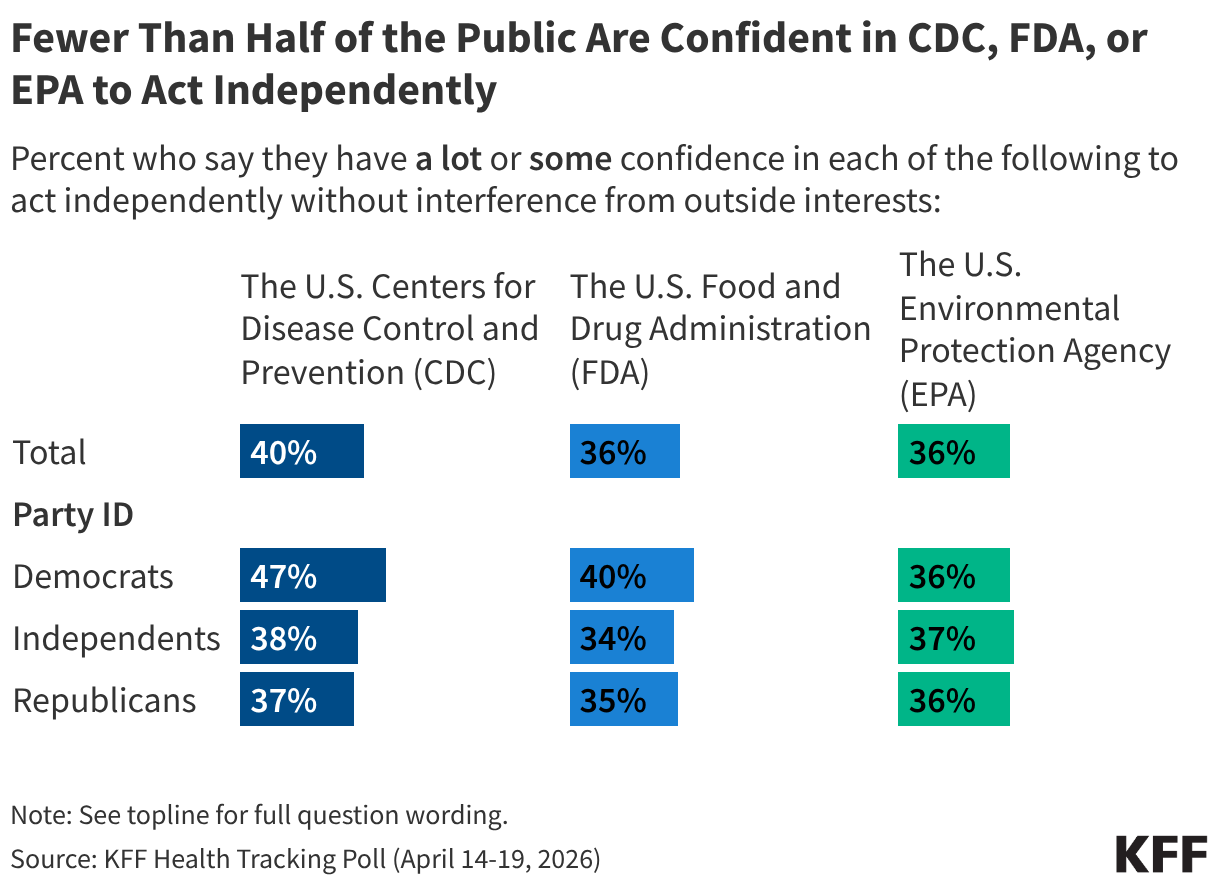
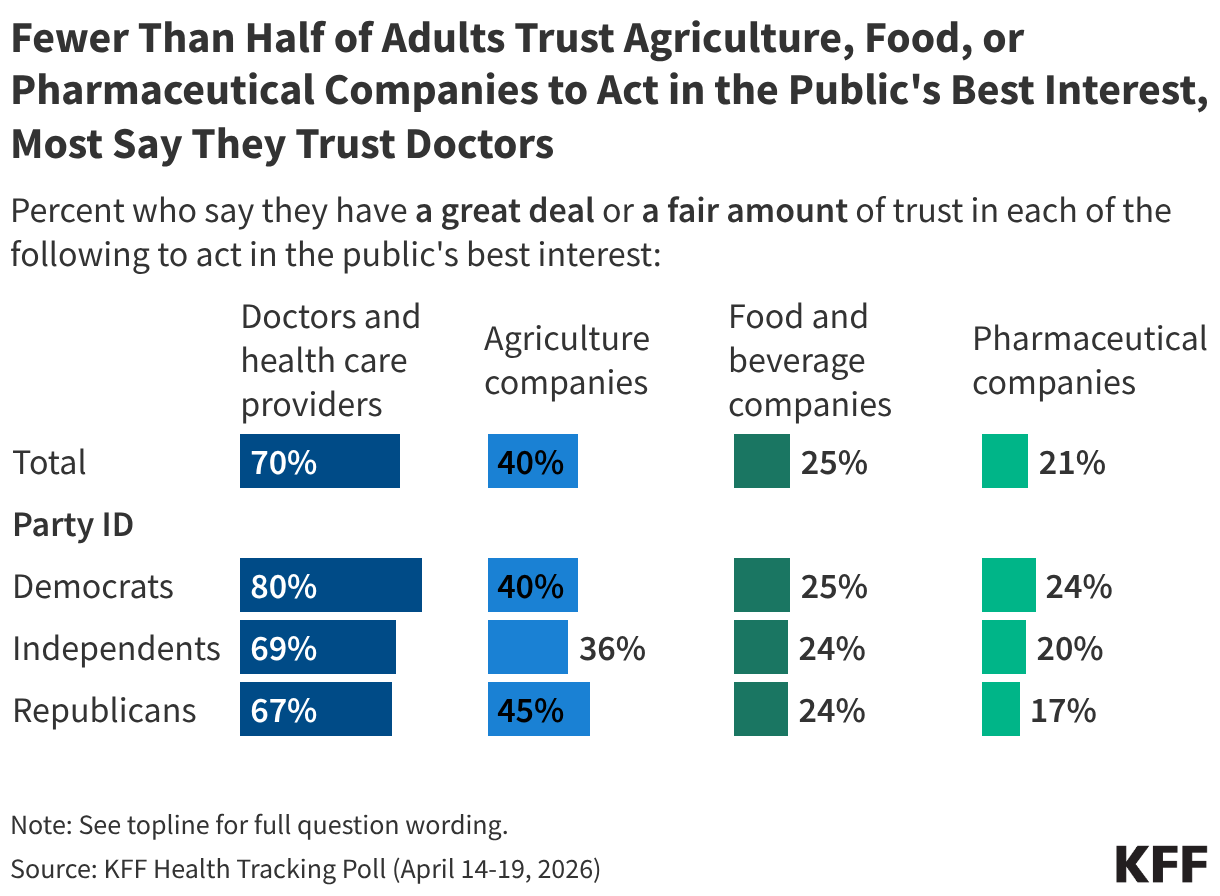
Misinformation spreads more easily during periods of uncertainty and low institutional trust. In these contexts, even when a specific claim is debunked, narratives like medbeds can persist because they reinforce doubts about official institutions and align with their ideology. These dynamics occur in a landscape of fractured trust. KFF’s Tracking Poll on Health Information and Trust finds that many Republicans report more trust in health information from President Trump than from the CDC, FDA, or their local health department. In this environment, even unsubstantiated claims can have indirect effects. Exposure to these claims and corrections can erode trust in health authorities and government by reinforcing skepticism, even without belief in the specific conspiracy. So, people may reject the literal claim that medbeds exist but accept the broader idea that powerful institutions hide cures or they may have difficulty believing true information in the future.

Proactive and Strategic Communication

While reporting on misinformation too early can have unintended effects, leaving it unchecked can also leave information voids. Reporting on misinformation requires balancing transparency with amplification risks. Focusing on verified facts, limiting repetition of false claims, and avoiding sensationalizing or mocking narratives can reduce unintended spread. Research and practice offer additional strategies:

  • Build Audience Resilience through Proactive Prebunking: Prebunking exposes audiences to fact-based information and explains how misinformation spreads before false claims appear. It strengthens resistance, fills knowledge gaps, emphasizes accurate facts without repeating false claims, and highlights manipulative tactics. Prebunking is especially useful for low- or medium-risk narratives and can complement later debunking if a claim gains traction.
  • Debunk Strategically: If there is reason to believe that misinformation has reached the large swaths of Americans who are unsure about health information, or “the muddled middle”, debunking may be necessary. The Public Health Communication Collaborative suggests beginning with a clear fact, providing context on the misinformation and tactics used, and ending with a reinforcing fact. This helps audiences retain accurate information while limiting amplification of the false claim.
  • Build Trust to Make Corrections Stick: Misinformation persists partly because of underlying distrust. Strengthening community relationships, amplifying trusted messengers, and communicating consistently reduces the appeal of conspiracies more effectively than corrections alone.

Misinformation is not just about what is said, but how it spreads. By anticipating false narratives, using prebunking and debunking strategically, reporting responsibly, and prioritizing trust-building, communicators can limit the reach of false claims while supporting informed, resilient audiences.

Impacts of Recent Federal and State Actions on Natural Disaster Preparedness and Response on Health

Published: Oct 9, 2025

Introduction

What used to be rare extreme weather events have increased in both intensity and frequency due to climate change. August 29, 2025 marked the 20th anniversary of Hurricane Katrina’s landfall in the Gulf Coast region of the U.S. Hurricane Katrina was one of the deadliest storms to hit the continental U.S., resulting in the deaths of nearly 2,000 people and the displacement of over one million. Since Katrina, major hurricanes such as RitaSandyHarveyMaria, and Helene, have resulted in massive loss of life and billions of dollars of damage. In January 2025, Los Angeles County experienced one of the deadliest wildfires in California’s history, killing over 30 people and injuring many more. In early May 2025, tornadoes in Kentucky, Missouri, and Virginia killed at least 25 people. In early July 2025, communities in Texas, New Mexico, and North Carolina experienced deadly flash floods, with over 100 people dying in the Texas floods. This brief provides an overview of who is impacted by health risks of natural disasters and recent federal and state actions related to disaster preparedness and response.

Reflecting underlying structural inequities, low-income communities, people of color, and other historically underserved groups are at increased risk of being affected by a natural disaster. In addition to the immediate hazards created by extreme weather events, their impacts can extend to miles away and years into the future. Natural disasters also have significant economic impacts. It is estimated that if left unaddressed, climate change related natural disasters could cost the U.S. economy approximately $14.5 trillion over the next fifty years.

While prior administrations have taken steps to bolster the nation’s efforts to prepare for and respond to natural disasters, the Trump administration has recently taken actions that may reverse some of these efforts. Weakened federal protections may deepen existing disparities, leaving communities that already face disproportionate climate risks with fewer safeguards against natural disasters. The elimination of key offices, programs, and data tools may also make it more difficult to assess and mitigate the health risks associated with natural disasters. As climate change-related disasters worsen, the federal government’s shrinking of emergency and disaster preparedness support to state and local governments may leave millions of people vulnerable and unable to recover from natural disasters. As of October 2025, more than two dozen local jurisdictions sued the federal government over the withholding of more than $350 million in emergency and disaster funds unless they complied with immigration enforcement efforts and federal policies against diversity, equity, and inclusion conditions. The lawsuit follows a recent decision by a federal judge blocking the Trump administration’s efforts to freeze federal emergency preparedness funds for states that opposed the administration’s mass deportation efforts. Some states have taken actions to prepare for and respond to natural disasters, however variation in state-level actions may leave some areas and communities at increased risk.

Who is at Increased Risk for Negative Health Impacts Due to Natural Disasters?

Many of the same factors that contribute to health inequities leave some communities at higher risk of being affected by a natural disasterLow income communities and communities of color are often on the front lines of natural disasters and climate change. Due to historical residential segregation, including redlining, people of color are more likely to live in neighborhoods that have worse infrastructure, increasing their risk of harm and limiting their ability to prepare or safely shelter-in-place. Rural communities face challenges responding to natural disasters, ranging from physical isolation, high poverty rates, to limited access to health care as well as limited financial capacity. Barriers such as language access and immigration-related fears may prevent immigrants from receiving timely warnings or recovery assistance and financial challenges make it harder for low income families to evacuate, with surveys showing that costs often run into the thousands of dollars. Further, there are gaps in federal disaster management and response efforts. Recovery efforts are not always distributed equitably, with research finding wealthier and White communities more likely to benefit than communities of color. For example, during the 2025 L.A. County wildfires, fewer fire trucks were deployed to west Altadena, a historically Black neighborhood that experienced the greatest loss of life.

Natural disasters have immediate negative impacts on health and can limit access to health care and basic necessities. In addition to immediate loss of life and injury, damage to infrastructure caused by storms can also compromise emergency response efforts, limit access to basic needs, and disrupt access to health care and needed medications. These disruptions can be particularly severe for people who rely on continuous medical treatments or who live in communities with limited health care capacity. For example, immediately after Hurricane Maria, residents in Puerto Rico reported difficulties in accessing basic needs, including health care, water, food, gas and money. Those with chronic conditions such as asthma, diabetes and kidney disease had trouble managing their conditions due to power outages that impacted dialysis centers and their ability to refrigerate their medicines. A KFF Health News investigation found that at least 170 hospitals in the U.S. are at risk of severe flooding, potentially jeopardizing access to care and endangering the lives of hospital workers and people reliant on hospital care during flooding disasters. The cumulative effects of these challenges can widen existing health disparities, leaving some groups at greater risk of adverse outcomes during and after natural disasters.

Impacts of natural disasters can extend beyond the immediately affected area to people miles away. For example, in 2023, smoke from wildfires in Canada caused air pollution that affected more than 60 million people in the U.S. During that time, U.S. emergency room visits for asthma increased by nearly 20%. Research also shows that wildfire smoke accounts for significant amounts of particulate matter, worsening air pollution and creating persistent and chronic health risks. Communities of color are particularly susceptible to the adverse impacts of wildfires and wildfire smoke exposure due to their higher rates of underlying conditions including higher rates of asthma among American Indian and Alaska Native and Black people compared to White people.

Natural disasters can also affect communities years after their immediate impacts. For example, research shows that years after hurricanes have occurred, excess mortality persists, with Black people experiencing higher cumulative excess deaths than their White counterparts. One year after Hurricane Katrina, about one third (32%) of New Orleans residents reported that their lives remained “very disrupted” or “somewhat disrupted” by the storm, with this share rising to about six in ten (59%) of African American residents in Orleans Parish compared to about three in ten (29%) of White residents. Ten years after the storm, KFF survey data also showed that New Orleans residents who lived in the area during Katrina still reported lingering stress and problems with their mental health due to the hurricane.

Prior administrations took steps to strengthen the nation’s capacity to prepare for and respond to natural disasters. These efforts focused on building federal infrastructure, improving coordination, and investing in hazard mitigation. For example, after Hurricane Katrina, President George W. Bush signed the Post-Katrina Emergency Management Reform Act of 2006 to overhaul the Federal Emergency Management Agency (FEMA), which included creating regional offices and stronger protections for people with disabilities and those with limited English proficiency. Later, the Obama administration expanded flexibility for states and Tribes in using recovery funds and allowed Tribes to make disaster declarations independently. The Preparing the United States for the Impacts of Climate Change Executive Order directed federal agencies to integrate climate preparedness into operations and planning. During its first term, the Trump administration established a national fund for pre-disaster mitigation, giving states more reliable access to resources for strengthening infrastructure. Together, these actions enhanced the federal framework for disaster preparedness, improved coordination, and increased protections for disproportionately affected populations.

The Biden administration took additional steps to prepare for, respond to, and address the impacts of climate change, natural disasters, and emergency and rescue services on health. The passage of the Infrastructure Investment and Jobs Act in 2021 and the Inflation Reduction Act in 2022 dedicated significant funds to disaster mitigation and resilience, including increasing the resilience of infrastructure and investing in more resilient energy grids to reduce power outages during extreme weather events. The National Climate Resilience Framework launched a whole-of-government climate resilience strategy, which directed agencies to integrate climate risk into planning and strengthening building standards to withstand disasters. Through the Building Resilience Infrastructure and Communities (BRIC) program and the Hazard Mitigation Assistance (HMA) Grant, FEMA awarded billions of dollars for pre-disaster mitigation and resiliency projects, with an emphasis on projects in underserved communities. By mid-2024, more than 20 federal agencies released climate adaptation plans that aligned with the National Climate Resilience Framework, which emphasized environmental justice and Tribal engagement.

On the first day of its second term, the Trump administration began implementing policies and regulations that cut funding and reversed efforts to mitigate the impacts of natural disasters and extreme weather events on health. In March 2025, the administration announced the cancelation of grants worth $1.7 billion aimed at preparing communities for extreme weather events as well as improving their air and water quality. In April 2025, FEMA suspended the BRIC and HMA programs, both of which funded flood control, wildfire mitigation, and infrastructure resilience projects. FEMA also reduced staff and training capacity by 20%, limiting the agency’s ability to coordinate disaster response and recovery. In addition to significant workforce cuts, the National Oceanic and Atmospheric Administration (NOAA) faces significant budget cuts that are expected to hinder severe weather forecasting and early warning systems that are key for preparing for natural disasters and extreme weather events. NOAA is one of the few reliable sources that people can access when determining how and when to respond to a natural disaster; cuts to its programs may contribute to increases in loss of life. Further, the Trump administration stopped updating the Billion-Dollar Weather and Climate Disasters database, which documented the economic cost of natural disasters. The loss of this source of data will leave researchers, policymakers, and other actors with less reliable information to determine the impacts of natural disasters and plan for future events.

Beyond the changes at FEMA, the administration has pursued broader policy shifts that affect disaster preparedness and health. The administration has made major cutbacks to the Environmental Protection Agency’s (EPA) climate and resilience programs, including reduced enforcement of clean air and water standards that help protect communities during and after extreme weather events. In July 2025, the EPA finalized its proposal to rescind the 2009 Endangerment Finding under the Clean Air Act, which found that greenhouse gas emissions endangered public health and welfare and implemented greenhouse gas emissions standards for vehicles and other sectors. If this finding is eliminated, the EPA could no longer limit emissions from cars or power plants. The administration also eliminated the U.S. Global Change Research Program and fired the scientists who worked on the National Climate Assessment, a report that outlined the dangers of climate change and global warming, which the government used to help prepare for extreme weather events. The administration also eliminated or restructured federal environmental justice and diversity, equity, and inclusion initiatives, scaling back efforts designed to identify and address disproportionate environmental burdens on low income communities and communities of color. Areas like the Southeast U.S. are particularly vulnerable to the impacts of these changes as they are often affected by severe tropical storms and have high concentrations of low income communities and communities of color who due to underlying factors are less able to prepare for and recover from natural disasters. These actions reduce the agency’s ability to monitor risks, provide data to communities, and enforce protections in areas most likely to experience climate-related harm.

The Trump administration has also taken actions that block or weaken state level climate measures, including responses to natural disasters. Through the Executive Order, “Protecting American Energy From State Overreach,” the federal government directed the Department of Justice to challenge state and local climate resilience policies, including building codes and emission standards that support disaster preparedness. By targeting these measures, the order weakens safeguards that protect buildings against natural disasters and cuts emission standards that lower the production of greenhouse gas emissions that cause extreme weather events and mitigate toxin exposures during natural disasters. Further, the Trump administration’s efforts to limit the role of the federal government in state disaster response and management efforts will have significant effects for states that do not have the fiscal capacity or resources to adequately prepare for and recover from natural disasters. In 2019, of the 31 states that received federal disaster response and recovery resources, only five states would have had enough disaster-specific relief funds to cover the costs of disasters in 2019 without the support of the federal government.

Reflecting the increase in frequency and intensity of extreme weather and other natural disasters and the resultant economic losses associated with these events, several states have passed recent legislation focused on disaster preparedness and recovery. Most state policies emphasize centralized planning, identifying at-risk communities, developing mitigation strategies, and building infrastructure and community resilience. For example, New Jersey and South Carolina enacted bills that require all land-use agreements to include resiliency clauses or climate change-related hazard vulnerability assessments that take into account the impacts of natural disasters on local communities and built infrastructure. In Colorado, SB222-206 established the Office of Climate Preparedness to coordinate disaster recovery and develop a statewide climate roadmap, integrating climate adaptation, mitigation, and resilience strategies to support long-term environmental and community health efforts. The bill also created the Disaster Resilience Rebuilding Program to provide financial support for rebuilding homes, businesses, and infrastructure after disasters, as well as encouraging sustainable rebuilding projects that promote high-efficiency and sustainable reconstruction efforts.

Some states have integrated actions into their disaster response policies to help identify and reach historically marginalized populations who are often left behind during disaster preparedness and recovery efforts due to social and economic inequities. For example, Washington’s Greenhouse Gas Emissions-Cap and Invest Program encourages the use of an environmental justice assessment to ensure that funds and programs provide benefits to and reduce disparities faced by overburdened communities−“communities that have historically borne the disproportionate impacts of environmental burdens and now bear the disproportionate negative impacts of climate change.” As part of HB 1237, Colorado directed funds to study how to improve language access in their warning systems by hiring multilingual staff and translating materials into languages other than English. They are also developing best practices for engaging with communities in other languages. Hawaii established a recovery fund for Native Hawaiian people who are at the frontline of climate change and experiencing loss from natural disasters. While Hawaii has dedicated funds to support Native Hawaiian people, the Lahaina fire from 2023 highlighted the hurdles survivors faced in accessing and utilizing recovery funds. Challenges in accessing funds, inability to pay rent and mortgages, and difficulty rebuilding have forced many Native Hawaiian survivors to move out of West Maui. For survivors who stayed, substantial increases in housing costs and recent changes to FEMA may jeopardize their ability to stay on their ancestral land long-term. Research shows that two years after the fire, survivors continue to report worsened mental and physical health and about four in ten (41%) adults still live in temporary housing.

VOLUME 32

Debunked Autism Claims Resurface After Press Conference, And Supreme Court to Hear Cases on Conversion Therapy and School Vaccine Mandates


Summary

This volume analyzes the resurgence of false narratives about autism rates in Cuba and among Amish people in the U.S. following recent statements by President Trump. It also examines health-related cases before the Supreme Court this term, including challenges to state bans of conversion therapy for LGBTQ+ people and on school vaccine mandates. Lastly, it highlights research showing the limitations of AI chatbots as primary sources of health information.


Recent Developments

False Claims About Autism Rates in Cuba and in Amish Communities Resurface After Press Conference on Tylenol

What’s Happening?

At a September 22 press conference announcing HHS actions related to acetaminophen, the main ingredient in Tylenol, President Donald Trump revived misleading claims about the prevalence of autism in certain populations, including in Cuba and in Amish communities in the U.S. President Trump cited the two groups as examples of people who “don’t take vaccines and don’t take any pills” and “have essentially no autism,” implying an association between vaccines and medications and autism.

Why It Matters
  • Political amplification of these long-debunked claims may bring them to new audiences, particularly if health communicators have stopped actively countering these claims.
  • Renewed circulation of the claim that vaccines cause autism may influence parents’ vaccination decisions and contribute to vaccine hesitancy, despite extensive research showing no causal relationship.
  • Attempts to link common medications or vaccines to autism may contribute to stigma and reinforce the idea that autism, which has a largely genetic basis, is a preventable condition.
What Are People Saying?

KFF’s monitoring of the social media platform X found that, as of September 29, mentions of autism among Cuban and Amish populations identified in our search rose nearly 1400% over the last 30 days when compared to the previous 30-day period, increasing from almost 12,000 to approximately 160,000 posts, reposts, and comments. Many of the most-engaged-with posts sought to refute the claims, but some influential accounts, including a radio host and founder of InfoWars who has more than 4 million followers, amplified them to large audiences.

Where Do These Claims Come From?

These narratives have appeared cyclically for many years, often tied to broader messaging opposed to vaccination. The claims rely on and perpetuate assertions that vaccines are associated with autism, but decades of research has shown there is no association between autism and vaccines.

What Does The Evidence Say?
  • Many Amish children do receive vaccines, with a 2017 study of an Amish community in Ohio showing that 98% of parents surveyed had accepted at least some vaccines for their children. A 2011 survey found similar patterns, with 85% of Amish parents reporting that all or some of their children had received at least one immunization.
  • While some research has suggested rates of autism among Amish children are lower than the prevalence in the general population, the topic has not been extensively studied. The lower rate may be a result of underdiagnosis, with cultural differences including different utilization of healthcare and different educational environments potentially leading to underreporting. Similarly, lower reported rates of autism in Cuba may result from lack of diagnostic resources. The World Health Organization (WHO) has said that the prevalence of autism in many low- and middle-income countries is unknown.

Polling Insights: A recent KFF/Washington Post Survey of Parents found that though few parents say it is true that MMR vaccines can cause autism in children (9%), many express uncertainty, with about half (48%) saying they do not know enough to say.

Belief in the false claim that MMR vaccines can cause autism is correlated with the medical decisions parents are making for their children. Notably, parents who say they skipped or delayed recommended vaccines for their children are more than four times as likely as those who have kept their children up to date to say it is true that MMR vaccines can cause autism in children (27% v. 6%).

Stacked bar chart showing percent who say the false claim that MMR vaccines can cause autism in children is true, they don't know enough to say, or it's false. Results shown by parents of children who have and have not been diagnosed with autism spectrum disorder.

Supreme Court Case Challenges State Bans on Conversion Therapy

What’s Happening?

The Supreme Court began hearing cases this week for its new term, with oral arguments taking place on Tuesday in Chiles v. Salazar, a case that addresses whether state bans on conversion therapy for minors violate Constitutional free speech protections. Conversion therapy refers to practices that attempt to change or suppress an LGBTQ person’s sexual orientation or gender to conform to heterosexual or cisgender identities.

Why This Matters
  • The case focuses on free speech protections, but discussions around conversion therapy bans and the case inaccurately portray conversion therapy as an effective way to change an individual’s gender identity or sexual orientation through intervention, contradicting established medical consensus. Such claims discount the known risks of conversion therapy, including higher rates of depression, suicidality, and substance abuse.  If the Court overturns Colorado’s ban of conversion therapy for minors, the decision could be used to legitimize these false claims in support of conversion therapy.
  • In 2023, the KFF/Washington Post Survey of Trans Adults found that 11% of trans adults said as a child or teenager they attended conversion or reparative therapy that tried to change their sexual orientation or gender identity. A ruling upholding the ban would reaffirm states’ ability to regulate conversion therapy based on its documented harms. 23 states and DC have banned conversion therapy for minors, but a ruling overturning these bans could limit states’ ability to regulate these practices.
What Are People Saying?
  • The Supreme Court case has brought attention to conversion therapy in online discussions. In 2025, “conversion therapy” was mentioned an average of about 1,015 times per day in posts, reposts, and comments across X, Reddit, and Bluesky. But on the day the Supreme Court announced that it would review the case, the number of mentions jumped to 8,586, followed by 9,571 the next day. This was the biggest spike of the year, showing how the case announcement pulled the topic into broader public conversation. Although smaller in size, additional spikes in conversation about conversion therapy occurred around key case developments, with mentions more than tripling compared to the daily average on August 6, around the time when oral arguments were scheduled. The increases in conversation closely track with court milestones, suggesting that coverage of the case directly fuels discussion and potentially creates moments for false claims to spread.
  • While many of the most-engaged-with posts, especially earlier in the year, condemned conversion therapy, the visibility of the case has contributed to an increase in false claims about conversion therapy. Posts throughout September incorrectly claimed that bans “criminalize helping confused youth” or leave youth with gender dysphoria without resources.
  • Overall, the volume of online conversation about conversion therapy is still limited compared to discourse around other LGBTQ issues. But as attention towards conversion therapy increases, false narratives that claim banning it removes support for youth with gender dysphoria or that ignore generally agreed upon harms have gained visibility. In one high-engagement post, for example, a parent of a child with gender dysphoria said that Colorado’s ban restricted what counselors could discuss during therapy sessions, misleadingly asserting that this led to worse mental health and harmed “vulnerable kids.” These types of posts frame the bans as limiting access to care rather than restricting harmful practices, which may resonate with audiences unfamiliar with the medical consensus that conversion therapy causes psychological harm. KFF is monitoring whether the start of oral arguments prompts new or resurfacing narratives, as similar patterns emerged when the Court previously heard cases involving gender-affirming care.
  • Some of the legal arguments presented in the case create opportunities for misleading narratives to gain credibility. The respondent’s brief addresses these misconceptions by noting that the petitioners claim, without substantial evidence, that “restrictions like Colorado’s” have left “detransitioners . . . with no counseling support whatsoever in much of the United States.” The brief also highlights that the petitioners rely on an unverified Reddit post to suggest that patients struggling with gender identity will have difficulty accessing mental health care.
  • While the petitioners in the case do not primarily focus on gender-affirming care in their initial request for review by the court or in their brief, they do suggest that conversion practices might play a role as an alternative to gender-affirming care. Some amicus briefs filed in support of the petitioner echo this sentiment, with a few using inflammatory language around this care. Such narratives erroneously conflate gender-affirming care debates with the issue before the court in this case and suggest conversion therapy is a substitute for gender-affirming care, distracting from the evidence around the harms associated with conversion efforts.
What Does The Evidence Say?
  • Conversion therapy is not supported by evidence and research shows attempts to change sexual orientation or gender identity are associated with adverse mental health outcomes. There is no credible evidence that such practices can change sexual orientation or gender identity, and 28 medical and mental health associations have signed onto a joint statement opposing conversion practices. Some, including the AAP and American Psychological Association (APA), have provided independent statements opposing the practice.

Challenge to School Vaccine Mandates Focuses on Use of Fetal Cell Lines

What’s Happening?
  • During its October term, the Supreme Court will weigh whether to grant an emergency injunction in We the Patriots USA, Inc. v. Ventura Unified School District, a case involving a California mother who argues that the state’s school vaccine mandate, requiring her son to get vaccinated to attend school, infringes on her religious freedom because some vaccines were developed or tested using fetal cell lines originally derived from abortions performed decades ago. The woman claims that vaccinating her son with products connected to abortion would violate her Christian faith, regardless of when the abortion occurred.
  • The case has drawn attention as false claims circulate on social media that vaccines contain fetal tissue or “debris,” despite no such material being present in final vaccine products.
Why This Matters
  • While the current case focuses on the historical use of these cell lines in vaccine development, a factual element of how some vaccines were developed, the increased attention on the topic may also increase exposure to pre-existing false claims that current vaccines contain fetal tissue or “debris” in their final products.
  • Despite major religious authorities, including the Catholic Church, concluding that using vaccines developed with these cell lines is morally acceptable, the case provides an opportunity for the false claim that fetal tissue is present in current vaccines to spread and may influence vaccination decisions by parents who have a religious objection to abortion. Even though no fetal material is present in final vaccine products, this misconception may contribute to increased vaccine hesitancy and declining public confidence in vaccines, particularly among parents with religious objections or limited understanding of the difference between historical cell line use and the vaccines they receive.
How Is The Narrative Spreading?
  • Influential figures, including health authorities like HHS Secretary Robert F. Kennedy Jr., have previously misrepresented the historical use of fetal cell lines in vaccine development, claiming that fetal tissue or fetal “debris” is present in final vaccine products.
  • On average, 168 posts, reposts, or comments on X mentioned fetal cell lines or tissue in vaccine-related content identified in KFF’s search each day in September. This number rose to nearly 2,000 on September 21 following Fox News coverage of the emergency petition, illustrating how the narrative can expand when amplified through high-profile media attention.
  • Even before the case gained prominence, false claims about fetal tissue being present in vaccines were circulating online. Days before the emergency petition was filed on September 11, one account with nearly 2 million followers listed “fetal tissue” among a list of vaccine ingredients, implying that parents would not choose to vaccinate their children if they knew vaccines contained such tissue. Many of the comments on the post signaled agreement, with several criticizing what they called pharmaceutical greed or corruption.
Where Did This Confusion Come From?
  • Fetal cell lines are laboratory-grown cells used in vaccine research and production because they provide a controlled environment needed to create vaccines. These cell lines were originally established from elective abortions performed decades ago, but the cells used today are many generations removed from the original tissue, and no further abortions are performed or necessary for vaccine development.
  • Some vaccines, including the rubella component of the MMR vaccine, the chickenpox vaccine, and the hepatitis A vaccine were developed using these lines.
What Does The Evidence Say?

No fetal tissue or “debris” is present in final vaccine products. The manufacturing process involves growing viruses in fetal cell lines, then purifying the vaccines to remove any cellular material, leaving only the viral components needed for immunity.

Polling Insights: KFF’s latest Tracking Poll on Health Information and Trust finds that seven in ten parents oppose their state removing public school vaccine requirements, while three in ten support removing these vaccine requirements. Support differs sharply across partisans, with about half (48%) of Republican and Republican-leaning independent parents saying they support removing public school vaccine requirements in their state compared to far fewer Democratic and Democratic-leaning parents (13%).

Split bar chart showing shares that support versus oppose states recommending vaccines that are not recommended by federal health agencies.

The survey also found that just over half (56%) of parents say getting children vaccinated is “part of parent’s responsibility to protect the health of others,” while just under half (44%) instead say it is a “parent’s personal choice.” Most Republican and Republican-leaning parents say that getting children vaccinated is a parent’s personal choice (62%), while most Democratic and Democratic-leaning parents say it’s a responsibility to protect others (74%).

Mirrored bar charts showing the views of percent of adults in different demographics.

AI & Emerging Technology

Study Finds AI Chatbots Provide Low-Quality Information on Fibromyalgia

What Did Researchers Find?
  • A recent study published in Archives of Rheumatology evaluated how six major artificial intelligence (AI) chatbots, including ChatGPT, Gemini, and Copilot, responded to the 10 most commonly searched questions about fibromyalgia, a chronic condition that causes widespread pain. Researchers rated each of the responses on content quality, accuracy, readability, and alignment with evidence-based guidelines, like those from the American College of Rheumatology. The quality of the responses was rated using a standardized system designed to evaluate the quality of health information based on structure, accuracy, and how well responses aligned with evidence-based guidelines, with scores expressed as a percentage.
  • Even the best-performing chatbot (Gemini) provided “low-quality” information, scoring 40.5 out of 100, while the worst (ChatGPT 3.5) was rated “very low-quality,” scoring 20.6. The study identified moderate levels of factual inaccuracies, unsupported claims, or omissions of important information across all of the chatbots. All of the chatbots produced responses at university reading levels, potentially making the information inaccessible to many patients.
Why This Matters In This Context
  • Patients with fibromyalgia report high levels of stigma and skepticism from healthcare providers, and the condition has been historically dismissed by some as a psychosomatic disorder. As a result, these patients may be more likely to turn to online sources like AI chatbots for information.
  • The study’s authors concluded that even when the chatbots provided generally accurate facts, the quality, understandability, and actionability of the responses were insufficient to help patients.
What Are The Broader Implications?
  • The findings align with research on the usefulness of AI chatbots for other chronic conditions, including colorectal and renal cancers, which have shown inconsistent quality and low readability. As more people turn to AI chatbots for health information, the risks of false information and the gap between accessibility and readability may create risks for patient safety.
  • The study’s authors emphasize the need for clinician involvement in developing and validating AI tools to ensure alignment with evidence-based standards, and recommend chatbots as supplementary tools rather than primary sources of health information.

About The Health Information and Trust Initiative: the Health Information and Trust Initiative is a KFF program aimed at tracking health misinformation in the U.S., analyzing its impact on the American people, and mobilizing media to address the problem. Our goal is to be of service to everyone working on health misinformation, strengthen efforts to counter misinformation, and build trust. 


View all KFF Monitors

The Monitor is a report from KFF’s Health Information and Trust initiative that focuses on recent developments in health information. It’s free and published twice a month.

Sign up to receive KFF Monitor
email updates


Support for the Health Information and Trust initiative is provided by the Robert Wood Johnson Foundation (RWJF). The views expressed do not necessarily reflect the views of RWJF and KFF maintains full editorial control over all of its policy analysis, polling, and journalism activities. The data shared in the Monitor is sourced through media monitoring research conducted by KFF.

Poll Finding

KFF Tracking Poll on Health Information and Trust: Tylenol-Autism Link and Vaccine Policies

Published: Oct 9, 2025

Findings

Key Findings

  • KFF’s latest Tracking Poll on Health Information and Trust, fielded a day after the Trump administration warned that taking Tylenol during pregnancy can cause autism in children despite no evidence of a causal relationship, finds that three-quarters (77%) of the public report having heard this claim, and many are unsure whether it is true. Overall, just 4% of adults say it is “definitely true” that taking Tylenol during pregnancy increases the risk of the child developing autism, while a much larger share (35%) say the claim is “definitely false.” Most adults – including majorities across many demographics – express uncertainty, saying the unproven claim is either “probably true” or “probably false.” Belief in this claim is closely tied to partisanship, with most Republicans, including over half of Republican women, saying it is either “probably” or “definitely true.”
  • Amidst a series of recent changes to federal vaccine policy, majorities of the public disapprove of Health and Human Services Secretary Robert F. Kennedy’s overall job performance (59%) as well as his handling of U.S. vaccine policy (62%). Views of Kennedy are largely partisan, with most Republicans and MAGA supporters approving of his overall job performance and his handling of vaccine policy, while large majorities of Democrats disapprove. Just one-third (35%) of adults say they trust Kennedy to provide reliable vaccine information, including 67% of Republicans, 27% of independents, and 13% of Democrats.
  • Public trust in the U.S. Centers for Disease Control and Prevention (CDC) has continued to decline, driven by drops in trust among Democrats and independents. Overall, half of the public now say they trust the CDC “a great deal” or “fair amount” to provide reliable information about vaccines – reflecting the lowest level of trust in the agency since the beginning of the COVID-19 pandemic. At the same time, majorities say they trust vaccine information from the American Medical Association (AMA, 64% of the public) and American Academy of Pediatrics (AAP, 69% of parents), two physicians’ organizations that have been recently removed from federal vaccine workgroups.
  • With Florida recently becoming the first state in the U.S. to announce an end to all vaccine mandates, including for school children, most parents (70%) say they are opposed to removing public school vaccine requirements in their state. Three in ten parents (30%) support removing public school vaccine requirements, including about half (48%) of Republican and Republican-leaning parents. More than half of parents (56%) say getting children vaccinated is part of parents’ responsibility to protect the health of others, while just under half (44%) say it is a personal choice. Republican parents (62%) are far more likely than Democratic parents (26%) to say vaccinating children is a personal choice.

Belief in Claim That Tylenol Increases Autism Risk When Taken During Pregnancy

In September the Trump administration issued a warning linking the use of acetaminophen – the active ingredient in Tylenol – during pregnancy to an increased risk of autism in children, with President Trump directly admonishing pregnant women to not take the painkiller in a widely-covered press conference. Past studies have been mixed, with some finding an association between acetaminophen use during pregnancy and autism risk, but none showing that use of acetaminophen causes autism. Following the administration’s announcement, several researchers and medical groups publicly cautioned that a causal link has not been established. Acetaminophen is considered one of the only safe pain relievers to take during pregnancy when used appropriately, and not taking it, particularly for the treatment of fevers, can carry additional risks for the fetus.

KFF’s latest Tracking Poll on Health Information and Trust, fielded just one day after the Trump administration’s press conference, finds that about three-quarters (77%) of adults say they have read or heard that taking Tylenol during pregnancy increases the risk of the child developing autism, including similar majorities across parents, gender, women of reproductive age, and partisanship.

Bar chart showing share of respondents that have heard anyone say or have read anywhere that taking Tylenol during pregnancy increases the risk of the child developing autism. 77% of the public has heard or read this claim before.

With the vast majority of the public having heard the unproven claim that Tylenol use during pregnancy increases the risk of autism, just 4% of adults say they think this claim is “definitely true” with much larger shares (35%) saying it is “definitely false.” However, in line with prior KFF polling on a variety of health misinformation topics, many adults express uncertainty and fall into the “malleable middle,” saying this unproven claim is either “probably true” (30%) or “probably false” (30%). This includes majorities of women, including women of reproductive age (those under the age of 50), Republicans, independents, and Republican women who all express uncertainty about the validity of this claim.

While few adults across partisanship think that it is “definitely true” that taking Tylenol during pregnancy increases the risk of children developing autism, partisanship does play a major role in public perception of this claim. Democrats (59%) are much more likely than Republicans (12%) to say this claim is “definitely false,” with similar partisan divides occurring among women. Conversely, most Republicans (56%), including most Republican women (54%) say they think it is either definitely true or probably true that taking Tylenol during pregnancy increases the risk of children developing autism.

Stacked bar chart showing the level of belief that U.S. adults, by gender, age, and partisanship, have in the false claim that Tylenol during pregnancy increases the risk of the child developing autism.

MAHA Support and Public Approval of HHS Secretary Kennedy

As Secretary of the Department of Health and Human Services (HHS), Robert F. Kennedy Jr. has overseen several major changes to federal health agencies and policies in the past year, including cuts to HHS staffing, replacing members of the CDC committee that makes vaccine recommendations, and changes to federal vaccine recommendations for adults and children. The newly established Make America Healthy Again (MAHA) Commission chaired by Kennedy has vowed to combat childhood disease, with a focus on diet and exercise, processed foods, neurodevelopmental disorders, and so-called “over-medicalization” of children.

KFF’s latest Tracking Poll on Health Information and Trust finds that just over seven months into his tenure overseeing the Department of Health and Human Services, majorities of the public disapprove of Robert F. Kennedy Jr.’s job performance as HHS leader and his handling of U.S. vaccine policy, with approval largely split down partisan lines. About four in ten (41%) adults say they “strongly” or “somewhat” approve of the way Kennedy is handling his job as Secretary of HHS, compared to a majority (59%) who say they either “somewhat” or “strongly” disapprove of his job performance. Similarly, about four in ten (37%) adults say they approve of Secretary Kennedy’s handling of U.S. vaccine policy compared to six in ten (62%) who express disapproval.

Republicans are far more likely than both independents and Democrats to approve of Kennedy’s handling of his role as HHS Secretary (74% of Republicans v. 35% of independents and 13% of Democrats) and his handling of U.S. vaccine policy (69% of Republicans v. 32% of independents and 12% of Democrats).

Stacked bar chart showing the level of support respondents have of RFK Jr.'s hob performance and his handling of U.S. Vaccine Policy. Results shown by party identification.

Support of the Make America Healthy Again (MAHA) movement:

Overall, about four in ten (43%) adults say they consider themselves supporters of the MAHA movement, with support closely tied to partisanship and support of the Make America Great Again (MAGA) movement. About three in four (74%) Republicans say they support the MAHA movement compared to about four in ten (38%) independents and roughly one in five (22%) Democrats. Among Republicans and Republican-leaning independents, those who identify as MAGA supporters are about three times as likely to also support MAHA compared with non-MAGA Republicans (87% v. 30%).

Stacked bar chart showing the levels of public support for the Make America Healthy Again movement. Results shown by parental status, party, and gender.

Looked at another way, MAHA supporters are largely made up of Republicans, with a strong overlap between those who identify with the MAHA and MAGA movements. Two-thirds of MAHA supporters identify as Republican or Republican-leaning independents, including six in ten (59%) who are MAGA-supporting Republicans. Far fewer MAHA supporters are Democrats (20%) or non-leaning independents (13%).   

Stacked bar chart showing support for MAHA among Democrats, Independents, no-MAGA Republicans, and MAGA Republicans.

Even among supporters of the Make America Healthy Again (MAHA) movement, support for Secretary Kennedy is not universal and seems to be largely partisan.

While majorities of MAHA supporters say they approve of Kennedy’s job performance (69%) and handling of vaccine policy (64%), at least three in ten MAHA supporters say they either “somewhat” or “strongly” disapprove of the way Kennedy is handling his role as HHS Secretary (30%) and U.S. vaccine policy (35%), suggesting that Kennedy has yet to win over a notable share of adults who support the movement he is so closely tied to. This may be explained by partisan divisions within the MAHA movement itself: Few Democratic and Democratic leaning MAHA supporters approve of Kennedy’s job performance (27%) or handling of vaccine policy (22%), while large majorities of Republican and Republican leaning MAHA supporters express approval of Kennedy’s handling of his job (85%) and vaccine policy (79%).

Support of Kennedy is also closely tied to MAGA identity among Republicans. Republicans and Republican-leaning independents who support the MAGA movement (74% of all Republicans/Republican-leaning independents) are much more likely than non-MAGA Republicans to say they approve of the way Kennedy is handling his job as HHS Secretary (83% v. 48%) and U.S. vaccine policy (76% v. 46%).

Split bar charts showing approval of the way RFK is handling his job and U.S. vaccine policy among MAHA and MAGA supporters.

Trusted Sources of Vaccine Information

The Trump administration has recently enacted several changes to federal vaccine guidance, including limiting eligibility for updated COVID-19 vaccines to older adults and those with underlying conditions, taking steps to revise the pediatric vaccine schedule, and removing physician organizations, including the American Medical Association and American Academy of Pediatrics, from federal vaccine recommendation workgroups. Amid these changes, some physician organizations and health care providers have issued their own expanded guidelines for vaccines, including for the updated fall 2025 COVID-19 boosters. As the public is faced with increasingly mixed messaging on vaccine recommendations from a variety of authorities, groups and individuals, trust in different sources of vaccine information may play a key role in adults’ decisions.

Doctors remain the most trusted source of vaccine information among the public, with eight in ten (83%) adults saying they trust their doctor or health care provider “a great deal” or “fair amount” to provide reliable information about vaccines. Majorities of the public also express trust in the American Medical Association, or AMA (64%), to provide reliable vaccine information, with a similar share of parents expressing trust in the American Academy of Pediatrics, or AAP (69%). Fewer adults express trust in health agencies and officials, with half of the public saying they trust the CDC (50%), their state government officials (45%), or Robert F. Kennedy Jr. (35%) for reliable vaccine information. Notably, fewer than half of adults say they trust any of these sources “a great deal.”

In line with recent KFF polling, trust in sources of vaccine information is largely partisan, with Republicans more likely than Democrats to trust Robert F. Kennedy Jr. (67% v. 13%), and Democrats more likely to trust the CDC (64% v. 39%), their state government officials (57% v. 37%), the AMA (83% v. 47%), and the American Academy of Pediatrics (89% v. 54%, among parents). Majorities across partisans continue to express trust in their doctor for vaccine information, although Democrats are more likely than Republicans to do so (95% v. 75%). 

Stacked bar chart showing the level of trust people have on various sources of information regarding vaccines.

Continuing a trend observed in prior KFF polling, KFF’s latest Tracking Poll on Health Information and Trust finds that public trust in the CDC has now dropped to its lowest level since the beginning of the COVID-19 pandemic. Half of the public now say they have “a great deal” or “fair amount” of trust in the CDC to provide reliable information about vaccines (down from 63% overall in September 2023). Trust among both Democrats and independents has dropped by double digits since September 2023 (from 61% to 47% for independents and from 88% to 64% among Democrats).

The share of Republicans saying they trust the CDC for vaccine information appeared to rebound somewhat in April 2025 following Secretary Kennedy’s appointment, but currently stands at 39%, similar to the 40% in September 2023.

Line chart showing rates of U.S. adult trust in the CDC for information on vaccines spanning from September 2023 to September 2025.

Public Weighs Support for States’ Roles in Vaccines

With a growing red-blue divide on state vaccine policies, public opinion on state’s roles is similarly polarized, with KFF’s latest survey finding that trust in state officials varies depending on whether partisans live in states governed by their own party. Overall, Democrats are more likely than Republicans to express a “great deal” or “fair amount” of trust in their state government officials to provide reliable vaccine information (57% v. 37%). Yet, this differs depending on whether people share the same political party as their state leadership. Democrats living in states with Democratic governors are more likely than Democrats in Republican-governed states to express trust in their state officials for vaccine information (66% v. 42%). On the other hand, about half (47%) of Republicans living in states with Republican governors trust their state officials for vaccine information compared to just a quarter (27%) of Republicans living in states with Democratic governors. This complex interplay of partisanship amid red-blue divides in state vaccine policies has the potential to further add to the public’s confusion when it comes to vaccine recommendations.

Split bar chart showing trust in state officials to provide reliable information about vaccines among Democrats and Republicans.

Amid recent changes to federal vaccine guidance, several states – largely governed by Democrats – have taken action to expand access to certain vaccines, including policies to widen COVID-19 vaccine eligibility. Overall, the public is divided on these policies. About half (48%) of the public say they support states recommending vaccines for their residents that are not recommended by federal health agencies with another half (51%) opposed. A majority (64%) of Democrats support these state policies compared to about half (52%) of independents and far fewer (28%) Republicans.

Split bar chart showing shares that support versus oppose states recommending vaccines that are not recommended by federal health agencies.

Support for School Vaccine Requirements and Parents’ Responsibility to Vaccinate

In early September, Florida became the first U.S. state to announce its intention to end to all vaccine mandates, including for school children. All 50 states and D.C. currently require school children to receive vaccines for certain diseases, such as measles, mumps, and rubella and polio, making Florida the first state to move toward removing such requirements. Nearly all states, including Florida, already allow parents to opt out of vaccinating their children due to non-medical reasons, such as religious beliefs.

Overall, seven in ten parents say they oppose their state removing public school vaccine requirements, while three in ten say they support removing these requirements. Among Republican and Republican-leaning independent parents, half (48%) say they support removing public school vaccine requirements in their state compared to far fewer Democratic and Democratic-leaning parents (13%).

KFF’s recent Survey of Parents with the Washington Post similarly found that while most parents across partisans, including those who live in Florida, support public school vaccine requirements for measles and polio, Republican parents and MAGA-Republican parents are more likely to oppose these requirements.

Split bar chart showing shares that support versus oppose states removing school vaccine requirements.

Parents are largely divided on the question of whether vaccinating children is a responsibility to protect others or a parent’s personal choice, with Republican parents much more likely to view childhood vaccination as a personal choice. When asked which comes closer to their view, just over half (56%) of parents say getting children vaccinated is “part of parent’s responsibility to protect the health of others,” while just under half (44%) say it is a “parent’s personal choice.” A majority of Republican and Republican-leaning parents (62%) say that getting children vaccinated is a parent’s personal choice rather than a responsibility to others compared to a quarter (26%) of Democratic and Democratic leaning parents who say the same.

Mirrored bar charts showing the views of parents on getting children vaccinated being a personal choice versus a responsibility to protect others.

Methods

This KFF Health Tracking Poll/KFF Tracking Poll on Health Information and Trust was designed and analyzed by public opinion researchers at KFF. The survey was conducted September 23-29, 2025, online and by telephone among a nationally representative sample of 1,334 U.S. adults in English (n=1,255) and in Spanish (n=79). The sample includes 1,026 adults (n=64 in Spanish) reached through the SSRS Opinion Panel either online (n=1,004) or over the phone (n=22). The SSRS Opinion Panel is a nationally representative probability-based panel where panel members are recruited randomly in one of two ways: (a) Through invitations mailed to respondents randomly sampled from an Address-Based Sample (ABS) provided by Marketing Systems Groups (MSG) through the U.S. Postal Service’s Computerized Delivery Sequence (CDS); (b) from a dual-frame random digit dial (RDD) sample provided by MSG. For the online panel component, invitations were sent to panel members by email followed by up to three reminder emails. 

Another 308 (n=15 in Spanish) adults were reached through random digit dial telephone sample of prepaid cell phone numbers obtained through MSG. Phone numbers used for the prepaid cell phone component were randomly generated from a cell phone sampling frame with disproportionate stratification aimed at reaching Hispanic and non-Hispanic Black respondents. Stratification was based on incidence of the race/ethnicity groups within each frame. Among this prepaid cell phone component, 141 were interviewed by phone and 167 were invited to the web survey via short message service (SMS). 

Respondents in the prepaid cell phone sample who were interviewed by phone received a $15 incentive via a check received by mail. Respondents in the prepaid cell phone sample reached via SMS received a $10 electronic gift card incentive. SSRS Opinion Panel respondents received a $5 electronic gift card incentive (some harder-to-reach groups received a $10 electronic gift card). In order to ensure data quality, cases were removed if they failed two or more quality checks: (1) attention check questions in the online version of the questionnaire, (2) had over 30% item non-response, or (3) had a length less than one quarter of the mean length by mode. Based on this criterion, no cases were removed.

The combined cell phone and panel samples were weighted to match the sample’s demographics to the national U.S. adult population using data from the Census Bureau’s 2024 Current Population Survey (CPS), September 2023 Volunteering and Civic Life Supplement data from the CPS, and the 2025 KFF Benchmarking Survey with ABS and prepaid cell phone samples. The demographic variables included in weighting for the general population sample are gender, age, education, race/ethnicity, region, civic engagement, frequency of internet use, and political party identification. The weights account for differences in the probability of selection for each sample type (prepaid cell phone and panel). This includes adjustment for the sample design and geographic stratification of the cell phone sample, within household probability of selection, and the design of the panel-recruitment procedure.

The margin of sampling error including the design effect for the full sample is plus or minus 3 percentage points. Numbers of respondents and margins of sampling error for key subgroups are shown in the table below. For results based on other subgroups, the margin of sampling error may be higher. Sample sizes and margins of sampling error for other subgroups are available on request. Sampling error is only one of many potential sources of error and there may be other unmeasured error in this or any other public opinion poll. KFF public opinion and survey research is a charter member of the Transparency Initiative of the American Association for Public Opinion Research. 

GroupN (unweighted)M.O.S.E.
Total1,334± 3 percentage points
Party ID  
Democrats418± 6 percentage points
Independents455± 6 percentage points
Republicans385± 6 percentage points
MAGA Republicans374± 6 percentage points
MAHA supporters583± 5 percentage points


News Release

Poll: After President Trump’s Warning, Many People Are Uncertain About Whether Tylenol Use in Pregnancy Causes Autism; Most Republicans Say It Is Probably or Definitely True

Published: Oct 9, 2025

Following the Trump administration’s warning last month that using acetaminophen – the active ingredient in Tylenol – during pregnancy can increase the risk of autism in children, very few (4%) adults say the claim about a causal relationship is “definitely true,” a new KFF Tracking Poll on Health Information and Trust finds.

About a third (35%) of the public says the claim of such a link is “definitely false”, while most people are uncertain what to believe, with equal shares saying it is “probably true” and “probably false” (30% in each case).

The administration’s claim of a Tylenol-autism link came despite mixed results in past studies about an association between the two. Major medical groups and researchers cautioned the public that there isn’t a proven cause-and-effect link.

Partisanship plays a major role in public perception of this claim, which was announced at a White House event with President Trump and Health and Human Services Secretary Robert F. Kennedy Jr.

Democrats (59%) are much more likely than Republicans (12%) to say this claim is “definitely false.” Conversely, most Republicans (56%) say they believe the claim is either “definitely” or “probably” true.

Secretary Kennedy and the Trump administration have also been pursuing dramatic changes in the nation’s vaccine policy, including narrowing recommendations for the COVID-19 vaccine, moving to revise the pediatric vaccine schedule, and the August firing of the director of the Centers for Disease Control and Prevention (CDC).

The latest poll shows that the public’s trust in the CDC continues to slide and is now at its lowest level since the start of the COVID-19 pandemic. Half of the public now say they have “a great deal” (18%) or “a fair amount” (32%) of trust in the CDC to provide reliable vaccine information, down from 57% in July and 63% in September 2023.

Among partisans, Democrats remain the most likely to say they trust the CDC on vaccines (64%), though that is down 24 percentage points since 2023. Among independents, nearly half (47%) say they trust the CDC on vaccines, down from 61% in 2023, while the share of Republicans who trust the CDC’s vaccine information is lower (39%) but similar to where it stood in 2023 (40%).

Compared to the CDC, more people say they trust the American Academy of Pediatrics (69% of parents) and the American Medical Association (64% of all adults) to provide reliable information about vaccines, two groups that have recently been removed from federal vaccine working groups.

“It’s encouraging if far from ideal that as trust in our nation’s scientific agencies crumbles, the public does trust the professional associations who have stepped forward,” KFF President and CEO Drew Altman said.

Other findings include:

  • The poll finds 43% of the public consider themselves supporters of the “Make America Healthy Again” (MAHA) movement, championed by President Trump and Secretary Kennedy. Two-thirds (66%) of MAHA supporters are Republicans or Republican-leaning independents, including 59% who also identify as supporters of the president’s “Make America Great Again” movement. Far fewer are Democrats (20%) or non-leaning independents (13%).
  • Most (59%) of the public disapproves of Secretary Kennedy’s overall job performance, and a similar share (62%) disapproves of the way he is handling vaccine policy. Partisans divide on both questions, with Republicans largely approving, and Democrats and independents largely disapproving.
  • With Florida taking steps to end its school vaccine mandates, most parents nationally (70%) say they are opposed to removing public school vaccine requirements in their state. More than half of parents (56%) say getting children vaccinated is part of parent’s responsibility to protect the health of others, more than the share (44%) who say it is a personal choice. Republican parents (62%) are far more likely than Democratic parents (26%) to see vaccinating children as a personal choice.

Designed and analyzed by public opinion researchers at KFF, this survey was conducted September 23-29, 2025, online and by telephone among a nationally representative sample of 1,334 U.S. adults in English and in Spanish. The margin of sampling error is plus or minus 3 percentage points for the full sample. For results based on other subgroups, the margin of sampling error may be higher.

Recent Trump Administration Policies that Impact Health Coverage and Care for Immigrant Families

Published: Oct 8, 2025

Introduction

Immigrants form a growing share of the U.S. population and workforce, and as of 2024, there were over 50 million immigrants residing in the country. President Trump’s agenda has focused on restricting immigration and enhancing immigration enforcement, which research shows has negative impacts on the mental and physical health of immigrant families, including the millions of U.S. citizen children living in them, as well as broader economic effects on communities. The Trump administration and Congress also have made policy changes that further restrict access to health coverage and care for immigrant families.

This issue brief provides an overview of Trump administration and Congressional actions that are likely to impact immigrants’ access to health coverage and care, including new restrictions on eligibility for health coverage and services as well as changes in immigration enforcement and other policies. Together, these changes will likely increase uninsured rates and reduce access to care among immigrants and their children. Over the long-term, these changes may also lead to worse health outcomes and have negative impacts on the U.S. economy and workforce, given the major role immigrants play, particularly in certain industries, including health care, agriculture, and construction.

Reductions in Access to Health Coverage

The 2025 tax and budget law includes significant cuts to the Medicaid program as well as eligibility restrictions that make many lawfully present immigrants (LPIs) ineligible for Medicaid and the Children’s Health Insurance Program (CHIP), subsidized coverage through the Affordable Care Act (ACA) Marketplaces, and Medicare coverage. Under the new law (H.R.1), eligibility for Medicaid and CHIP, subsidized Marketplace coverage, and Medicare will be limited to lawful permanent residents (LPRs or “green card” holders), Cuban or Haitian entrants, and citizens of Compact of Free Association (COFA) residing in the U.S (Table 1). States can also maintain Medicaid and CHIP coverage for lawfully residing pregnant people or children covered through a state option as well as through the “From-Conception to End of Pregnancy” option, which provides coverage to low-income children regardless of their parent’s immigration status. This change will make many groups of lawfully present immigrants ineligible for coverage, including refugees, asylees, people with Temporary Protected Status (TPS), as well as individuals on work visas, among others. The law also eliminates eligibility for subsidized ACA Marketplace coverage for all lawfully present immigrants with incomes below 100% of the federal poverty level (FPL) who do not qualify for Medicaid coverage due to immigration status. The Congressional Budget Office (CBO) estimates that these coverage restrictions will result in 1.4 million LPIs becoming uninsured with $131 billion in reduced federal spending and $4.8 billion in increased federal revenues by 2034. There is no effect on coverage of undocumented immigrants, who are already ineligible for all federally funded health coverage. Some states use their own money to provide health coverage to undocumented immigrants.

Table 1: Eligibility for Lawfully Present Immigrants Under the 2025 Tax and Budget Law

The new eligibility restrictions for lawfully present immigrants have staggered implementation dates. The eligibility restrictions for Medicare became effective July 4, 2025 (the date that the 2025 tax and budget law was enacted), and current beneficiaries subject to the new restrictions will be disenrolled from coverage no later than 18 months from enactment of the legislation (January 4, 2027). Eligibility for subsidized ACA Marketplace coverage for lawfully present immigrants with incomes below 100% FPL ends January 1, 2026, while the other restrictions for subsidized ACA Marketplace coverage take effect as of January 1, 2027. The eligibility restrictions for Medicaid and CHIP go into effect October 1, 2026 (Table 2).

Implementation Dates for Health Coverage Eligibility Restrictions for Lawfully Present Immigrants Under the 2025 Tax and Budget Law (Table)

Beyond changes in the law, enhanced premium tax credits are set to expire at the end of 2025, which will make coverage unaffordable for many immigrants and likely lead to coverage losses. Without renewal of the enhanced tax credits, average premiums could rise by over 75%, and in some states, they may even double. As a result, total Marketplace enrollment is projected to fall from 22.8 million in 2025 to 18.9 million in 2026 and 15.4 million by 2030. Without enhanced subsidies, many immigrants who remain eligible could lose access to affordable coverage, particularly in states that have not expanded Medicaid to adults. 

Some states also have reduced or eliminated state-funded coverage designed to fill gaps in federally funded coverage for immigrants. Three states (California, Illinois, and Minnesota) plus D.C. have recently proposed or enacted budgets to end or limit new enrollment of adults in state-funded health coverage programs for immigrants regardless of immigration status as part of broader efforts to reduce state budget deficits.

Regulations published by the Trump Administration in June 2025 eliminated ACA Marketplace eligibility for Deferred Action for Childhood Arrivals (DACA) recipients on August 25, 2025. Under earlier policy, individuals with DACA status were not considered lawfully present for purposes of health coverage eligibility and remained ineligible for Medicaid, CHIP, and ACA Marketplace coverage despite having a deferred action status, which otherwise qualified for Marketplace coverage. These eligibility restrictions left DACA recipients ineligible for federally funded health coverage programs. The Biden administration published regulations that made DACA recipients newly eligible to purchase ACA Marketplace coverage with premium tax credits and cost sharing reductions beginning November 1, 2024. Following legal challenges, implementation of the Biden administration regulations was limited to 31 states and D.C. New regulations published by the Trump administration once again made DACA recipients in all states and D.C. ineligible for ACA Marketplace coverage. Most states will terminate coverage for enrolled DACA recipients on September 30, 2025.

The Trump administration published new guidance regarding verification of citizenship and immigration status of Medicaid enrollees, which could contribute to disenrollment due to challenges providing documentation. According to the Centers for Medicare and Medicaid Services (CMS), states will be required to separately verify the citizenship or immigration status of individuals whose status cannot be confirmed through federal databases such as the Systematic Alien Verification for Entitlements (SAVE) system based on monthly enrollment reports. Under already existing policies, in addition to meeting other eligibility requirements, lawfully present immigrants must have a “qualified non-citizen” status to be eligible for Medicaid or CHIP, and many, including most lawful permanent residents or “green card” holders, must wait five years after obtaining qualified status before they may enroll. States already are required to verify citizenship and immigration status with the Social Security Administration (SSA) and the Department of Homeland Security (DHS) SAVE system to determine eligibility for Medicaid coverage at the initial application and provide Medicaid benefits to applicants during a “reasonable opportunity period” of 90 days while their immigration status is being verified, if they otherwise meet all eligibility criteria. Although some implementation details of the new verification process announced by CMS remain unclear, it is possible that states will need to re-verify the eligibility of enrollees identified in reports and applicants may need to provide paperwork as proof of their eligible immigration status for manual verification, which could increase administrative burdens on both states and applicants or enrollees and potentially lead to coverage losses due to administrative challenges. 

Restricted Access to Health and Other Services

The Trump administration issued a policy change that expands the list of health and other service programs that certain immigrants are prohibited from accessing. On July 14, 2025, the U.S. Department of Health and Human Services (HHS) issued a notice of a policy change to update the definition of “federal public benefits” as outlined in the Personal Responsibility and Work Opportunity Reconciliation Act of 1996 (PRWORA) to add an additional 13 programs to the 31 programs considered “federal public benefits” that are restricted to individuals with a “qualified” immigration status. The notice further indicates that the updated list of federal benefits is not exhaustive, and additional programs may be added in the future. Among the 13 new programs added to the list are Head Start, the Health Center Program, and the Title X family planning program, among others (Box 1). This change bars many groups of lawfully present immigrants as well as undocumented immigrants from accessing several health care, educational, and other social services and will likely have negative impacts on the health and well-being of immigrant families. It also may create new challenges and complexities for service providers. This policy change was expected to take effect immediately upon publication of the notice in the federal register on July 14, 2025, although it provided for a 30-day comment period. However, the HHS had to delay implementation until September 11, 2025, following court orders. Further, on September 10, 2025, a District Court issued an injunction on the administration’s new policy, blocking the implementation of the policy as it relates to the Health Center Program and Head Start in 20 states and D.C.

Box 1: New Programs Considered “Federal Public Benefits” Under the 2025 Policy Change

  • Certified Community Behavioral Health Clinics
  • Community Mental Health Services Block Grant
  • Community Services Block Grant (CSBG)
  • Head Start
  • Health Center Program
  • Health Workforce Programs not otherwise previously covered (including grants, loans, scholarships, payments, and loan repayments)
  • Mental Health and Substance Use Disorder Treatment, Prevention, and Recovery Support Services Programs administered by the Substance Abuse and Mental Health Services Administration
  • Projects for Assistance in Transition from Homelessness Grant Program
  • Substance Use Prevention, Treatment, and Recovery Services Block Grant
  • Title IV-E Educational and Training Voucher Program
  • Title IV-E Kinship Guardianship Assistance Program
  • Title IV-3 Prevention Services Program
  • Title X Family Planning Program
  • List is not exhaustive and may be added to in the future

Source: U.S. Department of Health and Human Services (July 2025), “HHS Bans Illegal Aliens from Accessing its Taxpayer-Funded Programs

Enhanced Immigration Enforcement

President Trump also has increased immigration enforcement activity to support mass deportation and detention, which research shows negatively impacts the health and well-being of immigrant families. The administration has shifted enforcement actions from focusing on criminals and recent border crossers to prioritizing all of the estimated 14 million undocumented immigrants for deportation, even though many have some form of temporary deportation protections. As a result, there have been increased worries about detention and deportation among immigrants, including among naturalized citizens, and immigrant families with undocumented immigrants report that immigration-related fears have worsened their mental health and well-being. KFF survey data from March 2025 find that about a third (32%) of immigrants overall say they have experienced negative health repercussions due to worries about their own or a family member’s immigration status (Figure 1). Immigrants also reported they avoided seeking health care due to concerns about costs and fears, were fearful of accessing public programs, and were confused whether these programs can negatively impact immigration status.

About One-Third of Immigrants Say They Have Experienced Negative Health Impacts Due to Worries About Immigration Status, Rising to Four in Ten Lawfully Present Immigrants (Split Bars)

In January 2025, the Trump administration rescinded longstanding protections that prohibited immigration enforcement action in certain areas including health care facilities, schools, and places of worship. Based on a memorandum originally issued by the Director of U.S. Immigration and Customs Enforcement (ICE) in 2011, immigration enforcement actions were prohibited from occurring in “sensitive locations” such as health care facilities, schools, and places of worship, with limited exceptions. In 2021, the Biden administration issued an updated memorandum further strengthening and expanding these protections by including disaster relief areas and other sites of essential services on the list of “sensitive locations”. Following the recission of these longstanding protections by the Trump administration, there have been reports of ICE agents showing up at hospitals. Some health care facilities have invested resources into training staff on how to comply with the new policy. Health care providers also have expressed concerns about the new policy deterring individuals in immigrant families from seeking health care. In KFF focus groups conducted with likely undocumented Hispanic immigrants, several participants talked about avoiding seeking health care due to concerns about potential enforcement risks.

Immigration-related worries may be exacerbated by the Trump administration’s actions to share Medicaid enrollee information with enforcement officials. In June 2025, there were reports of the Trump administration sharing the personal and health data of noncitizen Medicaid enrollees with the DHS for purposes of immigration enforcement despite concerns related to the violations of federal and state data privacy protections. A federal court in California issued a preliminary injunction in August 2025 that temporarily blocks the Trump administration from sharing enrollee data for the purposes of immigration enforcement in 20 states that filed a lawsuit against the administration. Breaches or sharing of Medicaid enrollees’ information for purposes other than the provision of health coverage and care pose risks for individuals and may jeopardize confidence in the security of data held by agencies. They may also exacerbate immigration-related fears, potentially leading to immigrants and their children foregoing enrollment in health coverage or seeking health care. 

Reducing Federal Language Access Resources

On March 1, 2025, President Trump signed Executive Order 14224 designating English as the official language of the United States with subsequent guidance suggesting the elimination or phasing out of some language access services. The Trump administration’s actions represent a departure from previous administrations’ policies around language access, and it is the first time in the country’s history that the U.S. has declared an official language at the federal level. Based on an accompanying fact sheet released by the administration, all services currently offered in other languages will be reviewed, and non-necessary services will be phased out. However, the Executive Order also states that federal agencies or other agencies that receive federal funding, such as hospitals and doctors’ offices, are not required to stop existing language services due to existing laws and regulations which supersede this guidance. Data from the 2023 KFF Survey of Immigrants find that about half (47%) of immigrant adults report having limited English proficiency (LEP) and that immigrant adults with LEP are more likely than their English proficient counterparts to report barriers to accessing health care and to have worse self-reported health. Reduced availability of language access resources could exacerbate the challenges immigrants with LEP already face and negatively impact their health and health care.

How Might Expiring Premium Tax Credits Impact People with HIV?

Author: Lindsey Dawson
Published: Oct 7, 2025

ACA premium tax credits, which make health insurance Marketplace plans more affordable, were first enhanced as part of the American Rescue Plan Act in 2021 and then extended by Congress through 2025. The enhanced credits have improved insurance coverage affordability for millions of people, including those with HIV. However, they are currently set to expire at the end of the year, unless Congress acts to extend them. Their extension became a major political  issue playing a role in the government shutdown.  In addition, because of the political uncertainty surrounding their extension, health insurers have proposed premium increases beyond what would otherwise be the case. The loss of the enhanced tax credits, coupled with increased premiums for some, could jeopardize coverage or health care affordability for millions. People with HIV may be particularly vulnerable, given that they are more likely to have Marketplace plans than the public overall and many also rely on the federally-funded Ryan White HIV/AIDS Program, which could be further stretched if Marketplace plans become more expensive. Moreover, loss of coverage and increased costs could lead to disruptions in care for people with HIV which could have serious implications for individual and public health. Being engaged in HIV care, including being on antiretroviral therapy, promotes optimal health outcomes including viral suppression, which in turn prevents transmission of HIV to others. This issue brief provides an overview of these potential impacts. 

People with HIV and Marketplace Coverage

A larger share of people with HIV receive coverage through the Marketplaces than the general population. As with Marketplace enrollees overall, the costs they face could rise significantly if the tax credits are not extended (detail on how the enhanced tax credits are calculated and differ from the original ACA tax credit here). For example:

  • Scenario 1: A 45-year-old enrolled in a Marketplace plan in Miami-Dade County, FL with an annual income of $38,000 (243% of the federal poverty level (FPL)), demographics similar to the HIV epidemic overall, would pay an estimated $1,699 more per year for coverage for the second lowest cost silver plan, with the monthly premium going from $117 to $259. (Additional scenarios can be run using this KFF interactive tool.)

Separately, those with incomes over 400% of the FPL (estimated at $62,600 in 2026 for a single-individual household) would face a double hit when it comes to cost increases without an extension. First, people with incomes in this range were provided with a new tax credit, limiting premium costs to 8.5% of income, which they would lose entirely without an extension. Second, without any cap on costs, they would be fully exposed to increased premiums proposed for 2026. (This differs from those in the 100%-400% FPL income group who would still receive some federal assistance, albeit at a lower level than with the enhanced credits.)

  • Scenario 2: A 45-year-old enrolled in a Marketplace plan in Miami-Dade County, FL with an annual income of $65,000 (415% of the federal poverty level (FPL)), would pay an estimated $2,027 more per year for coverage for the second lowest cost silver plan, with the monthly premium going from $460 to $629. (Additional scenarios can be run using this KFF interactive tool.) Costs would go from being caped at 8.5% of their income to consuming 11.6%

Certain state enrollees are already facing especially large hikes. Looking at the 5 states with the greatest HIV prevalence the, median and range requested premium increases for the 2026 plan year are as follows:

  • CA: 14% (7%-20%)
  • FL: 26% (19%-41%)
  • GA: 20% (9%-43%)
  • NY: 13% (10%-37%)
  • TX: 19% (3%-42%)

There are multiple potential impacts of increased premium costs for individuals with HIV paying for their own coverage. While some people may retain coverage, and be able to manage the increased costs, others could:

  • Retain coverage and struggle with the increased costs.
  • Choose a plan with less expensive premiums, but potentially higher out-of-pocket costs for items like HIV medications, labs, and provider visits.
  • Drop coverage altogether and not seek alternative access to care or coverage.
  • Drop coverage and seek support from the Ryan White Program.

AIDS Drug Assistance (ADAPs) Programs

Notably, HIV programs would also be impacted if enhanced tax credits are not extended, with the policy lapse costing them potentially tens of millions of dollars. This is especially the case for AIDS Drug Assistance Programs (ADAPs), which are part of the Ryan White HIV/AIDS Program, a federal safety net program for those with low-to-moderate incomes, reaching over half of people with HIV in the U.S. ADAPs provide HIV medications to people with HIV either directly or by purchasing insurance coverage with prescription drug benefits on their behalf and/or assisting with cost-sharing of insurance coverage. Each state/territory runs its own ADAP and programs differ in their operation and services provided. ADAPs face limited budgets and federal allocations have been fairly flat over time, making the program vulnerable to changes in the size of the population needing services as well as the cost of those services. ADAPs hit with rising premiums or increased enrollment, could be faced with modifying their programs in ways that could impede access.

Insurance purchasing became more widespread once the ACA was signed into law as historically HIV had been an uninsurable condition in the individual market. The health law meant that people with HIV could not be denied coverage or charged more for being HIV positive and that they were assured relatively coverage access to necessary medications and treatments.

Most ADAPs purchase private insurance premiums for clients (at least 42 states and DC in 20231). In total, in 2023 at least 76,365 clients were assisted with insurance assistance that included help paying for premiums across insurance markets. Among all ADAP clients, over 40,0002  were enrolled in Marketplace plans in 2023 and most received insurance support from the program. ADAPs that enroll eligible clients in Marketplace plans receive the benefit of the tax credits (currently available to those 100% of the poverty level and above) and have processes in place to work with clients on tax credit reconciliation at the end of the year. Larger shares of ADAP clients receiving premium support 3 have incomes above 100% FPL (the income level at which tax credit eligibility begins) compared to those enrolled in full-pay drug support only.

How much could the loss of enhanced tax credits cost state ADAPs?

A typical ADAP client (with an average age of 47 and in a single person family) receiving premium support could expect to see an estimated additional $1,364 in premium costs in 2026. This cost would be borne by ADAPs and vary by actual client demographics (i.e. age, income, family size and location for those over 400% FPL who would lose the entirety of their tax credit), metal level enrollment, and the number of clients the ADAP has enrolled in the Marketplaces. Different estimates can be generated using this tool.  Overall, this would likely represent a relatively small increase in ADAP budgets. However, concerns have already been raised that this policy change, as well as others that are likely to occur soon as a result of the recent reconciliation bill, could be financially challenging for ADAPs. Additionally, certain state ADAPs, such as those with high marketplace enrollment and those in non-expansion states are likely to be disproportionately impacted if enhanced tax credits. (See Methods and Limitations.)

Increased costs resulting from expiring enhanced tax credits and higher premiums, would not impact ADAPs evenly across the country. Levels of enrollment, differences in typical family income and age of clients, and type of plan enrollment would impact how these changes affect ADAP budgets, among other factors. ADAPs with smaller client enrollment or less robust insurance purchasing programs would be more sheltered and those with larger client enrollment and robust insurance assistance programs would likely to be harder hit. It is possible that ADAPs in non-Medicaid expansion states could being especially impacted. In expansion states, many clients with incomes 100-138% of the FPL would be enrolled in the Medicaid program whereas in non-expansion states, those clients would be more likely to be enrolled in ADAP insurance assistance through the ACA marketplace. For example, the share of ADAP clients enrolled in Marketplace plans (regardless of whether ADAP is assisting with costs) is much higher for Florida (31%) and Georgia (25%), high prevalence non-expansion states, than in California (15%) or Illinois (11%), high prevalence expansion states.

Additionally, as noted above, issuers are planning large premium increases for the coming year. ADAPs with clients enrolled in Marketplace plans would still have some protections from these price hikes through premium tax credits. Even if the enhanced credits expire, clients 100%-400% FPL would still have the original tax credits provided through the ACA. However, clients enrolled in off Marketplace ACA compliant plans (about 9,600 clients in 2023) and clients with incomes over 400% FPL (7% of ADAP clients with premium support or multiple types of ADAP support in 2022) would not have any buffer against these rising costs. Further, ADAPs might also face higher costs if those who had been purchasing coverage independently, find increases in premiums unaffordable and turn to the program for assistance.

Even relatively small cost increases in ADAP budgets can challenge their ability to maintain their current levels of services and some have raised questions about how they would respond to this and other future policy changes. ADAPs could respond in a number of ways, some of which could amount to limiting access to program services or generosity and/or seeking alternative resources to supplement federal funds:

  • Cost-containment strategies could include changing the eligibility for the program – for example reducing the income eligibility level – or further limiting plans in which clients can enroll. Another possible action is making ADAP formularies for clients receiving direct drug assistance less generous or introducing more utilization management techniques like prior authorization or step-therapy. ADAPs could also introduce or reduce caps on their programs (or on drug utilization) and could also create waiting lists. Waiting lists have been used in the past when program budgets have been strained but were last cleared through infusion of supplemental federal funds in 2012.
  • ADAPs faced with increased costs could try and supplement ADAP earmark funding (funding dedicated to ADAPs by Congress) with funding from other sources such as the state’s non-ADAP Ryan White fundings (Part B), funding from local county/city Ryan White Grantees (Part A), other state/local funding, maximizing generation of program income, and seeking deeper rebates from pharmaceutical companies, among other actions. However, if funding is shifted from Part B or other state or local funding (entities with already constrained budgets) to ADAPs, this could mean a reduction of other public health services.

Beyond ADAPs, grantees of other “Parts” of the Ryan White Program are also permitted to use funding to support client enrollment in health insurance, including in Marketplace plans. While this occurs less commonly among other grantees than it does with ADAPs, any other grantees currently using funding this way, would also be impacted by the above cost-increases resulting from expiration of enhanced tax credits and increases premiums for 2026.

Potential Impact of Policy Changes on HIV Care

As described above, if these changes occur, they are likely to have an impact on both individuals with HIV and the programs people with HIV rely on. Individuals could lose coverage and/or face higher costs, and might turn to Ryan White for assistance. To address funding shortfalls due to these changes, ADAPs could work to inject new funding into their programs but could also constrain existing eligibility and benefits or restrict enrollment.

Increased premiums or certain changes to ADAPs could lead to enrollees being less engaged with or fall out of HIV care and treatment. Higher out-of-pocket costs are a known deterrent to care engagement. KFF has found that over-quarter (27%) of people with HIV who are out-of-care say that at least one barrier to care has been problems with money or insurance and of those who recently missed an antiretroviral dose, nearly 10% say problems were as a barrier. Since HIV care and treatment engagement improves individual health and because viral suppression prevents transmission of HIV to others, monitoring access to services and safety net program capacity moving ahead will be important, as will assessing the potential public health impact, if people with HIV lose access to care and treatment.

Finally, while the potential expiration of tax credits is a looming  major change on the health policy horizon, there are other significant changes coming that could impact care, coverage, and programs for people with HIV. The recent budget reconciliation bill (HR1) makes a range of changes to the health system that will reduce coverage, some impacting the private market but the biggest, reshaping state Medicaid programs, the primary payer for HIV care in the U.S. These changes too could put downward pressure on ADAPs which are already operating on budgets that have remained mostly flat for decades.

Methods and Limitations

Methods: The estimated average income was generated based on income and age date from the Health Resources and Services Administration (HRSA). Ryan White HIV/AIDS Program AIDS Drug Assistance Program (ADAP) Annual Data Report 2022. Published September 2024 (Updated May 2025). The data is based on 2022 ADAP client enrollment. Age and income data was examined for ADAP clients with premium support and those getting multiple ADAP services (likely including premium support). Age and income data in the HRSA report is presented in ranges with the number of clients in each category. The range midpoints were identified within each category. For age, the estimated average age was calculated based on a weighted average of age midpoints, excluding those over 65, a group likely enrolled in Medicare. The average age used in this analysis was 47. For each income category incomes were calculated based off the range midpoints using the 2025 FPL guidelines from HHS. For the mid-point of each category for incomes above 100% FPL (those currently tax credit eligible), the increased cost of expired tax credits was assessed using the KFF calculator and then weighted based on the number of clients within the category (the weighted average estimated increases for each range are below). This analysis used the “US average”, and was based on a single person family size, representing a national average of second-lowest cost silver page weighted by plan selections. Across all income categories we estimated an average subsidy loss of $1,364. (See Table 1.)

Estimated Subsidy Losses for ADAP Clients with Premium Support or Receiving Multiple ADAP Services if Enhanced Tax Credits Are Not Extended (Table)

Limitations: There are several limitations with this estimate: While those over 65 were excluded from the average age estimates, it was not possible to exclude the incomes of those over 65 from the income calculations. It is possible Marketplace enrollees have different demographics from these estimates which include clients receiving any ADAP insurance premium (e.g. some clients receiving ADAP assistance for employer insurance). It is estimated that about 40,000 ADAP clients are enrolled in Marketplace plans (the data above is for about 60,000 clients). In particular, it is possible that these income estimates are high given that those with employer coverage are likely to have higher incomes than those with Marketplace coverage. The estimates also inlcude those receiving “multiple ADAP services” which is thought to inlcude those with premium assistance but could theoretically inlcude others. Averages could also obscure actual changes in costs.  Location of enrollment should not impact costs for most of those under 400% FPL because of the structure of the tax credits. However, the US average used for the location may be imprecise for the 7% of enrollees assisted with premiums over 400% whose costs would vary by location. As noted above, actual costs will vary by client demographics (i.e. age, income, family size and location for those over 400% FPL who would lose the entirety of their tax credit) as well as client plan metal level enrollment. Additional scenarios can be run using the KFF calculator.


  1. Data from Alabama, Montana, and West Virginia were not available. ↩︎
  2. The number of ADAP clients in Marketplace plans in unknown in full or in part in several states, including New York and Texas, states with high HIV prevalence and ADAP enrollment, so this is likely an undercount. ↩︎
  3. This is not specific to QHP enrollees includes any client getting premium support (e.g. it includes those getting assistance for employer plans or other coverage). ↩︎