Medicaid
Medicaid work requirements
Early Medicaid Work Requirement Insights From Nebraska
This brief describes the verification process for Medicaid work requirements in Nebraska and examines early data on outcomes for individuals subject to work requirements. Among Medicaid enrollees renewing coverage under Nebraska's work requirements, 93% met the requirements or qualified for an exemption —while 7% lost coverage.
new and noteworthy
State Fiscal Conditions: Context on Medicaid Budgets for FY 2027
This brief describes current fiscal conditions using the latest state revenue and spending data from the National Association of State Budget Officers (NASBO) and analyzes how these conditions may impact states’ Medicaid budget decisions going forward.
Medicaid Program Integrity: Tracking State-Specific and Nationwide Federal Action
This page tracks emerging developments in the federal government’s approach to Medicaid program integrity, along with the implications of those actions for different states.
understanding medicaid
Medicaid Financing: The Basics
Medicaid represents $1 out of every $5 spent on health care in the U.S. This brief examines key questions about Medicaid financing and how it works.
5 Key Facts About Medicaid Program Integrity
This brief explains what is known about improper payments and fraud and abuse in Medicaid and describes ongoing state and federal actions to address program integrity.
Medicaid and Provider Taxes
This brief explores how rules governing provider taxes are changing because of the 2025 reconciliation law and the regulations implementing that law, and summarizes which changes may affect each state.
5 Key Facts About Medicaid and Hospitals
This brief explains the role of Medicaid for hospitals, including how much spending on hospital care comes from Medicaid and how Medicaid expansion has impacted hospital finances.
Medicaid home Care
States’ Use of Program Integrity Tools in Medicaid Home Care
This issue brief provides new information about Medicaid home care program’s use of program integrity tools from KFF’s most recent survey of state Medicaid home care programs.
A Look at Waiting Lists for Medicaid Home- and Community-Based Services from 2016 to 2026
This data note provides new information about waiting lists from KFF’s most recent survey of state Medicaid home care programs.
Medicaid Home Care/HCBS Survey
Since 2001, KFF has administered regular surveys of states about their Medicaid home- and community-based services (HCBS) programs. The survey is sent to officials administering Medicaid HCBS programs in all 50 states and the District of Columbia.
Latest News
-

Midterms Have Revived Universal Healthcare Debate. These States Are Ahead of Everyone.
-

Rural MAHA Followers Say Trump Health Policies Haven’t Reached Their Communities
-

US Poised To Boot Legal Immigrants From Medicaid, Including Refugees and Sex-Trafficking Victims
-
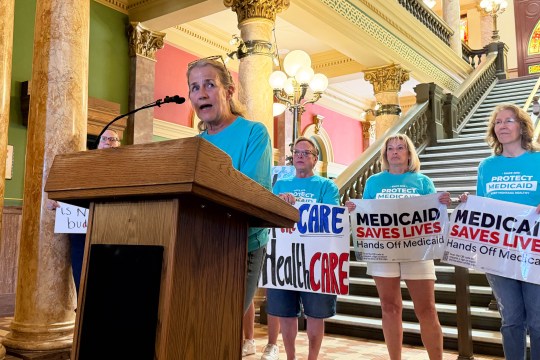
Confusion and Angst Follow State’s Early Rollout of Medicaid Work Rules

