News Release

State Medicaid Officials Project Flat Enrollment Post Unwinding but Increased Spending and Budget Pressures, as States Prepare for Impact of Federal Medicaid Policy Changes

State budget pressures are leading to fewer provider rate increases relative to recent years and new restrictions on coverage of obesity medications

Published: Nov 13, 2025

As states completed the “unwinding” of pandemic-era continuous coverage, Medicaid enrollment fell 7.6% in FY 2025 and is expected to be largely flat in FY 2026, according to KFF’s 25th annual Medicaid Budget Survey. At the same time, total Medicaid spending grew by 8.6% in FY 2025 and is expected to grow by 7.9% in FY 2026. States report that provider rate increases, greater enrollee health care needs, and increasing costs for long-term care, pharmacy benefits, and behavioral health services are the most significant drivers of increased costs.

In addition to increasing spending demands, slower revenue growth and heightened fiscal uncertainty have created a more tenuous fiscal climate for states in FY 2026. States are also preparing for $911 billion in federal Medicaid spending cuts enacted in the budget reconciliation law earlier this year, including new financing restrictions and work requirements, which will exacerbate existing budget challenges. The challenging fiscal climate and the magnitude of federal Medicaid cuts will make it difficult for states to absorb or offset the reductions.

Almost two-thirds of states say they face at least a “50-50” chance of a Medicaid budget shortfall in FY 2026 as states anticipate state Medicaid spending growth of 8.5% in FY 2026 and tight fiscal conditions. The reconciliation law prohibits all states from establishing new provider taxes or from increasing existing taxes, which could increase state budget pressures. Future requirements to reduce existing provider taxes for states that have adopted the ACA expansion could result in additional budget pressures.

Even though many provisions in the reconciliation law do not take effect until FY 2027 or later, states are already anticipating changes and related fiscal pressures. According to KFF’s companion report, which highlights key policy priorities and issues state Medicaid programs focused on in FY 2025 and are prioritizing in FY 2026, the number of states making reimbursement rate increases for specific provider types is slowing while there is an uptick in rate restrictions. Provider rate changes generally reflect broader economic conditions, and states have typically turned to provider rate restrictions to contain costs.

Most states also report new or expanded initiatives to contain prescription drug costs. In particular, interest in expanding Medicaid coverage to include GLP-1s for obesity treatment is waning, and some states are planning to restrict existing coverage in the future. Sixteen state Medicaid programs reported covering GLP-1s for obesity as of October 1, 2025. Coverage of GLP-1 drugs for obesity is optional for states, while coverage is required for conditions like diabetes and cardiovascular disease.

The survey was conducted in mid-summer of 2025 by KFF and Health Management Associates (HMA) in collaboration with the National Association of Medicaid Directors (NAMD). This year’s estimates of Medicaid spending and enrollment reflect what is assumed in states budgets in most cases, though projections always include some uncertainty.

Understanding Various Measures to Assess Hospital Finances: A Cheat Sheet

Published: Nov 9, 2025

Profit margins are the most common measure of financial performance. They can be positive (if the hospital earns a profit) or negative (if the hospital loses money). Reported margins vary depending on the measure used, how the measure is calculated, the data, accounting decisions, and how data are summarized (e.g., averages vs medians). Several other measures are also useful for understanding a hospital’s financial position, such as days cash on hand. Comparing measures across hospitals can be difficult due to a lack of standardized reporting requirements. Explore more key facts about hospitals and their finances.

Understanding Various Measures to Assess Hospital Finances: A Cheat Sheet (Table)

This work was supported in part by Arnold Ventures. KFF maintains full editorial control over all of its policy analysis, polling, and journalism activities.

Deductibles in ACA Marketplace Plans, 2014-2026

Published: Nov 6, 2025

These chart collections provide key data about deductibles and other cost-sharing requirements included in plans sold through the Affordable Care Act (ACA) health insurance marketplaces. Marketplace plans, like most other private health coverage, require enrollees to pay a portion of the cost when they access health services. Cost-sharing can include deductibles, copayments, and coinsurance, though the deductible is a simple and visible measure of how much an enrollee may be expected to pay for major health services. The deductible is the amount an enrollee must pay toward the cost of in-network covered services before the plan will start paying for most types of care. Some plans have a separate deductible amount for medical care and prescription drugs. Under the Affordable Care Act, private plans are required to pay the full cost of certain in-network preventive services (even before the enrollee has met the deductible amount). Marketplace plans are categorized into “metal levels” based on deductible and other cost-sharing amounts.

Average Deductible in ACA Marketplace Plans, 2014-2026 (Line chart)

Cost-Sharing for Plans Offered in the Federal Marketplace, 2026(.ppt)

Download Prior Years’ Analyses

2025

2024

2023

2022

2021

2020

2019

2018

2017

2016

2015

2014

Methods

Information on plan cost-sharing provisions for the plans offered in federally-facilitated and partnership exchanges was downloaded from HealthCare.gov. Simple averages and distributions of the available plans are shown, and neither are weighted by enrollment. Information for “expanded bronze” and “bronze” plans are reported together. Distinct plans from the landscape file were analyzed to calculate the average deductibles for individuals. A distinct plan is defined by having a unique state, issuer, metal level, and cost sharing design combination. In 2014 and 2015, a distinct plan took into consideration the plan marketing name.

The weighted average was calculated using plan selection data at the metal and CSR (or FPL) level from Marketplace Open Enrollment Period Public Use Files. 2025 plan selections were used to weigh 2026 average deductibles. 2015 plan selections were used to weigh 2014 average deductibles. 2017 plan selection data was used to estimate the number of plan selections for silver, no CSR and silver CSR variants in 2015 and 2016.

How Do Enrollees with Private Health Insurance Use Remote Monitoring Technologies?

Authors: Lynne Cotter, Corinna Cline, Julia Harris, Gary Claxton, and Matthew Rae
Published: Nov 6, 2025

This Healthy System Tracker analysis, authored by KFF and the Peterson Center on Healthcare, examines remote monitoring technologies, identifying the types of patients and health conditions they serve and what is spent on these services. There are an estimated 300,000 adults with employer-sponsored health coverage for whom insurers received at least one remote monitoring claim in 2023.

Among adults under 65 with private health insurance, older people and women are most likely to use remote monitoring. These services are mostly used for people with hypertension and other circulatory diseases, and musculoskeletal conditions. The median cost of remote monitoring varies, ranging from $55 a month ($12 out of pocket) for a clinician to monitor physical data, such as blood pressure, to $78 a month ($21 out of pocket) for a provider to monitor self-reported data, such as pain.

The full analysis and other data on health costs are available on the Peterson-KFF Health System Tracker, an online information hub dedicated to monitoring and assessing the performance of the U.S. health system.

Questions for the America First Global Health Strategy

Published: Nov 6, 2025

Authored by KFF’s Jen Kates and Boston University’s Debbie Stenoien and Allyala Nandakumar as well as independent consultant Michael Ruffner, this post for ThinkGlobalHealth identifies and examines several key issues and questions that lie ahead for the America First Global Health Strategy — the first roadmap for what comes next for the President’s Emergency Plan for AIDS Relief (PEPFAR) and other global health programs the United States supports financially.

State Awards From Most of the Rural Health Fund Could Vary Only Modestly Despite Large Differences in Rural Needs

Published: Nov 6, 2025

Issue Brief

The July 2025 budget reconciliation law, known as the One Big Beautiful Bill, established the Rural Health Transformation Program (referred to here as the “rural health fund”), which will distribute $50 billion to states with approved applications. The rural health fund was created to help offset the impact on rural areas of the law—which includes an estimated $911 billion in federal Medicaid spending reductions over ten years, including an estimated $137 billion in rural areas based on KFF estimates. The fund was also motivated by ongoing concerns about the financial vulnerability of many rural hospitals. CMS has indicated that the funds are intended to be used for investments in “system transformation” rather than for “perpetual operating expenses.” Funds can be used to support rural areas in a variety of ways, including by promoting prevention and chronic disease management interventions, supporting collaboration among rural health facilities, and recruiting clinical workers to rural areas. However, payments to providers for care cannot exceed 15% of total funds, though providers could benefit in other ways, such as through investments in existing buildings and infrastructure (restricted to 20% of total funds).

The law states that half of the fund ($25 billion) will be distributed equally to states with approved applications (i.e., without regard to need) while granting the Centers for Medicare & Medicaid (CMS) broad discretion over how to distribute the remaining funds. In September 2025, CMS released a Notice of Funding Opportunity (NOFO) explaining that the remainder ($25 billion) would be distributed across approved states based on measures of state need ($12.5 billion), as well as the quality of proposed initiatives, state policy, and other factors. The state application deadline was on November 5, 2025. CMS is required to make award decisions by the end of the year and plans to distribute the first $10 billion in January 2026.

This brief provides estimates of how $37.5 of the $50 billion fund could be distributed across states if all states are approved for funding. This $37.5 billion includes the portions of the fund that can be calculated or estimated based on available data, i.e., the $25 billion that will be distributed equally across states and the $12.5 billion that will be distributed based on CMS’s evaluation of measures of state need (such as the size of a given state’s rural population). Estimates of the latter are based on data from the Sheps Center, which are based on criteria specified by CMS in the NOFO using information available to the public. DC and Puerto Rico and the other U.S. territories are ineligible for funding and so were excluded from the analysis. Estimated awards in text are rounded to the nearest $10 million or to the nearest $10 per rural resident, as applicable. See Methods for more details.

Awards from the $37.5 billion (of the $50 billion) could range from an estimated $550 million (in Rhode Island) to just over $1 billion (in Texas) over five years if all states were approved for funding. These differences are relatively modest compared to the wide variation across states in rural health needs.

Actual awards based on the first $37.5 billion would differ if CMS does not award funding to every state or if the agency decides to reduce awards for a given state over time. Actual awards to states may also differ if CMS uses different data to allocate funds or applies different criteria when distributing funds than what was indicated in the NOFO. For example, when evaluating the share of hospitals receiving Medicaid disproportionate share hospital (DSH) payments, CMS is expected to use more current data than are available to the public.

States could receive more than the estimates in this analysis, because totals will include their portion of the $12.5 billion that will be distributed based on CMS’s discretionary scoring of state policy, state initiatives, and other factors, and these scores are not yet known. State initiatives will be scored based on their quality by a merit review panel. This analysis will be updated after CMS announces the first year of funding.

Estimated Awards

Estimated Awards From $37.5 Billion of the $50 Billion Rural Health Fund Could Range From $550 Million to Just Over $1 Billion Over Five Years if All States Were Approved for Funding

If the $37.5 billion is distributed to all states, states will receive $750 million over five years, on average, with estimates ranging from $550 million in Rhode Island to just over $1 billion in Texas (Figure 1). Estimated awards for most states (32) are within 10% of the $750 million average (i.e., between $675 million and $825 million), despite wide variation in rural health needs.

Some states with relatively small rural populations could receive a disproportionate share of the $37.5 billion based on other factors. For example, Alaska has a small total population and the fifth smallest rural population in the country, but it could receive the fifth largest award from the $37.5 billion ($940 million). Most of the extra dollars that Alaska is estimated to receive from the $12.5 billion based on state need reflect the fact that a portion would go exclusively to the five states with the largest land area. Alaska is the largest state in the country and could receive $260 million from that pool.


Figure 1


As noted above, the $37.5 billion evaluated in this brief includes the $25 billion that will be distributed equally across states and the $12.5 billion that will be distributed based on measures of state need (Figure 2). Each state with an approved application would receive $500 million over five years from the $25 billion distributed equally across states if all states receive funding. If not all states are approved for funding, states with approved applications will receive more.

States will receive $250 million over five years, on average, from the $12.5 billion to be allocated based on state needs (again, assuming all states are approved for funding). Estimated awards from that $12.5 billion pool range from $50 million in Rhode Island to $530 million in Texas.

The remaining $12.5 billion of the $50 billion fund—which is based on state initiatives, state policy, and other factors—will result in additional funds for some or all states with approved applications, but cannot be estimated yet because of uncertainty about how CMS will score these factors (which, for example, will depend in part on whether states commit to certain policy changes in their applications and follow through over time).


Figure 2


Distribution Based on State Need

A Quarter of the $50 Billion Fund, $12.5 Billion, Will be Distributed Based Exclusively on Specific Measures of State Need

Of the $50 billion fund, a quarter ($12.5 billion) will be distributed based exclusively on specific measures of state need as defined by CMS (see below). In addition, $8 billion will be distributed based on the quality of state initiatives as determined by CMS (see below); that evaluation may take state needs into account to some degree, but the extent to which it will do so is unclear. State initiatives will be evaluated based on strategy, projected impact, sustainability beyond the funding period, and other factors, according to CMS.

Factors for Determining the Allocation of the .5 Billion of the Rural Health Fund Based on CMS Measures of State Need (Donut Chart)

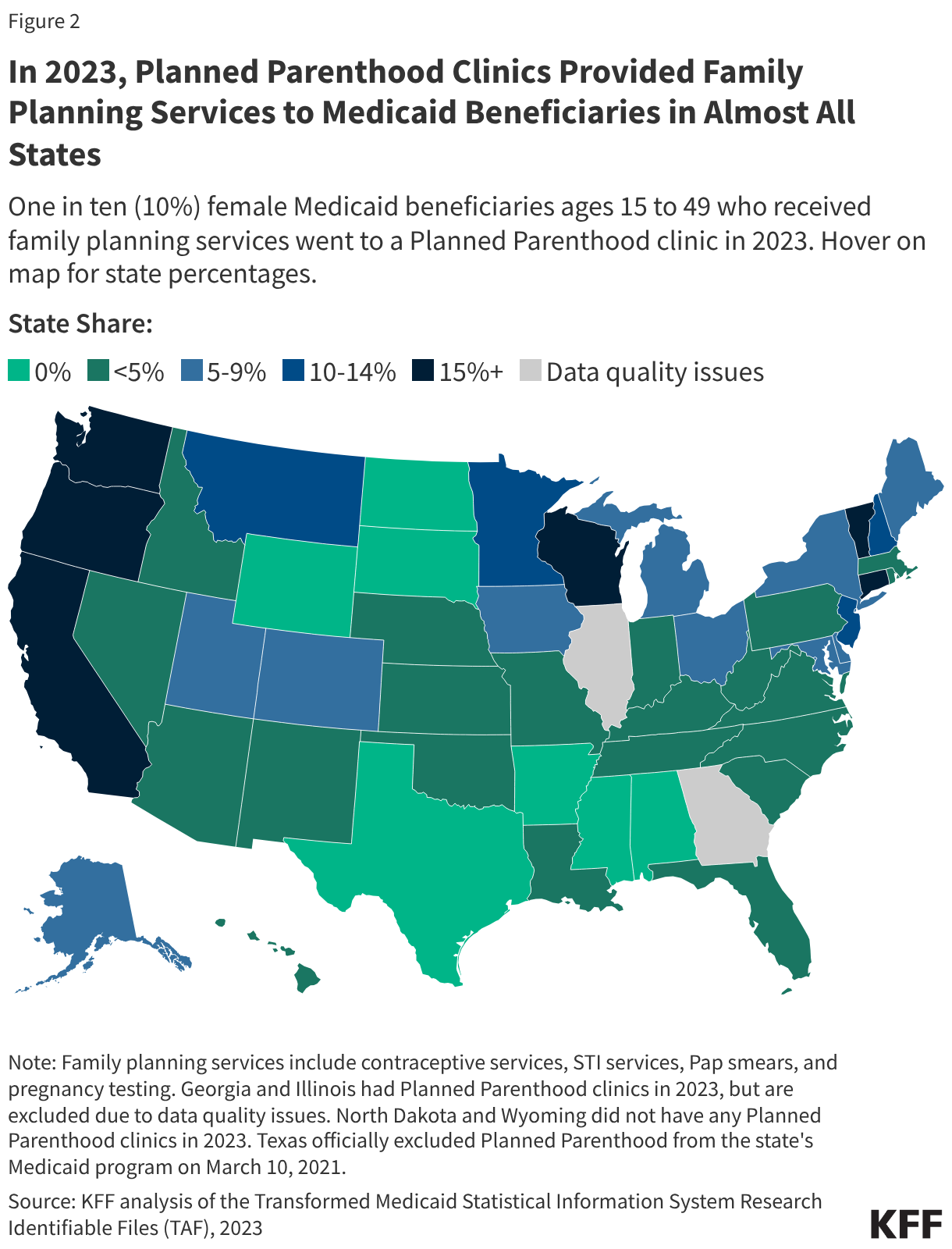
Based on criteria published by CMS, the $12.5 billion based exclusively on measures of state need will be distributed as follows:

  • 40% of the $12.5 billion is based on the rural population and number of rural health care facilities in a state (20% each). CMS has published how it plans to define “rural” for purposes of distributing these dollars, though there are many potential ways of doing so. For example, CMS uses a broad definition of “rural hospitals” that includes all hospitals in areas classified as rural by the Health Resources & Services Administration (HRSA) (which itself is broader than some definitions) as well as any other hospital that receives certain Medicare rural payment designations or that is classified by Medicare as urban but reclassified as rural for certain payment purposes.
  • 20% of the $12.5 billion is based on uncompensated care as a percent of operating expenses among all hospitals (i.e., not just those in rural areas). Uncompensated care tends to be higher in states that have not expanded Medicaid under the Affordable Care Act, such as Texas and Georgia. Further, CMS is using data from 2021; uncompensated care may have dropped over time among states that have recently expanded Medicaid (like Oklahoma and Missouri in 2021 and North Carolina and South Dakota in 2023).
  • 24% of the $12.5 billion is based on the share of the population in rural areas and the share in frontier regions (12% each). These factors do not account for the total size of the population in each state or the size of rural health care systems (which is also the case for three other factors, like land area). As a result, states with a relatively large share of the population living in rural and frontier areas but relatively small rural populations and few rural hospitals may still receive a greater than average share of these dollars (e.g., as is the case for Alaska, North Dakota, and Wyoming) while the reverse may be true for states with large rural populations and many rural hospitals (e.g., as is the case for California, Florida, and Texas). Nonetheless, as noted above, 20% of the $12.5 billion is based directly on rural population and 20% on rural facilities.
  • 10% of the $12.5 billion will be based on land area and will only go to the five largest states. These five states could each receive large allocations from this pool (ranging from an estimated $240 to $260 million if all were approved for funding), while states just outside of the top five and all other states will not receive funds based on land mass.
  • 6% of the $12.5 billion is based on the share of all hospitals (not just those in rural areas) receiving Medicaid disproportionate share hospital (DSH) payments. Medicaid DSH status is based in part on the extent to which hospitals care for Medicaid and other low-income patients but also on specific criteria that vary across states.

Largest and Smallest Awards

Texas, California, New Mexico, Montana, and Alaska Are Expected to Receive the Largest Amounts From the $37.5 billion, Reflecting Differences Based on CMS Criteria of State Need

Estimated awards for these five states range from $940 to $1,030 million over five years from the $37.5 billion (Figure 1). As noted, $25 billion of the $37.5 billion will be distributed equally across states, meaning that any differences across states relate to the $12.5 billion distributed based on measures of state need ($12.5 billion). Most of the extra dollars that these five states are estimated to receive relative to others are attributable to the states’ relatively large land area, one of several factors used to allocate funds based on state need (Figure 3). Estimated awards based on this factor range from $240 million in New Mexico to $260 million in Alaska. Only the five largest states would receive funding from this pool based on their land area.


Figure 4


Missouri, Mississippi, North Carolina, Georgia, and Oklahoma could receive the next largest awards from the $37.5 billion, with estimates ranging from $820 to $840 million over five years. These states are estimated to receive more funds than average because they have relatively large rural populations and numbers of rural facilities and had relatively high levels of hospital uncompensated care in the year evaluated, among other factors. Despite these differences, their estimated awards are only roughly 10 percent more than the average award across all states ($750 million over five years) from the $37.5 billion.

Rhode Island, Massachusetts, Delaware, Connecticut, and New Jersey could have the lowest awards from the $37.5 billion, with estimates ranging from $550 to $610 million over five years. These are all relatively small states in or near the Northeast that rank relatively low on most factors, including rural population and the number of rural facilities.

Payments Per Rural Resident Could Vary Widely

Ten States Could Receive Less Than $375 Per Rural Resident Over Five Years While 11 States Could Receive More Than $1,500, Before Disbursements Based on State Policy, Initiatives, and Other Factors

Estimated awards from the $37.5 billion are partially, but not closely, tied to rural population, resulting in large differences in the amount each state could receive per rural resident. Assuming all states receive funds, the average award per rural resident across all states would be $590, but this amount per rural resident would vary widely across states. Texas could receive the least amount per rural resident ($240) while Rhode Island could receive the largest amount ($22,150, an outlier) (Figure 3). This in part reflects the fact that estimated state awards vary much less than differences in rural populations, principally due to the equal distribution of the first $25 billion across all states with approved applications but also reflecting the structure of the $12.5 billion distributed based on measures of need (only 20% of which is directly based on rural population).

Ten States Could Receive Less Than 5 Per Rural Resident Over Five Years While 11 States Could Receive More Than ,500 (Choropleth map)

Additional Factors Affecting Awards

Most of the Remaining $12.5B Will be Distributed Based on State Policy and CMS’s Evaluation of States’ Proposed Initiatives

Of the remaining $12.5 billion, $8 billion (64%) is expected to be distributed across states based on the quality of their proposed initiatives, $3.75 billion (30%) based on state policies, and $0.75 billion (6%) based on other factors. It is not yet clear how, and how much, this portion of the award will differ across states, or the extent to which these funds will align with different measures of rural health needs.

According to CMS, the first bucket ($8 billion) will be distributed based on a qualitative review of a state’s proposed initiatives and, in later years, the state’s progress in implementing their plan. Proposed initiatives will be scored by a merit review panel selected by CMS. Panel members have not been announced to the public.

The second bucket ($3.75 billion) will be distributed based on whether a state has adopted, made progress towards adopting, or committed to adopting certain policies. Some of these policies aim to promote competition among health care providers, such as by expanding scope of practice for nurse practitioners and other non-physicians. Among other factors, three measure states’ progress in implementing certain Make America Health Again (MAHA) policies.

The remaining funds ($750 million) will be distributed based on other factors, such as the share of dual eligibles in integrated care plans and the quality of Medicaid and Children’s Health Insurance Program (CHIP) data reporting to CMS.

Looking Ahead

CMS will decide which states to fund by the end of the year, and how to allocate the first year of funding across states. The agency will allocate $10 billion per year to states with approved applications over a five-year period (fiscal years 2026 through 2030), and it plans to distribute the first round of $10 billion in January 2026. CMS will use the same funding formula for each year, but the distribution of funds across states will likely change over time. This is in part because a quarter of the funds—i.e., the $12.5 of $50 billion excluded from analyses in this brief—is based on factors that are likely to change over time, including states’ progress in implementing policy changes and their proposed initiatives. The distribution could also change over time depending on whether CMS chooses to withhold, reduce, or recover funds from a given state for noncompliance or other reasons.

It is not clear what share of the $50 billion fund will go to rural hospitals and other rural health care providers or the extent to which any direct and indirect benefits of the fund will offset their losses under the reconciliation law. While some policymakers promoted the rural health fund as a way to support rural hospitals, the funds can also be used for much broader purposes. CMS has indicated that the funds are intended to be used for investments in “system transformation” rather than “perpetual operating expenses.” CMS has stipulated that payments to hospitals and other providers for patient care cannot exceed 15% of total funds, though providers could benefit in other ways, such as through investments in existing buildings and infrastructure (which are restricted to 20% of total funds). Evaluating the implications for rural hospitals will depend on how CMS allocates funds to states and how much of these funds states distribute to rural hospitals, other providers, and for other state initiatives.

This work was supported in part by Arnold Ventures. KFF maintains full editorial control over all of its policy analysis, polling, and journalism activities.

Methods

Of the $50 billion rural health fund, half ($25 billion) will be distributed equally among states with approved applications and half ($25 billion) will be distributed among approved states based on a set of 23 factors, weighted to varying degrees, as detailed by CMS in the Notice of Funding Opportunity (NOFO). CMS refers to the first half as “baseline funding” and the second half as “workload funding.” Weighted scores based on the workload funding factors will total to 100 points across all states. A state’s share of the $25 billion will depend on their total weighted score divided by 100, and its share of funds distributed based on a given factor will equal their weighted score for that factor divided by 100. The reconciliation law determined the overall allocation of baseline and workload funding, but gave CMS discretion to define more specifically how the workload funding would be distributed.

Of the $37.5 billion evaluated in this brief, $25 billion reflects the baseline funding that will be distributed equally across states with approved applications, as described in the law. If all states are approved for funding, each state would, by definition, receive $500 million over five years from this pool of funding. If not all states are approved for funding, the $25 billion of baseline funding will be distributed equally among states with approved applications only, meaning that each would receive more than $500 million.

The other $12.5 billion of the $37.5 billion evaluated will be based on CMS measures of state need. This corresponds to the half ($12.5 billion) of the workload funding that will be distributed based on seven factors that CMS refers to as “rural facility and population factors” (three of which are based on measures listed in the reconciliation law). Appendix Table 1 includes details about these factors based on the NOFO. We obtained estimated scores by state for each of these factors and their weighted total by state from the UNC Sheps Center Rural Facility and Population Score Estimates by State, as updated on October 24, 2025. The Sheps Center generated these estimates based on their interpretation of the NOFO and available data.

We converted estimated scores for a given factor into a dollar amount by: (1) calculating the share of workload funding distributed based on that factor (i.e., multiplying $25 billion by the weight for that factor) and (2) multiplying the result by the state share of the distribution based on that factor (i.e., the score divided by 100). Each state’s total distribution from the $12.5 billion based on state need is the sum of the factor allocations calculated in (2).

We calculated the total award from the $37.5 billion as $500 million per state plus the estimated award from the $12.5 billion. To calculate the award per rural resident, we divided by the state rural population as defined by CMS for the first factor, which was available from the Sheps Center estimates.

This analysis does not include the second half of the workload funding ($12.5 billion) that will be distributed based on state initiatives, state policy, and other factors, but cannot be estimated yet because of uncertainty about how CMS will score these factors. We do describe what share of the $12.5 will be distributed based on state initiatives, state policy, and other factors based on the weights assigned to each of the factors included in these three buckets. Some of these factors (health and lifestyle, individuals dually eligible for Medicare and Medicaid, remote care services, and data infrastructure)—representing 30% of the $12.5 billion—will be scored by evaluating how states rank based on a weighted average of measures from two buckets. For example, health and lifestyle factors will be evaluated based on the state rank of a weighted average of their score on certain state initiatives (75%) and the adoption of a certain policy (25%). The contribution of each bucket in those cases cannot be fully disentangled because of the structure of the calculation, which involves a ranking of a weighted average. In those cases, we apportioned the funding from these factors to each bucket based on the weights used to generate the weighted average (e.g., 75% or 25%).

Appendix
Factors for Determining the Allocation of the .5 Billion of the Rural Health Fund Based on CMS Measures of State Need (Table)
News Release

Poll: Support for Extending the Expiring Enhanced ACA Tax Credits Remains High, But Dips Among Republicans and MAGA Supporters as Shutdown Continues and Partisanship Takes Hold

Democrats Overwhelmingly Back Congressional Democrats Holding Out for Budget Deal that Extends Tax Credits, Though Independents Are Split on the Approach

Published: Nov 6, 2025

As the government shutdown continues, public support remains high for extending the enhanced ACA tax credits set to expire at the end of the year, with three quarters (74%) of the public in favor of extending them, a new KFF Health Tracking Poll finds.

The expiring tax credits are a central issue in the ongoing Congressional budget standoff, as Democrats want the tax credits extended as part of a budget deal while Republicans want to reopen the government before negotiating over an extension. Without the enhanced tax credits, ACA Marketplace enrollees who benefit from them would on average have to pay more than twice as much out of pocket in premiums next year.  

The new poll finds little change in the public’s views on extending the tax credits since before the shutdown began, though support among Republicans dipped (from 59% in September to 50% now). Among those who identify as supporters of President Trump’s “Make America Great Again” movement, support fell from 57% in September to 44% now.

When asked about Congressional Democrats’ strategy of refusing to approve a budget unless it includes extending these tax credits, even if it means the government remains shut down, partisans firmly align with their party’s position.

Overall, about half (48%) are supportive of Congressional Democrats’ position, including 81% of Democrats. Similarly, half (50%) say they should approve a budget without an extension of the tax credits to quickly end the shutdown, even if it means the cost of health insurance will increase for some people, including 84% of Republicans. Independents are split (51% in favor of Congressional Democrats’ position; 47% favoring a quick end to the shutdown).

More than half (55%) of those who purchase their own health insurance, most of whom do so through ACA marketplaces, say Democrats should refuse to approve a budget that does not include an extension for ACA subsidies.

Looking ahead to next year’s midterm elections, the poll includes some early signs that voters give the Democratic Party an advantage on issues related to health care costs.

When asked which party they trust to do a better job on the future of the ACA, larger share of voters say that they trust the Democratic Party (43%) than the Republican Party (32%).

Similarly, when asked about addressing the high cost of health insurance, more voters also say they trust the Democratic Party (39%) than the Republican Party (33%) to do a better job. While independents are more likely to trust Democrats than Republicans on the future of the ACA, they are split when it comes to trust to address the cost of health coverage.

Other findings include:

  • Among those who want the tax credits extended, most say that either Congressional Republicans (38%) or President Trump (37%) would deserve most of the blame if they weren’t extended. Fewer say Congressional Democrats (23%) would deserve most of the blame.
  • About half (47%) of the public correctly says that undocumented immigrants are not eligible to buy ACA marketplace coverage. About one in seven (14%) incorrectly say that they are eligible to buy marketplace coverage, while the rest are not certain. Similar shares of Republicans and Democrats know the correct answer.

Designed and analyzed by public opinion researchers at KFF, this survey was conducted October 27-November 2, 2025, online and by telephone among a nationally representative sample of 1,350 U.S. adults in English and in Spanish. The margin of sampling error is plus or minus 3 percentage points for the full sample. For results based on other subgroups, the margin of sampling error may be higher.

Poll Finding

KFF Health Tracking Poll: Public Weighs in on Health Care Debate and Government Shutdown 

Published: Nov 6, 2025

Findings

Key Takeaways

  • On October 1st the U.S. federal government shut down after Congress failed to pass a stopgap spending bill to keep it funded. Now in its sixth week, the shutdown marks the longest lapse in federal funding in U.S. history. Congress remains at a standstill over whether to extend the Affordable Care Act’s enhanced premium tax credits (ePTCs). About three quarters of the public continue to say Congress should extend the expiring tax credits, including more than nine in ten (94%) Democrats, three in four (76%) independents, and half of Republicans. As the debate continues, this poll shows that partisan loyalties among the public are deepening, with Republicans split over whether they want Congress to extend the tax credits for people who purchase their own coverage on the ACA marketplaces or allow them to expire.
  • Democrats largely support what congressional Democrats have been doing throughout this debate, while independents are split. A large majority of Democrats (81%) say Democrats in Congress should “refuse to approve a budget unless it includes extending these tax credits, even if it means the government remains shut down.” Independents are divided, while about eight in ten (84%) Republicans say Congressional Democrats should approve a budget to quickly end the shutdown.
  • If the enhanced tax credits are not extended, both political parties could face backlash from their bases. Among those who want to see Congress extend the tax credits, nearly four in ten say President Trump (28% of all adults) deserves most of the blame, and a similar share says they would blame Republicans in Congress (28% of all adults). Fewer, about one in four (17% of all adults), say Democrats in Congress deserve the most blame. Majorities of Democrats and independents say President Trump or Republicans in Congress would deserve the most blame, while a majority of MAGA Republicans say Democrats in Congress would deserve the most blame.
  • The Democratic Party maintains an edge over the Republican Party when it comes to voter trust of handling the future of the ACA, and a narrower edge when it comes to high cost of health insurance. At least one in five voters say they do not trust either party to address these issues. While majorities of Democratic and Republican voters say they trust their own party on these issues, independents are more likely to trust the Democratic Party over the Republican Party on the ACA (38% vs. 18%), though many say they don’t trust either party. Democratic and independent voters are also much more likely than Republican voters to say rising health costs would impact their willingness to vote and their candidate choice. Nearly six in ten Democratic voters and half of independent voters say an annual health cost increase of $1,000 – the average expected increase for marketplace enrollees if the ACA enhanced premium tax credits expire – would have a “major impact” on both their decision to turnout to vote and which candidate they would support, compared to about three in ten Republican voters.  

Majorities of the Public Continue to Support Extending ACA Tax Credits; Most Democrats Want Budget Deal to Include Extension

As part of the ongoing budget negotiations, Democratic leaders are pushing to extend the enhanced premium tax credits, which help some people afford their health insurance through marketplaces created by the Affordable Care Act (ACA). These tax credits are currently set to expire at the end of the year. Republican lawmakers, on the other hand, say they will take up the ACA tax credits after the government is reopened.

Conducted as people began reviewing ACA plan options for this year’s open enrollment, this poll shows that extending these tax credits beyond 2025 continues to be popular among the public. About three quarters (74%) of U.S. adults overall say Congress should extend the enhanced tax credits for people who purchase their own insurance through ACA marketplaces, about three times the share who say Congress should let these credits expire. Three quarters (76%) of adults who purchase their own health insurance, most of whom do so through ACA marketplaces, support the extension of these tax credits, while one in four (23%) say they should expire.

At least half of adults across partisans continue to support the extension of these tax credits. This includes more than nine in ten (94%) Democrats, three quarters (76%) of independents, and half of Republicans. However, Republican support for Congress extending the tax credits has dropped nine percentage points in the past month as the enhanced premium tax credits have become a talking point around the budget negotiations and a major sticking point for Democratic lawmakers. In addition, supporters of the “Make America Great Again” (MAGA) movement are now 13 percentage points less likely to say these tax credits should be extended, from about six in ten (57%) last month, to fewer than half (44%) now.  

Split bar chart showing the shares of adults who say the enhanced marketplace tax credits should be extended in September 2025 versus November 2025.

Now in its sixth week, the government shutdown has resulted in missed paychecks for some federal employees and delays in full SNAP benefits, adding pressure on Congress to reach an agreement. Overall, the public is split over what they think Congressional Democrats should do, with half (50%) saying they should “approve a budget that does not include extending these tax credits in order to quickly end the shutdown, even if it means the cost of health insurance will increase for some people,” while a similar share (48%) say Congressional Democrats should “refuse to approve a budget unless it includes extending these tax credits, even if it means the government remains shut down.”

A large majority of Democrats (81%) support Congressional Democrats holding out for a deal that includes extending the ACA’s enhanced premium tax credits, even if it prolongs a government shutdown. Independents are split, with about half (51%) saying Democratic leaders should refuse to approve a budget without the tax credit extensions and half (47%) saying they should approve a budget to quickly end the shutdown. More than eight in ten (84%) Republicans say Democratic lawmakers should approve a budget to end the shutdown.

More than half (55%) of those who purchase their own health insurance say Democrats should refuse to approve a budget that does not include an extension for ACA subsidies, while 45% say Democrats should approve the budget without the subsidies to quickly end the shutdown. Notably, past KFF polls have shown that nearly half of adults enrolled in ACA marketplace plans identify as Republican or lean Republican.

Split bar chart showing the shares of adults who believe Democrats in Congress should refuse to approve a budget before extending marketplace tax credits even if government remains shut down versus should approve a budget without extending marketplace tax credits to end the government shutdown.

If Congress does not pass an extension for the enhanced tax credits, those who want to see the credits extended are most likely to blame Republican leaders, including President Trump. Nearly four in ten of those who support extending the tax credits say that if they are not extended Republicans in Congress deserve the most blame (38%, or 28% of all adults) and a similar share (37%, or 28% of all adults) say President Trump deserves most of the blame. About one in four (23% or 17% of total adults) say Democrats in Congress deserve the most blame. Notably, the group that supports extending the tax credits is made up of larger shares of Democrats and Democratic-leaning independents.

Among the half of Republicans who want to see the tax credits extended, seven in ten say they would blame Democrats in Congress if the tax credits are allowed to expire, rising to eight in ten MAGA-supporters.

Stacked bar chart showing who the public, among those who support extending enhanced tax credits, would blame if Congress does not extend these enhanced tax credits.

Despite the ongoing legislative debate over the government shutdown, awareness of the lapsing enhanced premium tax credits remains limited, even among the group most directly impacted by the loss of tax credits. Overall, more than half of adults say they have heard or read “a little” (28%) or “nothing at all” (29%) about the issue, while 44% have heard or read “a lot” (13%) or “some” (30%). Among those who buy their own insurance, half say they have heard at least “some,” compared to four in ten last month.

Some Republican lawmakers have claimed that Democratic efforts to extend the ACA’s enhanced premium tax credits would allow undocumented immigrants to receive federally subsidized health insurance. This KFF poll gauged the public’s understanding of this claim over who is eligible for ACA coverage. About half (47%) of U.S. adults correctly say that undocumented immigrants are not eligible to buy health coverage on ACA marketplaces. There is some confusion, however, as about one in seven (14%) incorrectly say undocumented immigrants are eligible and nearly four in ten (39%) say they are not sure.

Although this claim has been made by some Republican lawmakers and conservative media outlets, there are no partisan differences in awareness of this aspect of ACA eligibility. At least half of Republicans (57%) and Democrats (52%) say undocumented immigrants are not eligible for this, while at least three in ten across partisans say they are not sure. A larger share of independents (44%) say they are not sure whether undocumented immigrants are eligible to buy coverage on the ACA marketplaces.

Stacked bar chart showing the public's knowledge on whether undocumented immigrants are or are not eligible for Affordable Care Act coverage.

Health Costs Could Influence Voters in 2026, and Democratic Party Holds Edge on Trust to Address ACA

There is some indication that these budget negotiations could influence how voters think about health care and their decisions at the ballot box in coming years. Consistent with previous polling, the Democratic Party continues to hold an advantage over the Republican Party among voters on which party they trust to do a better job addressing the future of the 2010 Affordable Care Act, or ACA. About four in ten voters (43%) say they trust the Democratic Party to do a better job addressing the future of the ACA compared to one-third (32%) of voters who say they trust the Republican Party. Democrats also have a small advantage on which party voters trust to address the high cost of health insurance (39% v. 33%), though a quarter of voters say they trust neither party on this issue.

On both health care issues, Democratic and Republican voters largely trust their own party. While the Democratic Party has a strong advantage over the Republican Party among independent voters on who they trust to do a better job handling the future of the ACA (38% v. 18%, respectively), independents are more split on which party they trust to address the high cost of health insurance.  More than one-third of independent voters say they do not trust either party to do a better job handling the ACA’s future (36%) or addressing the high cost of health coverage (41%).

Stacked bar chart showing the levels of trust adults have in the Democrats or the Republicans to do a better job addressing the future of the Affordable Care Act and the high cost of insurance.

As leaders in both political parties blame each other for the extended government shutdown, Democratic and Republican campaign groups have started running ads in competitive congressional districts, in hopes that the situation will boost their party’s standing with voters.

Yet, the possibility of increasing health care costs resonates as a stronger motivator for Democratic voters and independent voters, rather than Republican voters. When asked how a $1,000 increase in their health care costs – the average expected increase for marketplace enrollees if the ACA’s enhanced premium tax credits expire – would affect their 2026 vote, nearly six in ten Democratic voters and more than half of independent voters say it would have a “major impact” on both their decision to vote (59% and 54%) and which candidate they support (56% and 52%). About three in ten Republican voters say such an increase would have a “major impact” on either their decision to turn out or who they support. Although the expiring enhanced premium tax credits directly affect only those who purchase their own coverage on the ACA marketplaces, this suggests that rising health care costs resonate more as a voting issue among Democrats and independents than Republicans.

Stacked bar chart showing the shares of adults who say if their health care costs increased next year, it would impact their decision to vote and who to vote for in 2026 midterm elections.

Methodology

This KFF Health Tracking Poll was designed and analyzed by public opinion researchers at KFF. The survey was conducted October 27-November 2, 2025, online and by telephone among a nationally representative sample of 1,350 U.S. adults in English (n=1,274) and in Spanish (n=76). The sample includes 1,031 adults (n=63 in Spanish) reached through the SSRS Opinion Panel either online (n=1,007) or over the phone (n=24). The SSRS Opinion Panel is a nationally representative probability-based panel where panel members are recruited randomly in one of two ways: (a) Through invitations mailed to respondents randomly sampled from an Address-Based Sample (ABS) provided by Marketing Systems Groups (MSG) through the U.S. Postal Service’s Computerized Delivery Sequence (CDS); (b) from a dual-frame random digit dial (RDD) sample provided by MSG. For the online panel component, invitations were sent to panel members by email followed by up to three reminder emails. 

Another 319 (n=13 in Spanish) adults were reached through random digit dial telephone sample of prepaid cell phone numbers obtained through MSG. Phone numbers used for the prepaid cell phone component were randomly generated from a cell phone sampling frame with disproportionate stratification aimed at reaching Hispanic and non-Hispanic Black respondents. Stratification was based on incidence of the race/ethnicity groups within each frame. Among this prepaid cell phone component, 143 were interviewed by phone and 176 were invited to the web survey via short message service (SMS). 

Respondents in the prepaid cell phone sample who were interviewed by phone received a $15 incentive via a check received by mail. Respondents in the prepaid cell phone sample reached via SMS received a $10 electronic gift card incentive. SSRS Opinion Panel respondents received a $5 electronic gift card incentive (some harder-to-reach groups received a $10 electronic gift card). In order to ensure data quality, cases were removed if they failed two or more quality checks: (1) attention check questions in the online version of the questionnaire, (2) had over 30% item non-response, or (3) had a length less than one quarter of the mean length by mode. Based on this criterion, one case was removed.

The combined cell phone and panel samples were weighted to match the sample’s demographics to the national U.S. adult population using data from the Census Bureau’s 2024 Current Population Survey (CPS), September 2023 Volunteering and Civic Life Supplement data from the CPS, and the 2025 KFF Benchmarking Survey with ABS and prepaid cell phone samples. The demographic variables included in weighting for the general population sample are gender, age, education, race/ethnicity, region, civic engagement, frequency of internet use and political party identification. The weights account for differences in the probability of selection for each sample type (prepaid cell phone and panel). This includes adjustment for the sample design and geographic stratification of the cell phone sample, within household probability of selection, and the design of the panel-recruitment procedure.

The margin of sampling error including the design effect for the full sample is plus or minus 3 percentage points. Numbers of respondents and margins of sampling error for key subgroups are shown in the table below. For results based on other subgroups, the margin of sampling error may be higher. Sample sizes and margins of sampling error for other subgroups are available on request. Sampling error is only one of many potential sources of error and there may be other unmeasured error in this or any other public opinion poll. KFF public opinion and survey research is a charter member of the Transparency Initiative of the American Association for Public Opinion Research. 

GroupN (unweighted)M.O.S.E.
Total1,350± 3 percentage points
 
Party ID 
Democrats424± 6 percentage points
Independents422± 6 percentage points
Republicans412± 6 percentage points
MAGA Republicans377± 6 percentage points


How ACA Marketplace Costs Compare to Employer-Sponsored Health Insurance

Published: Nov 3, 2025

This analysis compares ACA Marketplace costs to employer-sponsored health insurance costs and finds that individual market premiums have become more similar to employer-sponsored premiums over time. In 2024, individual market insurance premiums averaged $540 per member per month, slightly below the average $587 per member per month premium for fully-insured employer coverage.

The analysis uses data from Mark Farrah Associates Health Coverage Portal to compare average premiums in the individual and group insurance markets. The data is based on insurer filings to NAIC in the Annual Exhibit of Premiums and Utilization, showing the average premiums and claims per member per month.

The full analysis and other data on health costs are available on the Peterson-KFF Health System Tracker, an online information hub dedicated to monitoring and assessing the performance of the U.S. health system.

Donor Government Funding for Family Planning in 2024

Authors: Adam Wexler, Jennifer Kates, and Eric Lief
Published: Nov 3, 2025

Key Findings

In 2025, the donor government funding landscape fundamentally changed. Under the new administration, the United States (U.S.), the largest donor to family planning in the world, has instituted significant changes to global health programs including freezing, and then cancelling, most global family planning projects, restricting allowable activities, rescinding family planning funding previously provided by U.S. Congress for 2025, and seeking to eliminate family planning funding in 2026. Collectively, these actions have significantly driven down disbursements. In addition, the Organisation for Economic Co-operation and Development (OECD) projects that total international assistance from donor governments will decline in 2025 as many, including several other large donors to family planning – the Netherlands, United Kingdom (U.K.), and Canada – have also signaled reductions in their development assistance budgets. As such, this report, which focuses on both bilateral and multilateral funding for family planning provided by donor governments in 2024, shows a decrease compared to 2023, and is likely a high point as funding will likely continue to decline moving forward. With the U.S. historically providing the largest share of funding for family planning annually, its abrupt reductions leave large gaps and could have a significant impact on global family planning efforts, as some studies have estimated.

Key Findings include the following:

  • Family planning funding from donor governments was US$1.36 billion in 2024, a decline of 8% compared to 2023 (US$1.47 billion) and a return to the 2022 level (US $1.37 billion). This is one of the lowest funding levels since the London Summit on Family Planning in 2012 and more than US $200 million below the peak level reached in 2019 (US $1.58 billion).1
  • Most funding is provided bilaterally (US$1.3 billion or 96%). The remainder – US$55.6 million (4%) – is for multilateral contributions to UNFPA’s core resources (adjusted for an estimated family planning share).
  • The overall decrease was largely due to decreased bilateral funding; multilateral funding (contributions to UNFPA’s core resources) also declined slightly.
  • No donor government increased funding in 2024, marking the first time there were no increases since tracking began in 2012. Five donors decreased funding (Canada, Germany, the Netherlands, Sweden, and the U.K.) and four remained flat (Australia, Denmark, Norway, and the U.S.).2,3,4,5 These trends were the same after accounting for exchange rate fluctuations.6
  • As in the past, the U.S. was the largest donor government to family planning in 2024, accounting for 43% (US$579.6 million) of total funding, followed by the Netherlands (US$194.7 million, 14%), the U.K. (US$190.0 million, 14%), Sweden (US$116.1 million, 9%) and Canada (US$101.7 million, 7%). However, when family planning funding is standardized by the size of donor economies, Sweden ranked first, followed by the Netherlands, and Norway; the U.S. ranked 7th.

Looking ahead, donor government funding for family planning is expected to decline in 2025 and beyond. Due to the new administration’s actions targeting U.S. foreign assistance programs, including the rescission of family planning funding for 2025, U.S. funding will be significantly lower than prior year levels. In addition, the administration has proposed eliminating the entire family planning budget in 2026. If these cuts were to materialize, other donor governments would need to nearly double their funding in 2025 to maintain current levels, a scenario that seems unlikely due to previously announced plans to reduce international assistance budgets more broadly.

Report

Introduction

This report provides an analysis of donor government funding for family planning in low- and middle-income countries in 2024, the most recent year available, as well as trends over time. It includes both bilateral funding from donor governments and their contributions to the United Nations Population Fund (UNFPA). It is part of an effort by KFF to track such funding that began after the London Summit on Family Planning in 2012. Overall, donor government funding for family planning decreased in 2024 and was one of the lowest levels of funding since the London Summit.

Findings

Total Funding

In 2024, donor government funding for family planning through bilateral and multilateral channels totaled US$1.36 billion, a decrease of US$112.8 million, or 8%, compared to 2023 (US$1.47 billion) and a return to the 2022 level (US $1.37 billion). This marks one of the lowest levels of funding since the London Summit in 2012 (see Figure 1 & Table 1). While bilateral and multilateral funding both decreased, the overall decline was largely due to decreased bilateral support (see “Bilateral Funding” and “Multilateral Funding” sections below).

Donor Government Funding for Family Planning, 2012-2024 (in billions) (Column Chart)
Donor Government Funding for Family Planning, 2012-2024 (in millions) (Table)

No donor government increased family planning funding in 2024, marking the first time there were no increases since tracking began in 2012. Five donors decreased funding (Canada, Germany, the Netherlands, Sweden, and the U.K.) and four remained flat (Australia, Denmark, Norway, and the U.S.) (see Figure 2).7,8,9,10 The Netherlands had the largest decrease, accounting for approximately half the overall decline, followed by Canada, the U.K., and Sweden. Canada’s decline was due to the timing of disbursements as it “front-loaded” multi-year bilateral projects that began in 2023 (even after the decline, Canada’s funding total in 2024 was its second largest since tracking began in 2012). These trends were the same after accounting for exchange rate fluctuations.11

Changes in Donor Government Funding for Family Planning, 2023-2024 (in millions) (Column Chart)

The vast majority of donor government funding for family planning is provided bilaterally (96%). The remainder (4%) is for multilateral contributions to UNFPA’s core resources, adjusted based on the share used to support family planning activities. All donor governments provided a larger share of their family planning funding bilaterally (see Figure 3).

Family Planning Funding from Donor Governments by Funding Channel, 2024 (Stacked column chart)

The U.S. continued to be the largest government donor to family planning in 2024, accounting for 43% (US$579.6 million) of total donor government funding (see Figure 4). The Netherlands was the second largest donor (US$194.7 million or 14%), followed by the U.K. (US$190.0 million or 14%), and Sweden (US$116.1 million or 9%).

Donor Government Funding as Share of Total Disbursements for Family Planning, 2024 (Pie Chart)

Bilateral Funding

Bilateral disbursements for family planning from donor governments – that is, funding disbursed by a donor on behalf of a recipient country or region – totaled US$1.30 billion in 2024, a decrease of US$98.8 million, or 7%, compared to 2023 (US$1.40 billion) (see Appendix 1). Five donor governments (Canada, Germany, the Netherlands, Sweden, and the U.K.) decreased bilateral funding and four remained flat (Australia, Denmark, Norway, and the U.S.). Canada’s decline was due to the timing of disbursements as it “front-loaded” multi-year bilateral projects that began in 2023 (even after the decline, Canada’s bilateral funding in 2024 was its second largest since tracking began in 2012). These trends were the same after accounting for exchange rate fluctuations.
The U.S. and U.K. have been the top two donors over the entire period since the London Summit (2012-2024). However, U.S. funding has been relatively flat while funding from the U.K., which fluctuated over the period, has declined in recent years. When these two donor governments are removed, bilateral funding from the other donor governments has generally increased over the period, with some fluctuations, particularly in recent years (see Figure 5).

Trends in Bilateral Family Planning Funding from Donor Governments, 2012-2024 (in millions) (Line chart)

Multilateral Funding

While the majority of donor government assistance for family planning is provided bilaterally, donors also provide support for family planning activities through core contributions to the United Nations Population Fund (UNFPA) (where donors direct or earmark funding for specific family planning activities, such as for UNFPA Supplies, these are included as part of bilateral funding). In 2024, UNFPA estimates that 15% of its core funding was directed to family planning activities.12

These totaled US$55.6 million in 2024, a decrease of US$13.9 million compared to 2023 (US$69.6 million) (see Appendix 2). The decrease was due to a decline in total contributions to UNFPA’s core resources as well as a lower share of core resources directed to family planning activities (15% in 2024 compared to 18% in 2023). Germany decreased funding, while Sweden increased funding and all other donor governments remained flat. Norway was the largest donor government to UNFPA’s core resources, followed by Germany, Sweden, and the Netherlands.
Fair Share

We looked at two different measures to assess the relative contributions of donor governments, or “fair share”, to family planning (see Table 2) as follows: rank by share of total donor government disbursements for family planning, and rank by funding for family planning per US$1 million in gross domestic product (GDP).

  • Rank by share of total donor government funding for family planning: By this measure, the U.S. ranked first in 2024, followed by the Netherlands, the U.K., Sweden, and Canada. The U.S. has consistently ranked #1 in absolute funding amounts over the entire period since the London Summit (2012-2024).
  • Rank by funding for family planning per US$1 million GDP: When funding for family planning is standardized by the size of donor economies (GDP per US$1 million), Sweden ranks at the top, followed by the Netherlands, Norway, and the U.K. (Figure 6); the U.S. ranks 7th.
Assessing Fair Share Across Donor Governments, 2024 (Table)
Donor Government Ranking by Funding for Family Planning per US Million GDP, 2024 (Bar Chart)

Methodology

Totals presented in this analysis include both bilateral funding for family planning in low- and middle-income countries as well as the estimated share of donor government contributions to UNFPA’s core resources that are used for family planning. Amounts are based on analysis of data from the 33 donor government members of the Organisation for Economic Co-operation and Development (OECD) Development Assistance Committee (DAC) in 2024 who had reported Official Development Assistance (ODA). Bilateral and multilateral data were collected from multiple sources.

Bilateral Funding:

Bilateral funding is defined as any earmarked (family planning designated) amount and includes family planning-specific contributions to multilateral organizations (e.g., non-core contributions to UNFPA Supplies). For purposes of this analysis, funding was counted as family planning if it met the OECD CRS purpose code definition: “Family planning services including counselling; information, education and communication (IEC) activities; delivery of contraceptives; capacity building and training.”

The research team collected the latest bilateral funding data directly from nine governments: Australia, Canada, Denmark, Germany, the Netherlands, Norway, Sweden, the United Kingdom, and the United States during 2024. Direct data collection from these donors was desirable because they represent the preponderance of donor government assistance for family planning, and the latest official statistics – from the Organisation for Economic Co-operation and Development (OECD) Creditor Reporting System (CRS) (see: http://www.oecd.org/dac/stats/data) – do not include all forms of international assistance (e.g., funding to countries such as Russia and the Baltic States that are no longer included in the CRS database). In addition, the CRS data may not include certain funding streams, such as family planning components of mixed-purpose grants to non-governmental organizations, provided by donors. Data for all other OECD DAC member governments – Austria, Belgium, Czech Republic, the European Union, Estonia, Finland, France, Greece, Hungary, Iceland, Ireland, Italy, Japan, Korea, Lithuania, Luxembourg, New Zealand, Poland, Portugal, the Slovak Republic, Slovenia, Spain, and Switzerland – which collectively accounted for approximately 3 percent of bilateral family planning disbursements, were obtained from the OECD CRS database and are from 2023 calendar year.

For some donor governments, it was difficult to disaggregate bilateral family planning funding from broader population, reproductive and maternal health totals, as the two are sometimes represented as integrated totals. In other cases, funding for family-planning-related activities provided in the context of other official development assistance sectors (e.g., humanitarian assistance, education, civil society) was included if identifiable (e.g., if donors indicate specific family planning percentages for mixed-purpose projects, or if it was possible to identify family planning specific funding based on project titles and/or descriptions).

With some exceptions, bilateral assistance data represent disbursements. A disbursement is the actual release of funds to, or the purchase of goods or services for, a recipient. Disbursements in any given year may include disbursements of funds committed in prior years and in some cases, not all funds committed during a government fiscal year are disbursed in that year. In addition, a disbursement by a government does not necessarily mean that the funds were provided to a country or other intended end-user. Enacted amounts represent budgetary decisions that funding will be provided, regardless of the time at which actual outlays, or disbursements, occur. In recent years, most governments have converted to cash accounting frameworks, and presented budgets for legislative approval accordingly; in such cases, disbursements were used as a proxy for enacted amounts.

Amounts presented are for the fiscal year period, which vary by country. The U.S. fiscal year runs from October 1-September 30. The Australian fiscal year runs from July 1-June 30. The fiscal years for Canada and the U.K. are April 1-March 31. Denmark, Germany, the Netherlands, Norway, and Sweden use the calendar year. The OECD uses the calendar year, so data collected from the CRS for other donor governments reflect January 1-December 31. Most UN agencies use the calendar year, and their budgets are biennial.

All data are expressed in US dollars (USD). Where data were provided by governments in their currencies, they were adjusted by average daily exchange rates to obtain a USD equivalent, based on foreign exchange rate historical data available from the U.S. Federal Reserve (see: http://www.federalreserve.gov/) or in some cases from the OECD. Funding totals presented in this analysis should be considered preliminary estimates based on data provided and validated by representatives of the donor governments who were contacted directly.

Specific notes pertaining to the donor governments where direct data collection was conducted are as follows:

  • Project-level data were reviewed for Canada, Denmark, Germany, the Netherlands, Norway, and Sweden to determine whether all or a portion of the funding could be counted as family planning.
  • Project-level data were also reviewed for France for 2012-2020, but comparable data were not available for 2021-2024, so totals for these years are based on the OECD DAC CRS database. Totals for 2021-2024 will be updated once comparable data become available. Starting with the report presenting 2022 funding amounts, totals for France were included under the amounts presented for all other DAC members; prior reports presented totals for France separately.
  • Funding attributed to Australia and the United Kingdom is based on a revised Muskoka methodology as agreed upon by donors at the London Summit on Family Planning in 2012.
  • For the U.S., funding represents final, Congressional appropriations (firm commitments that will be spent) to the U.S. Agency for International Development (USAID), rather than disbursements, which can fluctuate from year-to-year due to the unique nature of the U.S. budget process (unlike most other donors, U.S. foreign assistance funding may be disbursed over a multi-year period). U.S. totals for 2017-2020 also include some funding originally appropriated by Congress for UNFPA that was transferred to the USAID family planning & reproductive health (FP/RH) account due to specific provisions in U.S. law including the Kemp-Kasten amendment (see KFF “UNFPA Funding & Kemp-Kasten: An Explainer”).
Multilateral Funding:

UNFPA core contributions were obtained from United Nations Executive Board documents and correspond to amounts received during the 2024 calendar year, regardless of which contributor’s fiscal year such disbursements pertain to. Data were already adjusted by UNFPA to represent a USD equivalent based on date of receipts. UNFPA estimates of total family planning funding provided from core resources were obtained through direct communications with UNFPA representatives for 2012-2021; family planning funding estimates from UNFPA’s core resources for 2022-2024 are based on amounts reported on UNFPA’s Transparency Portal and designated as for “Ending the Unmet Need for Family Planning”.

UNFPA’s core resources are meant to be used for both programmatic activities (family planning, population and development, HIV/AIDS, gender, and sexual and reproductive health and rights) as well as operational support. Donor government contributions to UNFPA’s core resources were adjusted to reflect the share of core resources supporting family planning activities in a given year based on information from UNFPA. For instance, in 2024, UNFPA reported expenditures totaling US$522 million from core resources including US$79 million for family planning activities, which results in an estimated 15% of a donor government’s core contribution in 2024 being included in its total funding for family planning.13,14

Other than core contributions provided by governments to UNFPA, un-earmarked core contributions to United Nations entities, most of which are membership contributions set by treaty or other formal agreement (e.g., United Nations country membership assessments), are not identified as part of a donor government’s family planning assistance even if the multilateral organization in turn directs some of these funds to family planning. Rather, these would be considered as family planning funding provided by the multilateral organization and are not included in this report.

This work was supported in part by the Bill & Melinda Gates Foundation. KFF maintains full editorial control over all of its policy analysis, polling, and journalism activities.

Adam Wexler and Jen Kates are with KFF. Eric Lief is an independent consultant.

Endnotes

Endnotes

  1. Family planning totals may be different from those reported in previous years due to updated data received after the publication of prior reports. Donor amounts may not sum to total amounts due to rounding. ↩︎
  2. Since contributions to UNFPA’s core resources were flat for all donor governments except Germany and Sweden (and the adjustments for an FP share reflect UNFPA decisions, not those of donors), year-to-year assessments of the changes in overall funding were largely based on bilateral totals. Bilateral declines less than $2 million were categorized as “flat”; declines greater than $2 million were categorized as “decreases”. Germany’s bilateral funding and core contributions to UNFPA both decreased. While Sweden’s core contribution increased, it was not large enough to offset bilateral declines. ↩︎
  3. In 2023, the U.K. Foreign, Commonwealth and Development Office (FCDO) undertook an update of its family planning funding data including a move from reporting disbursements by fiscal year to calendar year. Updated data for the entire period were not available at the time of publication. As such, U.K. totals for 2021-2024 are based on the calendar year; totals for 2012-2020 are still based on the U.K. fiscal year. All U.K. totals are based on the revised-Muskoka methodology. ↩︎
  4. The assessment that total U.S. family planning funding was flat in 2024 compared to 2023 is based on the amounts specified by the U.S. Congress in annual appropriations bills. The family planning amounts specified by Congress were the same in 2023 and 2024. ↩︎
  5. Canada’s decline was due to the timing of disbursements as it “front-loaded” multi-year bilateral projects that began in 2023 (even after the decline, Canada’s funding in 2024 was its second largest since tracking began in 2012). ↩︎
  6. In most cases, donor governments provide funding data in their currency of origin, which are converted to U.S. dollars for this report (see Methodology). ↩︎
  7. Since contributions to UNFPA’s core resources were flat for all donor governments except Germany and Sweden (and the adjustments for an FP share reflect UNFPA decisions, not those of donors), year-to-year assessments of the changes in overall funding were largely based on bilateral totals. Bilateral declines less than $2 million were categorized as “flat”; declines greater than $2 million were categorized as “decreases”. Germany’s bilateral funding and core contributions to UNFPA both decreased. While Sweden’s core contribution increased, it was not large enough to offset bilateral declines. ↩︎
  8. In 2023, the U.K. Foreign, Commonwealth and Development Office (FCDO) undertook an update of its family planning funding data including a move from reporting disbursements by fiscal year to calendar year. Updated data for the entire period were not available at the time of publication. As such, U.K. totals for 2021-2024 are based on the calendar year; totals for 2012-2020 are still based on the U.K. fiscal year. All U.K. totals are based on the revised-Muskoka methodology. ↩︎
  9. The assessment that total U.S. family planning funding was flat in 2024 compared to 2023 is based on the amounts specified by the U.S. Congress in annual appropriations bills. The family planning amounts specified by Congress were the same in 2023 and 2024. ↩︎
  10. “Other DAC Countries”, which includes: Austria, Belgium, Czech Republic, Estonia, European Union, Finland, France, Greece, Hungary, Iceland, Ireland, Italy, Japan, Korea, Latvia, Lithuania, Luxembourg, New Zealand, Poland, Portugal, the Slovak Republic, Slovenia, Spain, and Switzerland, is not listed under any assessment of increasing, decreasing, or remaining flat because there may be differences among the donor governments included. ↩︎
  11. In most cases, donor governments provide funding data in their currency of origin, which are converted to U.S. dollars for this report (see Methodology). ↩︎
  12. The family planning share of UNFPA’s core resources is based on several sources including: expenditure totals as reported in UNFPA’s annual report; family planning expenditure totals as presented on the UNFPA Programme Expenses portal (see here), and direct communication with UNFPA (see Methodology). The 15% share for 2024 is a preliminary estimate. ↩︎
  13. UNFPA, “World at a Crossroads: 2024 Annual Report”; June, 2025. ↩︎
  14. UNFPA, UNFPA Programme Expenses portal (see here); accessed October 2025. ↩︎

Appendices

Donor Government Bilateral Funding for Family Planning, 2012-2024 (in millions) (Table)
Donor Government Core Contributions to UNFPA, Total & FP-Share (in millions) (Table)