Women's Health Policy

ABORTION IN THE U.S.

Variability in Rebimbursement Rates for State-funded Abortion Services for Medicaid Enrollees: A 2026 Update

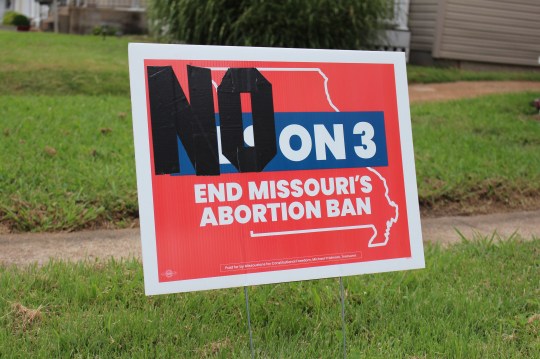
This analysis reveals that while more states have begun using their own funds to cover abortion services for Medicaid enrollees since the U.S. Supreme Court’s Dobbs decision, only a handful have significantly increased reimbursement rates for providers, potentially undermining access to care for low-income patients. After examining physician fee schedules for abortions provided to Medicaid enrollees since 2024, KFF finds that reimbursement rates vary dramatically across states, and that most states don't substantially increase payment rates for later-pregnancy procedures, despite their higher costs and complexity.
CONTRACEPTIve care IN THE U.S.

SELECTED RESOURCES

Over-the-Counter Oral Contraceptive Pills

In July 2023, the FDA approved Opill, the first daily oral contraceptive pill to become available over the counter (OTC) without a doctor’s prescription. This issue brief provides an overview of OTC oral contraceptives and laws and policies related to insurance coverage.

featured

A promotional image for the the KFF Health Policy 101 Issues in Women’s Health chapter

Health Policy Issues in Women’s Health

Examine the core health coverage and access issues —shaped by federal and state policies—that affect women’s health today, including health coverage and costs, reproductive health services, maternal health, mental health, and intimate partner violence.

State Profiles for Women’s Health

Explore the latest national and state-specific data and policies on women’s health. Topics include health status, insurance and Medicaid coverage, use of preventive services, sexual health, maternal and infant health, and abortion policies. Many indicators provide state-level information for women of different racial and ethnic groups.

The essentials
  • Women’s Health Insurance Coverage

    This factsheet reviews major sources of coverage for women residing in the U.S., discusses the ACA's impact on coverage, and the coverage challenges that many women continue to face.
  • Medicaid Coverage for Women

    This data note presents key data points describing the current state of the Medicaid program as it affects women, including eligibility, reproductive health, chronic conditions, and more.
  • Dobbs: What are the Implications for Racial Disparities?

    This analysis examines the implications of the Dobbs decision and state restrictions on abortion coverage for racial disparities in access to care and health outcomes.
  • State Health Facts: Women's Health Indicators

    Information on women’s health status, utilization of services, health insurance coverage, family planning and childbirth, and abortion statistics and policies.
  • Key Facts on Abortion in the United States

    This report answers some key questions about abortion in the United States and presents data collected before the overturn of Roe v. Wade.

Stay informed.

Stay informed.

Filter

391-400 of 877 results

  • Maternity Care and Consumer-Driven Health Plans

    Report

    Maternity Care and Consumer-Driven Health Plans This report compares out-of-pocket costs of maternity care under 12 consumer-driven health plans (CDHP) from the group and individual markets to a traditional health insurance plan. CDHPs typically have lower premiums but higher deductible levels than traditional health plans, shifting more of the financial responsibility for the costs of medical care to patients to promote more cost-conscious health care choices. In some cases, out-of-pocket costs under CDHPs may be…

  • President Obama’s Campaign Position on Health Reform and Other Health Care Issues

    Issue Brief

    During the 2008 Presidential campaign now President Barack Obama announced a comprehensive health care reform proposal and laid out his positions on a number of other key health care issues. The two documents below summarize these campaign policies and positions. They were prepared by the Kaiser Family Foundation with the assistance of Health Policy Alternatives, Inc., and are based on information compiled from Obama's campaign Web site, speeches, campaign debates and news reports. They are…

  • National Survey Results on Public Knowledge/Opinions and OB/GYN Practice/Attitudes on Emergency Contraceptives (“Morning-After Pills”) – Toplines/Survey

    Other Post

    Kaiser Family Foundation Survey on Public Knowledge and Attitudes Regarding Contraception and Unplanned Pregnancy: Emergency Contraceptive Pills -- Questionnaire and Top Lines -- The Kaiser Family Foundation Survey on Public Knowledge and Attitudes on Contraception and Unplanned Pregnancy was a random-sample, telephone survey of adults nationwide. The national sample consisted of 2,002 adults (1002 men and 1000 women), 18 years and older, and was conducted between October 12 and November 13, 1994. Responses for a…

  • National Survey Results on Public Knowledge/Opinions and OB/GYN Practice/Attitudes on Emergency Contraceptives (“Morning-After Pills”)

    Other Post

    Two New Surveys of American Public and Physicians: American Women Are Misinformed About Emergency Contraceptive Option; Once Explained, Many Say Would Be Likely to Use --Ethical and Safety Concerns Not Major Factors In Stated Likelihood to Use "Morning-After" Pills -- OB/GYNS Consider "Morning-After" Pills to be Safe and Effective; While Most Have Prescribed Within LastYear, Only to Handful of Patients -- Most Physicians Who Do Not Perform Abortions State No "Objections or Concerns" Prescribing Emergency…

  • SexSmarts Survey – Teens and Sexual Health Communication

    Poll Finding

    SexSmarts Survey- Teens and Sexual Health Communication As part of an on-going public information partnership called SexSmarts, seventeen magazine and the Kaiser Family Foundation conduct nationally-representative surveys of teens 15 to 17 on issues related to their sexual health. This survey examines sexual health communication between teens and their parents, health care providers and partners. The results suggest that nearly four in 10 sexually active adolescents say their parents don't know they are having sex.…

  • The Healthcare Experiences of Women with HIV/AIDS – Insights from Focus Groups

    Report

    The Healthcare Experiences of Women with HIV/AIDS: Insights from Focus Groups This report summarizes findings from a series of focus groups with women living with HIV/AIDS. Focus group participants describe their first-hand experience with the health care system, including issues of to financing and coverage, relationships with providers, the role of AIDS support organizations, and challenges in care and treatment. Report (.pdf)

  • Health News Index – November/December 2002

    Poll Finding

    Health News Index November/December, 2001 The Health News Index measures public attention to and knowledge about leading health stories covered in the news in October and November. The Health News Index is designed to help news media and people in the health field gain a better understanding of which health stories Americans are following and what they understand about those issues. Summary of Findings Topline/Survey

  • Sex in the 90s: 1998 National Survey of Americans on Sex and Sexual Health 2

    Other Post

    16. Do you think sex education courses should ONLY teach abstinence -- that is NOT having sex until marriage -- OR should courses teach about BOTH abstinence AND give teens enough information to help them prevent unplanned pregnancies and the spread of sexually transmitted diseases if they DO decide to have sex? 18 Only abstinence 81 Both 8 Don't know/Refused 100 17. Do you think that HIGH SCHOOL health clinics should provide young people with…