Women's Health Policy

ABORTION IN THE U.S.

Variability in Rebimbursement Rates for State-funded Abortion Services for Medicaid Enrollees: A 2026 Update

This analysis reveals that while more states have begun using their own funds to cover abortion services for Medicaid enrollees since the U.S. Supreme Court’s Dobbs decision, only a handful have significantly increased reimbursement rates for providers, potentially undermining access to care for low-income patients. After examining physician fee schedules for abortions provided to Medicaid enrollees since 2024, KFF finds that reimbursement rates vary dramatically across states, and that most states don't substantially increase payment rates for later-pregnancy procedures, despite their higher costs and complexity.
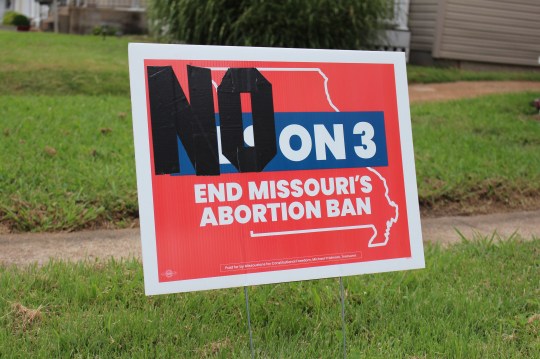
CONTRACEPTIve care IN THE U.S.

SELECTED RESOURCES

Over-the-Counter Oral Contraceptive Pills

In July 2023, the FDA approved Opill, the first daily oral contraceptive pill to become available over the counter (OTC) without a doctor’s prescription. This issue brief provides an overview of OTC oral contraceptives and laws and policies related to insurance coverage.

featured

A promotional image for the the KFF Health Policy 101 Issues in Women’s Health chapter

Health Policy Issues in Women’s Health

Examine the core health coverage and access issues —shaped by federal and state policies—that affect women’s health today, including health coverage and costs, reproductive health services, maternal health, mental health, and intimate partner violence.

State Profiles for Women’s Health

Explore the latest national and state-specific data and policies on women’s health. Topics include health status, insurance and Medicaid coverage, use of preventive services, sexual health, maternal and infant health, and abortion policies. Many indicators provide state-level information for women of different racial and ethnic groups.

The essentials
  • Women’s Health Insurance Coverage

    This factsheet reviews major sources of coverage for women residing in the U.S., discusses the ACA's impact on coverage, and the coverage challenges that many women continue to face.
  • Medicaid Coverage for Women

    This data note presents key data points describing the current state of the Medicaid program as it affects women, including eligibility, reproductive health, chronic conditions, and more.
  • Dobbs: What are the Implications for Racial Disparities?

    This analysis examines the implications of the Dobbs decision and state restrictions on abortion coverage for racial disparities in access to care and health outcomes.
  • State Health Facts: Women's Health Indicators

    Information on women’s health status, utilization of services, health insurance coverage, family planning and childbirth, and abortion statistics and policies.
  • Key Facts on Abortion in the United States

    This report answers some key questions about abortion in the United States and presents data collected before the overturn of Roe v. Wade.

Stay informed.

Stay informed.

Filter

541-550 of 878 results

  • National Survey of Americans and Health Care Providers on Emergency Contraception

    Other Post

    1997 Kaiser Family Foundation Survey of Americans on Emergency Contraception Conducted for the Henry J. Kaiser Family Foundation By Princeton Survey Research Associates Topline For Men May 13-May 26, 1997 Introduction: Hello, my name is _____, and I'm calling from Princeton Survey Research of Princeton, New Jersey. We are conducting a confidential national opinion survey about some important health issues. N = 300 men, age 18-44 Margin of error: plus or minus 5 percent *…

  • National Campaign to Prevent Teen Pregnancy: The More You Know About Teen Pregnancy Prevention Campaign Information

    Other Post

    The Henry J. Kaiser Family Foundation When are teens most likely to get pregnant? Pregnancy risk is high right from the beginning of sexual activity: half of all first teen pregnancies occur in the first six months after sexual activity begins. What are the outcomes of most teen pregnancies?Half (54%) of pregnancies among teen girls, 15-19 years old, end in birth. A third of teen pregnancies end in abortion (32%) and 14 percent end in…

  • Talking about STDs with Health Professionals: Women’s Experiences – Toplines/Survey

    Other Post

    Talking about STDs with Health Professionals: Women's Experiences Glamour/Kaiser Family Foundation National Survey Methodology Talking about STDS with Health Professionals: Women's Experiences was conducted for the Kaiser Family Foundation and Glamour by Market Facts, Inc. The results are based on telephone interviews conducted between May 27 through June 1, 1997 with a sample of 482 women ages 18-44 who had been to a new doctor within the last year for gynecological or obstetrical care. These…

  • Sex in the 90s: 1998 National Survey of Americans on Sex and Sexual Health

    Poll Finding

    This survey takes an in-depth look at Americans' attitudes about sex and sexual health issues in the 90s, including sex education, sex in the media, sexually transmitted disease and unintended pregnancy, and how we talk (or not) about sexual issues with children and partners. TOPLINE Download

  • Preventive Services Covered by Private Health Plans under the Affordable Care Act

    Fact Sheet

    Note:  This content was updated on February 28, 2024  to incorporate new FAQs from CMS. Tables 1 and 2 were also updated to include updated recommendations. It has been more than ten years since the Affordable Care Act (ACA) required private insurance plans to cover recommended preventive services without any patient cost-sharing. Research has shown that evidence-based preventive services can save lives and improve health by identifying illnesses earlier, managing them more effectively, and treating…

  • Abortion in the U.S.: Utilization, Financing and Access

    Fact Sheet

    This fact sheet provides key data on the levels of use of different abortion procedures in the United States and reviews the different federal and state policies that affect availability of and access to abortion services. It also provides information on how abortions are financed in the public and private sectors and reviews the state-level policies and Medicaid and private insurance rules that affect coverage of abortion services, including parental involvement laws, provider protections and…

  • Early Sexual Experiences: How Voluntary? How Violent?

    Report

    Edward Laumann, Ph.D., Department of Sociology, University of Chicago, shares findings from the 1994 National Health and Social Life Survey, which suggest that having a violent or coercive first sexual experience is not as rare an occurrence as had been previously believed. Seminar participants -- experts on sexuality and sexual relationships -- debate the prevalence and consequences of abusive and negative first sexual experiences. This publication was produced as part of an ongoing seminar series,…

  • Health Coverage and Access Challenges for Low-Income Women

    Issue Brief

    This issue brief examines low-income women’s health insurance coverage, experience with health plans and providers, and access to care. The analysis is based on data from the 2001 Kaiser Women’s Health Survey, a nationally representative survey of nearly 4,000 women between the ages of 18 and 64. Issue Brief (.pdf)

  • Disparities In Maternal And Infant Health: Are We Making Progress? Lessons From California

    Issue Brief

    This issue brief prepared by researchers at the University of California at San Francisco and the Kaiser Family Foundation, analyzes changes in racial/ethnic and socioeconomic disparities in maternal and infant health in California in 1994/1995 and 1999/2001. The issue brief also reviews the policy implications of these differences and offers general recommendations for health care policymakers to consider in addressing health disparities. Issue Brief (.pdf)