Women's Health Policy

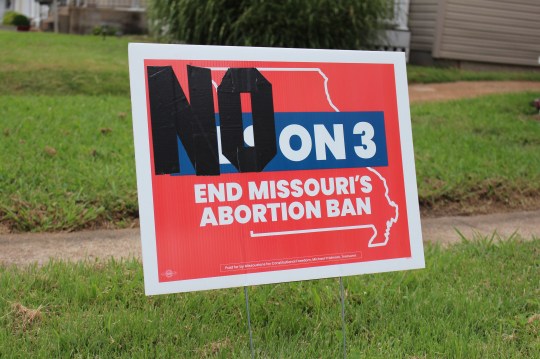
ABORTION IN THE U.S.

CONTRACEPTIve care IN THE U.S.

New and noteworthy

Over-the-Counter Oral Contraceptive Pills

In July 2023, the FDA approved Opill, the first daily oral contraceptive pill to become available over the counter (OTC) without a doctor’s prescription. This issue brief provides an overview of OTC oral contraceptives and laws and policies related to insurance coverage.

featured

A promotional image for the the KFF Health Policy 101 Issues in Women’s Health chapter

Health Policy Issues in Women’s Health

Examine the core health coverage and access issues —shaped by federal and state policies—that affect women’s health today, including health coverage and costs, reproductive health services, maternal health, mental health, and intimate partner violence.

State Profiles for Women’s Health

Explore the latest national and state-specific data and policies on women’s health. Topics include health status, insurance and Medicaid coverage, use of preventive services, sexual health, maternal and infant health, and abortion policies. Many indicators provide state-level information for women of different racial and ethnic groups.

The essentials
  • Women’s Health Insurance Coverage

    This factsheet reviews major sources of coverage for women residing in the U.S., discusses the ACA's impact on coverage, and the coverage challenges that many women continue to face.
  • Medicaid Coverage for Women

    This data note presents key data points describing the current state of the Medicaid program as it affects women, including eligibility, reproductive health, chronic conditions, and more.
  • Dobbs: What are the Implications for Racial Disparities?

    This analysis examines the implications of the Dobbs decision and state restrictions on abortion coverage for racial disparities in access to care and health outcomes.
  • State Health Facts: Women's Health Indicators

    Information on women’s health status, utilization of services, health insurance coverage, family planning and childbirth, and abortion statistics and policies.
  • Key Facts on Abortion in the United States

    This report answers some key questions about abortion in the United States and presents data collected before the overturn of Roe v. Wade.

Subscribe to KFF Emails

Choose which emails are best for you.
Sign up here

Filter

531 - 540 of 869 Results

  • New Report Analyzes Health Insurance Coverage of Contraceptives

    News Release

    A new Kaiser Family Foundation report released today finds how health insurance carriers are interpreting and implementing the Affordable Care Act's contraceptive coverage requirement varies, limiting contraceptive options for some women. The ACA requires most private health insurance plans to cover a range of preventive services for women, including prescribed FDA-approved contraceptives and services without cost sharing. The report reviews how health carriers are applying medical management limitations to contraceptive coverage that affect women’s contraceptive…

  • Gender Differences in Health Care, Status, and Use: Spotlight on Men’s Health

    Fact Sheet

    This slideshow presents findings from the 2013 Kaiser Men's and Women's Health Survey on men's health care, access and coverage, and draws comparisons to women's health care. The slideshow also presents findings for low-income and uninsured men, including financial barriers to care, frequency of clinician visits, use of prescription drugs, and the likelihood of getting counseling and screenings, such as HIV tests.

  • Federal and State Standards for “Essential Community Providers” under the ACA and Implications for Women’s Health

    Issue Brief

    Safety net providers such as community health centers and family planning clinics have served a significant role in the provision of primary care and reproductive health care services to low-income and uninsured people, particularly women. The Affordable Care Act (ACA) has a provision aimed at assuring that newly-insured individuals, as well as those without coverage, can continue seeing their trusted safety net providers, also called Essential Community Providers (ECPs). This brief reviews the definition of…

  • Abortion Coverage in Marketplace Plans, 2015

    Issue Brief

    This brief analyzes state policies and insurer coverage decisions affecting the availability of abortion coverage in 2015 insurance plans offered through the Marketplaces. It finds that abortion coverage is unavailable in a total of 31 states, 24 of which have enacted laws that ban or restrict abortion coverage in plans sold through their Marketplaces and 7 of which have no abortion coverage restrictions but also have no Marketplace plans offering it.

  • An Update on Coverage for Preventive Services Under the Affordable Care Act

    News Release

    An updated fact sheet from the Kaiser Family Foundation summarizes the latest information on health plan coverage of preventive services under the Affordable Care Act. The fact sheet details the rules that govern when plans are required to cover services without cost-sharing and which services are covered. In addition, the fact sheet summarizes the clarifications issued by the U.S. Department of Health and Human Services on coverage for a number of services including: colon cancer…

  • New Analysis Examines Paid Time Off for Working Mothers when Their Children are Sick

    News Release

    For many women, missing work when their children have a cold or upset stomach takes a financial toll on family income. A new data note from the Kaiser Family Foundation reports on the number of working mothers who must take unpaid time off when their children are sick and discusses state and national policies addressing the issue. Balancing on Shaky Ground: Women, Work and Family Health recounts findings from a recent national Kaiser survey, including:…

  • Analysis: Opportunities Under the ACA for Addressing Intimate Partner Violence Among Women With HIV

    News Release

    An estimated 36 percent of women in the U.S. report having experienced intimate partner violence (IPV), also called domestic violence, but among HIV positive women 55 percent report such experiences. A new Kaiser Family Foundation analysis looks at opportunities to address IPV in the Affordable Care Act (ACA) that could help women who are HIV positive or at risk for HIV. The analysis, HIV, Intimate Partner Violence and Women: New Opportunities Under the Affordable Care Act, looks…