Women's Health Policy

ABORTION IN THE U.S.

Abortion on the 2026 Ballot: The Evolving Landscape of State Abortion Initiatives 

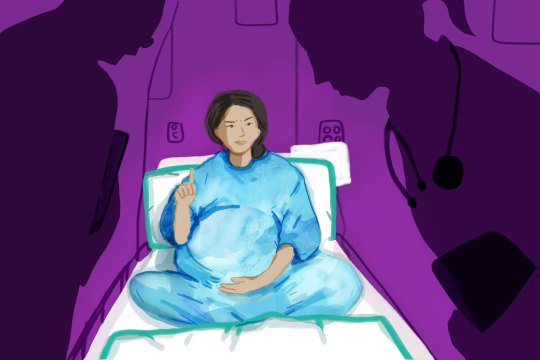
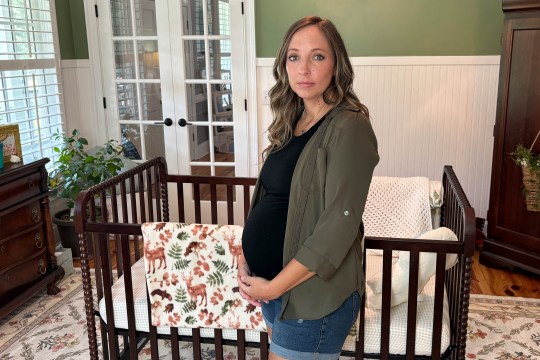
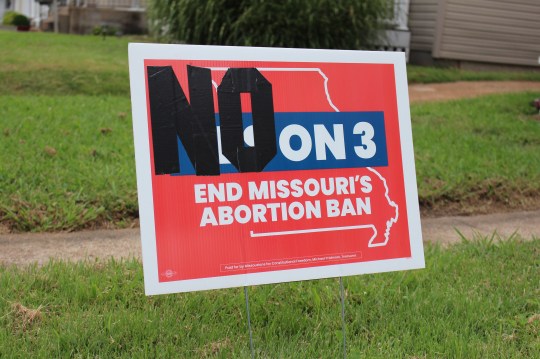
Since the Supreme Court’s Dobbs decision, overturning Roe v. Wade, voters in 17 states have weighed in on ballot measures regarding abortion — some more than once. In November 2026, voters in Idaho, Missouri, Nevada, and Virginia will weigh in on abortion measures that could change the legal status of abortion in their state. In addition, a measure in Colorado is in the process of collecting signatures.
CONTRACEPTIve care IN THE U.S.

SELECTED RESOURCES

featured

Women's Health Survey

The Women’s Health Survey is a series of nationally representative surveys on women’s health conducted by KFF since 2001. The survey aims to track and document women’s experiences with the health care system, access challenges and barriers to care, knowledge related to health and well-being, and differences between women by age, race/ethnicity, income level, and insurance type.

A promotional image for the the KFF Health Policy 101 Issues in Women’s Health chapter

Health Policy Issues in Women’s Health

Examine the core health coverage and access issues —shaped by federal and state policies—that affect women’s health today, including health coverage and costs, reproductive health services, maternal health, mental health, and intimate partner violence.

State Profiles for Womens Health

Explore the latest national and state-specific data and policies on women’s health. Topics include health status, insurance and Medicaid coverage, use of preventive services, sexual health, maternal and infant health, and abortion policies. Many indicators provide state-level information for women of different racial and ethnic groups.

The essentials
  • Women’s Health Insurance Coverage

    This factsheet reviews major sources of coverage for women residing in the U.S., discusses the ACA's impact on coverage, and the coverage challenges that many women continue to face.
  • Medicaid Coverage for Women

    This data note presents key data points describing the current state of the Medicaid program as it affects women, including eligibility, reproductive health, chronic conditions, and more.
  • Dobbs: What are the Implications for Racial Disparities?

    This analysis examines the implications of the Dobbs decision and state restrictions on abortion coverage for racial disparities in access to care and health outcomes.
  • State Health Facts: Women's Health Indicators

    Information on women’s health status, utilization of services, health insurance coverage, family planning and childbirth, and abortion statistics and policies.
  • Key Facts on Abortion in the United States

    This report answers some key questions about abortion in the United States and presents data collected before the overturn of Roe v. Wade.

Stay informed.

Stay informed.

Filter

311-320 of 882 results

  • Employer Coverage of Travel Costs for Out-of-State Abortion

    Policy Watch

    This Policy Watch gives an overview of employers offering to cover travel expenses for workers who need to go out of state for an abortion in the context of increasing restrictions on abortion around the country. We discuss who is offering these benefits, the implications for workers, and some of the legal and political concerns for employers.

  • State Actions to Protect and Expand Access to Abortion Services

    Issue Brief

    This brief reviews the status of state actions to strengthen and guarantee abortion access to their residents, as well as to prepare for the likely increase in demand for abortion services in those states should the high court overturn the constitutional right to abortion established by Roe v. Wade.

  • Abortion at SCOTUS: Dobbs v. Jackson Women’s Health

    Issue Brief

    This issue brief provides background on the legal challenges to the Mississippi law in the context of the Supreme Court abortion precedents, addresses the intersections with the litigation that has arisen from S.B. 8, the Texas 6-week abortion ban, and explains the potential outcomes and how they could impact access to abortion around the country.

  • A Look at Key Maternal and Infant Health Disparities Among Black People

    Feature

    Due to systemic and overt discrimination, Black people are disproportionately affected by high maternal and infant morbidities and mortality. In addition to legislation, addressing systemic discrimination, implicit bias and racism will be integral to achieving equity in maternal health outcomes.

  • States Look to Bolster Maternal Health

    Feature

    Starting April 1, states have a new option to extend Medicaid postpartum coverage from 60 days to 12 months without having to seek a waiver.

  • Despite Efforts to Prevent Out-of-Pocket Costs for Rape Kits and Services by the Violence Against Women Act, Some Women Still Face Charges

    News Release

    In the United States, more than one in three women experience sexual violence in their lifetime. Despite the intent of Violence Against Women Act (VAWA) to protect survivors from out-of-pocket spending stemming from rape kit collection services also known as a medical forensic exam (MFE), many women face health care bills because they seek those critical services. A new KFF analysis of a sample of private insurance claims from large employers finds that two-thirds (66%)…

  • Out-of-Pocket Charges for Rape Kits and Services for Sexual Assault Survivors

    Issue Brief

    Although federal legislation intends to provide no-cost rape kits to all survivors of sexual violence, some survivors still face out-of-pocket charges for minimum standard rape kit services as well as other medical care that takes place following a sexual assault. This brief examines the policies that impact coverage of health care services for survivors of sexual assault and identifies gaps in those programs and coverage for their care, particularly for women with private health insurance.