Women's Health Policy

ABORTION IN THE U.S.

Abortion on the 2026 Ballot: The Evolving Landscape of State Abortion Initiatives 

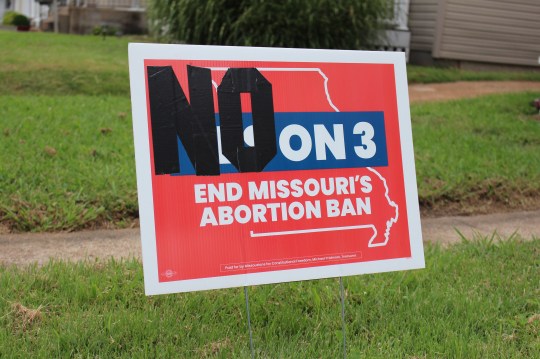
Since the Supreme Court’s Dobbs decision, overturning Roe v. Wade, voters in 17 states have weighed in on ballot measures regarding abortion — some more than once. In November 2026, voters in Idaho, Missouri, Nevada, and Virginia will weigh in on abortion measures that could change the legal status of abortion in their state. In addition, a measure in Colorado is in the process of collecting signatures.
CONTRACEPTIve care IN THE U.S.

SELECTED RESOURCES

featured

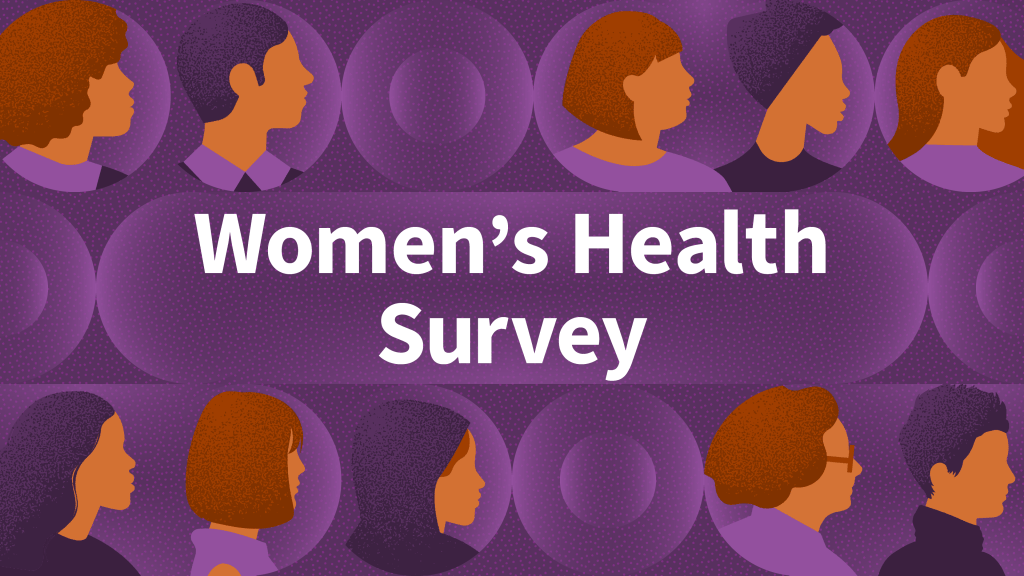
Women's Health Survey

The Women’s Health Survey is a series of nationally representative surveys on women’s health conducted by KFF since 2001. The survey aims to track and document women’s experiences with the health care system, access challenges and barriers to care, knowledge related to health and well-being, and differences between women by age, race/ethnicity, income level, and insurance type.

A promotional image for the the KFF Health Policy 101 Issues in Women’s Health chapter

Health Policy Issues in Women’s Health

Examine the core health coverage and access issues —shaped by federal and state policies—that affect women’s health today, including health coverage and costs, reproductive health services, maternal health, mental health, and intimate partner violence.

State Profiles for Womens Health

Explore the latest national and state-specific data and policies on women’s health. Topics include health status, insurance and Medicaid coverage, use of preventive services, sexual health, maternal and infant health, and abortion policies. Many indicators provide state-level information for women of different racial and ethnic groups.

The essentials
  • Women’s Health Insurance Coverage

    This factsheet reviews major sources of coverage for women residing in the U.S., discusses the ACA's impact on coverage, and the coverage challenges that many women continue to face.
  • Medicaid Coverage for Women

    This data note presents key data points describing the current state of the Medicaid program as it affects women, including eligibility, reproductive health, chronic conditions, and more.
  • Dobbs: What are the Implications for Racial Disparities?

    This analysis examines the implications of the Dobbs decision and state restrictions on abortion coverage for racial disparities in access to care and health outcomes.
  • State Health Facts: Women's Health Indicators

    Information on women’s health status, utilization of services, health insurance coverage, family planning and childbirth, and abortion statistics and policies.
  • Key Facts on Abortion in the United States

    This report answers some key questions about abortion in the United States and presents data collected before the overturn of Roe v. Wade.

Stay informed.

Stay informed.

Filter

271-280 of 882 results

  • Large Shares of Women Report Needing Mental Health Services but Many Don’t Get Them

    News Release

    An analysis of 2022 KFF Women’s Health Survey (WHS) data finds that although large shares of women report needing mental health services over the past two years, a significant percentage did not access services they felt they needed. Fifty percent of women ages 18-64 say they needed mental health services in the past two years (including 64% of women ages 18-25), but only half of these women obtained an appointment, which may suggest unmet mental…

  • What is the future of contraceptive care in a post-Roe world?

    Event Date:
    Event

    On December 13th, KFF held a web event highlighting key findings from KFF’s 2022 Women’s Health Survey on women’s contraceptive access, experiences, and preferences. After the presentation of the survey findings, leaders in sexual and reproductive health care explored the challenges and opportunities in contraceptive care access in a rapidly changing policy and clinical context.

  • Abortion Bans May Limit Essential Medications for Women with Chronic Conditions

    Issue Brief

    This analysis uses the 2019 IBM MarketScan claims data to look at prescriptions of methotrexate and misoprostol, two drugs that can be used to terminate pregnancies, but are also used to manage chronic conditions like cancer, autoimmune diseases, and abnormal bleeding. These drugs may be restricted in response to state abortion bans, which we find will disproportionately affect women of reproductive age who make up the majority of those who rely on these drugs.

  • Abortion Bans May Limit Access to Certain Drugs Used to Treat Women with Cancer, Autoimmune Diseases, and Ulcers

    News Release

    A new KFF analysis finds that women comprise the majority of patients who rely on certain drugs that may be restricted in response to state abortion bans. Following the Supreme Court decision to overturn Roe v. Wade, some women in abortion-banning states have reported that clinicians and pharmacists denied them access to medications like methotrexate and misoprostol that are used to manage chronic conditions but are also used for medication abortions and treatment of ectopic…

  • Fewer than Half of Employed Women Say Their Employer Offers a Paid Parental Leave or Family and Medical Leave Benefit

    News Release

    A new KFF analysis finds that fewer than half of employed women ages 18-64 say their employer offers a paid parental leave benefit, such as maternity or paternity leave (43%) or family and medical leave (44%). Access to these workplace benefits varies widely by employment status, income, location, and level of education. Women who work full-time and have higher incomes are more likely than their part-time or low-income counterparts to say their employer offers any…

  • Analysis Reveals How Abortion Boosted Democratic Candidates in Tuesday’s Midterm Election

    News Release

    While inflation was clearly at the top of voters’ minds in this year’s midterm elections, the Supreme Court decision overturning Roe v. Wade played a significant role in motivating key voting blocs that likely contributed to the Democratic party’s stronger-than-expected performance, a new analysis of KFF’s supplemental questions on the Associated Press VoteCast survey of midterm voters. About four in ten (38%) voters overall said that the Supreme Court decision ending the constitutional right to an abortion had a…