Women's Health Policy

ABORTION IN THE U.S.

Abortion on the 2026 Ballot: The Evolving Landscape of State Abortion Initiatives 

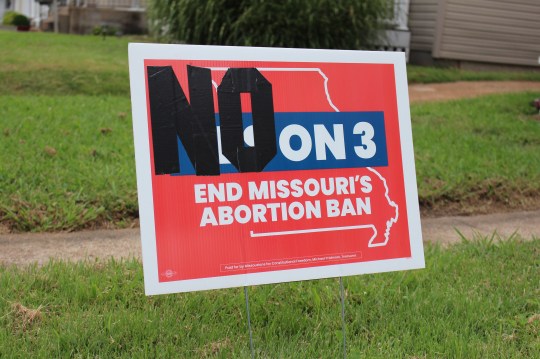
Since the Supreme Court’s Dobbs decision, overturning Roe v. Wade, voters in 17 states have weighed in on ballot measures regarding abortion — some more than once. In November 2026, voters in Idaho, Missouri, Nevada, and Virginia will weigh in on abortion measures that could change the legal status of abortion in their state. In addition, a measure in Colorado is in the process of collecting signatures.
CONTRACEPTIve care IN THE U.S.

SELECTED RESOURCES

featured

Women's Health Survey

The Women’s Health Survey is a series of nationally representative surveys on women’s health conducted by KFF since 2001. The survey aims to track and document women’s experiences with the health care system, access challenges and barriers to care, knowledge related to health and well-being, and differences between women by age, race/ethnicity, income level, and insurance type.

A promotional image for the the KFF Health Policy 101 Issues in Women’s Health chapter

Health Policy Issues in Women’s Health

Examine the core health coverage and access issues —shaped by federal and state policies—that affect women’s health today, including health coverage and costs, reproductive health services, maternal health, mental health, and intimate partner violence.

State Profiles for Womens Health

Explore the latest national and state-specific data and policies on women’s health. Topics include health status, insurance and Medicaid coverage, use of preventive services, sexual health, maternal and infant health, and abortion policies. Many indicators provide state-level information for women of different racial and ethnic groups.

The essentials
  • Women’s Health Insurance Coverage

    This factsheet reviews major sources of coverage for women residing in the U.S., discusses the ACA's impact on coverage, and the coverage challenges that many women continue to face.
  • Medicaid Coverage for Women

    This data note presents key data points describing the current state of the Medicaid program as it affects women, including eligibility, reproductive health, chronic conditions, and more.
  • Dobbs: What are the Implications for Racial Disparities?

    This analysis examines the implications of the Dobbs decision and state restrictions on abortion coverage for racial disparities in access to care and health outcomes.
  • State Health Facts: Women's Health Indicators

    Information on women’s health status, utilization of services, health insurance coverage, family planning and childbirth, and abortion statistics and policies.
  • Key Facts on Abortion in the United States

    This report answers some key questions about abortion in the United States and presents data collected before the overturn of Roe v. Wade.

Stay informed.

Stay informed.

Filter

211-220 of 882 results

  • Since Dobbs, Few Large Firms Have Changed Their Plan’s Abortion Coverage Policy

    News Release

    According to an analysis of responses to KFF’s Employer Health Benefits Survey in 2023, relatively few (8%) large firms (with 200 or more workers) offering health benefits report reducing or expanding coverage for abortion since the U.S. Supreme Court overturned Roe v. Wade with the Dobbs v. Jackson ruling. Since Dobbs, 3% of these large firms reduced or eliminated coverage for abortion where it is legal. Meanwhile, 12% of large firms whose largest plan covers…

  • Coverage of Abortion in Large Employer-Sponsored Plans in 2023

    Issue Brief

    This brief presents findings from the 2023 KFF Employer Health Benefits Survey on coverage of abortion services in large employer-sponsored health plans, changes employers made to abortion coverage since the 2022 Supreme Court ruling, and employers’ provision of financial assistance for travel out of state to obtain an abortion.

  • Preventive Services Covered by Private Health Plans under the Affordable Care Act

    Fact Sheet

    Note:  This content was updated on February 28, 2024  to incorporate new FAQs from CMS. Tables 1 and 2 were also updated to include updated recommendations. It has been more than ten years since the Affordable Care Act (ACA) required private insurance plans to cover recommended preventive services without any patient cost-sharing. Research has shown that evidence-based preventive services can save lives and improve health by identifying illnesses earlier, managing them more effectively, and treating…

  • Want to Learn About Women’s Health in your State? Check out KFF’s Updated Interactive Dashboard

    News Release

    KFF recently updated its interactive dashboard with national and state data on women’s health, as well as information about various policies that affect women’s health. The dashboard provides instant access the most up-to-date state level indicators of women’s health in the U.S. Many of the indicators also provide national and state-level information for women of different racial and ethnic groups. Dashboard topics include: Abortion availability, coverage, and use by race/ethnicity. Maternal and infant mortality, preterm…

  • What the Data Show: Abortions Later in Pregnancy 

    News Release

    Following recent news about former President Trump’s potential support for a national 16-week abortion ban, KFF examines the data about how often abortions later in pregnancy occur, exploring the potential reasons why, and detailing the various laws that regulate access to abortions later in pregnancy. The updated analysis considers 2021 CDC data, before the Dobbs decision, in a post-Dobbs policy landscape. The analysis shows that abortions at or after 21 weeks are uncommon and represent…

  • Abortions Later in Pregnancy in a Post-Dobbs Era

    Issue Brief

    This brief explains why individuals may seek abortions later in pregnancy, how often these procedures occur, and the various laws which regulate access to abortions later in pregnancy across the country.

  • What Would Another Trump Presidency Mean for Health Care?

    Perspective

    In a new column in JAMA Health Forum, Larry Levitt, KFF’s executive vice president for health policy, explores what a second Trump presidency might mean for health policy based on his record and remarks, including potentially weakening the Affordable Care Act, reducing federal Medicaid costs, and restricting access to abortion.

  • Addressing Abortion Access through State Ballot Initiatives

    Issue Brief

    This issue brief explains why constitutional amendment ballot measures have become so popular with advocates on both sides of the abortion issue, reviews the current initiatives that are in progress and may appear in on state ballots the next general election, and outlines the processes states have available to them to use to place initiatives on the ballot.

  • New KFF Brief Examines Potential Abortion-Related Ballot Initiatives in 13 States

    News Release

    Ahead of the 2024 general election, a new KFF brief examines abortion ballot initiatives in progress in 13 states. These 13 states could follow six other states that have voted on constitutional amendments to protect or restrict abortion since the Supreme Court’s Dobbs decision overturning Roe v. Wade in 2022. In those six states, the side favoring access to abortion prevailed. Citizen-led abortion ballot initiatives have captured nationwide attention and promise to be closely watched;…