Medicaid

Medicaid work requirements

Medicaid and the Road Ahead: Spending Cuts, Work Requirements and What’s Next for States, Providers and Families

Event Date:

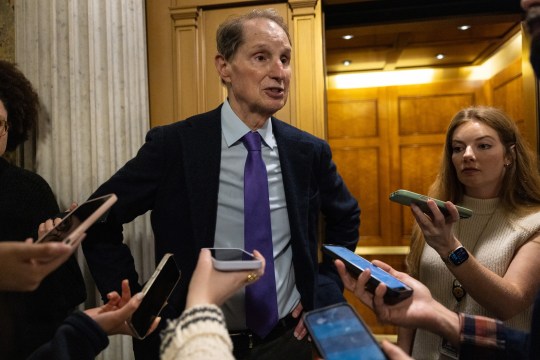
Passed last year, President Trump’s One Big Beautiful Bill Act made significant changes to Medicaid—the primary insurance provider for health and long-term care for people with low incomes. These changes are expected to lead to coverage loss for many current enrollees and will reduce funding for Medicaid, placing new financial pressures on states and health care providers. On July 23, KFF and States Newsroom hosted an event focused on the impacts of work requirements and other federal policy changes on states, health care systems, and people.

new and noteworthy

understanding medicaid

Medicaid Financing

Medicaid represents $1 out of every $5 spent on health care in the U.S. and is the major source of financing for states to provide health coverage and long-term care. This brief examines key questions about Medicaid financing and how it works.

Medicaid Program Integrity

This brief explains what is known about improper payments and fraud and abuse in Medicaid and describes ongoing state and federal actions to address program integrity.

Medicaid and Provider Taxes

All states except Alaska cover some state Medicaid costs with taxes on health care providers. This brief uses data from KFF’s 2024-2025 survey of Medicaid directors to describe current practices and the federal rules governing them.

Medicaid and Hospitals

Absorbing reductions in Medicaid spending could be challenging for hospitals, particularly for those that are financially vulnerable. This brief provides data on the reach of Medicaid across hospitals, patients, and charity care.

Medicaid Home Care

This issue brief provides an overview of what Medicaid home care (also known as “home- and community-based services”) is, who is covered, and what services were available in 2025.

Dual Eligibles

Stay informed.

Stay informed.

Filter

2,341 - 2,350 of 2,731 Results

  • State Fiscal Conditions and Health Coverage: An Update on FY2004 and Beyond

    Report

    The Kaiser Commission on Medicaid and the Uninsured released three new reports today on how states are coping with the fourth year of fiscal stress. The third annual survey of the 50 states reveals a far-reaching impact on health coverage for low-income families at a time when enrollment is increasing due to sluggish economic conditions. Some of the findings from the reports include: Medicaid spending growth slowed for first time in 7 years. For 2003…

  • Medicaid Spending: What Factors Contributed to the Growth Between 2000 and 2002?

    Issue Brief

    The report finds that rapid Medicaid spending growth has been driven, in part, by enrollment increases resulting from the loss of income and private insurance coverage during the current economic downturn, together with continued increases in hospital and prescription drug costs that have affected the entire health care sector. Issue Paper (.pdf)

  • Medicaid Matters For Low Income Medicare Beneficiaries: A Video

    Event Date:
    Event

    In this video, Mildred Benham, a 68 year-old dual enrollee who lives in Bloomington, Illinois, describes the role Medicaid plays in providing services that Medicare does not, such as prescription drugs and personal care. Mildred is a typical dual enrollee in that she has multiple conditions, such as fibrosis of the lungs, rheumatoid arthritis, high blood pressure, and cataracts. To control her conditions, she takes 12 prescriptions a day. Because of her physical limitations, Medicaid…

  • A Prescription Drug Benefit in Medicare: Implications for Medicaid and Low-Income Medicare Beneficiaries

    Issue Brief

    The Senate and House of Representatives each approved legislation in June of 2003 that would establish outpatient prescription drug coverage for Medicare beneficiaries as part of Medicare program reform. Among the key differences in the House and Senate bills that still must be addressed are the treatment of Medicaid beneficiaries and the structure of low-income subsidy programs. The way in which these issues are resolved will have major implications for Medicaid beneficiaries, other low-income individuals,…

  • Low-Income Medicare Beneficiaries: How the House and Senate Prescription Drug Bills Address Their Drug Needs

    Report

    The House and Senate versions of a Medicare prescription drug bill treat the drug costs of those dually-eligible for Medicare and Medicaid and other low-income Medicare beneficiaries quite differently. The Kaiser Commission on Medicaid and the Uninsured cosponsored a policy briefing on the key issues in the two bills that would impact low-income beneficiaries and released a brief and background report on the topic. A Prescription Drug Benefit in Medicare: Implications for Medicaid and Low-Income…

  • A Medicare Prescription Drug Benefit: Implications for Medicaid and Low-Income People

    Report

    The Senate and House of Representatives each approved legislation in June of 2003 that would establish outpatient prescription drug coverage for Medicare beneficiaries as part of Medicare program reform. Among the key differences in the House and Senate bills that still must be addressed are the treatment of Medicaid beneficiaries and the structure of low-income subsidy programs. The way in which these issues are resolved will have major implications for Medicaid beneficiaries, other low-income individuals,…