Medicaid

new and noteworthy

Medicaid work requirements

Medicaid and the Road Ahead: Spending Cuts, Work Requirements and What’s Next for States, Providers and Families

Event Date:

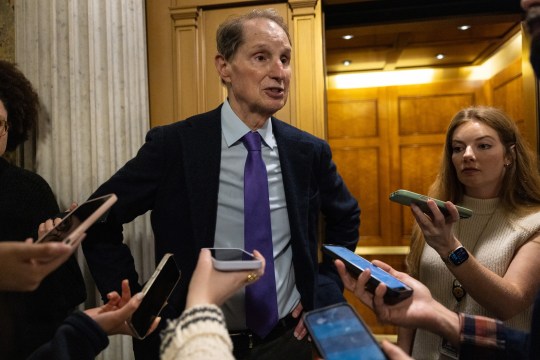
Passed last year, President Trump’s One Big Beautiful Bill Act made significant changes to Medicaid—the primary insurance provider for health and long-term care for people with low incomes. These changes are expected to lead to coverage loss for many current enrollees and will reduce funding for Medicaid, placing new financial pressures on states and health care providers. On July 23, KFF and States Newsroom hosted an event focused on the impacts of work requirements and other federal policy changes on states, health care systems, and people.

understanding medicaid

Medicaid Financing

Medicaid represents $1 out of every $5 spent on health care in the U.S. and is the major source of financing for states to provide health coverage and long-term care. This brief examines key questions about Medicaid financing and how it works.

Medicaid Program Integrity

This brief explains what is known about improper payments and fraud and abuse in Medicaid and describes ongoing state and federal actions to address program integrity.

Medicaid and Provider Taxes

All states except Alaska cover some state Medicaid costs with taxes on health care providers. This brief describes states’ current provider taxes and explores how rules governing provider taxes are changing.

Medicaid and Hospitals

Absorbing reductions in Medicaid spending could be challenging for hospitals, particularly for those that are financially vulnerable. This brief provides data on the reach of Medicaid across hospitals, patients, and charity care.

Medicaid Home Care

This issue brief provides an overview of what Medicaid home care (also known as “home- and community-based services”) is, who is covered, and what services were available in 2025.

Dual Eligibles

Stay informed.

Stay informed.

Filter

211 - 220 of 2,738 Results

  • Performing Under Pressure: Annual Findings of a 50-State Survey of Eligibility, Enrollment, Renewal, and Cost-Sharing Policies in Medicaid and CHIP, 2011-2012

    Report

    The annual 50-state survey of Medicaid and CHIP eligibility rules, enrollment and renewal procedures and cost-sharing practices, conducted by the Kaiser Commission on Medicaid and the Uninsured with the Georgetown University Center for Children and Families, found that, despite continued fiscal pressures on states, eligibility policies remained stable in nearly all state Medicaid and Children's Health Insurance Programs during 2011. Moreover, many states used technology to increase program efficiency and streamline enrollment. The "maintenance of…

  • Five Key Questions About Medicaid And Its Role in State/Federal Budgets and Health Reform

    Report

    This fact sheet highlights key issues about Medicaid, including the structure, financing and purpose of the program, its role for low-income beneficiaries, its share of the federal budget and state budgets, and the significant implications of the coverage expansion under the Affordable Care Act. Fact Sheet (.pdf) Related chartpack: Five Key Questions And Answers About Medicaid

  • Explaining Health Reform: Building Enrollment Systems That Meet The Expectations of the Affordable Care Act

    Issue Brief

    The new health reform law will require most U.S. citizens and legal residents to have health coverage by 2014. It provides new options for coverage by expanding Medicaid eligibility to more low-income people and creating a state-based system of health insurance Exchanges through which individuals can purchase coverage, with federal subsidies for many. The success of the law in achieving near-universal health coverage will depend on the effectiveness of the enrollment and renewal processes that…

  • Coverage of Low-Income Children: Key Issues to Consider in Health Reform

    Issue Brief

    A key element of health reform will be meeting the needs of low-income children. Overall, a major goal of proposals is to expand coverage by building on Medicaid, providing subsidies to low- and moderate-income individuals to buy coverage through new health insurance exchanges, and requiring individuals to obtain coverage. Current proposals also could significantly change coverage for some children already eligible for Medicaid and CHIP. This issue brief examines several key issues to consider about…

  • The Public’s Health Care Agenda for the New President and Congress

    Poll Finding

      The Public's Health Care Agenda for the New President and Congress This survey captures the public's attitudes regarding the health care agenda for President Obama and the new Congress in 2009. It assesses the relative priority placed on health care by the American public as part of addressing the economic recession and as a large scale reform issue. The public's priorities for health care reform and their views on a range of other health…

  • Health Coverage in an Economic Downturn: Impact of Tight Budgets on Families and States

    Fact Sheet

    The economic downturn has strained family finances and prompted some Americans to cut back on medications and forgo preventive care and visits to the doctor. At the same time, the downturn has triggered declines in tax revenue that inhibit states’ ability to meet rising Medicaid program costs as enrollment spikes during economic hard times. Many states are expected to struggle to close budget gaps despite moves by Congress and the Obama Administration to temporarily boost…

  • CHIP Enrollment: June 2011 Data Snapshot

    Issue Brief

    This data snapshot provides the latest data on Children's Health Insurance Program (CHIP) enrollment and policy trends nationally and across the states through June 2011, based on survey responses and data provided by CHIP directors in all 50 states and the District of Columbia. The report finds that in June 2011, the number of children enrolled in CHIP reached 5.3 million. From June 2010 to June 2011, an additional 178,000 children enrolled in CHIP programs…

  • Testimony on the National Governors’ Association Proposal on Medicaid – Report

    Report

    Hearing before the United States House of Representatives Committee on Commerce on the National Governors Association Proposal on Medicaid Testimony of Diane Rowland, Sc.D., Executive Director, Kaiser Commission on the Future of Medicaid and Senior Vice President, Henry J. Kaiser Family Foundation March 6, 1996 Thank you, Mr. Chairman and members of the Committee, for this opportunity to provide some perspective on the recent proposal of the National Governors Association for Medicaid reform and its…