Medicaid

Medicaid work requirements

Medicaid and the Road Ahead: Spending Cuts, Work Requirements and What’s Next for States, Providers and Families

Event Date:

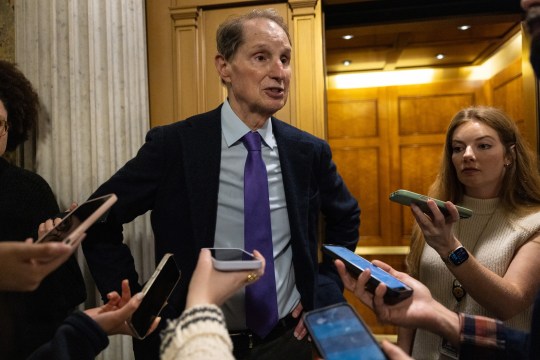
Passed last year, President Trump’s One Big Beautiful Bill Act made significant changes to Medicaid—the primary insurance provider for health and long-term care for people with low incomes. These changes are expected to lead to coverage loss for many current enrollees and will reduce funding for Medicaid, placing new financial pressures on states and health care providers. On July 23, KFF and States Newsroom hosted an event focused on the impacts of work requirements and other federal policy changes on states, health care systems, and people.

new and noteworthy

understanding medicaid

Medicaid Financing

Medicaid represents $1 out of every $5 spent on health care in the U.S. and is the major source of financing for states to provide health coverage and long-term care. This brief examines key questions about Medicaid financing and how it works.

Medicaid Program Integrity

This brief explains what is known about improper payments and fraud and abuse in Medicaid and describes ongoing state and federal actions to address program integrity.

Medicaid and Provider Taxes

All states except Alaska cover some state Medicaid costs with taxes on health care providers. This brief uses data from KFF’s 2024-2025 survey of Medicaid directors to describe current practices and the federal rules governing them.

Medicaid and Hospitals

Absorbing reductions in Medicaid spending could be challenging for hospitals, particularly for those that are financially vulnerable. This brief provides data on the reach of Medicaid across hospitals, patients, and charity care.

Medicaid Home Care

This issue brief provides an overview of what Medicaid home care (also known as “home- and community-based services”) is, who is covered, and what services were available in 2025.

Dual Eligibles

Stay informed.

Stay informed.

Filter

1,721 - 1,730 of 2,731 Results

  • Health Care Use and Chronic Conditions Among Childless Adult Medicaid Enrollees in Arizona

    Issue Brief

    Under the Affordable Care Act (ACA), beginning in 2014, Medicaid eligibility will expand to 133% of the federal poverty level for nearly all individuals. Arizona is one of the few states that already cover adults without dependent children in Medicaid through a longstanding Section 1115 waiver. This report, based on 2007 Medicaid claims data for adult Medicaid enrollees in Arizona, provides an analysis of health care utilization and health conditions for childless adults and compares…

  • Understanding The Medicaid And CHIP Maintenance of Eligibility Requirements

    Fact Sheet

    This fact sheet examines the provisions in the Patient Protection and Affordable Care Act (ACA) that require states to maintain eligibility and enrollment standards for Medicaid and the Children's Health Insurance Program. These maintenance of eligibility (MOE) provisions were designed to keep Medicaid and CHIP coverage stable until coverage expands under the health reform law. Under the MOE provisions, to receive federal Medicaid funds, states cannot impose eligibility and enrollment policies that are more restrictive…

  • Quick Take: Geographic Variation in Dual Eligible Enrollment

    Fact Sheet

    Over 9 million elderly Americans and younger persons with disabilities are jointly enrolled in the Medicaid and Medicare programs.  These “dual eligibles” receive coverage for most medical services from Medicare, and they also receive Medicaid assistance for Medicare premiums and cost-sharing and coverage of benefits not offered under Medicare (such as long-term care).  Dual eligibles are among the sickest and poorest individuals covered by Medicare and Medicaid and, as a group, account for a disproportionate…

  • Faces of Medicaid

    Interactive

    Faces of Medicaid Medicaid, the public program that provides health and long-term care coverage for low-income individuals and families, covers about 60 million people currently, or 1 in 5 Americans. Medicaid beneficiaries include pregnant women, children and families, individuals with disabilities, and seniors. During down economies, Medicaid places pressure on state and federal budgets as the number of people who qualify for the program grows. Without Medicaid, most of its beneficiaries would be uninsured or…

  • Five Key Questions About Medicaid And Its Role in State/Federal Budgets and Health Reform

    Report

    This fact sheet highlights key issues about Medicaid, including the structure, financing and purpose of the program, its role for low-income beneficiaries, its share of the federal budget and state budgets, and the significant implications of the coverage expansion under the Affordable Care Act. Fact Sheet (.pdf) Related chartpack: Five Key Questions And Answers About Medicaid

  • Emerging Medicaid Accountable Care Organizations: The Role of Managed Care

    Issue Brief

    This brief examines efforts by a number of states to set up Accountable Care Organizations (ACOs) within their Medicaid programs. An ACO is a provider-run organization in which participating providers are collectively responsible for the care of an enrolled population, and may share in any savings associated with improvements in the quality and efficiency of care. The structure of Medicaid ACO initiatives is influenced by individual states’ experience with managed care, other existing care delivery…

  • Massachusetts Health Care Reform: Six Years Later

    Issue Brief

    In 2006, then-Gov. Mitt Romney signed Massachusetts' comprehensive health reform designed to provide near-universal health insurance coverage for state residents. Building on a long history of health reform efforts, the state embarked on an ambitious plan to promote shared individual, employer, and government responsibility. This brief examines Massachusetts' experience with coverage and access to care over the last six years, as well as the state's ongoing efforts to deal with persistent high health-care costs. The…

  • The Massachusetts Health Care Landscape

    Fact Sheet

    This fact sheet summarizes the Massachusetts health care landscape, including data on demographics, population health, the uninsured and the state Medicaid program. Fact Sheet (.pdf)

  • An Overview of Recent Section 1115 Medicaid Demonstration Waiver Activity

    Issue Brief

    This brief summarizes and examines the implications of recent Section 1115 Medicaid waiver activity. Section 1115 waivers provide states flexibility to test new approaches in Medicaid that differ from federal program rules and can have significant impacts for beneficiaries, providers, and states. While recent waivers and waiver proposals vary in their specific goals and approaches, some key themes are emerging, including using Section 1115 waiver authority to get a jump start on the 2014 Medicaid…

  • Quick Take: Medicaid MCOs and Medical Loss Ratio (MLR) Requirements

    Fact Sheet

    One mechanism for ensuring that health insurance provides value to consumers for the premiums that they pay, or that others pay on their behalf, is to require insurers to meet a minimum “medical loss ratio” or MLR standard. The MLR is the share of premium revenues that an insurer or health plan spends on patient care and quality improvement activities, as opposed to administration and profits. In a recent 50-state survey on Medicaid managed care,…