Medicaid

Medicaid work requirements

Medicaid and the Road Ahead: Spending Cuts, Work Requirements and What’s Next for States, Providers and Families

Event Date:

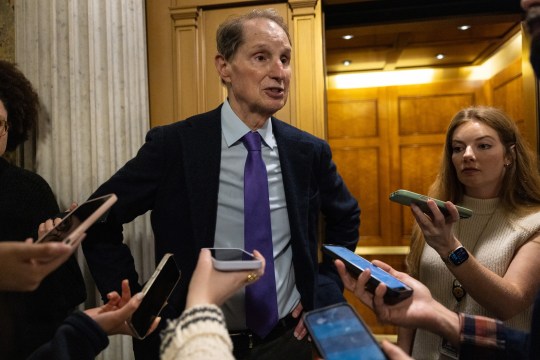
Passed last year, President Trump’s One Big Beautiful Bill Act made significant changes to Medicaid—the primary insurance provider for health and long-term care for people with low incomes. These changes are expected to lead to coverage loss for many current enrollees and will reduce funding for Medicaid, placing new financial pressures on states and health care providers. On July 23, KFF and States Newsroom hosted an event focused on the impacts of work requirements and other federal policy changes on states, health care systems, and people.

new and noteworthy

understanding medicaid

Medicaid Financing

Medicaid represents $1 out of every $5 spent on health care in the U.S. and is the major source of financing for states to provide health coverage and long-term care. This brief examines key questions about Medicaid financing and how it works.

Medicaid Program Integrity

This brief explains what is known about improper payments and fraud and abuse in Medicaid and describes ongoing state and federal actions to address program integrity.

Medicaid and Provider Taxes

All states except Alaska cover some state Medicaid costs with taxes on health care providers. This brief uses data from KFF’s 2024-2025 survey of Medicaid directors to describe current practices and the federal rules governing them.

Medicaid and Hospitals

Absorbing reductions in Medicaid spending could be challenging for hospitals, particularly for those that are financially vulnerable. This brief provides data on the reach of Medicaid across hospitals, patients, and charity care.

Medicaid Home Care

This issue brief provides an overview of what Medicaid home care (also known as “home- and community-based services”) is, who is covered, and what services were available in 2025.

Dual Eligibles

Stay informed.

Stay informed.

Filter

1,571 - 1,580 of 2,731 Results

  • Quality of Care in Community Health Centers and Factors Associated with Performance

    Issue Brief

    This study examines quality among health centers relative to Medicaid managed care organizations (MCOs). Chronic care quality among health centers is high; gaps in women’s preventive care are a concern. Lower-performing health centers have very high uninsured and homeless rates. The expansion of Medicaid and private insurance under the ACA may foster gains in health center quality performance.

  • Key Lessons from Medicaid and CHIP for Outreach and Enrollment Under the Affordable Care Act

    Issue Brief

    The Affordable Care Act (ACA) will significantly increase coverage options through an expansion of Medicaid and the creation of new health insurance exchange marketplaces. However, effective outreach and enrollment efforts will be key to ensuring that new coverage opportunities translate into increased coverage. Based on a review of existing research, this brief identifies five key lessons learned through previous Medicaid and CHIP experience to help inform outreach and enrollment under the ACA. The brief is…

  • Visualizing Health Policy: The Role of Medicaid and Medicare in Women’s Health Care

    Other Post

    This month’s Visualizing Health Policy infographic provides information about the role of Medicaid and Medicare in women’s health care: the proportion of US women who are covered by Medicaid and Medicare; how women comprise the majority of those covered by the Medicaid and Medicare programs and the majority of those receiving long-term services and supports (such as home health care); how women on Medicaid are poorer and sicker than women with private coverage; how Medicaid…

  • Profiles of Medicaid Outreach and Enrollment Strategies: Helping Families Maintain Coverage in Michigan

    Issue Brief

    This brief provides insight into lessons learned from Medicaid and CHIP outreach and enrollment strategies by profiling a successful initiative of the Michigan Primary Care Association to facilitate coverage renewals through a systematic, technology-based reminder system coupled with one-on-one assistance. The brief is part of the “Getting Into Gear for 2014″ series examining key implementation issues as states prepare for the Affordable Care Act (ACA) coverage expansions. Issue Brief (.pdf)

  • Stop the Drop: Profiles of Innovative Medicaid Renewal Initiatives and Lessons for 2014 and Beyond

    Event Date:
    Event

    Under the Affordable Care Act (ACA), there will be a new continuum of coverage options available beginning in 2014. While there currently is significant focus on enrolling eligible people into these new coverage options, it also is important to plan for how to keep eligible people enrolled in coverage over time through successful renewals of coverage. Retention is important for supporting individuals’ access to and continuity of care and minimizing unnecessary administrative costs associated with…

  • Poor People Have the Same Needs as Others

    From Drew Altman

    Drew Altman, President and CEO of the Foundation, was asked to contribute to the New York Times' Room for Debate discussion on More Medicaid, More Health? In his piece, Dr. Altman concludes "Insurance -- public or private -- provides financial protection and access to medical care which low-income people need just as everybody else does. But it cannot by itself change behavior, alleviate poverty, or guarantee that the medical system is doing all it can…

  • What Difference Does Medicaid Make? Assessing Cost Effectiveness, Access, and Financial Protection under Medicaid for Low-Income Adults

    Issue Brief

    This brief examines the cost and use of health care among low-income nonelderly adults who are covered by Medicaid relative to their expected service use and costs if they instead had employer-sponsored insurance (ESI) coverage or were uninsured. The analysis controls for a wide array of factors that also influence utilization and spending in an effort to isolate the specific effects of Medicaid coverage. Consistent with previous research, the analysis underscores how Medicaid facilitates access…

  • Kaiser Health Tracking Poll: April 2013

    Feature

    With open enrollment in new health coverage options created under the Affordable Care Act set to begin in October, much of the public remains confused about the status of the law. The April 2013 Kaiser Health Tracking Poll provides a rough baseline of public awareness of the ACA before more intensive consumer information and consumer assistance efforts begin.