Women's Health Policy

ABORTION IN THE U.S.

The Status of Abortion-related State Ballot Initiatives Since Dobbs

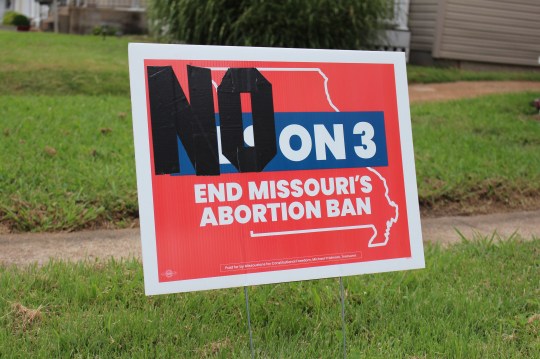
Since the Supreme Court’s Dobbs decision, overturning Roe v. Wade, voters in 17 states have weighed in on ballot measures regarding abortion — some more than once. In November 2026, voters in Idaho, Missouri, Nevada, and Virginia will weigh in on abortion measures that could change the legal status of abortion in their state. In addition, a measure in Colorado is in the process of collecting signatures.
CONTRACEPTIve care IN THE U.S.

SELECTED RESOURCES

Over-the-Counter Oral Contraceptive Pills

In July 2023, the FDA approved Opill, the first daily oral contraceptive pill to become available over the counter (OTC) without a doctor’s prescription. This issue brief provides an overview of OTC oral contraceptives and laws and policies related to insurance coverage.

featured

A promotional image for the the KFF Health Policy 101 Issues in Women’s Health chapter

Health Policy Issues in Women’s Health

Examine the core health coverage and access issues —shaped by federal and state policies—that affect women’s health today, including health coverage and costs, reproductive health services, maternal health, mental health, and intimate partner violence.

State Profiles for Women’s Health

Explore the latest national and state-specific data and policies on women’s health. Topics include health status, insurance and Medicaid coverage, use of preventive services, sexual health, maternal and infant health, and abortion policies. Many indicators provide state-level information for women of different racial and ethnic groups.

The essentials
  • Women’s Health Insurance Coverage

    This factsheet reviews major sources of coverage for women residing in the U.S., discusses the ACA's impact on coverage, and the coverage challenges that many women continue to face.
  • Medicaid Coverage for Women

    This data note presents key data points describing the current state of the Medicaid program as it affects women, including eligibility, reproductive health, chronic conditions, and more.
  • Dobbs: What are the Implications for Racial Disparities?

    This analysis examines the implications of the Dobbs decision and state restrictions on abortion coverage for racial disparities in access to care and health outcomes.
  • State Health Facts: Women's Health Indicators

    Information on women’s health status, utilization of services, health insurance coverage, family planning and childbirth, and abortion statistics and policies.
  • Key Facts on Abortion in the United States

    This report answers some key questions about abortion in the United States and presents data collected before the overturn of Roe v. Wade.

Stay informed.

Stay informed.

Filter

71-80 of 880 results

  • KFF Health Tracking Poll: Knowledge and Views of Medication Abortion

    Poll Finding

    This KFF Health Tracking Poll finds that many, including women of reproductive age, remain unfamiliar with key facts about mifepristone. Fewer than half of all adults say they believe abortion pills are safe now, compared to over half of all adults two years ago. This poll explores awareness and perception of the recent FDA review of the medication, and support for policies aimed at restricting it.

  • Policy Landscape of Private Insurance Coverage of Contraception in the U.S.

    Issue Brief

    This issue brief explains the rules for private insurance coverage of contraceptives at the federal and state level, the exemptions and accommodations available for certain employers, gaps in coverage for contraceptives obtained outside of the traditional clinical setting, and how changes in the agencies responsible for making contraceptive recommendations may affect coverage for contraceptives.

  • State Variations in the Role of the Reproductive Health Safety Net for Contraceptive Care Among Medicaid Enrollees

    Issue Brief

    This KFF analysis uses 2023 T-MSIS Research Identifiable Files to look at where reproductive-age female Medicaid enrollees received their last contraceptive visit by state. Overall, more than four in 10 (43%) female Medicaid enrollees received their last contraceptive visit of 2023 at a safety net provider, which includes Planned Parenthood clinics, community health centers, state and local health departments, and Indian health services, but there is wide variation by state.

  • Will Trump’s Announcement Expand Access to IVF? 

    Policy Watch

    The White House announcement focused on reducing the cost of some IVF drugs and clarifying options for employers to offer standalone fertility benefits for their employees and their dependents. This policy watch examines some key takeaways about the Trump IVF plan.

  • Fertility Awareness-Based Methods to Prevent Pregnancy

    Fact Sheet

    This fact sheet provides an overview of fertility awareness-based methods to prevent pregnancy and their efficacy rates, and discusses associated costs and insurance coverage of these methods.

  • Health Policy Issues in Women’s Health

    Feature

    This Health Policy 101 chapter explores how national and state policies shape coverage and access to care for women, with a focus on recent policy and legal developments that affect women's health. It takes a deeper dive into the policies that drive health coverage and costs, reproductive and maternal health access, mental health care, and intimate partner violence and how these policies shape the health of women who are at greater risk of being marginalized,…