Women's Health Policy

ABORTION IN THE U.S.

The Status of Abortion-related State Ballot Initiatives Since Dobbs

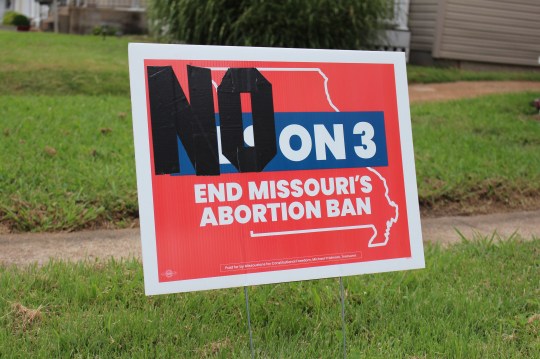
Since the Supreme Court’s Dobbs decision, overturning Roe v. Wade, voters in 17 states have weighed in on ballot measures regarding abortion — some more than once. In November 2026, voters in Idaho, Missouri, Nevada, and Virginia will weigh in on abortion measures that could change the legal status of abortion in their state. In addition, a measure in Colorado is in the process of collecting signatures.
CONTRACEPTIve care IN THE U.S.

SELECTED RESOURCES

Over-the-Counter Oral Contraceptive Pills

In July 2023, the FDA approved Opill, the first daily oral contraceptive pill to become available over the counter (OTC) without a doctor’s prescription. This issue brief provides an overview of OTC oral contraceptives and laws and policies related to insurance coverage.

featured

A promotional image for the the KFF Health Policy 101 Issues in Women’s Health chapter

Health Policy Issues in Women’s Health

Examine the core health coverage and access issues —shaped by federal and state policies—that affect women’s health today, including health coverage and costs, reproductive health services, maternal health, mental health, and intimate partner violence.

State Profiles for Women’s Health

Explore the latest national and state-specific data and policies on women’s health. Topics include health status, insurance and Medicaid coverage, use of preventive services, sexual health, maternal and infant health, and abortion policies. Many indicators provide state-level information for women of different racial and ethnic groups.

The essentials
  • Women’s Health Insurance Coverage

    This factsheet reviews major sources of coverage for women residing in the U.S., discusses the ACA's impact on coverage, and the coverage challenges that many women continue to face.
  • Medicaid Coverage for Women

    This data note presents key data points describing the current state of the Medicaid program as it affects women, including eligibility, reproductive health, chronic conditions, and more.
  • Dobbs: What are the Implications for Racial Disparities?

    This analysis examines the implications of the Dobbs decision and state restrictions on abortion coverage for racial disparities in access to care and health outcomes.
  • State Health Facts: Women's Health Indicators

    Information on women’s health status, utilization of services, health insurance coverage, family planning and childbirth, and abortion statistics and policies.
  • Key Facts on Abortion in the United States

    This report answers some key questions about abortion in the United States and presents data collected before the overturn of Roe v. Wade.

Stay informed.

Stay informed.

Filter

851-860 of 878 results

  • IVF as an Election and Policy Issue 

    Quick Insights

    While public support for IVF is high, Congress has been unable to agree even on the right to get IVF services. Agreement on coverage and funding seem even more out of reach

  • Harris v. Trump: Records and Positions on Reproductive Health

    Issue Brief

    This brief summarizes the positions, records, and potential priorities of the two major party candidates for the 2024 Presidential election on three major issues in women’s health policy – abortion, contraception, and maternal health.

  • New Brief Explains Key Elements of the Biden Administration’s Proposed Title X Regulations

    News Release

    On April 15th, the Department of Health and Human Services (HHS) published proposed regulations for the Title X federal family planning program to replace the Trump Administration’s rules, which prohibited abortion referrals and co-located abortion services. The Biden Administration proposes to largely re-instate the Title X regulations that were in place from 1993-2019, with new additions focusing on “ensuring access to equitable, affordable, client-centered, quality family planning services” for all clients. HHS is accepting public…

  • A New Analysis Takes a Closer Look at Online Contraception Platforms Amid the Pandemic

    News Release

    Even prior to the COVID-19 pandemic, hormonal contraception became more accessible to many outside of traditional clinical settings through websites or apps that offer contraception via telehealth. To better understand this emerging method of contraceptive access, a new KFF analysis provides a deeper look at telecontraception platforms, offering insights into the practices of 13 different companies based on information collected between November 2020 through January 2021. Key highlights from the report include: All of the…

  • Americans’ Knowledge and Attitudes About Abortion Access and the Pending Supreme Court Ruling

    Event Date:
    Event

    On June 9, KFF released findings from a national public opinion survey on abortion. The event highlighted key issues including awareness and attitudes of the impending Supreme Court opinion, its potential impact on abortion access, the importance of abortion policy to voting preferences in this year’s midterm elections, and knowledge of abortion and related health care.

  • Majority of Voters Say Overturning Roe Won’t Impact the Likelihood of Them Voting in Midterm Elections, But 1 in 5 of Voters and 1 in 4 Younger Women Voters Say it Will Motivate Them More And They Will Only Vote For A Pro-Choice Candidate

    News Release

    Majorities Oppose State Laws Criminalizing Abortion, Even Those Living In States Where Abortion Will Become Illegal If Roe Is Overturned Misconceptions Around Abortions Persist With Most Women of Reproductive Age Unaware Of Medication Abortion And Many Confusing It With Emergency Contraception More than a third (37%) of voters say that they would be more motivated to vote in November’s Midterm Election if the Supreme Court overturns the Roe v. Wade decision establishing a constitutional right…

  • Maternal Health in the Build Back Better Act

    Policy Watch

    This policy watch highlights the different provisions and potential impact on parents and children in America. From expanding Medicaid postpartum coverage to establishing a national paid family leave policy, the BBBA could provide more support to states and community organizations working to improve maternal health.