Women's Health Policy

ABORTION IN THE U.S.

Variability in Rebimbursement Rates for State-funded Abortion Services for Medicaid Enrollees: A 2026 Update

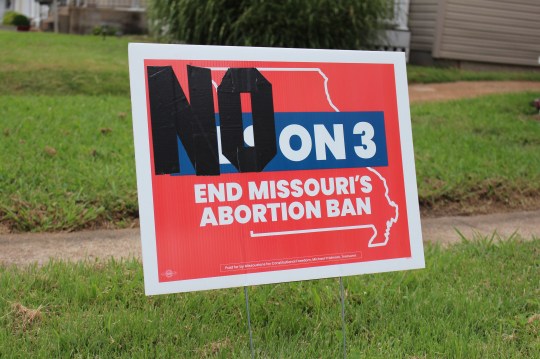
This analysis reveals that while more states have begun using their own funds to cover abortion services for Medicaid enrollees since the U.S. Supreme Court’s Dobbs decision, only a handful have significantly increased reimbursement rates for providers, potentially undermining access to care for low-income patients. After examining physician fee schedules for abortions provided to Medicaid enrollees since 2024, KFF finds that reimbursement rates vary dramatically across states, and that most states don't substantially increase payment rates for later-pregnancy procedures, despite their higher costs and complexity.
CONTRACEPTIve care IN THE U.S.

An Update on Medicaid, Title X and Planned Parenthood

This brief provides an update on Planned Parenthood clinic closures and participation in the Title X program amid substantial policy changes resulting in funding reductions. These changes include the One Big Beautiful Bill Act and the withholding of federal Title X funding to Planned Parenthood clinics.

SELECTED RESOURCES

Over-the-Counter Oral Contraceptive Pills

In July 2023, the FDA approved Opill, the first daily oral contraceptive pill to become available over the counter (OTC) without a doctor’s prescription. This issue brief provides an overview of OTC oral contraceptives and laws and policies related to insurance coverage.

featured

A promotional image for the the KFF Health Policy 101 Issues in Women’s Health chapter

Health Policy Issues in Women’s Health

Examine the core health coverage and access issues —shaped by federal and state policies—that affect women’s health today, including health coverage and costs, reproductive health services, maternal health, mental health, and intimate partner violence.

State Profiles for Women’s Health

Explore the latest national and state-specific data and policies on women’s health. Topics include health status, insurance and Medicaid coverage, use of preventive services, sexual health, maternal and infant health, and abortion policies. Many indicators provide state-level information for women of different racial and ethnic groups.

The essentials
  • Women’s Health Insurance Coverage

    This factsheet reviews major sources of coverage for women residing in the U.S., discusses the ACA's impact on coverage, and the coverage challenges that many women continue to face.
  • Medicaid Coverage for Women

    This data note presents key data points describing the current state of the Medicaid program as it affects women, including eligibility, reproductive health, chronic conditions, and more.
  • Dobbs: What are the Implications for Racial Disparities?

    This analysis examines the implications of the Dobbs decision and state restrictions on abortion coverage for racial disparities in access to care and health outcomes.
  • State Health Facts: Women's Health Indicators

    Information on women’s health status, utilization of services, health insurance coverage, family planning and childbirth, and abortion statistics and policies.
  • Key Facts on Abortion in the United States

    This report answers some key questions about abortion in the United States and presents data collected before the overturn of Roe v. Wade.

Stay informed.

Stay informed.

Filter

751 - 760 of 876 Results

  • Abortion Policy and Politics

    Issue Brief

    This issue update reviews abortion since the landmark U.S. Supreme Court decision Roe v. Wade legalized it in 1973. Every state has laws regulating some aspect of the provision of abortion, and many have passed restrictions that are now in effect, such as parental consent or notification requirements; mandated counseling and waiting periods; and limits on funding for abortion. Issue Brief (.pdf)

  • Ensuring the Health Care Needs of Women: A Checklist for Health Exchanges

    Issue Brief

    To inform the development of the state health insurance Exchanges under the Affordable Care Act, this checklist identifies key coverage, affordability and access issues that are important for women. Based on lessons learned from women’s health research and the Massachusetts experience, the checklist considers essential health benefits, implementation of no-cost preventive services including contraception, provider networks and affordability, outreach and enrollment efforts, and the importance of including gender and other demographic characteristics in data collection…

  • Coverage for Abortion Services and the ACA

    Issue Brief

    This issue brief, Coverage of Abortion Services and the Affordable Care Act (ACA), summarizes the major coverage provisions of the ACA that are relevant for women of reproductive age, reviews current federal and state policies on Medicaid and insurance coverage of abortion services as they relate to the ACA, and presents national and state estimates on the availability of abortion coverage for women who are newly eligible for Medicaid or private coverage through the Marketplaces…

  • Webinar for Journalists: Women’s Health Under the Affordable Care Act

    Event Date:
    Event

    The Kaiser Family Foundation hosted an interactive webinar for journalists through its Media Fellowships Program: "Women's Health Under the Affordable Care Act," which took place on Thursday, February 6 from 12:30 p.m. to 1:30 p.m. ET. Now that the ACA's coverage expansions are in effect, the Foundation's latest webinar looked at how the law affects women's access to health coverage and care. The Kaiser Family Foundation's Alina Salganicoff, Vice President and Director of Women's Health Policy, and…

  • How Does Where You Work Affect Your Contraceptive Coverage?

    Interactive

    The Affordable Care Act (ACA) requires most private health insurance plans to provide coverage for a broad range of preventive services including FDA approved prescription contraceptives and services for women. Legal challenges and recently issued rules have affected contraceptive coverage for many women.

  • A Report on Women and HIV/AIDS In the U.S.

    Report

    This report maps the trajectory of the HIV/AIDS epidemic among women in the United States (U.S.), including the following: key historical epidemiological trends and the important role played by women in the response over time; the current impact of HIV among women in the U.S., including a profile of those most affected by race/ethnicity, age, transmission risk, geography, and other demographics; major sources of prevention, care, and treatment for women with and at risk for…

  • The Growth of Managed Care: Are Women Getting What They Need?

    Fact Sheet

    How the Changing Health Care Marketplace Affects Coverage and Access to Reproductive Health A fact sheet, Q&A and resource list prepared for a media briefing held in New York on March 27, 1996. The purpose of the briefing was to respond to questions about how reproductive health services are currently delivered in managed care systems and to explore the implications of the growing managed care environment for women's ability to get the reproductive health care…