Women's Health Policy

ABORTION IN THE U.S.

The Status of Abortion-related State Ballot Initiatives Since Dobbs

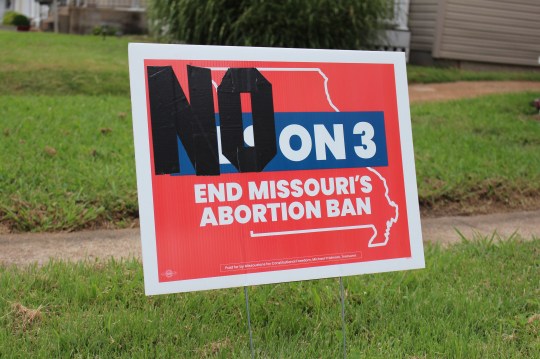
Since the Supreme Court’s Dobbs decision, overturning Roe v. Wade, voters in 17 states have weighed in on ballot measures regarding abortion — some more than once. In November 2026, voters in Idaho, Missouri, Nevada, and Virginia will weigh in on abortion measures that could change the legal status of abortion in their state. In addition, a measure in Colorado is in the process of collecting signatures.
CONTRACEPTIve care IN THE U.S.

SELECTED RESOURCES

Over-the-Counter Oral Contraceptive Pills

In July 2023, the FDA approved Opill, the first daily oral contraceptive pill to become available over the counter (OTC) without a doctor’s prescription. This issue brief provides an overview of OTC oral contraceptives and laws and policies related to insurance coverage.

featured

A promotional image for the the KFF Health Policy 101 Issues in Women’s Health chapter

Health Policy Issues in Women’s Health

Examine the core health coverage and access issues —shaped by federal and state policies—that affect women’s health today, including health coverage and costs, reproductive health services, maternal health, mental health, and intimate partner violence.

State Profiles for Women’s Health

Explore the latest national and state-specific data and policies on women’s health. Topics include health status, insurance and Medicaid coverage, use of preventive services, sexual health, maternal and infant health, and abortion policies. Many indicators provide state-level information for women of different racial and ethnic groups.

The essentials
  • Women’s Health Insurance Coverage

    This factsheet reviews major sources of coverage for women residing in the U.S., discusses the ACA's impact on coverage, and the coverage challenges that many women continue to face.
  • Medicaid Coverage for Women

    This data note presents key data points describing the current state of the Medicaid program as it affects women, including eligibility, reproductive health, chronic conditions, and more.
  • Dobbs: What are the Implications for Racial Disparities?

    This analysis examines the implications of the Dobbs decision and state restrictions on abortion coverage for racial disparities in access to care and health outcomes.
  • State Health Facts: Women's Health Indicators

    Information on women’s health status, utilization of services, health insurance coverage, family planning and childbirth, and abortion statistics and policies.
  • Key Facts on Abortion in the United States

    This report answers some key questions about abortion in the United States and presents data collected before the overturn of Roe v. Wade.

Stay informed.

Stay informed.

Filter

681-690 of 880 results

  • Survey on Public Knowledge and Attitudes on Contraception and Unplanned Pregnancy in the U.S., Canada and the Netherlands

    Other Post

    D. Knowledge of Teen Pregnancy D1. Now I'm going to ask you some questions about teenagers, that is, young women between the ages of 12 and 19. Do you think that the percentage of teenagers in the United States who engage in sexual intercourse is increasing, decreasing, or is it about the same as ten years ago? Asked only in the U.S. USA18+ Increasing 73% Decreasing 9% Same 17% Not sure/Refused 1% D2. What percentage…

  • Is There Room for Conscience without Compromising Access? Are Affiliations Between Religious and Secular Health Care Organizations Threatening Access?

    Fact Sheet

    These resources were prepared for a briefing held for journalists in New York City on November 4, 1997 in New York City as part of a joint program by The Alan Guttmacher Institute, The Kaiser Family Foundation and the National Press Foundation. This program focused on mergers, acquisitions, consolidations, joint ventures, and other affiliations between Catholic and non-Catholic hospitals and health systems and the effect these affiliations have on access to reproductive health services.

  • Teen Pregnancy: Key Statistics

    Other Post

    The Henry J. Kaiser Family Foundation How widespread is teen pregnancy in the U.S.? More than four in 10 young women become pregnant at least once before they reach the age of 20 - nearly one million a year. Are more teens getting pregnant today than two or three decades ago? The pregnancy rate among all teen girls aged 15-19 rose 23 percent between 1972 and 1990, and then fell slightly in 1992. This increase…

  • Regulating the Quality of Abortion Services: Politics or Good Medicine?

    Report

    A growing trend by state legislatures to pass tough regulations on abortion services begs the questions: Do these rules help to ensure the health and safety of abortion patients and the quality of abortion services? Or, as some abortion rights groups have suggested, are they designed to put abortion providers out of business? National Committee for Quality Assurance Chief Executive Officer, Margaret O'Kane, National Abortion Federation Committee on Quality Improvement Chair, Dr. Bernard Smith, and…

  • Emergency Contraception in California

    Poll Finding

    As the FDA continues to deliberate about whether emergency contraception will be made available "over-the-counter" without a prescription, a new Kaiser Family Foundation survey examines Californian's awareness of and experiences with emergency contraception, including findings on the state's "pharmacy access" program. California's "pharmacy access" program permits women to receive emergency contraception from participating pharmacists directly without contacting a physician, while the "over-the-counter" option the FDA is considering would allow people to obtain emergency contraception off-the-shelves…