Women's Health Policy

ABORTION IN THE U.S.

Abortion on the 2026 Ballot: The Evolving Landscape of State Abortion Initiatives 

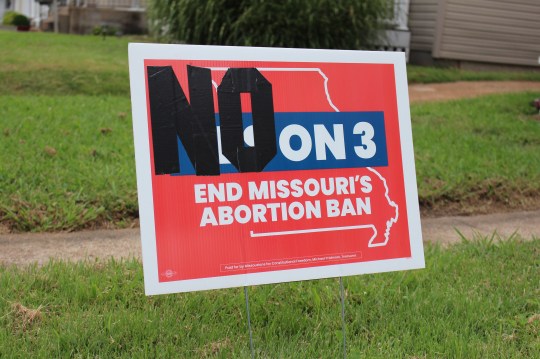
Since the Supreme Court’s Dobbs decision, overturning Roe v. Wade, voters in 17 states have weighed in on ballot measures regarding abortion — some more than once. In November 2026, voters in Idaho, Missouri, Nevada, and Virginia will weigh in on abortion measures that could change the legal status of abortion in their state. In addition, a measure in Colorado is in the process of collecting signatures.
CONTRACEPTIve care IN THE U.S.

SELECTED RESOURCES

featured

Women's Health Survey

The Women’s Health Survey is a series of nationally representative surveys on women’s health conducted by KFF since 2001. The survey aims to track and document women’s experiences with the health care system, access challenges and barriers to care, knowledge related to health and well-being, and differences between women by age, race/ethnicity, income level, and insurance type.

A promotional image for the the KFF Health Policy 101 Issues in Women’s Health chapter

Health Policy Issues in Women’s Health

Examine the core health coverage and access issues —shaped by federal and state policies—that affect women’s health today, including health coverage and costs, reproductive health services, maternal health, mental health, and intimate partner violence.

State Profiles for Womens Health

Explore the latest national and state-specific data and policies on women’s health. Topics include health status, insurance and Medicaid coverage, use of preventive services, sexual health, maternal and infant health, and abortion policies. Many indicators provide state-level information for women of different racial and ethnic groups.

The essentials
  • Women’s Health Insurance Coverage

    This factsheet reviews major sources of coverage for women residing in the U.S., discusses the ACA's impact on coverage, and the coverage challenges that many women continue to face.
  • Medicaid Coverage for Women

    This data note presents key data points describing the current state of the Medicaid program as it affects women, including eligibility, reproductive health, chronic conditions, and more.
  • Dobbs: What are the Implications for Racial Disparities?

    This analysis examines the implications of the Dobbs decision and state restrictions on abortion coverage for racial disparities in access to care and health outcomes.
  • State Health Facts: Women's Health Indicators

    Information on women’s health status, utilization of services, health insurance coverage, family planning and childbirth, and abortion statistics and policies.
  • Key Facts on Abortion in the United States

    This report answers some key questions about abortion in the United States and presents data collected before the overturn of Roe v. Wade.

Stay informed.

Stay informed.

Filter

641-650 of 882 results

  • Access Barriers More Common Among Uninsured Women

    Feature

    Access Barriers More Common Among Uninsured Women Download Source Agency for Healthcare Research and Quality, Medical Expenditures Panel Survey, 2010. **Centers for Disease Control and Prevention, MMWR, Cancer Screening- US, 2010, 2012.

  • Ensuring the Health Care Needs of Women: A Checklist for Health Exchanges

    Issue Brief

    To inform the development of the state health insurance Exchanges under the Affordable Care Act, this checklist identifies key coverage, affordability and access issues that are important for women. Based on lessons learned from women’s health research and the Massachusetts experience, the checklist considers essential health benefits, implementation of no-cost preventive services including contraception, provider networks and affordability, outreach and enrollment efforts, and the importance of including gender and other demographic characteristics in data collection…

  • Assessing the Presidential Candidates’ Positions on Women’s Health Coverage and Reproductive Health Care

    Issue Brief

    Women's health has been a key issue in the 2012 election with the candidates, President Barack Obama and former Massachusetts Governor Mitt Romney, having different views on women's health care. This brief discusses two major health care issues that are important to women – health coverage and reproductive health care – and summarizes the presidential candidates' stated positions on these topics.