Women's Health Policy

ABORTION IN THE U.S.

Abortion on the 2026 Ballot: The Evolving Landscape of State Abortion Initiatives 

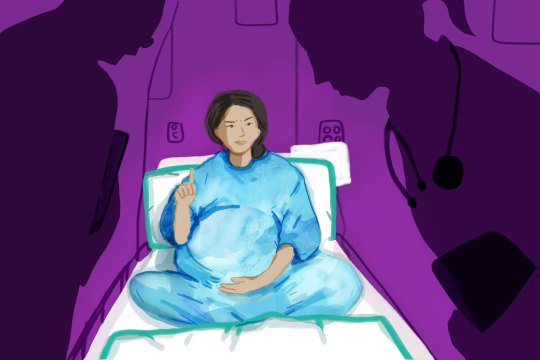
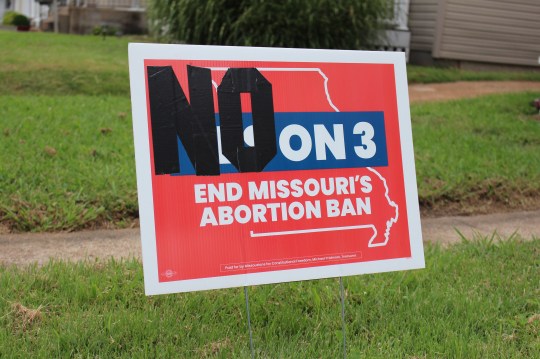
Since the Supreme Court’s Dobbs decision, overturning Roe v. Wade, voters in 17 states have weighed in on ballot measures regarding abortion — some more than once. In November 2026, voters in Idaho, Missouri, Nevada, and Virginia will weigh in on abortion measures that could change the legal status of abortion in their state. In addition, a measure in Colorado is in the process of collecting signatures.
CONTRACEPTIve care IN THE U.S.

SELECTED RESOURCES

featured

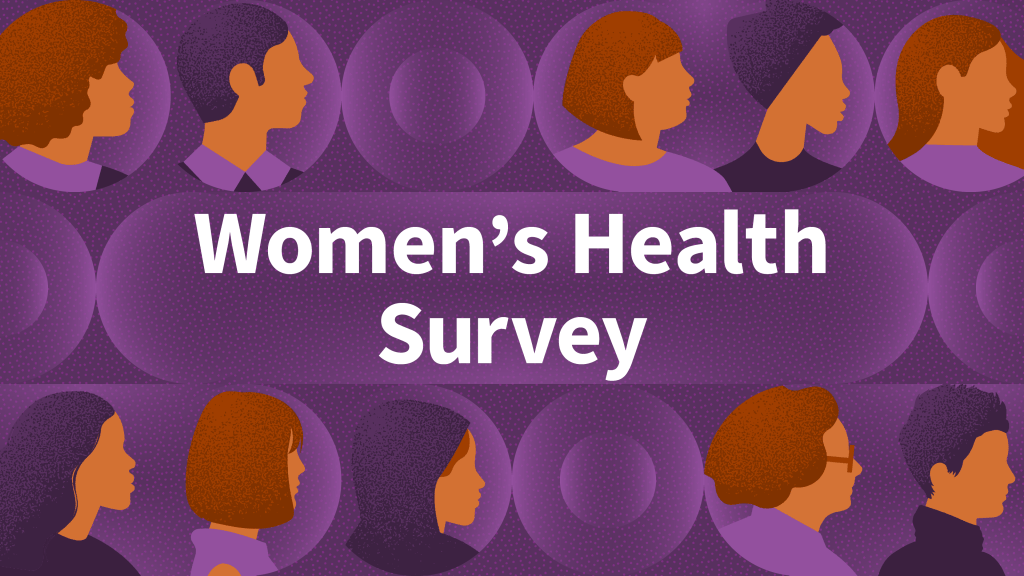
Women's Health Survey

The Women’s Health Survey is a series of nationally representative surveys on women’s health conducted by KFF since 2001. The survey aims to track and document women’s experiences with the health care system, access challenges and barriers to care, knowledge related to health and well-being, and differences between women by age, race/ethnicity, income level, and insurance type.

A promotional image for the the KFF Health Policy 101 Issues in Women’s Health chapter

Health Policy Issues in Women’s Health

Examine the core health coverage and access issues —shaped by federal and state policies—that affect women’s health today, including health coverage and costs, reproductive health services, maternal health, mental health, and intimate partner violence.

State Profiles for Womens Health

Explore the latest national and state-specific data and policies on women’s health. Topics include health status, insurance and Medicaid coverage, use of preventive services, sexual health, maternal and infant health, and abortion policies. Many indicators provide state-level information for women of different racial and ethnic groups.

The essentials
  • Women’s Health Insurance Coverage

    This factsheet reviews major sources of coverage for women residing in the U.S., discusses the ACA's impact on coverage, and the coverage challenges that many women continue to face.
  • Medicaid Coverage for Women

    This data note presents key data points describing the current state of the Medicaid program as it affects women, including eligibility, reproductive health, chronic conditions, and more.
  • Dobbs: What are the Implications for Racial Disparities?

    This analysis examines the implications of the Dobbs decision and state restrictions on abortion coverage for racial disparities in access to care and health outcomes.
  • State Health Facts: Women's Health Indicators

    Information on women’s health status, utilization of services, health insurance coverage, family planning and childbirth, and abortion statistics and policies.
  • Key Facts on Abortion in the United States

    This report answers some key questions about abortion in the United States and presents data collected before the overturn of Roe v. Wade.

Stay informed.

Stay informed.

Filter

491-500 of 882 results

  • Abortion Coverage, Private Insurance Plans, and the American Health Care Act

    News Release

    The American Health Care Act passed by House Republicans in May would go further than existing law to restrict the availability of abortion coverage through private insurance policies. It would ban abortion coverage in all marketplace plans as well as prohibit the use of federal tax credits to purchase any plans that cover abortion that are available outside the marketplace. This policy could block the ability of California and New York residents to use federal…

  • Financing Family Planning Services: The Impact of Reducing or Eliminating Funding

    News Release

    The American Health Care Act recently passed by the House of Representatives includes a provision to ban federal Medicaid funding of Planned Parenthood. The Trump administration has also proposed reducing funding to HHS, which funds the Title X family planning program and community health centers. A new brief from the Kaiser Family Foundation assesses the role of these programs in providing family planning care services to low-income women as well as the potential impact of…

  • Ten Ways That the House American Health Care Act Could Affect Women

    Issue Brief

    In this brief, the Kaiser Family Foundation outlines 10 ways women could be affected under the House of Representatives’ American Health Care Act. In particular, the brief analyzes how changes might affect Medicaid and its expansion population, financial assistance in the individual insurance market, coverage for essential health benefits and preventive services such as contraception, abortion, and maternity care, as well as insurance reforms such as gender rating.

  • Medicaid Family Planning and Maternity Care Services: The Current Landscape

    News Release

    As the Trump Administration and Congress weigh major changes to Medicaid and programs that fund reproductive health care, new analyses from the Kaiser Family Foundation highlight the current state of coverage and challenges for family planning, pregnancy, and perinatal services in the Medicaid program that provides coverage for millions of low-income women across the nation. The inclusion of maternity care as an essential health benefit has been the focus of a recent policy debate over…

  • Medicaid Coverage of Pregnancy and Perinatal Benefits: Results from a State Survey

    Report

    This report details findings from a state survey on perinatal benefits in place as of July 1, 2015 for women enrolled in fee-for-service Medicaid through different eligibility pathways, including traditional pre-ACA Medicaid pathways, expansion, and pregnancy-related eligibility for the following services: basic prenatal care, counseling and support services, delivery and postpartum care, and breastfeeding supports.

  • Medicaid Family Planning Programs: Case Studies of Six States After ACA Implementation

    Report

    In light of the coverage trends and other ACA-related changes, this paper describes the impact on women and their partners, as well as family planning providers, of the impact of family planning expansion programs under Medicaid. It is based largely on interviews with state officials, providers and consumer advocates in Alabama, California, Connecticut, Illinois, Missouri and Virginia – a cross-section of states in terms of geography, Medicaid expansion status, and implementation of a Medicaid family…

  • Medicaid Managed Care and the Provision of Family Planning Services

    Report

    Three quarters of reproductive age women on Medicaid are enrolled in managed care arrangements. This analysis explores the experiences and perspectives of leaders of Medicaid Managed Care Organizations (MCOs) in structuring their networks and services to provide family planning and reproductive health services to women. It finds that MCOs rely heavily on safety net clinics including Community Health Centers and Family Planning Clinics such as Planned Parenthood to provide in-network family planning services to their…

  • 10 Ways Women Could Be Affected by Repeal of the Affordable Care Act

    News Release

    Repeal of the Affordable Care Act could have a profound impact on women, as the law fundamentally changed women’s health coverage, benefits, and access to care. In a new issue brief, the Kaiser Family Foundation outlines 10 ways women could be affected if the ACA is repealed or its provisions are otherwise eliminated or modified, including through changes proposed in the House Republican replacement bill, the American Health Care Act. The brief discusses the potential…