Women's Health Policy

ABORTION IN THE U.S.

Abortion on the 2026 Ballot: The Evolving Landscape of State Abortion Initiatives 

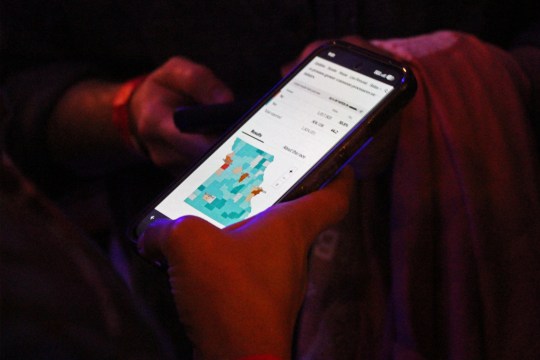
Since the Supreme Court’s Dobbs decision, overturning Roe v. Wade, voters in 17 states have weighed in on ballot measures regarding abortion — some more than once. In November 2026, voters in Idaho, Missouri, Nevada, and Virginia will weigh in on abortion measures that could change the legal status of abortion in their state. In addition, a measure in Colorado is in the process of collecting signatures.
CONTRACEPTIve care IN THE U.S.

SELECTED RESOURCES

featured

Women's Health Survey

The Women’s Health Survey is a series of nationally representative surveys on women’s health conducted by KFF since 2001. The survey aims to track and document women’s experiences with the health care system, access challenges and barriers to care, knowledge related to health and well-being, and differences between women by age, race/ethnicity, income level, and insurance type.

A promotional image for the the KFF Health Policy 101 Issues in Women’s Health chapter

Health Policy Issues in Women’s Health

Examine the core health coverage and access issues —shaped by federal and state policies—that affect women’s health today, including health coverage and costs, reproductive health services, maternal health, mental health, and intimate partner violence.

State Profiles for Womens Health

Explore the latest national and state-specific data and policies on women’s health. Topics include health status, insurance and Medicaid coverage, use of preventive services, sexual health, maternal and infant health, and abortion policies. Many indicators provide state-level information for women of different racial and ethnic groups.

The essentials
  • Women’s Health Insurance Coverage

    This factsheet reviews major sources of coverage for women residing in the U.S., discusses the ACA's impact on coverage, and the coverage challenges that many women continue to face.
  • Medicaid Coverage for Women

    This data note presents key data points describing the current state of the Medicaid program as it affects women, including eligibility, reproductive health, chronic conditions, and more.
  • Dobbs: What are the Implications for Racial Disparities?

    This analysis examines the implications of the Dobbs decision and state restrictions on abortion coverage for racial disparities in access to care and health outcomes.
  • State Health Facts: Women's Health Indicators

    Information on women’s health status, utilization of services, health insurance coverage, family planning and childbirth, and abortion statistics and policies.
  • Key Facts on Abortion in the United States

    This report answers some key questions about abortion in the United States and presents data collected before the overturn of Roe v. Wade.

Stay informed.

Stay informed.

Filter

381-390 of 884 results

  • Poll: Most Americans Encounter Health Misinformation, and Most Aren’t Sure Whether It’s True or False 

    News Release

    A new KFF survey reveals the broad reach of health misinformation, with at least four in 10 people saying that they’ve heard each of 10 specific false claims about COVID-19, reproductive health, and gun violence. Relatively small shares say that each of those false claims are “definitely true”, ranging from as few as 3% who definitively believe that COVID-19 vaccines have been proven to cause infertility to as many as 18% who definitively believe armed…

  • KFF Examines the Hyde Amendment and its Impact in States Without Abortion Bans

    News Release

    KFF takes a new look at the continued impact of the Hyde Amendment, the federal ban on payment for abortion services, in the wake of the Supreme Court’s Dobbs decision. At a moment when all eyes are on states that have banned abortion, the Hyde Amendment remains a barrier to abortion care for people with low incomes in states where abortion is legal but the state restricts Medicaid coverage to the narrow exceptions allowed under…

  • What the Data Show: Abortions Later in Pregnancy 

    News Release

    Following recent news about former President Trump’s potential support for a national 16-week abortion ban, KFF examines the data about how often abortions later in pregnancy occur, exploring the potential reasons why, and detailing the various laws that regulate access to abortions later in pregnancy. The updated analysis considers 2021 CDC data, before the Dobbs decision, in a post-Dobbs policy landscape. The analysis shows that abortions at or after 21 weeks are uncommon and represent…

  • Talking about STDs with Health Professionals: Women’s Experiences

    Other Post

    Now I am going to ask you a series of questions about sexually transmitted diseases other than HIV or AIDS, such as gonorrhea, syphilis, herpes, and chlamydia. We want to learn from you how the topic of sexually transmitted diseases, also called STDs, was handled in your visit so that we can help doctors do a better job of addressing STDs with their patients. Again, please remember that your answers to these questions will be…

  • Sexual Health of Young African Americans in the U.S.

    Fact Sheet

    African Americans represent twelve percent of the U.S. population, or approximately 35 million people, but have been disproportionately affected by HIV/AIDS and other sexually transmitted diseases. Fact Sheet:

  • Kaiser Family Foundation 1998 National Survey on Insurance Coverage of Contraceptives – News Release

    Other Post

    Americans Support Requiring Insurers To Cover Contraceptives, Even If Premiums Rise. More Women and Men Say Contraceptives Should Be Covered Than Say Viagra Embargoed for release until: 9:30 AM, ET, Friday, June 19, 1998 For further information contact: Tina Hoff or Matt James Menlo Park, CA - Most Americans support requiring insurers to provide contraceptives as part of prescription coverage, even if premiums rise, according to a new national survey by the Kaiser Family Foundation.…

  • Falling Through the Cracks: Health Insurance Coverage of Low-Income Women

    Report

    Access to health coverage is a challenge for millions of low-income women. Because they are more likely to be low-wage workers and work in industries that don't offer benefits, access to job-based coverage is often problematic. Avenues for assistance are available to some through Medicaid. However, despite the program s broadened focus on children and pregnant women, restrictive income and categorical requirements still leave millions of women ineligible and often uninsured. Recent changes in public…

  • If The FDA Approves Mifepristone…What Happens Next? Will Doctors Provide It? Will Women Want It? And, What Effect Will it Have on Abortion Politics? – Resource List

    Other Post

    Resource List Resource List If the FDA Approves Mifepristone . . . What Happens Next? Will Doctors Provide It? Do Women Want It? And, What Effect Will It Have on Abortion Politics? Tuesday, June 13, 2000 BRIEFING PARTICIPANTSOTHER RESOURCESResearch and Medical PracticeLegal and Political IssuesEmerging Issues in Reproductive Health, Program Contacts Briefing Participants Sandra P. Arnold Wendy Chavkin, MD, MPH Tina Hoff Carole Joffe, PhD Eric A. Schaff, MD Other Resources Research and Medical Practice:…