Women's Health Policy

ABORTION IN THE U.S.

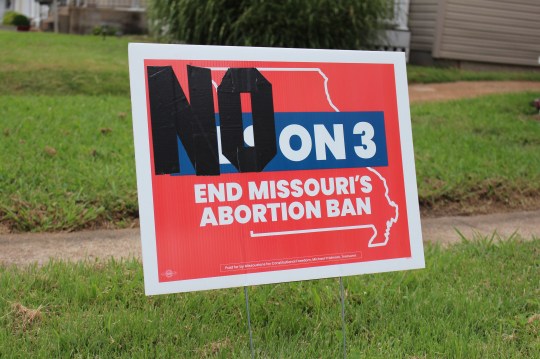
The Status of Abortion-related State Ballot Initiatives Since Dobbs

Since the Supreme Court’s Dobbs decision, overturning Roe v. Wade, voters in 17 states have weighed in on ballot measures regarding abortion — some more than once. In November 2026, voters in Idaho, Missouri, Nevada, and Virginia will weigh in on abortion measures that could change the legal status of abortion in their state. In addition, a measure in Colorado is in the process of collecting signatures.
CONTRACEPTIve care IN THE U.S.

SELECTED RESOURCES

Over-the-Counter Oral Contraceptive Pills

In July 2023, the FDA approved Opill, the first daily oral contraceptive pill to become available over the counter (OTC) without a doctor’s prescription. This issue brief provides an overview of OTC oral contraceptives and laws and policies related to insurance coverage.

featured

A promotional image for the the KFF Health Policy 101 Issues in Women’s Health chapter

Health Policy Issues in Women’s Health

Examine the core health coverage and access issues —shaped by federal and state policies—that affect women’s health today, including health coverage and costs, reproductive health services, maternal health, mental health, and intimate partner violence.

State Profiles for Women’s Health

Explore the latest national and state-specific data and policies on women’s health. Topics include health status, insurance and Medicaid coverage, use of preventive services, sexual health, maternal and infant health, and abortion policies. Many indicators provide state-level information for women of different racial and ethnic groups.

The essentials
  • Women’s Health Insurance Coverage

    This factsheet reviews major sources of coverage for women residing in the U.S., discusses the ACA's impact on coverage, and the coverage challenges that many women continue to face.
  • Medicaid Coverage for Women

    This data note presents key data points describing the current state of the Medicaid program as it affects women, including eligibility, reproductive health, chronic conditions, and more.
  • Dobbs: What are the Implications for Racial Disparities?

    This analysis examines the implications of the Dobbs decision and state restrictions on abortion coverage for racial disparities in access to care and health outcomes.
  • State Health Facts: Women's Health Indicators

    Information on women’s health status, utilization of services, health insurance coverage, family planning and childbirth, and abortion statistics and policies.
  • Key Facts on Abortion in the United States

    This report answers some key questions about abortion in the United States and presents data collected before the overturn of Roe v. Wade.

Stay informed.

Stay informed.

Filter

381-390 of 880 results

  • Nearly Half of Young Women Report Negative Interactions with Health Care Providers

    News Release

    Among women ages 18-35 with a clinical visit in the past two years, more than four in 10 (46%) report experiencing a negative interaction with a health care provider, according to a new analysis of 2022 KFF Women’s Health Survey (WHS) data. These interactions included a provider either dismissing patients’ concerns, assuming something about them without asking, believing they were lying, blaming them for their health problems, or discriminating against them because of their age,…

  • Contraception in the United States: A Closer Look at Experiences, Preferences, and Coverage

    Report

    This report provides a close examination of reproductive age (18-49) females' (including those who identify as women and other genders) experiences with contraception, insurance coverage, contraceptive preferences, and interactions with the health care system based on an analysis of the 2022 KFF Women's Health Survey, a nationally representative survey of females ages 18-64 in the United States.

  • Overview: 2017 Kaiser Women’s Health Survey

    Issue Brief

    The Kaiser Family Foundation has conducted the Kaiser Women’s Health Survey approximately every four years since 2001 to provide a look into the range of women’s health care experiences, especially those that are not typically addressed by most surveys. The findings presented in this report examine women’s coverage, access, and affordability of care, their connections to the health care delivery system and use of preventive care, use of reproductive health services, and responsibilities caring for…

  • Women’s Sexual and Reproductive Health Services: Key Findings from the 2017 Kaiser Women’s Health Survey

    Issue Brief

    This brief presents survey findings from the 2017 Kaiser Women’s Health Survey, a nationally representative survey of women conducted in the summer and fall of 2017, on coverage and use of sexual health services among women ages 18 to 44 years old. The data presented is from the newest 2017 survey, but some findings presented in this brief include trends from earlier surveys that the Kaiser Family Foundation conducted in 2004, 2008, and 2013.

  • Women and Health Care in the Early Years of the ACA: Key Findings from the 2013 Kaiser Women’s Health Survey

    Report

    This report addresses a wide range of topics that are at the heart of women’s health care, as well as changes that women may experience as a result of the Affordable Care Act (ACA). The findings in the report, based off a nationally representative survey conducted by the Kaiser Family Foundation, highlight differences in health care for uninsured, low-income, and minority women. Other focus areas include: coverage, access, and affordability; connections to health providers; access…

  • Maternity Care and Consumer-Driven Health Plans

    Report

    Maternity Care and Consumer-Driven Health Plans This report compares out-of-pocket costs of maternity care under 12 consumer-driven health plans (CDHP) from the group and individual markets to a traditional health insurance plan. CDHPs typically have lower premiums but higher deductible levels than traditional health plans, shifting more of the financial responsibility for the costs of medical care to patients to promote more cost-conscious health care choices. In some cases, out-of-pocket costs under CDHPs may be…

  • President Obama’s Campaign Position on Health Reform and Other Health Care Issues

    Issue Brief

    During the 2008 Presidential campaign now President Barack Obama announced a comprehensive health care reform proposal and laid out his positions on a number of other key health care issues. The two documents below summarize these campaign policies and positions. They were prepared by the Kaiser Family Foundation with the assistance of Health Policy Alternatives, Inc., and are based on information compiled from Obama's campaign Web site, speeches, campaign debates and news reports. They are…

  • National Survey Results on Public Knowledge/Opinions and OB/GYN Practice/Attitudes on Emergency Contraceptives (“Morning-After Pills”) – Toplines/Survey

    Other Post

    Kaiser Family Foundation Survey on Public Knowledge and Attitudes Regarding Contraception and Unplanned Pregnancy: Emergency Contraceptive Pills -- Questionnaire and Top Lines -- The Kaiser Family Foundation Survey on Public Knowledge and Attitudes on Contraception and Unplanned Pregnancy was a random-sample, telephone survey of adults nationwide. The national sample consisted of 2,002 adults (1002 men and 1000 women), 18 years and older, and was conducted between October 12 and November 13, 1994. Responses for a…