Women's Health Policy

ABORTION IN THE U.S.

The Status of Abortion-related State Ballot Initiatives Since Dobbs

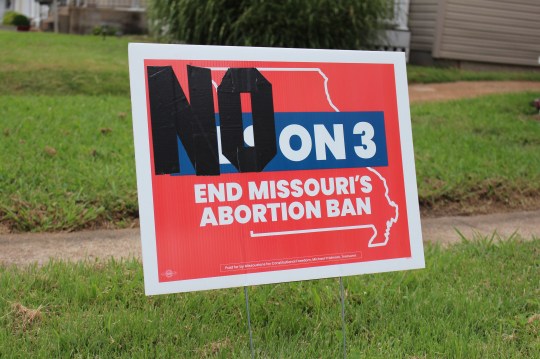
Since the Supreme Court’s Dobbs decision, overturning Roe v. Wade, voters in 17 states have weighed in on ballot measures regarding abortion — some more than once. In November 2026, voters in Idaho, Missouri, Nevada, and Virginia will weigh in on abortion measures that could change the legal status of abortion in their state. In addition, a measure in Colorado is in the process of collecting signatures.
CONTRACEPTIve care IN THE U.S.

SELECTED RESOURCES

Over-the-Counter Oral Contraceptive Pills

In July 2023, the FDA approved Opill, the first daily oral contraceptive pill to become available over the counter (OTC) without a doctor’s prescription. This issue brief provides an overview of OTC oral contraceptives and laws and policies related to insurance coverage.

featured

A promotional image for the the KFF Health Policy 101 Issues in Women’s Health chapter

Health Policy Issues in Women’s Health

Examine the core health coverage and access issues —shaped by federal and state policies—that affect women’s health today, including health coverage and costs, reproductive health services, maternal health, mental health, and intimate partner violence.

State Profiles for Women’s Health

Explore the latest national and state-specific data and policies on women’s health. Topics include health status, insurance and Medicaid coverage, use of preventive services, sexual health, maternal and infant health, and abortion policies. Many indicators provide state-level information for women of different racial and ethnic groups.

The essentials
  • Women’s Health Insurance Coverage

    This factsheet reviews major sources of coverage for women residing in the U.S., discusses the ACA's impact on coverage, and the coverage challenges that many women continue to face.
  • Medicaid Coverage for Women

    This data note presents key data points describing the current state of the Medicaid program as it affects women, including eligibility, reproductive health, chronic conditions, and more.
  • Dobbs: What are the Implications for Racial Disparities?

    This analysis examines the implications of the Dobbs decision and state restrictions on abortion coverage for racial disparities in access to care and health outcomes.
  • State Health Facts: Women's Health Indicators

    Information on women’s health status, utilization of services, health insurance coverage, family planning and childbirth, and abortion statistics and policies.
  • Key Facts on Abortion in the United States

    This report answers some key questions about abortion in the United States and presents data collected before the overturn of Roe v. Wade.

Stay informed.

Stay informed.

Filter

351-360 of 880 results

  • Women’s Experiences with Intimate Partner Violence

    Issue Brief

    This analysis provides data on women experiencing intimate partner violence (IPV) and reports on a range of health topics affecting women who experienced IPV in the past five years, including their health care needs and use, barriers, and mental health.

  • A Spotlight on Vasectomy

    Issue Brief

    As part of the 2024 KFF Women’s Health Survey, a nationally representative sample of 1,191 men ages 18 to 64 were surveyed on a broad range of health issues. This data note highlights their responses to their experiences, knowledge, and perspectives about vasectomy services.

  • Similar Shares of Republican, Democratic, and Independent Women (One in Seven) Report Having Had an Abortion

    News Release

    A new nationally representative KFF Women’s Health Survey, which explores the extensive implications of Roe v. Wade being overturned by the Supreme Court, reveals that one in seven (14%) women of reproductive age report having had an abortion at some point in their life. Across partisanship, similar shares of Republican women (12%), Democratic women (14%), and independents (15%) report having had an abortion. The survey uncovered concern over access to abortion services in emergencies. More…

  • Access to Pregnancy and Parenting Support Services: Women’s Views and Experiences from the 2024 KFF Women’s Health Survey

    Policy Watch

    This analysis, based on findings from the 2024 KFF Women's Health Survey, focuses on women with children ages 5 & under and their perceptions on how easy or difficult they feel it is to access a range of services that are important to the health of women and families, including maternity care, Medicaid coverage, food stamps, contraceptive services, and affordable childcare.

  • What is the future of contraceptive care in a post-Roe world?

    Event Date:
    Event

    On December 13th, KFF held a web event highlighting key findings from KFF’s 2022 Women’s Health Survey on women’s contraceptive access, experiences, and preferences. After the presentation of the survey findings, leaders in sexual and reproductive health care explored the challenges and opportunities in contraceptive care access in a rapidly changing policy and clinical context.

  • Issue Brief Explores Consequences of Potential Supreme Court Decisions on the ACA Contraceptive Coverage Requirement

    News Release

    A new Kaiser Family Foundation issue brief explores some of the factors influencing employers’ coverage decisions and possible consequences for employers and workers that could arise from possible Supreme Court decisions in the cases brought by Hobby Lobby and Conestoga Wood Specialties, for-profit corporations challenging the Affordable Care Act’s requirement to cover contraceptive services and supplies in health insurance. Other resources about the Supreme Court case are also available online.

  • A Guide to the Supreme Court’s Review of the Contraceptive Coverage Requirement

    Issue Brief

    This issue brief dissects the issues raised by the legal challenges to the Affordable Care Act’s requirement that private insurance plans include contraception as part of their coverage of preventive services for women. Over 40 for-profit corporations and over 40 nonprofit corporations have filed lawsuits claiming that the requirement to provide their employees with contraceptives violates their religious rights. On November 26, 2013, the Supreme Court agreed to hear two cases filed by for-profit corporations,…