Women's Health Policy

ABORTION IN THE U.S.

CONTRACEPTIve care IN THE U.S.

New and noteworthy

Over-the-Counter Oral Contraceptive Pills

In July 2023, the FDA approved Opill, the first daily oral contraceptive pill to become available over the counter (OTC) without a doctor’s prescription. This issue brief provides an overview of OTC oral contraceptives and laws and policies related to insurance coverage.

featured

A promotional image for the the KFF Health Policy 101 Issues in Women’s Health chapter

Health Policy Issues in Women’s Health

Examine the core health coverage and access issues —shaped by federal and state policies—that affect women’s health today, including health coverage and costs, reproductive health services, maternal health, mental health, and intimate partner violence.

State Profiles for Women’s Health

Explore the latest national and state-specific data and policies on women’s health. Topics include health status, insurance and Medicaid coverage, use of preventive services, sexual health, maternal and infant health, and abortion policies. Many indicators provide state-level information for women of different racial and ethnic groups.

The essentials
  • Women’s Health Insurance Coverage

    This factsheet reviews major sources of coverage for women residing in the U.S., discusses the ACA's impact on coverage, and the coverage challenges that many women continue to face.
  • Medicaid Coverage for Women

    This data note presents key data points describing the current state of the Medicaid program as it affects women, including eligibility, reproductive health, chronic conditions, and more.
  • Dobbs: What are the Implications for Racial Disparities?

    This analysis examines the implications of the Dobbs decision and state restrictions on abortion coverage for racial disparities in access to care and health outcomes.
  • State Health Facts: Women's Health Indicators

    Information on women’s health status, utilization of services, health insurance coverage, family planning and childbirth, and abortion statistics and policies.
  • Key Facts on Abortion in the United States

    This report answers some key questions about abortion in the United States and presents data collected before the overturn of Roe v. Wade.

Subscribe to KFF Emails

Choose which emails are best for you.
Sign up here

Filter

311 - 320 of 870 Results

  • Paid Leave in the U.S.

    Fact Sheet

    This fact sheet summarizes federal, state, and local policies on paid family and medical leave and paid sick leave and presents data from KFF Employer Health Benefits Surveys on the share of firms that offer workers these benefits.

  • New KFF Resource Explains Key Provisions for Maternal Health Within the Build Back Better Act

    News Release

    If passed, the Build Back Better Act (BBBA) would include several provisions to improve maternal health, particularly for people of color. A new KFF Policy Watch explains the different provisions, their potential impact on parents and children, as well as the projected federal costs of these proposals. From expanding Medicaid postpartum coverage to establishing a national paid family leave policy, the BBBA could provide more support to states and community organizations working to improve maternal…

  • Maternal Health in the Build Back Better Act

    Policy Watch

    This policy watch highlights the different provisions and potential impact on parents and children in America. From expanding Medicaid postpartum coverage to establishing a national paid family leave policy, the BBBA could provide more support to states and community organizations working to improve maternal health.

  • 19 states ban or restrict the use of telehealth for medication abortion.

    State Restrictions on Telehealth Abortion

    Feature

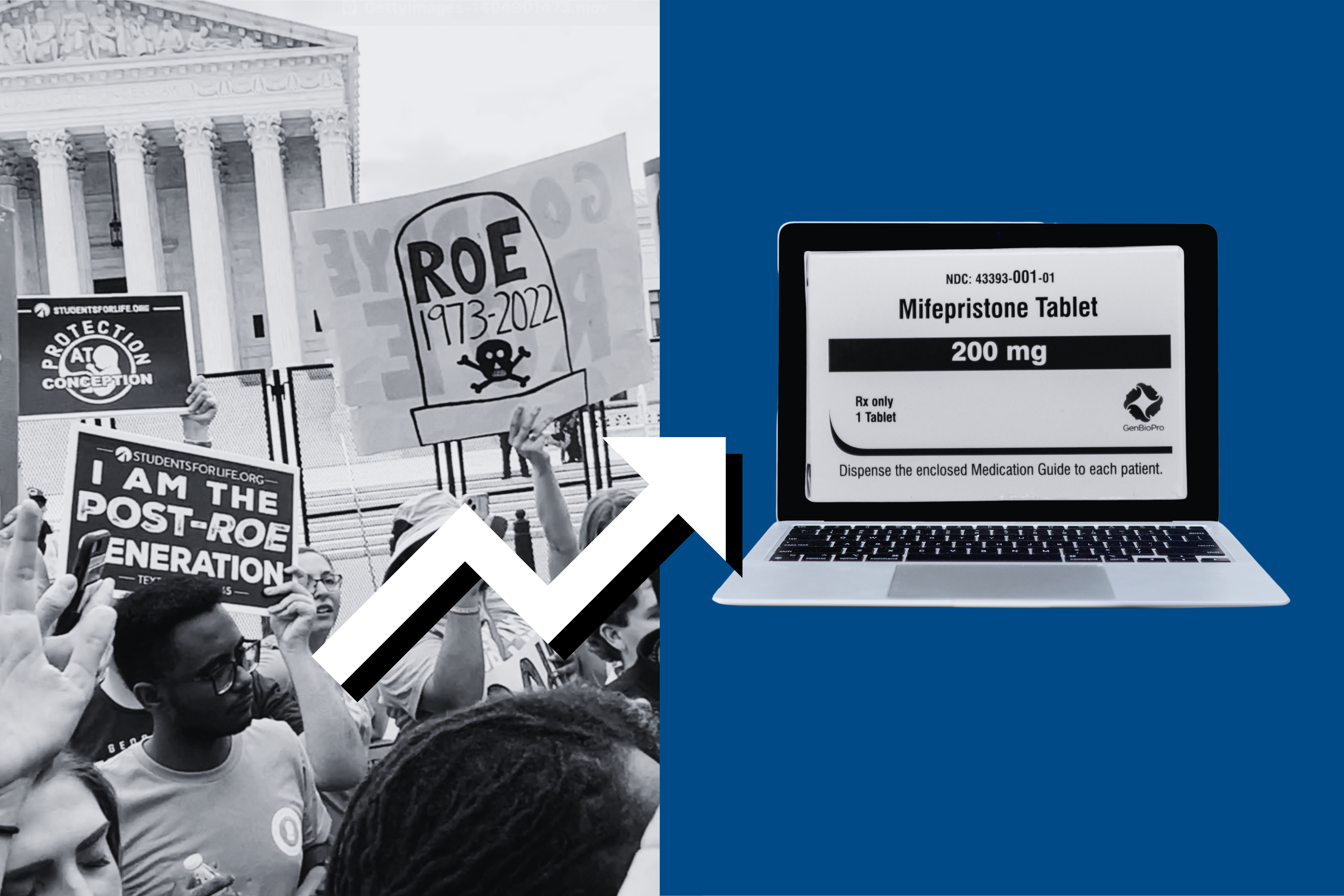
    If Roe v. Wade is overturned, many states will quickly move to restrict or ban abortions. People seeking an abortion who live in those states may be able to access medication abortion via telehealth if their state does not restrict it and if they are within the first 10 weeks of pregnancy.

  • Nov. 16 Web Briefing: Update on Women’s Health Policy

    Event Date:
    Event

    The Supreme Court, Congress, and state policymakers are currently debating issues that are central to women’s health and well-being. Watch the KFF Women’s Health Policy team web briefing to learn more about the status and implications of these debates, from abortion to paid leave.

  • Employers Strengthen Paid Leave Benefits During the COVID-19 Pandemic: Findings from the 2021 KFF Employer Health Benefits Survey

    Issue Brief

    Some employers announced changes to their paid leave policies in light of the COVID-19 pandemic to ensure more workers have access to paid leave and to reduce the risk of workers coming to work sick. This data note presents findings from the 2021 KFF Employer Health Benefits Survey on the share of workers who are employed by firms that began offering paid leave benefits or expanded their existing benefits since the COVID-19 pandemic began.

  • Rebuilding the Title X Family Planning Network Will Take Time, Despite Biden Administration Actions Issuing New Regulations and Additional Funding

    News Release

    A new KFF analysis highlights state-level data on the status of the Title X family planning program on the eve of the implementation of the new Biden Administration regulations for the program. To date, five states still have no Title X clinics, and seven states are still operating with less than 25% of their clinic network. Overall, 39 states experienced a drop in the number of participating clinics since 2018. The Trump Administration’s Department of…