Women's Health Policy

ABORTION IN THE U.S.

The Status of Abortion-related State Ballot Initiatives Since Dobbs

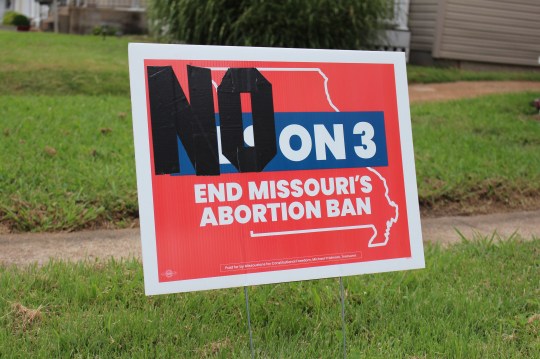
Since the Supreme Court’s Dobbs decision, overturning Roe v. Wade, voters in 17 states have weighed in on ballot measures regarding abortion — some more than once. In November 2026, voters in Idaho, Missouri, Nevada, and Virginia will weigh in on abortion measures that could change the legal status of abortion in their state. In addition, a measure in Colorado is in the process of collecting signatures.
CONTRACEPTIve care IN THE U.S.

SELECTED RESOURCES

Over-the-Counter Oral Contraceptive Pills

In July 2023, the FDA approved Opill, the first daily oral contraceptive pill to become available over the counter (OTC) without a doctor’s prescription. This issue brief provides an overview of OTC oral contraceptives and laws and policies related to insurance coverage.

featured

A promotional image for the the KFF Health Policy 101 Issues in Women’s Health chapter

Health Policy Issues in Women’s Health

Examine the core health coverage and access issues —shaped by federal and state policies—that affect women’s health today, including health coverage and costs, reproductive health services, maternal health, mental health, and intimate partner violence.

State Profiles for Women’s Health

Explore the latest national and state-specific data and policies on women’s health. Topics include health status, insurance and Medicaid coverage, use of preventive services, sexual health, maternal and infant health, and abortion policies. Many indicators provide state-level information for women of different racial and ethnic groups.

The essentials
  • Women’s Health Insurance Coverage

    This factsheet reviews major sources of coverage for women residing in the U.S., discusses the ACA's impact on coverage, and the coverage challenges that many women continue to face.
  • Medicaid Coverage for Women

    This data note presents key data points describing the current state of the Medicaid program as it affects women, including eligibility, reproductive health, chronic conditions, and more.
  • Dobbs: What are the Implications for Racial Disparities?

    This analysis examines the implications of the Dobbs decision and state restrictions on abortion coverage for racial disparities in access to care and health outcomes.
  • State Health Facts: Women's Health Indicators

    Information on women’s health status, utilization of services, health insurance coverage, family planning and childbirth, and abortion statistics and policies.
  • Key Facts on Abortion in the United States

    This report answers some key questions about abortion in the United States and presents data collected before the overturn of Roe v. Wade.

Stay informed.

Stay informed.

Filter

301-310 of 880 results

  • Health Insurance Coverage Of Low-Income Women

    Fact Sheet

    Low-income women's high rate of health problems and limited economic resources make access to health care and adequate health insurance coverage particularly important. Health coverage, whether through the private sector or publicly through Medicaid, has been demonstrated to improve access to care for low-income women. However, obtaining coverage is not easy or even possible for many women. Job-based insurance is not always an option for low-income women, despite their high workforce participation. Assistance is available…

  • Emergency Contraception: All Talk and No Action?

    Fact Sheet

    A fact sheet, Q&A and resource list prepared for a briefing held for journalists in New York City on December 18, 1997 in New York City as part of a joint program by The Alan Guttmacher Institute, The Kaiser Family Foundation and the National Press Foundation. This program focused on efforts to break through barriers to emergency contraception, as well as future opportunities for expanding access. New surveys conducted for the Kaiser Family Foundation of…

  • Health Coverage and Expenses: Impact on Older Women’s Economic Well-Being

    Issue Brief

    In this article in the Journal of Women, Politics & Policy, researchers from the Kaiser Family Foundation examine how health issues that women face over the course of their lives, as well as policies that shape Medicare, Medicaid and other supplemental coverage, can affect retired women's economic well-being. They found that women's health care expenses were higher than men's; that older women paid for a greater share of their total spending out of pocket and that…

  • A Report on Women and HIV/AIDS In the U.S.

    Report

    This report maps the trajectory of the HIV/AIDS epidemic among women in the United States (U.S.), including the following: key historical epidemiological trends and the important role played by women in the response over time; the current impact of HIV among women in the U.S., including a profile of those most affected by race/ethnicity, age, transmission risk, geography, and other demographics; major sources of prevention, care, and treatment for women with and at risk for…

  • Round 2 on the Legal Challenges to Contraceptive Coverage: Are Nonprofits “Substantially Burdened” by the “Accommodation”?

    Issue Brief

    The Affordable Care Act (ACA) requires most private health insurance plans to provide coverage for a broad range of preventive services including Food and Drug Administration (FDA) approved prescription contraceptives and services for women. Since the implementation of the ACA contraceptive coverage requirement in 2012, over 200 corporations have filed lawsuits claiming that including coverage for contraceptives or opting for an “accommodation” from the federal government violates their religious beliefs. This brief explains the legal…