Women's Health Policy

ABORTION IN THE U.S.

Variability in Rebimbursement Rates for State-funded Abortion Services for Medicaid Enrollees: A 2026 Update

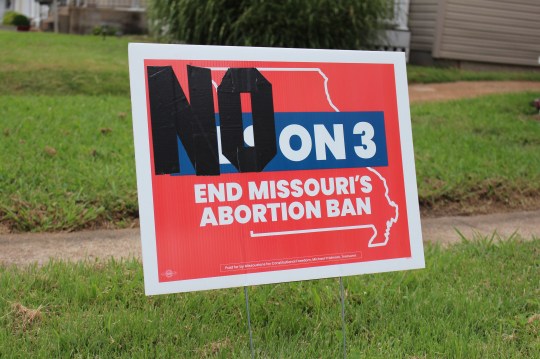
This analysis reveals that while more states have begun using their own funds to cover abortion services for Medicaid enrollees since the U.S. Supreme Court’s Dobbs decision, only a handful have significantly increased reimbursement rates for providers, potentially undermining access to care for low-income patients. After examining physician fee schedules for abortions provided to Medicaid enrollees since 2024, KFF finds that reimbursement rates vary dramatically across states, and that most states don't substantially increase payment rates for later-pregnancy procedures, despite their higher costs and complexity.

CONTRACEPTIve care IN THE U.S.

An Update on Medicaid, Title X and Planned Parenthood

This brief provides an update on Planned Parenthood clinic closures and participation in the Title X program amid substantial policy changes resulting in funding reductions. These changes include the One Big Beautiful Bill Act and the withholding of federal Title X funding to Planned Parenthood clinics.

SELECTED RESOURCES

Over-the-Counter Oral Contraceptive Pills

In July 2023, the FDA approved Opill, the first daily oral contraceptive pill to become available over the counter (OTC) without a doctor’s prescription. This issue brief provides an overview of OTC oral contraceptives and laws and policies related to insurance coverage.

featured

A promotional image for the the KFF Health Policy 101 Issues in Women’s Health chapter

Health Policy Issues in Women’s Health

Examine the core health coverage and access issues —shaped by federal and state policies—that affect women’s health today, including health coverage and costs, reproductive health services, maternal health, mental health, and intimate partner violence.

State Profiles for Women’s Health

Explore the latest national and state-specific data and policies on women’s health. Topics include health status, insurance and Medicaid coverage, use of preventive services, sexual health, maternal and infant health, and abortion policies. Many indicators provide state-level information for women of different racial and ethnic groups.

The essentials
  • Women’s Health Insurance Coverage

    This factsheet reviews major sources of coverage for women residing in the U.S., discusses the ACA's impact on coverage, and the coverage challenges that many women continue to face.
  • Medicaid Coverage for Women

    This data note presents key data points describing the current state of the Medicaid program as it affects women, including eligibility, reproductive health, chronic conditions, and more.
  • Dobbs: What are the Implications for Racial Disparities?

    This analysis examines the implications of the Dobbs decision and state restrictions on abortion coverage for racial disparities in access to care and health outcomes.
  • State Health Facts: Women's Health Indicators

    Information on women’s health status, utilization of services, health insurance coverage, family planning and childbirth, and abortion statistics and policies.
  • Key Facts on Abortion in the United States

    This report answers some key questions about abortion in the United States and presents data collected before the overturn of Roe v. Wade.

Stay informed.

Stay informed.

Filter

291 - 300 of 876 Results

  • Women’s Health Policy: Are the Times Really A-Changing? – Editorial

    Other Post

    Women's Health Policy: Are the Times Really A-Changing? - Editorial This editorial describes the current state of key women's health policy issues, including reproductive health, long-term care, and Medicaid, and assesses how policymakers might address these issues in the future. The piece was written by Kaiser Vice President and Director of Women's Health Policy, Alina Salganicoff, and was published in the journal Women's Health Issues. Editorial (.pdf)

  • Emergency Contraception Survey in California

    Poll Finding

    - Survey Toplines As the FDA continues to deliberate about whether emergency contraception will be made available "over-the-counter" without a prescription, a new Kaiser Family Foundation survey examines Californian's awareness of and experiences with emergency contraception, inlcuding findings on the state's "pharmacy access " program. California's "pharmacy access" program permits women to receive emergency contraception from participating pharmacists directly without contacting a physician , while the "over-the-counter" option the FDA is considering would allow people…

  • Health News Index – January/February, 2001

    Poll Finding

    Health News Index January/February, 2001 The January/February, 2001 edition of the Kaiser Family Foundation/HarvardSchool of Public Health, Health News Index includes questions about major health stories covered in the news, including questions about President Bush's executive order on U.S. funding of international family planning groups. The survey is based on a national random sample of 1,021 Americans conducted January 25-28, 2001, which measures public knowledge of health stories covered by news media during the previous…

  • Sexual Activity and Substance Use Among Youth

    Fact Sheet

    Teens and young adults face many pressures and decisions involving alcohol, drugs, and sexual activity decisions that often occur simultaneously. Almost one quarter of sexually active young people aged 15-24 report having sex without a condom because they were drinking or using drugs at the time. These findings are from a new national survey conducted by the Kaiser Family Foundation and released at a conference, Dangerous Liaisons: Substance Abuse and Sexual Behavior, sponsored by the…

  • Health News Index – November/December 2002

    Poll Finding

    Health News Index November/December, 2001 The Health News Index measures public attention to and knowledge about leading health stories covered in the news in October and November. The Health News Index is designed to help news media and people in the health field gain a better understanding of which health stories Americans are following and what they understand about those issues. Summary of Findings Topline/Survey

  • Teens on Sex: What They Say About the Media as an Information Source

    Other Post

    Teens on Sex: What They Say About the Media as an Information Source According to a new survey by the Kaiser Family Foundation, a third (34%) of teens say some teens have sex because television and movies make it seem "normal" for teens to be sexually active. But, many teens also say that television and movies, after their teachers, parents, and friends, are important sources of information for them on pregnancy and birth control. Nearly…

  • Abortion Fact Sheet

    Fact Sheet

    A fact sheet on current facts and statistics on abortion trends, provider profile, and abortion policy, both federal and state. Fact Sheet:

  • Measuring the Effects of Sexual Content in the Media:  A Report to the Kaiser Family Foundation – Report

    Report

    Measuring the Effects of Sexual Content in the Media: A Report to the Kaiser Family Foundation This Report is available in Adobe Acrobat Format Author: Drs. Aletha C. Huston, Ellen Wartella, and Edward Donnerstein Executive Summary The Kaiser Family Foundation has an ongoing interest in sexual health among young people and the potential contributions of mass media to sexual behavior. This report was prepared at the request of the Foundation to examine the methodological options…

  • Ten Ways That the House American Health Care Act Could Affect Women

    Issue Brief

    In this brief, the Kaiser Family Foundation outlines 10 ways women could be affected under the House of Representatives’ American Health Care Act. In particular, the brief analyzes how changes might affect Medicaid and its expansion population, financial assistance in the individual insurance market, coverage for essential health benefits and preventive services such as contraception, abortion, and maternity care, as well as insurance reforms such as gender rating.