Women's Health Policy

ABORTION IN THE U.S.

CONTRACEPTIve care IN THE U.S.

New and noteworthy

Medicaid Work Requirements and Women’s Coverage

This data note documents differences by sex in the work status of adult Medicaid enrollees ages 19-64 who were not receiving Supplemental Security Income (SSI) and were not dually eligible for Medicare in 2023, and highlights differences by parental status.

featured

A promotional image for the the KFF Health Policy 101 Issues in Women’s Health chapter

Health Policy Issues in Women’s Health

Examine the core health coverage and access issues —shaped by federal and state policies—that affect women’s health today, including health coverage and costs, reproductive health services, maternal health, mental health, and intimate partner violence.

State Profiles for Women’s Health

Explore the latest national and state-specific data and policies on women’s health. Topics include health status, insurance and Medicaid coverage, use of preventive services, sexual health, maternal and infant health, and abortion policies. Many indicators provide state-level information for women of different racial and ethnic groups.

The essentials
  • Women’s Health Insurance Coverage

    This factsheet reviews major sources of coverage for women residing in the U.S., discusses the ACA's impact on coverage, and the coverage challenges that many women continue to face.
  • Medicaid Coverage for Women

    This data note presents key data points describing the current state of the Medicaid program as it affects women, including eligibility, reproductive health, chronic conditions, and more.
  • Dobbs: What are the Implications for Racial Disparities?

    This analysis examines the implications of the Dobbs decision and state restrictions on abortion coverage for racial disparities in access to care and health outcomes.
  • State Health Facts: Women's Health Indicators

    Information on women’s health status, utilization of services, health insurance coverage, family planning and childbirth, and abortion statistics and policies.
  • Key Facts on Abortion in the United States

    This report answers some key questions about abortion in the United States and presents data collected before the overturn of Roe v. Wade.

Subscribe to KFF Emails

Choose which emails are best for you.
Sign up here

Filter

241 - 250 of 866 Results

  • A Closer Look at Rape and Incest Exceptions in States with Abortion Bans and Early Gestational Restrictions

    Policy Watch

    Ten of the 21 states with abortion bans or gestational limits do not have an exception for pregnancies resulting from sexual assault. In the 11 states with rape and incest exceptions, the details and fine print make can make access to abortion care unattainable for pregnant survivors of sexual assault. Law enforcement reporting requirements, early pregnancy gestational limits, and the lack of provider availability present major barriers to abortion access, even when the state has an exception.

  • 2024 Women’s Health Survey

    Feature

    The 2024 KFF Women’s Health Survey (WHS) is the latest in a series of nationally representative surveys on women’s health conducted by KFF since 2001. The survey’s objective is to track and document women’s experiences and knowledge related to health and well-being.

  • State Profiles for Womens Health

    Feature

    The KFF State Profiles for Women’s Health database offers the latest national and state data and policies on a broad range of state-level statistics and policies of importance to women including health status, insurance and Medicaid coverage, use of preventive services, contraceptive coverage, sexual health, maternal and infant health, and abortion policies. Many indicators also provide state-level information for women of different racial and ethnic groups.

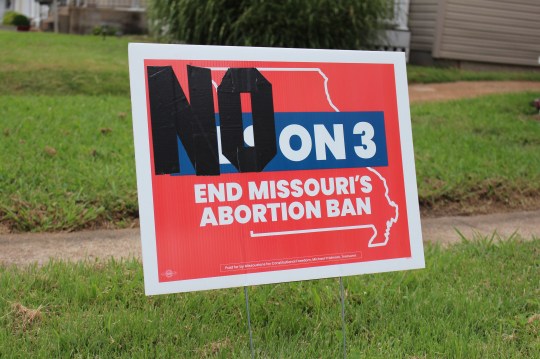
  • What’s Next for State Abortion Ballot Initiatives?

    Policy Watch

    This brief examines what the November election and prior efforts to enshrine abortion rights at the ballot box mean for those states and what’s next, including the future of abortion restrictions in states where voters enshrined abortion rights where abortion was banned or restricted, as well as those that do not have abortion bans.

  • Pharmacies as an Access Point for Expanding Contraceptive Care: A Geographic Analysis

    Issue Brief

    In this brief, we explore avenues for expanding hormonal contraceptive care and supplies through pharmacies, as well as how and where pharmacies and pharmacists may be positioned to fill gaps in contraceptive care where there are few brick-and-mortar family planning providers, as well as the challenges in expanding these pathways.