Women's Health Policy

ABORTION IN THE U.S.

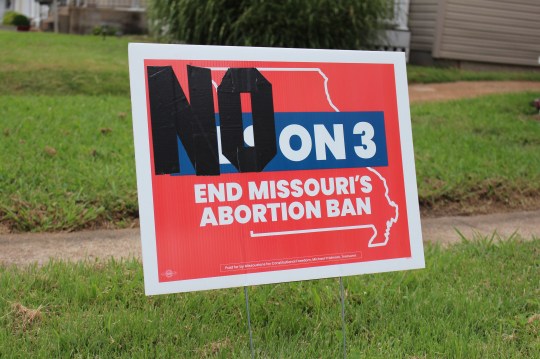
The Status of Abortion-related State Ballot Initiatives Since Dobbs

Since the Supreme Court’s Dobbs decision, overturning Roe v. Wade, voters in 17 states have weighed in on ballot measures regarding abortion — some more than once. In November 2026, voters in Idaho, Missouri, Nevada, and Virginia will weigh in on abortion measures that could change the legal status of abortion in their state. In addition, a measure in Colorado is in the process of collecting signatures.
CONTRACEPTIve care IN THE U.S.

SELECTED RESOURCES

Over-the-Counter Oral Contraceptive Pills

In July 2023, the FDA approved Opill, the first daily oral contraceptive pill to become available over the counter (OTC) without a doctor’s prescription. This issue brief provides an overview of OTC oral contraceptives and laws and policies related to insurance coverage.

featured

A promotional image for the the KFF Health Policy 101 Issues in Women’s Health chapter

Health Policy Issues in Women’s Health

Examine the core health coverage and access issues —shaped by federal and state policies—that affect women’s health today, including health coverage and costs, reproductive health services, maternal health, mental health, and intimate partner violence.

State Profiles for Women’s Health

Explore the latest national and state-specific data and policies on women’s health. Topics include health status, insurance and Medicaid coverage, use of preventive services, sexual health, maternal and infant health, and abortion policies. Many indicators provide state-level information for women of different racial and ethnic groups.

The essentials
  • Women’s Health Insurance Coverage

    This factsheet reviews major sources of coverage for women residing in the U.S., discusses the ACA's impact on coverage, and the coverage challenges that many women continue to face.
  • Medicaid Coverage for Women

    This data note presents key data points describing the current state of the Medicaid program as it affects women, including eligibility, reproductive health, chronic conditions, and more.
  • Dobbs: What are the Implications for Racial Disparities?

    This analysis examines the implications of the Dobbs decision and state restrictions on abortion coverage for racial disparities in access to care and health outcomes.
  • State Health Facts: Women's Health Indicators

    Information on women’s health status, utilization of services, health insurance coverage, family planning and childbirth, and abortion statistics and policies.
  • Key Facts on Abortion in the United States

    This report answers some key questions about abortion in the United States and presents data collected before the overturn of Roe v. Wade.

Stay informed.

Stay informed.

Filter

211-220 of 880 results

  • Women's Health Coverage promo

    How Does Where You Work Affect Your Contraceptive Coverage?

    Interactive

    The Affordable Care Act (ACA) requires most private health insurance plans to provide coverage for a broad range of preventive services including FDA approved prescription contraceptives and services for women. Legal challenges and recently issued rules have affected contraceptive coverage for many women.

  • Beyond the Numbers: Access to Reproductive Health Care for Low-Income Women in Five Communities

    Report

    This report summarizes the major findings from KFF and HMA case studies in five U.S. communities, highlighting cross-cutting themes and the degree to which low-income women in diverse communities face challenges in accessing reproductive and sexual health care, as well as promising initiatives established by community providers to address barriers and improve access to these basic services.

  • Sexually Transmitted Infections (STIs): An Overview, Payment, and Coverage

    Fact Sheet

    More people have health insurance than ever before under the Affordable Care Act (ACA), which emphasizes preventive care, including no-cost HIV and STI counseling and screening for recommended populations. This fact sheet examines trends and disparities in STI prevalence, reviews the STI screening and preventive care coverage policies for private insurance and public programs, and discusses coverage gaps and confidentiality concerns in the provision of these services.

  • 2008 Election Briefs

    Poll Finding

    Health care remains among the top three election issues voters want to hear the presidential candidates discuss. Kaiser's new series of election briefs frame the challenges the heath care system faces, provide basic facts, and offer questions to assess the presidential candidates' plans on key health policy issues. Check back for more issue briefs.  Eliminating Racial/Ethnic Disparities in Health Care: What are the Options  Health Care Costs and Election 2008  Women's Health and Election 2008…

  • Top 5 Things to Know about Women and Medicaid Ahead of the Election

    Policy Watch

    Changes related to Medicaid could have major consequences for health coverage of women with low incomes as well as pregnancy, postpartum and other reproductive health care for women. Here are the top five things to know about women and Medicaid ahead of the election.

  • Data Note: Differences In Public Opinion On The ACA’s Contraceptive Coverage Requirement, By Gender, Religion, And Political Party

    Feature

    One of the most politically polarizing elements of the Affordable Care Act (ACA) is the law’s requirement that new private health insurance plans cover prescription contraceptives and services, including all methods approved by the Food and Drug Administration. The rule currently provides an exemption for houses of worship and an “accommodation” for religiously affiliated non-profit employers who object to providing contraceptive coverage; however all for-profit employers that provide health insurance must include this benefit. Over…