Women's Health Policy

ABORTION IN THE U.S.

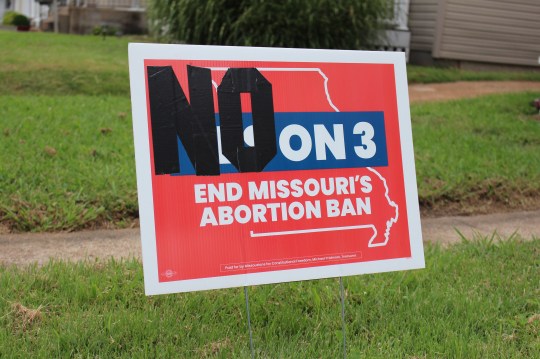
Abortion on the 2026 Ballot: The Evolving Landscape of State Abortion Initiatives 

Since the Supreme Court’s Dobbs decision, overturning Roe v. Wade, voters in 17 states have weighed in on ballot measures regarding abortion — some more than once. In November 2026, voters in Idaho, Missouri, Nevada, and Virginia will weigh in on abortion measures that could change the legal status of abortion in their state. In addition, a measure in Colorado is in the process of collecting signatures.
CONTRACEPTIve care IN THE U.S.

SELECTED RESOURCES

featured

Women's Health Survey

The Women’s Health Survey is a series of nationally representative surveys on women’s health conducted by KFF since 2001. The survey aims to track and document women’s experiences with the health care system, access challenges and barriers to care, knowledge related to health and well-being, and differences between women by age, race/ethnicity, income level, and insurance type.

A promotional image for the the KFF Health Policy 101 Issues in Women’s Health chapter

Health Policy Issues in Women’s Health

Examine the core health coverage and access issues —shaped by federal and state policies—that affect women’s health today, including health coverage and costs, reproductive health services, maternal health, mental health, and intimate partner violence.

State Profiles for Womens Health

Explore the latest national and state-specific data and policies on women’s health. Topics include health status, insurance and Medicaid coverage, use of preventive services, sexual health, maternal and infant health, and abortion policies. Many indicators provide state-level information for women of different racial and ethnic groups.

The essentials
  • Women’s Health Insurance Coverage

    This factsheet reviews major sources of coverage for women residing in the U.S., discusses the ACA's impact on coverage, and the coverage challenges that many women continue to face.
  • Medicaid Coverage for Women

    This data note presents key data points describing the current state of the Medicaid program as it affects women, including eligibility, reproductive health, chronic conditions, and more.
  • Dobbs: What are the Implications for Racial Disparities?

    This analysis examines the implications of the Dobbs decision and state restrictions on abortion coverage for racial disparities in access to care and health outcomes.
  • State Health Facts: Women's Health Indicators

    Information on women’s health status, utilization of services, health insurance coverage, family planning and childbirth, and abortion statistics and policies.
  • Key Facts on Abortion in the United States

    This report answers some key questions about abortion in the United States and presents data collected before the overturn of Roe v. Wade.

Stay informed.

Stay informed.

Filter

201-210 of 882 results

  • The Comstock Act: Implications for Abortion Care Nationwide 

    Issue Brief

    This brief provides background on the Comstock Act, reviews how it has been interpreted by the Biden Administration’s DOJ, and considers how it could be enforced by an administration that is hostile toward abortion to severely restrict the distribution of drugs and supplies used for abortion, with implications for abortion access in all states across the country.

  • One in Five Women of Reproductive Age in States with Abortion Bans Say They or Someone They Know Has Had Difficulty Accessing an Abortion Since Dobbs

    News Release

    According to new KFF polling, in states with abortion bans, one in five (21%) women of reproductive age (18 to 49) and one in seven (14%) of all women say either they or someone they know has had difficulty accessing an abortion since the Supreme Court overturned Roe v. Wade. The survey finds that among all women, including in states where abortion remains broadly legal or limited by gestational period, 8% say they or someone…

  • The Supreme Court, Medication Abortion, and the FDA: What’s at Stake?

    News Release

    In advance of oral arguments about access to medication abortion before the Supreme Court on March 26, KFF examines how a Court ruling for the plaintiffs would limit access to mifepristone blocking its use in telehealth and distribution through pharmacies, including in states where abortion is legal and protected. In addition, it could potentially weaken the role of the Food and Drug Administration (FDA) in drug reviews—something the Court has never done before. As part…

  • KFF Examines the Hyde Amendment and its Impact in States Without Abortion Bans

    News Release

    KFF takes a new look at the continued impact of the Hyde Amendment, the federal ban on payment for abortion services, in the wake of the Supreme Court’s Dobbs decision. At a moment when all eyes are on states that have banned abortion, the Hyde Amendment remains a barrier to abortion care for people with low incomes in states where abortion is legal but the state restricts Medicaid coverage to the narrow exceptions allowed under…

  • The Hyde Amendment and Coverage for Abortion Services Under Medicaid in the Post-Roe Era

    Issue Brief

    This brief details the federal programs that are affected by the Hyde Amendment and laws and regulations that have a similar goal, provides estimates on the share of women insured by Medicaid affected by the law, reviews the impact of the law on their access to abortion services, and discusses the potential effect if the law were to be repealed.

  • KFF Health Tracking Poll March 2024: Abortion in the 2024 Election and Beyond

    Feature

    This poll finds 1 in 8 voters say abortion is the most important issue to their vote. They are younger, lean Democratic, and generally want abortion to be legal in all or most cases. The poll also gauges the public's views on abortion-related policies, including a national 16-week abortion ban and allowing abortion for pregnancy-related emergencies.

  • 1 in 8 Voters Say Abortion Is Most Important to Their Vote: They Lean Democratic, Support Biden, and Want Abortion to Be Legal

    News Release

    About 1 in 8 voters (12%) now say that abortion is the most important issue for their vote in the 2024 elections, highlighting how the issue could motivate groups of voters who largely say abortion should be legal in all or most cases, a new KFF Health Tracking Poll finds. The issue resonates with certain key groups of women voters. More than 1 in 4 Black women voters (28%), and about a fifth of Democratic…

  • 3 Charts: The Cost and Coverage of Opill—the First FDA-approved Over-the-Counter Daily Oral Contraceptive Pill in the United States 

    News Release

    The first FDA-approved over-the-counter daily oral contraceptive pill in the United States— Perrigo’s Opill— is now available for pre-order at major online retailers and will soon be available in stores. Although the new over-the-counter pill could broaden access to contraceptive options in the United States, KFF research suggests consumers are likely to face some hurdles if they seek to have their plan cover the costs. For example, while federal policy requires most private health insurance…