Women's Health Policy

ABORTION IN THE U.S.

Abortion on the 2026 Ballot: The Evolving Landscape of State Abortion Initiatives 

Since the Supreme Court’s Dobbs decision, overturning Roe v. Wade, voters in 17 states have weighed in on ballot measures regarding abortion — some more than once. In November 2026, voters in Idaho, Missouri, Nevada, and Virginia will weigh in on abortion measures that could change the legal status of abortion in their state. In addition, a measure in Colorado is in the process of collecting signatures.

CONTRACEPTIve care IN THE U.S.

SELECTED RESOURCES

featured

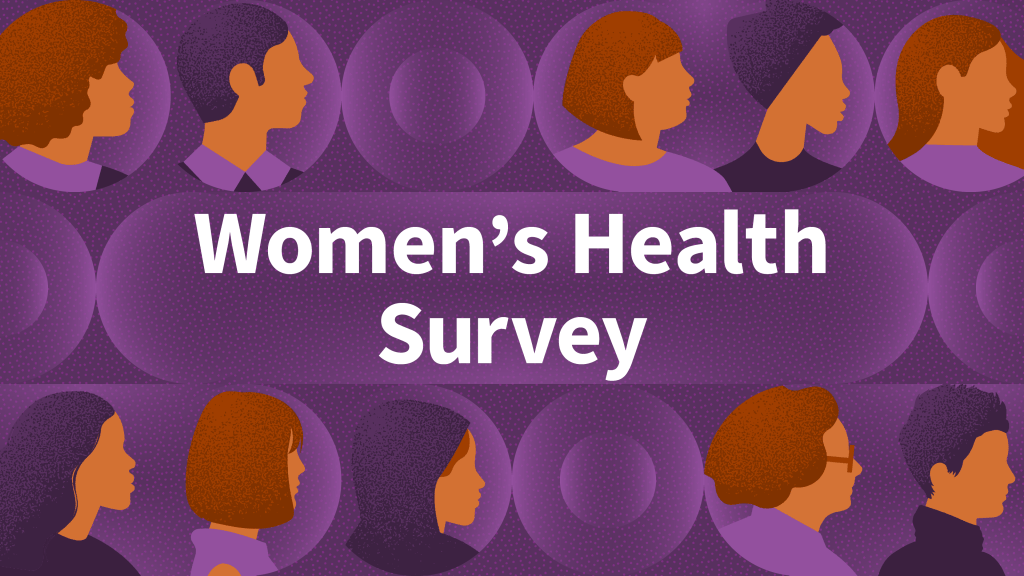
Women's Health Survey

The Women’s Health Survey is a series of nationally representative surveys on women’s health conducted by KFF since 2001. The survey aims to track and document women’s experiences with the health care system, access challenges and barriers to care, knowledge related to health and well-being, and differences between women by age, race/ethnicity, income level, and insurance type.

A promotional image for the the KFF Health Policy 101 Issues in Women’s Health chapter

Health Policy Issues in Women’s Health

Examine the core health coverage and access issues —shaped by federal and state policies—that affect women’s health today, including health coverage and costs, reproductive health services, maternal health, mental health, and intimate partner violence.

State Profiles for Womens Health

Explore the latest national and state-specific data and policies on women’s health. Topics include health status, insurance and Medicaid coverage, use of preventive services, sexual health, maternal and infant health, and abortion policies. Many indicators provide state-level information for women of different racial and ethnic groups.

The essentials
  • Women’s Health Insurance Coverage

    This factsheet reviews major sources of coverage for women residing in the U.S., discusses the ACA's impact on coverage, and the coverage challenges that many women continue to face.
  • Medicaid Coverage for Women

    This data note presents key data points describing the current state of the Medicaid program as it affects women, including eligibility, reproductive health, chronic conditions, and more.
  • Dobbs: What are the Implications for Racial Disparities?

    This analysis examines the implications of the Dobbs decision and state restrictions on abortion coverage for racial disparities in access to care and health outcomes.
  • State Health Facts: Women's Health Indicators

    Information on women’s health status, utilization of services, health insurance coverage, family planning and childbirth, and abortion statistics and policies.
  • Key Facts on Abortion in the United States

    This report answers some key questions about abortion in the United States and presents data collected before the overturn of Roe v. Wade.

Stay informed.

Stay informed.

Filter

141-150 of 884 results

  • An Update on Medicaid, Title X and Planned Parenthood

    Issue Brief

    This brief provides an update on Planned Parenthood closures and participation in the Title X program in the midst of substantial policy changes leading to decreased funding for Planned Parenthood including the One Big Beautiful Bill Act and the withholding of federal Title X funding to Planned Parenthood clinics.

  • Will Insurance Cover Over-the-Counter Contraceptive Pills? A Discussion of Coverage Options and Challenges

    Event Date:
    Event

    The U.S. Food and Drug Administration recently approved Opill—the first over-the-counter daily oral contraceptive pill in the United States. Beginning in early 2024, people will be able to purchase Opill without a prescription, expanding options for contraceptive access across the country. On September 15, 2023, a panel of experts joined Laurie Sobel, associate director for KFF’s Women’s Health Policy program, to explore approaches to covering over-the-counter oral contraception without a prescription. The panel discussed lessons…

  • DMPA Contraceptive Injection: Use and Coverage

    Fact Sheet

    This factsheet provides an overview of the types of contraceptive injection, use, awareness, availability, and insurance coverage of the injection in the U.S.

  • Medicaid Family Planning Programs: Case Studies of Six States After ACA Implementation

    Report

    In light of the coverage trends and other ACA-related changes, this paper describes the impact on women and their partners, as well as family planning providers, of the impact of family planning expansion programs under Medicaid. It is based largely on interviews with state officials, providers and consumer advocates in Alabama, California, Connecticut, Illinois, Missouri and Virginia – a cross-section of states in terms of geography, Medicaid expansion status, and implementation of a Medicaid family…

  • KFF Health Tracking Poll: Knowledge and Views of Medication Abortion

    Poll Finding

    This KFF Health Tracking Poll finds that many, including women of reproductive age, remain unfamiliar with key facts about mifepristone. Fewer than half of all adults say they believe abortion pills are safe now, compared to over half of all adults two years ago. This poll explores awareness and perception of the recent FDA review of the medication, and support for policies aimed at restricting it.

  • Insurance Coverage of OTC Oral Contraceptives: Lessons from the Field

    Report

    This report is based on 35 structured interviews conducted from January to August 2023, with nearly 80 experts and key players such as pharmacists, health plans, and state Medicaid officials involved in the coverage and provision of OTC contraception in seven states with one or more of these coverage approaches (IL, NJ, NM, NY, OR, UT, and WA). It discusses the challenges and successes in coverage under private health insurance and Medicaid and reviews policy…