Women's Health Policy

ABORTION IN THE U.S.

The Status of Abortion-related State Ballot Initiatives Since Dobbs

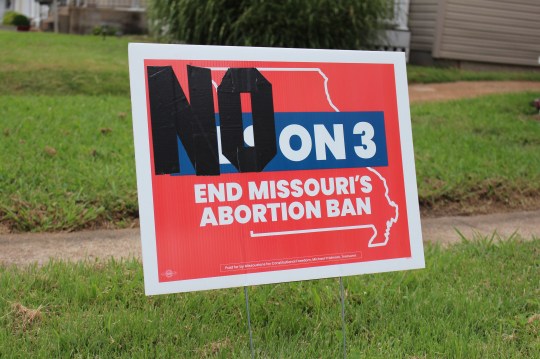
Since the Supreme Court’s Dobbs decision, overturning Roe v. Wade, voters in 17 states have weighed in on ballot measures regarding abortion — some more than once. In November 2026, voters in Idaho, Missouri, Nevada, and Virginia will weigh in on abortion measures that could change the legal status of abortion in their state. In addition, a measure in Colorado is in the process of collecting signatures.

CONTRACEPTIve care IN THE U.S.

SELECTED RESOURCES

Over-the-Counter Oral Contraceptive Pills

In July 2023, the FDA approved Opill, the first daily oral contraceptive pill to become available over the counter (OTC) without a doctor’s prescription. This issue brief provides an overview of OTC oral contraceptives and laws and policies related to insurance coverage.

featured

A promotional image for the the KFF Health Policy 101 Issues in Women’s Health chapter

Health Policy Issues in Women’s Health

Examine the core health coverage and access issues —shaped by federal and state policies—that affect women’s health today, including health coverage and costs, reproductive health services, maternal health, mental health, and intimate partner violence.

State Profiles for Women’s Health

Explore the latest national and state-specific data and policies on women’s health. Topics include health status, insurance and Medicaid coverage, use of preventive services, sexual health, maternal and infant health, and abortion policies. Many indicators provide state-level information for women of different racial and ethnic groups.

The essentials
  • Women’s Health Insurance Coverage

    This factsheet reviews major sources of coverage for women residing in the U.S., discusses the ACA's impact on coverage, and the coverage challenges that many women continue to face.
  • Medicaid Coverage for Women

    This data note presents key data points describing the current state of the Medicaid program as it affects women, including eligibility, reproductive health, chronic conditions, and more.
  • Dobbs: What are the Implications for Racial Disparities?

    This analysis examines the implications of the Dobbs decision and state restrictions on abortion coverage for racial disparities in access to care and health outcomes.
  • State Health Facts: Women's Health Indicators

    Information on women’s health status, utilization of services, health insurance coverage, family planning and childbirth, and abortion statistics and policies.
  • Key Facts on Abortion in the United States

    This report answers some key questions about abortion in the United States and presents data collected before the overturn of Roe v. Wade.

Stay informed.

Stay informed.

Filter

121-130 of 878 results

  • Abortion Bans May Limit Essential Medications for Women with Chronic Conditions

    Issue Brief

    This analysis uses the 2019 IBM MarketScan claims data to look at prescriptions of methotrexate and misoprostol, two drugs that can be used to terminate pregnancies, but are also used to manage chronic conditions like cancer, autoimmune diseases, and abnormal bleeding. These drugs may be restricted in response to state abortion bans, which we find will disproportionately affect women of reproductive age who make up the majority of those who rely on these drugs.

  • Coronavirus Puts a Spotlight on Paid Leave Policies

    Issue Brief

    As the COVID-19 pandemic grows, the Centers for Disease Control and Prevention (CDC) and other public health officials recommend that people who are sick should stay home. Benefits such as sick leave and family leave can help employees follow these guidelines; however, the U.S. does not have national standards on paid family or sick leave. The lack of a national policy means some employees are forced to take unpaid leave, or come to work when…

  • The HPV Vaccine: Access and Use in the U.S.

    Fact Sheet

    This factsheet discusses HPV and related cancers, use of the HPV vaccines for both females and males, and insurance coverage and access to the vaccines.

  • Over-the-Counter Oral Contraceptive Pills

    Issue Brief

    Oral contraceptives are the most commonly used method of reversible contraception in the U.S. In July 2023, the FDA approved Opill, the first daily oral contraceptive pill to become available over the counter (OTC) without a doctor’s prescription. This issue brief provides an overview of OTC oral contraceptives and laws and policies related to insurance coverage.

  • A National Survey of OBGYNs’ Experiences After Dobbs

    Report

    This report, based on a nationally representative survey of office-based OBGYNs practicing in the United States, examines the provision of sexual and reproductive health care provided by OBGYNs before and after the Dobbs decision, comparing the experiences of OBGYNs practicing in states where abortion is fully banned, states with gestational restrictions, and states where abortion remains available under most circumstances.

  • Oral Contraceptive Pills: Access and Availability

    Issue Brief

    This brief provides an overview of oral contraception, discusses private insurance and Medicaid coverage, and reviews strategies to promote and expand women’s access to oral contraceptives.



