Medicaid

Medicaid work requirements

Medicaid and the Road Ahead: Spending Cuts, Work Requirements and What’s Next for States, Providers and Families

Event Date:

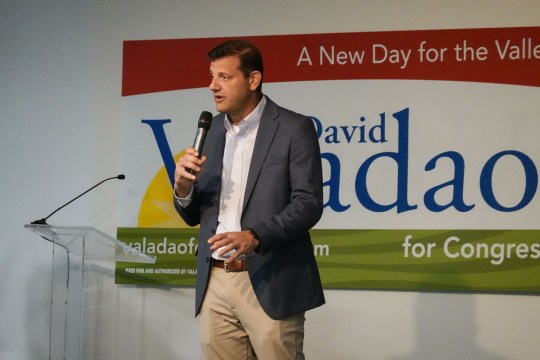
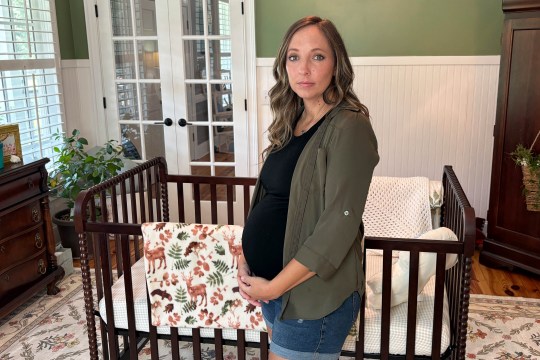
Passed last year, President Trump’s One Big Beautiful Bill Act made significant changes to Medicaid—the primary insurance provider for health and long-term care for people with low incomes. These changes are expected to lead to coverage loss for many current enrollees and will reduce funding for Medicaid, placing new financial pressures on states and health care providers. On July 23, KFF and States Newsroom hosted an event focused on the impacts of work requirements and other federal policy changes on states, health care systems, and people.

new and noteworthy

understanding medicaid

Medicaid Financing

Medicaid represents $1 out of every $5 spent on health care in the U.S. and is the major source of financing for states to provide health coverage and long-term care. This brief examines key questions about Medicaid financing and how it works.

Medicaid Program Integrity

This brief explains what is known about improper payments and fraud and abuse in Medicaid and describes ongoing state and federal actions to address program integrity.

Medicaid and Provider Taxes

All states except Alaska cover some state Medicaid costs with taxes on health care providers. This brief uses data from KFF’s 2024-2025 survey of Medicaid directors to describe current practices and the federal rules governing them.

Medicaid and Hospitals

Absorbing reductions in Medicaid spending could be challenging for hospitals, particularly for those that are financially vulnerable. This brief provides data on the reach of Medicaid across hospitals, patients, and charity care.

Medicaid Home Care

This issue brief provides an overview of what Medicaid home care (also known as “home- and community-based services”) is, who is covered, and what services were available in 2025.

Dual Eligibles

Stay informed.

Stay informed.

Filter

1,021 - 1,030 of 2,730 Results

  • Health Care in Puerto Rico and the U.S. Virgin Islands: A Six-Month Check-Up After the Storms (Report)

    Issue Brief

    Puerto Rico and the U.S. Virgin Islands suffered significant damage to their infrastructure and health care systems from Hurricanes Irma and Maria in September 2017. Drawing on interviews with residents and key stakeholders as well as public reports, this brief provides an overview of the status of the recovery efforts six months after the storms, with a focus on the health care systems.

  • Nearly 20 Million Children Live in Immigrant Families that Could Be Affected by Evolving Immigration Policies

    Issue Brief

    President Trump has intensified national debate about immigration by implementing policies to enhance immigration enforcement and restrict legal immigration. Recent findings show that the climate surrounding these policies has significantly increased fear and uncertainty among immigrant families, broadly affecting families across different immigration statuses and locations. The effects extend to lawfully present immigrants, including lawful permanent residents or “green card” holders, and children in immigrant families, who are predominantly U.S.-born citizens. In particular, findings point…

  • Medicaid’s Role for Selected Populations

    Feature

    Medicaid_s role for selected populations Download Source NOTE: FPL-- Federal Poverty Level. The U.S. Census Bureau's poverty threshold for a family with two adults and one child was $19,318 in 2016. SOURCES: KFF analysis of 2017 Current Population Survey, Annual Social and Economic Supplement; Birth data -Implementing Coverage and Payment Initiatives: Results from a 50-State Medicaid Budget Survey for State Fiscal Years 2016 and 2017, KFF, October 2016.; Medicare data - Medicare Payment Advisory Commission,…

  • Nonelderly Adults with Opioid Addiction Covered by Medicaid Were Twice as Likely as those with Private Insurance or the Uninsured to Have Received Treatment in 2016

    News Release

    Among the 1.9 million nonelderly adults with opioid addiction, those with Medicaid were twice as likely as those with private insurance or no insurance to have received treatment in 2016, according to a new analysis by the Kaiser Family Foundation. The role of Medicaid in combating the opioid epidemic has received renewed attention lately as the Trump Administration has declared addressing the epidemic a key priority and states have sought additional federal help. Forty-three percent…

  • Governors’ Proposed Budgets for FY 2019: Focus on Medicaid and Other Health Priorities

    Issue Brief

    This issue brief provides Medicaid highlights from governors’ proposed budgets for state fiscal year (FY) 2019 (July 1, 2018 through June 30, 2019 in most states). Proposed budgets reflect the priorities of the governor and are often blueprints for the legislature to consider. In total, we reviewed 39 proposed state budgets and text from 46 state of the state speeches. This review revealed that while state revenue collections improved in 2017 compared to 2016, considerable…

  • Nursing Facilities, Staffing, Residents and Facility Deficiencies, 2009 Through 2016

    Report

    This report provides information on recent trends in nursing facilities in the United States, drawing on data from the federal On-line Survey, Certification, and Reporting system (OSCAR) and more recent Certification and Survey Provider Enhanced Reports (CASPER). We use these databases to provide information on nursing facility characteristics, resident characteristics, facility staffing, and deficiencies by state from 2009 through 2015. This data enables policymakers and the public to monitor and understand recent changes in nursing…

  • How Might Older Nonelderly Medicaid Adults with Disabilities Be Affected By Work Requirements in Section 1115 Waivers?

    Issue Brief

    Most of the states with approved or pending Section 1115 waivers that condition Medicaid eligibility on work would apply those requirements to all or most nonelderly adults (ages 19-64) who are not receiving Supplemental Security Income (SSI) cash assistance, including older nonelderly adults (ages 50-64). Older nonelderly adults may be limited in their ability to satisfy a work requirement due to barriers resulting from age and/or disability. Previous analysis shows that many nonelderly Medicaid adults…

  • Medicaid and CHIP Eligibility, Enrollment, Renewal, and Cost Sharing Policies as of January 2018: Findings from a 50-State Survey

    Report

    This 16th annual 50-state survey provides data on Medicaid and the Children’s Health Insurance Program (CHIP) eligibility, enrollment, renewal and cost sharing policies as of January 2018. It takes stock of how the programs have evolved as the fifth year of implementation of the Affordable Care Act (ACA) begins, discusses policy changes made during 2017, and looks ahead to issues that may affect state policies moving forward. It is based on a survey of state…

  • KFF Briefing Examines Progress and Remaining Challenges for the Health Care Systems in Puerto Rico and U.S. Virgin Islands Six Months After Hurricanes Irma and Maria

    News Release

    Six months after hurricanes Irma and Maria made landfall across Puerto Rico and the U.S. Virgin Islands, local officials described progress but also a long road to full recovery of the U.S. territories’ health care systems, economies and infrastructure during a public briefing Monday at the Kaiser Family Foundation’s Washington D.C. offices. An archived webcast of the 90-minute briefing on the status of the recovery on the islands, with a focus on their health care systems,…