Women's Health Policy

ABORTION IN THE U.S.

Variability in Rebimbursement Rates for State Funded Abortion Services for Medicaid Enrollees: A 2026 Update

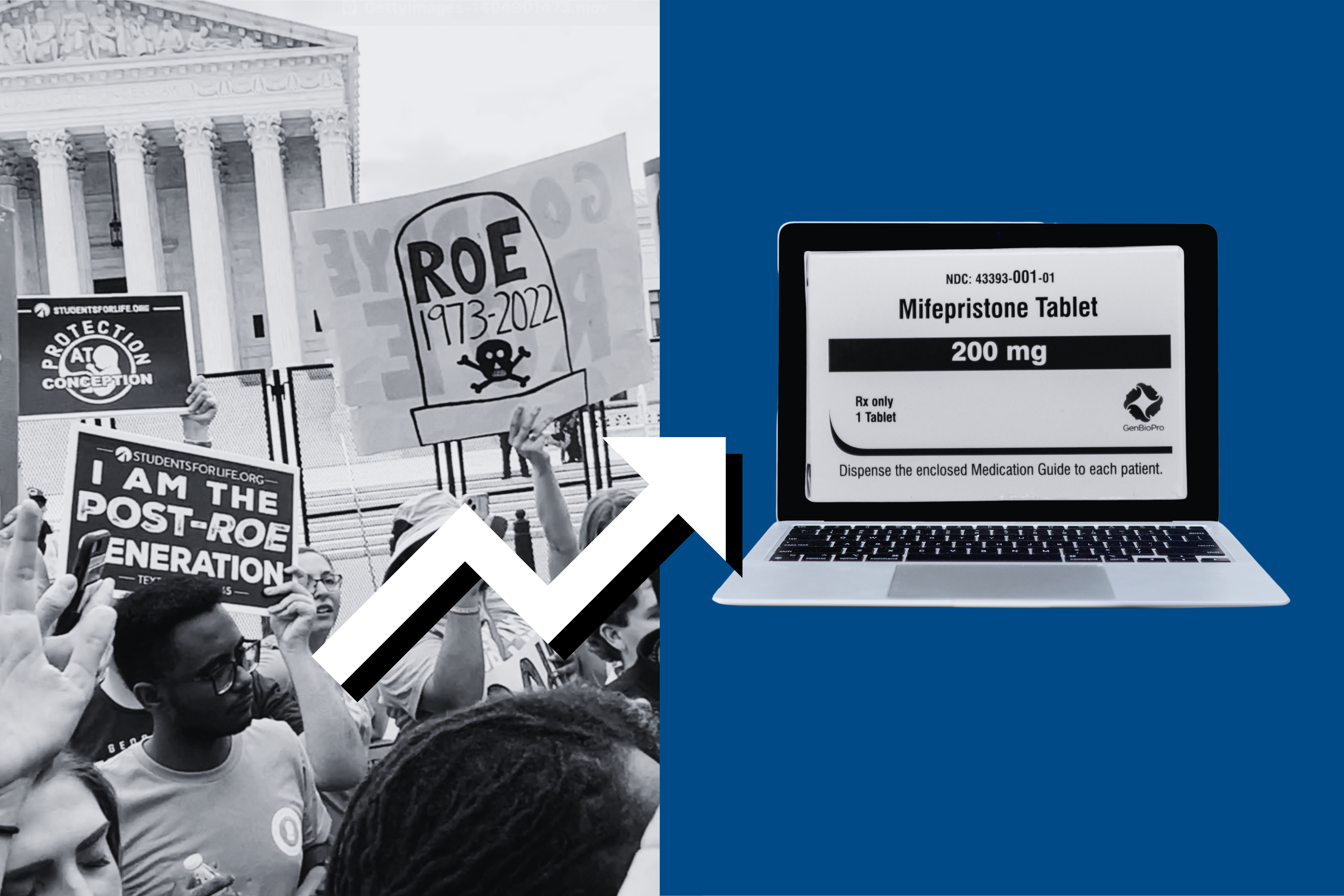
This analysis reveals that while more states have begun using their own funds to cover abortion services for Medicaid enrollees since the U.S. Supreme Court’s Dobbs decision, only a handful have significantly increased reimbursement rates for providers, potentially undermining access to care for low-income patients. After examining physician fee schedules for abortions provided to Medicaid enrollees since 2024, KFF finds that reimbursement rates vary dramatically across states, and that most states don't substantially increase payment rates for later-pregnancy procedures, despite their higher costs and complexity.
CONTRACEPTIve care IN THE U.S.

An Update on Medicaid, Title X and Planned Parenthood

This brief provides an update on Planned Parenthood clinic closures and participation in the Title X program amid substantial policy changes resulting in funding reductions. These changes include the One Big Beautiful Bill Act and the withholding of federal Title X funding to Planned Parenthood clinics.

SELECTED RESOURCES

Over-the-Counter Oral Contraceptive Pills

In July 2023, the FDA approved Opill, the first daily oral contraceptive pill to become available over the counter (OTC) without a doctor’s prescription. This issue brief provides an overview of OTC oral contraceptives and laws and policies related to insurance coverage.

featured

A promotional image for the the KFF Health Policy 101 Issues in Women’s Health chapter

Health Policy Issues in Women’s Health

Examine the core health coverage and access issues —shaped by federal and state policies—that affect women’s health today, including health coverage and costs, reproductive health services, maternal health, mental health, and intimate partner violence.

State Profiles for Women’s Health

Explore the latest national and state-specific data and policies on women’s health. Topics include health status, insurance and Medicaid coverage, use of preventive services, sexual health, maternal and infant health, and abortion policies. Many indicators provide state-level information for women of different racial and ethnic groups.

The essentials
  • Women’s Health Insurance Coverage

    This factsheet reviews major sources of coverage for women residing in the U.S., discusses the ACA's impact on coverage, and the coverage challenges that many women continue to face.
  • Medicaid Coverage for Women

    This data note presents key data points describing the current state of the Medicaid program as it affects women, including eligibility, reproductive health, chronic conditions, and more.
  • Dobbs: What are the Implications for Racial Disparities?

    This analysis examines the implications of the Dobbs decision and state restrictions on abortion coverage for racial disparities in access to care and health outcomes.
  • State Health Facts: Women's Health Indicators

    Information on women’s health status, utilization of services, health insurance coverage, family planning and childbirth, and abortion statistics and policies.
  • Key Facts on Abortion in the United States

    This report answers some key questions about abortion in the United States and presents data collected before the overturn of Roe v. Wade.

Stay informed.

Stay informed.

Filter

81 - 90 of 877 Results

  • Polling Insight: 4 Takeaways About Suburban Women Voters

    Poll Finding

    This Polling Insight explores the demographic makeup, issue priorities, and sentiment toward presidential candidates of women voters living in suburban areas leading up to the election this fall.

  • Rebuilding the Title X Network Under the Biden Administration

    Issue Brief

    This issue brief examines what has happened to the Title X network under the Biden Administration regulations, including the number of clinics that have returned to the network, new funding, and how state policies that prohibit pregnancy options counseling that includes abortion and referrals may impact grantees' participation in the Title X program.

  • Dimensions of New Contraceptives: Norplant and Poor Women

    Report

    Leading reproductive health and family planning experts consider the social policy and public health implications of Norplant, a long-acting method of birth control. This publication was produced as part of the Kaiser Forums program, an ongoing series of issue-specific briefings at which policy makers, health experts, practitioners, and others discuss and debate controversial topics related to the Foundation's core areas of interest. REPORT Download

  • Disparities in Women’s Health

    Other Post

    Disparities in Women's Health Disparities in health and health care continue to burden women, particularly affecting women of color or those who are poor. To shed more light on the factors contributing to inequalities in health and access to care for women, the Kaiser Family Foundation provided support for the newest issue of the Journal of the American Medical Women's Association (JAMWA) Disparities in Women's Health. This special issue features an editorial by Surgeon General…

  • Will Trump’s Announcement Expand Access to IVF? 

    Policy Watch

    The White House announcement focused on reducing the cost of some IVF drugs and clarifying options for employers to offer standalone fertility benefits for their employees and their dependents. This policy watch examines some key takeaways about the Trump IVF plan.

  • KFF Health Tracking Poll March 2024: Abortion in the 2024 Election and Beyond

    Feature

    This poll finds 1 in 8 voters say abortion is the most important issue to their vote. They are younger, lean Democratic, and generally want abortion to be legal in all or most cases. The poll also gauges the public's views on abortion-related policies, including a national 16-week abortion ban and allowing abortion for pregnancy-related emergencies.

  • National Survey Results on Public Opinions/Practices on Contraceptive Use and Decision Making

    Other Post

    Overwhelming Majority of Women Feel Most Men Are Not Responsible Enough For Preventing Unplanned Pregnancy The Top Two Reasons Why: Men "Don't Care" or Think It's the Woman's Responsibility The Majority of Women Say They Alone Make Sure Birth Control Is Used Embargoed For Release: 4:00 p.m. EST, Monday, May 22, 1995 For further information contact: Matt James Tina Hoff (415) 854-9400 Washington, D.C. -- Three quarters (73%) of American women say most men are…

  • Intrauterine Devices (IUDs): Access and Coverage in the U.S.

    Fact Sheet

    Intrauterine devices (IUDs), along with implants, are known as long-acting reversible contraception (LARCs) because they can be used to prevent pregnancy for several years. This fact sheet reviews FDA-approved IUDs, as well as use, availability, and key issues in insurance coverage and financing of IUDs in the U.S.