News Release

Public vs. Private Health Insurance on Controlling Spending

Published: Apr 16, 2015

In his latest column for The Wall Street Journal’s Think Tank, Drew Altman analyzes whether public or private health insurance does a better job of controlling costs.

All previous columns by Drew Altman are available online

Coverage of Contraceptive Services: A Review of Health Insurance Plans in Five States

Authors: Laurie Sobel, Alina Salganicoff, and Nisha Kurani
Published: Apr 16, 2015

Executive Summary

Insurance coverage of contraceptives has been the focus of legislative efforts at the state and federal level for many decades. With the passage of the Patient Protection and Affordable Care Act (ACA) came the requirement that most private plans provide coverage for women’s preventive health care, including all prescribed FDA-approved contraceptive services and supplies, without cost-sharing. Federal guidance issued on preventive services coverage requirements states that plans are permitted to apply reasonable medical management techniques to “control cost and promote efficient delivery of care.”1  Since the provision became effective in August 2012, there have been ongoing anecdotal reports of some women experiencing difficulties in securing no-cost coverage from their plans.

To better understand how this provision is being implemented by health plans, Kaiser Family Foundation (KFF) staff, with the Lewin Group, reviewed the insurance plan coverage policies for 12 prescribed contraceptive methods (excluding oral contraceptives). Information was collected from 20 different insurance carriers in five states (California, Georgia, Michigan, New Jersey, and Texas) about how they are applying reasonable medical management (RMM) techniques in their coverage of women’s contraceptive services. Interviews were conducted with plan officials for nine carriers and reviews of publicly available plan documents on contraceptive coverage policies were conducted for an additional 11 carriers. In total, the information collected from the interviews and document review represent well over 200 different lines of business across the nation.

Key findings include:

There is variation in how the contraceptive coverage provision is being interpreted and implemented by health plans. While most carriers are complying with the spirit of this requirement, there are exceptions. Because of these coverage differences some women may not have coverage without cost-sharing to the contraceptive method of their choice. Specifically, we found that a higher share of plans place limits on certain contraceptive methods:

  • Vaginal Ring: While 12 carriers of the 20 we reviewed cover NuvaRing placing no RMM limitations or no cost-sharing requirements to policyholders, five plans only cover NuvaRing with cost-sharing and one plan does not cover it all. We found this to be the contraceptive method that is least likely to be covered by carriers (Table A). Some carriers report that they do not cover different contraceptive methods with the same chemical formulation. Because the carriers provide no-cost coverage of oral contraceptives, they may not cover or may charge cost-sharing for the NuvaRing or Patch, because it has the same chemical formulation that they are already covering with oral contraceptive pills.
  • Implants and Patch: Some carriers place limitations in coverage of the contraceptive implants, with two carriers failing to offer coverage of any implant available, even with cost-sharing and with three carriers covering the contraceptive patch, but only with cost-sharing.
  • Intrauterine Devices: Ten carriers cover all three FDA-approved IUDs with no RMM limitations and no cost-sharing. One carrier, however, does not cover ParaGard, which is the only non-hormonal IUD available to women.
  • Emergency Contraceptive Pills: While most carriers covered the progestin-based Plan B emergency contraceptive (EC) pill or its generic equivalents, only 11 carriers cover the ella emergency contraceptive pill without RMM limitations or cost-sharing. The ella EC pill is a different formulation and has a longer window of effectiveness and it may be preferable for women with a higher body mass index (BMI) than progestin-based EC pills, however, it does not have a generic equivalent. Two carriers do not cover ella at all.
Table A: Coverage of Female Contraceptive Methods Addressed in this Study
MethodBrandCoveredNot CoveredCoverage or Limitations on Coverage Unknown
With no RMM Limitations and No Cost-SharingWith RMM Limitations and No Cost-SharingWith Cost-Sharing with or without RMM limitations
RingNuvaRing121511
PatchOrthoEvra71552
PatchXulane (Generic)14312
InjectionDepo-Provera61382
InjectionDepo-ProveraGeneric1622
InjectionDepo-SubQ Provera 1047562
ImplantImplanon11144
ImplantNexplanon10136
IUD –hormonalMirena1316
IUD – hormonalSkyla10136
IUD – copperParaGard1415
Emergency ContraceptionElla11621
Emergency ContraceptionPlan B*55101
Emergency ContraceptionGeneric Plan B191
Female SterilizationAll procedures1010
NOTE: 20 carriers were reviewed.*One carrier’s coverage varies by product line and as result the responses to this item total 21.

While the law permits carriers to employ RMM limitations for contraceptive coverage, the FAQs issued by the Department of Labor specify that carriers should have a process in place for waiving coverage limitations for patients who have a medical need for contraceptives that are otherwise subject to cost-sharing or not covered.2  None of the carriers we reviewed have established a formal process for beneficiaries to file a waiver contesting limitations on coverage for preventive services; carriers refer consumers to their usual appeal process. It is also not clear whether any carrier has an established expedited appeal process that would allow a woman timely access to emergency contraceptives that are not covered under the policy.

Ten carriers cover sterilizations without cost-sharing. However, it was difficult to ascertain coverage for sterilization from both the interviews and the plan document review for seven other carriers. In particular, there is uncertainty about the extent to which carriers cover the ancillary services associated with female sterilization, such as follow up visits and anesthesia.

Despite significant national attention to the availability of a religious accommodation to plans serving employers with a religious objection to some or all contraceptive methods, insurers reported that they have received very few notifications from employers qualifying for the accommodation. Carriers have not identified difficulties in implementing the accommodations that have been requested by employers.

Information about the contraceptive coverage policies used by health insurance carriers is not easily accessible. Many carriers we approached for this project were unwilling to participate in an interview; only nine out of 24 carriers invited agreed to be interviewed, and some of the individuals that participated in interviews (such as medical directors, pharmacy care managers, public policy executives, and attorneys) were not always able to address the full range of contraceptive topics included in the study. Furthermore, many of the publicly available documents do not clearly identify plan coverage decisions when it comes to how different contraceptive methods are covered and the limitations of the coverage. This makes it extremely difficult, if not impossible for policyholders to ascertain their current plan’s contraceptive coverage policies.

For many women, the ACA’s contraceptive coverage provision has reduced their out-of-pocket health care costs and given them the opportunity to use more effective, but more costly, methods of contraception that had been unaffordable to them in the past. This report finds that there is variation in how insurance carriers are interpreting the guidelines for contraceptive coverage issued by HHS, and that not all methods may be covered without cost-sharing to women policyholders. The CDC and the Office of Population Affairs have clearly stated that offering women the full range of FDA-approved contraceptive methods is an element of high quality family planning services and emphasizes the importance of contraceptive choice in reducing a woman’s risk of unintended pregnancy. For many women with private insurance coverage, access to this range of options is now a reality; for some however, their choice of plan may still result in limitations of their contraceptive options.

The authors would like to thank Cristina Jade Peña, formerly of the Kaiser Family Foundation, for her contributions to this research. The authors would also like to thank the staff of the health insurance carriers who participated in the study.


Report: Introduction

Insurance coverage of contraceptives has been the focus of legislative efforts at the state and federal level for many decades. In the years immediately prior to the passage of the ACA, coverage for prescription contraceptives in private plans was widespread, but not universal. Between 1998 and 2003, more than half of states (28 states) had enacted contraceptive coverage mandates, and around the same time, discussions were occurring at the federal level surrounding contraceptive parity legislation. The state mandates typically required contraceptive parity in the small group and individual insurance markets but did not require the coverage be offered without cost-sharing. State laws, however, fell short of universal coverage as they only applied to state regulated plans, but not self-funded plans where 61% of covered workers are insured.3  In 2000, The Equal Employment Opportunity Commission ruled that employers with more than 15 employees must cover contraceptives for women if they offer health plans that cover preventive services and prescription drugs.

The Patient Protection and Affordable Care Act (ACA) took state laws further by requiring most private plans (including self-funded, small and large group, and individual plans) to cover a wide range of recommended preventive clinical services without cost to policy holders. For adults, this far-reaching requirement includes all of the services that received highly rated recommendations from the independent United States Preventive Services Task Force (USPSTF), and immunizations recommended by the Centers’ for Disease Control and Prevention (CDC) Advisory Committee for Immunization Practices (ACIP). The law also specifies that plans cover preventive services for women that are recommended by the Health Resources and Services Administration (HRSA).

To inform the development of these guidelines, HRSA commissioned the Institute of Medicine (IOM) to review existing evidence and make recommendations to fill in the gaps in the services for women identified by the USPSTF. In its report, the IOM identified eight new services, including contraceptive services and supplies.4  The IOM recommendations also specified that the most appropriate method of contraception varies according to each woman’s needs and medical history, and therefore, the full range of contraceptive methods is necessary to ensure that women have “options depending upon their life stage, sexual practices, and health status.”5  HRSA adopted the IOM’s eight recommendations, including the requirement that plans provide no-cost coverage of all FDA-approved contraceptive methods as prescribed.6  The women’s health provision became effective on August 1, 2012 and affected most women with private health insurance coverage starting in January 2013.

The HRSA Guidelines include a recommendation for all Food and Drug Administration (FDA) approved contraceptive methods, sterilization procedures, and patient education and counseling for all women with reproductive capacity, as prescribed by a health care provider.

While most health plans are now required to provide contraceptive methods and counseling to women with reproductive capacity with no out-of-pocket costs to beneficiaries, there are certain conditions that must be met. Women must be enrolled in a non-grandfathered plan7  and they must get services from an in-network provider. In addition, the federal regulations implementing the preventive services coverage requirement explicitly permit plans and issuers to use reasonable medical management to control cost and promote efficient delivery of care.8  This applies to coverage of all preventive services, not just contraceptive care. Neither the Women’s Preventive Service Guidelines nor the PHS Act, however, offers a specific definition or parameters for reasonable medical management, how it should be applied, or identification of all the FDA-approved contraceptive methods.

In an attempt to provide additional clarification on the implementation of the preventive services provisions of the ACA, the US Department of Labor’s Employee Benefits Security Administration addressed the issue through a response to a series of Frequently Asked Questions (FAQs).9  The clarification states that a plan may limit the frequency, method, treatment or setting for the provision of a recommended preventive health service based on relevant evidence,10  but still does not provide a specific definition for reasonable medical management.

Since the provisions became effective, there have been multiple media reports of women experiencing difficulties in accessing no-cost coverage for the full range of FDA-approved methods of contraception. These anecdotal reports include women experiencing difficulty in securing coverage for brand named contraceptives as well as certain types of contraceptive methods.11 

To better understand how this policy is being implemented by plans, the Kaiser Family Foundation undertook a study to examine how the contraceptive coverage provision and the reasonable medical management rules are being interpreted by plans and how the interpretation could affect the availability of the full range of contraceptive services and supplies to which women are entitled under the law. Kaiser Family Foundation (KFF) staff with the Lewin Group reviewed the contraceptive coverage policies used by health plans in five states, and conducted interviews to collect more detailed information about how plans are applying reasonable medical management (RMM) in their coverage of women’s contraceptive services. The specific methodology is described in the following section.

Report: Methodology

The selection of the health insurance carriers included in this study was established through a multi-step process. Five states were selected as areas of focus: California12 , Georgia, Michigan, New Jersey, and Texas. These states were chosen because they reflect geographic and political diversity and include a representation of a mix of federal, partnership and state-based Marketplaces. Some of the selected states had contraceptive coverage mandates in place prior to the ACA and expanded Medicaid coverage under the ACA, and others did not. We then compiled a master list of health insurance carriers operating in each state based on public filings with state insurance agencies and other sources. Six carriers per state were selected for inclusion in the study from that list to cover the largest market share across lines of business (large group and Marketplace plans). If a carrier declined to participate in the study, an additional carrier was selected from the state.

In total, 24 insurance carriers, many of which operate in multiple states, were invited to participate in the study. The findings presented represent interviews and/or plan document reviews for 20 different carriers and were conducted between August and October of 2014. If a national carrier operates in more than one state in the study, but the coverage is the same in multiple states, their coverage is counted once. We were able to interview plan officials including medical directors, pharmacy care managers, public policy executives, attorneys and others for nine unique carriers. We then reviewed publically available carrier documents for an additional 11 carriers. In total, the interviews and document review represent well over 200 different lines of business across the nation, including many of the largest carriers in the nation. Carriers were assured that their responses would remain anonymous. Most of the national carriers we reviewed have standard coverage policies that apply to all (non-Medicaid) lines of business and states in which the carrier operates. We found little variation in the application of RMM limitations by plan type (large employer, Individual/Family and Small Employer Plans on and off the ACA Marketplaces). Because Medicaid coverage rules are established by state policies, the findings presented do not apply to plans that are serving Medicaid beneficiaries.

This study focuses on 12 contraceptive methods (Table 1). Some of these contraceptives are covered under plans’ pharmacy benefit and others are covered under the medical benefit. The ACA contraceptive requirement does not specify the exact types of contraceptives that should be covered, only that all plans must cover FDA-approved contraceptives “as prescribed” without cost-sharing. This has been interpreted by some to mean that they should cover contraceptive methods that are available over-the-counter (OTC) when the consumer has a prescription from a provider.

This study did not review the medical management approaches used by plans to limit the coverage of oral contraceptives because of the vast number of different formulations, brands and generics that are available.

Table 1: Female Contraceptive Methods Addressed in this Study
MethodBenefit CategoryBrandGenericCostDurationTypical Use Failure Rate*
RingPharmacyNuvaRingNot available$15-803 weeks9%
PatchPharmacyOrthoEvraXulane, norelgestromin/ethinyl estradiol$15-801/ week for 3 weeks9%
Emergency PillPharmacyellaNot available$45-701 time usen/a
Emergency PillPharmacy and OTCPlan B, Plan B One StepLevonorgestrel$35-601 time usen/a
InjectionMedical and PharmacyDepo-ProveraMedroxyprogesterone acetate injection$35-1003 months6%
InjectionMedical and PharmacyDepo-SubQ Provera 104Not available$35-1603 months6%
ImplantMedical and PharmacyImplanonNot available$400-8003 years.05%
ImplantMedical and PharmacyNexplanonNot available$400-8003 years.05%
IUD –hormonalMedical and PharmacyMirenaNot available$500-10005 years.2%
IUD – hormonalMedical and PharmacySkylaNot available$500-10003 years.9%
IUD – copperMedical and PharmacyParaGardNot available$500-100010 years.8%
SterilizationMedicaln/an/aPermanent.5%
NOTE: *Failure rate is defined as the percent of women who experience an unintended pregnancy within the first year of typical use.SOURCE: CDC, Reproductive Health, Contraception, accessed April 1, 2015; Trussell J. Contraceptive failure in the United States. Contraception; ARHP, Facts About Intrauterine Contraception.

Report: Defining “reasonable” Medical Management

Prior to the passage of the ACA, “medical management” had been broadly understood to encompass tactics and practices used by insurance carriers’ to “modify consumer and provider behavior to improve the quality and outcome of healthcare delivery.”13  Health insurance carriers have traditionally used medical management techniques to determine a plan’s pharmacy and medical benefits coverage, including but not limited to prescription drugs and medical procedure costs, availability, and mode of delivery.

Medical management techniques are typically presented as practices which promote the most cost-efficient and effective drug and procedure options while simultaneously allowing the insurer to control expenditures and utilization of comparable drug brands. Examples of medical management tactics include, but are not limited to, categorizing brand and generic drugs and devices in tiers based on either cost, type and or mode of delivery; steering consumers to generic equivalent drug options; requiring provider authorization to acquire a preferred brand drug; and limiting quantity and or supply. Health insurance carriers typically limit coverage of medical services to providers within their contracted provider network. For medical benefits discussed in this report, references to covered benefits imply that they are provided by an in-network provider. The plans are not required to provide no-cost contraceptive services and supplies to policyholders using out-of-network providers unless there are no available in-network providers able to provide the medical treatment.

In making coverage determinations for contraceptives, health insurance carriers customarily cover a specific list of prescription drugs or supplies on a formulary. This list may or may not include medical drugs, which are medications that are administered in a physician’s office or healthcare facility and are typically supplied by a healthcare provider. Drugs on a formulary are typically grouped into tiers. The tier that a medication or a contraceptive is assigned to can determine the consumer’s portion of the drug cost or even if the plan will cover it at all. A typical drug benefit includes three or four tiers.

In some cases, a carrier will require a member to first try a lower tier formulary drug or therapy to treat a medical condition before they will pay for an alternative drug or therapy for that condition. This process is known as step therapy or “fail first.” For example, if Drug A and Drug B both treat a medical condition, a carrier may not cover Drug B unless the member tries Drug A first. Only if Drug A does not work for the member, will they then cover Drug B. Another type of medical management is prior authorization, which requires providers to first obtain approval from a health insurance carrier to prescribe the service or medication before it can be covered.

While these approaches are broadly applied to many medical treatments and interventions, contraceptive choice is a central element of high quality family planning services. The CDC and the federal Office of Population Affairs recently issued a report to provide guidance to health care providers about the core elements of high quality family planning services.14  The report specifically states that “Contraceptive services should include consideration of a full range of FDA-approved contraceptive methods, a brief assessment to identify the contraceptive methods that are safe for the client, contraceptive counseling to help a client choose a method of contraception and use it correctly and consistently, and provision of one or more selected contraceptive method(s), preferably on site, but by referral if necessary.” The CDC report emphasizes the importance of contraceptive choice in reducing women’s risk of unintended pregnancy, but does not specifically address how medical management should be addressed or applied in the context of insurance coverage of contraceptive services and supplies.

Report: Coverage Of Select Contraceptive Methods

Vaginal Ring

Vaginal Ring

The vaginal ring is a hormonal contraceptive method in the form of a small, flexible ring that is inserted vaginally by a woman once every three weeks, and then removed and discarded for the remaining week each month. Currently, the NuvaRing is the only FDA-approved vaginal ring. The NuvaRing functions by releasing estrogen and progestin, the same hormones in the combination birth control pill. The NuvaRing is effective for three weeks, and has a typical use failure rate of 9%, meaning the percentage of women who experience an unintended pregnancy within the first year of using the contraceptive method. One NuvaRing (which lasts for 30-days) costs between $15 to $80 per month.

Findings

  • Twelve carriers of the 20 we reviewed cover NuvaRing, placing no RMM limitations or no cost-sharing requirements to policyholders (Table 2). One additional carrier does not require cost-sharing, but applies step therapy; the member must have tried or experienced intolerance to at least two generic oral contraceptives in the previous 180 days and provide documentation for why an oral contraceptive cannot be used.
  • Three carriers cover NuvaRing, but charge cost-sharing. One of these carriers specified the rationale for the decision was that they have determined that contraceptives with the same progestin are equivalent to each other without regard to the delivery method. The carrier covers a birth control pill with no cost-sharing, and therefore charges cost-sharing for the NuvaRing, which has the same chemical composition as some birth control pills. One additional carrier requires both cost-sharing and prior authorization to show medical necessity on why formulary oral contraceptives are not suitable before they will cover the NuvaRing. One carrier does not cover NuvaRing at all.
Table 2: Carriers Covering NuvaRing by Cost-Sharing Requirement and RMM Limitations
NuvaRing CoverageNuvaRing
Covered with no RMM limitations and no cost-sharing12
Covered with prior authorization and no cost-sharing
Covered with step therapy and no cost-sharing1
Covered with cost-sharing but no RMM limitations3
Covered cost-sharing unknown1
Covered with prior authorization/step therapy and cost-sharing2
Not covered1
NOTE: 20 carriers were reviewed.

Contraceptive Patches

Contraceptive Patches

Birth control patches are applied topically and stick directly on the skin, releasing estrogen and progestin into the bloodstream. A new patch is applied once a week for three weeks, followed by one patch-free week. The patch may be less effective for overweight women, and though the typical use failure rate is 9%, it may be higher for women whose weight is at or over 198 pounds.15 

Three patches (a 30-day supply) costs about $15 to $80. Until recently, OrthoEvra was the only patch available. The generic patch, Xulane, became available in April,2014. Since we started this study, Janssen Pharmaceuticals, the manufacturer of the OrthoEvra patch has discontinued production of the patch. Going forward, the generic alternative will be the only patch available.

Findings

We found that birth control patches are not covered by some carriers who use the rationale that it is the same chemical composition also available in generic birth control pills that are less expensive; some carriers use the same rationale to limit coverage of the NuvaRing.

  • OrthoEvra: Seven carriers cover the OrthoEvra patch with no RMM limitations and no cost-sharing (Table 3). Another carrier covers the OrthoEvra patch with no cost-sharing and requires prior authorization. Five carriers cover OrthoEvra with no RMM limitations but require cost-sharing. Five carriers do not cover OrthoEvra.
  • Generic patch (Xulane): We found that 14 carriers cover the generic patch with no RMM limitations and no cost-sharing. Three carriers cover the generic patch with no RMM limitations but require cost-sharing. One carrier does not cover the generic patch.
  • Six carriers cover both the generic and brand patches with no cost-sharing and no RMM limitations. Nine carriers cover either the generic or brand patch with no cost-sharing and no RMM limitations. In total, 15 carriers cover at least one type of patch without cost-sharing or RMM limitations.
Table 3: Carriers Covering Patches by Type, Cost-Sharing Requirement and RMM Limitations
Patch CoverageXulane (Generic)OrthoEvra
Covered with no RMM limitations and no cost-sharing147
Covered with prior authorization and no cost-sharing1
Covered with step therapy and no cost-sharing
Covered with cost-sharing and no RMM limitations35
Covered cost-sharing unknown11
Covered with prior authorization/step therapy and cost-sharing
Not covered15
Unknown*11
NOTE: 20 carriers were reviewed. *Individuals participating in interviews were unable to respond or information was not included in plan documents.

Injections

Medication Syringe

The birth control injection is a shot administered typically in the arm by a clinician in a clinic or out-patient setting once every three months. The shot releases the hormone DMPA, a progestin, to prevent pregnancy. The typical use failure rate for the injection is 6%. The brand-name Depo-Provera is an intramuscular injection, while Depo-subQ Provera 104 is a newer, brand-name subcutaneous injection. The formulation for the Depo subQ Provera 104 injection provides slower and more sustained absorption of the progestin than intramuscular Depo-Provera. This enables a lower dose of progestin (104 mg versus 400 mg) and reduces peak blood levels by half, but with the same duration of effect as conventional intramuscular Depo-Provera. In addition to the lower dose, subcutaneous administration can be less painful than intramuscular injection. There is a generic equivalent for Depo-Provera, but not Depo-subQ Provera 104. One injection lasts for three months and costs $35 to $100 (excluding office exam fees).

Findings
  • Depo-Provera: Six carriers cover brand Depo-Provera with no RMM limitations and no cost-sharing (Table 4). One additional carrier requires a prior authorization. Three carriers cover Depo-Provera with cost-sharing and no RMM limitations. Eight carriers do not cover Depo-Provera. Three of the carriers that do not cover Depo-Provera, or cover it with cost-sharing, indicated that the generic is covered with no cost-sharing.
  • Generic for Depo-Provera: Sixteen carriers cover the generic Depo-Provera without cost-sharing. One carrier covers the generic Depo-Provera with cost-sharing and without RMM limitations, while another carrier covers it but requires cost-sharing as well as prior authorization.
  • Eighteen carriers cover either Depo-Provera or its generic, without cost-sharing or RMM limitations.
  • Depo-subQ Provera 104: Seven carriers cover Depo-subQ Provera 104 with no RMM limitations and cost-sharing. Five carriers cover it with cost-sharing. Another six carriers do not cover Depo-subQ Provera .
  • Overall, three carriers cover all three injections and six carriers cover the brand-name or generic Depo-Provera, as well as Depo-subQ Provera 104.
Table 4: Carriers Covering Injections by Type, Cost-Sharing Requirement, and RMM Limitations
Injection CoverageGeneric Depo-ProveraDepo-ProveraDepo-subQ Provera 104
Covered with no RMM limitations and no cost-sharing1667
Covered with prior authorization and no cost-sharing1
Covered with step therapy and no cost-sharing
Covered with cost-sharing and no RMM limitations135
Covered cost-sharing unknown211
Covered with prior authorization/step therapy and cost-sharing1
Not covered86
Unknown*11
NOTE: 20 carriers were reviewed. *Individuals participating in interviews were unable to respond or information was not included in plan documents.

Implants

Implant

A contraceptive implant is a thin, plastic hormone- releasing rod that is inserted under the skin of a woman’s arm by a health care provider. Implanon and Nexplanon, the brand name implants, are each effective for three years and work by releasing progestin into the body. Nexplanon is newer than Implanon and is designed to be visible through x-ray, CT scan, ultrasound scans, or MRI, and has a different applicator. Both implants are long-acting reversible contraceptives and have the lowest typical use failure rate of all FDA-approved contraceptives at .05%. After use, implants must be removed by a provider in a clinic or outpatient setting. Implants cost $400 to $800 (excluding exam fees).

Findings
  • Eleven carriers cover Implanon and 10 cover Nexplanon with no RMM limitations and no cost-sharing (Table 5). One additional carrier requires prior authorization for both Implanon and Nexplanon. Four carriers do not cover Implanon and three carriers do not cover Nexplanon.
  • Ten carriers cover both implants with no cost-sharing and no RMM limitations. One carrier covers only one implant with no cost-sharing and no RMM limitations. In total, 11 carriers cover at least one implant. Two carriers do not cover either Implanon or Nexplanon even with cost-sharing. For four carriers, we were unable to ascertain coverage for either implant.
Table 5: Carriers Covering Implants by Type, Cost-Sharing Requirement, and RMM Limitations
Implant CoverageImplanonNexplanon
Covered with no RMM limitations and no cost-sharing1110
Covered with prior authorization and no cost-sharing11
Covered with step therapy and no cost-sharing
Covered with cost-sharing and no RMM limitations
Covered cost-sharing unknown2
Covered with prior authorization/step therapy and cost-sharing
Not covered43
Unknown*44
NOTE: 20 carriers were reviewed. *Individuals participating in interviews were unable to respond or information was not included in plan documents.

Intrauterine Devices (IUD)

IUD

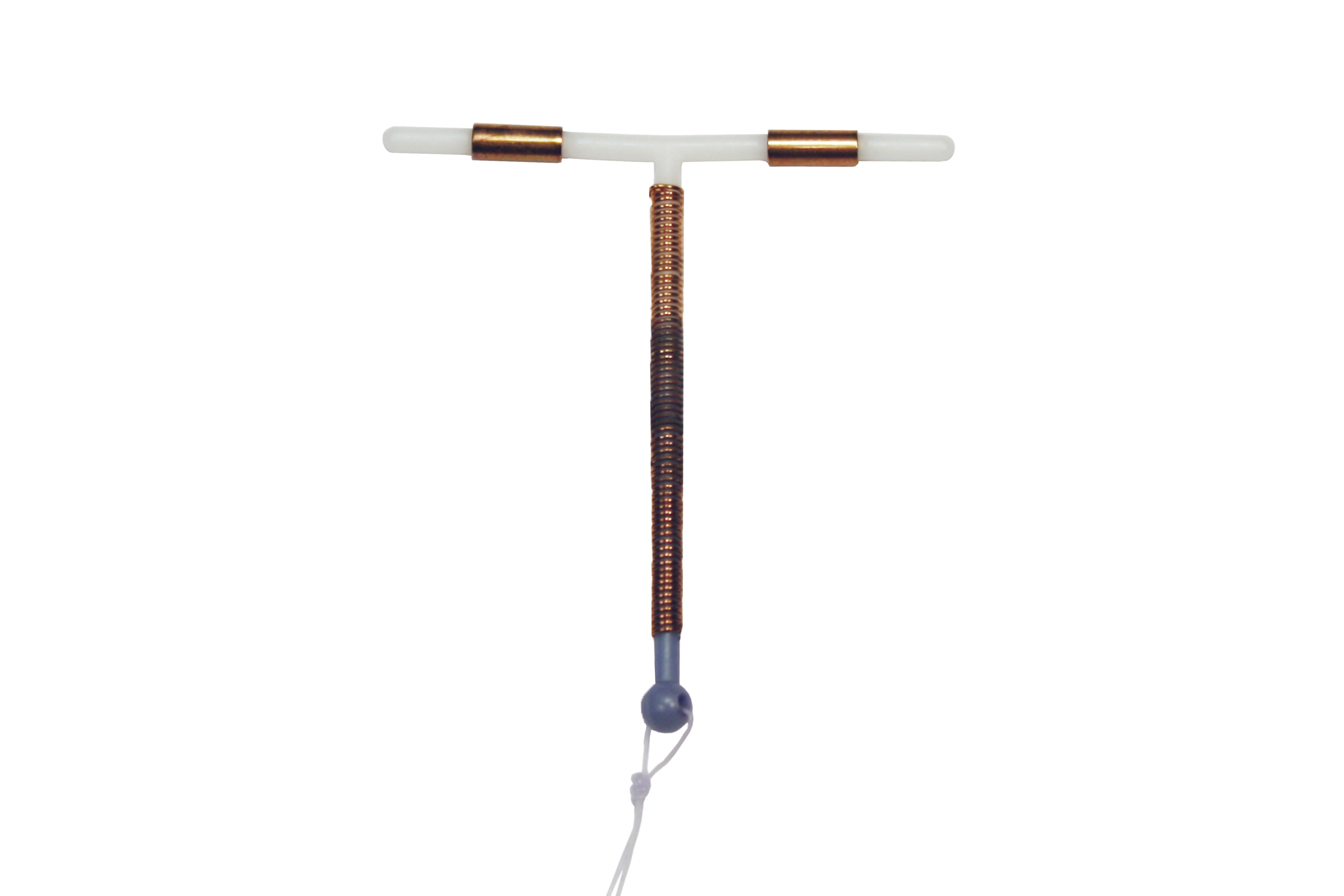
Along with implants, intrauterine devices (IUDs) fall under the category of long-acting reversible contraceptives (LARCs). IUDs are plastic T-shaped contraceptives that are inserted into the uterus by a health care provider. There are two types of IUDs available in the United States, hormonal and copper. Currently, there are two hormonal IUD’s on the market – Mirena and Skyla – and a third hormonal IUD Liletta was approved by the FDA in February 2015. While both Mirena and Skyla release progestin, Mirena releases slightly more progestin per day into the body, is slightly larger, and is effective for up to five years compared to Skyla, which is effective for up to three years. The typical use failure rate for Mirena is .2%, and .9% for Skyla.

The copper IUD is non-hormonal and goes by the brand name ParaGard. It prevents pregnancy by preventing sperm from reaching and fertilizing the egg, and possibly by preventing the egg from attaching in the uterus. It is effective for up to 10 years, has a typical use failure rate of .8% and can be used as emergency contraception up to five days after unprotected sex or contraceptive failure. All IUD’s must be removed by a health care provider in a clinic or outpatient setting. IUDs cost between $500 and $1,000 (excluding exam fees).

IUDs are typically inserted in a physician’s office or other outpatient setting. One carrier noted that IUDs can be expensive for doctors to purchase and stock in their offices. Doctors who do not stock IUDs can obtain them “on demand” from a specialty pharmacy, but this may require that women come back to the provider for a second visit.

Findings
  • Hormonal IUDs, Mirena and Skyla: Thirteen carriers cover Mirena with no RMM limitations and no cost-sharing (Table 6). One additional carrier requires prior authorization and no cost-sharing. Ten carriers cover Skyla with no RMM limitations and no cost-sharing. One additional carrier requires prior authorization and no cost-sharing. Three carriers do not cover Skyla. Ten carriers cover both hormonal IUDs, Mirena and Skyla, with no cost-sharing and no RMM limitations. Three carriers cover either Skyla or Mirena, but not both hormonal IUDs.
  • Copper IUD, ParaGard: Fourteen carriers cover ParaGard with no RMM limitations and no cost-sharing. One carrier does not cover ParaGard, which is the only non-hormonal IUD available to women.
  • Ten carriers cover all three IUDs and four carriers cover one IUD with no RMM limitations and no cost-sharing. In total, 14 carriers cover at least one IUD with no cost-sharing and no RMM limitations and we were unable to ascertain coverage from four carriers.
Table 6: Carriers Covering IUDs by Type, Cost-Sharing Requirement, and RMM Limitations
IUD CoverageMirenaSkylaParaGard
Covered with no RMM limitations and no cost-sharing131014
Covered with prior authorization and no cost-sharing11
Covered with step therapy and no cost-sharing
Covered with cost-sharing and no RMM limitations
Covered with cost-sharing unknown221
Covered with prior authorization/step therapy and cost-sharing
Not covered31
Unknown*444
NOTE: 20 carriers were reviewed. *Individuals participating in interviews were unable to respond or information was not included in plan documents.

Emergency Contraceptive Pills

Emergency Contraceptive Pills

Emergency contraception (EC) is used to prevent pregnancy after unprotected sex or contraceptive failure. There are several methods of EC that are available in the U.S. including progestin-based pills, ulipristal acetate, and copper IUDs. Unlike the copper IUD, EC pills are not intended for use as a regular contraceptive method.

The Plan B formulation (progestin-based) is also available in generic forms, known as Take Action, Next Choice One Dose, and My Way. Progestin-based EC pills are effective up to three days after unprotected sex. Take Action, Next Choice One Dose and My Way are approved for sale over the counter (OTC). There are other generic brands available, but the FDA has not approved their OTC availability and thus they remain “behind the counter” requiring the pharmacist to dispense the pills. The cost of OTC emergency contraceptive pills varies from $30 to $60.

Ulipristal acetate, marketed as ella, was approved by the FDA in 2010 for sale and use in the U.S. Ella is a single-dose pill that is effective in preventing pregnancy up to five days after unprotected intercourse, giving women a longer timeframe to prevent unintended pregnancy than Plan B. Unlike progestin-based EC, a prescription is required for ella.

Recent studies have raised questions about the effectiveness of EC pills in preventing unintended pregnancy in overweight and obese women. While these studies do not conclusively establish specific weight or body mass index (BMI) thresholds for progestin-based EC pills or ella, it is suggested that women with BMI thresholds greater than 25 take ella rather than a progestin-based formulation.16  However, the effectiveness of ella appears to diminish at BMI thresholds above 35.17 

Findings
  • ella: Eleven carriers cover ella with no RMM limitations and no cost-sharing. Six carriers cover ella, but charge cost-sharing, and two carriers do not cover ella at all
  • Plan B: Five carriers cover Plan B with no RMM limitations and no cost-sharing. Ten carriers do not cover Plan B. One of the carriers’ coverage of the Plan B varies by product line. For this carrier, Plan B is covered within the individual and Small Employer Plans available on the Marketplace with cost-sharing, but it is not covered in the large group product lines. In table 7, this carrier is included twice to indicate its separate coverage policies.
  • Generic EC pills: Nineteen carriers cover generic progestin-based EC pills with no cost-sharing. We were not able to determine the cost-sharing from plan documents for one carrier, although it appears that they cover generic EC pills. At least one carrier covers OTC purchases from a network pharmacy when the policy holder has prescription. Another carrier makes reimbursement forms available at network pharmacies for policyholders purchasing EC pills OTC, that is, it is covered if they don’t have a prescription from a clinician.
Table 7: Carriers Covering Emergency Contraception by Type, Cost-Sharing Requirement, and RMM Limitations
Emergency Contraception CoverageEllaGeneric Plan BPlan B1,2
Covered with no RMM limitations and no cost-sharing11195
Covered with prior authorization/ step therapy and no cost-sharing
Covered with cost-sharing and no RMM limitations65
Covered with cost-sharing unknown111
Covered with prior authorization/step therapy and cost-sharing
Not covered210
NOTE: 20 Carriers were reviewed.1 One carrier’s coverage varies by product line and as result the responses to this item total 21.2  Two carriers cover the one pill dose (Plan B One-Step) and not the two pill dose of Plan B.

Permanent Forms of Female Sterilization

Regardless of the setting in which it is performed, sterilization is performed by a clinician and requires ancillary services and follow-up care. There are different procedures to achieve sterilization. Surgical sterilization closes the fallopian tubes by being cut, tied, or sealed. This stops the eggs from going down to the uterus where they can be fertilized. The surgery can be done a number of ways: laparoscopic, hysteroscopic, and mini laparotomy. Essure is the first non-surgical method of sterilizing women. A thin tube is used to thread a tiny spring-like device through the vagina and uterus into each fallopian tube. The device works by causing scar tissue to form around the coil. This blocks the fallopian tubes and stops the egg and sperm from joining. Coverage of this sterilization was more complicated to ascertain than other methods.

Findings
  • We were able to confirm that 10 carriers cover female sterilization with no RMM limitations and no cost-sharing. Three carriers cover female sterilization, but cost-sharing is unknown (Table 8).
  • One carrier mentioned that cost-sharing may sometimes apply depending on how the physician bills and/or how system edits are applied. One carrier indicated that coverage is restricted to members at least 21 years of age.
  • Seven carriers’ coverage of female sterilization is unknown because the information was not included in plan documents. Sterilization is a medical benefit and the publically available plan documents related almost entirely to pharmacy benefits.
  • Carriers were asked about three female sterilization procedures: laparoscopic, hysteroscopic, and mini laparotomy. The five carriers responding to these questions cover all three procedures with no cost-sharing. One reason cited for the lack of specificity about coverage of specific procedures is that the method selected is at the discretion of the physician, meaning that any procedure performed under the category of female sterilization is covered.
  • Five carriers cover ancillary services, including anesthesia and supplies, and follow-up care with no cost-sharing. One carrier, however, does not cover these services. Of the remaining carriers, one indicates that only anesthesia and supplies require cost-sharing and another indicates that anesthesia and supplies are covered with no cost-sharing but notes that follow-up care is not a covered benefit.
Table 8: Female Sterilization Coverage by Cost-Sharing Requirement and RMM Limitations
Covered with no RMM limitations and no cost-sharing10
Covered with no RMM limitations, cost-sharing unknown3
Covered with step therapy and no cost-sharing
Covered with cost-sharing and no RMM limitations
Covered with prior authorization / step therapy and cost-sharing
Not covered
Unknown*7
NOTE: 20 carriers were reviewed. * Individuals participating in interviews were unable to respond or information was not included in plan documents.

Report: Related Coverage Issues

Process for Waiving coverage Limitations

While carriers may employ reasonable medical management techniques, the FAQs issued by the DOL specify that carriers should have a “waiver” process for patients who have a medical need for contraceptives that are otherwise subject to cost-sharing or not covered.18  The Center for Consumer Information & Insurance Oversight published the following illustration of this requirement:

For example, plans may cover a generic drug without cost-sharing and impose cost-sharing for equivalent branded drugs. However, in these instances, a plan or issuer must accommodate any individual for whom the generic drug (or a brand name drug) would be medically inappropriate, as determined by the individual’s health care provider, by having a mechanism for waiving the otherwise applicable cost-sharing for the branded or non-preferred brand version.19 

There was some confusion among the carriers interviewed about what was meant by a “waiver” of cost-sharing requirement. However, carriers identified two mechanisms by which a member can request a waiver of cost-sharing based on medical necessity. One way is for the member to request an “exception to the initial coverage decision.” This usually requires that patient’s provider submit a request demonstrating medical necessity for the contraceptive method or product that is normally not covered without cost-sharing.

The second way this is handled by carriers is through the appeals process required by the ACA. The interim final rules issued by HHS codify a member’s right to appeal a claim or coverage denial to the carrier and their right to external review. States may use the standards issued by the National Association of Insurance Commissioners (NAIC) in their external review process. Alternatively, they may utilize the HHS-administered federal external review process or contract with an accredited independent review organization to review external appeals on their behalf.20  This timing, however, may be problematic and lead to delays which are not in the best interest of standards for quality contraceptive care. Regardless of the process, the carrier’s responses to the waiver request varies, and may not result in a woman obtaining the contraceptive method of her choice without cost-sharing. For example, one carrier will charge the member the difference in cost between the brand-name and generic contraceptive.

Of concern, none of the carriers interviewed had an expedited waiver or appeal processes for emergency contraceptives other than the expedited appeal process required for all other benefits, which may not be timely enough for women seeking emergency contraceptives.

Religious Exemptions and Accommodations

Certain religious employers have a religious objection to some all or contraceptive methods and may be “exempt” from the ACA contraceptive coverage mandate. Specifically “religious employers”, primarily churches and other institutions of worship, are exempt. An exemption means that the employer does not have to include contraceptive coverage for their workers and their dependents in their health plan.

There is also an accommodation available to nonprofit religiously-affiliated organizations that object to contraceptive coverage on religious grounds. Under the accommodation, a religiously affiliated nonprofit employer does not have to contract, arrange, pay or refer their employees for contraceptive coverage. To obtain an accommodation, nonprofit employers with religious objections to contraceptives are required to provide a copy of its self-certification that it qualifies for the accommodation to its health insurance carrier or third party administrator, or notify HHS of their objection. However, the health carrier used by the nonprofit employer must provide coverage of contraceptives, at no cost, to the women and dependents covered by to the employer. The carrier is responsible for notifying the policy holders, and must provide coverage of the contraceptive methods separately. Very little is known, however, about the frequency of such requests to insurers and how insurers have responded to this requirement.

In general, the carriers we interviewed did not report difficulties in providing religious accommodation to the very few employers requesting it. All the carriers interviewed indicated that the number of employers requesting accommodation represented only a small fraction of their consumers and that they had “very few, if any” requests for the religious accommodation.

Carriers interviewed noted that they notify members of the employer’s accommodation in two primary ways. One method is to inform members, upon enrollment and in the standard annual notification of coverage, that payment for contraceptive services is provided by the carrier and excluded by their employer. Another method is to send a separate communication to members once the employer is flagged as “religiously affiliated” in the carrier’s system. One of the interviewed carriers issues a separate ID card for members to use to obtain contraceptive services.

HHS guidance suggests that the religious accommodation will be cost neutral to carriers and KFF asked carriers if they adjusted premiums as a result of the accommodation. Only one carrier indicated that they adjusted premiums for employers requesting the accommodation.

With respect to self-insured health plans, an employer can either provide a copy of its self-certification to its third party administrator (TPA) or notify HHS in writing. The TPA must then provide contraceptive services for the women in the health plan, at no cost to the women or employer. These costs can be offset by adjustments in Federally-Facilitated Marketplace user fees paid by a health insurance carrier with which the TPA has an arrangement. If the carrier does not offer exchange products, they may request that the funds are passed through a carrier that does offer exchange products. None of the interviewed carriers with self-funded products reported that they are pursuing adjustments at this time.

Well Woman Office Visits and Counseling

One of the women’s preventive services recommended by the Institute of Medicine and adopted by HRSA is the well woman visit. The HRSA guidelines specify that plans should cover an annual visit, “although HHS recognizes that several visits may be needed to obtain all necessary recommended preventive services, depending on a woman’s health status, health needs, and other risk factors.” The February 20, 2013 FAQs further clarify that, “If the clinician determines that a patient requires additional well woman visits for this purpose, then the additional visits must be provided…without cost-sharing and subject to reasonable medical management.”21 

Generally carriers that were reviewed did not place limits on the number of well woman visits with network providers and stated they will cover all visits for preventive care, without cost-sharing. For example, one carrier indicated that claims with preventive care CPT4 codes are covered as preventive when received from in-network providers. This highlights the important role of provider billing in ensuring access to contraceptive services.

One carrier indicated that well woman visits with no cost-sharing are limited to one per year, “with consideration given for additional visits.” In the document review of another carrier it is specified that that one annual visit and one additional visit are covered without cost-sharing, but no mention of how it would be handled if women required additional preventive visits.

Interestingly, a different carrier indicated that medical visits for the purpose of obtaining a prescription for an emergency contraceptive are covered without cost-sharing. All of the carriers reviewed by this study cover medical visits for contraceptives, including counseling, and consider them preventive visits and cover them without cost-sharing. Additional preventive visits later in the year (after the annual well woman visit) are also covered without cost-sharing.


Conclusion

This analysis finds that there is variation in how the ACA’s contraceptive coverage requirement is being interpreted and implemented by health plans. While most carriers are complying with the spirit of the contraceptive coverage requirement, there are some exceptions that appear to be attributable to the carriers’ interpretations of the HHS regulations. In particular, some of the plans did not differentiate between similar hormonal formulations that had different delivery mechanisms, i.e., oral contraceptives, patches and vaginal rings. Because of this variation across plans, some women may not have coverage without cost-sharing to the contraceptive method of their choice. This practice does not support the current quality guidelines for family planning issued by the CDC and the federal HHS Office of Population Affairs.

The most commonly employed RMM limitation is offering preferred coverage of generics with no cost-sharing. Of the specific contraceptives studied for which a generic is available, the EC pill Plan B and the patch, carriers are less likely to also cover the brand version. Twice as many carriers cover the generic patch Xulane with no cost-sharing and no RMM limitations compared to the brand OrthoEvra patch. Xulane first became available in 2014, so it is possible that more plans will cover the generic in 2015 and, notably, in October 2014 the distribution of the OrthoEvra patch was discontinued. In addition, 16 carriers cover generic Depo-Provera injection with no cost-sharing and no RMM, but only 6 cover the brand Depo-Provera injection. While nearly all carriers (19 carriers) cover at least one generic progestin-based emergency contraceptive pill (equivalent to Plan B) with no cost-sharing, only five cover the brand Plan B.

When a generic alternative is not available, many carriers cover all the available alternatives, but some plans don’t. For example, at the time the study was conducted there were only three brand-name IUDs approved by the FDA. Ten of the carriers in the study cover all three IUDs with no cost-sharing. One carrier does not cover ParaGard at all which is the only non-hormonal IUD available to women. Similarly, 10 carriers cover both of the brand implants Implanon and Nexplanon with no cost-sharing and no RMM limitations, but two carriers do not cover either brand of implant even with cost-sharing.

Notably, NuvaRing is not available as a generic and seven of the carriers interviewed apply RRM limitations and/or cost-sharing to the NuvaRing. Their rationale is that the chemical compounds are the same as other covered forms of contraception that are covered with no RMM limitations and no cost-sharing. Essentially, these carriers do not consider different delivery mechanisms that use the same active ingredients to constitute a separate and distinct form of FDA-approved contraceptive. This can also limit coverage without cost-sharing to implants and contraceptive patches.

The ella emergency contraceptive pill does not have a generic equivalent. Six carriers do not make ella available without cost-sharing and two carriers do not cover ella at all. We were not able to determine one carrier’s cost-sharing for ella. This is of potential concern given recent findings that ella has a longer time window of effectiveness and may be a more preferable choice than Plan B or the generic equivalents to Plan B for women with higher BMIs.

All carriers interviewed reported that IUD and implant coverage includes the office visits necessary for insertion and removal with no cost-sharing. Likewise, carriers include the office visit for injections. However, this policy was not clearly reported or documented in all plan materials. In addition, there is considerable uncertainty about the extent to which ancillary services associated with female sterilization, such as anesthesia or follow up care, would be covered with no cost-sharing.

Despite significant national attention to the availability of a religious accommodation, the carriers reported that very few employers using their plans elected the accommodation. Carriers did not identify difficulties in implementing the accommodation and none of the carriers with self-funded lines of business anticipate seeking reimbursement through a reduction in the fees they pay the Federally Facilitated Marketplace.

One of the cross-cutting findings of this analysis was how difficult it is to ascertain the limits on contraceptive coverage used by different carriers. The contraceptive coverage policies used by health insurance carriers were not easily accessible. Many carriers we approached for this project were unwilling to participate in an interview; only 9 out of 24 carriers invited agreed to be interviewed. Furthermore, the individuals that did participate in interviews, such as medical directors, pharmacy care managers, public policy executives, attorneys and others, were sometimes unable to respond to the full range of contraceptive topics addressed in this study. This information is even more opaque in many of the plan materials available to policyholders. Many of the publicly available documents do not clearly identify plan coverage rules when it comes to how different contraceptive methods are covered and the limitations of the coverage. This makes it extremely difficult, if not impossible for women in some plans to ascertain their coverage options. This also makes it difficult for women to determine coverage while comparing plans during open enrollment.

The current regulations and FAQs subsequently issued by HHS do not specifically proscribe how plans should implement this coverage and allow plans to apply their own definitions of reasonable medical management. In response to concerns registered by women experiencing both coverage denials and cost-sharing for FDA-approved methods such as the contraceptive ring and patch, the California State Legislature passed the Contraceptive Coverage Equity Act of 2014 that was signed by Governor Jerry Brown in October 2014. This new law requires plans to cover prescribed FDA-approved contraceptives without cost-sharing. The law specifies that a plan does not have to cover more than one therapeutic equivalent of a contraceptive drug, device, or product, as long as at least one is covered without cost-sharing. Contraceptives with the same chemical formulation and delivery mechanism are therapeutically equivalent. Starting in January 2016, plans in California will be required to cover the vaginal ring, patch and birth control pills even if they have the same chemical formulation, because these methods have different delivery mechanisms. While plans must cover alternative methods/products without cost sharing, when a contraceptive product that is covered by the plan is not available or is deemed medically inadvisable by the enrollee’s provider, plans may apply utilization management (e.g. step therapy or prior authorization).

For many women, the ACA’s contraceptive coverage provision has reduced their health care out-of-pocket costs and given them the opportunity to use more effective but more costly methods of contraception that had been unaffordable to them in the past. This report finds that there is variation in how insurance carriers are interpreting the guidelines for contraceptive coverage issued by HHS, and that not all FDA-approved methods may be covered without cost-sharing to women policyholders. The CDC and the Office of Population Affairs have clearly stated that offering women the full range of FDA-approved contraceptive methods is an element of high quality family planning services and emphasizes the importance of contraceptive choice in reducing women’s risk of unintended pregnancy. For many women with private insurance, this range of options is now a reality, for some however, their choice of plan may still result in limitations of their contraceptive options.

Endnotes

  1. US Department of Labor: Employee Benefits Security Administration “FAQs about Affordable Care Act Implementation Part XII” February 20, 2013. ↩︎
  2. Affordable Care Act Implementation Frequently Asked Questions (FAQs) 12, Departments of Treasury, Labor, and Health and Humans Services, February 20, 2013. ↩︎
  3. Kaiser Family Foundation and Health Research Educational Trust, 2014 Employer Health Benefits Survey. ↩︎
  4. Institute Of Medicine (“IOM”), Clinical Preventive Services for Women: Closing the Gaps, page 105 (2011). ↩︎
  5. Institute Of Medicine (“IOM”), Clinical Preventive Services for Women: Closing the Gaps, page 105 (2011). ↩︎
  6. U.S. Department of Health & Human Services, Women’s Preventive Services: Required Health Plan Coverage Guidelines. ↩︎
  7. Grandfathered plans are those that were in existence on March 23, 2010 and have stayed basically the same. If you buy coverage on your own and you first purchased your policy prior to March 23, 2010, it may be a grandfathered plan. See Kaiser Family Foundation, Health Reform FAQs, “What is a grandfathered plan? How do I know if I have one?↩︎
  8. 45 CFR § 147.130(a)(4). ↩︎
  9. US Department of Labor: Employee Benefits Security Administration “FAQs about Affordable Care Act Implementation Part XII” February 20, 2013; US Department of Labor: Employee Benefits Security Administration “FAQs about Affordable Care Act Implementation Part II” May 13, 2010. ↩︎
  10. US Department of Labor: Employee Benefits Security Administration “FAQs about Affordable Care Act Implementation Part II” May 13, 2010. ↩︎
  11. Andrews, M. Insurers Refuse to Cover some Contraceptives, Despite Health Law, NPR Shots Blog; Sonfield A. 2013. “Implementing the Federal Contraceptive Coverage Guarantee: Progress and Prospects.” Guttmacher Policy Review. 16(4). ↩︎
  12. In September 2014, California Governor Brown signed SB-1053 into law, requiring health insurance policies in California to cover all FDA-approved contraceptives drugs, devices, and products, as well as voluntary sterilization procedures, contraceptive education and counseling, and related follow-up services by 2016, with no cost-sharing. The California law limits the use of reasonable medical management, and goes beyond the Federal requirements by prohibiting non-grandfathered and Medi-Cal plans from imposing cost-sharing requirements or other restrictions or delays in provision of contraceptive benefits. This law was not effective at the time of this study. ↩︎
  13. Garner. IT Glossary- Medical Management. ↩︎
  14. Gavin L et al., 2014. Providing Quality Family Planning Services: Recommendations of CDC and the U.S. Office of Population Affairs, Morbidity and Mortality Weekly Report. 63(RR04); 1-29. ↩︎
  15. CDC, Reproductive Health – Contraception; Zieman M, Guillebaud J, Weisberg E, Shangold G, Fisher A, Creasy G. Contraceptive efficacy and cycle control with the Ortho Evra/Evra transdermal system: the analysis of pooled data. Fertility and Sterility 2002;77: S13–18. ↩︎
  16. Glasier A, Cameron ST, Blithe D, Scherrer B, Mathe H, Levy D, Gainer E, Ulmann A. Can we identify women at risk of pregnancy despite using emergency contraception? Data from randomized trials of ulipristal acetate and levonorgestrel. Contraception. 2011;84:363-7; Zhang, L., et al., Pregnancy Outcome After Levonorgestrel-only Emergency Contraception Failure: A Prospective Cohort Study, Human Reproduction, 2009; Food and Drug Administration, Prescription Drug Products; Certain Combined Oral Contraceptives for Use as Postcoital Emergency Contraception, Federal Registrar 1997; 62: 8610-2; Office of Population Research at Princeton University, Efficacy, May 2013. ↩︎
  17. Moreau C, Trussell J. Results from pooled Phase III studies of ulipristal acetate for emergency contraception. Contraception. 2012;86:673-680. ↩︎
  18. US Department of Labor: Employee Benefits Security Administration “FAQs about Affordable Care Act Implementation Part XII” February 20, 2013. ↩︎
  19. US Department of Labor: Employee Benefits Security Administration “FAQs about Affordable Care Act Implementation Part XII” February 20, 2013. ↩︎
  20. Center for Consumer Information & Insurance Oversight Affordable Care Act: Working with States to Protect Consumers, May 22, 2014. ↩︎
  21. US Department of Labor: Employee Benefits Security Administration “FAQs about Affordable Care Act Implementation Part XII” February 20, 2013. ↩︎
News Release

New Report Analyzes Health Insurance Coverage of Contraceptives

Published: Apr 16, 2015

A new Kaiser Family Foundation report released today finds how health insurance carriers are interpreting and implementing the Affordable Care Act’s contraceptive coverage requirement varies, limiting contraceptive options for some women. The ACA requires most private health insurance plans to cover a range of preventive services for women, including prescribed FDA-approved contraceptives and services without cost sharing. The report reviews how health carriers are applying medical management limitations to contraceptive coverage that affect women’s contraceptive options.

Key findings, drawn from information collected from 20 different health insurance carriers in five states (California, Georgia, Michigan, New Jersey, and Texas), include:

  • While many insurance carriers are complying with the spirit of this requirement, the study finds that several carriers require cost sharing, decline coverage, or otherwise limit coverage of certain contraceptive methods, in particular the vaginal ring, the patch and implants.
  • Almost all plans cover both a hormonal and non-hormonal IUD. Half of the carriers reviewed cover all three FDA-approved IUDs without coverage limitations or cost sharing. One carrier, however, does not cover ParaGard, which is the only non-hormonal IUD available to women.
  • Most carriers cover the progestin-based Plan B emergency contraceptive (EC) pill or its generic equivalents. However, several carriers either do not cover, place coverage limitations, or charge cost-sharing for the ella EC pill, which is a different formulation and does not have a generic equivalent. The ella pill has a longer window of effectiveness than progestin-based EC pills and may be a preferable option for women with higher BMIs.
  • Insurers reported they’ve received very few requests for an accommodation from religiously affiliated employers with an objection to some or all contraceptives. Carriers have not identified difficulties in implementing the accommodations that have been requested by employers.

The Kaiser Family Foundation and the Lewin Group conducted interviews with plan officials for nine health insurance carriers and reviewed publicly available plan documents on contraceptive coverage policies for an additional 11 carriers between August and October 2014. The study did not include oral contraceptives because of the large number of different formulations, brands and generics that are available.

The full report, Coverage of Contraceptive Services: A Review of Health Insurance Plans in Five States, is available at KFF.org. Also available soon: an archived web cast of today’s event that includes a presentation of the report’s findings and a panel discussion.

For the latest in women’s health policy, follow Kaiser Family Foundation Vice President Alina Salganicoff on Twitter, @a_salganicoff


Key Themes From Delivery System Reform Incentive Payment (DSRIP) Waivers in 4 States

Authors: Jocelyn Guyer, Naomi Shine, Robin Rudowitz, and Alexandra Gates
Published: Apr 15, 2015

Executive Summary

Introduced originally in California and followed by Texas, Massachusetts, New Jersey, Kansas and New York, “Delivery System Reform Incentive Payment” or DSRIP programs are a key feature of the dynamic and evolving Medicaid delivery system reform landscape.  DSRIP initiatives are part of broader Section 1115 Waivers and provide states with significant funding that can be used to support hospitals and other providers in changing how they provide care to Medicaid beneficiaries.  Originally, DSRIP initiatives were more narrowly focused on funding for safety net hospitals, specifically maintaining supplemental payments for safety-net hospitals.  Reflecting a growing emphasis at the Centers for Medicare & Medicaid Services (CMS) to strengthen accountability for Medicaid waiver dollars, a defining feature of these waivers is that they require providers – and, recently, states – to meet benchmarks as a condition of receiving Medicaid funds.

This analysis provides an early look at the impact of DSRIP waivers on Medicaid payment and delivery systems.  Building on an earlier brief that provides an overview of the DSRIP waivers, it relies on interviews with stakeholders to identify emerging trends and themes.  It is based on interviews conducted with state officials, providers and advocates in three states that have adopted the Medicaid expansion (California, Massachusetts, and New York) and one state that has not adopted the expansion (Texas).  While each of the four programs is different, a number of major themes emerged across the four states that highlight the opportunities and challenges with DSRIP:

DSRIP initiatives are promoting collaboration, supporting innovation, and bringing renewed attention to social services.  DSRIP initiatives are sparking new collaboration among providers, such as urban teaching hospitals and rural health care providers or primary care and mental health providers.  With the funds that they make available, providers are pursuing innovative approaches to improving care that they have been considering for years.  In addition, DSRIP waivers are increasing the focus on the role that social services play in the health of Medicaid beneficiaries, including stable housing, jobs, transportation, food, and other “non-medical” resources.  At the same time, providers are struggling with the scope and complexity of the organizational, financial and cultural change needed to implement DSRIP initiatives in some states.

It is critical but challenging to design appropriate DSRIP measures. With significant federal funding on the line in DSRIP waivers, it is vital to design measures that capture whether providers are using DSRIP funds to improve care for beneficiaries.  The effort is complicated by the vast number of DSRIP projects in some states, as well as by the inherent tension between providers wanting the flexibility to design projects that address community-specific needs (as allowed in the initial waiver approved in California) versus the need for some standardization of projects and metrics (more like the recently approved waiver in New York).  States and other stakeholders also face many of the classic issues that confront most measurement efforts, including the burden that it can impose on providers to gather and report standardized data, the risk that measures will over-incentivize providers to focus too heavily on specialized activities or populations, and that providers will employ problematic strategies to meet performance benchmarks.

DSRIP’s role in broader delivery system reform and relationship to Medicaid managed care remains unclear.  A major issue in all four states is how DSRIP fits into other efforts to transform the Medicaid delivery system.  In particular, DSRIP waivers often share many of the same goals as Medicaid managed care programs – slowing the rate of growth in spending, improving care and offering greater accountability.  DSRIP offers providers – rather than health plans – the opportunity to change the way that they provide care, but, even so, the relative roles of DSRIP-funded provider networks and managed care plans remains unclear in many instances.  New York reported the most progress in articulating the relative roles as a result of the work it has done on planning (required in the waiver) to ensure that managed care companies work more over time with the provider networks established by the DSRIP waiver.

The financing structure behind DSRIP waivers can dramatically affect how they are implemented. States typically rely on contributions from state and local public hospitals to finance their share of DSRIP payments.  Not surprisingly, this has an effect on the role that providers are expected to play in DSRIP.  For example, California currently reserves its DSRIP funds for the state’s 21 public hospital systems because they finance the non-federal share of DSRIP payments, as well as of some of the state’s other Medicaid spending.  In Texas, large public hospitals finance the bulk of the state’s share of DSRIP expenses, but, a number of other public entities including community-based mental health centers also contribute and some stakeholders believe it has increased their influence over DSRIP implementation.

The complexity and rapid pace of DSRIP implementation poses challenges to providers, advocates, and state officials. It often takes an extended period – two years for New York – to negotiate a DSRIP waiver with CMS, and once approval is secured, states typically want to implement rapidly to jump start delivery system reform and allow providers to begin earning DSRIP payments.  At the same time, the work is complex, often requiring providers to build relationships with new partners and make fundamental changes in their organizational culture and approach to the delivery of care.  The complexity and pace of change creates challenges for all stakeholders, but has proven particularly challenging for consumer advocates. They generally are enthusiastic about the role that DSRIP can play in improving care for Medicaid beneficiaries, but, already have numerous ACA issues to address and limited resources.  As a result, they struggle to keep track of and actively participate in DSRIP implementation.

Looking ahead, DSRIP waivers are becoming an increasingly important tool for driving Medicaid delivery system reform in states that have approved waivers.  However, there are a number of questions about the future of these waivers, such as concerns about the sustainability of projects implemented using DSRIP funds and the extent to which CMS will allow or even encourage other states to pursue DSRIP plans in the future and how states’ decisions on Medicaid expansion may affect future DSRIP waiver awards.

Issue Brief

Introduction and Background

States are in the midst of transforming the way they provide care to Medicaid beneficiaries, tapping tools ranging from Medicaid managed care contracts to the establishment of health homes and Accountable Care Organizations to demonstrations focused on better care coordination for individuals dually eligible for Medicaid and Medicare. Increasingly, a number of states also are employing Medicaid waivers often referred to as “Delivery System Reform Incentive Payment” or “DSRIP” waivers.  Authorized under Section 1115 of the Social Security Act, these initiatives are generally part of broader reform waivers and allow states to make payments to eligible providers supporting the state’s Medicaid delivery system reform agenda.  The payments can be used to strengthen the infrastructure needed for delivery system reform; promote new and innovative partnerships among providers; and build stronger connections between health care providers and social services agencies. Reflecting a growing emphasis at the Centers for Medicare & Medicaid Services (CMS) to strengthen accountability for Medicaid waiver dollars, a defining feature of these waivers is that they require providers – and, recently, states – to meet benchmarks as a condition of receiving Medicaid funds.

Building on an earlier brief that provided an overview of the components of DSRIP waivers, this analysis relied upon interviews with stakeholders to identify emerging trends and themes from DSRIP waivers in four states – California, Massachusetts, New York and Texas.  It highlights that DSRIP waivers are spurring major change in relationships among providers; allowing providers to launch new initiatives aimed at improving care and reducing costs; and fostering a stronger focus on the social service needs of Medicaid beneficiaries.  At the same time, the rapid pace of implementation is straining the ability of stakeholders to keep pace, including consumer advocates who are hard-pressed to track and respond to the DSRIP-driven changes that are fundamentally re-shaping the way that care is delivered to Medicaid beneficiaries.  Looking ahead, as DSRIP implementation continues and waivers come up for renewal, there will be an increasing focus on the need to ensure the long-term sustainability of the DSRIP improvements, including in states like Texas where the challenge may be even greater because of the decision not to adopt the Medicaid expansion.

Overview of DSRIP Waivers in Four States

This analysis is based on interviews with key stakeholders in California, Massachusetts, New York and Texas, including state officials, providers, consumer advocates, foundation staff and other experts. The states were selected to be geographically diverse, as well as to reflect trends emerging from some of the earliest DSRIP waivers  (e.g., California and Massachusetts) that have been in place for at least a few years, as well as waivers approved more recently (e.g., New York) that reflect CMS and states’ emerging priorities for delivery system reform.  Texas was included based on these factors, but, also to ensure that the issue brief would reflect the experiences of a DSRIP state that has not yet adopted the Medicaid expansion to low-income adults up to 138% of the federal poverty line (FPL). Interviewees were asked to provide their perspective on a range of topics, such as opportunities and challenges created by DSRIP waivers; the role of DSRIP waivers in broader delivery system reform; consumer engagement in the development of the waivers; and implications of DSRIP waivers for beneficiaries.  (For a full list of interviewees and interview questions, see Appendix A.)

To provide context for the emerging themes and trends, this section provides a brief overview of the key features of each state’s DSRIP initiative. (Table 1)

Table 1: Key Elements of DSRIP Waivers in Four States
StateWaiver TimelineEligible InstitutionsApproach to Budget NeutralityFunding (All Funds)Projects/Metrics
CaliforniaApproved:2010-2015, currently seeking renewal21 public hospital systemsRepurposed supplemental payments to hospitals$6.67 billionPublic hospitals determine own projects and must meet defined metrics
MassachusettsOriginallyapproved:2011-2014DSTI Portion Renewed:2014-20177 hospitals with high Medicaid and low commercial payer mixRelied on savings accrued from existing Medicaid 1115 waiver(2011-2014): $0.63 billion; (2014-2017): $0.69 billionHospitals must develop projects and meet metrics defined by internal work groups
New YorkApproved:2015-201925 Performing Provider Systems (PPSs) that include hospitals and community-based providersRelied on savings accrued from existing Medicaid 1115 waiver$8 billion/$6.42 billion for incentive paymentsPerforming Provider Systems must meet metrics; State also must meet statewide accountability measures; PPSs must select at least 5 projects from a list of 44
TexasApproved: 2011-2016, currently considering options to renew/extend20 Regional Healthcare Partnerships (RHPs) that include hospitals and community-based providersManaged care expansion savings and repurposed supplemental payments to hospitals$11.4 billionProviders must meet performance benchmarks; close to 1,500 projects throughout the state

California

In 2010, California was the first state to secure a DSRIP waiver, effectively establishing the basic framework for future DSRIP waivers – the distribution of funds to providers that agree to meet defined metrics and goals.  California pursued a DSRIP initiative because it was at risk of losing the authority to make critical supplemental payments to its 21 public hospital systems. The state and CMS settled on the DSRIP framework as a means for continuing the payments  to these providers while also ensuring a level of accountability for the funds. The DSRIP initiative was included in a larger Medicaid 1115 waiver, known as the “Bridge to Reform,” which was primarily used to expand Medicaid to low-income adults in advance of the January 1, 2014 requirement in the Affordable Care Act.  By including the DSRIP initiative in the Bridge to Reform, California was able to retain critical funding for the state’s public hospital systems, but, at the same time, to “jump start” the public hospitals in preparing for broader health reform implementation.

California’s $6.67 billion dollar DSRIP initiative is financed entirely by the state’s 21 public hospital systems and the federal government.  The public hospital systems make intergovernmental transfers to the state, which, in turn are used to draw down federal Medicaid matching funds.  These funds are then sent to the public hospital systems for implementing delivery system reform projects and meeting performance measures. In recognition that California’s public hospitals were at different starting points along the spectrum of delivery system reform, the waiver gave each hospital system broad flexibility to decide the nature of the projects that they would pursue and benchmarks they would attempt to meet. Unlike more recent DSRIP initiatives, it does not require these public hospitals to establish new partnerships with community clinics or social services agencies, but, the state’s public hospitals already have relatively extensive relationships with such entities and, in some instances, even operate their own Medicaid managed care plans.

On March 27, 2015, California submitted a renewal application for its Medicaid 1115 waiver, which is being renamed “Medi-Cal 2020.”  The renewal requests authority for a series of delivery system transformation and alignment programs, including a continuation of DSRIP funding for public hospital systems.  However, the proposed waiver expands the scope of DSRIP-eligible institutions to 42 safety net institutions run by health care districts (referred to as “non-designated public hospitals”).  These institutions are predominantly located in rural areas and are often the only hospitals serving their communities. The application requests a funded planning period of up to one year for these safety-net hospitals to build the infrastructure necessary to participate in the program. The delivery system transformation and alignment programs also seek to transform and improve managed care system; improve the fee-for-service system used to pay for dental and maternity care; spur workforce development; increase access to supportive services and housing; and promote regionally-based “whole-person” integrated care pilot projects.

Massachusetts

The Massachusetts DSRIP initiative – referred to as the “Delivery System Transformation Initiative” or “DSTI” within the state – has its origins in an 1115 Medicaid waiver originally approved by the federal government in the mid-1990s. The original waiver established a safety net care pool that enabled Massachusetts to dramatically expand coverage and continue supporting safety net hospitals that were significantly impacted by the growth in Medicaid membership. In more recent years, some of the funding available for safety net institutions has been incorporated into a DSRIP-type incentive payment program for selected providers implementing projects and meeting performance metrics.  In order to be potentially eligible for DSRIP payments, hospitals must have both a high share of Medicaid patients and a low share of commercially-insured patients.  As a result, seven hospitals within the state are eligible for DSRIP payments. In order to secure funding, they must develop projects, largely of their own choosing, and meet metrics established by internal work groups.

Spurred on by the passage of landmark legislation in 2012 (often referred to as “Chapter 224”) that requires significant progress on cost containment and quality improvement, the state is currently in the midst of a major push on delivery system reform and the state’s DSRIP waiver can be expected to play a significant role in those efforts.  In the fall of 2014, Massachusetts secured a $0.69 billion dollar renewal of its DSTI program, through 2017.  The state has advised CMS that it will use this time to develop a plan for linking DSRIP payments to more standardized and outcome-based measures, as well as to foster stronger linkages with community providers and make greater use of value-based purchasing.

New York

The New York DSRIP waiver has its origins in a budget crisis confronting Governor Andrew Cuomo when he first took office in January of 2011. In response, he created a Medicaid Redesign Team charged with lowering costs and improving quality.  It produced a number of initiatives that reduced the rate of growth in Medicaid spending, including through cuts to hospitals.  New York began negotiating with CMS in the spring of 2012 for an amendment to its existing Medicaid 1115 waiver. It was able to do so in large part because the existing Medicaid 1115 waiver, which was used to implement Medicaid managed care, had generated significant federal Medicaid savings, creating the opportunity for the state to “tap” those savings and reinvest them in the state’s Medicaid program.1 

Arising out of extensive negotiations with CMS, the New York DSRIP is an $8 billion 1115 waiver approved in April of 2014 that will run from 2015 through 2019.  Of this amount, $6.42 billion will be used for payments to provider networks that implement delivery system reform projects and meet accountability metrics, while the remainder is for transitional payments to critical safety net facilities and for current and new care management initiatives by the Medicaid Redesign Team.  At the heart of the waiver are “Performing Provider Systems” or “PPSs.” These newly-created partnerships of providers can receive DSRIP payments for implementing at least 5 delivery system reform projects from a list of 44 and meeting performance metrics.  By design, the 25 new PPSs are required to include a broad array of providers, not just hospitals, reflecting the strong interest in New York in moving care into community-based organizations.  To date, some PPSs have formed, and, while most are headed by hospitals, this is not a requirement and a few are headed by community-based clinics or primary care physicians.

The New York waiver is notable for including a number of new features.  First, the terms and conditions of the waiver require New York to develop a plan for integrating DSRIP initiatives into Medicaid managed care by ensuring 90 percent of managed care payments to providers use value-based methodologies.  Many stakeholders view the requirement as CMS’s effort to encourage states to find ways to integrate DSRIP-driven changes into their delivery systems on a permanent basis.  Second, New York is the first state that will be held accountable at a statewide level for ensuring that its DSRIP investments are effective.  It faces a reduction in DSRIP funding if it cannot hold per capita Medicaid spending to target levels; demonstrate that providers have met a majority of all of their project goals; and show progress toward the goal of integrating DSRIP initiatives into Medicaid managed care.

Texas

The Texas 1115 waiver was developed to allow the state to expand the managed care delivery model statewide for Medicaid and retain historical supplemental funds, known as upper payment limit (UPL) payments, to its hospitals. (As discussed in “DSRIP Waivers: An Overview,” states cannot make UPL payments to hospitals on behalf of Medicaid managed care beneficiaries. As a result, greater use of Medicaid managed care diminishes the capacity to make these payments to hospitals). The Texas 1115 waiver, approved for 2011-2016, includes two supplemental funding pools, the Uncompensated Care (UC) pool, which replaced the previous UPL program, and the DSRIP pool. The $11.4 billion dollar DSRIP pool allows DSRIP payments to providers implementing delivery system reform projects and meeting performance benchmarks.  Public entities provide intergovernmental transfers (IGTs) to the state to finance the state share of UC and DSRIP payments, much as they previously did to finance the supplemental payments the waiver replaces.

As in New York, the Texas DSRIP waiver is specifically designed to promote stronger collaborative relationships among DSRIP performing providers, including hospitals (public and private), physician groups, community mental health centers, and local health departments.  (In fact, as the Texas DSRIP initiative pre-dates the New York waiver, it is widely viewed as providing a model for some of New York’s activities.) Under the waiver, the state of Texas allocates funds to these performing providers that participate in “regional healthcare partnerships,” or “RHPs,” which, in turn, must have a regional plan to identify and address community needs, and create and implement proposed projects. Each partnership includes one or more public entities – including local public hospital districts, academic health science centers, community mental health centers, counties and others – that can make an intergovernmental transfer to the state, allowing performing providers to draw down federal Medicaid matching funds for DSRIP payments.  In total, there are 20 RHPs covering the 254 counties in Texas and each selects projects from a menu of project options, with a minimum number of projects in each region related to  Infrastructure Development and Innovation/Redesign.  There are close to 1500 projects that are implemented by over 300 performing providers throughout the state, many of which focus on behavioral healthcare, access to primary care, and chronic care management and helping patients with complex needs navigate the health care system.  The primary target populations for projects include Medicaid beneficiaries and low-income uninsured individuals.

Notably, Texas secured its DSRIP waiver before the Supreme Court ruling on the Affordable Care Act made it optional for states to adopt the Medicaid expansion to adults below 138 percent of the FPL.  As a result, CMS did not address in Texas whether it will require states to cover low-income adults before making available federal Medicaid matching funds for investments in delivery system reform.  The issue, however, is likely to arise in the near future. In Florida, CMS officials already have advised the state that it cannot continue “in its present form” a nearly $2 billion uncompensated care fund for hospitals.  The uncompensated care pool is not a DSRIP initiative, but, the debate over its future may offer some insight into how CMS will approach Texas and other non-expansion states seeking to secure a new DSRIP waiver.

Key Findings

While DSRIP waivers vary based on how long they have been in effect, specific goals and objectives, eligible providers, projects and organization and financing, a number of common themes and early “lessons learned” emerged from stakeholder interviews.  Overall, DSRIP is spurring major change in the way that providers serve Medicaid beneficiaries.

1.  DSRIP is Changing the way Care is Delivered by promoting collaboration, supporting innovation, and focusing on social services.

In Texas and New York, the DSRIP waivers have unleashed a range of new collaborative partnerships, spurring what one stakeholder characterized as “never-before-had” conversations among providers.  The DSRIP waivers are clearly changing the dynamic among providers, promoting new relationships, and breaking down traditional silos between behavioral health and physical health providers, large hospitals and community clinics, and more. In Texas, for example, the DSRIP waiver has fostered new relationships between large urban teaching hospitals and rural health care providers, allowing rural residents to receive care in their own communities for complex conditions.  For example, in Childress, TX, a small town of 6,000 mostly low-income residents, the DSRIP waiver sparked a new relationship between the community’s small rural hospital (Childress Regional Medical Center) and one of the state’s teaching hospitals in Lubbock, TX (University Medical Center).  With the assistance of UMC, the Childress Regional Medical Center was able to establish an on-site chemotherapy option for cancer patients who previously had been required to routinely travel over 100 miles for such care.

In New York, the state placed coordinated networks of providers (Preferred Provider Systems or PPSs) at the heart of its DSRIP waiver, reflecting the belief that delivery system reform will occur only if hospitals work together with community-based partners to change the way that care is delivered.  State leaders repeatedly emphasize the importance of collaboration when describing DSRIP.  Perhaps more importantly, New York has developed an algorithm for distributing DSRIP funds that rewards PPSs for contracting with community-based providers serving large numbers of Medicaid beneficiaries.  As a result of the strong focus on collaborations, New York providers have spent significant amounts of time building partnerships with one another and finding ways to strengthen their joint efforts.

At the same time, the changing provider relationships inspired by DSRIP also raise new challenges.  Some interviewees, for example, pointed out that it is challenging for providers to figure out how to collaborate for purposes of serving Medicaid beneficiaries, while continuing to compete against each other for Medicare and private-pay patients.  Others raised the concern that the new partnerships could prove anti-competitive and, indeed, commercial managed care companies in New York have filed a lawsuit against the state charging that the new performing provider systems are anti-competitive.  Some interviewees view hospitals as continuing to hold too much power within the integrated delivery networks set up in New York, in particular, muting the effectiveness of DSRIP as a tool for promoting more community-based care.  Finally, a number of consumer advocates expressed concern that new partnerships could increase existing financial incentives for providers to refer patients to one another even when it is not necessarily in their patients’ best interest.  Although these issues are a feature of any delivery system reform effort, it is clear that they are likely to continue to arise in the DSRIP context as providers wrestle with the complex organizational, financial and cultural issues raised by their changing relationship to one another.

DSRIP is allowing providers to try out innovative approaches to improving care that they have been considering for years, or, in some instances to take innovative pilot projects and implement them broadly.  The significant funding opportunity created by DSRIP has been enough to “fracture routine,” as one interviewee put it, and promote cultural and environmental change in the way that care is delivered to Medicaid beneficiaries. For example, in Texas one project helps to train paramedics as community health workers.  They help “frequent flyers” avoid unnecessary ER visits by checking in with them regularly, helping them fill prescriptions, getting groceries, and offering companionship to socially isolated individuals.

DSRIP waivers are bringing renewed attention to the importance of the social issues confronting Medicaid beneficiaries, but, some stakeholders remain disappointed.  States are using DSRIP waivers to revisit the question of the role that Medicaid can and should play in providing people with social services that directly affect their health, including stable housing, jobs, transportation, food, and other “non-medical” resources.  In New York, performing provider systems are explicitly given the choice of implementing a DSRIP a project aimed at ensuring that people have supportive housing.  The state also has invested significant state dollars outside of its DSRIP waiver in housing stock to ensure that a better supply of appropriate housing is available.  In Texas, some DSRIP performing providers have used DSRIP funds to install refrigerators in homeless shelters so that people can get access to insulin without having to visit a clinic.  The California DSRIP waiver has increased the extent to which the public hospital systems focus on coordination with social services agencies and county-level welfare offices. In its renewal application, California is seeking to go even further by providing funding for housing-based care management strategies, as well for respite care, housing subsidies, and other supportive services.

At the same time, some stakeholders expressed concern about the depth of the commitment to connecting Medicaid beneficiaries to social services.  In some instances, states reported that they were interested in pursuing more aggressive connections to social services, but, that CMS imposed constraints.  In New York, for example, stakeholders noted that the final terms and conditions of the state’s DSRIP waiver imposes a five percent cap on the share of DSRIP funds that can go to non-Medicaid providers, creating a limit on the DSRIP funds that can go to community-based organizations with arguably the strongest ability to connect people to social services (though they could also potentially be funded indirectly at higher levels if a provider that is in a PPS network decides to share some of the DSRIP dollars with them).  On a related note, some stakeholders were concerned that there is no obligation for the PPSs to contract with social service agencies, and they may be relatively weak partners as a result.

2.  It is critical, but Challenging to design appropriate measures of the impact of DSRIP

The issue of how to measure the progress of providers in meeting DSRIP goals is a major source of debate and discussion in states with DSRIP waivers. With significant federal Medicaid funding on the line in DSRIP waivers, CMS is pushing states to adopt robust, meaningful measures and metrics that capture whether providers and states are making meaningful changes that improve care for beneficiaries and slow the rate of growth in spending.  Indeed, these are the primary tool that CMS has to hold providers and states accountable for the Medicaid funds they are investing in delivery system reform.  As a result, it is not surprising that a number of state officials reported that it took months to negotiate their DSRIP measures with CMS.  In turn, providers (particularly smaller providers) frequently raise concerns about the level of resources and time associated with pulling and reporting the data needed for measurement.  On the other hand, stakeholders across the board pointed out that it will be difficult to establish the worth of DSRIP waivers and to explain what they have accomplished in the absence of strong, clear data.

At a more granular level, the four states ran into many of the classic issues that confront any effort to measure performance, including whether the measures can be implemented; the risk that measures will incentivize providers to focus on what is being measured (rather than what most needs to be done); and the prospect that providers will employ problematic strategies to meet performance benchmarks.  For example, some stakeholders in New York pointed out that the decision to condition the continued flow of DSRIP funds on reductions in avoidable hospitalizations could create incentives for providers to reclassify their hospitalizations.  Others expressed concern that critical measures were missing from DSRIP initiatives, such as measures aimed at addressing disparities and at the quality of care provided to children.  Some providers felt that measures inappropriately held them responsible for the care of individuals not subject to DSRIP intervention (e.g., one Texas provider noted that it must report data on all diabetics that it treats, not just those that are the beneficiaries of its DSRIP-funded program for super-utilizers).  Finally, California has faced issues because all of the public hospital systems have met the performance metric that they established for themselves, suggesting to some that the standards should be more rigorous.

A major tension in DSRIP waivers is how much to standardize the projects and related measures versus allowing providers to develop their own projects within general parameters.  The chance to allow individual hospitals and/or provider systems to select projects within broad parameters helps to ensure that the projects are connected with each local community’s needs and priorities.  However, a plethora of projects can make it difficult to measure and explain the impact of DSRIP funding, as well as increase the challenge that states face in overseeing and implementing DSRIP waivers.  California stakeholders, in particular, noted that because each public hospital system has developed an individualized implementation plan, it is hard to tell a statewide story of how much DSRIP has accomplished, as well as to assess the impact of the projects in advancing the state’s broader vision for delivery system reform.  In Texas,  a large state with over 300 DSRIP performing providers, and CMS requirements for a cap on the maximum valuation of projects,   resulted in close to 1,500 DSRIP projects, making it difficult to evaluate and quantify the effect of DSRIP funds.

3.  DSRIP’s Role in broader delivery system reform and Medicaid managed care remains Unclear

A major issue in all four states is how their DSRIP initiatives relate to other efforts to transform the delivery system for Medicaid. DSRIP is distinguished by its focus on helping hospitals and their provider partners – as opposed to issuers or other parties – prepare for and implement Medicaid delivery system reform.  And, DSRIP waivers often are embedded in or closely connected to broader initiatives aimed at delivery system reform.  In Massachusetts, for example, the state’s renewal of its DSRIP pool was negotiated as the state was in the midst of implementing broad efforts to contain costs and improve quality in light of the enactment of Chapter 224, landmark legislation to reform the state’s delivery system. The DSRIP pool plays the role of helping several of the state’s major safety net institutions prepare for more value-based purchasing in Medicaid, but it is far from the state’s only delivery system reform initiative.  California’s DSRIP program also is aimed at strengthening the ability of the state’s public hospital systems to treat Medicaid beneficiaries, but the state has sought to connect DSRIP with related initiatives, such as its Medicaid quality strategy.  In its renewal application, California places even greater emphasis on coordinating and strengthening its various initiatives to transform the delivery system and has outlined a more detailed plan for building connections among them.

Of particular interest to stakeholders is the question of how DSRIP waivers relate to a state’s Medicaid managed care program.  In general, the DSRIP projects that providers are undertaking are designed to slow the rate of growth in Medicaid spending; improve quality; and promote greater accountability for the care of Medicaid beneficiaries.  Medicaid managed care also is designed to promote these same objectives, raising the question of the relationship between a state’s Medicaid managed care program and its DSRIP initiative.

The New York DSRIP waiver comes closest to tackling the issue directly – the waiver requires the state to develop a plan for incorporating DSRIP into its approach to Medicaid managed care contracting.  By April 15, 2015, the state must submit the plan to CMS and it cannot receive federal Medicaid matching funds for managed care payments for state fiscal year 2015 until the plan has been approved. At a minimum, the plan will address how the state will ensure that 90 percent of managed care payments to providers are made using value-based payment methodologies; how it will modify rates to reflect changes in the cost of care attributable to DSRIP; and how it will ensure that Medicaid managed care plans are pursuing and reporting on DSRIP objectives and metrics.  In Texas, some stakeholders suggested that the state is likely to identify promising practices emerging from DSRIP projects, and eventually to consider integrating them into its Medicaid managed care contracting process (although, unlike New York, it is not required to do so under its waiver).

Ultimately, the DSRIP waivers could end up strengthening a state’s Medicaid managed care program by offering MCOs a larger pool of more sophisticated providers with which to contract and manage care.  On the other hand, there is a risk of redundancy as managed care organizations and providers both work toward building stronger networks of care that can provide integrated, cost-effective, high-quality services.

4.  The Financing structure underpinning DSRIP Waivers Can Dramatically Affect How they Are used

DSRIP initiatives are heavily influenced by how they are financed.  As described in the background section on each of the four states, the original impetus behind the DSRIP waivers was a state desire to hold onto or maximize federal Medicaid matching funds for payments to providers. And, the more hospitals or certain hospitals (e.g. public hospitals) finance the non-federal share of the Medicaid DSRIP funding, the more DSRIP funds are allocated to these providers. Although they have become a surprisingly important driver of change, DSRIP waivers and the way that they are being operationalized continue to reflect the financing incentives that underlie them.

For example, California’s decision to focus its DSRIP payments on the state’s 21 public hospital systems (which some stakeholders suggest might be revisited at renewal) reflects the reality that these integrated systems finance the state share of DSRIP payments and even additional payments to the state’s other hospitals through intergovernmental transfers and/or certified public expenditures. In New York, where some public hospitals are responsible for financing the state share of DSRIP payments, some stakeholders raised the concern that the implementation of the waiver is being affected by the need to ensure that these public hospitals receive a significant share of the available DSRIP funds. In Texas, stakeholders noted that the ability for community-based mental health centers to finance a portion of the state share created relationships between primary care providers and mental health centers and increased the influence of mental health centers on DSRIP implementation.

5.  Complexity and Rapid implementation of DSRIP programs pose challenges to providers, advocates, and state officials.

A number of stakeholders reported concern about the rapid pace of DSRIP implementation given the complexity of delivery system reform.  Once states secure approval for their DSRIP initiatives, they typically feel enormous pressure to implement quickly in order to start the flow of DSRIP funds to providers.  In New York, for example, the state’s DSRIP waiver took over two years to negotiate, but, since approval, providers have been expected to work rapidly to build integrated delivery networks and create DSRIP implementation plans.  The work is complex, requiring providers to build relationships with new partners and create a single, unified delivery system; establish a governance structure; and develop a methodology for distributing DSRIP funds among participating providers.  As a result, it can be difficult for consumer advocates, beneficiaries and others who sit outside of the process in New York and other DSRIP states to provide input.  Several stakeholders across the four states also raised that it is difficult to achieve the cultural and environmental change that is needed to make DSRIP work when rushed – such change relies on carefully and thoughtfully engaging the leadership of provider organizations and changing the way that the people on the front lines of delivering care do their jobs.

Most consumer stakeholders are enthusiastic about their state’s DSRIP waiver, but struggle to keep track of what is happening and remain concerned about whether beneficiaries’ interests are well-represented.   Since Medicaid beneficiaries are disproportionately affected by multiple chronic conditions and behavioral health issues, consumer advocates are particularly appreciative of DSRIP-driven efforts to improve care coordination; integrate physical and behavioral health; and connect people to social services.    On the other hand, they struggled to track what was happening with their state’s DSRIP waiver. They have been occupied with implementation of the Affordable Care Act and find it difficult to monitor and respond to the complex and often voluminous details of DSRIP implementation. One notable exception was Massachusetts, which has a robust consumer advocacy community and a high-profile delivery system reform agenda. A broad array of stakeholders noted that consumer advocates were able to consistently track and provide productive insights into DSRIP developments in Massachusetts.  While advocates in California were focused on the broader coverage provisions in the Bridge to Reform Waiver, it appears as though consumer advocates will be more focused on the DSRIP issues as the California waiver goes through the renewal process.

Beyond the process and timing issues, consumer advocates also raised concerns about the extent to which beneficiaries are aware of the changes going on around them.  Specifically, in both Massachusetts and New York, the issue was raised that consumers do not necessarily know when they are part of a network of providers and so may be unaware of any financial incentives that a provider might have to refer within the integrated delivery network. (Although it should be noted that a number of other stakeholders pointed out that this is an issue not unique to DSRIP initiatives.) On the other hand, a few stakeholders argued that improvements should be happening “behind-the-scenes,” out of the eye of consumers who will benefit from improved care without needing to follow the details of the changes.  Consumer advocates also were concerned that community-based organizations were not getting enough funding, as well as that consumer advocates were being asked by providers and states to provide a consumer perspective on DSRIP, without the resources to track and develop positions on waiver developments.

Looking Ahead

In all four of the states reviewed for this analysis, major questions are arising about the sustainability of DSRIP initiatives.  The challenge is exacerbated by the reality that DSRIP initiatives often are replacing supplemental payments to hospitals, and, the providers receiving them do not view them as short-term transitional help.  At the same time, Medicaid 1115 waivers are intended to be demonstrations, not to become permanent fixtures of a state’s Medicaid program, and CMS increasingly is pressing states to articulate their plans for what will happen when their DSRIP waivers expire. One emerging approach to sustainability is apparent in New York’s DSRIP waiver, which requires the state to develop and implement a plan for ensuring that 90 percent of managed care payments to providers eventually are made using value-based payment methodologies.  In effect, the state and CMS appear to be envisioning that Medicaid managed care plans will play a key role in continuing the progress initiated by DSRIP waivers.

There currently are DSRIP waivers in 7 states, and an open question is the extent to which CMS will allow or even encourage other states to pursue them.  It is unlikely that Congress will take action on Medicaid and delivery system reform in the near future, which means that states and the Administration have a strong incentive to use existing tools, such as the 1115 waiver authority, to pursue delivery system reform.  On the other hand, 1115 waivers are a relatively cumbersome tool for adopting change; they are time-intensive to negotiate and must be budget neutral to the federal government.  To date, all states with DSRIP waivers have recycled supplement payments to hospitals or, as in New York, “tapped” savings from an existing waiver to finance their DSRIP initiatives.  If it wants to allow more states to pursue DSRIP waivers, CMS will need to work with states to identify additional ways to establish and ensure the budget neutrality of DSRIP waivers even if they do not happen to have savings from an earlier Medicaid 1115 waiver or supplemental payments that can be re-configured as DSRIP funding.

For states that have not yet adopted the Medicaid expansion, a key question will be whether CMS will grant them a DSRIP waiver even though they have elected not to provide care to many low-income adults.  In Texas, the one non-expansion state in this analysis, most stakeholders agreed that the decision not to expand has left a coverage gap that makes it significantly harder to engage in delivery system reform.  It is far more challenging to coordinate and improve the care of uninsured individuals, and the lack of coverage for many Texans means that providers must divert energy and resources away from delivery system reform and toward providing uncompensated care.  Moreover, while many Texas providers have pushed hard for the state to expand coverage, a number of stakeholders noted that they might have been even more aggressive in their expansion advocacy if DSRIP funds were no longer available.  At the same time, the DSRIP waiver has brought about important and beneficial changes in the way that many providers deliver care.  Florida, which faces similar issues with respect to its low-income pool, may offer early insight into the likely future of DSRIP in states that have not expanded Medicaid.  If it fails to secure renewal of its low-income pool, it is a clear sign that Texas and other similarly-situated states may find it difficult to continue their DSRIP initiatives in the absence of a Medicaid expansion.

Conclusion

Based on the four states investigated for this analysis, it is clear that DSRIP waivers are becoming an increasingly important tool for driving Medicaid delivery system reform.  They have spurred major change, often surprising even the state officials who designed them in the extent to which they have broken down silos among providers and unleashed new initiatives.  The waivers have prompted sweeping changes in relationships among providers, as well as played a role in changing the way that care is provided to individuals with specific conditions; increased coordination of care; promoted integration of physical and behavioral health services; and deepened coordination between health care providers and social services organizations.  At the same time, because the waivers can include a range of projects carried out by multiple providers (or provider networks), it is difficult to accurately assess the impact of DSRIP waivers on states’ delivery system and to quantify and explain the role that they play. This complexity and the rapid pace of implementation also has made it challenging for consumer advocates to track and respond to changes brought about by DSRIP waivers, even though they have the potential to fundamentally re-make the way that care is provided to low-income Medicaid beneficiaries.

Looking ahead, there are a number of open questions about the future of DSRIP waivers, including the fundamental issue of whether CMS will allow or even encourage more states to use DSRIP waivers as a tool for delivery system reform.  States such as Alabama, Illinois and New Hampshire have recently submitted DSRIP waiver applications, but, CMS has not yet provided a public response.  The issue may prove particularly challenging to resolve in non-expansion states where the coverage gap makes it more difficult to reform the delivery system.  CMS, states and other stakeholders will continue to face questions about how to track and evaluate the impact of the DSRIP waiver; how to integrate the waiver with Medicaid managed care and other delivery system reform efforts; how to ensure the long-term sustainability of DSRIP initiatives; and how to ensure that consumer advocates have the resources with which to track and respond to DSRIP developments.  Regardless of how these issues are resolved, DSRIP waivers are likely to become an increasingly important part of the delivery system reform landscape for Medicaid beneficiaries in the months and years ahead.

This brief was prepared by Jocelyn Guyer and Naomi Shine from Manatt Health and Robin Rudowitz and Alexandra Gates from the Kaiser Family Foundation.  The authors would like to thank all of those interviewed for this study.

Appendix

Appendix A: List of Expert Interviewees and Interview Guide


California:

Toby Douglas, Mari Cantwell, Neal Kohatsu, California Department of Health Care Services (November 17, 2014)Peter Harbage, Harbage Consulting (November 13, 2014)Erica Murray, California Public Hospital Association (November 24, 2014)

Massachusetts:

Amanda Cassel Kraft, Laxmi Tierney, Taya Mashburn, MassHealth (December 12, 2014)Brian Rosman, Health Care For All (November 12, 2014)

New York:

Jason Helgerson, New York State Department of Health (November 14, 2014)Andy Cohen and Chad Shearer, United Hospital Fund (October 23, 2014)Elisabeth Benjamin, Community Service Society of New York (October 28, 2014)Melinda Dutton and Patricia Boozang, Manatt Health (November 3, 2014)

Texas:

Lisa Kirsch and Ardas Khalsa, Texas Health and Human Services Commission (December 11. 2014)Melissa Rowan, Texas Council of Community Centers (December 1, 2014)Anne Dunkelberg, Center for Public Policy Priorities (December 2, 2014)Maureen Milligan, Teaching Hospitals of Texas (December 10, 2014)

High Level Questions

  1. What are the strengths of your State’s DSRIP waiver?
  2. What are the weaknesses?
  3. What are the biggest challenges and barriers related to implementation of your DSRIP program/to delivery system and payment transformation?
  4. What would you tell CMS or others States to do differently in future DSRIP waivers?
  5. How does the DSRIP initiative relate to other delivery system reforms in your State?

For State Officials

  1. Why did your State pursue DSRIP?
  2. What was your role in the design and/or implementation of your State’s DSRIP waiver?
  3. What are the key features of your State’s DSRIP waiver? What distinguishes your initiative from other States’?
  4. How did your State approach transparency and opportunities for public input? Were these activities focused at the State level, the provider level, or both?
  5. What are the two or three top goals your waiver is meant to achieve?
  6. How did you decide which providers could receive DSRIP funding?
  7. How is funding tied to waiver goals and how are funds allocated across providers?
  8. What are some of the key metrics to demonstrate progress in meeting goals? Are there some DSRIP projects or initiatives that have proven to be more successful than others and why?
  9. What oversight and evaluation processes do you have in place to measure progress in meeting goals? Do you think the evaluation/oversight mechanisms, from a State perspective, are sufficient?
    • What has been the experience in providers meeting metrics?
  1. How does your DSRIP waiver relate to the current delivery system infrastructure and other delivery system reforms (i.e., managed care, pay for performance, SIM grants, etc.)?
  2. What are the biggest challenges you’ve faced implementing DSRIP (operationally, administratively, etc.)?
  3. How do you see the DSRIP waiver playing out over the next 5 years?
  4. Do you think this model is sustainable in the long run? What changes would you make for a renewal?
  5. What can you say about how DSRIP is affecting outcome measures (i.e., population health, clinical improvements, access to primary care, etc.)?
  6. What is the effect of the Affordable Care Act and the Medicaid expansion on DSRIP?

Financing

  1. What are the allowable uses of DSRIP funding in your state?
  2. How do you control how DSRIP money is spent?
  3. How does DSRIP fit in to the aggregate budget neutrality calculations for the waiver? What challenges arose in establishing budget neutrality? How are you ensuring budget neutrality over the course of the waiver?
  4. What did you use as State matching funds?
  5. What have been the financial implications of implementing DSRIP in your State?

For Providers

  1. Please tell us a little about your organization—how big are you, who are your key patient populations, what is your service area?
  2. Please tell us about your participation in your State’s DSRIP waiver:
    • Are you leading an application, or partnering with a leading hospital? What were the criteria for participation in your State’s waiver?
    • What governance structures are in place between the different partners in your program? How closely are you working together on program planning and implementation?
    • What are the goals and focus areas of your DSRIP program?
    • How many enrollees do you expect it will reach?
    • How much funding are you expecting to get or have you received?
    • How far along are you in planning and/or implementation?
    • What are the major metrics being used to evaluate your program’s performance? How are those metrics tied to DSRIP funding?
  1. Are there specific DSRIP initiatives or projects that have proved to be more successful than others?
  2. What actions were necessary to implement DSRIP (i.e. new systems, staff training, new staff, coordination across stakeholders, etc.)?
  3. What have been the major challenges and opportunities with DSRIP?
  4. How do you think your practice will be impacted when DSRIP funding ends? How are you preparing for this?
  5. What is the effect of the ACA and the Medicaid expansion on DSRIP?

For Advocates

  1. What are the implications for beneficiaries regarding DSRIP waivers in your State?
  2. What opportunities have you had to participate in the decision-making process concerning implementation?
  3. From a beneficiary’s perspective, what are areas that are working well and what could be changed to make DSRIP work better?
  4. How do you see DSRIP connecting with other delivery system reforms in your state?
  5. What additional tools do you think advocates need to ensure DSRIP waivers help beneficiaries? How much access and how easy to understand are the reports on meeting various metrics?
  6. What is the effect of the ACA and the Medicaid expansion on DSRIP?

For Texas Stakeholders

  1. How does the DSRIP waiver intersect with Texas’s decision to not expand Medicaid?
  2.  How do you think this decision will play out in the long run?

Endnotes

  1. Under the budget neutrality rules for Medicaid 1115 waivers, states and the CMS agree upon a u201cwithout waiveru201d baseline that represents the amount a state would have spent on Medicaid in the absence of the waiver.u00a0 The state is then allowed to receive federal Medicaid matching funds for amounts up to the without waiver baseline level, including for activities that otherwise would not be matchable but for the Medicaid 1115 waiver.u00a0 If a stateu2019s actual spending comes in below the without waiver baseline, it may be allowed to u201cbanku201d those savings and potentially use them to finance activities for future Medicaid 1115 waivers.nu00a0nu00a0nu00a0nu00a0nu00a0nu00a0nu00a0nu00a0nu00a0nu00a0 ↩︎

Medicare and Medicaid at 50

Published: Apr 14, 2015

With Medicare and Medicaid turning 50 this year, the Kaiser Family Foundation produced an updated video that provides a brief history of both programs, including an examination of the health care, social and political landscapes that gave rise to them, the significant ways each program has evolved over five decades and the important roles they play in the U.S. health care system today.  The video includes archival footage, as well as commentary and perspective from policymakers, government officials and experts.

The Ryan White Program and Insurance Purchasing in the ACA Era: An Early Look at Five States

Published: Apr 14, 2015

Executive Summary

The Ryan White Program, enacted in 1990, is the nation’s safety net program for HIV care and treatment and serves about half a million people with the disease in the United States. The federal government has authorized the use of Ryan White funds for purchasing health insurance on behalf of clients since the enactment of the program and using funds this way has increased over time. While insurance purchasing has always been a permissible use of Ryan White funds, its role has become both more important and more complex with the implementation of the Affordable Care Act (ACA), as many more people with HIV have become newly eligible for insurance coverage. How Ryan White grantees at the state and local levels elect to move forward with insurance purchasing in the ACA era has key implications for the program and for the clients it serves.

This brief discusses the historic role the Ryan White Program has played in helping clients purchase insurance coverage and provides an early look how grantees have elected to use Ryan White funds and ready systems for insurance purchasing in the ACA era, in five states – California, Florida, Georgia, New York, and Texas. The focus of this brief is on the first open enrollment period (lasting from October 2013 through April 2014) and on insurance purchasing activities conducted through the health insurance marketplaces for qualified health plans (QHPs). The findings of this brief are based on stakeholder interviews, focus groups with HIV positive individuals, and reviews of federal, state, and local documents.

Key findings from the state studies include:

  • Most insurance purchasing in the Ryan White Program occurs through AIDS Drug Assistance Programs (ADAPs), a component of the state (Part B) program. ADAPs approached the first open enrollment period with different degrees of insurance purchasing experience and this often paralleled the degree to which they were prepared to offer insurance purchasing through the marketplaces. Among the states in this analysis, two ADAPs moved ahead with larger scale insurance purchasing programs (California and New York), two (Florida and Georgia) operated small-scale or pilot programs, and one (Texas) did not pursue an insurance purchasing program that could support QHP coverage.
  • All ADAPs examined here, including those more proactively pursuing QHP premium assistance, faced challenges. For those embracing QHP premium support, stakeholders described technical and/or process issues related to leveraging existing systems – which in some cases needed to be updated – for larger scale enrollment and challenges in orchestrating third party payments.
  • In the states that less aggressively pursued QHP insurance purchasing, stakeholders explained that challenges ran deeper and were often related to operating programs in states that were, overall, resistant to ACA implementation. As a result, stakeholders in these states reported that ADAPs were unable to sufficiently prepare for client enrollment through the marketplaces, were only able to conduct limited insurance purchasing, or, in the case of one state, were not able to start a QHP insurance purchasing program altogether.
  • States also varied in their ability to assist with cost-sharing assistance beyond premiums. While one state was able to provide complete cost-sharing assistance, other states provided only limited support beyond paying premiums. Stakeholders worried that without full cost-sharing assistance, clients would find insurance expenses unaffordable and may not be able to maintain their coverage, jeopardizing their care and treatment.
  • Part As, often by funding AIDS Service Organizations (ASOs), frequently stepped in to fill gaps in coverage and assist with costs not met through ADAP program insurance purchasing. This included covering premiums in states whose ADAPs had no or limited QHP insurance purchasing programs, helping with cost-sharing not supported by ADAPs, and preventing gaps in care and treatment during bumpy enrollment processes or coverage transitions. In some cases additional support was obtained through private foundations and pharmaceutical assistance programs.
  • The ADAPs that had the most limited QHP insurance purchasing programs in this study operated in states that did not expand Medicaid. Conversely, the states that embraced premium support for QHPs through their ADAP programs early on also expanded Medicaid, offering clients more robust coverage options.
  • The federal government encouraged Ryan White Program grantees to “vigorously pursue” client enrollment into available coverage, including QHPs. While this directive was clear to some grantees and helped to underpin efforts to enroll clients in QHPs with insurance purchasing assistance, others found the directive difficult to interpret. Some stakeholders trying to operate programs in states that were more resistant to ACA implementation overall reported a conflict between what was being asked of them by the federal government with regard to enrollment under the Ryan White Program and state-level decisions opposing to ACA implementation which lead to limited insurance purchasing opportunities.

Issue Brief: Introduction

First enacted in 1990, the Ryan White Program – the largest federal grant program designed specifically for people with HIV – has grown to become a critical part of the HIV health care delivery system in the U.S., providing care, treatment, and support services to more than half a million low-income people with HIV each year.1  The program is administered by the Health Resource Services Administration’s (HRSA) HIV/AIDS Bureau (HAB) and functions as a safety net, filling in gaps in care for people with HIV. The Ryan White Program is a “payer of last resort,” meaning that whenever possible, services must first be reimbursed by other available payers (e.g., public or private health insurance) before Ryan White funds can be used.

Ryan White funds primarily pay for medical and support services and for the direct cost of medications for those who are uninsured or underinsured. Additionally, the federal government has authorized the use of program funds to assist clients in purchasing new health insurance or continuing existing insurance coverage, which includes paying for premiums, deductibles, co-payments, and co-insurance (see Table 1).  Using funds this way, compared to directly purchasing care and medications, can provide clients with more comprehensive health coverage than they might have been able to obtain on their own and has been shown to be cost effective for the program compared to the cost of directly purchasing medications.2 

Table 1: Key Insurance Terms
Insurance TermDefinition
PremiumThe amount owed to an issuer (health insurance company) on a monthly basis to keep a policy active, typically paid by an individual or a third party, such as an employer or the Ryan White Program.
DeductibleThe set dollar amount an individual enrolled in a plan must pay before the health plan starts to pay for services. Depending on the plan, an issuer may pay for certain services before meeting the deductible. Deductibles are sometimes covered by a third party, such as the Ryan White Program.
Co-paymentA fixed amount an individual enrolled in a health plan pays “out-of-pocket” toward the cost of a covered health service such as a doctor’s visit, laboratory test, hospital visit, or a prescription drug. These may vary by type of service. Co-payments are sometimes covered by a third party, such as the Ryan White Program.
Co-insuranceA fixed percentage of the total cost of a health service, such as a doctor visit, laboratory test, hospital visit, or a prescription drug that an individual enrolled in a health plan pays “out-of-pocket” towards that service. Co-insurance is sometimes covered by a third party, such as the Ryan White Program.

While insurance purchasing, also referred to as premium assistance or premium support, has been a permissible use of Ryan White funds since the program’s inception, its role has become both more important and more complex with the implementation of the Affordable Care Act (ACA). Because of the ACA, tens of thousands of people with HIV have new insurance options, with some accessing insurance coverage for the first time. Therefore, Ryan White grantees and sub-grantees – states, territories, cities, providers, and other organizations providing services to people with HIV (collectively referred to as AIDS Service Organizations or ASOs in this brief) – have new opportunities to assist clients with the costs of private health insurance. In fact, federal policy guidance has encouraged Ryan White grantees to provide this assistance where appropriate.3 

While some Ryan White grantees have substantial experience using their funds for premium assistance, others are newer to this arena. Moreover, because the ACA has made significant changes to the health care environments in all states, even grantees with experience in insurance purchasing are facing new challenges and decisions. How Ryan White grantees at the state and local levels elect to move forward with insurance purchasing in the ACA era has key implications for the program and for clients’ access to coverage.

As such, it is important to examine the decisions around insurance purchasing that Ryan White grantees are making in the ACA era. Doing so will help provide an understanding of the various ways insurance purchasing programs are being implemented and allow for analysis of how these programs impact insurance coverage and ultimately health outcomes for people with HIV. This policy brief provides an early look at the insurance purchasing experiences of Ryan White-funded entities in five states – California, Florida, Georgia, New York, and Texas – during the first open enrollment period (October 2013 through April 2014). While Ryan White can assist with insurance purchasing and cost-sharing related to both public and private insurance, this report examines private insurance purchased through the health insurance marketplaces established under the ACA.

The report is based on interviews with more than 60 stakeholders across the five states (7-12 per state) 10 focus groups conducted with people with HIV (two per state), and a review of federal, state, and other documents. Stakeholders held a range of public and private positions in fields related to HIV service delivery and policy development. Interviews and focus groups were conducted between March and September of 2014, so may not reflect more recent decisions made within states with respect to insurance purchasing, particularly those occurring during subsequent open enrollment periods. In addition, the experiences of these five states and of those interviewed are not meant to be representative of all states or all people living with HIV.

Issue Brief: Background

Insurance Purchasing Under Ryan White Pre-ACA

The federal government has authorized the use of Ryan White funds to assist with insurance purchasing since the program was first enacted in 1990. While most parts of the Ryan White Program are authorized to use funds for this purpose (Parts A, B, C, and D)4 , the primary source of Ryan White funding for insurance purchasing is the AIDS Drug Assistance Program (ADAP), a component of Part B funding which is provided by the federal governments directly to states to help pay for HIV care and treatment services (states may also contribute their own funds for services).

ADAP was initially created to directly purchase HIV medications for infected individuals and this is still its dominant function in most states. Insurance purchasing, however, has grown rapidly over time given its cost-effectiveness and ability to provide clients with more comprehensive care (covering services not provided through Ryan White, such as non-HIV drugs, emergency room visits, and hospital stays), compared with purchasing medications directly. Insurance purchasing under ADAP has grown from supporting coverage for 6% of ADAP clients nationwide in 2003 to 35% in 2013.5 

Over time, Ryan White reauthorizations and policy guidance have put greater emphasis on grantees’ ability to use Ryan White funds to help clients obtain insurance coverage. Policy notices have clarified aspects of the law related to insurance purchasing, emphasized the permissibility of this function, and to provided implementation guidance to grantees (see Tables 2 and 3). For example, while the initial authorization of The Program and subsequent guidance focused on insurance continuation (assisting clients in maintaining existing coverage), later policies specified that funds could also be used for purchasing new coverage (emphasized in notice 99-01 and explicitly affirmed in the 2006 reauthorization legislation). Further, the 2006 reauthorization of the program stipulated that 75% of grant awards must be spent on “core medical services,” identifying insurance purchasing as one such service.

Table 2: Law & Policies Related to Use of Ryan White Funds for Insurance Purchasing
PolicySignificance
Ryan White Comprehensive AIDS Resources Emergency Act of 1990First authorizes the Ryan White Program. Sections 2612(a)(3) and 2615(a) permit Title II program funds (funding provided to states, now called Part B) to be used for “maintaining a continuity of health insurance” and ensuring  eligible individuals receive “medical benefits under a health insurance program.” Further, Sec. 2616(a) and (c)(4) specify that “a state may use [their]…grant…to establish a program…to provide treatments that have been determined to prolong life or prevent the serious deterioration of health arising from HIV” and that the state shall “facilitate access to treatment for such individuals.”
Ryan White CARE Act Amendments of 1996First reauthorization of the Ryan White Program. Given advances in HIV antiretroviral therapy, Sec. 2616(a) is modified to permit states to “establish a program…to provide therapeutics to treat HIV disease or prevent the serious deterioration of health arising from HIV disease”…and the state shall “facilitate access to treatment for such individuals.”
HRSA HIV/AIDS Bureau (HAB) Program Policy Notice 97-01 (1997)Policy clarifies eligibility for services provided by Ryan White. It states that funds awarded under Title I and II (now called Parts A and B) are permitted to cover the cost of continuing family health insurance, including for non-infected individuals, to ensure coverage continuation of a family member with HIV. Along with 97-02, this policy gives explicit permission to use Ryan White funds for insurance continuation to Title I (Part A grantees, in addition to Title II (Part B) grantees (as stipulated in legislation). (Later replaced by DSS Program Policy Guidance No. 1, June 2000 and later included in Policy Notice 10-02)
HRSA HAB Program Policy Notice 97-02 (1997)Permits Title I and II (now called Pars A and B) grantees to cover the cost “of public or private health insurance co-payments and deductibles for low-income individuals.” Policy states that grantees must “make reasonable efforts to secure other funding…whenever possible” and that “aggressively and consistently” pursuing other payment sources is an appropriate use of funds.” Along with 97-01, this policy gives explicit permission to use Ryan White funds for insurance continuation to Title I (Part A) grantees (in addition to Title II grantees as stipulated in legislation). (Later replaced by DSS Program Policy Guidance No. 2, June 2000 and later included in Policy Notice 10-02)
HRSA HAB Policy 99-01 (1999):The Use of Title II AIDS Drug Assistance Program (ADAP)Funds to Purchase Health InsurancePolicy states that ADAP funds may be used to assist with insurance costs (e.g. premiums, co-payments, and deductibles). It also makes clear that funds may be used for both purchasing new and continuing existing insurance, and lays out specific guidelines for using ADAP funds this way, including through a cost effectiveness requirement. (Available at: ftp://ftp.hrsa.gov/HAB/ADAPTitleII.pdf) (Later replaced by HRSA HAB Policy Notice 7-05, 2007)
Ryan White CARE Act Amendments of 2000Second reauthorization of the Ryan White Program. Sec. 2616 (e)(1)(a) codifies policy 99-01 in statute, making clear in the law that ADAP funds can be used to assist with both insurance purchasing and continuation, stating that funds may be used “to provide the therapeutics described…by paying on behalf of individuals with HIV disease the costs of purchasing or maintaining health insurance…whose coverage includes a full range of such therapeutics and appropriate primary care services.” Includes the requirement that insurance coverage must be cost effective compared to the direct purchase of drugs.
Ryan White Treatment Modernization Act of 2006Third reauthorization of the Ryan White Program. Requires Part A, B, and C grantees to “use not less than 75% [of grant award] to provide core medical services” and identifies “health insurance premium and cost sharing assistance” as one such core service (see Sections 2604(c), 2612 (b), and 2651(c)). This reauthorization marked the first time Part C grantees were given explicit permission in legislation to provide premium and cost-sharing support.
Ryan White HIV/AIDS Treatment Extension Act of 2009Fourth reauthorization of the Ryan White Program. No changes made to insurance purchasing authority.
HRSA HAB Policy Notice 10-02 (Reissued 2010):Eligible Individuals & Allowable Uses of Funds for Discretely Defined Categories of ServicesReplaces DSS Program Policy Guidances No. 1 and No. 2 (were previously issued as policies 97-01 and 97-02). Consolidates policies and updates to reflect technical changes in 2006 reauthorization and extends authority to Part C grantees. Policy states that funds through Parts A, B, and C may be used for insurance premiums (and related cost-sharing such as co-payments and deductibles) and that such expenses are an allowable service category and are a core medical service. States that funds may be used to cover the cost of continuing family health insurance, including for non-infected individuals, to ensure coverage continuation of a family member with HIV. In reference to the payer of last resort requirement, policy states “grantees must assure that funded providers make reasonable efforts to secure non-Ryan White HIV/AIDS Program funds whenever possible.”
*Unless otherwise noted, legislation and current policies can be found at http://hab.hrsa.gov/manageyourgrant/policiesletters.html and http://hab.hrsa.gov/abouthab/legislation.html

The Affordable Care Act & Insurance Purchasing Under Ryan White

The Patient Protection and Affordable Care Act (ACA), signed into law by President Obama in 2010, provided for comprehensive health reform, expanding health insurance options – among other provisions – for millions of people in the U.S., including tens of thousands of people with HIV. The most significant coverage expansions began in 2014, when individuals were able to obtain subsidized coverage by enrolling in Qualified Health Plans (QHPs), private insurance sold through state and federally-run health insurance marketplaces. In addition, Medicaid coverage in states that chose to expand their programs was extended to eligible adults up to 138% of the federal poverty level (FPL).6  These developments, coupled with other key provisions of the ACA, including an end to pre-existing condition exclusions, prohibition on insurance rate setting tied to health status, and a ban on annual and lifetime caps on coverage, meant that many more uninsured and underinsured people with HIV, including Ryan White clients, would have access to more comprehensive health insurance.

Beginning in 2013, HRSA issued guidance through a series of policy notices to help clarify requirements and expectations related to enrollment in these new forms of coverage. Guidance discussed the use of Ryan White funds in the context of the ACA, both generally and specifically related to insurance purchasing through the new health insurance marketplaces (see Table 3). Since, as a payer of last resort, Ryan White funds cannot be used for services when “payment has been made or can reasonably be expected to be made” by another payer, it was expected that grantees would help ensure that clients enrolled in the new forms of coverage for which they were eligible.7  Policy notices 13-01 and 13-04 addressed the need for grantees to secure non-Ryan White funds wherever possible, including by enrolling eligible clients in Medicaid and marketplace plans, noting that grantees should “vigorously pursue” enrollment. In addition, guidance moved beyond simply permitting grantees to use funds for insurance purchasing. HRSA now “strongly encouraged” grantees “to use RWHAP [Ryan White HIV/AIDS Program] funds to help clients purchase and maintain health insurance coverage, if cost-effective and in accordance with…policy.”8 

Table 3: Law & Policies Related to Use of Ryan White Funds for Insurance Purchasing and the Affordable Care Act
PolicySignificance
HRSA HAB Policy Clarification Notice 13-01 (Revised 12/13):Clarifications Regarding Medicaid-Eligible Clients and Coverage of Services by the Ryan White HIV/AIDS ProgramReiterates that grantees are expected to secure non-program funds for services whenever possible and enroll clients in available coverage options including, Medicaid, specifically applying this policy to the Medicaid expansion population through the ACA.  If a client is currently enrolled in private coverage with premium assistance, the client may remain in that coverage only if it is more cost-effective. Ryan White can cover the cost of services not covered or partially covered by Medicaid. This is a revised policy.
HRSA HAB Policy Clarification Notice 13-04 (Revised 9/13): Clarifications Regarding Clients Eligible for PrivateHealth Insurance and Coverage of Services by Ryan White HIV/AIDS ProgramSpecific to the ACA, lays out the expectation that grantees will “vigorously pursue” enrollment of eligible clients into eligible coverage, including into marketplace plans (QHPs) and includes broad documentation requirements.  Policy states that “grantees are strongly encouraged to use [program]…funds to help clients purchase and maintain health insurance coverage, if cost-effective…” This is a revised policy.
HRSA HAB Policy Clarification Notice 13-05 (Revised 6/14):Clarifications Regarding Use of Ryan White  HIV/AIDS Program Funds for Premium and Cost-Sharing Assistance for Private Health InsuranceReiterates HAB policy regarding use of funds to assist with purchasing private insurance. In addition to addressing Part A, B, and C grantees, policy also extends authority to purchase insurance to Part D grantees. Specifically considers the role the ACA will have on insurance options for people with HIV and lays out specific conditions plans must meet before Ryan White funds can be used for insurance purchasing, including cost-effectiveness and that any policy purchased covers at minimum “one drug in each class of core antiretroviral therapeutics from the HHS” HIV Treatment Guidelines, along with appropriate primary care services. A previously issued version of this policy included a more stringent formulary requirement. This is a revised policy.
HRSA HAB Policy Clarification Notice 13-06 (Revised 6/14):Clarifications Regarding Use of Ryan White  HIV/AIDS Program Funds for Premium and Cost-Sharing Assistance MedicaidReiterates HAB policy regarding use of funds to assist with costs associated with Medicaid plans. In addition to addressing Part A, B, and C grantees, policy also extends authority to purchase insurance to Part D grantees. Specifically considers the role the ACA will have on insurance options for people with HIV and lays out specific conditions plans must meet before Ryan White funds can be used for insurance purchasing, including cost-effectiveness and that any policy purchased covers at minimum “one drug in each class of core antiretroviral therapeutics from the HHS” HIV Treatment Guidelines, along with appropriate primary care services. A previously issued version of this policy included a more stringent formulary requirement. This is a revised policy.
CMS Interim Final Rule “Patient Protection and Affordable Care Act; Third Party Payment of Qualified Health Plan Premiums.” CMS–9943–IFC.  (March 2014)In wake of legal challenge, requires qualified health plan (QHP) issuers to accept premium and/or cost-sharing payments made by the Ryan White Program (and other federal, state, and tribal programs) on behalf of enrollees (i.e. 3rd party payments). (Available at:https://www.federalregister.gov/articles/2014/03/19/2014-06031/patient-protection-and-affordable-care-act-third-party-payment-of-qualified-health-plan-premiums)
HRSA HAB Policy Clarification Notice 14-01 (2014):Clarifications Regarding the Ryan White HIV/AIDS Program and Reconciliation of Advance Premium Tax Credits under the Affordable Care ActBuilds on policy 13-05, states that clients between 100%-400% of the Federal Poverty Level (FPL) and enrolled in QHPs with premium support may be eligible for premium tax credits. Explains that grantees should relay to clients covered with premium support the importance of accurately reporting income and that grantees must have procedures in place to recoup tax credits paid back to clients in cases of over payment of premiums (if premiums were paid for by the program). It also announced a public comment period (closed Aug. 2014) to consider allowing programs to pay funds back to IRS on client’s behalf, if original tax credit was overestimated and premium underpaid.
* Unless otherwise noted, policies can be found at: http://hab.hrsa.gov/manageyourgrant/policiesletters.html

In addition to the guidance released by HRSA, the Centers for Medicare and Medicaid Services (CMS), which has promulgated private insurance regulations under the ACA, released an interim final rule requiring QHP issuers to accept premium and cost-sharing payments made by the Ryan White Program, and other entities, on behalf of enrollees, also known as third party payments.9  This rule was issued in response to a lawsuit in Louisiana in which an issuer in that state refused to accept premium payments from the Ryan White Program made on behalf of enrollees. While the issuer stipulated the intent of their policy was to prevent fraud, advocacy groups filed the lawsuit against the issuer claiming that the policy served to deter those with HIV from enrolling in the company’s marketplace plans and as such violated non-discrimination provisions in the ACA.10 11  The interim final rule served to settle the lawsuit.

Given the new insurance opportunities provided by the ACA, the guidance from HRSA encouraging grantees to pursue new coverage options, and the payer of last resort requirement, most grantees are working to help ensure Ryan White clients enroll in coverage for which they qualify, including in the private market.12  In particular, many ADAPs worked to ready their systems to assist with marketplace insurance purchasing for the 2013-2014 open enrollment period.13  While the majority of ADAPs had some form of insurance purchasing infrastructure in advance of the ACA, states needed to decide if they would use their existing systems to purchase QHPs, and, if so, if those systems had the capacity. Data from the National Alliance of State and Territorial AIDS Directors (NASTAD) indicates that, as of June 2014, most states had moved to use ADAP funds to assist with QHP coverage, enrolling at least 16,000 ADAP clients into QHPs in the 2013-2014 open enrollment season.14   Only six states (Texas, Alabama, Mississippi, Idaho, Pennsylvania, and North Carolina) had not done so, though, most were planning to do so in the future. Additionally, Florida was operating a pilot insurance purchasing program for a limited number of clients (details included in the Florida case study, see Appendix).15 

Issue Brief: Findings

To provide a closer look at how grantees have elected to use Ryan White funds and ready systems for insurance purchasing in the ACA era, this analysis explores the early experiences of five states – California, Florida, Georgia, New York, and Texas – during the first open enrollment period (October 2013 through April 2014). The analysis focuses on ADAP activities related to the purchase of QHPs through the health insurance marketplaces. In addition, insurance purchasing that occurred at local levels is also explored, particularly when it supplemented ADAPs’ provision of insurance assistance to clients. Local level insurance purchasing occurs in many cases when Part As (Ryan White funded urban areas with a high burden of HIV/AIDS) award funding to ASOs (sub-grantees of the program) to assist with this support.

The states examined here were chosen for several reasons. First, together, they account for half of all people living with an HIV diagnosis in the United States (see Table 4).16  Similarly, about half of all Ryan White clients live in these five states (see Table 4). Second, each state has made different decisions regarding ACA implementation. Two of the states, California and New York, expanded their Medicaid programs and established their own state-based insurance marketplaces where residents can shop for private coverage. The other three states – Florida, Georgia and Texas – have not expanded their Medicaid programs and are relying on the federal insurance marketplace. Lastly, the ADAPs in these states had varying experiences with insurance purchasing prior to the ACA. While ADAPs in California and New York had substantial insurance purchasing experience prior to the ACA, programs were more limited in Florida, Georgia and Texas.

Table 4: Case Study States: Select Characteristics and Status of Insurance Purchasing in the First Open Enrollment Season
StateMedicaid Expansion Decision1Type of Marketplace2No. of People with an HIV Diagnosis3No. of Ryan White Clients Served4Ryan White  Clients <100% FPL4Percent UninsuredRyan White Clients4ADAP QHP Insurance PurchasingPart A QHP Insurance Purchasing*
CaliforniaYesState117,81458,17764%27%YesYes
FloridaNoFederal98,65055,32562%32%PilotYes
GeorgiaNoFederal39,10220,68369%48%YesYes
New YorkYesState129,37975,00166%15%YesNo
TexasNoFederal72,01036,50270%38%NoYes
United States912,308536,21967%28%
SOURCES: 1KFF State Health Facts: State Decisions on Health Insurance Marketplaces and the Medicaid Expansion; 2KFF State Health Facts: Health Insurance Marketplace Types; 3CDC. (2015) HIV Surveillance Report Vol. 25, Diagnoses of HIV Infection in the United States and Dependent Areas, 2013 (US total does not include dependent areas); 4HRSA HAB. Ryan White HIV/AIDS Program 2012 State Profiles; *Not all Part As in state necessarily participating.

Cross-cutting observations related to state approaches to insurance purchasing are discussed below. Detailed analyses of approaches to insurance purchasing in the first open enrollment period for the five states can be found in the Appendix.

Prior Insurance Purchasing Experience Facilitated ACA Era Arrangements, But Challenges Persist

State ADAPs varied significantly in the degree to which they participated in insurance purchasing in advance of the ACA and this often paralleled the degree to which they were prepared to offer insurance purchasing through the marketplaces. For instance, ADAPs in California and New York had relatively robust insurance purchasing infrastructures in advance of the ACA and were capable of working with private insurance. These programs were able to better align processes with the new ACA era coverage opportunities and enroll clients in QHPs though their existing infrastructures.

However, enrolling clients was not without challenges for California and New York. In particular, stakeholders in both states cited challenges pertaining to technical or process issues encountered when enrolling clients. Navigating relationships with insurance companies who had had limited experience with ADAP as a third-party payer was also sometimes difficult. For instance, both states faced challenges meeting initial premium due dates. Sometimes the challenge was obtaining bills from clients, creating accounts in their own systems, and getting payments out the door to issuers in time. In other cases, challenges surfaced related to accurately attributing ADAP payments to client policies with the issuer.

In both states, but especially in California, these challenges sometimes led to significant delays in the enrollment and payment for clients. In California, some clients were dis-enrolled from coverage due to long delays in getting payments to issuers. Additionally, in California, clients and other stakeholders reported that, in some cases, clients needed to front premium payments for several months before ADAP insurance assistance became effective. Some believed these delays resulted because the systems in place to handle premium payments were “out-of-date” and “manual.” Stakeholder described a state infrastructure in need of updating in order to handle the surge of new enrollees. In New York, stakeholders described some similar process problems as those in California, although they seemed to occur to a lesser degree and stakeholders appeared to more quickly identify solutions when facing a barrier, such as re-enrolling clients that were dropped from coverage.

Florida and Georgia ADAPs had less experience with insurance purchasing compared with California and New York, so had less robust infrastructures from which to build upon going into open enrollment. Coming into the first open enrollment season, the insurance purchasing experience of these ADAPs was mostly limited to coordinating payments with Medicare Part D, COBRA and the state Pre-Existing Condition Insurance Plan (PCIP).17  Therefore, they were less experienced with the private insurance market. While both attempted to get some QHP insurance purchasing off the ground, systems were not prepared to engage all clients at the beginning of the open enrollment period. In addition, it was not clear to stakeholders at the outset if or how the ADAPs would handle QHP purchasing, which made it challenging for Part As and local ASOs to prepare to assist in insurance purchasing and enrollment.

Stakeholders also described concerns regarding the contractors needed to run insurance purchasing systems. In Georgia, it took several months to iron out negotiations with their Pharmacy Benefits Manager (PBM), delaying the roll out of premium support. In Florida, stakeholders were unsure the third party organization assigned to assist with premium payments in the past could handle the increased capacity if a surge of new clients enrolled into QHPs.

However, by the end of the first open enrollment period in 2014, both states were operating small or pilot QHP insurance purchasing systems for a limited number of clients. According to stakeholders in both states, the enrollees consisted primarily of clients who were previously being served by insurance purchasing through PCIP and COBRA plans and, for the most part, were not those who were previously uninsured. During the first enrollment season, Florida enrolled about 60 clients, almost all of whom had previous coverage, and Georgia enrolled 200-300 clients, 190 of whom had previously been served through the state PCIP. Stakeholders in both states reported planning was underway to expand programs to provide more QHP premium and enrollment assistance in 2015.

The Texas ADAP had a very limited insurance purchasing program in advance of 2014, which was largely focused on assisting Medicare beneficiaries. Unlike the other four states examined, Texas was unable enroll clients into QHPs with insurance purchasing support. While lack of prior insurance purchasing experience was certainly the case in Texas, stakeholders also highlighted that the ADAP was not given the necessary authority at the state level to assist clients with enrollment in such coverage (discussed in more depth below).

State-Level Approaches to ACA Implementation Impacted the Scope of QHP Insurance Purchasing

While prior insurance purchasing arrangements impacted an ADAPs’ ability to move ahead with QHP purchasing, stakeholders also cited state political atmospheres around ACA implementation as an important factor. According to stakeholders in Florida, Georgia, and Texas, state ADAPs had difficulty operationalizing insurance purchasing through the marketplaces in part due to opposition to ACA implementation at levels of the state government above that of the ADAP office. Stakeholders in a range of positions in all three states spoke of informal “gag orders“ that made it challenging for state employees to engage in activities that could be perceived as helping to implement ACA or drive enrollment. While Florida and Georgia were ultimately able to move forward with insurance purchasing in the first open enrollment period to some extent, stakeholders across both states explained that it was challenge to ready systems for even small scale enrollment within atmosphere opposed to ACA-related activities. In Texas, the resistance to ACA implementation was felt most sharply. Stakeholders explained that larger state decisions surrounding ACA implementation prevented the ADAP from leveraging funds to assist with insurance premiums and that the ADAP was not permitted to facilitate any enrollment through the health insurance marketplace.

While stakeholders in these states commented that ADAP programs recognized the benefits of enrolling clients into QHPs with premium support, efforts in states with environments resistant to ACA implementation focused on getting programs off the ground, rather than addressing new system readiness issues, as was the case in California and New York. Indeed, conversations with stakeholders in Florida, Georgia, and Texas were starkly different than those in California and New York. ADAPs in the latter two states could pursue coverage options available under the law openly, with support of other state offices, and communicate their plans with the clients and community members without constraint.

Cost-Sharing Assistance Beyond Premium Support Varied by State

Stakeholders explained that for people with HIV, access to cost-sharing assistance can play an important role in helping clients meet out-of-pocket obligations associated with insurance, which can be significant. Stakeholders were especially concerned with costs related to prescription medications and deductibles and believed that access to cost-sharing assistance could ultimately determine whether an individual remains covered and stays engaged in care and treatment. In the states examined, ADAPs differed in their ability to offer cost-sharing assistance beyond premium support, including for deductibles, co-payments, and co-insurance. While enrollees receive some protection as a result of the annual out-of-pocket limit under the ACA ($6,350 in 2014), paying out-of-pocket to reach that limit could be challenging for Ryan White clients, many of whom live on limited incomes.18  During the first open enrollment period:

  • New York’s ADAP offered full cost-sharing assistance to those enrolled in their insurance purchasing program and, of these five states examined, was the only ADAP to do so (e.g. for deductibles and co-payments and co-insurance for laboratory tests, provider visits, and prescription drugs).
  • California’s ADAP offered support for a limited number of costs, including those associated with HIV drugs (such as co-payments and co-insurance), and has plans to expand this assistance in 2016.
  • Georgia‘s ADAP program was not able to offer cost-sharing assistance in 2014 but worked closely with the Atlanta Region Part A, which was able to step in and assist with these costs for some (see below for more detail). Additionally, the ADAP has plans to include cost-sharing assistance as part of their program in the future.
  • Florida’s pilot ADAP insurance purchasing program offered partial cost-sharing assistance for HIV medications (such as co-insurance, and co-payments) to the limited number of enrollees in the program.
  • Texas did not provide cost-sharing assistance (the state ADAP did not offer premium support).

States Sought Alternative Options When ADAPs Faced Challenges Providing Premium and Cost-sharing Assistance

In some cases where ADAPs have played a less active role in providing premium support or cost-sharing assistance, and in cases where there have been challenges implementing premium support, other Ryan White grantees and sub-grantees, such as Ryan White Part As, ASOs, and external entities, have stepped in to provide assistance.

In California, Florida, Georgia, and Texas, some Part A programs worked to help fill in gaps.19  In Florida, the Miami-Dade Part A helped some clients pay premiums when it was unclear if the ADAP would establish an insurance purchasing program. Similarly, in Texas, the Dallas and Harris County Part As helped clients gain QHP coverage when it became clear to stakeholders that premium assistance would not be available through the ADAP. In Georgia, the Fulton County Part A, which includes about 80 percent of the state’s Ryan White population, contributed to the pool of ADAP funds set aside for insurance purchasing and was also helping with some cost-sharing not available through ADAP. In California, the Orange County Part A stepped in to help clients with premiums as a stop-gap measure while third party payment delays were resolved with ADAP.

Part As often worked in collaboration with local ASOs to deliver these premium and cost-sharing support services. Some ASOs have historically used Part A funds to deliver premium assistance, although in the past, this assistance has primarily supported those with COBRA, PCIP or employer coverage. In the ACA era some ASOs also used these funds to support QHP coverage. For instance, one Dallas ASO that has been providing premium support for clients for over 20 years using Part A funding began providing premium support for QHPs from the start of the first open-enrollment.

Some Part As, however, found determining cost-effectiveness, which is a HRSA requirement, challenging and were anxious about their ability to assist with these costs. ADAPs could demonstrate cost-effectiveness fairly easily by comparing the cost of paying for prescription drugs directly to purchasing insurance and providing cost-sharing support, which often provided an overall cost-savings to the program. As Part As do not pay for prescription drugs (which is an ADAP function), some worried about being able to demonstrate cost-effectiveness as clearly. In addition, noting the variability across plans and between enrollees, some Part As and funded ASOs found it difficult to estimate out-of-pocket costs and know how many clients they would be able serve at the beginning of the first open enrollment with their limited funds before plan benefit designs were understood and utilization patterns established.

Pharmaceutical assistance programs (PAPs) sponsored by pharmaceutical companies and other non-Ryan White entities were also tapped to help clients meet out-of-pocket obligations, such as deductibles, co-insurance, and co-payments.  For instance, one such program, the Patient Access Network (PAN) Foundation, had assisted 2,500 people with HIV with premiums and other cost-sharing across the country as of June 2014.20 

Lastly, Stakeholders and clients reported that case managers played an important role in helping clients navigate access to these various insurance purchasing and assistance opportunities both within and outside of ADAP.

Among These States, Insurance Purchasing Programs Were Less Robust in States Not Expanding Medicaid Programs

As a safety-net provider Ryan White plays a particularly important role in maintaining clients in HIV care and treatment. Stakeholders described that this is especially true in states not expanding their Medicaid programs. QHP premium assistance can potentially offer clients access to comprehensive health insurance coverage, helping to meet both their HIV and non-HIV care needs. This could be especially important for those low-income clients in non-expansion states without access to Medicaid. However, in the states examined in this study, those in non-expansion states (Florida, Georgia, and Texas) who might most benefit from marketplace coverage with premium assistance, in many cases had the most limited access, at least via ADAP programs during the first year of marketplace coverage.21  Conversely, those states in this study that had the most robust QHP premium assistance programs enrollment also expanded their Medicaid programs (California and New York).

For Some Stakeholders the “Vigorously Pursue” Policy Supported Insurance Purchasing, but for Others it Posed Challenges

HRSA encouraged grantees to “use RWHAP [Ryan White HIV/AIDS Program] funds to help clients purchase and maintain health insurance coverage, if cost-effective…”22  and to “vigorously pursue” enrollment into available coverage, including private insurance, in order to meet the payer of last resort requirement. As a result, grantees looked to premium assistance to facilitate access to QHP coverage through the health insurance marketplaces. While some grantees and sub-grantees found it very difficult to interpret HRSA’s guidance to “vigorously pursue” client enrollment into QHPs, others assumed that nothing had changed in terms of their grant requirements and noted that HRSA was reiterating past policy. The push to “vigorously pursue” coverage may have helped encourage some grantees to engage more actively in premium support, particularly for grantees that felt comfortable with this requirement and who lived in states actively implementing the ACA.

For those that had more difficulty with the directive, which in this case happened to be those in states with an overall environment that was resistant to ACA implementation, stakeholders felt they were receiving conflicting instructions. On the one hand, stakeholders explained that grantees wanted to comply with the HRSA requirement, but on the other hand they explained grantees felt unable to move forward given the inability to launch a widespread insurance purchasing effort due to resistance to ACA implementation at the state-level. More broadly, several stakeholders discussed experiencing significant confusion while trying to figure out what it meant to define and document vigorous pursuit of enrollment. Some felt they were unable to gain clarity in conversations with federal officials. While HRSA has since provided greater detail on the policy, many grantees and sub-grantees felt that additional and uniform guidance on meeting and documenting this requirement would have been useful during the first open enrollment period.23 

Issue Brief: Conclusion

As a result of health insurance reforms under the ACA, along with the payer of last resort provision, it has become increasingly common for ADAPs and other Ryan White grantees to use program funds to provide insurance premium assistance to support client enrollment into QHPs. This brief provided a look at early experiences with QHP insurance purchasing during the first open enrollment period in five states, focusing on QHP purchasing within ADAP. The states observed here each had past experience with insurance purchasing, but not all states were able to translate that experience into supporting QHP coverage during the first open enrollment under the ACA. It appeared that those ADAPs with the most insurance purchasing experience were better able to translate that experience into insurance purchasing of QHPs. In addition, while ADAPs in each of the five states faced obstacles launching QHP insurance purchasing programs in the first open enrollment period, those operating in states opposed to ACA implementation appeared to have the greatest difficulty getting these programs off the ground. As a result, access to QHP coverage with premium and cost-sharing assistance, varied for clients across states.

Looking ahead, as ACA implementation continues, the Ryan White Program will play an important role in all states, as a provider of critical services to people with and affected by HIV, as well as a purchaser of insurance on behalf of clients. This latter role will likely grow and become increasingly important, especially as HRSA continues to require grantees to “vigorously pursue” client enrollment into coverage, enforcing the payer of last resort requirement. As enrollment continues and challenges are addressed in the coming years, it will be important to monitor insurance purchasing activities in order to assess how different state approaches impact cost-effectiveness, insurance access, and ultimately health outcomes of clients.

Appendix

These state case studies provide a closer look at how each of the five states covered in this report – California, Florida, Georgia, New York and Texas – have elected to use Ryan White funds for insurance purchasing in the ACA era. Findings are based on early experiences during the first open enrollment period and focus on ADAP premium assistance for QHPs, although assistance provided by other entities is also examined where appropriate. Past and ACA era experiences and decision making around insurance purchasing are summarized in each state case study below.

California

California’s ADAP had relatively robust health insurance purchasing experience prior to the ACA, including in assisting with private insurance. This experience, coupled with new insurance options available in the state-run health insurance marketplace, provided a solid foundation to pursue insurance purchasing of QHPs in the ACA era. However, despite this experience, challenges arose. These were largely related to the process of aligning the existing purchasing system with the realities of the new health insurance landscape, utilizing older systems for larger scale enrollment, and the ADAP’s relationship as a third party payer to insurance companies.  While most insurance purchasing occurred via the state’s ADAP, Ryan White Part As and ASOs played an important role in easing some of the transition challenges faced by the ADAP, including providing assistance when coverage might have otherwise lapsed. Despite these obstacles, which caused significant problems for some, once enrolled and were premiums paid, clients reported satisfaction with the ability of ADAP to provide assistance with coverage. While some clients continue to face high out-of-pocket costs, others are paying significantly less than in the past and have expressed relief at the protections afforded with insurance coverage offered through the ACA. Specific details that emerged from the research include:

Key ACA Decisions with Implications for Ryan White Insurance Purchasing

California created its own state-run health insurance marketplace called Covered California, and elected to expand its Medicaid program to eligible adults under 138% FPL. In addition, as of 2011, many in the state had access to expanded Medicaid coverage prior to the ACA through an 1115 Medicaid Demonstration Waiver. This demonstration project, known as the Low Income Health Program (LIHP), allowed counties to expand eligibility to up to 200% FPL and aimed to serve as a “bridge” to full Medicaid expansion under the ACA. Stakeholders believed that having clients enrolled in this early expansion made for easier transitions to both Medicaid expansion under the ACA (for those up to 138% FPL) and to QHPs with premium support (for those above 138% FPL).  Given that most Ryan White clients have relatively low incomes and because the payer of last resort requirement means that clients must enroll in other coverage if it is available, many were thought to have been enrolled in the LIHP programs leading up to 2014.24 

Pre-ACA Experience with Insurance Purchasing

California’s Ryan White Program had an insurance purchasing infrastructure through its ADAP in place prior to the ACA.  As of June 2013, 8,973 individuals, or 40% of ADAP clients in the state, were being served through insurance purchasing, including for private insurance.25   California had a greater number of ADAP clients engaged in premium support than any other state at this time.26 

ADAP Role in Premium Support Under the ACA

Ahead of the 2013-2014 open enrollment period, California prepared to move eligible Ryan White clients into QHP coverage and provide insurance purchasing assistance. However, understanding that engagement of clients in new systems sometimes takes time, knowing many clients would gain Medicaid coverage, and because the ADAP could not assist with all out-of-pocket costs, the initial wave of enrollees was expected to be modest.

The state Office of AIDS’-Health Insurance Purchasing Program (OA-HIPP) uses ADAP funds to manage insurance purchasing efforts. OA-HIPP encouraged eligible clients, including those who had been in the LIHP and had incomes higher than Medicaid eligibility level (some LIHP enrollees had incomes up to 200% FPL), to enroll in QHPs. In addition to providing access to more comprehensive health coverage, stakeholders reported that encouraging enrollment met the “vigorously pursue” policy and fulfilled the payer of last resort requirement.

OA-HIPP provided assistance with premiums and cost-sharing for HIV prescription medications. Other cost-sharing assistance however, such as for physician visits, laboratory tests, and non-HIV medications, was not provided. Despite the fact that insurance in the state of California had lower caps on out-of-pocket spending than federally required, stakeholders worried that costs not supported through the state program would be unaffordable for some clients and result in clients not enrolling or using their QHP coverage once enrolled. In an effort to address these concerns, California Governor Jerry Brown included a proposal to provide comprehensive support for premiums and all cost-sharing for ADAP clients in the revised May 2014 state budget, signed into law in June 2014.27  While this will likely provide financial relief for clients in the future, this more comprehensive assistance does not go into effect until January 2016.

Despite a clear interest in fostering an ADAP that could wrap around QHPs, some stakeholders questioned whether the state was capable of meeting increased demand, even at the low levels projected for the first year. Going into the 2013-2014 open enrollment period there were concerns that the system was still manual and paper-based rather than online and synched with other electronic eligibility and enrollment systems. Stakeholders reported that the state struggled with administrative issues and that current systems need updating in order to handle the increase in client load as new individuals gained coverage and leveraged insurance purchasing support. These updates include enhancing mechanisms for enrollment and getting checks out to issuers in time to meet premium payment due dates. While the state has future plans to update these systems, stakeholders reported that these adaptations had been incremental and did not immediately address problems.

As a result of these challenges, stakeholders reported that some clients faced significant problems in enrolling in coverage with OA-HIPP assistance, including experiencing long enrollment delays and not having premium payments get to issuers in time to meet payment due dates. Some stakeholders reported three to four month enrollment delays. In some cases, clients reported having to front the first several months of premiums in order to retain coverage. In other situations, clients were dis-enrolled from their insurance when the OA-HIPP payment did not make it to the issuer in time. Stakeholders explained that it was sometimes difficult to assess whether complications were a result of enrollment and processing delays on the ADAP end or because of problems at the issuer end (e.g. not knowing how to process third party payments or accurately attributing them to client’s accounts).

Despite these sometimes significant challenges, stakeholders believed that the early Medicaid expansion along with the ADAP’s previous experience with premium assistance helped the state prepare for the transition of clients into QHP coverage in 2014.

Non-ADAP Cost-sharing Assistance

In some instances, county Part A programs and AIDS Service Organizations (ASOs), funded through parts of Ryan White (Part A and non-ADAP Part B) helped address the initial enrollment delays and other hurdles to ensure that coverage was maintained and interruptions minimized, often temporarily assisting with payments. For instance, the Orange County Part A stepped in to help clients with premiums as a stop-gap measure while third party payment delays were resolved with ADAP

Florida

Despite getting off to a late and challenging start, Florida did get a very limited pilot program off the ground at the close of the first open-enrollment period. Prior to the ACA, the Florida ADAP had more experience in continuing COBRA or PCIP coverage for clients than in purchasing new private coverage. In addition, the state did not choose to expand Medicaid, which meant coverage options for clients overall were fairly limited during the first open enrollment. Stakeholders explained that overarching state resistance to ACA implementation, at levels above that of the ADAP office, initially made pursuing widespread insurance purchasing more challenging. However, stakeholders described the pilot program as a first step and anticipated greater engagement with insurance purchasing in the future. Specific details that emerged from the research include:

Key ACA Decisions with Implications for Ryan White Insurance Purchasing

Florida did not create its own health insurance marketplace and thus defaulted to the federal-facilitated marketplace, Healthcare.gov. In addition, Florida did not expand its Medicaid program to eligible adults under 138% FPL.

Pre-ACA Experience with Insurance Purchasing

Florida first began using Ryan White funding for insurance purchasing in 1989 through a limited demonstration project, the AIDS Insurance Demonstration Project. This was expanded to serve individuals statewide in 1994 and later rebranded as the AIDS Insurance Continuation Program (AICP), now part of ADAP.28  AICP assists enrollees who already have insurance with maintaining their private health coverage, including those with COBRA policies. It is also not available to all those with HIV served by ADAP as it requires that an individual have an AIDS diagnosis or be HIV symptomatic. As of June 2013, 2,745 ADAP clients, or 20% of all state ADAP clients,29  were served through insurance purchasing or continuation, the majority of who were enrolled in AICP. The state had far less experience with supporting client enrollment directly into the private market.

ADAP Role in Premium Support Under the ACA

According to stakeholders, the state ADAP was not fully prepared to assist Ryan White clients with their QHP premiums during the first open enrollment season. At the start of the open-enrollment period, there was considerable confusion among ASOs, advocates, and, in some cases, Ryan White Part As, as to whether the ADAP office would offer insurance purchasing assistance for clients enrolling in QHPs. Stakeholders explained that the ADAP faced significant constraints as to what information could be released about their plans to pursue insurance purchasing given the resistance to ACA implementation at the state level. Many had heard that the ADAP had plans to cover premiums, but had little idea of a timeline or an implementation agenda. As a result, some stakeholders were frustrated by a lack of communication from the ADAP office and perceived inaction. Further, some worried about how grantees and sub-grantees could comply with the need to “vigorously pursue” enrollment into QHPs if there was no premium support available through the state’s ADAP office.

On March 7, 2014, just shy of when the first open enrollment period was expected to close, the ADAP released a memo announcing pilot project for approximately 500 clients meeting certain criteria for enrollment into QHPs with premium support.30   About 60 clients ultimately enrolled in QHPs through the pilot and were supported with premium assistance and cost-sharing assistance for HIV medications. Most of those taking part had prior coverage, many transferring from the AICP and the state PCIP. Only a small handful of those clients enrolled in QHPs through the pilot were previously without another other form of coverage.

The existing AICP provider was enlisted to coordinate enrollment and third party payments. Stakeholders expressed concern about the ability of the AICP provider to handle QHP enrollment and third party payments in the future when enrollment was expected to increase. Similar to the frustrations expressed in California, some stakeholders noted that the current system for enrollment and third party payments relied on manual processes and out-of-date technology with limited capacity.

Lastly, stakeholders expressed concerns about the level of communications about the pilot project. For instance, the ADAP selected certain QHPs it determined to be cost-effective and would support with premium assistance, but that information was not clearly communicated externally. As a result, some clients enrolled in plans the ADAP was unable to support. It was expected that many clients who enrolled in these unsupported plans would be unable to maintain coverage as a result of high out-of-pocket costs, particularly those associated with drug cost-sharing (i.e. coinsurance and copayments) and deductibles.31 

Non-ADAP Cost-sharing Assistance

Over the course of the first open-enrollment period, Part As in the state were concerned with whether and when the ADAP would establish a QHP insurance purchasing program and what their role should be as they attempted to plan for their clients’ needs. Some wrestled with whether it was feasible to provide insurance purchasing out of their own budgets as a stopgap measure to help clients enroll in QHPs. Ultimately, Part As made different decisions. Broward County, for instance, decided not to pursue premium assistance because they were unable to find such a program to be cost-effective, as required by HRSA. The Miami-Dade program did elect to pursue insurance purchasing for clients, using an ASO to enroll a small number of individuals into coverage and assisting with premiums and cost-sharing. However, stakeholders report that they approached premium assistance cautiously in view of finite funding and there have been reports of limited success in light of the difficulty in assessing overall costs to the program.  In addition, some clients who enrolled in plans without ADAP assistance sometimes relied on industry Patient Assistance Programs (PAPs) and other non-profit assistance programs to help meet out-of-pocket costs.

Georgia

At the close of the first open enrollment period, insurance coverage remained limited for Ryan White clients in Georgia. The state did not choose to expand Medicaid and QHP premium support through the state’s ADAP did not take hold until after the first open enrollment period opened. Once the program got off the ground, the majority of those enrolled had previous coverage through the state PCIP. Additionally, stakeholders explained that state resistance to ACA implementation made pursuing insurance purchasing more challenging for Ryan White grantees, including the state’s ADAP program.  Specific details that emerged from the research include:

Key ACA Decisions with Implications for Ryan White Insurance Purchasing

Georgia did not create its own health insurance marketplace and thus defaulted to the federal-facilitated marketplace, Healthcare.gov. In addition, Georgia did not expand its Medicaid program to eligible adults under 138% FPL.

Pre-ACA Experience with Insurance Purchasing

Prior to the ACA, Georgia’s ADAP program had little capacity to assist with premiums, doing so mainly for PCIP and COBRA clients. The ADAP was not experienced with enrolling clients into private insurance.

ADAP Role in Premium Support Under the ACA

Both the ADAP and the Atlanta metro region, Fulton County, Part A (the only Part A in the state) shared a commitment to develop an insurance purchasing infrastructure for QHP assistance by allocating funds to the program. However, there were delays in implementing insurance purchasing in the state. Stakeholders explained that ADAP was constrained by a state policy environment that made planning related to the ACA highly sensitive, including making it challenging for some Ryan White grantees to discuss implementation openly, which complicated their ability to meet the requirement to “vigorously pursue” coverage. Others felt that expectations around the requirement to “vigorously pursue” enrollment lacked clarity and highlighted this as an additional obstacle.

Stakeholders also noted that delays in contracting with the pharmacy benefits manager (PBM) that would administer the program, contributed to the slow implementation of the insurance purchasing program. QHP insurance purchasing did not begin until after enrollment opened during the first season and was relatively modest in scope. During the first open enrollment period, between 200-300 individuals with HIV enrolled in QHPs with ADAP premium support but without other cost-sharing assistance. Many of these clients were brought in from the state pool of about 190 Ryan White PCIP enrollees.  Stakeholders believed that with the PBM in place, QHP insurance purchasing would be rolled out to a greater number of ADAP clients in future open enrollments.

Stakeholders across the state have had some concerns about the affordability of plans once clients were enrolled. In particular, the high-level of cost sharing associated with HIV drugs in some plans raised questions about whether clients would be able to afford treatment even when premiums are covered through the insurance purchasing program.

Non-ADAP Cost-sharing Assistance

Some stakeholders reported hearing that clients were going without drugs as a result of the limited cost-sharing assistance, but that, in most cases, clients and ASOs were able to take measures, such as linking clients to PAPs and foundations, to provide financial assistance to prevent gaps in treatment. In addition, in August 2014, the Part A, which serves approximately 80% of the state’s Ryan White clients, established a program for clients to access cost-sharing assistance by awarding funds to three of their 15 partner agencies to distribute. However, it was unclear at the time how many people could be served.

New York

New York’s ADAP had an insurance purchasing system in place with the ability to enroll clients into the private market in advance of the ACA. As a result, many clients were able to transition into marketplace coverage with insurance assistance with relative ease. While challenges did arise and had real implications for individual enrollees, stakeholders reported that systems within the state appeared ready to enroll ADAP clients in QHPs with premium and cost-sharing support. The initial barriers experienced in New York related to coordinating third party payments when enrolling Ryan White clients into QHPs with premium support, but in most-cases these were surmountable obstacles. Specific details that emerged from the research include:

Key ACA Decisions with Implications for Ryan White Insurance Purchasing

New York established a state-based marketplace called New York State of Health and elected to expand its Medicaid program to eligible adults under 138% FPL. In addition to expanding its Medicaid program, prior to 2014, New York’s state Medicaid included eligibility for parents up to 150% FPL and up to 100% FPL for childless adults. Under the ACA, like in California, stakeholders saw this early expansion as contributing to smoother enrollment into ACA-era Medicaid and QHP coverage, for those 138% FPL to 150% FPL.

Pre-ACA Experience with Insurance Purchasing

In June 2013, 28% of ADAP clients were served through insurance purchasing or continuation.32   Because the state had gone through an early Medicaid expansion, a large number of ADAP clients received coverage through that program, which is why despite having a fairly robust insurance purchasing program ahead of the ACA, the share of clients relying on that support might be lower than expected.

ADAP Role in Premium Support Under the ACA

During the 2013-2014 open enrollment period, approximately 2,800 new clients gained access to QHP coverage with premium and full cost-sharing support, including about 1,200 individuals transitioning off of PCIP coverage. Many ADAP clients were enrolled in New York’s expanded Medicaid program prior to the 2014 open enrollment period. Those who had incomes above 138% FPL were encouraged to move into QHP coverage. The state Part B program conducted outreach to providers and clients regarding QHP enrollment and plan selection to help this process go more smoothly. Those below 138% FPL retained Medicaid coverage, most moving into the Medicaid expansion population at recertification. A range of stakeholders report that the early Medicaid expansion program coupled with an existing insurance purchasing infrastructure in advance of open enrollment allowed for a fairly smooth transition of clients into QHP coverage in 2014.

While New York ADAP clients had access to the premium assistance program and enrollment was fairly straightforward, process issues surfaced in getting the first premium payments to plans on time. Stakeholders also reported challenges in making sure that ADAP premium payments were credited to the right client accounts. They explained that issuers typically do not provide a policy number to an enrollee until a first premium is paid, but that ADAP needs a policy number to ensure premium payments were applied to enrollee accounts accurately. In some cases this “catch-22” caused confusion and enrollment delays. Stakeholders also reported instances of enrolled clients receiving bills from insurance companies that would be due with very little notice, making timely third party payment difficult. Despite ADAP efforts to turn payments over quickly, occasionally the timeframe would be too short and an enrollee would be terminated. Although stakeholders reported that the ADAP office and case-workers moved quickly to resolve these issues, fixes became more challenging after open-enrollment closed.

Non-ADAP Cost-sharing Assistance

Stakeholders spoken to for this study report that the ADAP insurance purchasing systems is working smoothly enough in New York so that ASOs and Part As have not needed to commit funds to provide this type of assistance.

Texas

In Texas, health insurance coverage options for Ryan White clients remain limited in the ACA era. Texas did not expand its Medicaid program, nor has its ADAP been able to provide insurance purchasing for QHPs. Stakeholders surmise that ADAP has been unable to provide insurance purchasing support as a result of a larger state policy environment that has been resistant to ACA implementation rather than as a result of decision making out of the ADAP office. ASOs and Part As have played an important role in making insurance coverage possible in the regions they serve when ADAP could not. Specific details that emerged from stakeholder interviews and other research include:

Key ACA Decisions with Implications for Ryan White Insurance Purchasing

Texas did not create its own health insurance marketplace and thus defaulted to the federal-facilitated marketplace, Healthcare.gov. In addition, Texas elected not to expand its Medicaid program to eligible adults under 138% FPL.

Pre-ACA Experience with Insurance Purchasing

Texas has had limited experience using Ryan White funding for insurance purchasing. As of June 2013, about 1,500, or 14%, of ADAP clients received premium support or continuation assistance.33  Most of this support assisted Medicare beneficiaries with Part-D costs. In addition, the state had a small pre-ACA pilot program for insurance purchasing, unrelated to QHPs, which reached about 150 ADAP clients, primarily focused on supporting client’s COBRA coverage and high-cost employer plans.

ADAP Role in Premium Support Under the ACA

Beyond the limited activities described above, there is no other Ryan White insurance purchasing within the ADAP, including for QHPs. Stakeholders throughout Texas described state opposition to ACA implementation has as having impacted ADAP’s ability to move forward with developing a premium assistance program that supports QHP purchasing. The ADAP has not yet received permission from the state to use funds for QHP premium assistance, despite stakeholder expectations that such a program would be cost-effective. Similarly, stakeholders surmise that the inability of the ADAP office and Part B to be more communicative with sub-grantees, Part As, and community members, about aligning Ryan White programs with the ACA, including around the requirement to vigorously pursue enrollment, is a result of the larger state policy environment.

Non-ADAP Cost-sharing Assistance

Because the state did not actively use ADAP funds to support enrollment in QHPs through insurance purchasing, some Part As, which appear to have faced less restrictions, have stepped in to provide assistance where possible, typically through ASOs. Access, however was often dependent on living within particular service areas. For instance, the Houston area Part A (Harris County) is using Ryan White dollars to assist clients with insurance premiums and cost sharing. The Part A partnered with a local ASO to deliver these services. Approximately 90-95% of the Part A clients enrolled in QHPs reportedly received some kind of financial assistance to help with the costs of coverage.

The Dallas Part A reallocated some of their funds from their outpatient medical services category to their health insurance services category as a result of the ACA and anticipate that more funding will be needed for insurance purchasing in the future. The Dallas Part A funds a handful of programs to provide insurance assistance and has done so historically, prior to the ACA. The largest funded program is an ASO that has offered premium assistance for approximately 20 years and had nearly 400 clients enrolled in the program in 2013. This ASO continues to provide insurance purchasing assistance for local clients through QHPs. However, stakeholders note that funding is limited and dependent on grant cycles, which has meant that, on occasion, the program has put new enrollment on hold as it waits for funding.


Endnotes

  1. Department of Health and Human Service, Health Resources Services Administration. FY 2015 Congressional Budget Justification. Available at http://www.hrsa.gov/about/budget/budgetjustification2015.pdf ↩︎
  2. See: Amanda Bowes, Ann Lefert, and Britten Pund. National Alliance of State and Territorial AIDS Directors (NASTAD). National ADAP Monitoring Project Annual Report. February 2014. Available at:  http://www.nastad.org/docs/NASTAD%20National%20ADAP%20Monitoring%20Project%20Annual%20Report%20-%20February%202014.pdf and Fakuda, Dawn. “‘Fitting the Ryan White Program & Health Care Reform Together, Experience in Massachusetts.” Presented for HIVHealthreform.org webinar, Working together, The Ryan White Program and Health Care Reform. 5/20/12. Presentation available at: http://www.hivhealthreform.org/webinars/webinar-archive/ ↩︎
  3. Health Resources and Services Administration, HIV/AIDS Bureau.  Clarifications Regarding Clients Eligible for Private Health Insurance and Coverage of Services by Ryan White HIV/AIDS Program. Policy notice: 13-04. Revised 6/6/14. Available at: http://hab.hrsa.gov/manageyourgrant/pinspals/pcn1304privateinsurance.pdf ↩︎
  4. Part A of the Ryan White Program funds the urban areas most significantly impacted by the HIV/AIDS epidemic. Part B funds all 50 states and U.S. Territories and includes, the AIDS Drug Assistance Program (ADAP) as well as other base and supplemental awards. Part C provides funds directly to public and private organizations to provide primary care and support services to people with HIV. Part D funds public and private organizations to provide family-centered and community-based services to children, youth, and women living with HIV and their families. For more detail see the Kaiser Family Foundation factsheet on the Ryan White Program: https://modern.kff.org/hivaids/fact-sheet/the-ryan-white-program/ ↩︎
  5. M. Danielle Davis, et al. National ADAP Monitoring Project Annual Report. May 2004. Available at: https://modern.kff.org/wp-content/uploads/2013/01/national-adap-monitoring-project-2004-annual-report.pdf; [ii] Amanda Bowes, Ann Lefert, and Britten Pund. National Alliance of State and Territorial AIDS Directors (NASTAD). National ADAP Monitoring Project Annual Report. February 2014. Available at:  http://www.nastad.org/docs/NASTAD%20National%20ADAP%20Monitoring%20Project%20Annual%20Report%20-%20February%202014.pdf ↩︎
  6. Under the ACA states were required to expand their Medicaid programs to all eligible adults up to 138% of the federal poverty level. However, a Supreme Court decision effectively made Medicaid expansion a state option by taking away the federal enforcement mechanism. While most low-income adults are eligible for this program in expansion states, beneficiaries must meet citizenship requirements, not be incarcerated, and be ineligible for Medicare, along with meeting the income requirements. ↩︎
  7. See Sections 2605(a)(6), 2617(b)(7)(F), 2664(f)(1), and 2671(i) of the Public Health Service Act. ↩︎
  8. Health Resources and Services Administration, HIV/AIDS Bureau.  Clarifications Regarding Clients Eligible for Private Health Insurance and Coverage of Services by Ryan White HIV/AIDS Program. Policy notice: 13-04. Revised 6/6/14. Available at: http://hab.hrsa.gov/manageyourgrant/pinspals/pcn1304privateinsurance.pdf ↩︎
  9. CMS Interim Final Rule “Patient Protection and Affordable Care Act; Third Party Payment of Qualified Health Plan Premiums.” CMS–9943–IFC.  (March 2014) ↩︎
  10. Lambda Legal. Press Release: Lambda Legal Files Federal Lawsuit Against Louisiana Insurers for Dumping People With HIV. September 20, 2014. August 29, 2014:  http://www.lambdalegal.org/news/20140220_la_lambda-legal-files-federal-lawsuit-against-insurers ↩︎
  11. Sharon Begley. “Louisiana insurers to accept funds from federal AIDS program for Obamacare premiums.” Reuters, March 10, 2014. Accessed August 29, 2014: http://www.reuters.com/article/2014/03/10/obamacare-aids-idUSL2N0M71Y220140310 ↩︎
  12. In addition to pursuing enrollment in the private market, ADAPs have also worked to enroll eligible clients in Medicaid expansion programs, in states expanding their programs. In addition, ADAPs in all states are able to enroll clients who were previously eligible but not enrolled in the traditional Medicaid program. ↩︎
  13. One reason that ADAPs were particularly interested providing assistance for QHPs, rather than other forms of private coverage, is because many Ryan White clients would be eligible to receive subsidized coverage based on their incomes which is only available through coverage purchased on the health insurance marketplaces. ↩︎
  14. KFF NASTAD Correspondence ↩︎
  15. Amy Killelea. Ryan White Part B Services The Impact of State Health Care Reform. HIVHealthrefom.org Webinar Series. June 24, 2014. Available at: http://www.hivhealthreform.org/wp-content/uploads/2014/06/6_Month_ACA_Checkup_slides.pdf ↩︎
  16. Centers for Disease Control and Prevention. HIV Surveillance Report, 2013; vol. 25. February 2015. http://www.cdc.gov/hiv/pdf/g-l/hiv_surveillance_report_vol_25.pdf. ↩︎
  17. Pre-Existing Condition Insurance Plans (PCIPs) are high risk pools created through the ACA as a precursor to the marketplaces for those denied access to the private insurance market ↩︎
  18. In 2012, almost 90% of Ryan White clients were below 200% of the Federal Poverty Level, (Ryan White HIV/AIDS Program 2012 State Profiles http://hab.hrsa.gov/stateprofiles/Client-Characteristics.aspx#chart6). ↩︎
  19. Discussion of Part A activities are provided as examples. Insurance purchasing activities in all Part As in each state are not recounted. ↩︎
  20. Correspondence with Patient Access Network Foundation. ↩︎
  21. While not the case in the states examined here, early numbers indicate that overall QHP premium assistance has played a more significant role in states not expanding their Medicaid programs. ↩︎
  22. Health Resources and Services Administration, HIV/AIDS Bureau.  Clarifications Regarding Clients Eligible for Private Health Insurance and Coverage of Services by Ryan White HIV/AIDS Program. Policy notice: 13-04. Revised 6/6/14. Available at: http://hab.hrsa.gov/manageyourgrant/pinspals/pcn1304privateinsurance.pdf ↩︎
  23. Since the first open enrollment period, HRSA has provided additional information on what is meant by vigorously pursing enrollment, including in disseminating information to grantees through webinars. See http://hab.hrsa.gov/affordablecareact/webinars/ryanwhiteprogramaffordable.pdf and https://careacttarget.org/calendar/ryan-white-grantees-and-advanced-premium-tax-credits. ↩︎
  24. LIHPs were county run and LIHP eligibility limits varied by county of residence. In addition a few counties in the state did not participate in the program at all. ↩︎
  25. Bowes, Lefert, and Pund. National ADAP Monitoring Project Annual Report. February 2014. ↩︎
  26. Bowes, Lefert, and Pund. National ADAP Monitoring Project Annual Report. February 2014. ↩︎
  27. California State Budget 2015-2015. Available at http://www.ebudget.ca.gov/ ↩︎
  28. Florida Department of Health and Health Council of South Florida, Inc. presentation. AIDS Insurance Continuation Program (AICP). Accessed 10/27/14 available at: http://www.theaidsinstitute.org/sites/default/files/attachments/AICP.pdf ↩︎
  29. Bowes, Lefert, and Pund. National ADAP Monitoring Project Annual Report. February 2014. ↩︎
  30. Florida Department of Health, Division of Disease Control and Health Protection, Bureau of Communicable Diseases.  Ryan White Part B AIDS Drug Assistance Program (ADAP). March 2014. Available at: http://www.floridahealth.gov/%5C/diseases-and-conditions/aids/adap/_documents/ryan-white%20part-B-ADAP-march.pdf ↩︎
  31. Cost-sharing for HIV drugs can be as much as 50% of the cost of a drug costing more than $2,000 and deductibles, especially for bronze level plans, were sometimes upwards of $6,000. ↩︎
  32. Bowes, Lefert, and Pund. National ADAP Monitoring Project Annual Report. February 2014. ↩︎
  33. Bowes, Lefert, and Pund. National ADAP Monitoring Project Annual Report. February 2014. ↩︎
News Release

Medigap and the Medicare “Doc Fix”

Published: Apr 13, 2015

The House-passed legislation to repeal the Medicare Sustainable Growth Rate (SGR) includes a provision that would prohibit Medicare supplemental insurance (Medigap) policies from covering the Part B deductible for people who become eligible for Medicare beginning in 2020. A new Kaiser Family Foundation Data Note explores the implications of this proposal and finds that about 10 percent of 65-year olds on Medicare would have been affected in 2010 (the most recent year for which data are available) had the provision taken effect that year.  The Medigap proposal, estimated by the Congressional Budget Office (CBO) to trim federal spending by $400 million between 2020 and 2025, is expected to lead to a reduction in the use of medical services by making future Medigap purchasers more price-sensitive.

The Data Note also charts the steady decline in Medigap enrollment and rise in Medicare Advantage enrollment among 65-year-old beneficiaries in recent years, a trend that could be accelerated by this proposal.  For the full Data Note, and other data and analyses about the Medicare SGR “doc fix,” visit kff.org.

Medigap Enrollment Among New Medicare Beneficiaries: How Many 65-Year Olds Enroll In Plans With First-Dollar Coverage?

Authors: Gretchen Jacobson, Tricia Neuman, and Anthony Damico
Published: Apr 13, 2015

Over the past several years, policymakers have considered a variety of proposals to discourage or prohibit people on Medicare from purchasing first-dollar supplemental insurance, often in the context of deficit and debt reduction efforts. 1    On March 26, 2015, the House of Representatives passed H.R. 2, the Medicare Access and CHIP Reauthorization Act of 2015, which would replace the Sustainable Growth Rate (SGR) formula, among other changes; the bill is currently pending in the U.S. Senate.  H.R. 2 includes a provision that would prohibit Medicare supplemental insurance (Medigap) policies from covering the Part B deductible for people who become eligible for Medicare on or after January 1, 2020.2   This provision is designed to make future Medigap purchasers more price-sensitive when it comes to medical care, which could lead to a reduction in the use of health services and Medicare spending.  The Congressional Budget Office (CBO) has estimated that the Medigap provision in H.R.2 would reduce federal spending by about $400 million between 2020 and 2025.3 

To help cover Medicare’s cost-sharing requirements, most people on Medicare have some source of coverage that supplements Medicare, including Medigap policies (23%), employer or union-sponsored retiree health plans (35%), and Medicaid for individuals with low-incomes (19%).4   The two most popular Medigap policies are plans C and F, which are the only standard Medigap plans that cover the Part B deductible.  In addition, a growing share of Medicare beneficiaries are covered under Medicare Advantage plans (about 30%), which often provide first-dollar coverage.  H.R. 2 would restrict first-dollar coverage for Medigap policies, but not other sources of supplemental coverage, such as retiree health plans or Medicare Advantage.

This data note looks at the number and share of “new” Medicare beneficiaries who would be affected by the Medigap provision in H.R. 2, if it had been implemented in 2010, using the most current data sources available, and examines trends in Medigap enrollment among new beneficiaries since 2000.5 

Figure 1: Share of 65-year old Medicare Beneficiaries with a Medigap Policy or Enrolled in a Medicare Advantage Plan, 2000-2010

Key Findings

  • About one-fifth (19%) of 65-year old beneficiaries, or about 500,000 beneficiaries, purchased a Medigap policy in 2010 (Figure 1).
  • In 2010, about half (53%) of all Medigap enrollees had plan C or plan F, which cover the Part B deductible.6  If this estimate were applied to the 65-year olds who purchased a Medigap policy in 2010, it would imply that approximately 10 percent of all 65-year old beneficiaries, or 250,000 beneficiaries, that year were enrolled in plan C or plan F. With each new cohort of 65-year old beneficiaries, more people would be affected by the provision, if seniors continued to purchase Medigap plans.
  • Between 2004 and 2010, the number and share of 65-year old beneficiaries purchasing a Medigap policy steadily declined from 35 to 19 percent. If current trends continue, a smaller share of 65-year old beneficiaries in 2020 than in 2010 would be expected to purchase a Medigap policy (and would be potentially affected by the Medigap provision in H.R. 2).
  • As Medigap enrollment declined between 2004 and 2010, Medicare Advantage enrollment increased among 65-year old beneficiaries, eclipsing Medigap enrollment by 2010.
  • If the restriction on first dollar Part B coverage were applied to all Medigap policyholders with plan C or plan F (not limited to “new” beneficiaries as it is in H.R. 2), 12 percent of all Medicare beneficiaries, or about 4.9 million people would have been affected by this provision, if implemented in 2010.

Discussion

The Medigap provision in H.R. 2, as passed by the House of Representatives, would prohibit beneficiaries eligible for Medicare in 2020 or later years from purchasing a Medigap policy that covers the Part B deductible. If this policy had been implemented in 2010, it would have affected Medigap coverage for roughly 10 percent of all 65-year old Medicare beneficiaries.  Based on declining Medigap enrollment trends among 65-year olds, a smaller share of new Medicare beneficiaries can be expected to be affected by this policy in the future.

Proposals that prohibit first-dollar Medigap coverage are projected to reduce Medicare spending, primarily because higher up-front costs are expected to result in beneficiaries using fewer services – both necessary and unnecessary services.7   Conversely, beneficiaries with supplemental coverage tend to use more Medicare-covered services and incur higher Medicare costs than beneficiaries without supplemental coverage, according to several studies.8 

Restrictions on first-dollar supplemental coverage could make Medigap a more attractive option for beneficiaries if insurers reduce Medigap premiums because the plans cover a smaller share of claims.9   Another possibility is that the absence of first-dollar Part B coverage could make Medigap somewhat less attractive, and create an incentive for newly eligible beneficiaries to enroll in a Medicare Advantage plan instead.  However, Medigap plans with restrictions on first-dollar coverage could remain an appealing option for other reasons. For example, Medigap insurers generally coordinate payments to providers and minimize the paperwork burden of medical claims for beneficiaries.  Medigap policies also help to shield beneficiaries from sudden, out-of-pocket costs resulting from an unpredictable medical event and allow beneficiaries to more accurately budget their health care expenses.

During the period between 2004 and 2010, the share of new 65-year old beneficiaries choosing Medigap declined while the share opting for Medicare Advantage rose, suggesting that new beneficiaries may regard Medicare Advantage plans as a substitute for Medigap plans (coupled with traditional Medicare).  New restrictions on Medigap coverage could potentially accelerate the growth in Medicare Advantage enrollment that has been occurring since 2004, particularly because relatively few beneficiaries change their source of coverage once they choose between traditional Medicare (with a supplement) and Medicare Advantage.10 

The effects for Medicare beneficiaries who choose to purchase a Medigap policy without first-dollar Part B deductible could be expected to vary from one person to the next.  For some, the Part B deductible (projected to be $185 in 2020)11  may not pose much of a barrier to care, but for others, particularly those with relatively low incomes, restrictions on first-dollar coverage could lead them to forgo both unnecessary and necessary services, potentially resulting in the use of more high-cost, acute care services down the road. If the Medigap provision in H.R. 2 becomes law, then tracking its effects on beneficiaries’ coverage decisions and use of services could provide insights into the possible effects of other policies that have been proposed to further restrict first-dollar coverage and raise cost-sharing requirements.

Gretchen Jacobson and Tricia Neuman are with the Kaiser Family Foundation; and Anthony Damico is an independent consultant.

  1. For a summary of the Medicare provisions in the President’s budget for fiscal year 2016, including the proposal regarding Medigap, see Kaiser Family Foundation, “Summary of Medicare Provisions in the President’s Budget for Fiscal Year 2016,” February 2015.  Available at: https://modern.kff.org/medicare/issue-brief/summary-of-medicare-provisions-in-the-presidents-budget-for-fiscal-year-2016/  For a summary of other recent Medigap proposals and recommendations, see Kaiser Family Foundation, “Medigap Reform: Setting the Context for Understanding Recent Proposals,” January 2014.  Available at: https://modern.kff.org/medicare/issue-brief/medigap-reform-setting-the-context/ ↩︎
  2. Medicare Access and CHIP Reauthorization Act of 2015, H.R. 2, 114th Congress (2015). ↩︎
  3. Congressional Budget Office (CBO), “Cost Estimate and Supplemental Analyses for H.R. 2, as posted on the website of the House Committee on Rules on March 24, 2015,” March 25, 2015.  The Office of the Actuary of the Centers for Medicare and Medicaid Services estimated that the Medigap provision in H.R. 2 would reduce Part B spending by $600 million (or $450 million reduction in Part B spending net of premium offset) between 2020 and 2025.  See Office of the Actuary  of the Centers for Medicare and Medicaid Services, “Estimated Financial Effects of the Medicare Access and CHIP Reauthorization Act of 2015 (H.R. 2),” April 9, 2015.  Available at: http://www.cms.gov/Research-Statistics-Data-and-Systems/Research/ActuarialStudies/2015-HR2.html ↩︎
  4. See Kaiser Family Foundation, “Medigap Reform: Setting the Context for Understanding Recent Proposals,” January 2014.  Available at: https://modern.kff.org/medicare/issue-brief/medigap-reform-setting-the-context/ ↩︎
  5. This data note relies on data from the Centers for Medicare and Medicaid Services (CMS) Medicare Current Beneficiary Survey (MCBS) Cost and Use files for information about Medigap enrollment among 65-year old beneficiaries from 2000 to 2010.  It uses data from the National Association of Insurance Commissioners (NAIC) for information about the percent of Medigap enrollees in plans C or F.  It also uses the CMS Chronic Conditions Data Warehouse Master Beneficiary Summary File including 5 percent of Medicare beneficiaries for information about the percent of 65-year old beneficiaries enrolled in Medicare Advantage plans from 2000 to 2010. ↩︎
  6. This estimate uses data from the National Association of Insurance Commissioners (NAIC) for information about the percent of Medigap enrollees in plans C or F.  For more information, see Kaiser Family Foundation, “Medigap Reform: Setting the Context for Understanding Recent Proposals,” January 2014.  Available at: https://modern.kff.org/medicare/issue-brief/medigap-reform-setting-the-context/ ↩︎
  7. For a review of the literature, see Swartz, K. December 2010. “Cost-sharing: Effects On Spending and Outcomes.” Robert Wood Johnson Foundation, Research Synthesis Report No. 20.  See also Lohr, K.N., R.H. Brook, C.J. Kamberg, et al. 1986.  “Effect of Cost Sharing on Use of Medically Effective and Less Effective Care.”  Medical Care 24(9, Supplement): S31-S38. See Capps C. and D. Dranove. “Intended and Unintended Consequences of a Prohibition on Medigap First-Dollar Benefits,” for America’s Health Insurance Plans, October 2011.  Similarly, the NAIC has argued that focusing on Medigap as the driver of medical care use discourages the use of all care, in contrast to other reforms that would aim to incentivize the use of necessary and appropriate care.  See National Association of Insurance Commissioners, Senior Issues Task Force, Medigap PPACA Subgroup, “Medicare Supplement Insurance First-Dollar Coverage and Cost Shares Discussion Paper,” October 31, 2011. ↩︎
  8. See, Hogan, C., “Exploring the Effects of Secondary Coverage on Medicare Spending for the Elderly.” Medicare Payment Advisory Commission, August 2014.  Available at: http://medpac.gov/documents/contractor-reports/august2014_secondaryinsurance_contractor.pdf ↩︎
  9. See Merlis, M. “Medigap Reforms: Potential Effects of Benefit Restrictions on Medicare Spending and Beneficiary Costs,” Kaiser Family Foundation, July 2011. Available at: https://modern.kff.org/medicare/report/potential-effects-of-medigap-reforms/ ↩︎
  10. Jacobson G., Neuman P., and Damico A. 2015. “At Least Half of All Medicare Advantage Enrollees Had Switched From Traditional Medicare, 2006–11.” Health Affairs. 34(1): 48–55.  Hoadley, J., Hargrave, E., Summer, L., et al. 2013. “To Switch or Not to Switch: Are Medicare Beneficiaries Switching Drug Plans to Save Money?” Kaiser Family Foundation, October 2013. Abaluck, J. and Gruber, J. 2013. “Evolving Choice Inconsistencies in Choice of Prescription Drug Insurance,” NBER Working Paper No. 19163, June 2013.  Abaluck, J. and Gruber, J. 2011. “Choice Inconsistencies Among the Elderly:  Evidence from Plan Choice in the Medicare Part D Program.” American Economic Review, 101(4): 1180-1210. Heiss, F., Leive, A., McFadden D., and Winter, J. 2012. “Plan Selection in Medicare Part D: Evidence from Administrative data,” NBER Working Paper No. 18166, June 2012. Zhou C. and Zhang, Y. 2012. “The Vast Majority of Medicare Part D Beneficiaries Still Don’t Choose the Cheapest Plans That Meet Their Medication Needs.” Health Affairs. 31(1): 2259-2265. Said, Q., King, A. J., Erickson, S. W., et al. 2015. “Self-Reported Plan Switching in Medicare Part D: 2006-2010.” American Journal of Pharmaceutical Benefits 6(6): e157-168. Ketcham, J. D., Lucarelli, C., and Powers, C. A. 2015. “Paying Attention Or Paying Too Much in Medicare Part D.” American Economic Review, 105(1): 204-33. ↩︎
  11. See Centers for Medicare and Medicaid Services Office of the Actuary, “2014 Annual Report of The Board of Trustees of the Federal Hospital Insurance and Federal Supplementary Medicare Insurance Trust Funds,” July 2014.  Available at: https://www.cms.gov/Research-Statistics-Data-and-Systems/Statistics-Trends-and-Reports/ReportsTrustFunds/TrusteesReports.html ↩︎