Medicaid Postpartum Coverage Extension Tracker

Published: Mar 19, 2026

The Medicaid program finances about 4 in 10 births in the U.S. Federal law requires states to provide pregnancy-related Medicaid coverage through 60 days postpartum. After that period, some postpartum individuals may qualify for Medicaid through another pathway, but others may lose coverage, particularly in non-expansion states. To help improve maternal health and coverage stability and to help address racial disparities in maternal health, a provision in the American Rescue Plan Act of 2021 gave states a new option to extend Medicaid postpartum coverage to 12 months via a state plan amendment (SPA). This new option took effect on April 1, 2022 and was originally available for five years; however, the option was made permanent by the Consolidated Appropriations Act 2023. The Centers for Medicare and Medicaid Services (CMS) released guidance on December 7, 2021 on how states could implement this option.

States that sought to implement extended postpartum coverage prior to April 1, 2022 have done so through a section 1115 waiver or by using state funds. This page tracks state actions to implement extended Medicaid postpartum coverage, including states that have implemented a 12-month postpartum extension, states that are planning to implement a 12-month extension, states with pending legislation to seek federal approval through a SPA or 1115 waiver, and states that have proposed or received approval for a limited coverage extension.

Medicaid Postpartum Coverage Extensions: Approved and Pending State Action as of March 19, 2026

Postpartum Coverage Tracker Map (Choropleth map)

Medicaid Postpartum Coverage Extensions: Approved and Pending State Action as of March 19, 2026

>

What to Know About Medicare Coverage of Telehealth

Published: Mar 19, 2026

Editorial Note

This explainer was updated on March 19, 2026 to include the latest data about telehealth in Medicare.

Introduction

Use of telehealth, which includes a range of health care services delivered to patients by providers at a separate location, has grown rapidly in recent years, among both privately-insured patients and Medicare beneficiaries. Prior to the COVID-19 pandemic, telehealth utilization in traditional Medicare was very low, but it rose dramatically in 2020 following temporary measures put in place at the start of the COVID-19 public health emergency that greatly expanded the scope of Medicare coverage of telehealth. Since early 2021 telehealth use has declined steadily, but it remains higher than pre-pandemic levels, with considerable variation by level of income, disability, and urban versus rural location, among other factors.

Congress has repeatedly extended several pandemic-era flexibilities around Medicare coverage of telehealth, but with a few key exceptions (discussed below), most pandemic-era telehealth flexibilities remain temporary. This leaves them vulnerable if authorization lapses, such as during the government shutdown that began on October 1, 2025, when Medicare coverage of many telehealth services briefly lapsed before being retroactively reinstated on November 12, and creates uncertainty for both providers and beneficiaries. Many of Medicare’s telehealth flexibilities were recently granted a two-year extension under the Consolidated Appropriations Act of 2026 and will remain in effect through December 31, 2027, while a handful have been incorporated into the program on a permanent basis through prior legislation and through the annual physician fee schedule rulemaking process. There is bipartisan support for proposed legislation to permanently expand Medicare coverage of telehealth, and many health care providers are supportive of keeping these services accessible, but questions remain about the longer-term impact on patient care, Medicare spending, and program integrity.

This brief provides answers to key questions about the current scope of Medicare telehealth coverage, including both temporary and permanent changes adopted through legislation and regulation, and policy considerations that lie ahead.

Key Takeaways:

  • Congress has enacted legislation several times to extend Medicare’s expanded coverage of telehealth, which is currently due to expire in December 2027. Prior to the COVID-19 public health emergency, Medicare coverage of telehealth was limited to beneficiaries in rural areas and to certain types of providers, facilities, and services.
  • While use of telehealth in traditional Medicare has declined since the early months of the COVID-19 pandemic, use remains nearly two times higher than it was pre-pandemic. Use is higher among urban (vs. rural) beneficiaries, beneficiaries who are dually eligible for both Medicare and Medicaid (vs. beneficiaries who are not Medicaid eligible), and beneficiaries with disabilities or end-stage renal disease (vs. beneficiaries who qualify for Medicare based on age).
  • Medicare currently pays telehealth providers at different rates depending on the location of the beneficiary receiving the service. Medicare pays telehealth providers at a higher rate for telehealth services provided to beneficiaries located in their homes than for telehealth services provided to beneficiaries located in a separate clinical setting from the provider. When telehealth is provided to beneficiaries in clinical settings, Medicare also pays a separate fee for practice expenses to the facility where the beneficiary is located, which results in total Medicare payments that are generally higher relative to home-based telehealth despite the lower provider payment rate.
  • Coverage rules are different in Medicare Advantage, where plans have some flexibility to offer additional benefits, including telehealth benefits, not routinely covered by traditional Medicare (outside of the current temporary flexibilities).
  • Policymakers have considered legislation that would permanently expand Medicare coverage of telehealth, and are weighing the implications for Medicare spending and program integrity.

What is the Current Scope of Medicare Telehealth Coverage?

Prior to the declaration of the COVID-19 public health emergency, Medicare coverage of telehealth was largely restricted to beneficiaries in rural areas and to certain types of providers, facilities, and services. Beneficiaries were typically required to travel from their homes to an approved site, such as a clinic or doctor’s office, when receiving telehealth services. To make it easier and safer for beneficiaries to seek medical care during the pandemic, the Secretary of the Department of Health and Human Services (HHS) waived many of these restrictions in March 2020, enabling broader use of telehealth for all Medicare beneficiaries. While the pandemic-related expansion of telehealth coverage under Medicare was initially due to expire at the end of the COVID-19 public health emergency, Congress has extended these flexibilities several times, most recently through December 2027, and incorporated select provisions into the program on a permanent basis (Figure 1).

The following list summarizes key provisions related to coverage of telehealth in traditional Medicare under current law, both temporary and permanent, as well as limited changes made through the annual physician fee schedule rulemaking process. (See section below for a discussion of telehealth coverage by Medicare Advantage plans.)

Temporary Telehealth Provisions (Extended by Congress Through December 31, 2027)

  • Waiver of geographic and “originating site” requirements: Telehealth is currently available to Medicare beneficiaries in both urban and rural areas, and patients can receive telehealth services from any location, including their home as the “originating site.” Prior to the expansion, telehealth coverage in traditional Medicare was generally limited to rural areas, and patients were required to travel to an approved originating site, such as a clinic or doctor’s office, when receiving telehealth services. (Providers participating in select accountable care organizations (ACOs) are permitted to waive these requirements under the Bipartisan Budget Act of 2018, and may continue to provide telehealth services without geographic restrictions, and to beneficiaries in their homes, should the current temporary flexibilities expire.)
  • Expansion of covered telehealth services: Medicare currently offers coverage for an expanded set of telehealth services, including physical and occupational therapy, emergency consultations, and nursing facility care. Prior to the expansion, Medicare offered coverage for a more limited set of telehealth services, such as preventive health screenings, office visits, and psychotherapy. The Centers for Medicare & Medicaid Services (CMS) has the authority to expand the list of allowable telehealth services when there is a demonstrable clinical benefit and continues to evaluate select services for inclusion on this list. Beginning in 2026, CMS has taken steps to simplify the process of expanding telehealth coverage to new services, such as eliminating the distinction between “provisional” and “permanent” services. In past years, services were often added on a provisional basis before being considered for permanent inclusion.
  • Coverage of audio-only services: Medicare currently allows many telehealth services to be provided to patients via audio-only platforms, such as a telephone or a smartphone without video. Prior to the expansion, Medicare required all telehealth services to be provided via a two-way audio/video connection, such as an interactive audio-video system or a smartphone with video enabled.
  • Expansion of eligible “distant site” telehealth providers: Currently, any health care provider who is eligible to bill for Medicare-covered services can provide and bill for telehealth as a “distant site” telehealth provider and may conduct an initial telehealth visit whether or not they have treated the beneficiary previously. Additionally, federally qualified health centers (FQHCs) and rural health clinics (RHCs) are authorized to provide and bill for telehealth. Prior to the expansion, only physicians and certain other providers (e.g., physician assistants, clinical social workers, and clinical psychologists) were permitted to bill for telehealth services as the distant site provider and must have treated the beneficiary receiving those services within the last three years. FQHCs and RHCs were not authorized to serve as distant site providers but could serve as originating sites if located in a qualifying area.
  • Waiver of in-person visit requirement for behavioral health: Currently, Medicare beneficiaries receiving behavioral health services may opt to receive these services via telehealth with no in-person visit requirements. The Consolidated Appropriations Act of 2021 made numerous changes to Medicare coverage of behavioral telehealth (see below), including a provision that beneficiaries must have an in-person visit with their behavioral health provider no more than six months before their initial telehealth appointment and annually thereafter. Subsequent legislation has delayed this requirement, which is currently due to take effect in January 2028.
  • Use of telehealth for hospice recertification: Patient recertification for the Medicare hospice benefit can currently be conducted via telehealth, provided there is a two-way audio/video connection that allows for real-time interaction between the patient and hospice provider. Prior to the expansion, only in-person encounters could be used for the purposes of hospice recertification.

Permanent Telehealth Provisions:

  • Behavioral health: The Consolidated Appropriations Act of 2021 permanently removed geographic and originating site restrictions for any telehealth service used to diagnose, evaluate, or treat a mental health disorder. (These restrictions had already been lifted for treatment of substance use disorders and co-occurring mental health disorders in 2018.) While many provisions related to Medicare telehealth coverage are due to expire at the end of 2027, Medicare beneficiaries may continue to receive behavioral health services from their homes, in both urban and rural areas, and may do so via audio-only platforms if they are unable to access a video connection or do not consent to video use. Additionally, FQHCs and RHCs are permanently allowed to serve as “distant site” telehealth providers for behavioral health services.
  • Removal of frequency limitations: CMS recently finalized a provision in the 2026 Physician Fee Schedule Final Rule that permanently removes frequency limitations for subsequent inpatient visits, nursing facility visits, and critical care consultations provided via telehealth. This provision took effect on January 1, 2026. However, in the absence of further action by Congress, as of January 1, 2028 (when the current temporary flexibilities expire), implementation of this provision will be limited to the types of providers, services, and settings where telehealth was permitted before the current flexibilities were put in place.
  • Virtual instruction and direct supervision: The 2026 Physician Fee Schedule Final Rule also includes provisions permanently allowing direct supervision of many procedures by physicians and other supervising providers to be conducted virtually via two-way audio/video connections as well as permanently allowing teaching physicians to instruct residents virtually in all teaching settings when overseeing services provided via telehealth. These provisions took effect on January 1, 2026. However, as with other changes made through the physician fee schedule rulemaking process, implementation of these provisions will be limited in scope after January 1, 2028 should the current flexibilities expire.

What Share of Medicare Beneficiaries Use of Telehealth Services?

Telehealth use in traditional Medicare increased dramatically at the start of the COVID-19 public health emergency, with nearly half (46.7%) of all eligible beneficiaries receiving at least one telehealth service in the second quarter of 2020, compared to just 6.9% in the first quarter (Figure 2). While use has declined since that time, it remains nearly two times higher than pre-pandemic levels, with more than one in ten (12.5%) eligible beneficiaries receiving a telehealth service in the second quarter of 2025 (the most recent period for which data is available).

More than 1 in 10 Traditional Medicare Beneficiaries Used Telehealth in the First Half of 2025, a Decline from Early in the COVID-19 Pandemic but Higher Than Pre-Pandemic Levels (Line chart)

Use of telehealth services varies by geography, race and ethnicity, reason for Medicare eligibility, and dual enrollment in Medicare and Medicaid (Figure 3).

Telehealth Use is Higher Among Urban Beneficiaries, Duals, and Beneficiaries with Disabilities or End-Stage Renal Disease, with Some Variation by Race and Ethnicity (Split Bars)

Reason for Medicare eligibility: Rates of telehealth use in 2024 were higher among beneficiaries who qualify for Medicare based on having end-stage renal disease (ESRD) (37%) or a long-term disability (36%), relative to those who qualify based on age (23%). This may be due in part to higher overall rates of service use among people with ESRD and disabilities (whether in-person or via telehealth) but may also reflect a preference for telehealth among these populations, or a greater ease of accessing care via telehealth relative to in-person care. Beneficiaries under age 65 who qualify for Medicare based on having long-term disabilities are more likely than older beneficiaries to report having three or more limitations in activities of daily living, and may be more likely to benefit from the increased flexibility of receiving health care services from their home via telehealth.

Dual-eligible individuals: Rates of telehealth use in 2024 were higher among beneficiaries dually eligible for both Medicare and Medicaid compared to Medicare beneficiaries who were not Medicaid eligible (35% vs. 23%). Dual-eligible individuals are four times more likely than other Medicare beneficiaries to live on incomes of less than $20,000. Prior studies have found that having lower income or living in a socioeconomically deprived neighborhood is associated with higher rates of telehealth use, suggesting that telehealth may have the potential to improve health care access for beneficiaries with limited access to in-person services.

Geography: Rates of telehealth use in 2024 were higher among beneficiaries living in urban areas than those in rural areas (26% vs. 19%), which may be due in part to disparities in access to broadband and other communication technologies. Beneficiaries in rural or underserved areas may lack the infrastructure to support reliable video telehealth visits or the means to afford internet access, which may further impede access to telehealth if coverage of audio-only services is reduced or eliminated.

Race and ethnicity: Rates of telehealth use in 2024 were highest among Asian and Pacific Islander (30%) and Hispanic (29%) beneficiaries, and somewhat lower among Black (26%), American Indian or Alaska Native (24%), and non-Hispanic White beneficiaries (24%). Given that beneficiaries of color are more likely than non-Hispanic White beneficiaries to report difficulty accessing needed health services, telehealth use may help to improve access to care for certain groups.

How Does Medicare Pay Providers for Telehealth Services?

As of January 2024, Medicare pays for telehealth services based on the location of the beneficiary. Medicare pays providers at a higher rate for telehealth services provided to beneficiaries who are located in their homes and a lower rate for telehealth services provided to beneficiaries who are located in a separate clinical setting (i.e., originating site) (with that lower rate being the same regardless of whether the clinical setting is a doctor’s office or a facility, such as a rural health clinic). According to CMS, the higher rate paid by Medicare for telehealth services provided to beneficiaries in their homes better reflects the practice expenses of providers in mental health and certain other specialties who provide a significant share of their services via telehealth, but also maintain an office for in-person services, an arrangement that became common after the telehealth expansion allowed for greater numbers of beneficiaries to access telehealth from home.

However, when beneficiaries receive telehealth services in clinical settings, such as a rural health clinic, Medicare makes a separate payment to the originating site (the “facility fee”) to reimburse for the cost of practice expenses, and the telehealth service provider is reimbursed at a lower rate that solely reflects the cost of the service itself. This results in total Medicare payments that are generally higher when beneficiaries receive telehealth in clinical settings despite the lower payment to the telehealth service provider.

In contrast, Medicare pays for most in-person services based on the location of the provider. For services furnished in a non-facility setting, such as a doctor’s office, providers are reimbursed at a higher rate that reflects the cost of some practice expenses as well as reimbursement for the service itself (equivalent to the rate paid for telehealth services provided to beneficiaries in their homes). For services furnished in a facility setting, such as a hospital outpatient department, providers are solely reimbursed for the service provided (equivalent to the rate paid for telehealth services provided to beneficiaries in clinical settings), and practice expenses are reimbursed directly to the facility as a separate facility fee. As in the case of clinic-based telehealth, the addition of the facility fee means that total Medicare payments are generally higher for facility- than non-facility-based services, though the provider portion of these payments is smaller.

How Do Medicare Advantage Plans Cover Telehealth?

Medicare Advantage plans are required to cover all Part A and Part B benefits covered under traditional Medicare, and have some flexibility to offer additional benefits as well, including telehealth benefits not routinely covered by traditional Medicare (outside of the current telehealth expansion), such as telehealth services provided to enrollees in their own homes, services provided outside of rural areas, and services provided through audio-only platforms.

Since 2020, Medicare Advantage plans have been permitted to include the costs associated with select telehealth services in their basic Medicare Part A and B benefit package, and may continue to do so after December 2027 regardless of the status of the temporary telehealth expansions in traditional Medicare. Telehealth services may be included in a plan’s basic benefits package if they meet certain requirements, such as coverage under Medicare Part B when the same service is provided in person. When these requirements are not met, plans may continue to offer supplemental telehealth benefits via remote access technologies and/or telemonitoring services, but must cover the cost of these benefits using rebates or supplemental premiums.

What Has Been Proposed to Expand Medicare Coverage of Telehealth?

While Congress has enacted legislation to extend temporary telehealth flexibilities in Medicare since 2023, there has been little movement on bills that would permanently extend these flexibilities. For example, the CONNECT for Health Act of 2025, introduced by Senator Schatz, would permanently implement several key pandemic-era telehealth flexibilities, such as the removal of geographic and originating site requirements and the broad expansion of providers eligible to offer telehealth, but has not been scheduled for a vote.

Trump administration officials, including CMS Administrator Dr. Mehmet Oz, have voiced support for the use of telehealth and other health technologies to increase access to health care services and promote treatment of chronic disease. The upcoming Advancing Chronic Care with Effective, Scalable Solutions (ACCESS) Model from the Center for Medicare & Medicaid Innovation (CMMI) will test the impact of new payment options designed to incentivize the use of technologies such as telehealth platforms, wearable devices, and health care apps for prevention and management of certain chronic conditions, though these payment options will be temporary and limited to the performance period of the model.

Finally, at the state level, certain states have taken action to develop multi-state licensure compacts, which have allowed for additional flexibility related to licensure in participating states. Medicare providers are generally required to be licensed in any state where they are practicing, and this requirement extends to telehealth. In most cases, a distant site telehealth provider must be licensed in the state where the beneficiary receiving services is located when the telehealth visit takes place, but multi-state licensure compacts can extend these permissions to a wider area. These compacts are formed when states agree upon a uniform standard of care and enact state laws which allow qualified providers to practice across state lines while maintaining a single license, to maintain multiple licenses, or which expedite the process of gaining additional licensure across member states. These compacts may be continued beyond December 2027, though other restrictions may limit their use if the current flexibilities are allowed to expire.

What Are the Implications of Telehealth for Program Integrity?

As policymakers weigh whether to permanently implement current flexibilities around Medicare coverage of telehealth, several questions have been raised about the impact of telehealth services on patient care quality and program spending, as well as the potential for fraud and overuse.

Since the current flexibilities were introduced, state and federal agencies have filed several lawsuits regarding the submission of fraudulent claims by telehealth companies to Medicare and other insurers. However, investigations by the HHS Office of the Inspector General (OIG) into provider billing patterns during the first year of the COVID-19 pandemic found that just 0.2% of providers who billed for a telehealth service during the period engaged in excessive billing patterns that posed a high risk to the Medicare program, and clinicians generally complied with Medicare requirements when providing Evaluation and Management services through telehealth, suggesting little evidence of widespread misuse to date. MedPAC has recommended that CMS take certain precautions going forward, such as applying additional scrutiny to “outlier” clinicians who deliver more telehealth services than others and requiring in-person visits before high-cost tests and medical equipment are paid for.

What are the Implications of Telehealth for Medicare Spending?

The impact of expanded telehealth coverage on Medicare spending is difficult to assess, as it depends on several factors. Some telehealth services may replace in-person care, as in the case of behavioral health visits, but easier access to telehealth may also lead to an overall increase in use of services and higher costs. Prior research has found modest increases in clinical encounters and spending per person among Medicare beneficiaries in geographic areas and health systems with higher rates of telehealth use. At the same time, there is evidence to suggest that beneficiaries with greater access to telehealth services may have fewer emergency department visits and improved adherence to certain medications. Additional research could help policymakers and other interested parties assess the degree to which any increases in Medicare spending as a result of expanded telehealth coverage are offset by improvements in quality of care or decreases in other costs, such as spending on preventable hospital admissions and other types of acute care services.

The Congressional Budget Office (CBO) scored the extension of current telehealth flexibilities through December 2027 under the Consolidated Appropriations Act of 2026 as costing $3.8 billion from 2026 to 2028. CBO has not yet scored the cost of recent legislative proposals, such as the CONNECT for Health Act of 2025, that would implement these flexibilities on a permanent basis.

News Release

KFF Follow-Up Survey of Marketplace Enrollees: Following End of Enhanced Credits, Half of Marketplace Enrollees Now Say Costs Are a Lot Higher, Most Expect to Cut Back on Basic Household Expenses to Afford Coverage

One in 10 Dropped Their Marketplace Coverage and Are Now Uninsured and Three in 10 Switched ACA Plans, Most Citing High Costs

Published: Mar 19, 2026

Following the expiration of the enhanced premium tax credits for people with Affordable Care Act (ACA) Marketplace plans, a new KFF follow-up survey of the same Marketplace enrollees KFF surveyed in 2025 finds half (51%) of returning enrollees say their health care costs are “a lot higher” this year compared to last year, including four in 10 who specifically say their premiums are “a lot higher.” In all, a large majority (80%) of these enrollees say their health care costs, which can include premiums, deductibles, co-pays, or coinsurance, are higher.

This new survey, which was fielded about a month after open enrollment ended in most states and before the grace period to make payments ends for many enrollees, re-interviewed Marketplace enrollees who shared their expectations for their coverage decisions late last year. It also finds that nearly one in six (17%) returning ACA Marketplace enrollees say they are not confident they will be able to afford their premiums this year. For those who kept the same Marketplace plans, the expiration of the ACA’s enhanced premium tax credits in 2025 is estimated to have increased annual premium payments by more than two-fold on average this year.

Responding to Rising Health Costs
Among those who re-enrolled in an ACA Marketplace plan, a majority (55%) say they have cut or plan to cut spending on food or other basic household expenses to afford their health care costs. The impact is even greater for those with chronic health conditions, more than six in 10 (62%) of whom say they are, or will be, cutting back on food and other basics.

Marketplace enrollees are also concerned about their ability to pay for both routine and unexpected medical expenses. About three in four (73%) returning Marketplace enrollees say they are “very worried” or “somewhat worried” about being able to afford costs for emergency care or hospitalizations while about half are worried about affording costs for routine medical visits (49%) or prescription drugs (45%).

“The impacts on Marketplace enrollees we see in this follow-up survey will likely get worse as people struggle to make payments and the grace period many have expires,” KFF President and CEO Drew Altman said.

For some, rising costs have already forced them to make tough choices. About one in 10 (9%) Marketplace enrollees dropped their ACA coverage and are now uninsured and another nearly three in 10 (28%) changed Marketplace plans. When asked why they decided to drop or change their coverage, most cited costs.

A 63-year-old man in California describes why he is uninsured now:
“The end of ACA subsidies caused a huge increase in premiums, the cost of which I could not afford.”

A 56-year-old man in Texas explains why he switched to a different Marketplace plan:
“Income exceeded the subsidy limit, forcing us to pay the full cost, so we switched down to a bronze from a gold plan. Even doing that our premiums are 3 times what they were in 2025, with lower plan features and a higher deductible.”

In all, seven in 10 (69%) of those who had ACA Marketplace coverage in 2025 have re-enrolled in a plan through the Marketplace, while others became eligible for different types of health insurance coverage either through an employer (5%) or through Medicare (4%) or Medicaid (7%). A small share (5%) purchased health plans outside of the ACA Marketplace, which typically provide less comprehensive coverage and have fewer consumer protections than Marketplace plans. Even in years with few policy changes, shifts across Marketplace plans or to other types of coverage are normal and often follow changes in employment, income, age, and other life circumstances.

Looking Ahead to the Midterms
Among returning Marketplace enrollees who saw higher health costs, seven in 10 (70%) blame health insurance companies “a lot” for their increased costs and at least half place “a lot” of blame on congressional Republicans (54%), President Trump (53%), or pharmaceutical companies (52%). While majorities of partisans place “a lot” of blame on lawmakers from the opposite party, independents with Marketplace coverage are more likely to say Congressional Republicans (56%) and President Trump (58%) deserve “a lot” of blame than Congressional Democrats (28%).

Three-quarters of those who had Marketplace coverage in 2025 and are registered to vote say health care costs will affect their decision to vote (73%) and which party’s candidate they will support (74%). Democrats are more than twice as likely as Republicans to say it will have a major impact on their decision to vote (67% vs. 27%) and which candidate they may support (70% vs. 30%). Among independent voters, nearly half say the issue will have a major impact on their decision to vote (47%) and which candidate they will support (44%).

Designed and analyzed by public opinion researchers at KFF, this survey, which builds on a 2025 survey of ACA Marketplace enrollees, re-interviewed more than 80% of the original sample to learn how they are navigating changes to the ACA Marketplace. The survey was conducted February 12-March 2, 2026, online and by telephone, in English and in Spanish, among a nationally representative sample of 1,117 U.S. adults who had ACA Marketplace coverage in 2025 and completed the initial KFF survey. The margin of sampling error is plus or minus four percentage points for the full sample. For results based on other subgroups, the margin of sampling error may be higher.

Poll Finding

Cost Concerns and Coverage Changes: A Follow-Up Survey of ACA Marketplace Enrollees

Published: Mar 19, 2026

Findings

About the Survey

At the end of 2025, despite a government shutdown over the policy, the enhanced premium tax credits expired, decreasing financial assistance for subsidized Marketplace enrollees and contributing to significant increases in the Affordable Care Act (ACA) Marketplace costs for most enrollees overall. Amid the debates leading up to the expiration, KFF conducted a probability-based survey of 1,350 adults covered by ACA Marketplace plans in late 2025 to better understand their worries about potential cost increases for their health coverage. Now—without the enhanced tax credits in place—KFF re-interviewed 1,117 individuals (more than 80% of the original sample) to learn how they are navigating these changes to the ACA Marketplace. 

This report is based on all 2025 Marketplace enrollees who took the follow-up survey, including returning Marketplace enrollees1, those who have left the Marketplace entirely for another type of coverage, and those who are now uninsured.

Summary of Findings

Half of those who have re-enrolled in ACA Marketplace coverage say their health care costs are “a lot higher” this year. Following the expiration of the enhanced premium tax credits and an open enrollment period that left many Affordable Care Act (ACA) Marketplace enrollees feeling “worried” and “angry,” most of those who have re-enrolled in Marketplace coverage now report paying more for coverage. A large majority (80%) of returning Marketplace enrollees say their 2026 plan’s premiums, deductibles, or coinsurance and co-pays are higher than last year, including half (51%) who say they are “a lot higher.”

ACA Marketplace enrollees worry about affording their monthly premiums, as well as out-of-pocket expenses such as emergency care or routine medical visits. With many returning Marketplace enrollees reporting higher costs this year, majorities express worry about affording both routine and unexpected medical care. Three in four (73%) returning Marketplace enrollees say they are “very worried” or “somewhat worried” about being able to afford costs for emergency care or hospitalizations while about half are worried about affording costs for routine medical visits (49%) or prescription drugs (45%). Worries are even greater among those with lower incomes and those with chronic health conditions. In addition, one in six (17%) returning Marketplace enrollees say they are not confident they will be able to afford their monthly health insurance premium for the entirety of 2026. This is even as a quarter of those who switched plans say they downgraded their plan’s metal tier (e.g. from a Silver plan to a Bronze plan) in 2026, which generally have lower premiums but typically have higher out-of-pocket costs.

Health care costs are straining household budgets. Among 2025 Marketplace enrollees who have re-enrolled in Marketplace coverage, many report that their health care costs are putting pressure on household budgets. A majority (55%) of returning Marketplace enrollees say they are (or will be) cutting back spending on food or basic household items in order to afford the costs of coverage and care. The impact is even harder for returning enrollees with chronic health conditions, with 62% saying they are, or will be, cutting back on food and other household items in order to help them afford their health care costs.

Bar chart showing health care cost concerns among 2025 ACA Marketplace enrollees who still have Marketplace coverage.

Some previous ACA Marketplace enrollees are now uninsured or have changed to a different Marketplace plan, citing costs as the major reason for that decision. One in ten (9%) 2025 Marketplace enrollees say they are now currently uninsured and three in ten (28%) say they switched to a different Marketplace plan. When asked the reasoning behind their change, a larger share say costs were the driver rather than changes to their health care needs. A 34-year-old man living in Texas put it this way, “The prices are simply too high. $800/month for the absolute cheapest plan for two people. Our income is $120k, so we don’t qualify for subsidies in Texas. I don’t think we could afford our mortgage if I had to pay for health insurance.”

Health care costs may be a deciding factor for ACA Marketplace enrollees in the 2026 midterm elections. With health care costs front and center for 2025 Marketplace enrollees, many who are registered to vote say that the cost of health care will have a major impact on their decision to vote (48%) and which party’s candidate they will support (49%) in the midterm elections. The issue currently resonates more with Democrats, who are more than twice as likely as Republicans to say health costs will play a major impact on their decision to vote in the 2026 midterms (67% vs. 27%) and on which candidate they decide to vote for (70% vs. 30%).

Where Are They Now? Coverage Changes Among 2025 Marketplace Enrollees

The Follow-Up Survey of ACA Marketplace Enrollees finds most (69%) 2025 enrollees say they have re-enrolled in Marketplace coverage for 2026, including four in ten (39%) who say they are enrolled in the same plan they had in 2025 and nearly three in ten (28%) who have switched to a different Marketplace plan. This is largely consistent with the 2025 survey findings in which a third said they would be “very likely” to look for a different Marketplace plan if their premiums doubled.

Additionally, about three in ten 2025 Marketplace enrollees now say they no longer have Marketplace coverage, including 22% who transitioned to a different source of coverage, such as through an employer, by becoming eligible for programs like Medicare or Medicaid, or say they have now purchased a non-Marketplace health insurance plan (some of which may provide less comprehensive coverage and have fewer consumer protections than Marketplace plans). One in ten (9%) 2025 Marketplace enrollees say they are currently uninsured. A large amount of churn on and off the Marketplace is normal as ACA Marketplace coverage is often a temporary source of coverage between jobs, and because income, age, and other circumstantial changes can make people newly eligible for other public programs such as Medicaid or Medicare.

Bar chart showing health insurance coverage type among 2025 Marketplace enrollees.

Notably, half (49%) of younger 2025 Marketplace enrollees between the ages of 18 and 29 report having left the Marketplace entirely, including 14% who say they are currently uninsured. In contrast, smaller shares of older 2025 Marketplace enrollees—ages 50 and up—say they are currently uninsured (7%). Additionally, younger 2025 enrollees are also more likely than their older counterparts to say they have left the Marketplace for another source of coverage—which would be expected with life changes such as starting a new job, getting married, or experiencing a change in income. Significant shares of younger adults having left the Marketplace in 2026 is consistent with previous KFF policy analysis on the expiration of the enhanced tax credits, which attributes part of this year’s increases to insurers anticipating healthier (e.g. younger) adults exiting the Marketplace, creating an enrollee base that is more expensive on average.

Stacked bar chart showing health insurance coverage type by age among 2025 Marketplace enrollees.

Among those who still have a Marketplace plan, one in six (17%) returning enrollees say they are “not too” or “not at all” confident they will be able to afford their insurance premiums for all of 2026. This may put them at risk of losing their Marketplace coverage at some point this year.

Stacked bar chart showing confidence in affording monthly health insurance premiums for the entire year among 2025 Marketplace enrollees who still have Marketplace coverage.

Additionally, 4% of returning Marketplace enrollees say they have yet to pay their first premium for 2026. Notably, returning enrollees who receive tax credits to help pay for their coverage are generally provided with a 3-month grace period for nonpayment of premiums, meaning most may have until the end of March to pay any premiums that are due before facing the retroactive termination of their health insurance coverage.

Costs Are a Major Reason Why Enrollees Switched to a Different Marketplace Plan or Dropped Coverage

Almost four in ten (37%) 2025 enrollees are either uninsured or switched to a different Marketplace plan. When asked the reasoning behind their change, a larger share say costs were the driver rather than changes to their health care needs. Eight in ten say they made a change to their coverage because it was too expensive, including seven in ten (71%) who say this was a “major reason” and one in ten (9%) who said it was a “minor reason.” Just over a third (36%) say changing health needs were a major or minor reason why they changed plans or dropped their Marketplace coverage.

Stacked bar chart showing reasons 2025 Marketplace enrollees made changes to their health insurance coverage. Results reported among 2025 Marketplace enrollees who either switched to a different Marketplace plan or are currently uninsured.

Many 2025 enrollees who switched Marketplace plans this year say their previous plans’ premiums increased dramatically when selecting coverage for 2026. Additional reasons for changing plans include their old plans no longer being available and general dissatisfaction with their previous plan.

In Their Own Words: What is the main reason you switched to a different Marketplace plan this year?

“The cost of the same plan I had in 2025 tripled in price to $360/month. So I went with a different plan that cost less. But even it was higher than the plan I had in 2025.” – 62-year-old man, Wisconsin

“The price went from 2k to 3500 for a household of 4 people.” – 37-year-old man, Florida

“Income exceeded the subsidy limit, forcing us to pay the full cost, so we switched down to a bronze from a gold plan. Even doing that our premiums are 3 times what they were in 2025, with lower plan features and a higher deductible.” – 56-year-old man, Texas

“Cost. By switching to Bronze, I would receive a tax credit that covered my plan. If I had stayed on my Silver plan, I would’ve had to pay out-of-pocket, which my budget does not allow for.” – 26-year-old woman, Montana

“In 2025 I had the elite bronze plan. The monthly premium cost of the plan I had in 2025 went up, the PCP and prescription copays went up, and the deductible went up almost $4000. To keep my out of pocket expenses the same and given my prior history…I had to drop to the everyday bronze with a much larger deductible and just hope that I continue not to actually need anything unexpected.” – 55-year-old man, South Carolina

Health Care Costs Weigh Heavily on the Now Uninsured

Among the 9% of 2025 enrollees who say they are currently uninsured, survey responses indicate that the cost of health care played a major role in their decision to drop coverage, and many from this group report worrying about affording medical care.

In Their Own Words: What is the main reason you are currently without health insurance coverage?

“The end of ACA subsidies caused a huge increase in premiums, the cost of which I could not afford.” – 63-year-old man, California

“Even though I make some income (too much for subsidies, even last year), the increase is so high even for those without subsidies. I simply cannot afford to pay $1,200 a month for insurance. It used to be high premiums meant low deductibles and copays, but not anymore. This is ridiculous. $1,200 for a healthy person, and an $8,000 deductible. Really?” – 56-year-old woman, Illinois

“[I am] self-employed and [there are] no cheap health plans.”– 24-year-old man, Florida

“Without the subsidy, I cannot afford the premium payments.”– 54-year-old man, Texas

“The prices are simply too high. $800/month for the absolute cheapest plan for two people. Our income is $120k, so we don’t qualify for subsidies in Texas. I don’t think we could afford our mortgage if I had to pay for health insurance. $800/month is 8 self pay doctors visits a month. If I have a catastrophic health event it makes more sense for me to just declare bankruptcy than it would be to be delinquent on other payments.” – 34-year-old man, Texas

Many 2025 enrollees who are now uninsured cite fears about accessing and affording care in the case of unexpected medical emergencies. Some who have significant health issues say their main worry about not having health insurance is being unable to afford necessary medications and treatment.

In Their Own Words: What is your main worry, if any, about not currently having health insurance?

“Not managing ongoing health issues and pre-existing conditions.” – 48-year-old woman, Colorado

“Everything. Can’t afford insurance can’t afford health care without insurance so basically just hoping and praying I don’t get sick or have any major issues pop up.” – 38-year-old man, Alabama

“We are 59 and 61 yrs old. We need healthcare. And now we will either avoid seeing a dror go bankrupt.” – 59-year-old woman, Virginia

“I’m in my ‘50s and have some health concerns that I won’t be able to address this year.” – 55-year-old man, Idaho

Health Care Costs Contribute to Affordability Worries and Challenges Among Returning Marketplace Enrollees

Following the expiration of the ACA enhanced premium tax credits in December 2025, a large majority (80%) of returning Marketplace enrollees say their health care costs are higher this year compared to 2025. This includes half (51%) of returning enrollees who say their health care costs—whether it be their premiums, deductibles, and/or their coinsurance and co-pays—are “a lot higher” compared to last year.

About six in ten (63%) returning Marketplace enrollees say their monthly health insurance premium is higher than 2025, including 40% who say it is “a lot higher.” In addition, nearly half say their deductibles are higher (45%, including 24% who say they’re “a lot higher”), and one-third say their coinsurance and co-pays are higher compared to last year (36%, including 18% “a lot higher”).

Increases in insurance plan cost-sharing are pronounced among those who say they switched their Marketplace plan this year. Over half (54%) of returning enrollees who switched plans say their deductibles are higher this year compared to last year (including 34% who say “a lot higher”), and an additional four in ten (42%) say their coinsurance and co-pays are higher (25% “a lot higher”). This likely reflects the fact that some enrollees switched to lower tier Bronze plans which may mitigate some of the increase in premiums but typically have higher out-of-pocket costs. Overall, a quarter (26%) of plan switchers say they downgraded their metal plan (e.g. from a Silver plan to a Bronze plan) in 2026.

Stacked bar chart showing share of adults who say their premiums, deductibles, or coinsurance/copays are a lot higher, somewhat higher, lower, or about the same as last year. Results reported among 2025 Marketplace enrollees who still have Marketplace coverage.

While most 2025 Marketplace enrollees say they still have Marketplace coverage in 2026, having insurance does not insulate them from worrying about the costs of accessing care. About three in four (73%) returning Marketplace enrollees say they are “very worried” or “somewhat worried” about being able to afford costs for emergency care or hospitalizations while about half are worried about affording costs for routine medical visits (49%) or prescription drugs (45%).

Stacked bar chart showing share of adults who say they are worried about affording health care costs like emergency care, routine medical care, and prescription drugs. Results reported among 2025 Marketplace enrollees who still have Marketplace coverage.

At least seven in ten returning Marketplace enrollees across income groups say they are worried about being able to afford costs for emergency care or hospitalization. However, those with lower incomes are more likely than their higher-income counterparts to worry about being able to afford prescription drugs. Those with chronic conditions are more likely than those without such conditions to worry about affording emergency care, routine care, and the cost of prescription medications.

Split bar chart showing shares of adults who say they are "very" or "somewhat worried" about affording health care costs like emergency care, routine medical care, and prescription drugs. Results shown by total, household income, and chronic health condition status. Results reported among 2025 Marketplace enrollees who still have Marketplace coverage.

Rising health care costs can place considerable pressure on household budgets and create additional financial strain. Just over four in ten (44%) returning Marketplace enrollees say their health care costs have made it harder to afford other expenses, including over a third (37%) who say it has made it more difficult to afford food and groceries and about three in ten who say it has made it more difficult for them to afford their monthly utilities (32%), their rent or mortgage (30%), or gasoline or other transportation costs (30%)

About half of returning Marketplace enrollees with lower household incomes and those with chronic health conditions report that their health care costs are placing financial strain on other expenses.

Split bar chart showing share of adults who say their health care costs made it more difficult to afford food and groceries, monthly utilities, rent/mortgage, gasoline and transport, or any of the above. Results shown by total, household income, and chronic health condition status. Results reported among 2025 Marketplace enrollees who still have Marketplace coverage.

A majority (55%) of returning Marketplace enrollees say they have already, or are planning to, cut back spending on food or basic household items in order to cover any health care related costs. Around four in ten (43%) say they have already or are planning to find an extra job or work more hours to cover health expenses, while about two in ten are skipping or delaying paying other bills (23%) or taking out loans or increasing their credit card debt (20%). Notably, while one in five returning enrollees say they are already looking for another job or trying to find more hours, an increase in income could help them afford their premium or deductible payments, but it could also mean they become eligible for less financial assistance.

Returning Marketplace enrollees with chronic conditions are among the most likely to report taking steps to cover their costs, with about six in ten (62%) saying they have or plan to cut back on spending, half (52%) saying they have or plan to work more, a third (33%) saying they will skip or delay paying bills, and a quarter (26%) saying they will take out a loan or increase their credit card debt.

Stacked bar chart showing share of adults who are already or plan on cutting back on spending, finding an extra job, skipping bills, or taking out a loan in order to cover any costs related to health care. Results reported among 2025 Marketplace enrollees who still have Marketplace coverage.

In Their Own Words: What changes or actions have you taken or think you may take in order to afford your health care costs this year?

“Attempt to pay off loans to free up more monthly money, budget groceries more tightly, put hospital debt on a payment plan.” – 24-year-old woman, Kentucky

“Cut back on food expenses, choose cheaper & fewer dining out experience, watch heat & AC usage even more.” – 54-year-old woman, California

“Attempt to use as little health care as possible. Make sure our doctors and hospitals are covered by the insurance. Talk with our doctors to verify that ordered treatments and/or drugs are really necessary. Discuss with providers/pharmacies to see if self-pay may be cheaper than using insurance in particular cases.” – 56-year-old man, Texas

“Shopping for cheaper groceries, not buying clothes, avoiding getting sick, not being as social.” – 63-year-old woman, California

“Pare back expenses as much as possible.” – 39-year-old man, Iowa

“Limit going to the doctor. I can’t afford the medications prescribed so I try to find over the counter substitutions.” – 54-year-old woman, Texas

“My grocery budget and fun budget are smaller so we can afford the premium.” – 38-year-old woman, Colorado

“I may have to get part-time employment. I may have to get a job after being retired.” – 60-year-old woman, Florida

Open Enrollment Process Left Many Marketplace Enrollees Worried and Angry

Following the expiration of the enhanced premium tax credits for ACA Marketplace coverage, many 2025 Marketplace enrollees say they felt worried or angry as they went through the process of evaluating their health insurance options for 2026. Nearly two-thirds (63%) of 2025 Marketplace enrollees say they felt “worried” during the process of looking for coverage while about half (52%) say they felt “angry.” Nearly half (46%) say the process made them feel “confused,” while nearly four in ten (37%) say they were “satisfied” during the process of looking for insurance coverage for this year.

Bar chart showing adults who say they felt "worried", "angry", "confused", or "satisfied" about the process of looking at health insurance coverage options for 2026. Results reported among 2025 Marketplace enrollees.

Reactions to the Expiration of Enhanced Premium Tax Credits

In a recent KFF Health Tracking poll, a majority of the public overall said Congress did the wrong thing by letting the enhanced premium tax credits for people who buy their insurance on the ACA Marketplace expire. Unsurprisingly, 2025 Marketplace enrollees share this sentiment, with eight in ten (78%) saying that Congress did the wrong thing by letting the credits expire, while two in ten say Congress did the right thing.

Majorities of 2025 Marketplace enrollees across partisanship agree that Congress did the wrong thing, including nearly all Democrats (94%), eight in ten independents, and six in ten Republicans (58%). Even among Trump’s base—Republicans and Republican-leaning independents who support the MAGA (Make America Great Again) movement—a majority (54%) say that Congress did the wrong thing by letting the credits expire.

Mirrored bar chart showing the share of the public who say Congress did the right thing or the wrong thing by letting the enhanced tax credits expire. Shown among total 2025 Marketplace enrollees and by party identification. Results reported among 2025 Marketplace enrollees.

When asked how they feel about the expiration of the enhanced premium tax credits, many 2025 Marketplace enrollees express anger, frustration, and disappointment. While some are fine with the expiration or note that it has not impacted them, many are upset at the rise in their own insurance costs and the government’s failure to extend the credits.

In Their Own Words: How do you feel about Congress letting the enhanced premium tax credits for the Affordable Care Act (ACA) expire?

“Angry. They get affordable good coverage even when they aren’t doing ANYTHING. We struggle to pay for health insurance. And they gut the ACA without offering any alternative.” – 60-year-old independent woman, California

“I am okay with it. It was not going to be able to sustain itself so it needed to happen.” – 48-year-old Republican woman, Florida

“Evil on the part of republicans. Absolutely ineffectual on the part of democrats.” – 33-year-old Democratic man, Washington

“It’s a disgrace that families are being put in this position to chose between health insurance and all other household needs.” – 42-year-old Democratic woman, Pennsylvania

“It could hurt some people but the impact to me is minimal.” – 56-year-old independent man, California

“There should have been a gradual decrease versus a sudden cut off or more communication so that people could prepare as needed and advocate where possible.” – 44-year-old Democratic woman, California

“I feel as if it’s unfair to those who make too much to be able to receive Medicaid. We are getting penalized for making more money than poverty level.” – 26-year-old independent woman, Florida

“It needs to expire and pharmaceutical companies need to have a cap on prices. They should not be able to charge so much. Also, put a cap on insurance company premiums too.” – 47-year-old independent woman, Georgia

“It has had a major financial impact on my already financially stressed household as I am fully disabled in a wheelchair and unable to work and also unable to receive disability or social security.” – 58-year-old Republican woman, Texas

Among all 2025 Marketplace enrollees, about six in ten (62%) place the most blame on either President Trump (32%) or Republicans in Congress (30%), while a smaller share (14%) say Congressional Democrats deserve the most blame. Two in ten think Congress did the right thing by letting the tax credits expire.

While very few Democratic 2025 Marketplace enrollees blame their own party (3%) for the expiration of the enhanced tax credits, three in ten Republicans, including two in ten MAGA-supporting Republicans, place the most blame on either President Trump or Republicans in Congress.

Stacked bar chart showing percent who say either Democrats in Congress, Republicans in Congress, or President Trump, deserves most of the blame for the enhanced tax credits expiring. Results shown by total 2025 Marketplace enrollees and by party identification. Results reported among 2025 Marketplace enrollees.

Potential Political Impacts of Higher Health Care Costs Among Marketplace Enrollees

When it comes to increases in their own health care costs, returning Marketplace enrollees blame lawmakers alongside health insurance and pharmaceutical companies.

Among the eight in ten returning Marketplace enrollees who say their premiums or cost-sharing are higher this year, seven in ten say health insurance companies deserve “a lot” of blame for the increase. Although the public perceive health insurance companies as a major source of blame for their cost increases, lack of action by Congress in extending the tax credits is attributed as the main cause of increases in premiums and other costs according to KFF policy analysis. Majorities of returning Marketplace enrollees also say Republicans in Congress (54%), President Trump (53%), and pharmaceutical companies (52%) deserve “a lot” of blame for the increase in their health care costs. A third (34%) of returning Marketplace enrollees who report having higher health care costs say Democrats in Congress deserve “a lot” of blame. Fewer place “a lot” of blame on hospitals (30%), doctors (12%), or employers (8%). Notably, around half or more of those who report that their premiums, deductibles, or coinsurance and co-pays are higher this year than last year place at least some blame on each of the groups asked about.

Stacked bar chart showing adults who say each of the following deserve "a lot of blame" or "some blame" for the increase in their health care costs. Results reported among 2025 Marketplace enrollees who still have Marketplace coverage and said their health care costs are higher this year compared to last year.

Across partisanship, at least two-thirds of returning Marketplace enrollees whose health care costs (including premiums, deductibles, or coinsurance and co-pays) are higher now than last year say health insurance companies deserve “a lot” of blame, and around half or more place “a lot” of blame for their increased costs on pharmaceutical companies. However, when it comes to lawmakers, there is a predictable partisan division. Among returning Marketplace enrollees with higher health care costs than last year eight in ten or more Democratic enrollees place “a lot” of blame on President Trump (83%) and on Congressional Republicans (80%) for their increased costs. In contrast, six in ten returning Republican enrollees who now have higher health care costs place “a lot” of blame on Democrats in Congress, as do MAGA supporting Republican enrollees.

Split bar chart showing share of returning Marketplace enrollees who say each of the following deserves "a lot of blame" for the increase in their health care costs. Results shown among 2025 Marketplace enrollees who still have Marketplace coverage and by party identification. Results reported among 2025 Marketplace enrollees who still have Marketplace coverage and said their health care costs are higher this year compared to last year.

Health care costs may impact enrollees’ decisions at the ballot box this November, and in some congressional districts, the number of Marketplace enrollees could be enough to swing close elections. Three-quarters of 2025 Marketplace enrollees who are registered to vote say the cost of health care will have a “major impact” or “minor impact” on their decision to vote (73%) and which party’s candidate they will support (74%) in the midterm elections. Majorities of voters across partisanship say health care costs will impact their voting decisions, however Democrats are more than twice as likely as Republicans to say it will have a major impact on their decision of whether to vote (67% vs. 27%) and on which party’s candidate they will support (70% vs. 30%). At least four in ten independent voters say that health care costs will have a major impact on their decision to vote (47%) and who they decide to vote for (44%).

Stacked bar chart showing percent who say the cost of health care will have a "major impact", "minor impact" or "no impact" on their decision to vote and which candidate's party they would support in the 2026 midterm elections. Results reported among 2025 Marketplace enrollees who are registered to vote.

Beyond being motivated to vote, some enrollees have taken actions to discuss their rising health care costs with friends and family, online, or by directly contacting an elected official. Three-quarters (76%) of 2025 Marketplace enrollees have discussed the cost of health insurance with friends or family, including similar shares across partisanship. However, few report taking further action, including one in seven (14%) who have contacted an elected official by phone, mail, internet, or in person to discuss the cost of health insurance and one in nine (12%) who have posted on social media about the cost of health insurance.

Democrats are more likely than Republicans to say they have contacted an elected official (17% vs. 10%) or have posted on social media about the cost of their coverage (16% vs. 7%).

Split bar chart showing share of adults who say they have discussed the cost of health insurance with family, contacted any elected officials to discuss the cost of health insurance, or posted on social media about the cost of health insurance. Results reported among 2025 Marketplace enrollees.

Methodology

This KFF Follow-Up Survey of Marketplace Enrollees was designed and analyzed by public opinion researchers at KFF. The survey was conducted February 12- March 2, 2026, online and by telephone among a nationally representative sample of 1,117 U.S. adults who had Marketplace insurance in 2025 in English (n=1,079) and in Spanish (n=38). The sample is entirely derived from people who completed the KFF Marketplace Survey in 2025 (n=1,350). 

The original sample was recruited using two probably-based panels, the SSRS Opinion Panel and the IPSOS Knowledge Panel. The SSRS Opinion Panel is a nationally representative probability-based panel where panel members are recruited randomly in one of two ways: (a) Through invitations mailed to respondents randomly sampled from an Address-Based Sample (ABS) provided by Marketing Systems Groups (MSG) through the U.S. Postal Service’s Computerized Delivery Sequence (CDS); (b) from a dual-frame random digit dial (RDD) sample provided by MSG. For the online panel component, invitations were sent to panel members by email followed by up to three reminder emails. The IPSOS Knowledge Panel is a nationally representative probability-based panel where panel members are recruited randomly through invitations mailed to respondents randomly sampled from an Address-Based Sample (ABS) through the U.S. Postal Service’s Computerized Delivery Sequence (CDS). The follow-up sample included 842 individuals from SSRS Opinion Panel and 264 reached through the Ipsos Knowledge Panel. 

An additional 11 adults who were previously recruited to complete a KFF survey in 2024-2025 and were reached via their prepaid cell phone number. A small group of these individuals reported that they had Marketplace coverage in 2025.  Among this prepaid cell phone component, 4 were interviewed by phone and 7 were invited to the web survey via short message service (SMS). 

Respondents in the prepaid cell phone sample who were interviewed by phone received a $15 incentive via a check received by mail. Respondents in the prepaid cell phone sample reached via SMS received a $10 electronic gift card incentive. SSRS Opinion Panel respondents received a $5 electronic gift card incentive (some harder-to-reach groups received a $10 electronic gift card). Ipsos operates an incentive program that includes raffles and sweepstakes with both cash rewards and other prizes to be won. An additional incentive is usually provided for longer surveys. In order to ensure data quality, cases were removed if they failed two or more quality checks: (1) attention check questions in the online version of the questionnaire, (2) had over 30% item non-response, or (3) had a length less than one quarter of the mean length by mode. Based on this criterion, there were 2 cases removed. 

The combined recontacted cell phone and panel samples were weighted to match the sample’s demographics to the national U.S. adult population aged 18-64 who are currently covered by direct-purchase insurance using data from the Census Bureau’s 2025 Current Population Survey (CPS). The demographic variables included in weighting are Sex by Age, Education, Sex by Education, Age by Education, Race/Ethnicity, Census Region, Number of Adults in Household, Home Tenure (Own/Rent), and residence in a Medicaid Expansion state. Additionally, the weights account for differences in the probability of selection for each sample type (prepaid cell phone, IPSOS Knowledge Panel, and SSRS Opinion Panel). This includes adjustments for ownership of a prepaid cellphone, the design of the panel-recruitment procedure (IPSOS Knowledge Panel and SSRS Opinion Panel), and propensity to complete the recontact interview. 

The margin of sampling error including the design effect for the full sample is plus or minus 3.8 percentage points. Numbers of respondents and margins of sampling error for key subgroups are shown in the table below. For results based on other subgroups, the margin of sampling error may be higher. Sample sizes and margins of sampling error for other subgroups are available on request. Sampling error is only one of many potential sources of error and there may be other unmeasured error in this or any other public opinion poll. KFF public opinion and survey research is a charter member of the Transparency Initiative of the American Association for Public Opinion Research.

GroupN (unweighted)M.O.S.E.
Total 2025 Marketplace enrollees1,117± 4 percentage points
   
Returning Marketplace enrollees794± 4 percentage points
Returning enrollees with the same plan as 2025437± 6 percentage points
Returning enrollees who switched to different Marketplace plan345± 7 percentage points
   
Party ID  
Democrats525± 6 percentage points
Independents133± 11 percentage points
Republicans408± 6 percentage points
   
MAGA Republicans258± 8 percentage points

Endnotes

  1. This survey includes 794 returning Marketplace enrollees: respondents who say they are currently enrolled in the Marketplace, irrespective of whether they effectuated their enrollment. Some returning Marketplace enrollees may retroactively lose their health coverage for 2026 if they do not make their first premium payment. ↩︎

KFF QUIZ

How Well Do You Understand Your Health Insurance?

Health insurance is often complicated, but understanding the basics helps you make better decisions about your coverage and care. This 10-question quiz touches on some terms you may encounter. Test your knowledge and pick up some useful insights along the way.

Question 1 of 10
Which statement best describes a health insurance premium?
Question 2 of 10
Which of the following is the best definition of the term “annual health insurance deductible”?
Question 3 of 10
Which statement describes the difference between a copayment and coinsurance?
Question 4 of 10
Your health insurance plan has a $1,000 deductible for hospital care and a $250 per-day copayment once the deductible is met. You are hospitalized for 4 days, and the hospital charges negotiated with the insurance company (the “allowed amount”) total $6,000. How much would you be responsible for paying?
Question 5 of 10
Which statement describes a Health Savings Account (HSA)?
Question 6 of 10
When you receive care from an out-of-network medical professional or facility, what costs might you be responsible for? (“Out of network” refers to a doctor, hospital, or facility that does not have a contract with your health insurance plan.)
Question 7 of 10
Under federal “surprise billing” protections, patients are generally shielded from higher out-of-network charges when they receive:
Question 8 of 10
What does it mean when a health care professional says that a test, procedure, or medication requires “prior authorization” in order for insurance to cover it?
Question 9 of 10
Which of the following best describes a prescription drug “formulary”?
Question 10 of 10
Which of the following are required to publicly post prices for health care services?

The U.S. Government and the World Health Organization

Published: Mar 17, 2026

Editorial Note: Originally published in March 2017, this resource is updated as needed to reflect the latest developments.

Key Facts

  • The World Health Organization (WHO), founded in 1948, is a specialized agency of the United Nations with a broad mandate to act as a coordinating authority on international health issues, including helping countries mount responses to public health emergencies.
  • On January 20, 2025, President Trump issued an Executive Order announcing that the U.S. would withdraw as a member of WHO and halt funding to the organization, and on January 22, 2026, the administration announced the U.S. withdrawal was complete. In 2020 during the first Trump administration, the U.S. temporarily suspended U.S. funding to WHO and initiated a process to end U.S. membership in the organization, actions that were reversed by the Biden administration in 2021.
  • Prior to these actions, the U.S. government (U.S.) had been actively engaged with WHO throughout its history, providing financial and technical support as well as participating in its governance structure and had historically been one of the largest funders of WHO. U.S. contributions had ranged between $163 million and $816 million annually over the last decade.
  • Since 2021, WHO has overseen negotiation processes to update the International Health Regulations (IHR) and establish a new “pandemic agreement.” In May 2024, member states approved revisions to the IHR and, in May 2025, approved a new pandemic agreement. President Trump’s January 2025 Executive Order withdrawing from WHO also stated that the U.S. would not be bound by the revised IHR or the new pandemic agreement and would no longer participate in related discussions or other WHO-based negotiations.
  • WHO now faces funding shortfalls and, in the absence of U.S. contributions, had to implement staffing cuts last year. Almost 3,000 positions – 22% of the organization’s staff – were eliminated between January and June 2025, and a number of WHO’s activities were cut or curtailed. The lack of U.S. support, a shrinking institutional footprint, and other challenges raise questions about WHO’s role going forward.

What is the World Health Organization?

WHO, founded in 1948, is a specialized agency of the United Nations. As outlined in its constitution, WHO has a broad mandate to “act as the directing and coordinating authority on international health work” within the United Nations system. It has 193 member states (the U.S. is no longer a member).

The agency has played a key role in a number of past global health achievements, such as the Alma-Ata Declaration on primary health care (1978), the eradication of smallpox (formally recognized in 1980), the Framework Convention on Tobacco Control (adopted in 2003), and the 2005 and 2024 revisions of the International Health Regulations (IHR), an international agreement that outlines roles and responsibilities in preparing for and responding to international health emergencies. WHO has regularly provided member states with technical guidance and support during responses to epidemics and pandemics, such as Ebola, Zika, mpox, and COVID-19.

Mission and Priorities

WHO’s overarching mission is “attainment by all peoples of the highest possible level of health.” It supports its mission through activities such as:

  • providing technical assistance to countries;
  • setting international health standards and providing guidance on health issues;
  • coordinating and supporting international responses to health emergencies such as disease outbreaks; and
  • promoting and advocating for better global health.

The organization also serves as a convener and host for international meetings and discussions on health issues. While WHO is generally not a direct funder of health services and programs in countries, it does provide supplies and other support during emergencies and carries out programs funded by donors.

WHO’s goal for its current work period (2025-2028) is to “get the world back on track to achieve the health-related Sustainable Development Goals (SDGs) while advancing health equity and building health systems resilience.” In pursuit of this, WHO focuses on three priorities: “to promote health by addressing the root causes of disease, including climate change; to provide health by strengthening health systems based on primary health care and expanding access to health services and financial protection; and to protect health by preventing, preparing for, mitigating, detecting and responding rapidly to health emergencies.”

As part of its work to help countries be better protected against health emergencies – and propelled by the issues and challenges faced during the COVID-19 pandemic – WHO has overseen two sets of international negotiations among member states since 2021. The first was a process to update and amend the IHRs, which was completed and approved by member states in May 2024 and came into force in September 2025. While the U.S. had, through Executive Agreement, become party to prior revisions of the IHR, the Trump administration has stated that the U.S. will not be bound by the IHRs any longer. The second is a new pandemic agreement designed to institute common principles and mechanisms contributing to global prevention, preparedness, and response capacities for health emergencies such as pandemics. In May 2025, 124 member states voted to approve the agreement and initiate the process by which it can be ratified by states and then formally adopted by WHO. Eleven countries (including Poland, Israel, Italy, Russia, Slovakia and Iran) abstained from voting on the agreement, while the U.S. and other countries such as Argentina did not participate in the vote and have criticized the agreement. WHO member states continue to negotiate an annex to the agreement that details a new pathogen access and benefits sharing (PABS) system.

Organization

WHO has a global reach, with a headquarters office located in Geneva, Switzerland, six semi-autonomous regional offices that oversee activities in each region,1 and a network of country offices and representatives around the world. It is led by a Director-General (DG), currently Dr. Tedros Adhanom Ghebreyesus, who was first appointed in 2017 and was re-elected to a second five-year term in May 2022. Dr. Tedros has indicated that his priorities include continuing to strengthen WHO’s financing, staffing, and operations; building pandemic preparedness and response capacities at WHO and elsewhere; and helping countries re-orient health systems toward primary health care and universal health coverage.

World Health Assembly

The World Health Assembly (WHA), now, with the U.S. withdrawal, comprised of representatives from 193 member states, is the supreme decision-making body for WHO and is convened annually. It is responsible for selecting the Director-General, setting priorities, and approving WHO’s budget and activities. The annual WHA meeting in May also serves as a key forum for nations to debate and make decisions about health policy and WHO organizational issues. Every four years, the WHA negotiates and approves a work plan for WHO, known as the general programme of work (GPW). The current GPW (GPW 14) covers the period 2025-2028. Every two years the WHA also approves WHO’s programme budget in support of its work plan; the current programme budget covers the 2026-2027 biennium. More information about WHO’s budget provided below.

Executive Board

WHO’s Executive Board, comprised of 34 members technically qualified in the field of health, facilitates the implementation of the agency’s work plan and provides proposals and recommendations to the Director-General and the WHA. The 34 members are drawn from six regions as follows:

  • 7 represent Africa,
  • 6 represent the Americas,
  • 5 represent the Eastern Mediterranean,
  • 8 represent Europe,
  • 3 represent South-East Asia, and
  • 5 represent the Western Pacific.

Member states within each region designate members to serve on the Executive Board on a rotating basis.

Activities

WHO supports activities across a number of key areas, organized into several “budget segments,” including “base programmes,” emergency operations, polio eradication, and “special programmes” (see Table 1). “Base programmes” refer to WHO headquarters and regional operations activities in support of the organization’s strategic objectives, such as improving access to quality essential health services, essential medicines, vaccines, diagnostics, and devices for primary health care. “Emergency operations” includes WHO efforts to help countries prepare for and respond to epidemics and other health emergencies such as COVID-19, mpox, and natural disasters. “Special programmes” include a number of WHO-led initiatives such as the Research and Training in Tropical Diseases program and Pandemic Influenza Preparedness (PIP) Framework activities.

Funding

Programme Budget

WHO has a programme budget set in advance by member states, which is meant to outline planned activities to meet its work plan over a two-year period (biennium) and describe the “resource levels required to deliver that work.” The current programme budget of $6.2 billion covers the period 2026-2027, and was approved by member states in May 2025. This amount represents a 9% decrease from the previous 2024-2025 programme budget of $6.8 billion. See Table 1.

The programme budget represents a plan for the organization’s anticipated resources, but actual resources may deviate from the initial budgeted amounts over course of the biennium due to changing or unexpected circumstances, such as additional resources provided to WHO for emergency responses or lower levels of support than expected. For example, in the 2022-2023 biennium, WHO reported a final approved budget of $10.4 billion, compared to the initial planned budget of $6.1 billion, largely reflecting additional funding received for emergency operations, including for COVID-19 and polio eradication.

Recent WHO Programme Budgets (Table)

Revenue

WHO has two primary sources of revenue:

  • assessed contributions (set amounts expected to be paid by member-state governments, scaled by income and population) and
  • voluntary contributions (other funds provided by member states, plus contributions from private organizations and individuals).

Most assessed contributions are considered “core” funding, meaning they are flexible funds that are often used to cover general expenses and program activities. Voluntary contributions, on the other hand, are often “specified” funds, meaning they are earmarked by donors for certain activities. While decades ago the majority of WHO’s revenue came from assessed contributions, in recent years voluntary contributions have comprised the larger share of WHO’s budget. For example, in the 2024-2025 budget period, voluntary contributions accounted for $5.9 billion or 83% of total revenue.2 See Figure 1.

Pie chart showing WHO revenue sources by type for 2024-2025 biennium.

Reliance on voluntary, relatively inflexible funding has, in WHO’s view, hampered its operations and effectiveness. In 2022, member states, including the U.S. at that time, agreed in principle to move toward more predictable, flexible funding for WHO and to reduce the role of specified voluntary contributions. Since then, member states have agreed to increases in assessed contributions, with a 20% increase already implemented for the 2024-2025 biennium and another 20% increase approved for the current 2026-2027 biennium, with the goal of having 50% of WHO’s programme budget financed through assessed contributions by 2030.

In 2024, member states also approved the launch of WHO’s first-ever “investment round,” which mobilized additional funding for WHO over the subsequent four years. In its investment case for 2025-2028, WHO estimated it needs $11 billion to implement its general programme of work (GPW) over this period, but member state assessments (core contributions) are likely to amount to $4 billion, leaving a $7 billion gap to fill with voluntary contributions and other donations. Thus far, the investment round has generated $3.8 billion in additional donor pledges through 2028, or 53% of its original goal of $7 billion. The Biden administration did not announce any additional U.S. pledges to WHO through the investment round, and now the Trump administration has ceased U.S. funding for the organization.

Challenges

WHO faces a number of institutional challenges, including:

  • a scope of responsibility that has expanded over time with little growth in core, non-emergency funding;
  • an inflexible budget dominated in recent years by less predictable voluntary contributions often earmarked for specific activities;
  • a cumbersome, decentralized, and bureaucratic governance structure;
  • a dual mandate of being both a technical agency with health expertise and a political body where states debate and negotiate on sometimes divisive health issues; and
  • ongoing budget and staffing challenges due to the loss of U.S. contributions and changes in the global financial landscape.

These and other challenges were particularly evident during and after perceived failures of the agency in the response to the Ebola epidemic in West Africa (2014-2015), and in the criticisms directed at WHO as it tried to help coordinate a global response to the COVID-19 pandemic. Even as many member states continue to support WHO and recognize its importance for global health, many also call for reforms to the organization that would help address its weaknesses. WHO itself supports reforms in several areas and has taken some internal reform actions.

U.S. Engagement with WHO

Prior to 2025, the U.S. government had long been engaged with WHO in multiple ways including through financial support, participation in governance and diplomacy, and joint activities (see below).

Current Status

In 2020, after the onset of the COVID-19 pandemic, the first Trump administration suspended U.S. financial support for WHO and initiated a process to withdraw the U.S. from membership in the organization.3Under the Biden administration, U.S. relations with WHO were re-established in January 2021, and U.S. funding to the organization was restored.4 However, President Trump announced on the first day of his second term, January 20, 2025, that the U.S. would be withdrawing from WHO membership and signed an Executive Order to once again suspend U.S. contributions to the organization, withdraw the U.S. from membership, and recall all U.S. personnel working with the organization. On January 22, 2025, the Trump administration submitted a formal letter of withdrawal to WHO and  stated its withdrawal was completed on January 22, 2026. WHO, however, has responded by raising legal questions about whether the U.S. can complete any withdrawal without meeting its financial obligations such as assessed contributions it has not provided.

Since it began the process of withdrawing from WHO, the Trump administration has begun exploring alternative arrangements such as exploring the use of bilateral agreements to secure access to information about infectious disease outbreaks and has been considering building an alternative system for global outbreak detection and response, separate from WHO. Some U.S. states have expressed disagreement with the Trump administration’s withdrawal from WHO and are pursuing direct partnership with WHO themselves.

History

Financial Support

Prior to 2025, the U.S. government supported WHO through assessed and voluntary contributions (which have now been halted as directed by President Trump’s Executive Order). The U.S. had been the single largest contributor to WHO (though in the 2020-2021 period, when the first Trump administration withheld some U.S. funding during the COVID-19 pandemic, it was the third largest).

For many years, the assessed contribution for the U.S. has been set at 22% of all member state assessed contributions, the maximum allowed rate. Between FY 2017 and FY 2024, the U.S. assessed contribution was fairly stable, fluctuating between $109 million and $122 million (in FY 2019 and FY 2020 the U.S. actually paid less than its assessed amount, and in FY 2021 it paid more than that amount due to payments made toward outstanding arrears). See Figure 2.

Voluntary contributions for specific projects or activities, on the other hand, varied to reflect changing U.S. priorities and/or support during international crises. Over the past decade, U.S. voluntary contributions ranged from a low of $105 million in FY 2020 to a high of $694 million in FY 2022. Higher amounts of voluntary contributions were reflective of increased U.S. support for specific WHO activities such as emergency response. U.S. voluntary contributions also supported a range of other WHO activities such as polio eradication; maternal, newborn, and child health programs; mental health services for victims of torture and trauma; health coordination in COVID-19 response; and other infectious diseases.

U.S. Contributions to the World Health Organization (WHO), by Type of Contribution, FY 2017-FY 2026 (in millions) (Stacked column chart)

For the 2022-2023 biennium period, WHO reported that U.S. assessed and voluntary contributions together represented 15.6% of WHO’s total revenue, making the U.S. the largest donor to WHO during that period.

Governance Activities

Prior to its withdrawal, the U.S. had been an active participant in WHO governance, including through the Executive Board and the World Health Assembly (WHA).  This had included  active engagement at the WHA, sending a large delegation each year that was typically led by a representative from the Department of Health and Human Services, with multiple other U.S. agencies and departments also participating and  active participation in pandemic agreement negotiations and in the process to update and amend the IHR agreement. All official U.S. participation in WHO governance has been terminated.

Technical Support

The U.S. had, in the past, provided technical support to WHO through a variety of activities and partnerships. This included U.S. government experts and resources supporting research and reference laboratory work via WHO collaborating centres, WHO-based international partnerships such as the global outbreak and response network (GOARN), and advisory groups convened or overseen by WHO. U.S. government representatives had often been seconded to or had served as liaisons at WHO headquarters and WHO regional offices, working day-to-day with staff on technical efforts,5 though those personnel were recalled following the initiation of the U.S. withdrawal.

Partnering Activities

The U.S. had also worked in partnership with WHO before and during responses to outbreaks and other international health emergencies, including participating in international teams that WHO organized to investigate and respond to outbreaks around the world. For example, the U.S. worked with WHO and the broader multilateral response to the Ebola epidemic in West Africa that began in 2014, and U.S. scientists were part of the WHO delegation that visited China in February 2020 to assess its response to COVID-19. However, U.S. withdrawal from WHO has brought such coordination to an end.

Endnotes


  1. These include: AFRO (Africa), EMRO (Eastern Mediterranean), EURO (Europe), PAHO (The Americas), SEARO (Southeast Asia), and WPRO (Western Pacific). ↩︎
  2. WHO. Contributors 2024-2025. http://open.who.int/2024-25/contributors/contributor. Data through December 2025. Accessed February 2, 2026. “Other revenue” includes contributions to the PIP (pandemic influenza preparedness) partnership and Contingency Fund for Emergencies. ↩︎
  3. Trump Administration/White House. “President Donald J. Trump Is Demanding Accountability From the World Health Organization.” Fact Sheet. April 15, 2020; Trump Administration/White House. Letter to Dr. Tedros Adhanom Ghebreyesus, WHO Director-General from President Trump. May 18, 2020.; Trump Administration/White House. “Remarks by President Trump on Actions Against China.” Remarks by President Trump on May 29, 2020. May 30, 2020; Trump Administration/U.S. Department of State. “Update on U.S. Withdrawal from the World Health Organization.” Press Statement by Morgan Ortagus, Department Spokesperson. Sept. 3, 2020. https://2017-2021.state.gov/update-on-u-s-withdrawal-from-the-world-health-organization/index.html. ↩︎
  4. White House, “Letter to His Excellency António Guterres,” correspondence from President Biden, Jan. 20, 2021, https://qa.usembassy.gov/letter-to-his-excellency-antonio-guterres/; Associated Press. ‘Biden’s US revives support for WHO, reversing Trump retreat’. January 2021. https://apnews.com/article/us-who-support-006ed181e016afa55d4cea30af236227. ↩︎
  5. CDC. Global Health Partnerships webpage. https://web.archive.org/web/20241214013406/https://www.cdc.gov/global-health/partnerships/. ↩︎

Key Global Health Positions and Officials in the U.S. Government

Published: Mar 17, 2026

This tracker is updated periodically and currently reflects major positions known to be filled or likely to be retained thus far in the second Trump administration (other key roles will be added as filled). Some of the officials noted in this tracker may be on administrative leave and not performing the duties of their roles under direction from the Trump administration.

PositionOfficial
WHITE HOUSE/EXECUTIVE OFFICE OF THE PRESIDENT
National Security Advisor/Assistant to the President for National Security Affairs, National Security Council (NSC)Marco Rubio
Director, Office of National AIDS Policy (ONAP)Vacant
Director, Office of Management and Budget (OMB)Russ Vought
U.S. Trade Representative, Office of the United States Trade Representative (USTR)Jamieson Greer
Director, Office of Science and Technology Policy (OSTP)Michael Kratsios
Director, Office of Pandemic Preparedness and Response Policy (OPPR)Vacant
DEPARTMENT OF STATE
Secretary of StateMarco Rubio
Permanent U.S. Representative to the United Nations, U.S. Mission to the United NationsMike Waltz
Senior Official, Under Secretary for Foreign Assistance, Humanitarian Affairs and Religious FreedomJeremy Lewin
Senior Bureau Official and Acting Global AIDS Coordinator, Bureau of Global Health Security and DiplomacyJeffrey Graham
Principal Deputy Assistant Secretary for Global Health Security and Diplomacy; Deputy Assistant Secretary for PEPFAR and Health Programs, Bureau of Global Health Security and DiplomacyRebecca Bunnell
Senior Advisor for Global Health Security and Diplomacy, Bureau of Global Health Security and DiplomacyBrad Smith
Assistant Secretary, Bureau of Democracy, Human Rights, and LaborRiley Barnes
Assistant Secretary, Bureau of Population, Refugees, and MigrationAndrew Veprek
Senior Bureau Official, Bureau of International Organization AffairsMcCoy Pitt
Assistant Secretary of State for Oceans and International Environmental and Scientific Affairs (OES)John Thompson
DEPARTMENT OF HEALTH AND HUMAN SERVICES (HHS)
SecretaryRobert F. Kennedy Jr. 
Director, Office of Global Affairs (OGA)Bethany Kozma
Assistant Secretary for HealthBrian Christine
Surgeon GeneralCasey Means (Designate)
Principal Deputy Assistant Secretary for Preparedness and Response, Office of the Assistant Secretary for Preparedness and Response (ASPR)John Knox
Director, Center for the Biomedical Advanced Research and Development Authority (BARDA), ASPRGary Disbrow
HHS/CENTERS FOR DISEASE CONTROL AND PREVENTION (CDC)
DirectorJay Bhattacharya
Director, Office of Readiness and ResponseHenry Walke
Director, Washington OfficeVacant
Director, Global Health Center (GHC)Paige Alexandra Armstrong
Director, Division of Global Health Protection, GHCBenjamin Park
Director, Division of Global HIV and TB, GHCHank Tomlinson
Director, Global Immunization Division, GHCJohn Vertefeuille
Director, Division of Parasitic Diseases and Malaria, National Center for Emerging and Zoonotic Infectious Diseases (NCEZID)Simon Agolory
Director, Influenza Division, National Center for Immunization and Respiratory Diseases (NCIRD)Vivien Dugan
HHS/NATIONAL INSTITUTES OF HEALTH (NIH)
DirectorJay Bhattacharya
Director, National Institute of Allergy and Infectious Diseases (NIAID)Jeffrey Taubenberger
Director, Office of Global Research, NIAIDJoyelle Dominique
Director, Division of AIDS, NIAIDRobert Eisinger
Director, Division of Microbiology and Infectious Diseases (DMID), NIAIDDavid Spiro
Director, Vaccine Research Center, NIAIDTed Pierson
Director, Office of AIDS Research (OAR); NIH Associate Director for AIDS ResearchGeri Donenberg
Director, Fogarty International Center (FIC); NIH Associate Director for International ResearchPeter Kilmarx
Director, Center for Global Health, Office of the Director, National Cancer InstituteSatish Gopal
Director, Office of Global Health, Office of the Director, National Institute of Child Health and Human DevelopmentVesna Kutlesic
Director, Center for Global Mental Health Research, National Institute of Mental HealthLeonardo Cubillos
HHS/FOOD & DRUG ADMINISTRATION (FDA)
CommissionerMarty Makary
Deputy Commissioner for Policy, Legislation, and International AffairsGrace Graham
Associate Commissioner for Global Policy and StrategyMark Abdoo
HHS/HEALTH RESOURCES AND SERVICES ADMINISTRATION (HRSA)
AdministratorThomas Engels
Associate Administrator, Bureau of HIV/AIDSHeather Hauck
Director, Office of Global Health, Office of Special Health InitiativesMelissa Ryan Kemburu
DEPARTMENT OF DEFENSE (DoD)
SecretaryPete Hegseth
Assistant Secretary of Defense for Health Affairs, Personnel and Readiness (P&R)Keith Bass
Commander, Naval Medical Research Command (NMRC)Eric Welsh
Director, DoD HIV/AIDS Prevention Program (DHAPP)Brad Hale
Commander, Walter Reed Army Institute of Research (WRAIR)Brianna Perata
Director, U.S. Military HIV Research Program (MHRP)Julie Ake
Chief, Armed Forces Health Surveillance Division (AFHSD)Richard Langton
Chief, Global Emerging Infections Surveillance (GEIS), AFHSDBrett Swierczewski
OTHER AGENCIES AND DEPARTMENTS
Peace Corps*: DirectorRichard Swarttz
Council of the Inspectors General on Integrity and Efficiency*: Chair, Pandemic Response Accountability CommitteeWilliam Kirk
Council of the Inspectors General on Integrity and Efficiency*: Executive Director, Pandemic Response Accountability CommitteeKenneth Dieffenbach
Department of Agriculture (USDA): SecretaryBrooke Rollins
Environmental Protection Agency (EPA)*: Assistant Administrator for International and Tribal AffairsUsha-Maria Turner
Department of Homeland Security (DHS): Chief Medical OfficerSean Conley
Notes: Acting officials in italics. Officials who the White House has signaled it intends to nominate or who are formally awaiting Senate confirmation are noted as “Designate.” tbd means to be determined. As of March 16, 2026. Also see NIH/FIC, Global Health Initiatives at NIH, available at: https://www.fic.nih.gov/Global/Global-Health-NIH/Pages/institute-center-ics-global-health.aspx.

Eight Trends Shaping 2026 Health Care Costs

Authors: Lynne Cotter, Emma Wager, Hattie Xu, Tom Lebert, Julia Harris, Brad Brockbank, and Matthew Rae
Published: Mar 17, 2026

Health care affordability is top of mind for many Americans, rising well above other necessities based on recent KFF polling.

A new Peterson-KFF policy explainer lays out the health care trends shaping the 2026 policy debates, including rising premiums, spending on prescription drugs, health care price transparency and consolidation, artificial intelligence in health care, and Medicaid funding cuts and other key program changes.
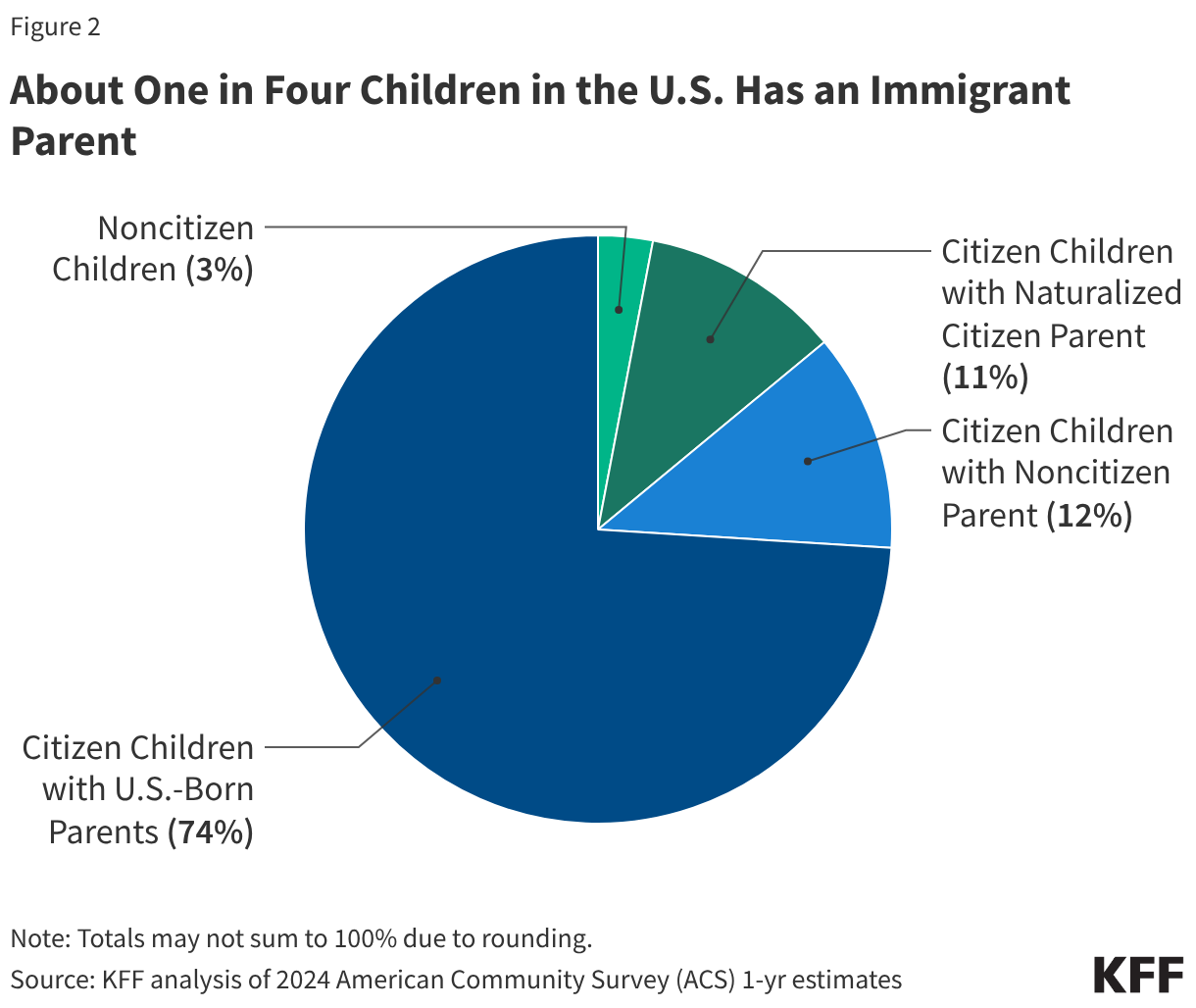
This brief is available through the Peterson-KFF Health System Tracker, an online information hub dedicated to monitoring and assessing the performance of the U.S. health system.

Abortion on the 2026 Ballot: The Evolving Landscape of State Abortion Initiatives 

Published: Mar 17, 2026

Since the Supreme Court’s 2022 Dobbs ruling, state ballot initiatives have become a powerful tool used by advocates on both sides hoping to either protect or limit abortion access in their state. Successful ballot initiatives that enact state constitutional amendments provide stronger legal authority to either protect or restrict abortion than laws enacted by the legislature or state Supreme Court rulings. Since 2022, twelve states have passed ballot initiatives, usually, but not exclusively, to protect abortion rights in their state. Once again, this November, five states (Table 1) may have abortion-related measures for their voters to consider. Abortion rights advocates in Nevada and Virginia have placed a constitutional amendment protecting the right to abortion on the November ballot. The Missouri legislature has placed an initiative on the ballot to repeal a state constitutional amendment protecting the right to abortion approved by voters in 2024. In addition, voters in Idaho and Nebraska may vote on abortion initiatives if the measures qualify for the ballot. This issue brief reviews the abortion-related initiatives currently slated to be on the ballot in November 2026 and examines how these measures may impact abortion access in the state. 

Confirmed and Potential Abortion-Related Ballot Measures in the 2026 Election (Table)

Ballot Initiatives Seeking to Protect Abortion Rights

Virginia

Virginia is currently the only state in the South without a total abortion ban or early gestational limit, allowing abortion until the third trimester. Unless the litigation challenging the placement of the ballot measure succeeds, voters in Virginia will decide whether to enshrine these abortion protections into the state constitution in November. On February 6, 2026, Governor Spanberger signed a bill, placing the Right to Reproductive Freedom Amendment on the ballot, after the legislature passed it in two successive sessions as is required by state law. However, on March 3, 2026, Charla Bansely, the District 3 Supervisor for the Bedford County Board of Supervisors filed a lawsuit seeking to block the placement of the measure on the November ballot. Ms. Bansely alleges state election officials failed to distribute the constitutional amendment to circuit clerks in all counties, as required by state law, before certifying the abortion measure for the ballot.

The Right to Reproductive Freedom Amendment would amend the state constitution to guarantee a fundamental right to abortion until the third trimester, as well as contraception and fertility care. The Amendment would allow the Commonwealth of Virginia to regulate abortion in the third trimester; however, abortion cannot be prohibited if the pregnant person’s life or physical, or mental health is at risk, or if the fetus is not viable. If passed, the Amendment will provide durable protection for abortion rights in the state’s constitution by ensuring that changes in the composition of the legislature or the courts in the Commonwealth do not impede access to abortion care.

Nevada

Nevada law requires citizen-initiated ballot initiatives amending the state’s constitution to pass in two successive general elections. Therefore, Nevadans will vote for the second time on the Reproductive Rights Amendment initially approved by voters in 2024. If passed, the Reproductive Rights Amendment will, “guarantee a right to all individuals to abortion performed or administered by a qualified health care practitioner until fetal viability or when needed to protect the life or health of the pregnant patient, without interference from the state or its political subdivisions.” 

Abortion is currently legal in Nevada until 24 weeks gestation. In 1990, voters passed as a “statute affirmation” which upheld the existing law, NRS 442.250, which legalized abortion until 24 weeks, and prohibited the state legislature from amending or repealing the law unless it was placed on the ballot. In 2019, Nevada enacted the Trust Nevada Women Act, which decriminalized medication abortion and removed informed consent laws. The Reproductive Rights Amendment would protect the individuals’ right to abortion beyond the existing law by limiting state interference. While passage of the Reproductive Rights Amendment would provide the strongest protection against efforts to limit reproductive rights by the legislature or courts, any effort to change the gestational limit for abortion in Nevada would have to be approved by a direct vote of state residents, not by the legislature. 

If the Reproductive Rights Amendment passes, abortion rights advocates are likely to bring a new challenge to Nevada’s parental notification for minors law, contending it is not permissible under the new constitutional amendment. If successful, this challenge would allow minors to consent for their own abortions. Last year, a court lifted a 1985 injunction blocking the notification law and reinstated the parental notification requirement. Planned Parenthood Mar Monte, the affiliate that operates the Nevada Planned Parenthood clinics, has challenged this law in a case currently pending at the Nevada Supreme Court. 

Idaho

Idaho has among the most restrictive abortion laws in the nation. Abortion rights advocates are seeking to reverse these bans by trying to get a new law approved, the Reproductive Freedom and Privacy Act, which will change the legality of abortion in the state. However, the initiative faces considerable barriers to getting on the ballot. In Idaho, a citizen-initiated ballot initiative can only be placed on the ballot if the petitioner gathers signatures from 6% of the registered voters in the last election in 18 of the state’s 35 legislative districts and submits these signatures by May 1 of the election year. The signatures must then be verified by the county clerks and submitted to the secretary of state for certification. 

Idahoans United for Women and Families, a nonprofit group that advocates for comprehensive reproductive health care in the state, is organizing the 2026 ballot initiative. In January 2025, the group sued the attorney general’s office arguing that the financial impact statement and the short title of the ballot initiative contained biased language. On June 16, 2025, the Idaho Supreme Court agreed and ordered the attorney general to draft a new financial statement and short title. 

The Reproductive Freedom and Privacy Act would create a state law giving people the right to make decisions about their own reproductive health care including abortion up to fetal viability and in medical emergencies, miscarriage care, prenatal, pregnancy and postpartum care, contraception, and fertility treatment. The statute defines a medical emergency as  a physical medical condition, based on the physician’s good faith medical judgment, that complicates the physical medical condition of a pregnant patient as to warrant an abortion to protect a pregnant person’s life, or for which a delay will create a serious impairment of a major bodily function or organ of the pregnant person. In January 2026, Idahoans United for Women and Families announced that they collected over 63,000 signatures towards the signature requirement for the ballot initiative. Idaho is currently enforcing a total abortion ban with exceptions only to prevent the death of the pregnant person or in the first trimester for reported cases of rape or incest. 

If passed, the Reproductive Freedom and Privacy Act could expand access to abortion in Idaho. However, the Act would still face challenges after the election because Idaho allows its legislature to amend or repeal a citizen-initiated statute without restrictions.

There are numerous examples where the legislature has reversed or amended the will of the electorate. In 2002, the Idaho legislature repealed citizen-initiated statutes that sought to place term-limits on elected officials. In 2019, the Idaho legislature amended a citizen-initiated statute that expanded Medicaid eligibility. In addition, the Idaho legislature is currently considering a bill that would give the governor veto power over ballot initiatives that pass with less than two-thirds support from voters. Therefore, even if the Reproductive Freedom and Privacy Act is on the ballot and voters approve it, the Republican-majority legislature is likely to amend or repeal the law. Additionally, if legislation granting the governor power to veto voter-approved initiatives is enacted, the Governor would likely exercise that authority to veto the measure.

Ballot Initiatives Seeking to Curtail Abortion Rights 

Missouri 

In 2026, voters in Missouri will again be asked to decide the legal status of abortion in their state, but this time to reverse a recently approved constitutional amendment. In 2024, Missouri voters approved Amendment 3, the Right to Reproductive Freedom Amendment, which amended the state’s constitution to guarantee a right to abortion until fetal viability. Before Amendment 3 was passed, Missouri banned abortion with exceptions only to avert the death of the pregnant person or to avert a serious risk of substantial and irreversible physical impairment of a major bodily function of the pregnant person. After Amendment 3 passed, Planned Parenthood, one of the abortion providers in the state, filed a lawsuit challenging not only the state’s total abortion ban, but also a series of regulations on facilities and clinicians providing abortions. These restrictions included a 72-hour waiting period between an initial appointment and when an abortion could be performed, as well as abortion specific informed consent requirements. The court struck down the abortion ban, allowing abortion to be legal in the state, but did not block regulations on facilities and clinicians providing abortions while the litigation continues. 
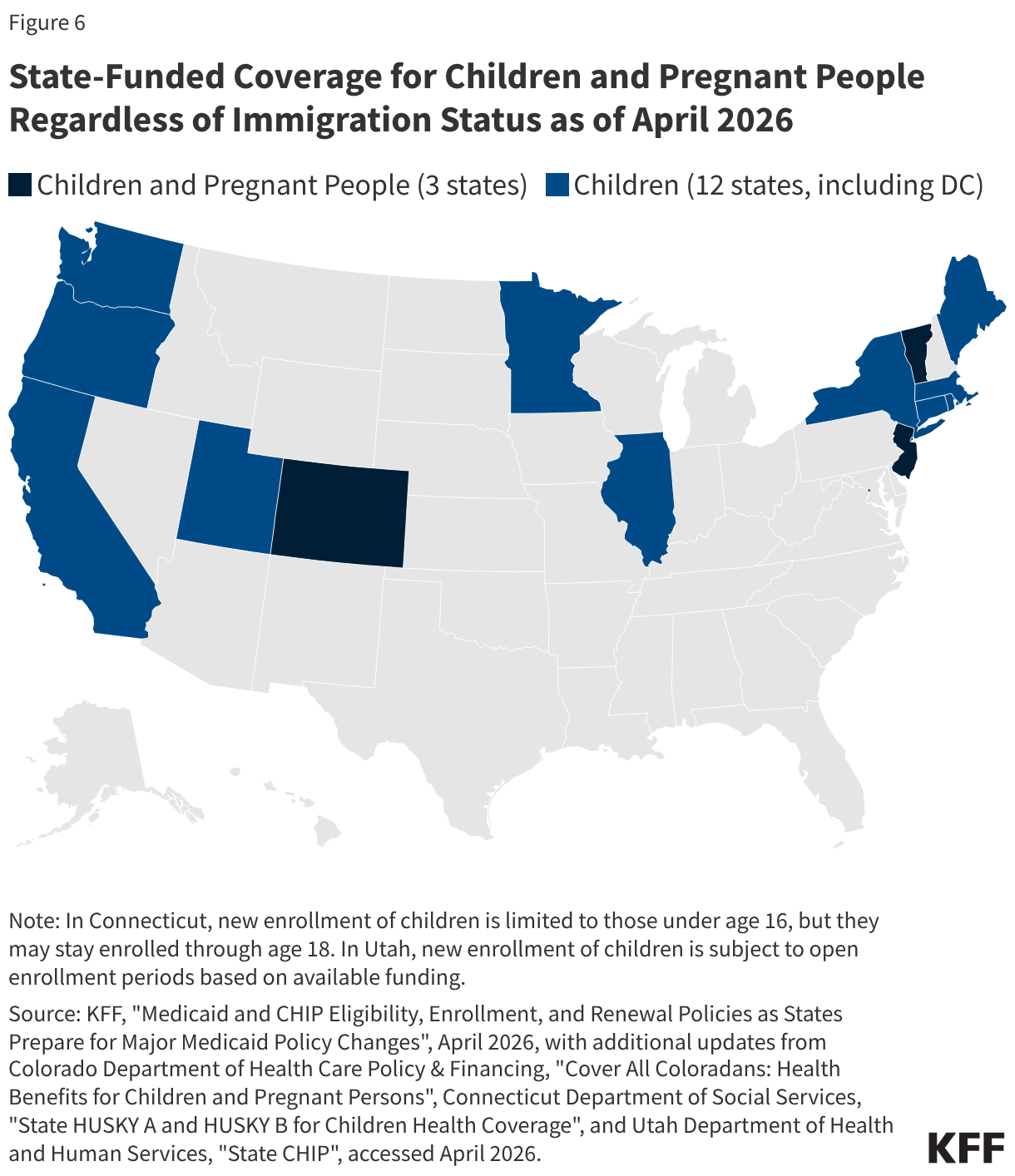
State legislators that oppose abortion rights have drafted a new ballot initiative that seeks to repeal Amendment 3. The 2026 ballot initiative, also known as Amendment 3, would ban abortion except in cases of medical emergencies, fatal fetal anomalies, or pregnancies 12 weeks or less gestation that are a result of rape or incest. The initiative includes a parental or guardian consent requirement for minors except in medical emergencies and prohibits state funding of abortions in most circumstances. The Amendment defines a medical emergency as  “a condition that, based on reasonable medical judgment, so complicates the medical condition of a pregnant woman as to necessitate the immediate termination of her pregnancy to avert the death of the pregnant woman or for which a delay will create a serious risk of substantial and irreversible physical impairment of a major bodily function of the pregnant woman. A medical emergency shall include, but not be limited to, an ectopic pregnancy at any point following the diagnosis of such and treatment for a miscarriage.” The ballot initiative explicitly allows the legislature to regulate abortion provision, facilities, and providers including, “requiring physicians providing abortion care to have admitting privileges at a nearby hospital; laws requiring facilities where abortions are performed or induced to be licensed and inspected for clean and safe conditions and adequate instruments to treat any emergencies arising from an abortion procedure; laws requiring physicians to perform a sufficient examination of the woman to determine the unborn child’s gestational age and any preexisting medical conditions that may influence the procedure; and laws requiring ultrasounds to be performed only by physicians or licensed medical technicians.” In addition, the initiative includes a ban on gender affirming care for minors. 
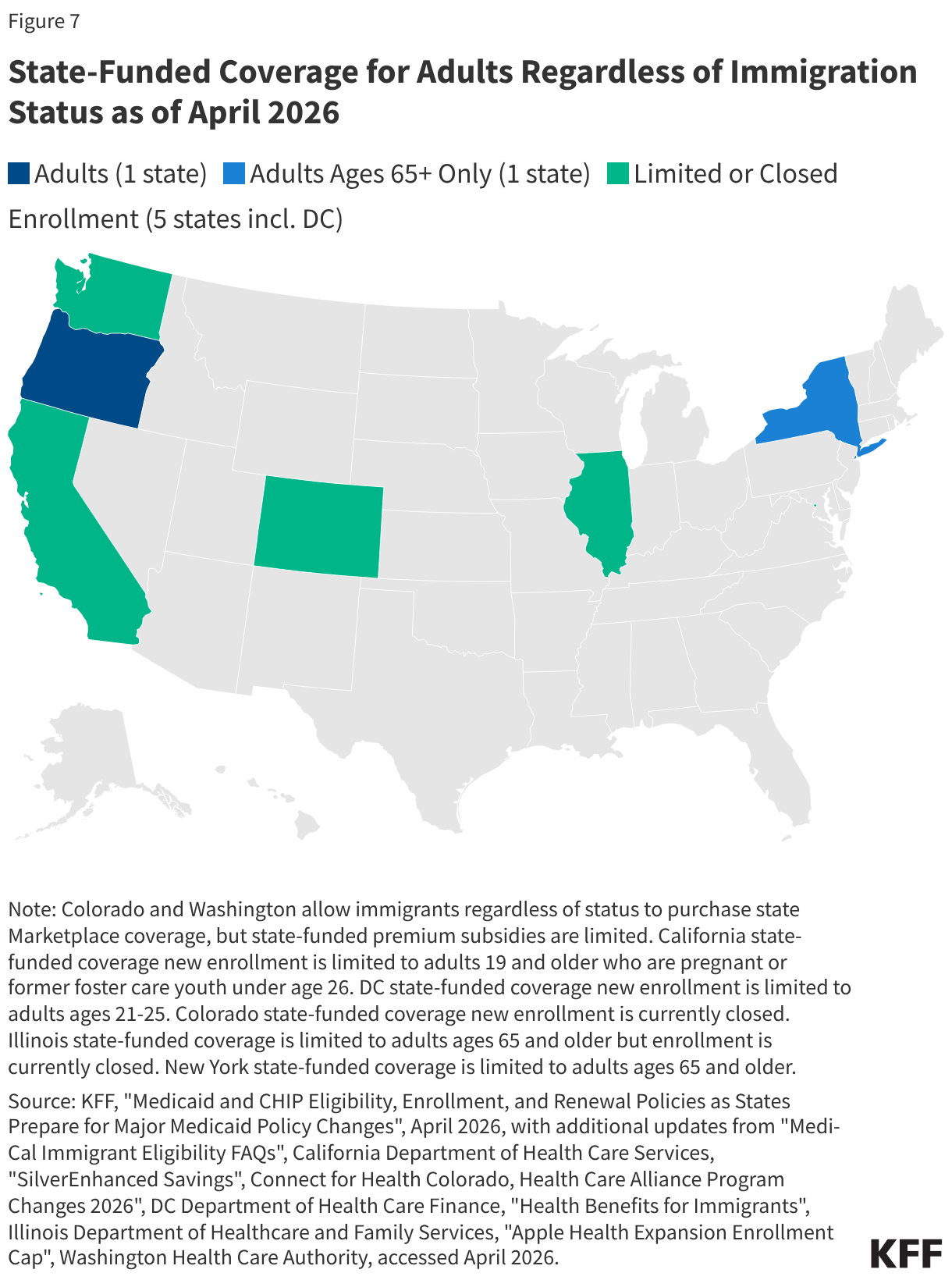
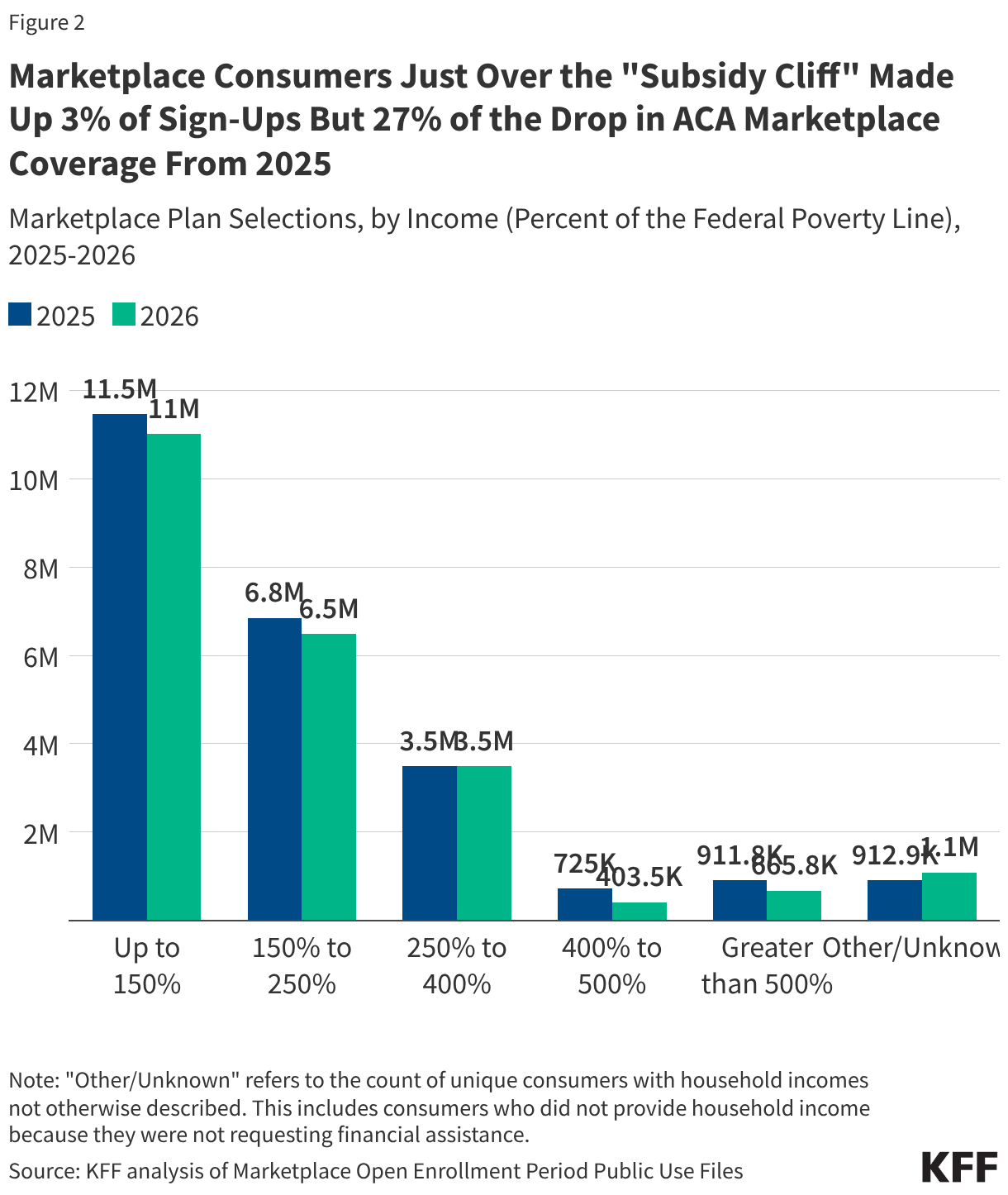
The 2026 ballot initiative has faced legal scrutiny. On July 2, 2025, the ACLU of Missouri filed a lawsuit against the secretary of state alleging that the language for the 2026 ballot initiative was intentionally misleading, contained an inaccurate summary, and is unconstitutional because it included more than one subject. The ACLU argued that the language of the ballot initiative failed to properly inform voters that a “yes” vote would lead to a repeal of reproductive rights protections that passed in 2024. The ACLU also contended that the subject of the ballot initiative is related to “reproductive health care,” but includes topics unrelated to reproductive health, including a ban on gender-affirming care for minors. On July 4, 2025, the Missouri Western District Court of Appeals ruled that the language of the 2026 ballot initiative failed to inform voters that the initiative would repeal and replace the 2024 Right to Reproductive Freedom Amendment, and certified new ballot language for the 2026 ballot initiative. The language certified by the court will appear on the November 3, 2026, ballot. This is the first time voters could decide to repeal a state constitutional amendment protecting abortion. Passage of the 2026 ballot initiative would ban abortion in Missouri and prevent minors from accessing gender affirming care. 

Nebraska

In 2024, Nebraskans voted on two citizen-initiated ballot initiatives related to abortion, and in 2026 voters could once again be asked to decide on the legality of abortion in their state. In 2024, Nebraska voters weighed in on two separate constitutional amendments related to abortion rights. Voters approved the Prohibit Abortions After the First Trimester Amendment, which bans abortion after the first trimester unless the pregnant person experiences a medical emergency or the pregnancy is a result of rape or incest. Voters opposed the competing ballot measure, the Right to Abortion Initiative, which would have amended the state constitution to recognize a fundamental right to abortion until fetal viability. As a result, abortion is banned after 12 weeks gestation in the state.

The 2026 ballot initiative would impose a total abortion ban in the state. Choose Life Now, the same campaign that initiated the 2024 Prohibit Abortion After the First Trimester Amendment, is collecting signatures to have the Establish Personhood of Preborn Children Amendment added to the 2026 ballot. This new initiative would establish personhood at fertilization. Nebraska law requires citizen-initiated ballot initiatives to collect signatures from 10% of registered voters before it can appear on the ballot. Choose Life Now is still gathering signatures. 

Some Abortion Restrictions Remain in Place After Voters Pass Constitutional Amendments

Voters in Arizona, Ohio and Missouri passed state constitutional amendments establishing the right to abortion in recent elections. After abortion advocates challenged existing state abortion bans under the new constitutional amendments, courts have blocked the pre-existing state abortion bans. However, legal challenges to existing abortion restrictions such as waiting periods, and telemedicine bans, have taken longer as courts have not uniformly blocked these provisions. 

On November 5, 2024, Arizona voters passed Proposition 139, a ballot initiative that amended the state constitution to guarantee a right to abortion until fetal viability. The amendment also allows abortions after fetal viability if the physician providing the abortion determines that the abortion is necessary to protect the life, or physical or mental health of the pregnant person. After this constitutional amendment became effective in December 2024, advocates filed legal challenges to block Arizona’s 15-week ban and other abortion restrictions. In March 2025, a court ruled Arizona’s 15-week ban was unconstitutional under the new amendment. In February 2026, an Arizona state court ruling blocked several abortion restrictions including: (1) a ban on abortion based on fetal diagnoses; (2) a 24-hour waiting period and (3) a prohibition on telemedicine for abortion care due to new protections granted in the state’s constitutional amendment. However, Republican state legislators who have intervened in the lawsuit may appeal this decision. The Democratic Arizona Attorney General declined to defend the laws on behalf of the state, and therefore it is unlikely the state will appeal. 

There are, however, still abortion restrictions in effect in Arizona including a ban on state funds for abortion (which affects Medicaid), a parental consent requirement for minors seeking abortions, and a law that bars medical professionals other than doctors from providing abortions. In February 2026, the ACLU of Arizona filed a lawsuit on behalf of advanced practice clinicians contending the physician only law violates the constitutional amendment protecting abortion. 

On November 7, 2023, Ohio voters passed Issue 1, a ballot initiative that amended the state constitution to guarantee every individual has the right to make their own reproductive decisions including contraception, fertility treatment, continuing a pregnancy, miscarriage care, and abortion care. The amendment also allows the state to prohibit abortion after fetal viability; however, an abortion cannot be prohibited after viability if it is necessary to protect the life or health of the pregnant person. After the passage of Issue 1, advocates cited the new amendment in legal challenges to the state’s 6-week ban as well as the many other abortion restrictions. In October 2024, the Hamilton County Court of Common Pleas issued a permanent injunction blocking Ohio’s 6-week abortion ban from taking effect, marking the first permanent injunction based on Ohio’s Reproductive Freedom Amendment. Courts have blocked many of the other abortion restrictions as well. One provision that was challenged, but is still in effect, is a requirement for providers to document the reason for an abortion, but this provision does not impact patients’ access to abortion care. Ohio law still requires parental consent for minors seeking abortions and blocks public funding for abortions. 

As was discussed earlier, Missouri voters approved Amendment 3, the Right to Reproductive Freedom Amendment in 2024, which guarantees a right to make and carry out decisions about all matters relating to reproductive health care including: prenatal care, childbirth, postpartum care, birth control, abortion care, miscarriage care, and respectful birthing conditions. The amendment also allows the government to regulate abortion after fetal viability; however, it prevents the government from restricting abortion after fetal viability if the abortion is necessary to protect the life, physical or mental health of the pregnant person. After the passage of Amendment 3, a court blocked the state’s abortion ban but many restrictions on abortion (72-hour waiting period and abortion specific informed consent requirements) remain in place and are the subject of ongoing litigation.

Options for Future Citizen Referred Ballot Measures Are Limited

Citizens are allowed to propose a constitutional amendment for the ballot in 17 states. There are only two states, Arkansas and Oklahoma, with current bans on abortion which allow for citizen-initiated constitutional amendments and have yet to vote on an abortion measure (Figure 1). There were efforts in Arkansas (where there is a near total abortion ban) to get an initiative on the ballot, but the Arkansas Secretary of State rejected the petition for the initiative on the grounds that the signatures were not properly gathered, and thus the initiative did not make it to the ballot. The Arkansas Supreme Court upheld this decision. 

Oklahoma has a total abortion ban, with an exception only to save the life of the pregnant person and classifies performing an abortion as a felony. A citizen-led effort to put a state constitutional amendment that would have added an “individual right to reproductive freedom” on the ballot was withdrawn in December 2022, before signature gathering began.

In 2024, in Florida, Nebraska, and South Dakota, abortion rights amendments failed to garner sufficient votes for passage. In Nebraska, voters approved a competing measure to ban abortion after the first trimester. In South Dakota, the measure failed to pass, only garnering 41% of the votes. In Florida, the initiative received 57% approval. However, state law requires 60% approval for a constitutional amendment. As the popular vote fell just 3 percentage points short of approval, abortion rights supporters in Florida may try again in a future election to reverse the 6-week abortion ban. 

Conversely, in states with current abortion protections without a constitutional amendment protecting abortion, only three states (Illinois, Massachusetts, Oregon) have a process for citizen initiated constitutional amendments. However, in today’s political climate it is unlikely that new citizen initiatives will be brought to the electorate to weaken existing abortion protections.

CMS’ New Approach to Federal Medicaid Spending in Cases of Potential Fraud

Published: Mar 16, 2026

Note: This brief will be updated regularly to include new federal actions about potential Medicaid fraud and new responses from states.

The current administration is placing a new emphasis on potential fraud in Medicaid with its Comprehensive Regulations to Uncover Suspicious Healthcare (CRUSH) initiative. The Centers for Medicare and Medicaid Services (CMS’) started the new initiative in Medicaid focusing on Minnesota and three other states with Democratic governors (California, Maine, and New York) while the House Committee on Energy and Commerce sent requests for information to 11 states. CMS has historically partnered with states to identify and resolve issues of fraud, waste, and abuse, and denied the federal share of Medicaid spending when fraud has been identified by an audit, investigation, or reported by the state. However, CMS has recently announced a new approach to fraud that will rely more heavily on options to prevent spending federal funds in cases of potential fraud, which could have broad implications for states and enrollees. This issue brief explains the new approach. Key findings include:

  • CMS’ historic practice has relied on disallowing federal Medicaid payments when fraud is identified (typically through an audit), a process that may take several years to implement.
  • CMS’ new approach to potential fraud involves potentially pausing or withholding federal Medicaid payments when fraud is suspected (Figure 1). This approach differs from prior approaches because, if implemented, it could have more immediate consequences, place a much larger share of federal spending at risk (including spending that pays for services uninvolved in fraud), and proactively shift the burden of proof to states to obtain federal funds.
  • While all approaches aim to limit future fraudulent payments using tools such as corrective action plans, the new approach to federal Medicaid spending when fraud is suspected creates uncertainty for state budgets and could have implications for Medicaid enrollees and providers who are not involved in fraud.

What is a disallowance?

The federal and state governments share responsibility for financing Medicaid, and states draw on federal funds to pay health care providers and health plans for providing health care to enrollees. The federal government makes quarterly grant awards to states to cover the federal share of Medicaid spending. Awards reflect states’ estimated expenditures for the upcoming quarter and adjustments from prior quarters’ expenses. Adjustments reflect various considerations such as:

  • Instances where states’ estimated expenditures are higher or lower than actual expenditures
  • Changes to accounting practices or federal matching rates
  • Reductions in payment resulting from claims where fraud has been identified

Publicly-available data on Medicaid expenditures show the total amount of adjustments each year, reflecting the net impact of all various factors, and do not specifically identify adjustments due to disallowances and deferrals.

Historically, CMS has used disallowances to deny federal matching funds for state Medicaid expenditures that have already occurred and are later determined to be not allowable. There is limited information available about the frequency and scope of Medicaid disallowances, but an older report by the Government Accountability Office (GAO) suggests that they were not infrequent between 2014 and 2017. Upon receiving a disallowance notice, states may request that CMS reconsider the decision and provide additional information to CMS to demonstrate that the expenditures were allowable or accept the disallowance and resolve it directly with CMS. In all cases, once CMS has issued a disallowance, “the state has the burden of documenting the allowability” of the expenditures to overturn the disallowance. When states request a reconsideration, CMS has 60 days to decide, although this timeline may take longer if CMS requests additional information from the state.

States may appeal the disallowance decisions to a Departmental Appeals Board, but the state still has the burden of proof for documenting the allowability of expenditures and the process may take years to resolve. States are not required to request a reconsideration before appealing the disallowance. More information is publicly available for cases where states do appeal the decisions than for cases where they settle or request a reconsideration. In such cases, data about the decisions of the Department Appeals Board are available online through the Department’s website. Between 2020 and 2025, the Departmental Appeals Board has issued 12 Medicaid disallowance rulings (with 6 rulings being an appeal of a prior case). In all 6 new rulings, there were on average 15 years between the oldest year of disputed expenditures and the final ruling, highlighting how long it takes to resolve these cases (see Figure 2 for an example from Texas). All cases were decided in favor of CMS, but that may reflect the fact that CMS has historically used disallowances only in cases where fraud is well-established.

The amount of disputed disallowances where the Departmental Appeals Board issued a ruling between 2020 and 2025 ranged from less than $500,000 to almost $200 million, but these amounts reflect differences in the number of years and scope of services within the disallowed claims. Some of the largest disallowances to be upheld involve disproportionate share hospital (DSH) payments.

  • The largest disallowance ruling between 2020 and 2025 was $195.7 million in a case involving Michigan’s DSH payments between 2001-2009. In that instance, CMS in 2018 determined that the state had made DSH payments to a small number of hospitals that were ineligible to receive them. The Departmental Appeals Board ruling was in 2024.
  • The second largest disallowance ruling between 2020 and 2025 was for more than $97 million in a case where Florida made DSH payments between 2006-2013 in excess of the limits established for specific hospitals (CMS first issued this disallowance in 2016 and the Departmental Appeals Board ruling was in 2021).
Figure 2

What is a deferral?

With deferrals, CMS pauses payment for state Medicaid expenditures that have already ocurred and requires the state to provide additional information demonstrating that expenditures are “allowable.” Deferrals are usually initiated by the federal government and may be used to pause federal funding while the state and federal governments work out the details of a disallowance, and in cases where fraud, waste, or abuse has been identified and the state and federal governments are gauging the extent of the issue. In the past, deferrals were used as temporary measures that pause funding until CMS either reimburses the expenditures or issues a disallowance. Deferral notices must specify the reason for the deferral and include a request for all documents and materials that CMS believes are necessary to determine whether the expenses are allowable. After the notice is sent, the loss of federal funds occurs immediately.

After receiving a deferral notice from CMS, states have 60 days to provide all requested documents and materials unless they request an additional 60-day extension. CMS usually begins document review within 30 days but may request different formats or additional materials from the state. States have 15 days to submit additional materials and if they do not meet that deadline, CMS disallows the expenses. Once all documents are available, CMS has 90 days to review and determine whether expenditures are allowable. If CMS determines expenditures are not allowable, the disallowance process begins, offering the state the opportunity to request a reconsideration and appeal to the Departmental Appeals Board.

Deferrals are receiving new attention after the administration announced that it would temporarily defer $259 million in federal Medicaid payments to Minnesota for expenditures incurred in quarter 4 of in fiscal year (FY) 2025, an unprecedentedly large amount. In the announcement, CMS noted that it may continue to defer federal payments for either additional quarters in 2025 or future quarters in 2026, and that similar announcements for other states would likely be coming soon. As of March 25, 2026, 4 additional states have received formal letters from CMS requesting information about program integrity, and 11 states have received formal letters from the House Committee on Energy and Commerce (Figure 3).

CMS' New Efforts Related to Potential Fraud in Medicaid Focus on 5 States but Congressional Oversight  Inquiries Suggest Effects Could Become Broader (Choropleth map)

What is a withhold?

In January 2026, CMS notified Minnesota that pending the outcome of a hearing, it would begin withholding $515 million in quarterly federal Medicaid payments moving forward, a process that has seldom been used in prior years. Withholding funds has been referred to as the “compliance process” because it is only permissible in cases where the state is failing to comply with Medicaid law. Prior use of withholding has been limited. When CMS has considered withholding as a compliance tool in the past, it announced withholdings that were at most between 1 and 10 percent of the federal share of Medicaid spending for specific services (in most cases, the administrative costs states incurred to implement their Medicaid programs). Prior CMS communication notifying states of possible withholdings appear to have been used when states incorrectly restricted eligibility or benefits, thus failing to comply with minimum requirements regarding access to coverage or eligibility. Minnesota’s case is different because of the scope of the proposed withholding and because the proposed withholding would be to address potential future fraud, rather than state policies that restrict Medicaid eligibility or benefits. The announced level of withholding would have represented nearly 20% of the federal share of Minnesota’s spending on an annual basis.

To withhold federal Medicaid funds, CMS must first provide states with the opportunity for an administrative hearing, and withholding generally ends when CMS is satisfied with states’ resolution of the issue. Withholdings may reflect issues with states’ Medicaid approved plans or with states’ implementation of the plans. Because CMS has authority to approve states’ plans, most issues arise regarding implementation of the plan and are resolved using a corrective action plan. Corrective action plans may also be used to address other types of issues in Medicaid (such as payment error rates or eligibility re-determinations). In general, the plans include a narrative of steps states are planning to take to address issues related to proper implementation of the Medicaid program. On January 13, 2026, Minnesota requested a hearing about the withholding and on January 30, 2026, Minnesota submitted a revised corrective action plan to CMS. On March 20, 2026, CMS accepted Minnesota’s revised corrective action plan. Successful completion of the corrective actions outlined in the plan will resolve the threat of withholding.

What are the implications of new reliance on deferrals and withholds?

The new approach to federal Medicaid spending when fraud is suspected creates uncertainty for state budgets, particularly given the magnitude of federal funding at stake and the time it takes to resolve administrative disputes. Unlike the federal government, states must generally operate balanced budgets, which is one reason states are able to draw down matching funds to finance ongoing expenditures. If withholding is implemented, the loss of federal funds could make it difficult for states to maintain current programs while details of the cases are being sorted out. More extensive use of deferrals could have similar, but more immediate, destabilizing effects on states’ budgets because they reduce the amount of federal funds available to states for several months, and the state has no option to request reconsideration or appeal until a disallowance is issued. Increasing the use of deferrals so that it applies to entire categories of services where fraud is suspected but not established would also place a new administrative burden on states to demonstrate the allowability of expenditures. Other approaches to addressing suspected fraud, waste, and abuse remain available to CMS. The National Association of Medicaid Directors (NAMD) has suggested the following actions to help states to address fraud waste, and abuse in Medicaid:

  • Help states identify federal materials about best practices such as recommendations and provider enrollment self-assessments;
  • Create rapid methods to share information about provider disqualifications between Medicare, the Veterans’ Health Administration, and Medicaid;
  • Respond more quickly to fraud reports from state attorneys general and the Medicaid Fraud Control Units;
  • Strengthen procedural pathways for states and CMS to work collaboratively on Corrective Action Plans to enhance adherence to provider requirements while maintaining access to Medicaid benefits;
  • Conducting additional analysis of Medicaid data through the Center for Program Integrity;
  • Strengthening federal data sources and their interoperability; and
  • Providing technical assistance to state officials and staff.

New uncertainty about the availability of federal funding could have implications for Medicaid enrollees and providers who are not involved in fraud. If states have inadequate funding to maintain existing Medicaid services, they may face difficult decisions regarding how to limit Medicaid spending. In general, states can reduce Medicaid spending by decreasing payment rates for providers, covering fewer services, or enrolling fewer people. Such actions could affect enrollees and providers who are not using or providing services in which fraud is suspected. There will also be additional disruptions for providers who lawfully provide Medicaid services where fraud is suspected because of new administrative burdens associated with increased audits, delayed payments, and other administrative practices.

CMS’ new approach to addressing cases of suspected fraud may exacerbate administrative and financial challenges states face as they implement the 2025 reconciliation law. The 2025 reconciliation law made historic reductions in federal funding for Medicaid and created new administrative requirements for states, particularly those that must implement work requirements for enrollees eligible for Medicaid through the Affordable Care Act Medicaid expansion. As states work to implement those changes and adjust to changes in federal financing, the new approach to fraud creates additional administrative requirements and potential new reductions in federal funding. Combined, these changes may have more significant implications for states’ ability to maintain existing levels of Medicaid payment rates, coverage, and eligibility.