When Cost-Sharing Waivers for COVID-19 Treatment Expire for People with Private Insurance Plans

Source
Cost-Sharing Waivers and Premium Relief by Private Plans in Response to COVID-19
The independent source for health policy research, polling, and news.
Cost-Sharing Waivers and Premium Relief by Private Plans in Response to COVID-19
Amid the COVID-19 pandemic, many Americans are struggling with mental health challenges. In a recent KFF poll, majority (53%) of adults in the United States reported that their mental health has been negatively impacted due to worry and stress over the virus. Additionally, more than one in three adults in the U.S. reported symptoms of anxiety or depressive disorder during the pandemic, up from roughly one in ten in 2019. As the virus continues to spread, the pandemic will likely lead to increased mental health care needs and significantly impact the well-being of people in the U.S. Under the Trump administration, the recently-passed Coronavirus Aid, Relief, and Economic Security Act (CARES Act) may address some of these needs.
Mental health was already a key public health issue. In recent years, growing numbers of Americans have reported being depressed, and deaths due to drug or alcohol abuse, or suicide have increased. In 2017-2018, nearly 17 million adults and an additional 3 million adolescents had a major depressive episode in the past year, and over 10 million adults with mental illness had serious thoughts of suicide in the past year. Nearly 14 million adults reported an unmet need for mental health or substance use treatment, with many citing cost as a barrier.
The 2020 presidential election could have a substantial effect on the United States’ response to growing mental health needs and long-term policy for addressing this public health challenge. This issue brief examines the presumptive 2020 presidential candidates’ positions on mental health and substance use disorders. Specifically, we analyzed candidate positions on suicide prevention, mental health workforce issues, mental health parity enforcement, and the opioid epidemic. We synthesize policy positions for President Donald Trump and the presumed Democratic nominee, Former Vice President Joe Biden.
We identified candidate positions first by gathering information directly from campaign platforms as stated on candidate websites. Where information was not available on former Vice President Biden’s website, we supplemented with information his campaign supplied in a survey conducted by Mental Health for US, a nonpartisan coalition of organizations working in mental health and addiction policy. President Trump did not participate in the survey as of this brief’s publication, so we also reviewed news coverage of his campaign from the last year and his proposed 2021 budget for mention of these mental health-related topics. While candidates may have made other statements about mental health and substance use disorders, we do not aim to capture all comments ever made but instead focus on the candidates’ stated platforms.
The candidate platforms differ in both the amount of attention paid to mental health and their approaches to addressing these issues. Election outcomes thus have potentially large implications for policy direction in these areas of mental health and substance use funding, service delivery, and access.
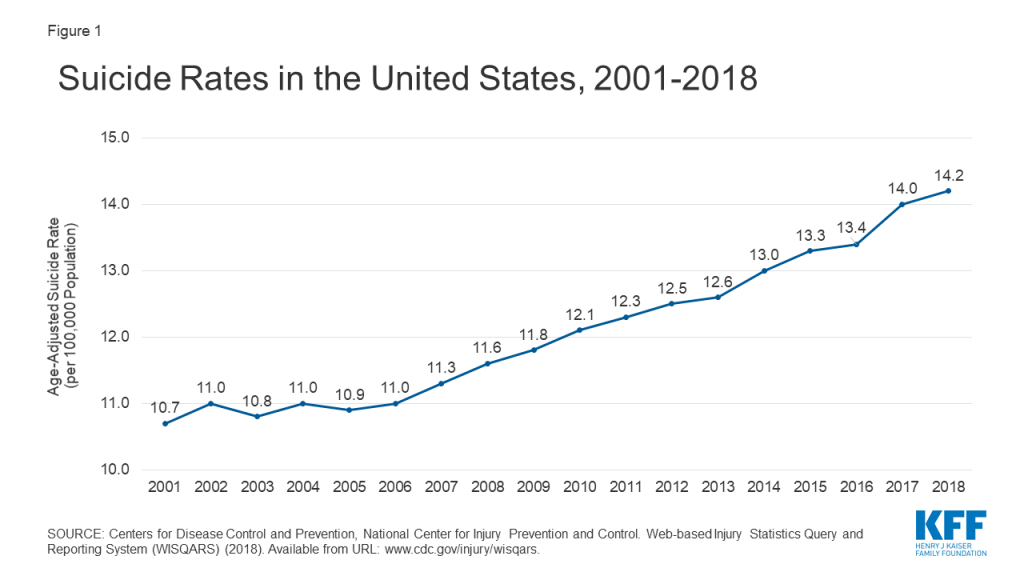
Due to necessary social distancing, many people are experiencing isolation, distress, and barriers to accessing mental health services. Historically, national crisis hotlines have seen a spike in calls during distressing nationals events, and as the pandemic continues, calls to hotlines are on the rise. There is particular concern about suicidal ideation during this time, as isolation is a risk factor for suicide. In 2018, over 48,000 Americans died by suicide1 , and in 2017-2018, over ten million American adults (4.3%) reported having serious thoughts of suicide in the past year. Suicide is one of the top ten causes of death in the U.S. and accounts for majority of firearm deaths. Moreover, the Centers for Disease Control and Prevention (CDC) documents a substantial increase in the national suicide rate over time, with the age-adjusted suicide rate rising from 10.7 per 100,000 people in 2001 to 14.2 per 100,000 people in 2018 (Figure 1). Among working-age Americans (ages 16-64 years), the suicide rate rose by 40% over the same period. Both presidential candidates have offered suicide prevention plans with particular attention paid towards veterans, one subgroup at higher risk of suicide than the general population.
President Trump’s suicide prevention plan focuses on the veteran population. His campaign website spotlights his 2019 executive order creating a task force dedicated to preventing suicides among veterans, and his proposed 2021 budget for the Department of Veterans Affairs allocates roughly 30% more in funding for suicide prevention among veterans than the 2020 enacted budget. Separately, in President Trump’s proposed 2021 budget for SAMHSA, he includes a small increase in funding for specific grant-based suicide prevention programs.
Former Vice President Biden’s suicide prevention plan is primarily focused on the veteran population. His campaign website details several initiatives that he would implement within the Veterans Affairs health system, which would increase funding for mental health services, streamline the initiation of mental health treatment, and increase the number of mental health staff practicing in VA hospitals. Former Vice President Biden’s plan states that he would also establish a national center of excellence for reducing veteran suicide to develop and implement suicide prevention strategies outside of the VA health system, and that he would address risk factors for suicide such as PTSD and sexual assault among current and former service members, though details on possible approaches are not provided. Additionally, in the context of the youth LGBTQ community, former Vice President Biden states that he will strengthen suicide prevention programs for teens, but does not provide specific details.
The need for mental health care is expected to increase in light of the coronavirus pandemic. Due to ongoing, widespread efforts to slow the spread of the virus by means of social distancing, an increasing number of mental health providers are offering services through telehealth, but those with limited capacity to do so may be scaling back their practices. Meanwhile, many individuals seeking mental health care are already unable to access care in a timely manner due to provider shortages across the country. Nationwide, nearly 117 million people are in a mental health provider shortage area, and less than 30% of the need for psychiatrists is being met.2 Furthermore, HRSA projects there will be a nationwide shortfall of over 12,500 adult psychiatrists and over 11,500 addiction counselors by the year 2030. Access to pediatric providers is particularly problematic, with 70% of counties in the U.S. having no practicing child psychiatrist. Neither candidate has provided specific details on how they will increase the mental health workforce to address the lack of providers.
President Trump’s campaign website does not specifically address mental health workforce shortages. However, his 2021 budget proposal for HRSA indicates roughly a 24% increase in funding for behavioral health workforce development programs from 2019 to 2020, which would not change for 2021.
Former Vice President Biden’s campaign website does not specifically address mental health workforce shortages. However, in the context of his education plan, he states he will double the number of psychologists, guidance counselors, and other mental health professionals in schools. In a survey by Mental Health for US, former Vice President Biden states that he will increase funding for the National Health Service Corps and create partnerships between health centers, high schools, and community colleges in order to encourage youth to pursue health care jobs. He also adds that he will build on legislation such as the 21st Century Cures Act and the Opioid Workforce Act of 2019, which address the shortage of mental health and substance use disorder providers.
There is a focus on addressing access barriers for services many people need in relation to the coronavirus pandemic, such as potentially high cost-sharing for testing and treatment. Access to mental health and substance use disorder services is also a key need to address, and has its own challenges due to lingering issues with mental health parity. The Mental Health Parity and Addiction Equity Act (MHPAEA) was passed in 2008, requiring insurer coverage of mental health and substance use disorder services in a way that is equivalent to coverage for medical and surgical services. The law prohibits most group health plans that offer coverage for mental health and substance use conditions from imposing treatment limitations and financial requirements on those benefits that are stricter than for medical and surgical benefits. The 2010 Affordable Care Act (ACA) expanded MHPAEA’s reach by requiring coverage of behavioral health services as an “essential health benefit” in many private health plans (a notable exception being large employer plans) and extending parity requirements to the small group, individual, and Medicaid managed care markets. Since the MHPAEA took effect, changes in the use of mental health services have been modest. Additionally, while research has documented an effect of parity on equalizing quantitative treatment limitations and cost sharing, it has been more difficult to measure and regulate the law’s effect on non-quantifiable treatment limitations, such as prior authorization and network adequacy, which are also supposed to be provided at parity. Questions remain as to how to improve parity enforcement; so far, both candidates have offered limited details.
President Trump’s campaign website does not address parity for mental health services. The Trump administration has joined Texas and several other states in Texas v. U.S. (known as California v. Texas by the Supreme Court, which recently agreed to hear the case), arguing that the ACA should be invalidated, an outcome that would substantially limit the scope of parity rules and eliminate the essential health benefit requirement. The Trump administration has also expanded the allowed duration of short-term health plans, which do not have to comply with ACA requirements, typically do not cover mental health services, and generally exclude people with pre-existing conditions such as serious mental illnesses.
Former Vice President Biden’s campaign website says that, as president, he would “redouble” efforts to enforce existing mental health parity laws and expand funding for mental health. He points to his previous role in implementing the MHPAEA but does not specify which actions his administration would take to further enforcement.
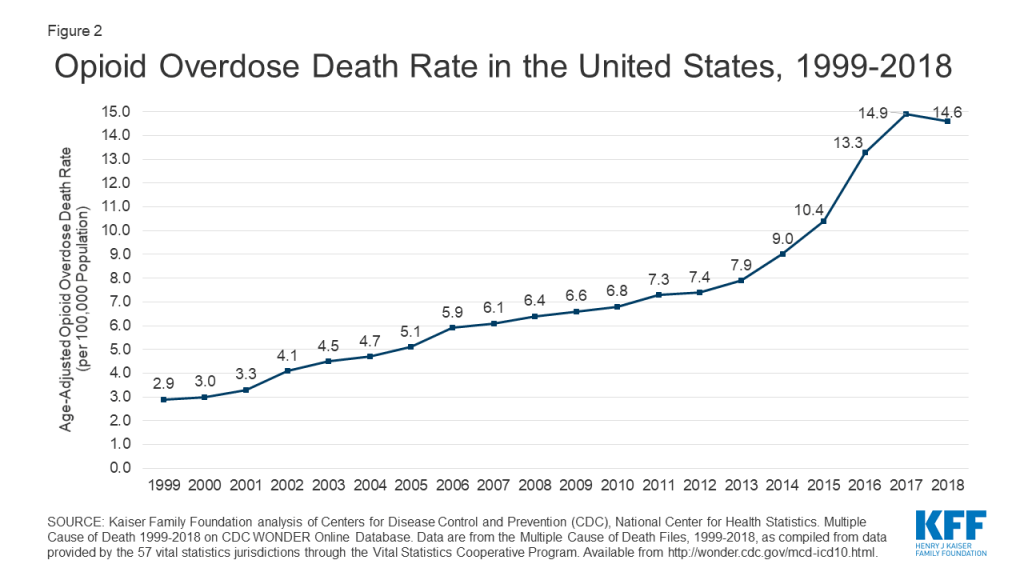
Preliminary data shows that deaths due to drug overdose are increasing during the coronavirus pandemic. This may be a result of necessary lockdowns, barriers to care, and the economic recession. Prior to the pandemic, deaths due to opioid overdose saw large increases, from 2.9 deaths per 100,000 people in 1999 to 14.6 deaths per 100,000 people in 2018 (Figure 2). In response to the growing opioid epidemic, the Department of Health and Human Services declared a public health emergency in 2017 and introduced five strategies: 1) improving access to treatment, 2) increasing use of drugs to reverse overdoses, 3) public health surveillance, 4) research on pain and addiction, and 5) identifying better practices to manage pain. In recent years, several indicators have shown some improvement in opioid misuse or overdose, but rising rates of use or misuse of illicit drugs—including methamphetamine, cocaine, and benzodiazepines—have broadened the scope of the addiction crisis. Each presidential candidate has proposed strategies to address the opioid epidemic and substance use disorder going forward, including details on making medication-assisted treatment3 more widely available.
President Trump’s reelection campaign website states that addressing the opioid epidemic has been a priority for his administration, which declared the crisis a national public health emergency in late 2017 and has since renewed the declaration every 90 days. He also signed legislation approving additional grant funds to combat the opioid epidemic, including the SUPPORT for Patients and Community Act. However, President Trump’s proposed 2021 budget would continue to decrease total funding for both the Substance Abuse and Mental Health Services Administration (SAMHSA) and Medicaid – the U.S.’s largest payer for mental health services and a main contributor for substance use disorder services. Despite these overall cuts, the proposed budget for SAMHSA includes a small increase in state grants to address opioid use disorders, and the proposed budget for Medicaid includes increased funding over ten years for states to extend postpartum coverage for women with substance use disorders. The proposed budget for opioid response programs in rural areas under the Health Resources and Services Administration (HRSA) remains flat for 2020 and 2021, but down from 2019.
Former Vice President Biden’s campaign website outlines a detailed, five-point plan to address the opioid crisis. First, it states how he will monitor and hold pharmaceutical companies accountable for their role in the crisis, notably by banning pharmaceutical companies from financially incentivizing prescriptions and appointing an “Opioid Crisis Accountability Coordinator” to work with both federal and state-level efforts. Second, former Vice President Biden states that he will increase access to substance use disorder services through a $125 billion investment over a ten-year period. These investments will include making medication-assisted treatment universally accessible by 2025 by building on the 21st Century Cures Act; providing funding to underserved communities with high rates of substance use disorder; and increasing funding for the National Institutes of Health’s Helping to End Addiction Long-Term research initiative. His third point indicates several ways he intends to stop the unnecessary prescription of opioids, including having states require prescriber participation in prescription drug monitoring programs and supporting the use of alternative pain treatments and development of less addictive pain medications. The final two points of former Vice President Biden’s statement focus on reducing the amount of illicit drugs entering the U.S. and diverting incarceration based solely on drug use to drug courts and treatment services.
As the novel coronavirus pandemic continues, it spotlights the importance of mental health issues in the lead-up to the 2020 election. The pandemic is expected to not only exacerbate the existing mental health issues and barriers to care that people face, but to also increase the need for already limited mental health services. President Trump and former Vice President Biden have taken stances on several mental health issues, including the opioid crisis, rising suicide rates, and – to a more limited extent – parity in coverage for mental health services and nationwide shortages in the mental health workforce.
Beyond the candidates’ specific plans, a number of major election issues have implications for mental health, including immigration, gun violence, and the future of the ACA.
The subjects of immigration and border security remain prominent in President Trump’s reelection campaign. Several mental health experts have weighed in on the Trump administration’s policy of separating families at the U.S.’s southern border, raising concerns that children separated from their parents and detained at border facilities may be at substantially elevated risk of developing mental health conditions. Former Vice President Biden has stated he would end current practices of long-term detention, separating families, and workplace immigration raids.
President Trump has responded to recent mass shootings by arguing that gun violence is best addressed as a mental health issue. The Trump administration has considered researching whether technological devices can be used to monitor people with mental illnesses in order to prevent them from committing violent acts. However, most scientific evidence does not support a direct link between mental illness and gun violence, and instead suggests that people with mental illness are more likely to be victims of violence than perpetrators. Former Vice President Biden supports stronger gun control, including universal background checks and an assault weapons ban.
The future of the ACA remains uncertain, as the Trump administration has joined Texas and several other states in pushing to invalidate the law in Texas v. U.S. Because the ACA’s provisions require insurers to cover mental health care and substance abuse treatment, a ruling against the law would likely reduce access to these services for many Americans. Particularly if the ACA is struck down, these actions may limit the federal administration’s capacity to reduce opioid overdose deaths and suicide rates, and would undermine efforts to achieve parity for mental health coverage. Former Vice President Biden has criticized efforts to have the ACA invalidated. In an open letter written to President Trump on the tenth anniversary of the ACA, the former vice president highlighted the ACA’s role as a safety net during the coronavirus pandemic and the potential impacts of dismantling it. Former Vice President Biden’s proposed health care plan includes public option programs that would preserve ACA marketplaces and increase subsidies for marketplace plans.
This work was supported in part by Well Being Trust. We value our funders. KFF maintains full editorial control over all of its policy analysis, polling, and journalism activities.
Every Friday we recap the past week in the coronavirus pandemic from our tracking, policy analysis, polling, and journalism.
With the Democratic National Convention held this week and the Republican National Convention scheduled for next, the 2020 general election season is officially kicking off and brings an even greater focus on the country’s coronavirus pandemic response as a campaign issue. KFF’s survey research team wrote a Policy Watch post analyzing voters’ increasingly negative opinions of President Trump’s handling of the pandemic, with the caveat that the President continues to garner strong support among his base of Republican voters – even those living in areas disproportionately impacted by the virus.
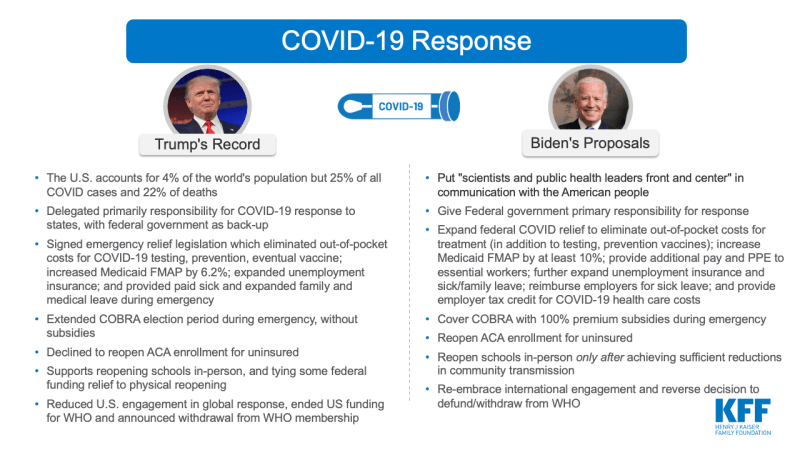
KFF traditionally produces content on where the candidates stand on the key health policy issues facing the country. This election year is no different, but the global pandemic has overshadowed other key issues that may have had more attention. The new slideshow, Health Care and the 2020 Presidential Election, compares President Trump’s record and former Vice President Joe Biden’s proposals on several issues, including the slide below on the COVID-19 response.
Global Cases and Deaths: Total cases worldwide surpassed 22 million this week – with an increase of approximately 1.8 million new confirmed cases in the past seven days. There were also approximately 43,500 new confirmed deaths worldwide, bringing the total to nearly 794,000 confirmed deaths.
U.S. Cases and Deaths: Total confirmed cases in the U.S. reached nearly 5.6 million this week. There was an approximate increase of 325,000 confirmed cases between August 14 and August 20. Over 7,000 confirmed deaths in the past week brought the total in the United States to over 174,000.
Race/Ethnicity Data: As of August 17, Black individuals made up a higher share of cases/deaths compared to their share of the population in 31 of 49 states reporting cases and 32 of 46 states reporting deaths. In 6 states (MI, MO, IL, WI, KS, and ME) the share of COVID-19 related deaths among Black people was at least two times higher than their share of the total population. Hispanic individuals made up a higher share of cases compared to their share of the total population in 36 of 46 states reporting cases. In 5 states (NE, WI, MN, NH and SD), Hispanic peoples’ share of cases was more than 3 times their share of the population. COVID-19 continues to have a sharp, disproportionate impact on American Indian/Alaska Native as well as Asian people in some states.
The Affordable Care Act’s preventive care provisions eliminated out-of-pockets costs for contraception for many insured women, but some are still paying these out-of-pocket costs.
In an article for Contraception: X, KFF’s Brittni Frederiksen, Matthew Rae, and Alina Salganicoff examine large employer plans to identify which types and brands of oral contraceptive pills have the largest shares of oral contraceptive users with out-of-pocket spending and which oral contraceptives have the highest average annual out-of-pocket costs.
The authors found 10% of oral contraceptive users in large employer plans still had out-of-pocket costs in 2018.
Brand name oral contraceptives with generic alternatives had the largest share of users with annual out-of-pocket spending and the three drugs with highest average annual out-of-pocket spending were brand names without generic alternatives.
President Trump and Democratic nominee Joe Biden hold widely divergent views on health issues, with the president’s record and response to the coronavirus pandemic likely to play a central role in November’s elections.
A new KFF side-by-side comparison examines President Trump’s record and former Vice President Biden’s positions across a wide range of key health issues, including the response to the pandemic, the Affordable Care Act marketplace, Medicaid, Medicare, drug prices, reproductive health, HIV, mental health and opioids, immigration and health coverage, and health costs.
The resource provides a concise overview of the candidates’ positions on a range of health policy issues. While the Biden campaign has put forward many specific proposals, the Trump campaign has offered few new proposals for addressing health care in a second term and is instead running on his record in office.
It is part of KFF’s ongoing efforts to provide useful information related to the health policy issues relevant for the 2020 elections, including policy analysis, polling, and journalism. Find more on our Election 2020 resource page.
With questions being raised about potential delays in U.S. Postal Service delivery, a new KFF data note estimates 14 million enrollees in Medicare Part D and large employer plans relied on mail-order pharmacies for at least one prescription in 2018, with a total of over 170 million prescriptions fulfilled.
The use of mail-order pharmacies has been rising in recent years as patients have often been incentivized or mandated to use mail service for convenience and potential cost savings. This year’s COVID-19 pandemic has further boosted the use of mail-order pharmacies as government officials imposed stay-at-home orders and people stocked up on prescriptions.
The analysis finds that drugs for cardiovascular conditions made up half of the top ten drugs fulfilled by mail order for both Medicare Part D and large employer plan enrollees. More generally, drugs to treat chronic physical conditions and depression were among the most filled mail order prescriptions in both types of markets analyzed. Among large employer enrollees, 10% of all oral contraceptive prescriptions were filled via mail-order pharmacy, placing them in the top ten.
In July, the new Postmaster General instituted changes in the operation of the U.S. Postal Service that could result in delays in mail delivery. More recently, the post office has suspended these changes until after the November election. Prior to the announcement that he was postponing these changes, the Postmaster General had warned states of the possibility that mail-in ballots requested close to state deadlines would not be received in time to be counted in November’s election. Changes to the Postal Service’s delivery standards have potential implications that extend beyond those for the election.
Potential mail service delays could also be a concern for people who receive prescription drugs from mail-order pharmacies. In 2019, sales of mail-order prescriptions in the U.S. totaled nearly $145 billion (excluding rebates), with residents of some states more likely than others to use mail-order pharmacies. Mail service delays could affect a relatively large number of people in the midst of the COVID-19 pandemic. Data from the first seven months of 2020 shows that use of mail order increased by up to 20% over 2019 levels in the early weeks of the pandemic as patients stocked up on prescriptions and avoided retail settings, but as of late July, mail-order use is up only slightly compared to the same period last year. Getting prescriptions through mail-order pharmacies can offer convenience and cost savings to patients. Many large group plan enrollees choose to fill prescriptions at reduced cost through the mail, while others are only able to fill scripts at a mail-order pharmacy.
To understand who may be most affected by delays in the delivery of prescription drugs, we analyzed use of mail order in Medicare Part D and large group employer plans, and identified the therapeutic classes and specific drugs with the highest volume of fills by mail-order pharmacies in each market.
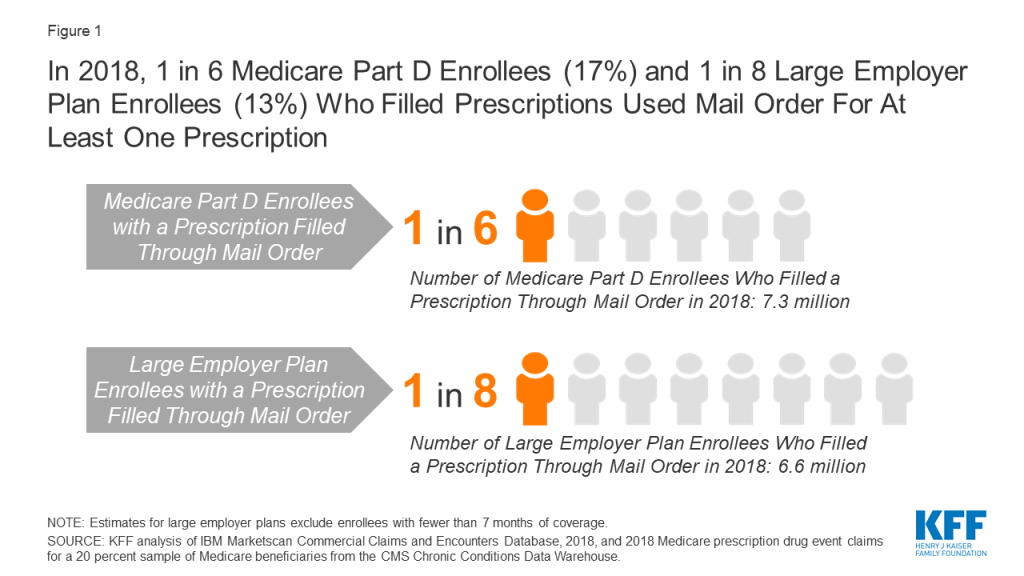
Based on 2018 data that predates the pandemic, 17% of Medicare Part D beneficiaries (7.3 million) and 13% of large employer plan enrollees (6.6 million) with prescription use had at least one prescription delivered from a mail-order pharmacy (Figure 1). Of the 157 million people who had employer coverage in 2018, 82 million were covered by an employer with 1,000 or more employees. In total, Medicare Part D beneficiaries and enrollees in large group employer plans filled 8% and 9% of prescriptions by mail order, accounting for 115 million and 58 million prescription fills respectively (Table 1). These estimates do not take into account mail-order use by people with other sources of coverage, including Medicaid, Marketplace plans, small-group enrollees, or the Veterans Administration.
Across both Medicare Part D and large group employer plans, cardiovascular agents made up five of the top 10 therapeutic classes in terms of mail-order prescription fills in 2018 (Table 1). In each population, antihyperlipidemic drugs to aid in lowering cholesterol had the largest number of prescriptions filled by a mail-order pharmacy. Among Medicare Part D beneficiaries, 14% of antihyperlipidemic drugs were filled by mail (16.5 million prescriptions), while 20% of drugs in this class were filled by mail by large employer plan enrollees (6.7 million prescriptions).
Among large employer enrollees, oral contraceptives were among the top 10 therapeutic classes with prescriptions filled by mail order. In 2018, 10% percent of oral contraceptive prescriptions (2.4 million) filled by enrollees in a large group plan were filled by a mail-order pharmacy. Other classes that rank in the top 10 for mail-order prescriptions include certain diabetes medications, with 15% of prescriptions (2.5 million) for large employer enrollees and 11% of prescriptions (4.7 million) for Medicare Part D enrollees filled by mail order in 2018, and antidepressants, with 10% of prescriptions (5.7 million) for large employer enrollees and 7% of prescriptions (6.5 million) for Medicare Part D enrollees filled by mail order in 2018.
The top 10 drugs by volume of prescriptions filled by mail order in 2018 were the same for Medicare Part D and large employer plans, though the rankings vary slightly, and include several medications to treat high cholesterol and hypertension (Table 2). Among Medicare Part D enrollees, atorvastatin, which is used to treat high cholesterol, had the highest volume of mail-order fills (6.6 million, or 13% of all prescriptions for this product in 2018); among enrollees in large employer plans, levothyroxine sodium, which treats hypothyroidism, had the highest volume of mail-order fills (3.1 million, 16%).
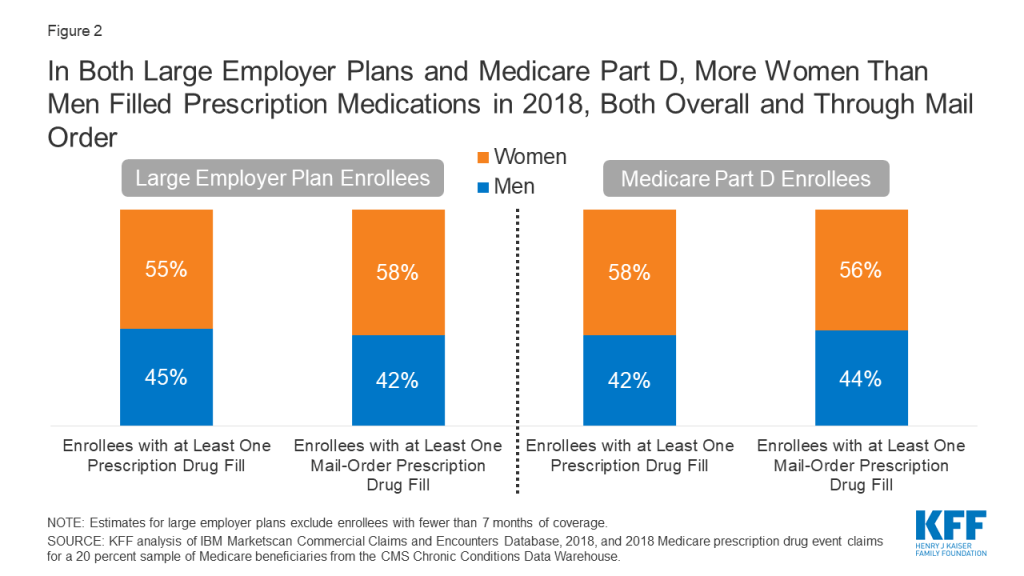
More women than men in both large employer plans and Medicare Part D filled prescription drugs and received at least one mail-order prescription drug in 2018 (Figure 2). Stratifying by age among individuals in large employer plans, among reproductive age individuals (ages 15 to 43) in large employer plans, a higher share of women than men had at least one mail-order prescription drug claim (11% for women in this age group versus 7% for men), which is partially driven by mail-order use for contraception. There were no differences by gender in the percentage of those who have at least one mail-order prescription among children ages 0-14 or individuals ages 44 to 64 (3% and 22% respectively).
Drugs used to treat chronic conditions, including hypothyroidism, high cholesterol, hypertension, and type 2 diabetes, are among the prescriptions most commonly filled by mail order for Medicare Part D enrollees and large employer plan enrollees, whether measured by therapeutic class or product. Therefore, delays in delivery due to changes to the operations of the U.S. Postal Service could lead to negative health consequences if it compromises patients’ ability to adhere to their medication regimens.
| Table 1: Top 10 Therapeutic Classes Filled by Mail Order in Medicare Part D and Large Employer Plans,by Volume of Prescriptions, 2018 | ||||
| Therapeutic class | Therapeutic group | Number of prescriptions filled by mail order | Number of enrollees with mail-order prescription | Among all prescriptions filled within therapeutic class, share filled by mail order |
| Medicare Part D | ||||
| TOTAL, all classes | 114,888,200 | 7,293,635 | 7.8% | |
| Antihyperlipidemic Drugs, NEC | Cardiovascular Agents | 16,517,565 | 4,449,520 | 14.1% |
| Cardiac, Beta Blockers | Cardiovascular Agents | 8,923,545 | 2,552,120 | 11.6% |
| Cardiac, ACE Inhibitors | Cardiovascular Agents | 6,934,975 | 1,974,120 | 12.8% |
| Psychotherapeutics, Antidepressants | Central Nervous System | 6,534,395 | 1,659,345 | 6.9% |
| Cardiac, Calcium Channel | Cardiovascular Agents | 6,453,380 | 1,873,325 | 11.3% |
| Cardiac Drugs, NEC | Cardiovascular Agents | 6,021,195 | 1,717,620 | 13.2% |
| Thyroit/Antithyroid, Thyroid/Hormones | Hormones & Synthetic Substitutes | 5,803,410 | 1,561,605 | 12.4% |
| Gastrointestinal Drug Misc, NEC | Gastrointestinal Drugs | 5,642,420 | 1,700,580 | 9.7% |
| Antidiabetic Agents, Misc | Hormones & Synthetic Substitutes | 4,693,630 | 1,280,355 | 10.8% |
| Misc Therapeutic Agents, NEC* | Misc Therapeutic Agents | 2,984,960 | 741,870 | 11.7% |
| Large Employer Plans | ||||
| TOTAL, all classes | 58,076,511 | 6,552,568 | 9.1% | |
| Antihyperlipidemic Drugs, NEC | Cardiovascular Agents | 6,743,934 | 1,807,415 | 20.1% |
| Psychotherapeutics, Antidepressants | Central Nervous System | 5,723,719 | 1,466,376 | 10.3% |
| Thyroid/Antithyroid, Thyroid Hormones | Hormones & Synthetic Substitutes | 3,409,575 | 897,768 | 15.9% |
| Cardiac, ACE Inhibitors | Cardiovascular Agents | 3,185,892 | 922,549 | 15.6% |
| Cardiac, Beta Blockers | Cardiovascular Agents | 2,680,792 | 780,268 | 15.5% |
| Cardiac Drugs. NEC | Cardiovascular Agents | 2,574,019 | 747,708 | 16.1% |
| Antidiabetic Agents, Misc | Hormones & Synthetic Substitutes | 2,512,233 | 665,014 | 15.0% |
| Contraceptive, Oral Comb, NEC | Hormones & Synthetic Substitutes | 2,411,000 | 683,445 | 10.3% |
| Gastrointestinal Drugs Misc, NEC | Gastrointestinal Drugs | 2,335,366 | 711,485 | 13.1% |
| Cardiac, Calcium Channel | Cardiovascular Agents | 2,043,871 | 604,578 | 14.5% |
| NOTE: NEC is not elsewhere classified. Estimates for large employer plans exclude enrollees with fewer than 7 months of coverage. *Less than 1% of prescriptions in the “Misc Therapeutic Agents, NEC” class are categorized in the “Respiratory Tract Agents” therapeutic group.SOURCE: KFF analysis of IBM Marketscan Commercial Claims and Encounters Database, 2018, and 2018 Medicare prescription drug event claims for a 20 percent sample of Medicare beneficiaries from the CMS Chronic Conditions Data Warehouse. | ||||
| Table 2: Top 10 Drug Products Filled by Mail Order in Medicare Part D and Large Employer Plans, by Volume of Prescriptions, 2018 | |||||
| Drug product | Number of prescriptions filled by mail order | Number of enrollees with mail-order prescription | Among all prescriptions filled for drug product, share filled by mail order | Indication | Common brand names |
| Medicare Part D | |||||
| Atorvastatin calcium | 6,636,765 | 1,967,555 | 13.0% | high cholesterol | Lipitor |
| Levothyroxine sodium | 5,698,630 | 1,548,500 | 12.5% | hypothyroidism | Levothroid, Levoxyl, Synthroid, Unithroid |
| Amlodipine besylate | 4,581,675 | 1,350,760 | 11.2% | hypertension | Katerzia, Norvasc |
| Lisinopril | 4,353,865 | 1,265,540 | 11.7% | hypertension | Prinivil, Zestril |
| Simvastatin | 3,776,125 | 1,089,485 | 16.1% | high cholesterol | Zocor |
| Metformin HCL | 3,696,385 | 1,104,535 | 12.2% | type 2 diabetes | Glucophage |
| Omeprazole | 3,264,810 | 1,004,740 | 11.3% | acid reflux, ulcers, heart burn | Prilosec |
| Losartan potassium | 3,120,395 | 949,995 | 12.6% | hypertension | Cozaar |
| Metoprolol succinate | 2,992,240 | 880,120 | 12.8% | hypertension, angina, heart failure | Kapspargo Sprinkle, Toprol XL |
| Hydrochlorothiazide | 2,288,360 | 690,805 | 13.4% | hypertension | Microzide |
| Large Employer Plans | |||||
| Levothyroxine sodium | 3,072,413 | 837,581 | 16.3% | hypothyroidism | Levothroid, Levoxyl, Synthroid, Unithroid |
| Atorvastatin calcium | 2,858,703 | 864,833 | 18.9% | high cholesterol | Lipitor |
| Lisinopril | 2,067,537 | 608,625 | 15.2% | hypertension | Prinivil, Zestril |
| Metformin HCL | 1,762,022 | 544,089 | 15.5% | type 2 diabetes | Glucophage |
| Amlodipine besylate | 1,349,224 | 407,717 | 13.6% | hypertension | Katerzia, Norvasc |
| Simvastatin | 1,196,826 | 348,014 | 23.1% | high cholesterol | Zocor |
| Losartan potassium | 1,117,641 | 348,870 | 15.3% | hypertension | Cozaar |
| Omeprazole | 1,077,168 | 339,343 | 13.4% | acid reflux, ulcers, heart burn | Prilosec |
| Metoprolol succinate | 965,373 | 281,249 | 16.2% | hypertension, angina, heart failure | Kapspargo Sprinkle, Toprol XL |
| Hydrochlorothiazide | 939,555 | 287,646 | 14.6% | hypertension | Microzide |
| NOTE: Estimates for large employer plans exclude enrollees with fewer than 7 months of coverage. Includes all prescriptions for products containing the specified generic name. Does not reflect combination products that include the active ingredient. Each of the top 10 drugs are available generically. The “common brand names” field is provided as an example of branded versions, though these do not account for all of the mail-order fills for any of these top 10 drug products.SOURCE: KFF analysis of IBM Marketscan Commercial Claims and Encounters Database, 2018, and 2018 Medicare prescription drug event claims for a 20 percent sample of Medicare beneficiaries from the CMS Chronic Conditions Data Warehouse. | |||||
For the analysis of large employer plans, we analyzed a sample of medical claims obtained from the 2018 IBM Health Analytics MarketScan Commercial Claims and Encounters Database, which contains claims information provided by large employer plans. We only included claims for people under the age of 65, as people over the age of 65 are typically on Medicare. This analysis used claims for almost 18 million people representing about 22% of the 82 million people in the large group market in 2018. Seventy percent of larger group enrollees who were enrolled for more than six months had at least one prescription drug claim in the year. Weights were applied to match counts in the Current Population Survey for enrollees at firms of 1,000 or more workers by sex, age and state. Weights were trimmed at eight times the interquartile range.
For the analysis of Medicare Part D, we used the 2018 Medicare Part D prescription drug event (PDE) claims data from the Centers for Medicare & Medicaid Services (CMS) Chronic Conditions Data Warehouse (CCW) for a 20 percent sample of Medicare beneficiaries. The analysis was limited to enrollees who filled a prescription in 2018, which equaled 42.9 million enrollees out of 46.1 million total (93.1%).
For both datasets, MarketScan’s Red Book was used to classify drugs by generic id and the therapeutic/pharmacologic category of the drug product. Drug spending paid for by someone other than an enrollee’s insurer, drugs administered in an inpatient setting, or not classified under the controlled substance act were excluded. Each prescription drug claim was counted as a single prescription regardless of the quantity or strength of that prescription. Drugs were grouped by the generic drug name, which may include multiple brands, but treats combination products separately.
To identify prescriptions filled by a mail-order pharmacy, we used the field indicating the type of pharmacy that filled the prescription. It is not possible to determine the method by which the prescription was subsequently mailed, and thus the totals here reflect prescriptions delivered via the U.S. Postal Service, as well as those delivered by other services, such as FedEx or UPS. In the Part D claims, specialty pharmacy claims are reported separately from mail-order pharmacy claims, although in some cases, specialty pharmacies may ship directly to patients; our analysis does not count these prescriptions as mail order because we are unable to identify them as such.
A new analysis finds that most people with individual or fully-insured group market coverage are in plans that waived cost-sharing for COVID-19 treatment, though many of those waivers are set to expire in the coming months.
About 88% – nearly nine in ten – enrollees in the individual and fully-insured group markets are covered by plans that have taken action to limit out-of-pocket costs for patients undergoing treatment for COVID-19 since the start of the pandemic. However, after accounting for waivers that have already expired (20%) or are scheduled to expire by the end of September (16%), just over half of enrollees in these plans will still be eligible for waived cost-sharing in October and beyond.
The estimates do not include the 61% of group market enrollees in self-insured plans through their employers. While many people with job-based health insurance may be covered by private insurers that are waiving cost-sharing for COVID-19 treatment, if their plan is self-insured, their employer can opt out extending cost-sharing and other financial relief to employees.
While emergency federal legislation has made COVID-19 testing available at no cost to most people, there is no federally mandated limit on out-of-pocket costs for COVID-19 treatment. KFF estimates that an inpatient admission for COVID-19 treatment could generate more than $1,300 in out-of-pocket costs for a person in a large employer-sponsored plan and costs could be much higher for people who are severely sick; the average costs that enrollees in individual and small group market plans can expect to pay may also be higher, given that these plans typically have higher deductibles. Additionally, enrollees in plans that waive cost-sharing for COVID-19 treatment may still be responsible for costs associated with the use of out-of-network providers or services.
The brief also finds that a smaller number of enrollees (23%) in individual and fully-insured group market plans are eligible for some form of premium relief amid the pandemic, including premium credits or reductions, grace periods for premium payment, and/or expedited Medical Loss Ratio (MLR) rebates.
A related analysis examines steps private insurers have taken expand the use of telemedicine during the pandemic, including waived cost-sharing for plan enrollees.
The issue brief is available on the Peterson-KFF Health System Tracker, an online information hub dedicated to monitoring and assessing the performance of the U.S. health system.
The COVID-19 pandemic has taken a disproportionate toll on some groups of individuals, including lower income individuals and people of color. One group who faces risks and challenges associated with the pandemic is the nearly 22 million noncitizen immigrants living in the U.S. today. Non-citizen immigrants were already facing a range of challenges prior to the pandemic, including increased fear and uncertainty due to shifting immigration policy that was leading some to turn away from accessing programs and services. As virus hotspots have risen in the Southern and Western regions of the country, with reports of increases in towns along the U.S.-Mexico border, understanding the risks and challenges facing noncitizen immigrants is of increasing importance. This brief analyzes key characteristics of noncitizen immigrants to examine the health and economic risks they face amid the pandemic. It finds:
Taken together, noncitizen immigrants’ living, working, and commuting situations increase their risk for exposure to coronavirus. They are more likely to live in larger households in densely populated areas that make social distancing challenging. Moreover, because many noncitizens workers are employed in jobs that cannot be done from home and have lower incomes, many cannot afford to stay home to limit risk of exposure and/or if they are sick. Their lower incomes and work in service industries that have experienced cutbacks amid the pandemic also increase their risks of experiencing financial hardship. Noncitizen immigrants also may have difficulty accessing testing and treatment due to their higher uninsured rate and immigration-related fears. Although noncitizen immigrants face increased risks associated with the pandemic, restrictions limit immigrants’ eligibility for federal health and financial relief provided in response to COVID-19. Further, those who are eligible for assistance may be reluctant to access services or supports due to immigration-related fears. The extent to which COVID-19 response efforts address challenges facing immigrant families has implications for immigrant families as well as the health and economic stability of the broader population, particularly given the role immigrants play in the nation’s workforce.
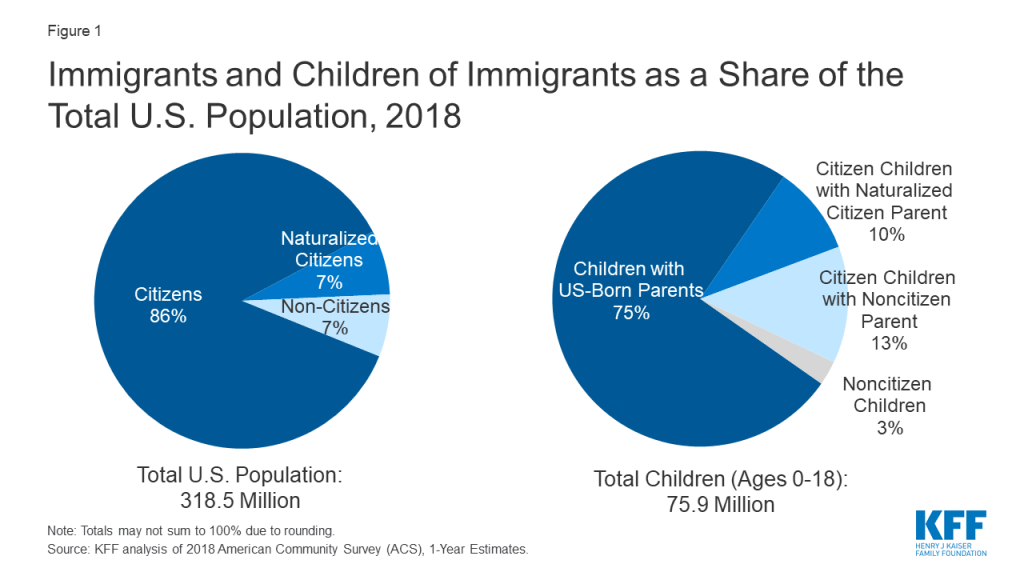
As of 2018, there were nearly 22 million noncitizen immigrants living in the United States, making up roughly 7% of the total population (Figure 1). Noncitizens include lawfully present and undocumented immigrants. Many individuals live in mixed status families that may include lawfully present immigrants, undocumented immigrants, and/or citizens. Over two-thirds (67%) of noncitizens lived in a household (which may include their family or unrelated household members) with a citizen. While there are few noncitizen children overall, about 10 million or nearly 13% of citizen children have a noncitizen parent.
This analysis presents data on the living situations, employment and commuting patterns, income, and health insurance for noncitizen immigrants prior to the COVID-19 pandemic. It is based on KFF analysis of 2018 American Community Survey data (see Methods for more details.) Although these data show characteristics of noncitizen immigrants prior to the pandemic, they provide insight into the health and financial risks they face associated with the pandemic.
Non-citizen immigrants are more likely than citizens to live in larger households and urban areas, potentially increasing their risk of exposure to the virus. Overall, 33% of noncitizen immigrants live in a household with more than four people compared to 21% of citizens, and 8% nonelderly noncitizen immigrants live with someone aged 65 or over. Noncitizens also are more likely than citizens are to live in an urban area (96% vs. 86%).
The nearly 13 million noncitizen workers, who make up 8% of the overall workforce, are concentrated in jobs that generally cannot be done virtually. Nearly one in four (23%) noncitizen workers are in the construction and restaurant and food services industries (Figure 2).

Occupations that employ the largest numbers of noncitizen workers include construction laborers, cooks, janitors and building cleaners, agricultural workers, and maids and housekeepers, where they also account for a high share of all workers. For example, they account for over four in ten agricultural workers (42%), 30% of maids and housekeepers, one in five (20%) cooks, and 16% of janitors and building cleaners (Figure 3). Noncitizen workers also contribute to the health care workforce. They make up 5% of workers in the health care industry and up to 10% of all aides and personal care workers and direct contact support workers in home health care and nursing and residential care facilities.

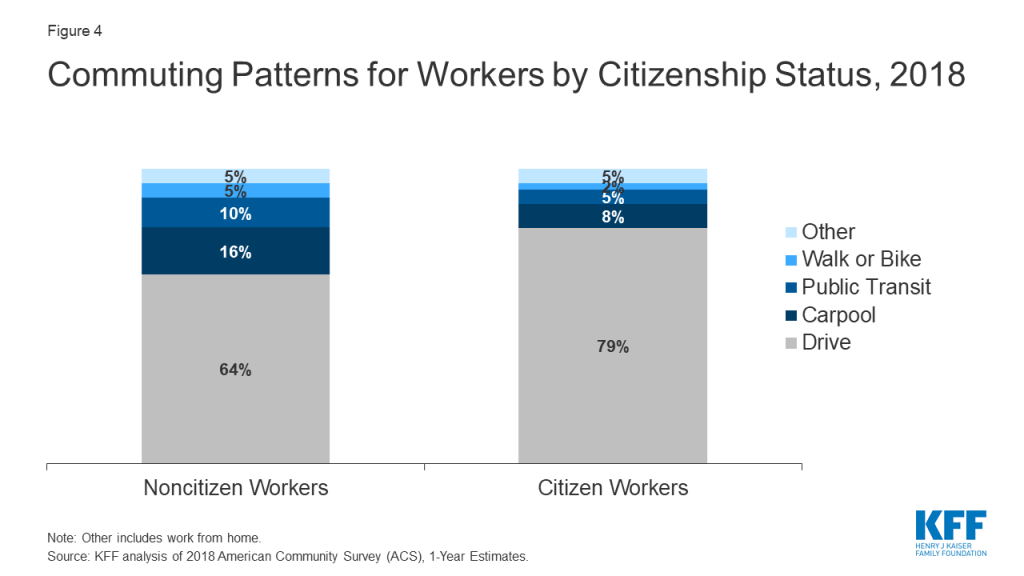
Prior to the pandemic, noncitizen workers were more likely than citizen workers to rely on public transportation or carpools to commute to their job (Figure 4). Noncitizens were less likely to drive alone to work compared to citizen workers (64% vs 79%) and were twice as likely as their citizen counterparts were to carpool (16% vs. 8%) and use public transit (10% vs. 5%).
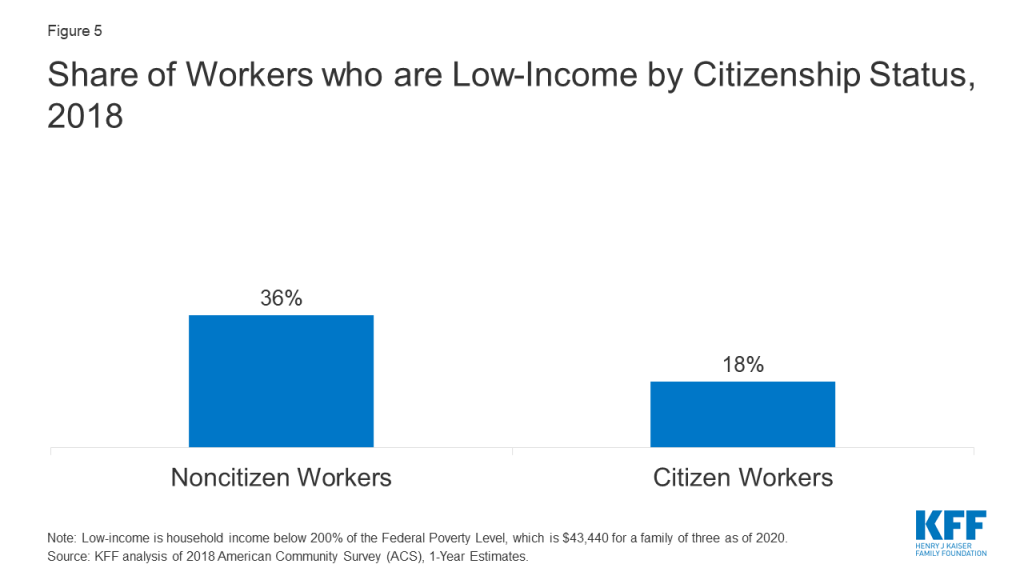
Noncitizen workers twice as likely to be low-income (household income below 200% of the federal poverty level or $43,400 for a family of three as of 2020) compared to their citizen counterparts (36% vs. 18%) (Figure 5).
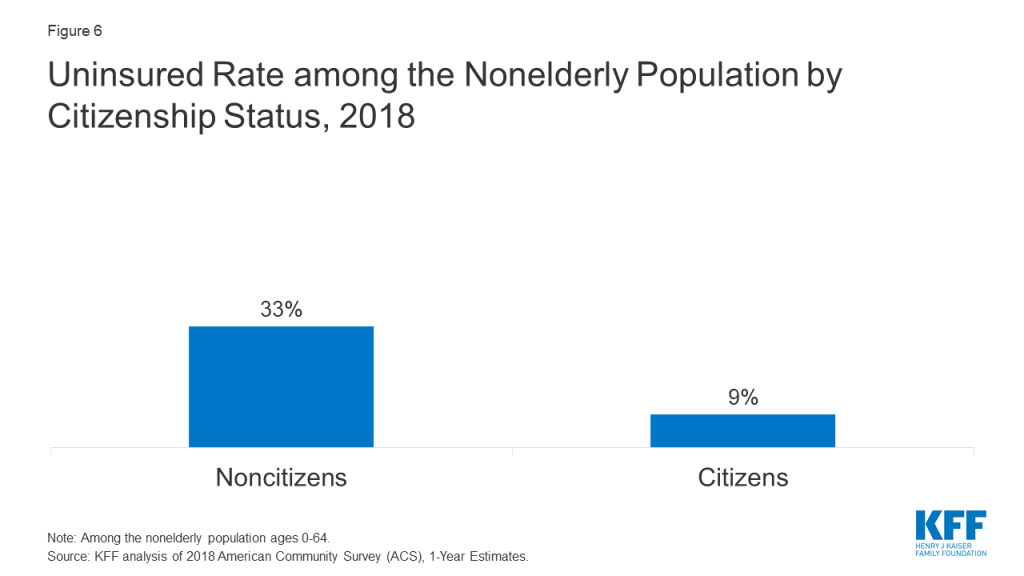
Noncitizen immigrants are significantly more likely than citizens to be uninsured. Among the nonelderly population, 33% of noncitizen immigrants are uninsured compared to 9% of citizens (Figure 6).
Taken together, noncitizen immigrants’ living, working, and commuting situations make them more likely to be at risk for exposure to coronavirus. They are more likely to live in larger households in densely populated areas that make social distancing challenging. Moreover, because many noncitizens workers are employed in jobs that cannot be done from home and have lower incomes, many may put themselves at risk of exposure to coronavirus because they cannot afford to stay home and miss work. Noncitizen workers may also face increased risk of exposure due to their reliance on public transportation and carpools. Although data on infections and deaths among immigrants are limited, there have been outbreaks among workers in meatpacking plants and farmworkers, which include high shares of immigrant workers. Moreover, reports indicate that outbreaks are spiking along the U.S.-Mexico border, where large numbers of immigrants live.
Noncitizen immigrants also face increased risks of financial difficulties due to economic impacts of the pandemic. Noncitizen workers are at risk for job cutbacks because many are working in service industries, such as restaurants and food services. Other analysis finds that initial job losses amid the pandemic have been particularly high among immigrants. Given their low incomes, job loss could lead to significant financial pressures for them and their families, including increased difficulty paying for basic needs. Analysis has found that Hispanic adults in families with noncitizens are experiencing higher rates of negative employment impacts because of the pandemic than families where all members are citizens, and that they were more likely to report experiencing hardships such as food insecurity or not being able to pay their full rent or mortgage on time.
Noncitizens immigrants may face increased barriers to accessing testing or treatment due to higher uninsured rates. Immigrants are on average younger and healthier compared to citizens, meaning they face relatively lower risk of experiencing serious illness if infected with coronavirus. However, because they face increased barriers accessing health care, they may have greater challenges accessing testing and treatment that could lead them to delay or forgo seeking care. Research shows that uninsured individuals are less likely to have a usual source of care and more likely to delay or go without care compared to those with insurance. The number of uninsured individuals, including immigrants, is expected to increase as people lose jobs and job-based health coverage due to the pandemic.
Although noncitizen immigrants face increased risks associated with the pandemic, restrictions limit immigrants’ eligibility for federal health and financial relief provided in response to COVID-19.
Growing fear and uncertainty among individuals in immigrant families may also lead to some individuals avoiding accessing services or assistance even if they are eligible for them. Immigration policy changes and enhanced immigration enforcement efforts over the past several years have led to growing fear and uncertainty among immigrant families that are leading some to avoid seeking services, including health care, and/or enrolling in public programs, including health coverage through Medicaid and the Children’s Health Insurance Program (CHIP). These include recent changes to public charge policy that would prevent individuals from obtaining a green card or entry into the U.S. if they are determined likely to use certain public programs, including Medicaid. U.S. Citizenship and Immigration Services (USCIS) posted an alert clarifying that it will not consider testing, treatment, or preventive care (including vaccines if a vaccine becomes available) related to COVID-19 as part of public charge determinations. In addition, Immigration and Customs Enforcement (ICE) has reiterated that, consistent with its existing sensitive locations policy, it will not carry out enforcement operations at or near health care facilities, except in the most extraordinary circumstances. However, families may still be fearful of accessing services or assistance if they are uncertain about current policies.
In sum, noncitizen immigrants face an array of risks and challenges associated with the pandemic. However, they have more limited access to federal support and assistance. The extent to which COVID-19 response efforts address challenges facing immigrant families has implications for immigrant families as well as the health and economic stability of the broader population, particularly given the role immigrants play in the nation’s workforce.
This analysis is based on a KFF analysis of the 2018 American Community Survey (ACS), 1-year file. The ACS includes a 1% sample of the US population, the subset used here includes over 160,000 non-citizen observations. Industry and Occupation definitions are defined within ACS using the 2018 SOC and the 2017 NAICS – for more information see here. We define workers as adults (18+) who earned at least $1,000 during the year. Metro and non-metro areas are defined by the USDA Economic Research Service.
The ACS asks respondents about their health insurance coverage at the time of the survey. Respondents may report having more than one type of coverage; however, individuals are sorted into only one category of insurance coverage.
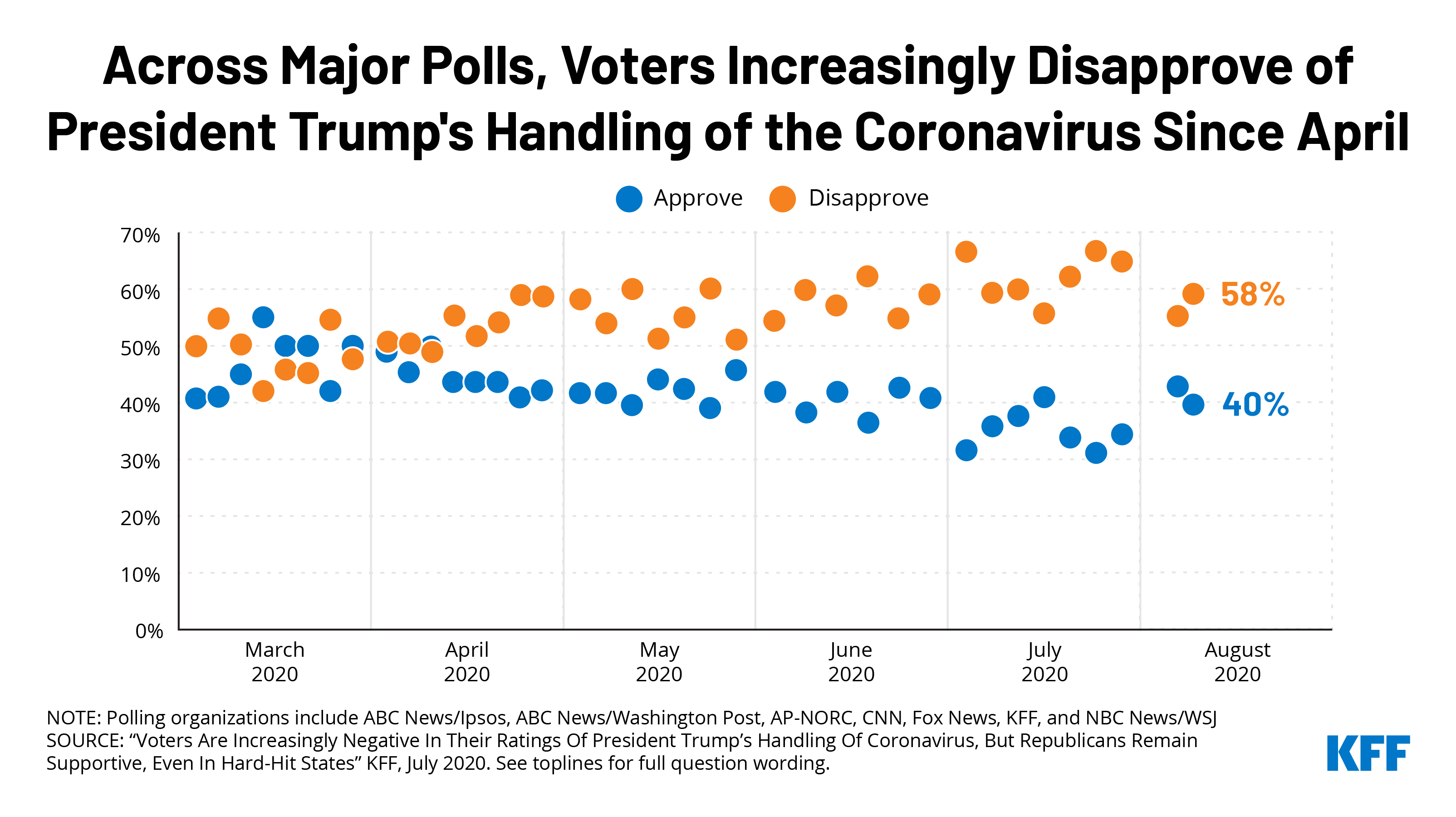
Voters Are Souring on President Trump’s Handling of Coronavirus, with Implications for November