What Do the Midterm Election Results Mean for Health Care?
Join KFF at noon ET on November 5 for a special post-election discussion and live podcast taping about what the election results could mean for health policy. Part of the discussion will focus on public opinion survey data on how voters weighed health care as they went to the polls nationally and in the four states with abortion-related ballot initiatives.
Poll: Cost of Health Care and Gas Top Voters’ Midterm Concerns; Democrats Hold Significant Advantage on Health Care Costs, Cost of Living
Health care costs are tied with gas as voters’ top economic concern, and voters trust Democrats more than Republicans on key issues, including health care costs and the cost of living. Meanwhile, support for Medicare-for-All has reached a new high in KFF polling — though views shift significantly when competing claims from critics and proponents are heard.

Health in the 2026 Midterm Elections
See the latest from our round-up of policy research, polling and news from across KFF about election-related health care issues.
Midterm Election Update: ACA Marketplaces
More people than ever got coverage through the Affordable Care Act Marketplaces in 2025, but the expiration of enhanced premium tax credits has driven up what people pay and contributed to declining enrollment in 2026. Law and regulatory changes also tightened ACA eligibility and enrollment requirements. Public opinion of the ACA remains generally favorable, although views remain divided along partisan lines.
health costs
Workers Now Pay $7,471 on Average Annually for Family Health Coverage, Up 9% or $621 from 2025
The 2026 Employer Health Benefits Survey finds that workers are paying on average $7,471 annually toward the premiums for employer-sponsored family health benefits in 2026, which is up 9%, or $621, from 2025. Including the employers’ share, total annual premiums for family coverage now average $28,303, up 5% from 2025.
Women's Health survey
KFF 2026 Women’s Health Survey
For more than two decades, the KFF Women’s Health Survey has provided a nationally representative look at women’s experiences with health care in the U.S.
Women’s Experiences with Abortion, Access, and Concerns About Future Pregnancy
This brief provides national estimates from the 2026 KFF Women’s Health Survey on reproductive age women’s experiences with abortion, the impact of Dobbs on abortion access and women’s concerns about future pregnancies, as well as women’s knowledge on the availability of medication abortion.
medicare open enrollment
More Than 4 Million Medicare Beneficiaries Will Have Their Medicare Advantage or Stand-Alone Prescription Drug Plan Terminated at Year-End
Data from the Centers for Medicare & Medicaid Services shows that 4.3 million Medicare beneficiaries, including 3.1 million Medicare Advantage drug plan enrollees and 1.2 million PDP enrollees, will have their plan terminated at the end of 2026. An additional 1.4 million Medicare Advantage enrollees are in a plan that is consolidating with another plan offered by the same insurer.
new and noteworthy
Latest News
-

Jacksonville, Florida’s Gun Violence Is Rooted in Redlining and Homes Built on Toxic Waste
-

Remember This Acronym Next Time You’re Facing a Big Medical Decision: B.R.A.I.N.
-
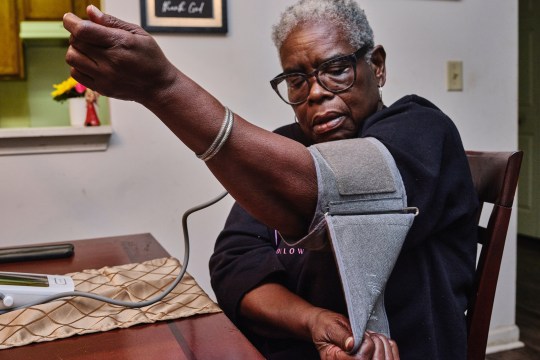
Many Medicare Patients Could Lose Access to Remote Monitoring Devices
-

The Cost of Healthcare Is Hitting America Where It Hurts: The Wallet
Subscribe to KFF Emails
Choose which emails are best for you.
Sign up here