Women's Health Policy

ABORTION IN THE U.S.

Abortion on the 2026 Ballot: The Evolving Landscape of State Abortion Initiatives 

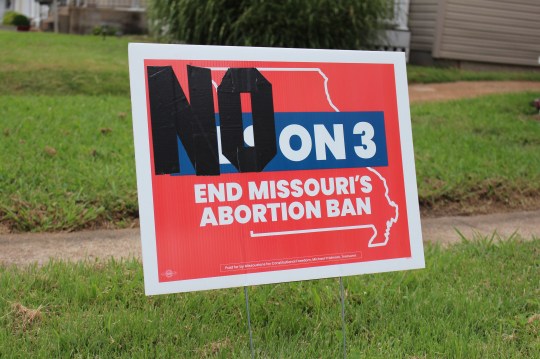
Since the Supreme Court’s Dobbs decision, overturning Roe v. Wade, voters in 17 states have weighed in on ballot measures regarding abortion — some more than once. In November 2026, voters in Idaho, Missouri, Nevada, and Virginia will weigh in on abortion measures that could change the legal status of abortion in their state. In addition, a measure in Colorado is in the process of collecting signatures.
CONTRACEPTIve care IN THE U.S.

SELECTED RESOURCES

featured

Women's Health Survey

The Women’s Health Survey is a series of nationally representative surveys on women’s health conducted by KFF since 2001. The survey aims to track and document women’s experiences with the health care system, access challenges and barriers to care, knowledge related to health and well-being, and differences between women by age, race/ethnicity, income level, and insurance type.

A promotional image for the the KFF Health Policy 101 Issues in Women’s Health chapter

Health Policy Issues in Women’s Health

Examine the core health coverage and access issues —shaped by federal and state policies—that affect women’s health today, including health coverage and costs, reproductive health services, maternal health, mental health, and intimate partner violence.

State Profiles for Womens Health

Explore the latest national and state-specific data and policies on women’s health. Topics include health status, insurance and Medicaid coverage, use of preventive services, sexual health, maternal and infant health, and abortion policies. Many indicators provide state-level information for women of different racial and ethnic groups.

The essentials
  • Women’s Health Insurance Coverage

    This factsheet reviews major sources of coverage for women residing in the U.S., discusses the ACA's impact on coverage, and the coverage challenges that many women continue to face.
  • Medicaid Coverage for Women

    This data note presents key data points describing the current state of the Medicaid program as it affects women, including eligibility, reproductive health, chronic conditions, and more.
  • Dobbs: What are the Implications for Racial Disparities?

    This analysis examines the implications of the Dobbs decision and state restrictions on abortion coverage for racial disparities in access to care and health outcomes.
  • State Health Facts: Women's Health Indicators

    Information on women’s health status, utilization of services, health insurance coverage, family planning and childbirth, and abortion statistics and policies.
  • Key Facts on Abortion in the United States

    This report answers some key questions about abortion in the United States and presents data collected before the overturn of Roe v. Wade.

Stay informed.

Stay informed.

Filter

851-860 of 880 results

  • Oral Contraceptive Pills: Access and Availability

    Issue Brief

    This brief provides an overview of oral contraception, discusses private insurance and Medicaid coverage, and reviews strategies to promote and expand women’s access to oral contraceptives.

  • KFF Examines How Abortion Bans, Misinformation, and State Actions May Affect Access to Contraception

    News Release

    Following the Supreme Court’s ruling overturning Roe v. Wade, uncertainty has emerged over whether the right to contraception could also be limited. Justice Thomas’ concurring opinion in Dobbs renewed attention and raised the possibility that other Supreme Court precedents relying on the same principles as Roe, such as the right of people to obtain contraceptives, could also be overturned. In response, legislative bodies at the state and federal level have debated, and in some cases…

  • KFF Examines Key Considerations for the Implementation of Insurance Coverage for Over-the-Counter Contraceptives

    News Release

    With federal regulators seeking public input on the potential benefits, costs, and implementation considerations of requiring private health insurance plans to cover over-the-counter preventive products without a prescription, a new KFF post explores the issues relevant to covering over-the-counter contraceptives. These contraceptives include Opill, the first daily oral contraceptive pill to receive FDA approval for over-the-counter availability. The analysis draws on the lessons learned from KFF staff interviews with more than 80 key players nationally…

  • ACA Preventive Services at the Supreme Court

    Quick Insights

    If the Court rules in favor of Braidwood, private health insurers would no longer be required to cover, without cost sharing, certain preventive services recommended by USPTF after 2010 when the ACA was enacted.

  • KFF Examines Challenges in Navigating Coverage for Opill, the First Over-the-Counter Daily Oral Contraceptive Pill, Coming to Market Next Year 

    News Release

    As Opill—the first over-the-counter daily oral contraceptive pill in the United States—is expected to be available for purchase in early 2024, new research conducted by KFF examines barriers to its accessibility for consumers and challenges in providing insurance coverage for it. Based on interviews with nearly 80 representatives from private insurance plans, state Medicaid programs, chain pharmacies, and other key groups, the report provides a deeper view into the operational challenges in expanding access to…

  • How Pending Health-Related Lawsuits Could be Impacted by the Incoming Trump Administration

    Issue Brief

    This brief provides an overview of current lawsuits in health policy including preventive services, abortion care, gender affirming care, Medicare drug price negotiations, nursing home staffing rules, private coverage consumer protections, and protections and health coverage for Deferred Action for Childhood Arrivals (DACA) recipients; how they may be affected by the incoming Trump administration; and the implications of their potential outcomes.

  • Coverage of Sexual and Reproductive Health Services in Medicare

    Issue Brief

    This brief describes Medicare coverage of sexual and reproductive health services, including contraception, and compares that coverage with private insurance plans and Medicaid. These benefits are particularly relevant to nearly 1 million women of reproductive age (20-49) who are eligible for Medicare due to having a long-term disability.