Women's Health Policy

ABORTION IN THE U.S.

Abortion on the 2026 Ballot: The Evolving Landscape of State Abortion Initiatives 

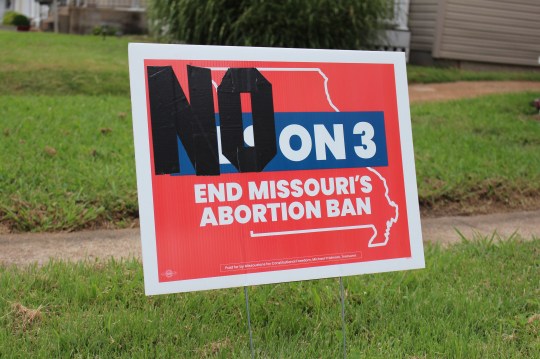
Since the Supreme Court’s Dobbs decision, overturning Roe v. Wade, voters in 17 states have weighed in on ballot measures regarding abortion — some more than once. In November 2026, voters in Idaho, Missouri, Nevada, and Virginia will weigh in on abortion measures that could change the legal status of abortion in their state. In addition, a measure in Colorado is in the process of collecting signatures.
CONTRACEPTIve care IN THE U.S.

SELECTED RESOURCES

featured

Women's Health Survey

The Women’s Health Survey is a series of nationally representative surveys on women’s health conducted by KFF since 2001. The survey aims to track and document women’s experiences with the health care system, access challenges and barriers to care, knowledge related to health and well-being, and differences between women by age, race/ethnicity, income level, and insurance type.

A promotional image for the the KFF Health Policy 101 Issues in Women’s Health chapter

Health Policy Issues in Women’s Health

Examine the core health coverage and access issues —shaped by federal and state policies—that affect women’s health today, including health coverage and costs, reproductive health services, maternal health, mental health, and intimate partner violence.

State Profiles for Womens Health

Explore the latest national and state-specific data and policies on women’s health. Topics include health status, insurance and Medicaid coverage, use of preventive services, sexual health, maternal and infant health, and abortion policies. Many indicators provide state-level information for women of different racial and ethnic groups.

The essentials
  • Women’s Health Insurance Coverage

    This factsheet reviews major sources of coverage for women residing in the U.S., discusses the ACA's impact on coverage, and the coverage challenges that many women continue to face.
  • Medicaid Coverage for Women

    This data note presents key data points describing the current state of the Medicaid program as it affects women, including eligibility, reproductive health, chronic conditions, and more.
  • Dobbs: What are the Implications for Racial Disparities?

    This analysis examines the implications of the Dobbs decision and state restrictions on abortion coverage for racial disparities in access to care and health outcomes.
  • State Health Facts: Women's Health Indicators

    Information on women’s health status, utilization of services, health insurance coverage, family planning and childbirth, and abortion statistics and policies.
  • Key Facts on Abortion in the United States

    This report answers some key questions about abortion in the United States and presents data collected before the overturn of Roe v. Wade.

Stay informed.

Stay informed.

Filter

801-810 of 880 results

  • Analysis: Insurance Riders to Cover Abortion Services Not Available to Women in States That Restrict Abortion Coverage

    News Release

    In 10 states, insurance plans are currently banned from including abortion as a covered service in state-regulated private plans -- all individually purchased policies and fully-insured group plans. Most of these laws do not include exceptions for rape, incest, or health endangerment. In nine of these states, insurers may sell health insurance riders for abortion coverage, but the availability of such riders has been unknown. A new Kaiser Family Foundation analysis of the insurance plans offered in…

  • Community Health Centers and Family Planning in an Era of Policy Uncertainty

    Report

    Community health centers play a major role in furnishing reproductive health care to women living in low-income and medically underserved communities. Along with independent freestanding family planning clinics including Planned Parenthood health centers (which also may receive Title X funding), and local public health agencies, community health centers are part of a publicly supported provider network that serve an estimated one in three low-income women. This report, an update of an earlier study conducted in…

  • New Survey: Women’s Health Coverage at All Time High; Affordability & Access Challenges Remain

    News Release

    A new nationally-representative survey of women from the Kaiser Family Foundation finds that coverage rates for women are at all-time highs and use of preventive services is on the rise, but many women still face a wide range of affordability and other access challenges. Conducted in the summer and fall of 2017, the survey provides a national overview of women’s health care coverage, access, affordability, and experiences among nonelderly women (ages 18 to 64) in the U.S. Highlights…

  • Women’s Connections to the Healthcare Delivery System: Key Findings from the 2017 Kaiser Women’s Health Survey

    Issue Brief

    This brief presents findings from the 2017 Kaiser Women’s Health Survey, a nationally representative survey of women ages 18 to 64 on their health status, relationships to regular providers and sites of care, and the frequency at which they receive routine preventive care. The Kaiser Family Foundation has conducted surveys on women’s health care in 2001, 2004, 2008, and 2013. This brief focuses on findings from the newest 2017 survey and presents some findings compared…

  • Poll: Early Perceptions of House Bill Show Public Thinks It Would Cover Fewer People and Raise Health Costs

    News Release

    Republicans More Likely to Expect Positive Changes Than Democrats or Independents Large Majority Favors Continued Medicaid Funding to Planned Parenthood Fielded March 6-12 as Americans were first learning about the American Health Care Act and before the Congressional Budget Office estimated its effects, the latest Kaiser Tracking Poll shows that large shares of the public expect the House Republican health care plan would result in fewer people having health insurance and higher costs for people…

  • Public Opinion on Women’s Health and Preventive Care

    Feature

    This slideshow draws on findings from a recent Kaiser Health Tracking Poll to provide an in-depth look at public opinion on women's health and preventive care. Results include Americans' awareness and attitudes toward Affordable Care Act provisions for women's health and preventive care, as well as the public's views toward federal funding for Planned Parenthood and reproductive health care for lower income women.

  • 10 Ways Women Could Be Affected by Repeal of the Affordable Care Act

    News Release

    Repeal of the Affordable Care Act could have a profound impact on women, as the law fundamentally changed women’s health coverage, benefits, and access to care. In a new issue brief, the Kaiser Family Foundation outlines 10 ways women could be affected if the ACA is repealed or its provisions are otherwise eliminated or modified, including through changes proposed in the House Republican replacement bill, the American Health Care Act. The brief discusses the potential…

  • Medicaid Coverage of Pregnancy and Perinatal Benefits: Results from a State Survey

    Report

    This report details findings from a state survey on perinatal benefits in place as of July 1, 2015 for women enrolled in fee-for-service Medicaid through different eligibility pathways, including traditional pre-ACA Medicaid pathways, expansion, and pregnancy-related eligibility for the following services: basic prenatal care, counseling and support services, delivery and postpartum care, and breastfeeding supports.

  • Medicaid Family Planning and Maternity Care Services: The Current Landscape

    News Release

    As the Trump Administration and Congress weigh major changes to Medicaid and programs that fund reproductive health care, new analyses from the Kaiser Family Foundation highlight the current state of coverage and challenges for family planning, pregnancy, and perinatal services in the Medicaid program that provides coverage for millions of low-income women across the nation. The inclusion of maternity care as an essential health benefit has been the focus of a recent policy debate over…

  • Poll Finds Most Americans Oppose the Trump Administration’s Changes to Restrict Title X Family Planning Funds from Clinics that also Provide or Refer for Abortion

    News Release

    A new KFF poll of the public’s views on reproductive health issues finds most Americans, including majorities of women of reproductive age, are concerned that access to women’s reproductive health and preventive care services may be limited by the Trump administration’s changes to Title X, the nation’s federal family planning program. The poll examines the public’s views of major regulatory changes to the Title X program, which funds nearly 4,000 clinics nationally to pay for…