Women's Health Policy

ABORTION IN THE U.S.

The Status of Abortion-related State Ballot Initiatives Since Dobbs

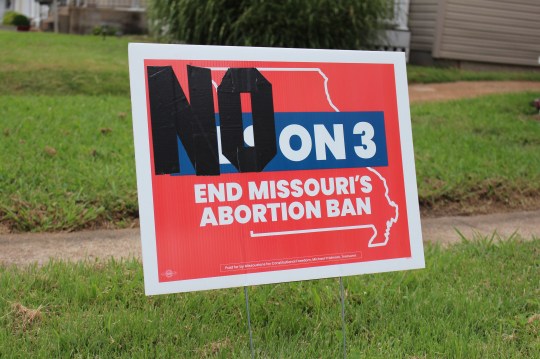
Since the Supreme Court’s Dobbs decision, overturning Roe v. Wade, voters in 17 states have weighed in on ballot measures regarding abortion — some more than once. In November 2026, voters in Idaho, Missouri, Nevada, and Virginia will weigh in on abortion measures that could change the legal status of abortion in their state. In addition, a measure in Colorado is in the process of collecting signatures.
CONTRACEPTIve care IN THE U.S.

SELECTED RESOURCES

Over-the-Counter Oral Contraceptive Pills

In July 2023, the FDA approved Opill, the first daily oral contraceptive pill to become available over the counter (OTC) without a doctor’s prescription. This issue brief provides an overview of OTC oral contraceptives and laws and policies related to insurance coverage.

featured

A promotional image for the the KFF Health Policy 101 Issues in Women’s Health chapter

Health Policy Issues in Women’s Health

Examine the core health coverage and access issues —shaped by federal and state policies—that affect women’s health today, including health coverage and costs, reproductive health services, maternal health, mental health, and intimate partner violence.

State Profiles for Women’s Health

Explore the latest national and state-specific data and policies on women’s health. Topics include health status, insurance and Medicaid coverage, use of preventive services, sexual health, maternal and infant health, and abortion policies. Many indicators provide state-level information for women of different racial and ethnic groups.

The essentials
  • Women’s Health Insurance Coverage

    This factsheet reviews major sources of coverage for women residing in the U.S., discusses the ACA's impact on coverage, and the coverage challenges that many women continue to face.
  • Medicaid Coverage for Women

    This data note presents key data points describing the current state of the Medicaid program as it affects women, including eligibility, reproductive health, chronic conditions, and more.
  • Dobbs: What are the Implications for Racial Disparities?

    This analysis examines the implications of the Dobbs decision and state restrictions on abortion coverage for racial disparities in access to care and health outcomes.
  • State Health Facts: Women's Health Indicators

    Information on women’s health status, utilization of services, health insurance coverage, family planning and childbirth, and abortion statistics and policies.
  • Key Facts on Abortion in the United States

    This report answers some key questions about abortion in the United States and presents data collected before the overturn of Roe v. Wade.

Stay informed.

Stay informed.

Filter

421-430 of 880 results

  • Sexually Transmitted Infections (STIs): An Overview, Payment, and Coverage

    Fact Sheet

    More people have health insurance than ever before under the Affordable Care Act (ACA), which emphasizes preventive care, including no-cost HIV and STI counseling and screening for recommended populations. This fact sheet examines trends and disparities in STI prevalence, reviews the STI screening and preventive care coverage policies for private insurance and public programs, and discusses coverage gaps and confidentiality concerns in the provision of these services.

  • Public Opinion on Women’s Health and Preventive Care

    Feature

    This slideshow draws on findings from a recent Kaiser Health Tracking Poll to provide an in-depth look at public opinion on women's health and preventive care. Results include Americans' awareness and attitudes toward Affordable Care Act provisions for women's health and preventive care, as well as the public's views toward federal funding for Planned Parenthood and reproductive health care for lower income women.

  • KFF Poll: Majority of Americans Say Recent State Abortion Regulations Are Intended to Reduce Access

    News Release

    The latest KFF poll finds most Americans (67%) think recent state-level abortion restrictions are designed to make access to abortion more difficult, rather than protect women’s health and safety. These state-level abortion restrictions have become more common in the last several years – with lawmakers arguing that these laws are intended to protect women’s health and safety. Overall, twice as many think recent state actions are generally designed to make it more difficult for women…

  • Abortion Knowledge and Attitudes: KFF Polling and Policy Insights

    Poll Finding

    This poll examines the public's knowledge and attitudes about abortion. This poll finds a majority of the public do not want to see the Supreme Court overturn Roe v. Wade, and think recent state-level abortion restrictions are designed to make abortion access more difficult, rather than protect women’s health and safety.

  • The Status of Participation in the Title X Federal Family Planning Program

    Interactive

    This interactive map and table show the status of Title X sites by state as of December 20, 2019. This analysis is based the June 2019 listing of Title X sites available from the HHS Office of Population Affairs and public statements and news coverage regarding clinic and grantee participation in Title X.

  • Fact Sheet Provides an Overview of Abortion Later in Pregnancy and Policies to Regulate It

    News Release

    Abortions occurring at or after 21 weeks gestational age are rare (1.4%) and difficult to obtain, yet these abortions are subject to intense public debate in the news, policy and the law.  A new KFF fact sheet provides basic information about abortion later in pregnancy in the US, including what it is, why patients may have an abortion later in pregnancy, and the laws that regulate it. The fact sheet addresses many misconceptions about abortion later in…