Women's Health Policy

ABORTION IN THE U.S.

Variability in Rebimbursement Rates for State-funded Abortion Services for Medicaid Enrollees: A 2026 Update

This analysis reveals that while more states have begun using their own funds to cover abortion services for Medicaid enrollees since the U.S. Supreme Court’s Dobbs decision, only a handful have significantly increased reimbursement rates for providers, potentially undermining access to care for low-income patients. After examining physician fee schedules for abortions provided to Medicaid enrollees since 2024, KFF finds that reimbursement rates vary dramatically across states, and that most states don't substantially increase payment rates for later-pregnancy procedures, despite their higher costs and complexity.

CONTRACEPTIve care IN THE U.S.

An Update on Medicaid, Title X and Planned Parenthood

This brief provides an update on Planned Parenthood clinic closures and participation in the Title X program amid substantial policy changes resulting in funding reductions. These changes include the One Big Beautiful Bill Act and the withholding of federal Title X funding to Planned Parenthood clinics.

SELECTED RESOURCES

Over-the-Counter Oral Contraceptive Pills

In July 2023, the FDA approved Opill, the first daily oral contraceptive pill to become available over the counter (OTC) without a doctor’s prescription. This issue brief provides an overview of OTC oral contraceptives and laws and policies related to insurance coverage.

featured

A promotional image for the the KFF Health Policy 101 Issues in Women’s Health chapter

Health Policy Issues in Women’s Health

Examine the core health coverage and access issues —shaped by federal and state policies—that affect women’s health today, including health coverage and costs, reproductive health services, maternal health, mental health, and intimate partner violence.

State Profiles for Women’s Health

Explore the latest national and state-specific data and policies on women’s health. Topics include health status, insurance and Medicaid coverage, use of preventive services, sexual health, maternal and infant health, and abortion policies. Many indicators provide state-level information for women of different racial and ethnic groups.

The essentials
  • Women’s Health Insurance Coverage

    This factsheet reviews major sources of coverage for women residing in the U.S., discusses the ACA's impact on coverage, and the coverage challenges that many women continue to face.
  • Medicaid Coverage for Women

    This data note presents key data points describing the current state of the Medicaid program as it affects women, including eligibility, reproductive health, chronic conditions, and more.
  • Dobbs: What are the Implications for Racial Disparities?

    This analysis examines the implications of the Dobbs decision and state restrictions on abortion coverage for racial disparities in access to care and health outcomes.
  • State Health Facts: Women's Health Indicators

    Information on women’s health status, utilization of services, health insurance coverage, family planning and childbirth, and abortion statistics and policies.
  • Key Facts on Abortion in the United States

    This report answers some key questions about abortion in the United States and presents data collected before the overturn of Roe v. Wade.

Stay informed.

Stay informed.

Filter

241 - 250 of 876 Results

  • The Opportunities and Realities of Citizen-Initiated State Ballot Abortion Measures

    Issue Brief

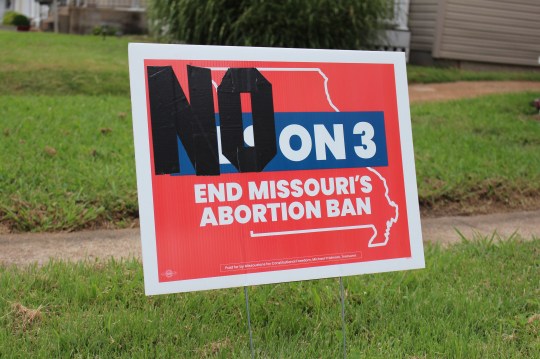
    Presidential candidate Trump claims credit for SCOTUS' Dobbs decision and says that as a result, the “states are voting.” States are making decisions on abortion policy, but it’s mostly been state legislatures, not voters. Few states with abortion bans have a process for citizen-initiated constitutional amendments. In those states, lawmakers and anti-abortion activists have attempted to block abortion measures from qualifying for the ballot or put roadblocks in their place.

  • Medicaid Coverage of Family Planning Benefits: Findings from a 2021 State Survey

    Report

    This report presents survey findings from 41 states and DC about coverage policies for fee-for-service Medicaid in place as of July 1, 2021, for the following categories of family planning benefits: prescription contraceptives, over-the-counter methods, STI & HIV services, well woman care, breast & cervical cancer services, and managed care services

  • Obamacare and You

    Fact Sheet

    Obamacare and You is a series of one-page papers explaining how the Affordable Care Act, also known as “Obamacare,” will affect different groups of people. Click on the links below to learn more: If You Are Uninsured  Haga clic para leer en español  If You Are Low-Income and May Qualify for Medicaid  Haga clic para leer en español If You Have a Pre-Existing Condition Haga clic para leer en español If You Buy Coverage in the Individual Market…

  • Medicaid Support for Family Planning in the Managed Care Era

    Report

    As the largest source of public funding for contraceptive care in the United States, Medicaid plays a crucial role in financing family planning services and supplies for millions of low-income women across the nation. In the past 15 years, managed care has become the primary way of delivering care to children and adults on Medicaid, a development which has had significant implications for how family planning services are financed, organized and delivered under Medicaid. This…

  • From Accessing Health Care to Work, Childcare, and Caregiving, the COVID-19 Pandemic Continues to Disproportionately Impact Women

    News Release

    Since the start of the COVID-19 pandemic, gender-based disparities have been amplified, particularly for women of color and those who are low-income. Two new issue briefs, using data from the 2020 KFF Women’s Health Survey that took place in November and December of 2020, examine women’s experiences during COVID-19. Women’s Experiences with Health Care: Women are more likely than men to forgo health care services during the pandemic, particularly women with health and economic challenges…