Public Opinion

THE MIDTERMS

Most Democratic Voters Want To Hear Candidates Discuss Health Costs and Future of Health Programs; More Republicans Focused on Fraud

KFF Health Tracking Poll: Public Views on Fraud in Government Health Programs

As the 2026 midterms approach, health care costs remain voters’ top health priority, but fraud in government health programs, including Medicaid and Medicare, is resonating with Republican voters, 55% of whom say it’s extremely important for candidates to address. Most voters say there is at least “some” fraud in government health programs, but larger shares say there is fraud in the tax system, defense, and foreign aid, while the smallest share sees fraud in the ACA Marketplaces.

Health Information and Trust

Update on Common Vaccine Myths: People Without a Trusted Health Care Provider Are More Likely to Endorse False Vaccine Claims

This poll looks at exposure to and belief in several vaccine myths and finds that people without a trusted health care provider, and those who regularly use social media or AI for health information, are generally more likely than others to belief the false claims. It also analyzes belief across vaccine myths, showing the share of the public that are consistent myth believers, consistent myth deniers, and those who land in the “mixed middle.”

Dashboard: Polling on Health Information and Trust

Drawing on KFF’s poll findings, this interactive dashboard tracks the public’s trusted sources for health information, attitudes toward vaccines, and use of news, social media, and AI for health-related information.

Recent Polls

KFF Health Tracking Poll: Mifepristone and the Midterms

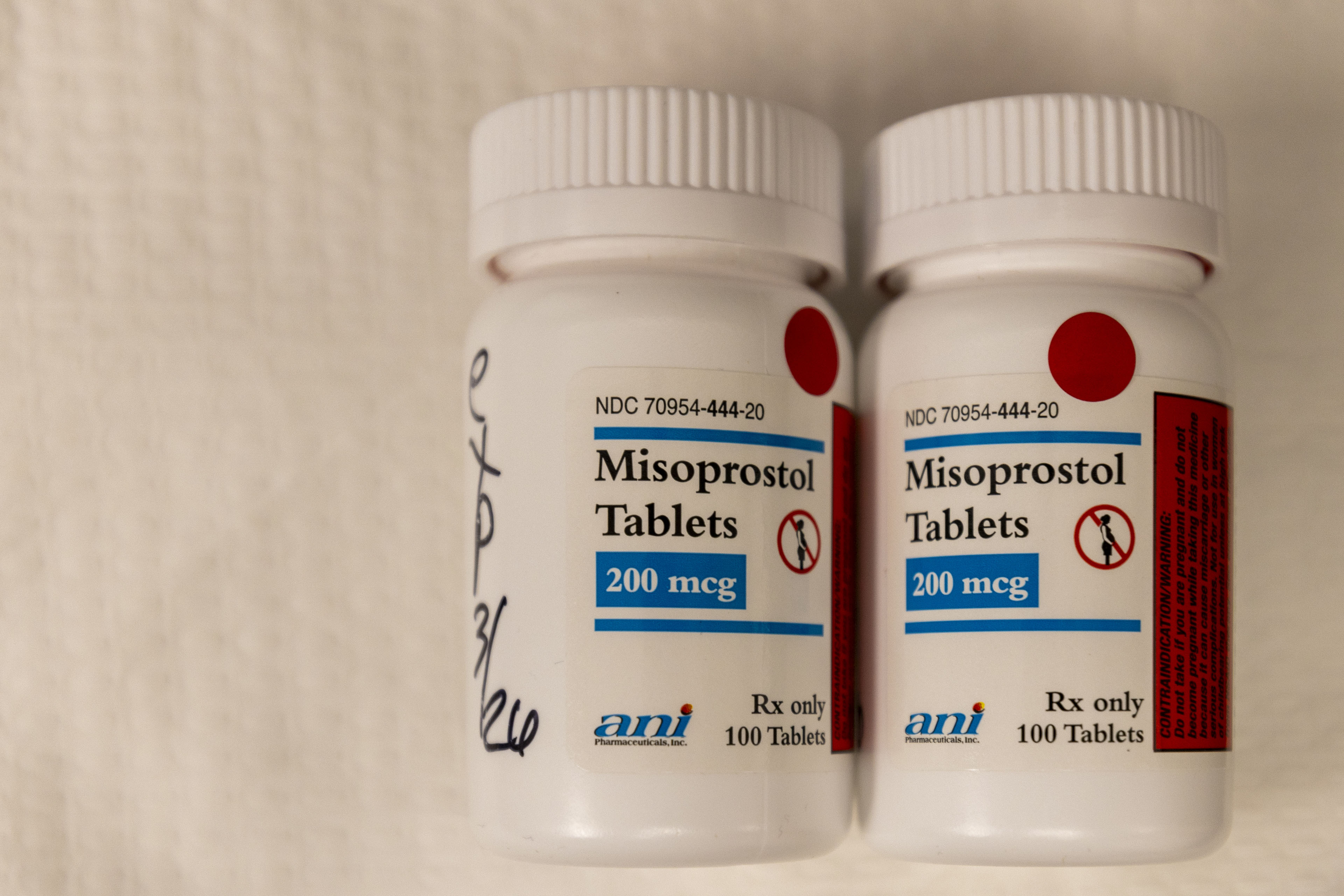
Amid an ongoing FDA re-review of mifepristone, awareness of the safety and prevalence of the abortion pill remains limited. This KFF poll also finds that the voters who say abortion policy is an important issue for 2026 midterm candidates to discuss are disproportionately Democrats.

Ebola Response and Pandemic Preparedness

Much of the public has yet to form an opinion on the U.S. government’s response to the Ebola outbreak in the Democratic Republic of the Congo, this poll finds. Four in ten adults say the U.S. is less prepared for a pandemic now than it was in 2020.

KFF/New York Times Survey of Immigrants

KFF-New York Times Survey: Immigrants Report Rising Fear, Negative Economic and Health Impacts, and Changing Political Views During the First Year of President Trump’s Second Term

The 2025 Survey of Immigrants, a partnership between KFF and The New York Times, takes an in-depth look at the experiences of immigrants during the first year of President Trump’s second term, including their worries related to increased immigration enforcement, their health and economic wellbeing, and the political views and preferences of immigrant voters. The survey paints a portrait of families under strain — where fear of detention and economic instability are negatively impacting immigrants’ health and reshaping immigrant families’ daily lives and views of U.S. political parties.

Read the News Release | Explore The New York Times’ Reporting

the essentials

Health Tracking Poll

Our signature survey project provides up-to-date data on the public’s health care views, knowledge, and experiences.

Tracking the Public’s Views on the ACA

Tracking the Public’s Views on the ACA

This interactive tool tracks public opinion on the Affordable Care Act, from the inception of the law to the present, including trends based on party identification, income, age, gender, and race/ethnicity.

Health Information and Trust Tracking Poll

The Health Information and Trust Tracking Poll is part of KFF’s Health Information and Trust Initiative, which tracks health misinformation and analyzes its impact on the public.

Polls in Health Policy

This chapter of our digital “textbook” explores why surveys are essential for understanding health policy issues. 

Stay informed.

Stay informed.

Filter

371 - 380 of 1,853 Results

  • Vaccine Monitor: Eagerness to Get Vaccinated Begins to Level Off as Most People Who Want a Vaccine Have Gotten One; But Republicans Show Biggest Shift Toward Vaccination

    News Release

    Parents’ Eagerness for Their Children to Get Vaccinated Mirrors Their Own Intentions, with 3 in 10 Ready to Vaccinate Their Children as Soon as It’s Available Most adults (56%) nationally say they have gotten at least one dose of a COVID-19 vaccine, and few (9%) say they haven’t but want to do so right away, posing a new challenge for the nation’s vaccination efforts, the latest KFF COVID-19 Vaccine Monitor shows. With all adults now…

  • KFF COVID-19 Vaccine Monitor: April 2021

    Feature

    Most adults nationally say they have gotten at least one dose of a COVID-19 vaccine, and few say they haven’t but want to do so right away, posing a new challenge for the nation’s vaccination efforts. The latest report also explores parents' intentions for their kids, confidence in vaccines' safety, and a variety of potential incentives and requirements to increase vaccination uptake.

  • Vast Majority of Large Employers Surveyed Say Broader Government Role Will Be Necessary to Control Health Costs and Provide Coverage, Survey Finds

    News Release

    Top executives at nearly 90% of large employers surveyed believe the cost of providing health benefits to employees will become unsustainable in the next five-to-10 years, and 85% expect the government will be required to intervene to provide coverage and contain costs, according to a new survey released today from Purchaser Business Group on Health (PBGH) and KFF (Kaiser Family Foundation), with support from the West Health Institute. The research exposes large employers’ mounting concerns…

  • KFF COVID-19 Vaccine Monitor: Vaccine Attitudes Among Essential Workers

    Poll Finding

    This analysis examines the vaccine-related attitudes of non-health essential workers who have been working outside their homes during the COVID-19 pandemic. It finds that they are less eager to get a vaccine right away, and a larger share express opposition to employer mandated vaccination.

  • Essential Workers Employed Outside Health Care are Less Enthusiastic about Getting a COVID-19 Vaccine than Other Adults

    News Release

    There has been little research on how essential workers not employed in the health care sector have been impacted by the pandemic and their views on and experiences with COVID-19 vaccines. The latest KFF COVID-19 Vaccine Monitor report finds that this group of workers – roughly 3 in 10 of all adults who have been required to work outside their homes during the pandemic – are less enthusiastic about getting vaccinated than other adults. As…

  • KFF COVID-19 Vaccine Monitor: What We’ve Learned

    Poll Finding

    This brief summarizes key findings and themes from the COVID-19 Vaccine Monitor project that is tracking the dynamic nature of the U.S. public’s attitudes and experiences with COVID-19 vaccination, and is based on more than 11,000 interviews conducted since December 2020.

  • Vaccine Monitor: What We’ve Learned

    News Release

    With nearly all states poised to allow anyone at least 16 years old to get a COVID-19 vaccine, this week’s announcement pausing the distribution of the Johnson & Johnson vaccine to investigate a rare side effect is raising questions about whether and how it will affect the public’s eagerness to get vaccinated. A new report summarizes key insights about vaccine confidence, messages and messengers from the KFF COVID-19 Vaccine Monitor project, which has interviewed more…

  • Mental Health Impact of the COVID-19 Pandemic: An Update

    Poll Finding

    The latest KFF COVID-19 Vaccine Monitor finds that those hardest hit by the mental health impacts of the coronavirus pandemic have been younger people and women, including mothers. This analysis of polling data explores who has been hardest hit by mental health impacts of the COVID-19 pandemic, how experience with COVID-19 related death and worry about getting sick impact mental health. It also explores problems with access to mental health care and treatment during the…

  • Vaccine Monitor: Women and Younger Adults Hit Hardest by Mental Health Impacts Due to COVID-19

    News Release

    Gender and age differences are revealed in a new analysis that finds nearly seven in ten (69%) young women ages 18 to 29 say the COVID-19 pandemic has negatively impacted their mental health, compared to smaller shares of women who are older and men across all age groups. By mid-2020 about half (53%) of adults reported that worry and pandemic-related stress had negatively impacted their mental health. Now with millions of U.S. residents getting vaccinated…