Public Opinion

HeaLTH in the Midterms

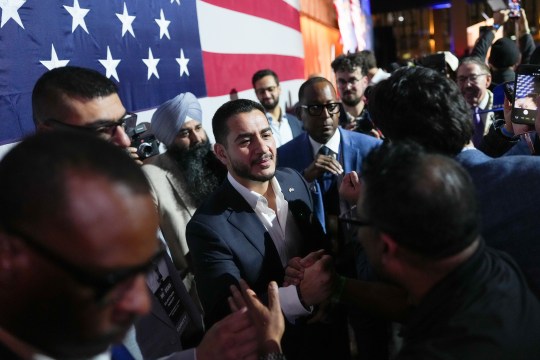
Health Care in the 2026 Midterm Election

This dashboard focuses on KFF’s analysis of the role health care costs and other health policy issues played in voters’ decisions in the 2026 midterm elections, including in key Senate races. It examines the role of rising health costs on voters’ decisions, views on the Trump administration’s health care policies, and opinions on the government’s role in health care amid discussions of Medicare for All.

Abortion on the Ballot in 2026: Polling Insights from Voters in Four States

This dashboard provides KFF’s analysis of the role abortion played in voters’ decisions in the 2026 midterm elections, with a focus on four states with abortion-related ballot measures: Idaho, Missouri, Nevada, and Virginia. It examines support for each of the measures across groups, including additional questions in Missouri.

What Do the Midterm Election Results Mean for Health Care? 

Event Date:

On November 5 at Noon ET, join KFF for a special post-election discussion and live “What the Health” podcast taping. Part of the discussion will focus on public opinion survey data on how voters weighed health care as they went to the polls nationally and in the four states with abortion-related ballot initiatives. 

Midterm Voters Give Democrats a Big Advantage to Handle Health Care

Quick Insights

KFF’s analysis of the 2026 Voter Poll by SSRS shows midterm voters gave Democrats a 19-percentage-point advantage on which party is better able to handle health care. Voters also gave Democrats a narrow edge on handling the economy (43% vs. 37%), a reversal from 2024, when Trump had a 10-point advantage over Harris. "In an election focused on affordability, Democrats’ messaging on health care costs appears to have resonated with voters and may have contributed to the party’s gains."

KFF/AP Survey of RURAL VOTERS

Health Information and Trust

About Half of Parents Mistakenly Believe Spacing Out Vaccines Is Healthier for Children; Half Say No Strong Evidence to Support Such a Claim

KFF Tracking Poll on Health Information and Trust: Fall 2026 Update on Vaccine Views

The latest KFF Tracking Poll on Health Information and Trust finds about half of parents mistakenly believe spacing out vaccines is healthier for children, while confidence in many long-standing childhood vaccines is high across partisans. These findings take on new relevance following President Trump’s recent executive order calling for changes in U.S. childhood vaccine recommendations, including splitting the measles, mumps, and rubella (MMR) vaccine—currently given as a single combined shot—into three separate vaccines across multiple visits.

Dashboard: Polling on Health Information and Trust

Drawing on KFF’s poll findings, this interactive dashboard tracks the public’s trusted sources for health information, attitudes toward vaccines, and use of news, social media, and AI for health-related information.

Health Tracking PollS

Democrats Hold a Nearly 2-to-1 Advantage Over Republicans on Handling the Cost of Health Care

Health Care Issues in the Lead-Up to the 2026 Midterm Election 

In the lead up to the midterms, health care costs remained tied with gas as voters’ top midterm concerns. Two-thirds of U.S. adults also favored Medicare-for-all, a new high in KFF Polling, but support shifts when competing claims from critics and proponents are heard.

Most Democratic Voters Want To Hear Candidates Discuss Health Costs and Future of Health Programs; More Republicans Focused on Fraud

Public Views on Fraud in Health Programs

As the 2026 midterms approach, health care costs remain voters’ top health priority, but fraud in government health programs, including Medicaid and Medicare, is resonating with Republican voters, 55% of whom say it’s extremely important for candidates to address.

Mifepristone and the Midterms

Amid an ongoing FDA re-review of mifepristone, awareness of the safety and prevalence of the abortion pill remains limited. This KFF poll also finds that the voters who say abortion policy is an important issue for 2026 midterm candidates to discuss are disproportionately Democrats.

MAHA and the Midterms

This KFF Health Tracking Poll finds that the cost of health care is a more prominent focus for Make America Healthy Again (MAHA) voters than issues like food and vaccine policy. Four in ten MAHA voters (42%) choose lowering health costs as the most important health priority, outranking other MAHA priorities.

the essentials

Health Tracking Poll

Our signature survey project provides up-to-date data on the public’s health care views, knowledge, and experiences.

Tracking the Public’s Views on the ACA

Tracking the Public’s Views on the ACA

This interactive tool tracks public opinion on the Affordable Care Act, from the inception of the law to the present, including trends based on party identification, income, age, gender, and race/ethnicity.

Health Information and Trust Tracking Poll

The Health Information and Trust Tracking Poll is part of KFF’s Health Information and Trust Initiative, which tracks health misinformation and analyzes its impact on the public.

Stay informed.

Stay informed.

Filter

361-370 of 1,869 results

  • KFF COVID-19 Vaccine Monitor: The Impact Of The Coronavirus Pandemic On The Wellbeing Of Parents And Children

    Poll Finding

    This report examines the impact of the COVID-19 pandemic on the wellbeing of parents and children. It finds that more than one-third of parents say their child fell behind academically or in their social and emotional development as a result of the pandemic. This report also examines the mental health and wellbeing of parents whose household experienced an employment disruption due to childcare needs and of children who attended school at least partially online.

  • Four in Ten Parents of School-Aged Children Say a Child Fell Behind Academically Due to the COVID-19 Pandemic

    News Release

    Four in Ten Parents Say Someone in Their Household Left a Job or Worked Fewer Hours to Care for Their Children, Including Higher Shares of Black, Hispanic, and Lower-income Parents As a result of the pandemic, about four in ten (39%) parents of school-aged children (ages 5-17) say at least one of their children fell behind academically, rising to half among parents with household incomes below $40,000 (51%) and Hispanic parents (50%), a new KFF…

  • How Full FDA Approval Could Spur Vaccination

    From Drew Altman

    In this Axios column, Drew Altman says full FDA approval of COVID-19 vaccines can provide a big boost to vaccination efforts if treated as an opportunity for updated messaging from government officials at all levels and public health experts and new actions from employers.

  • Most Parents Don’t Want Their Schools to Require COVID-19 Vaccination, But Most Favor Requiring Masks for Unvaccinated Children and Staff

    News Release

    Worries about Long-Term and Serious Side Effects are Parents’ Top Concern; Hispanic and Black Parents Are More Likely than White Parents to Cite Access and Cost Issues As schools around the country prepare to reopen, a majority of parents of school-age children say they do not want their children’s schools to require students to get a COVID-19 vaccine in order to attend in person classes, the latest KFF Covid-19 Vaccine Monitor report finds. This includes…

  • KFF COVID-19 Vaccine Monitor: Parents and the Pandemic

    Poll Finding

    This report examines attitudes and views of parents as children head back to school amidst the rise in COVID-19 cases due to the delta variant. Nearly half of parents of children ages 12-17, who are currently eligible to receive a COVID-19 vaccine, say their child has already been vaccinated or will get the vaccine right away. The report examines parents' vaccine concerns and attitudes towards vaccine and mask mandates in schools.

  • KFF COVID-19 Vaccine Monitor: July 2021

    Poll Finding

    This Vaccine Monitor report finds little change since June in the share of adults who either received a COVID-19 vaccine or say they will as soon as they can. A quarter of unvaccinated adults say they likely will get a shot by the end of the year. Unvaccinated adults are much less worried than vaccinated ones about the Delta variant.

  • Most Unvaccinated Adults Don’t Believe the Vaccines are Very Effective and See the Vaccines as a Greater Health Risk than COVID-19 Itself

    News Release

    Vaccinated Adults Are Nearly Twice as Likely as Unvaccinated Ones to Worry that New Variants Like Delta Will Worsen the Pandemic Nationally and Locally As public health officials struggle to boost vaccination rates nationally, the latest KFF COVID-19 Vaccine Monitor reports that a narrow majority (53%) of unvaccinated adults believe the vaccine poses a bigger risk to their health than COVID-19 itself. In contrast, an overwhelming majority (88%) of vaccinated adults say that getting infected…

  • Health and Health Care Experiences of Hispanic Adults

    Poll Finding

    The COVID-19 pandemic has exposed and exacerbated longstanding underlying disparities in health and health care facing Hispanic people. Using data from the COVID-19 Vaccine Monitor, this report provides insights into the health care experiences of Hispanic adults and examines how they vary by key factors, including insurance and immigration status.

  • Vaccine Monitor: Some Who Were Hesitant to Get a Vaccine in January Say They Changed Their Mind Because of Family, Friends and Their Personal Doctors

    News Release

    A new KFF COVID-19 Vaccine Monitor report finds that people who were initially hesitant to get a vaccine in January but ultimately did so often say that family, friends and their personal doctors helped change their minds. The report features a second round of interviews with a nationally representative sample of adults six months after they first shared their vaccine intentions in January, early in the nation’s vaccine distribution effort. The new survey assesses whether…

  • KFF COVID-19 Vaccine Monitor: In Their Own Words, Six Months Later

    Poll Finding

    This report features a second round of interviews with a nationally representative sample of adults six months after they first shared their vaccine intentions in January to assess whether or not they got a COVID-19 vaccine, the reasons behind their choice, and how they feel about their decision.