Medicaid

new and noteworthy

Medicaid: What to Watch in 2026

Medicaid: What to Watch in 2026

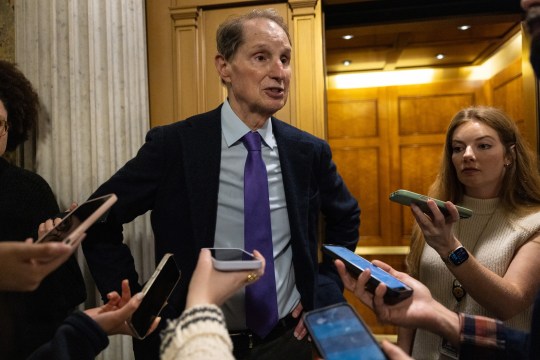
In this brief, KFF explores how state fiscal pressures are likely to converge with the implementation of the 2025 reconciliation law to affect Medicaid coverage, financing, and access to care over the next year, especially leading up to the midterm elections.

Medicaid Watch

Featuring policy research, polling and news about how Medicaid is changing, and the impact of those changes due to the tax and spending cuts law

Medicaid Work Requirements

Tracking Medicaid Work Requirements:
Data and Policies

To implement Medicaid work requirements, states will need to make important policy and operational decisions, implement needed system upgrades or changes, develop new outreach and education strategies, and hire and train staff, all within a relatively short timeframe. The information tracked here can serve as a resource to understand Medicaid work requirements and state options, gauge readiness, and track implementation of the requirements.

understanding medicaid

Medicaid Financing

Medicaid represents $1 out of every $5 spent on health care in the U.S. and is the major source of financing for states to provide health coverage and long-term care. This brief examines key questions about Medicaid financing and how it works.

Medicaid and Provider Taxes

All states except Alaska cover some state Medicaid costs with taxes on health care providers. This brief uses data from KFF’s 2024-2025 survey of Medicaid directors to describe current practices and the federal rules governing them.

5 Facts: Medicaid and Hospitals

Absorbing reductions in Medicaid spending could be challenging for hospitals, particularly for those that are financially vulnerable. This brief provides data on the reach of Medicaid across hospitals, patients, and charity care.

Medicaid Home Care in 2025

This issue brief provides an overview of what Medicaid home care (also known as “home- and community-based services”) is, who is covered, and what services were available in 2025.

5 Facts: Medicaid Program Integrity

This brief explains what is known about improper payments and fraud and abuse in Medicaid and describes ongoing state and federal actions to address program integrity.

2025 Medicaid Home Care survey

Payment Rates Ahead of 2025 Reconciliation Law

This issue brief describes Medicaid payment rates for home care and other workforce supports that are in place in 2025, before the majority of the 2025 reconciliation law provisions start taking effect.

Home Care Support for Family Caregivers in 2025
number of responding states, including DC, that allow payments for family caregivers by type of home care program and type of caregiver.

This issue brief describes the availability of self-directed services and supports for family caregivers in Medicaid home care in 2025, before most provisions in the reconciliation law take effect.

States’ Management of Home Care Spending

This issue brief describes the mechanisms states are currently using to limit Medicaid spending on home care and their plans for adopting new mechanisms in state fiscal year (FY) 2026.

Waiting Lists for Medicaid Home Care, 2016 to 2025
A Look at Waiting Lists for Medicaid Home- and Community-Based Services from 2016 to 2025

This data note provides new information about waiting lists in Medicaid home care before many of the provisions in the 2025 reconciliation law go into effect.

Eligibility and coverage
  • Eligibility, Enrollment, and Renewal Policies

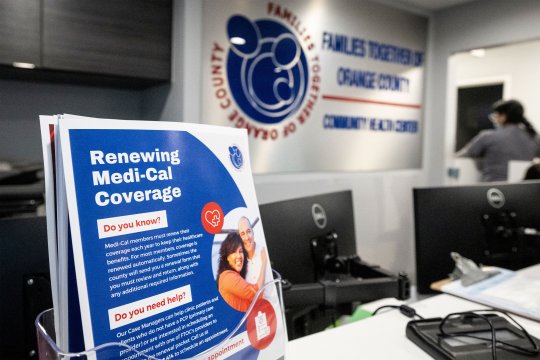
    KFF's survey findings capture state actions that seek to improve the accuracy and efficiency of Medicaid and CHIP enrollment and renewal processes, as of January 2025.
  • Seniors and People with Disabilities

    More than 1 in 3 people with disabilities (15 million) have Medicaid (35%). In comparison, only 19% of people without disabilities have Medicaid.
  • Children with Special Needs

    Amid debates about proposed cuts to federal Medicaid spending, this brief analyzes key characteristics of children with special health care needs and explores how Medicaid provides them with coverage.
  • People With Intellectual and Developmental Disabilities

    Among the estimated 8 million people with intellectual and developmental disabilities (I/DD), over three million have Medicaid coverage.
  • Adults with Chronic Conditions

    Among working age adults enrolled in Medicaid, approximately three quarters have one or more chronic conditions, and nearly one-third have three or more.

Subscribe to KFF Emails

Choose which emails are best for you.
Sign up here

Filter

41 - 50 of 2,688 Results

  • Opioid Use Disorder among Medicaid Enrollees: Snapshot of the Epidemic and State Responses

    Issue Brief

    As the largest payer of substance use disorder services in the United States, Medicaid plays a central role in state efforts to address the opioid epidemic. In addition to increasing access to addiction treatment services through the expansion of Medicaid under the Affordable Care Act (ACA), states are expanding Medicaid addiction treatment services, increasing provider reimbursements, restricting opioid prescribing, and implementing delivery system reforms to improve the quality of treatment services. While many states have been tracking progress and challenges in these efforts, uniqueness of state systems can make it difficult to compare or benchmark across states. This brief draws on analyses provided by the Medicaid Outcomes Distributed Research Network (MODRN), a collaborative effort to analyze data across multiple states to facilitate learning among Medicaid agencies. It profiles the opioid epidemic among the Medicaid population in six states participating in MODRN that also have been hard hit by the opioid epidemic: Kentucky, Maryland, Ohio, Pennsylvania, Virginia, and West Virginia. The brief also draws on interviews with officials from the state Medicaid and other health agencies.

  • State Options for Medicaid Coverage of Inpatient Behavioral Health Services

    Report

    This report provides data to understand current patterns of Medicaid enrollees’ use of inpatient and outpatient substance use disorder and mental health treatment services; explains the options for states to access federal Medicaid funds for enrollees receiving IMD services; analyzes current Section 1115 waiver activity; and draws on interviews with policymakers using IMD waivers in Vermont, Virginia, and San Diego County to examine successes and challenges

  • Community Health Centers Prepare for Funding Uncertainty

    Issue Brief

    With the Community Health Center Fund, a key source of federal funding, set to expire in September, community health centers across the country are considering steps to reduce staffing, close some locations and eliminate or reduce services as they cope with uncertainty about their future financing.

  • Medicaid Provisions in the American Rescue Plan Act

    Issue Brief

    The American Rescue Plan Act, the COVID-19 relief package that became law on March 11, 2021, contains a number of provisions designed to increase coverage, expand benefits, and adjust federal financing for state Medicaid programs. These provisions are briefly described below and summarized in Table 1. Separate briefs summarize provisions in the new law relating to the Marketplaces and public health.

  • Potential Impact of Additional Federal Funds for Medicaid HCBS for Seniors and People with Disabilities

    Issue Brief

    The American Rescue Plan includes a provision to increase the federal matching rate (FMAP) for spending on Medicaid HCBS by 10 percentage points from April 1, 2021 through March 31, 2022 provided states maintain state spending levels as of April 1, 2021. This brief discusses the proposal and provides state by state estimates of the potential effects of the policy change. It was updated on May 28 to include key points from the new CMS guidance about how states can access the funds and examples of how funds can be used.

  • KFF Health Tracking Poll: Economic Hardship, Health Coverage, And The ACA

    Feature

    This poll examines the public's assessments of the Biden administration's handling of the coronavirus pandemic, the impact COVID-19 has had on people's finances, and support for provisions of the latest COVID-19 relief bill. It examines the public's views of the ACA and possible next steps.

  • Is the End of the Long-Term Care Crisis Within Sight? New COVID-19 Cases and Deaths in Long-Term Care Facilities Are Dropping

    Policy Watch

    This analysis compares trends in new COVID-19 cases and deaths among nursing facility residents with trends in all other new COVID-19 cases and deaths excluding nursing facility residents through February 7, 2021. This analysis shows a marked divergence in new cases and deaths per week between nursing facility residents and the rest of the US population since December 2020. This drop in new deaths and cases in nursing facility residents coincides with the start of vaccine administration in LTCFs, suggesting a link between the two, although the trends could also be influenced by other factors.