Medicaid

Medicaid work requirements

Medicaid and the Road Ahead: Spending Cuts, Work Requirements and What’s Next for States, Providers and Families

Event Date:

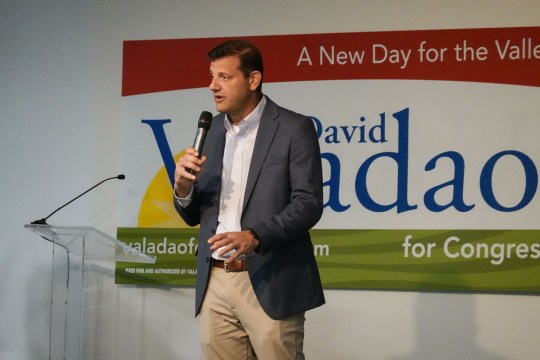
Passed last year, President Trump’s One Big Beautiful Bill Act made significant changes to Medicaid—the primary insurance provider for health and long-term care for people with low incomes. These changes are expected to lead to coverage loss for many current enrollees and will reduce funding for Medicaid, placing new financial pressures on states and health care providers. On July 23, KFF and States Newsroom hosted an event focused on the impacts of work requirements and other federal policy changes on states, health care systems, and people.

new and noteworthy

understanding medicaid

Medicaid Financing

Medicaid represents $1 out of every $5 spent on health care in the U.S. and is the major source of financing for states to provide health coverage and long-term care. This brief examines key questions about Medicaid financing and how it works.

Medicaid Program Integrity

This brief explains what is known about improper payments and fraud and abuse in Medicaid and describes ongoing state and federal actions to address program integrity.

Medicaid and Provider Taxes

All states except Alaska cover some state Medicaid costs with taxes on health care providers. This brief uses data from KFF’s 2024-2025 survey of Medicaid directors to describe current practices and the federal rules governing them.

Medicaid and Hospitals

Absorbing reductions in Medicaid spending could be challenging for hospitals, particularly for those that are financially vulnerable. This brief provides data on the reach of Medicaid across hospitals, patients, and charity care.

Medicaid Home Care

This issue brief provides an overview of what Medicaid home care (also known as “home- and community-based services”) is, who is covered, and what services were available in 2025.

Dual Eligibles

Stay informed.

Stay informed.

Filter

1,421 - 1,430 of 2,730 Results

  • CHIP Program Enrollment: June 2000

    Report

    The report reveals that the total number of children enrolled in state CHIP programs had grown to 2.3 million by June 2000, showing a steady increase in enrollment. The report is part of a larger project to track Medicaid and CHIP enrollment in all 50 states. REPORT Download

  • Federal Budget Chartbook 2001

    Report

    A new chart book examines Fiscal Year 2002 budget proposals by President Bush and Congress, focusing on their impact on health programs. It provides both an examination of how health care programs fit into the overall U.S. budget and a review of past budget trends and future projections for government health care programs. Chartbook

  • SCHIP Enrollment in 50 States

    Other Post

    This update shows that enrollment in SCHIP grew by 25,000 to 3,950,000 in 2004, reversing a four quarter decline in enrollment since June 2003, but still slightly below the program's enrollment peak. Report (.pdf)

  • Medicaid’s Role for Dual Eligibles

    Issue Brief

    These short profiles illustrate the help that Medicaid provides to four individuals who qualify for both Medicaid and Medicare. They include a 66-year-old former nurse who suffers from a multitude of health problems; an 86-year-old stroke survivor and nursing home resident; a 64-year-old man with disabilities who lives independently; and a 42-year-old woman with numerous chronic conditions, including diabetes, a thyroid condition, effects of a stroke, and depression. There are 9 million "dual eligibles" --…

  • Health Care Use and Chronic Conditions Among Childless Adult Medicaid Enrollees in Arizona

    Issue Brief

    Under the Affordable Care Act (ACA), beginning in 2014, Medicaid eligibility will expand to 133% of the federal poverty level for nearly all individuals. Arizona is one of the few states that already cover adults without dependent children in Medicaid through a longstanding Section 1115 waiver. This report, based on 2007 Medicaid claims data for adult Medicaid enrollees in Arizona, provides an analysis of health care utilization and health conditions for childless adults and compares…

  • Oral Health in the U.S.: Key Facts

    Fact Sheet

    This fact sheet provides data on oral health care coverage and access for children, nonelderly adults and Medicaid beneficiaries, including state-by-state data on measures such as the share of adults who have had a dental visit within the past year. Fact Sheet (.pdf)

  • Giving Voice to the People of New Orleans: The Kaiser Post-Katrina Baseline Survey

    Poll Finding

    This house-to-house survey of people living in the New Orleans area examines the ongoing struggles of residents seeking to recover from the Hurricane Katrina disaster, including a detailed look at differences in views and experiences by race. Designed and analyzed by researchers at the Kaiser Family Foundation, the survey provides a portrait of the enormous needs of the population in order to inform recovery efforts and policy development on the Gulf Coast and in Washington.…

  • Determining Income Eligibility in Children’s Health Coverage Programs: How States Use Disregards in Children’s Medicaid and SCHIP

    Issue Brief

    The Center for Medicare and Medicaid Services issued an August 17, 2007, directive that would restrict states’ flexibility to continue to apply income disregards when determining eligibility for Medicaid and SCHIP coverage for expansions to children above 250 percent of the federal poverty level. This issue brief describes the purpose of income “disregards” (which refer to both income that is excluded and expenses that are deducted from a family’s earnings); how disregards help enable children…

  • Rethinking Medicaid’s Financing Role for Medicare Enrollees

    Issue Brief

    This issue brief examines coverage of the nearly 9 million "dual eligible" beneficiaries, the low-income elderly and persons with disabilities who are enrolled in both Medicare and Medicaid. It explores the national and state impacts of shifting the financing of selected services for dual eligibles from Medicaid to Medicare, including having the federal government pick up the full cost of Medicare premiums, cost-sharing and gaps in Medicare-covered services and long-term care services for this population.…